
精益生产

Search documents
华利集团(300979) - 300979华利集团投资者关系管理信息20250625
2025-06-25 09:52
Group 1: Financial Performance - The company's gross profit margin is positively influenced by customer and product structure adjustments, lean production measures, and improved factory operational efficiency [2] - In 2021, cash dividends accounted for approximately 89% of the annual net profit; in 2022, this ratio was 43%; in 2023, it was about 44%; and for 2024, it is projected to be around 70% [5] - As of the end of 2024, the company's undistributed profits amount to approximately 10.4 billion RMB [5] Group 2: Production Capacity and Expansion - The main production base is located in Vietnam, with a new finished shoe factory expected to commence production this year; the Indonesian base is projected to have a capacity of over 60 million pairs, starting production in the first half of 2024 [2] - A finished shoe factory in Sichuan will begin production in the first quarter of 2025 through leased facilities [2] Group 3: Market Competition and Industry Dynamics - The sports shoe manufacturing industry is primarily dominated by Taiwanese and South Korean enterprises, with significant historical investment in mainland China [3] - The industry has high barriers to entry due to the lengthy development cycles and complex production processes, requiring substantial technical experience and innovation [3] Group 4: Shareholder Relations - The controlling shareholder has not yet reduced their stake, aiming to optimize the shareholder structure and welcome long-term investors [4]
内卷的解药不是涨价
远川研究所· 2025-06-23 12:38
Core Viewpoint - The article discusses the evolution of competition in the business landscape from price-cutting to blaming competitors for low pricing, highlighting the detrimental effects of price wars on quality, profitability, and employee wages. Group 1: Price Dynamics and Market Behavior - Ten years ago, competition was primarily about selling cheaper, while now it involves accusations of "price internalization" among competitors [1] - The complaints from businesses, low factory profits, and consumer concerns about quality are all linked to the issue of low prices [2][3] - A stable price increase could lead to brand upgrades and improved income for industry participants, creating a positive feedback loop [4] Group 2: Cost Structures and Value Addition - The article emphasizes that the key question is where the added value comes from when prices rise [5] - Low prices are a result of large-scale standardized production, which reduces costs but does not necessarily improve quality [6][10] - The concept of the "idiot index" introduced by Elon Musk illustrates the relationship between production costs and raw material costs, indicating that high production costs can be a sign of inefficiency [9] Group 3: Market Trends and Consumer Behavior - The price of consumer electronics, such as TVs and air conditioners, has significantly decreased due to larger production scales and market growth, not due to exploitation of the supply chain [12][13][16] - The phenomenon of low prices is often accompanied by market scale growth and a fragmented market structure [14][15] - The article notes that as market saturation occurs, price competition diminishes, leading to stable pricing among major players [20] Group 4: The Role of Value Creation - The article argues that true consumption upgrades occur when previously unaffordable products become accessible to a broader audience, rather than merely shifting from one expensive brand to another [35] - The creation of new added value beyond raw materials and production processes is essential for social wealth creation and purchasing power enhancement [38][59] - High-value products often derive their worth from design, branding, and innovation rather than just manufacturing processes [49][50] Group 5: Labor and Productivity - Improving labor productivity, rather than eliminating low-priced goods, is suggested as a solution to escape the cycle of low pricing [52] - Historical examples, such as Ford's introduction of assembly lines, illustrate how productivity improvements can lead to lower prices without sacrificing quality [53][54] - The article concludes that enhancing the value of human labor is crucial for breaking free from low-price competition [68]


信隆健康(002105) - 002105信隆健康投资者关系管理信息20250519
2025-05-19 03:52
Group 1: Material Cost Management - The proportion of material costs in the revenue for bicycle parts and fitness rehabilitation equipment has increased compared to 2023, particularly for fitness rehabilitation equipment [2][3] - The company plans to implement various strategies to reduce material costs as a percentage of revenue in 2025, aiming to enhance profitability and performance [3][4] - Strategies include optimizing supplier management, centralized and bulk purchasing, and establishing an inventory management system to lower procurement costs [3][4] Group 2: Production Efficiency and Automation - Significant improvement in production efficiency in FY 2024 compared to 2023, attributed to early investments in automation [4][5] - Future automation plans include upgrading existing equipment, investing in new technologies, and enhancing production processes to further increase efficiency and reduce costs [5] - The company benefits from a large order volume and financial resources, allowing for investment in automated production equipment with tax incentives [5] Group 3: Customer Risk Management - In 2025, the company will strengthen customer risk management to mitigate bad debt rates caused by client bankruptcies and operational issues [5] - A new customer credit management system will be implemented, including increased client visits and monitoring of payment and inventory situations [5] - Collaboration among departments will be enhanced to effectively manage customer default risks, and partnerships with export credit insurance companies will be established to assess and mitigate risks [5]

皮阿诺(002853) - 2025年5月12日投资者关系活动记录表
2025-05-12 11:24
Group 1: Shareholder and Stock Performance - The total number of shareholders as of March 31, 2025, is 9,882 [3] - The stock price fluctuations are influenced by market conditions, macroeconomic factors, and investor sentiment, with no undisclosed negative information affecting the company [2][5] - The major shareholder's share transfer is ongoing and has not yet been completed [1] Group 2: Financial Performance - In 2024, the company achieved a revenue of 885.88 million CNY, with a net profit attributable to shareholders of -374.76 million CNY, indicating a decline due to industry conditions and market competition [4] - The overall furniture manufacturing industry in China reported a revenue of 677.15 billion CNY in 2024, with a year-on-year growth of 0.4% and a profit total of 37.24 billion CNY, down 0.1% from the previous year [5] Group 3: Strategic Initiatives - The company plans to enhance its brand positioning in the mid-to-high-end market, improve product quality, and optimize customer revenue structure by focusing on quality real estate developers [4][6] - The introduction of advanced production lines and lean manufacturing principles aims to improve production efficiency and product quality [5] - The company is expanding its sales channels through a combination of direct sales and partnerships with real estate clients, aiming for a comprehensive marketing service network [6] Group 4: Market Outlook - The ongoing urbanization and renovation demands are expected to provide structural growth opportunities for the industry [5] - The custom furniture market is in a growth phase with significant potential for increased market concentration due to evolving consumer preferences and diversified channels [5]
一场火灾,烧出全球芯片的软肋
半导体行业观察· 2025-05-01 02:56
Core Viewpoint - The article discusses how a fire at a semiconductor factory in New Mexico in 2000 triggered a crisis that reshaped the chip supply chain and significantly impacted the competitive dynamics between Nokia and Ericsson in the early 21st century [1][6]. Group 1: Incident Overview - On March 17, 2000, a lightning strike caused a fire at a Philips semiconductor factory, leading to significant damage, including the destruction of silicon wafers capable of producing thousands of mobile phone chips [2][3]. - The factory suffered extensive water damage due to the automatic sprinkler system, contaminating millions of chips stored in a clean room [2][3]. Group 2: Company Responses - Nokia effectively managed the crisis by quickly identifying supply issues and deploying a team of 30 managers to develop solutions, including redesigning chips and expediting production [3][4]. - In contrast, Ericsson was slower to respond and lacked alternative suppliers for critical RF chips, resulting in a loss of potential revenue estimated at $400 million [4][5]. Group 3: Financial Impact - Ericsson reported a loss of 16.8 billion Swedish Krona (approximately $1.6 billion) in its mobile phone division due to component shortages and operational missteps, leading to a 13.5% drop in its stock price [5][6]. - Following the fire, Ericsson's stock price fell by 14% within hours of disclosing the losses, and it continued to decline, dropping about 50% from pre-fire levels [5][6]. Group 4: Market Dynamics - Nokia capitalized on Ericsson's difficulties, increasing its market share from 27% to 30%, while Ericsson's share fell from approximately 12% to 9% [6]. - The fire ultimately solidified Nokia's position as a dominant player in the mobile phone market, while Ericsson's mobile division faced decline and eventual outsourcing of its manufacturing [6]. Group 5: Lessons Learned - The incident highlighted the importance of risk management and the dangers of relying on single suppliers, as well as the need for companies to maintain flexibility and redundancy in their supply chains [7][8]. - The article emphasizes that many supply chain disruptions stem from internal decisions, such as inadequate contingency planning and inventory management [7][8]. Group 6: Broader Implications - The complexity of global supply chains has increased, with companies facing various risks, including natural disasters and geopolitical tensions, which can lead to significant financial impacts [8][9]. - Companies are now reconsidering their global strategies, with some adopting a "continent strategy" to enhance geographical redundancy, despite the higher costs involved [9][10].
不内卷,“90后”开的中国工厂靠什么脱颖而出?
Guan Cha Zhe Wang· 2025-04-30 09:51
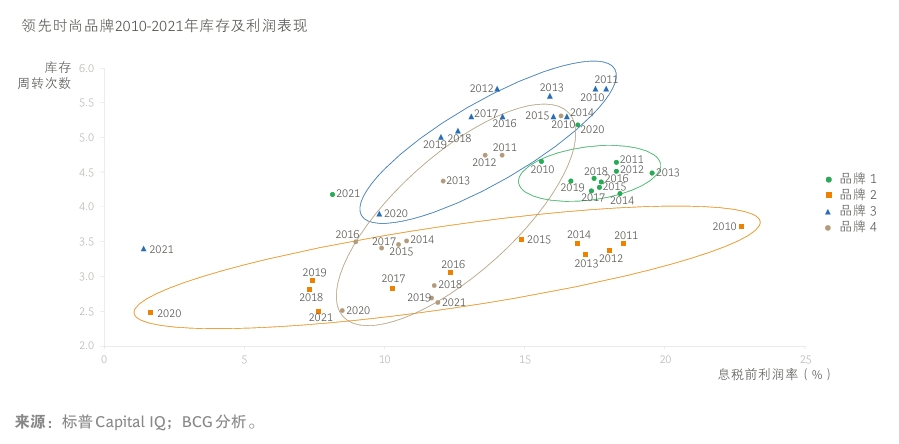
Core Viewpoint - The article highlights the innovative practices of SHEIN's suppliers, particularly focusing on the flexible supply chain and digital transformation that enhance production efficiency while ensuring worker welfare [2][3][10]. Group 1: Factory Environment and Worker Welfare - SHEIN suppliers, like the factory in Foshan, have improved working conditions with effective cooling systems and organized environments, countering the stereotype that young people avoid factory work [2][3]. - The factory management emphasizes the importance of workers' health by avoiding forced overtime and ensuring normal working hours, even during voluntary overtime [3]. Group 2: Cost Management and Inventory Control - SHEIN's flexible supply chain allows for better cost management, with a digital order management system that reduces material waste and worker idle time by accurately calculating required labor and production schedules [3][10]. - A Boston Consulting Group report indicates that inventory levels directly impact fashion companies' performance, with SHEIN managing to keep inventory turnover days below 30, compared to the industry average of 80-120 days [5][10]. Group 3: Lean Production and Supplier Empowerment - SHEIN invests in supplier training and development, providing various courses to enhance production capabilities, which has led to significant cost savings for suppliers [12][13]. - The establishment of SHEIN's innovation center in Guangzhou aims to integrate on-demand production with lean manufacturing practices, fostering technological and digital transformation among suppliers [12][14]. Group 4: Technological Innovation and Automation - SHEIN has developed proprietary digital design tools and automated cutting equipment that significantly improve production efficiency and material utilization [13][14]. - The company has also created a platform to share its patented technologies with suppliers and the broader industry, promoting automation in the Chinese apparel sector [15]. Group 5: Expansion and Industry Impact - SHEIN's supplier network is expanding beyond Guangdong to central and western regions of China, contributing to local employment and disseminating advanced manufacturing practices [16]. - The company has invested over 10 billion yuan to enhance its smart supply chain matrix in the Greater Bay Area, demonstrating its commitment to digital transformation and supplier empowerment [16].
真兰仪表20250428
2025-04-28 15:33
Summary of the Conference Call for Zhenlan Instrument Co., Ltd. Company Overview - Zhenlan Instrument was established in 2011 and listed on the Shenzhen Stock Exchange in February 2023 with a registered capital of 2.92 billion RMB, which increased to 4.088 billion RMB after capital reserve conversion in 2024 [doc id='3'][doc id='2'] - The company is recognized as a "specialized, refined, distinctive, and innovative" small giant enterprise and a high-tech enterprise, ranking among the top three in domestic sales and revenue [doc id='3'] - Zhenlan holds over 600 patents and software copyrights, with a production capacity of 10 million units and over 2,000 domestic customers [doc id='3'] Financial Performance - In 2024, the company achieved revenue of 1.501 billion RMB, a year-on-year increase of over 10%, and a net profit of 325 million RMB, slightly higher than 320 million RMB in 2023 [doc id='2'][doc id='3] - The first quarter of 2024 saw revenue of 329.3 million RMB and a net profit of approximately 70 million RMB [doc id='3'] Key Insights and Arguments - The decline in non-recurring net profit is attributed to increased non-operating income from financial products and lower gross margins from newly developed water meter and automotive parts businesses [doc id='4'] - Gas meter sales remained stable at 8 million units, with a slight increase in market share, but the domestic market is nearing saturation, limiting explosive growth [doc id='2'][doc id='6'] - The company is expanding into new businesses, with water meter revenue nearing 90 million RMB and expected to double in 2025, while automotive parts revenue is around 59 million RMB, with plans for gradual development over the next three to five years [doc id='2'][doc id='10'] Industry Dynamics - The overseas business grew nearly 60% in 2024, achieving sales of 217 million RMB, primarily due to cooperation with Algerian clients, but faces increased domestic competition and data security challenges [doc id='2'][doc id='16'] - The company is leveraging automation and lean production to optimize the supply chain and reduce costs, although increased short-term borrowing has led to a higher debt ratio than the industry average [doc id='2'][doc id='19'][doc id='20'] Competitive Strategy - In the smart gas meter sector, the company aims to expand market penetration, particularly in lower-tier cities, while enhancing technology stability and reducing costs through in-house development of core measurement modules [doc id='7'][doc id='9'][doc id='8'] - The company plans to increase R&D investment in 2025, focusing on gas meters and gas measurement technologies to meet rising safety and quality demands from downstream clients [doc id='13'] Future Outlook - The company anticipates market demand in 2025 will be influenced by ongoing policy effects from 2024, with a focus on responding to customer needs and ensuring compliance with safety regulations [doc id='14] - The automotive parts business is primarily aimed at supporting new energy vehicles, with products also applicable to traditional fuel vehicles [doc id='15'] - The company expects overseas market growth to reach at least 20%, with domestic markets remaining stable and water meter business projected to double [doc id='24] Challenges and Risks - The company faces challenges from increased competition in overseas markets and the need to adapt to local market conditions, particularly in less developed regions [doc id='16'] - There are concerns regarding the impact of tariffs on export business, although current export volumes to the Americas are low [doc id='16'] Conclusion - Zhenlan Instrument is committed to steady growth despite industry challenges, focusing on operational stability and long-term development strategies [doc id='27']

中国制造未来走向全球的秘诀:成本效率与技术领先双剑合璧
麦肯锡· 2025-04-23 10:03
Core Viewpoint - The article emphasizes the need for Chinese advanced manufacturing companies to enhance cost efficiency and technological leadership to thrive in a new normal of low-speed economic development and intense industry competition [1]. Group 1: Transformation Framework - McKinsey proposed an excellence enterprise growth plan that includes a comprehensive end-to-end transformation system focusing on R&D, production operations, marketing, talent, and AI [1]. - The goal is to create a competitive advantage that integrates scale, technology, and management [1]. Group 2: R&D Capability - R&D capability is identified as the core competitive advantage for advanced manufacturing, requiring companies to focus their limited resources on the most valuable initiatives [3]. - Companies should enhance R&D through four dimensions: product management, system development, agile NPI (New Product Introduction), and digital R&D [3]. Group 3: Lean Production and Cost Management - Chinese advanced manufacturing companies have a certain cost advantage but still have opportunities for improvement through lean management [19]. - It is crucial to scientifically measure the theoretical limit of costs and quickly approach it through operational improvements [19]. - Digital cost management tools can help identify and capture cost optimization opportunities [20]. Group 4: Sales and Business Growth - Manufacturing companies face challenges in marketing strategy, product planning, customer management, channel management, pricing management, target setting, performance management, health checks, and continuous improvement [31]. - A framework for excellence in marketing has been established, focusing on customer management, target setting, and sales management [32]. Group 5: Talent and Organizational Development - A strong talent team is essential for achieving excellence, requiring a focus on talent development across various functions and business lines [41]. - Companies should implement performance management cultures and capability-building initiatives [41]. Group 6: AI and Digital Transformation - Generative AI technology is expected to bring significant benefits, particularly in high-end manufacturing, with an estimated potential of $350 billion [43]. - Companies must avoid common pitfalls in digital/AI deployment, such as overestimating the speed of commercialization and neglecting organizational restructuring [50]. Group 7: Implementation and Continuous Improvement - Successful transformation requires a standardized implementation process, including diagnosis, optimization, and ongoing improvement [56]. - Companies should focus on both internal growth efficiency and external growth strategies, such as international expansion and mergers [57].

成本减半,回报快:AMB™纯视觉复合机器人助力精益生产
起点锂电· 2025-02-10 11:07
以下文章来源于海同工业 ,作者hyetone 海同工业 . 致力于视觉与驱控技术,打造智能机器人PLUS,助力人类生产更美好! 在制造业追求精益生产的今天,减少人力投入、提高生产效率和产品质量成为制造企业的核心目标。 传统工业 机器人的高成本和对工作环境的严格要求,在二维操作和搬运任务中显得不够灵活和经济。 为了应对这一挑 战,海同工业推出了AMB™纯视觉复合机器人,专为精益生产少人化设计,特别适用于需要高精度、重复性和 高效物料处理的行业。 为什么选择AMB™纯视觉复合机器人? AMB™不仅继承了传统工业机器人的灵活和精确性,更通过纯视觉技术实现了成本大幅降低和应用范围的广泛扩 展。 以下是从投资回报率、人机混线灵活性、安全防护以及适应性,四个维度的对比分析,展示了AMB™相较于传统全 自动工业机器人的显著优势。 Part. 01 投资回报率:更快实现价值最大化 对比维度 | - 使用成本仅 为传统机器人的 二分之一。 | | --- | 投资回报率 - 中小企业可轻松实现自动化, 快速回收投资 。 - 适应 各种复 杂场景应用 。 - 高额的前期投资和后续维护成本。 - 场景要求高,导致投资回报周期较长。 ...