
良性竞争

Search documents
财经观察丨订单需要“火”,而不是放在“火上烤”
Xin Hua Cai Jing· 2025-07-16 12:23
Core Viewpoint - The recent initiative by a local restaurant association highlights the negative impact of extreme subsidies and unfair competition in the food delivery market, particularly from platforms like Meituan and Taobao Shanguo, which have led to a chaotic market order and severe imbalance in the industry [1][2][3] Group 1: Impact on Restaurants - Many restaurants are forced to bear the costs of platform subsidies, leading to situations where they receive negative amounts after fees are deducted from orders [1] - The vicious cycle of "no flow without participation, but losses if participating" is causing significant distress for many dining establishments, particularly those reliant on dine-in customers [2][3] - Experts suggest that excessive subsidies do not lead to overall prosperity in the restaurant industry, but rather disrupt normal market order and negatively affect both delivery and dine-in services [3] Group 2: Market Dynamics and Competition - The platforms' aggressive competition is driven by a "winner-takes-all" effect, reminiscent of past internet industry battles, but the current situation in the restaurant sector may not yield the same benefits [2][3] - Regulatory intervention is deemed necessary to restore order and rational development in the industry, as the current state of extreme low pricing is harmful [3][4] Group 3: Customer Implications - Customers may initially benefit from low prices, but this could lead to a decline in quality and safety of food options as restaurants exit the market due to unsustainable practices [4] - The long-term consequences of chaotic competition could result in market shrinkage and a collapse of trust in the industry, ultimately harming consumers [4] Group 4: Call for Healthy Competition - A healthy and high-quality development of the industry requires a focus on mutual benefits rather than short-term gains, advocating for more positive competition and collaboration with the real economy [5]
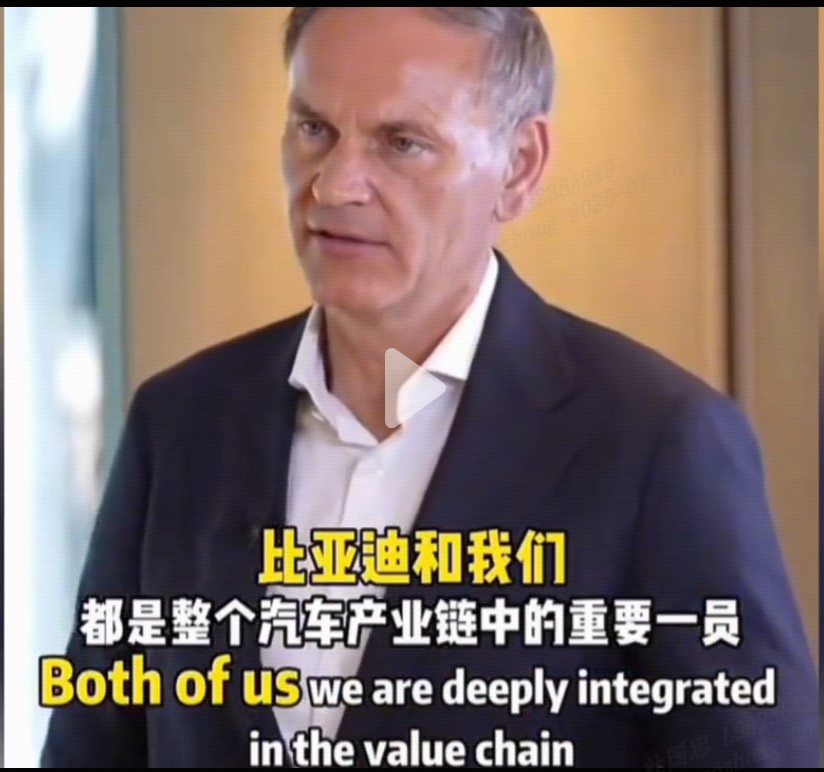
大众 CEO奥博穆谈中国车市:比亚迪是可敬对手 竞争倒逼技术升级
Zhong Jin Zai Xian· 2025-07-11 01:52
Group 1 - The core viewpoint expressed by the CEO of Volkswagen, Herbert Diess, is that having competitors like BYD is beneficial for the automotive industry, as it drives improvement and innovation [1][3] - Diess emphasizes that competition is not a burden but a valuable fuel that contributes to the long-term development of the automotive sector, ultimately benefiting consumers [3][5] - He acknowledges the vibrant competitive landscape in the Chinese automotive market, stating that healthy competition is essential for the industry's progress [5][7] Group 2 - Diess draws a parallel between competition in sports and the automotive industry, suggesting that strong competitors push each other to achieve greater excellence [5][7] - The perspective of viewing competitors as opportunities for self-improvement reflects a broader mindset within Volkswagen, indicating an openness to the rise of Chinese brands [7]


光伏减产信号坐实!港A板块涨停潮起,后市行情能走多远?
Ge Long Hui· 2025-07-02 07:12
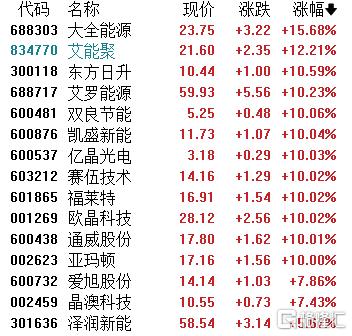
Core Viewpoint - The photovoltaic sector has experienced a significant surge in stock prices, driven by industry-wide production cuts and favorable market conditions [1][4][6]. Group 1: Stock Performance - Since late June, photovoltaic stocks have been on a continuous upward trend, with many stocks hitting the daily limit [1]. - Notable performers include Daqo New Energy, which rose over 15%, and several other companies like Shuangliang Energy and Kstar New Energy, which also saw significant gains [1][2]. - In the Hong Kong market, Kstar New Energy increased by over 13%, while other companies like Xinyi Solar and Fulete Glass also reported substantial gains [2][3]. Group 2: Industry Dynamics - Major photovoltaic glass manufacturers plan to collectively reduce production by 30% starting in July to alleviate excessive competition and improve supply-demand balance [4][5]. - This reduction is expected to lower domestic glass production to around 45GW, addressing the current oversupply situation [4]. - The industry is responding to government policies aimed at curbing low-price competition and promoting sustainable development [5][6]. Group 3: Market Outlook - The photovoltaic industry is entering a phase of significant capacity expansion, leading to price declines and profit compression for major players [6][7]. - Despite the production cuts, component prices have not shown significant recovery, with silicon wafer prices continuing to decline [7]. - Analysts suggest that the market is in a "clearing deep water zone," indicating that inventory reduction and capacity adjustments are necessary for supply-demand improvement [6][7].




这个“618”大促,电商平台因势而变
Nan Fang Du Shi Bao· 2025-06-18 15:49
Group 1 - The core viewpoint of the articles highlights the shift in e-commerce platforms towards more transparent pricing mechanisms and a move away from aggressive price competition, driven by consumer demand for clarity and fairness [1][2][3] - Platforms like Tmall have replaced the previous "full reduction" mechanism with a more straightforward "official discount" approach, addressing consumer complaints about complex discount structures [1] - The implementation of the "Interim Provisions on Prohibition of Unfair Competition in E-commerce" has led to a reduction in price wars among platforms, with even low-cost competitors like Pinduoduo adapting to a "store minimum" pricing strategy [1] Group 2 - The trend of "anti-involution" is becoming prominent, with platforms and merchants recognizing that unsustainable low pricing cannot drive long-term performance, leading to changes in traffic distribution mechanisms [2] - Tmall has shifted from a "low price wins" model to a "quality wins" approach, while Douyin e-commerce has introduced various support measures for quality merchants, indicating a focus on sustainable business practices [2] - Consumer expectations have evolved, with a demand for more transparent and straightforward promotional activities during sales events like "618," reflecting a shift in shopping behavior [2] Group 3 - Instant retail has entered the competitive landscape during the "618" event, catering to consumers' preferences for immediate purchases without bulk buying, even if discounts are less aggressive [3] - The rise of instant retail has prompted traditional e-commerce platforms to enhance user experience and optimize their ecosystems [3] - Despite positive changes, the e-commerce sector still faces significant issues, such as increased complaints about pricing practices and hidden discounts, indicating ongoing challenges in consumer trust and satisfaction [3]


鸿蒙智行“五界”首次齐聚!负责人畅谈与华为合作感受,余承东:“五界”都能崛起但需要时间
Mei Ri Jing Ji Xin Wen· 2025-05-31 11:24
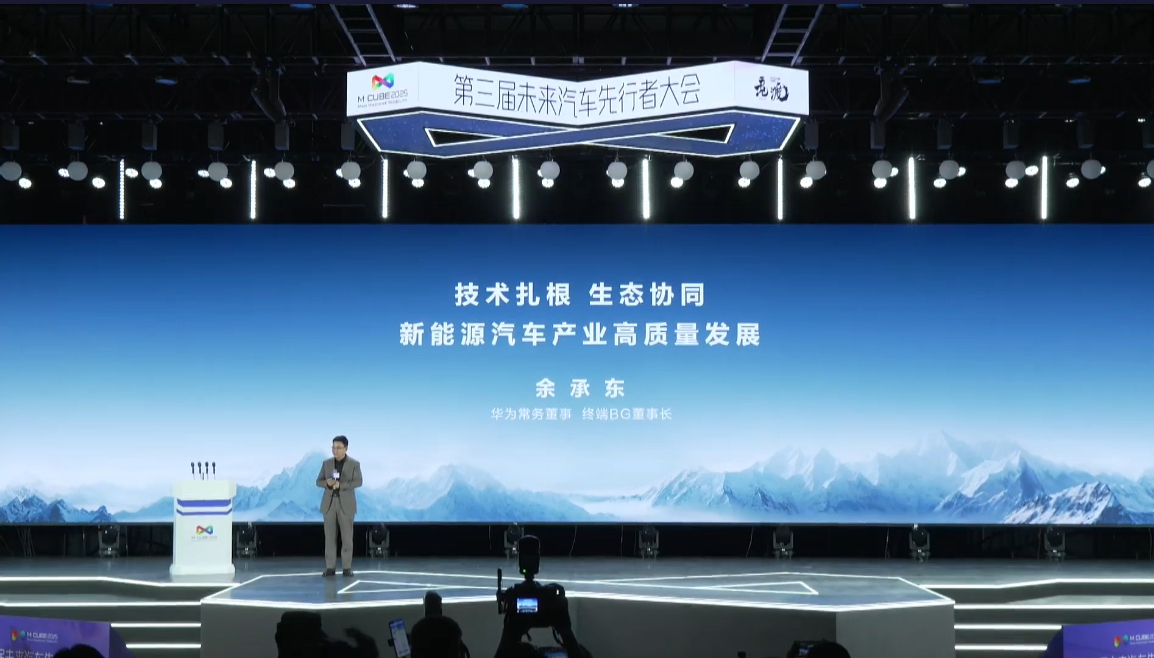
Group 1 - The Future Automotive Pioneer Conference highlighted the collaboration between Huawei and various automotive companies, focusing on the "Five Realms" of Hongmeng Intelligent Driving [1] - Huawei's Executive Director Yu Chengdong emphasized the challenges of developing multiple realms, indicating that achieving scale will take time and effort [1] - The automotive industry is experiencing a new round of price wars, prompting the China Automotive Industry Association to advocate for fair competition and sustainable development [4][5] Group 2 - Companies like Seres and Chery have shared their positive experiences working with Huawei, noting that collaboration can lead to significant changes and advancements in the smart electric vehicle sector [1][4] - The industry leaders stressed the importance of maintaining quality and avoiding low-end competition, which they view as detrimental to long-term growth [5][6] - The trend towards high-end vehicles is evident, with models like the AITO M8 and M9 priced significantly higher, reflecting a shift in consumer preferences [6]
一财社论:市场竞争要有边界和底线,治理“内卷”需多管齐下
Di Yi Cai Jing· 2025-05-15 14:11
Group 1 - The core viewpoint emphasizes the need for healthy competition in the market, moving away from harmful practices like "involution" and excessive price competition [1][2][3] - The recent discussions among various government departments highlight the importance of companies adhering to their social responsibilities and maintaining fair competition to protect consumer rights and promote a healthy market environment [1][3][5] - The call for innovation and improvement in product quality by leading companies is crucial for enhancing competitiveness and resilience in the industry [1][3] Group 2 - The necessity for strengthening legal frameworks related to fair competition is underscored, with ongoing revisions to laws such as the Anti-Unfair Competition Law and the Anti-Monopoly Law [4] - The 2025 legislative plan indicates a focus on enhancing regulations in key and emerging sectors to ensure effective supervision and penalties for unfair competition practices [4] - The emphasis on industry associations to promote self-regulation and compliance among their members is seen as a vital step towards maintaining market order [5][6] Group 3 - Companies are encouraged to adopt ESG reporting practices to demonstrate their progress in environmental, social, and governance areas, fostering accountability and transparency [6] - The current complex international economic landscape necessitates a stronger emphasis on regulating competition to encourage fair and legitimate practices while avoiding detrimental competition [6]
重磅消息!电商平台全面取消“仅退款”,专家:电商行业从低价竞争回归良性竞争【附电子商务行业市场分析】
Sou Hu Cai Jing· 2025-04-23 10:39
Group 1 - The core viewpoint of the article is that major e-commerce platforms in China, including Pinduoduo, Taobao, Douyin, Kuaishou, and JD.com, are abolishing the "refund only" policy, which previously allowed consumers to request refunds without returning products [2] - The adjustment of the "refund only" policy is seen as a move towards promoting healthy competition in the e-commerce industry and protecting merchants' interests, as it aims to reduce malicious refund behaviors that have exploited this policy [2][8] - The role of e-commerce platforms is shifting from being "referees" to "coordinators," emphasizing negotiation between merchants and consumers rather than direct intervention by the platforms [2] Group 2 - In 2023, China's online retail sales reached 15.42 trillion yuan, marking an 11% growth and maintaining its position as the world's largest online retail market for 11 consecutive years [3] - As of June 2023, the number of online shopping users in China reached 884 million, an increase of 38.8 million from December 2022, representing 82% of the total internet users [3] - The growth rate of online retail sales in China has shown a recovery in 2023, with a year-on-year increase of 11.9%, contributing to 32.72% of the total retail sales of consumer goods, which amounted to 47.14 trillion yuan [4]



中汽协倡议规范企业数据发布:倡议企业停止对外发布销量周榜
Zheng Quan Shi Bao Wang· 2025-03-18 04:56
Core Viewpoint - The China Association of Automobile Manufacturers (CAAM) has issued a proposal to regulate data publication among automotive companies, aiming to maintain industry integrity and promote high-quality development [1] Group 1: Data Publication Standards - CAAM urges companies to stop releasing weekly sales rankings that do not reflect market trends, as these can lead to misinterpretation and disrupt industry order [1] - Companies are encouraged to publish operational data on a monthly, quarterly, or annual basis, aligning with the operational norms of the automotive industry to ensure stable market conditions [1] Group 2: Promoting Healthy Competition - The proposal advocates for companies to focus on their own achievements, emphasizing technological breakthroughs, product innovations, and service upgrades, rather than engaging in comparative advertising [1] - CAAM calls for an end to malicious competition driven by negative comparisons and rankings, shifting the focus from "data competition" to "service and value competition" [1] Group 3: Industry Collaboration - The association requests that third-party organizations and media outlets also refrain from publishing weekly sales rankings, promoting a narrative that highlights technological advancements and green transformations within the industry [1] - The initiative aims to foster a positive industry environment, encouraging rational public perception of market fluctuations and resisting the sensationalism of short-term data [1]