
贸易制裁

Search documents
为何只惩罚印度买俄油?鲁比奥宣称对中国制裁会推高油价
Sou Hu Cai Jing· 2025-08-18 10:22
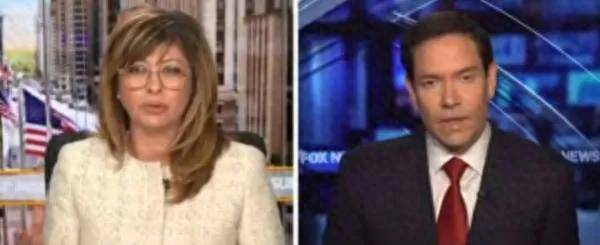
Core Viewpoint - The U.S. government's imposition of tariffs on India due to its purchase of Russian oil has escalated tensions between the two nations, creating a volatile situation in their bilateral relations [1] Group 1: U.S. Actions and Responses - U.S. Secretary of State Rubio explained the selective sanctions against India, highlighting perceived hypocrisy in not sanctioning other countries, particularly European nations, that also purchase Russian oil [1] - Rubio indicated that secondary sanctions could have significant implications, suggesting that the U.S. is cautious about the potential global energy price increases and supply shortages that could arise from further sanctions on China [1] Group 2: International Relations and Concerns - Some European countries have expressed concerns regarding the U.S. approach to sanctions, indicating a desire for a more balanced strategy that does not provoke tensions with Europe [1] - Rubio mentioned that there was a proposal in the U.S. Senate to impose 100% tariffs on both China and India, but this raised alarms among European allies [1]

特朗普通牒已下,不许中俄做生意,美国表决结果出炉,26票对3票
Sou Hu Cai Jing· 2025-08-12 06:45
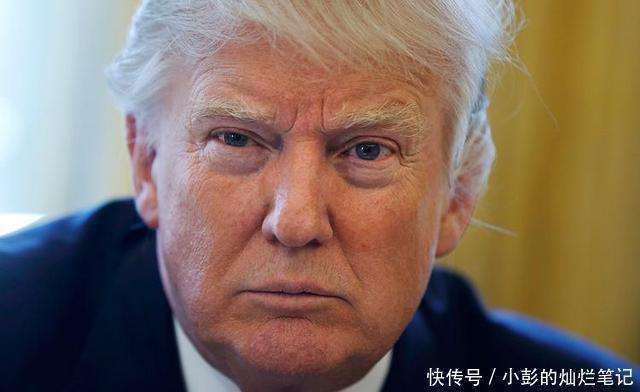
Group 1 - The core message of the articles revolves around the escalating tensions between the US and China, particularly in the context of trade and military cooperation with Russia and Iran. Trump's warning of imposing a 500% tariff on Chinese companies is seen as a strategic pressure tactic [1][6][11] - China's significant demand for oil, exceeding 10 million barrels per day, is crucial for its industrial sector. However, since March, China has not imported any oil from the US, instead deepening its energy cooperation with Russia, including the "Power of Siberia" gas pipeline [2][4] - The increase in China's rare earth exports to the US, from 35 tons in May to 353 tons in June, highlights China's control over critical materials for high-tech industries, raising concerns in the US military and technology sectors [4][9] Group 2 - The geopolitical landscape is shifting as China and Russia conduct joint military exercises, signaling their commitment to energy security amidst US pressures. China's response to US threats emphasizes its national interests [8][11] - The EU's reluctance to support secondary sanctions against Russia and the growing skepticism among European nations regarding the costs of supporting Ukraine indicate a division within the Western alliance [9][11] - The rapid growth of the China-Europe Railway Express, which has now surpassed 20,000 trips, reflects the strengthening trade ties between China and Europe, moving beyond low-value goods to high-value products like electric vehicles [4][11]
美国对俄罗斯制裁威胁难奏效
Jing Ji Ri Bao· 2025-08-10 21:58
Core Viewpoint - The potential new sanctions from the U.S. against Russia are unlikely to have a substantial impact on the Russian economy or its high-level decision-making, as experts believe that previous sanctions have already diminished their effectiveness [1][2][4]. Group 1: U.S. Sanctions and Their Impact - Experts argue that even if the U.S. imposes a 100% tariff on Russian goods, it would not significantly harm the Russian economy due to the low volume of Russian exports to the U.S., which amounted to $3.5 billion in 2024, a nearly 90% decrease from 2021 [2]. - The primary Russian exports to the U.S. are fertilizers, and imposing tariffs on these products may not be well-received by American farmers, as it would increase agricultural production costs and reduce competitiveness [2]. - The U.S. has threatened secondary tariffs on trade partners of Russia, particularly targeting oil exports, which could impact countries like India and Brazil [2][4]. Group 2: International Energy Market Concerns - The 18th round of EU sanctions has further restricted Russian oil exports, raising concerns about international energy supply volatility, with a daily supply gap of nearly 10 million barrels that cannot be easily resolved [3]. - Experts warn that excluding Russian oil from the international market could lead to energy shortages and necessitate long-term investments in development, production, and transportation [3]. Group 3: Russia's Economic Resilience - Russian officials assert that the economy continues to function under sanctions and has developed a certain level of "immunity" to external pressures, indicating that secondary tariffs would not have a significant effect [3][4]. - The Russian government emphasizes the legitimacy of its trade partnerships and the right of sovereign nations to choose their economic alliances, suggesting that external pressures will not alter Russia's commitment to its national interests [3][4].
印度国有炼油厂购买超2200万桶非俄罗斯石油,试图缓解制裁压力
Sou Hu Cai Jing· 2025-08-10 17:21
Group 1 - India is accelerating the purchase of non-Russian oil to alleviate sanctions pressure, despite the Modi government's high-profile stance [2] - The U.S. imposed a 25% tariff on India, which will take effect in 21 days, giving India some leeway [2][4] - India earns $45.8 billion annually from the U.S., with a bilateral trade total of $190 billion in 2024, highlighting the significance of this trade relationship [4] Group 2 - Modi has called on Indian citizens to buy domestic products but has not prohibited refineries from purchasing Russian oil, although data shows otherwise [6] - Major Indian oil companies have ceased purchasing Russian oil, with Indian Oil Corporation buying 5 million barrels from the U.S. and 2 million barrels from the UAE [6] - The volume of non-Russian oil purchased by Indian companies surged from 7 million barrels to 22 million barrels, with deliveries scheduled for September and October [8] Group 3 - The 22 million barrels of oil include supplies from the U.S., Canada, Brazil, Libya, and Africa, primarily focusing on U.S. crude [9] - Since Trump's administration, India's energy purchases from the U.S. have increased significantly, with crude oil purchases up by 51% and LNG purchases doubling [11] - India appears to be pragmatically balancing the costs and benefits between the 50% tariff and the purchase of Russian oil, indicating a potential loss for Russia in the energy market [13]
“最后通牒”进入倒计时 白宫会对俄罗斯动真格吗?
Yang Shi Xin Wen· 2025-08-07 10:49
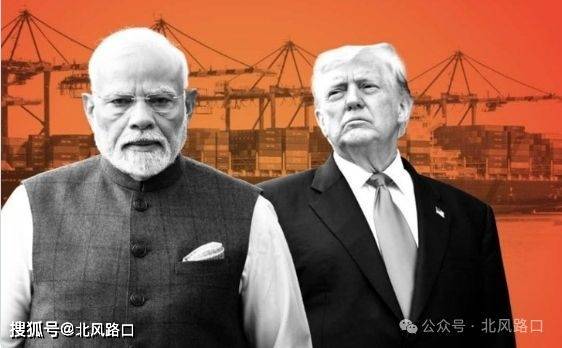
Core Points - The meeting between Russian President Putin and US Middle East envoy Wittekov is crucial, with a deadline for a "last ultimatum" approaching on August 8, raising questions about potential US actions against Russia [1][2] - If the talks yield no positive results, the US may consider various policy options to respond to Russia [1] Group 1: Potential US Actions - One possible action is to impose additional tariffs directly on Russia, although the impact may be limited due to the relatively small annual trade volume of over $3 billion between the US and Russia [1] - Another option could involve secondary sanctions on Russia's energy trade partners, with previous discussions indicating potential tariffs as high as 500% [1] - Targeted sanctions against specific Russian industries, such as the shipping fleet, are also being considered, with recent reports suggesting more stringent measures [1] Group 2: Comprehensive Strategy - The US may ultimately adopt a comprehensive approach depending on the outcomes of the talks, indicating a flexible response strategy [2]
聚焦美中关税问题结果银价小涨
Jin Tou Wang· 2025-08-07 08:04
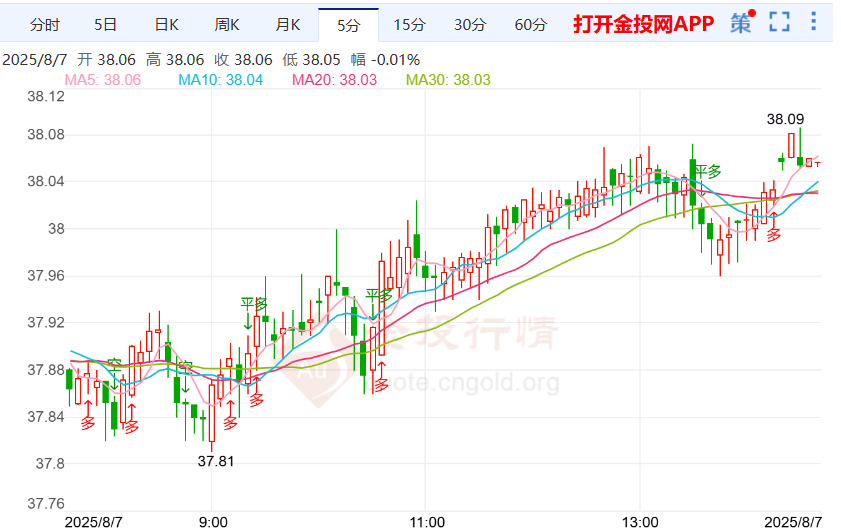
Group 1 - Current spot silver trading is above $38.02, with an opening price of $37.82 and a current price of $38.06, reflecting a 0.58% increase [1] - The highest price reached today is $38.09, while the lowest is $37.81, indicating a bullish short-term trend for spot silver [1][4] - Spot silver has broken above the 10-day moving average, with a strong short-term outlook, and potential upward movement if it surpasses $38 [4] Group 2 - Trump signed an executive order imposing an additional 25% tariff on Indian imports due to continued purchases of Russian oil, raising some tariffs to 50% [3] - The U.S. Treasury Secretary warned China about potential significant tariffs if it continues to buy sanctioned Russian oil, highlighting selective enforcement of sanctions [3] - Ongoing negotiations between the U.S. and China aim to extend a 90-day tariff truce, with potential for tariffs to rise significantly if talks fail, increasing global trade tensions [3]
俄副外长:因终止与俄在能源领域合作并缩减双边贸易,欧盟损失超1万亿欧元
Huan Qiu Wang· 2025-08-04 10:57
Group 1 - The core viewpoint is that the EU has incurred losses exceeding 1 trillion euros (approximately 8.3 trillion RMB) due to the termination of energy cooperation and reduction of bilateral trade with Russia [1][3] - The trade volume between the EU and Russia has drastically decreased from 417 billion euros in 2013 to nearly zero, indicating significant profit loss for the EU [3] - The refusal to cooperate with Russia has negatively impacted the competitiveness of the EU economy, with natural gas prices being four to five times higher than those in the US, and electricity prices two to three times higher [3] Group 2 - The EU has agreed on a new round of sanctions against Russia, which targets key sectors including banking, energy, and military industries, and aims to continue pressure until the end of the Russia-Ukraine conflict [4] - Russia's presidential press secretary stated that the country will conduct a comprehensive assessment of the new EU sanctions to minimize negative impacts, emphasizing that such unilateral measures are illegal and opposed by Russia [4] - Each new round of sanctions is described as a double-edged sword, suggesting that they may also have adverse effects on the countries imposing them [4]
倒计时5天,印度继续进口俄石油,中方态度明确,普京打破沉默
Sou Hu Cai Jing· 2025-08-03 23:14
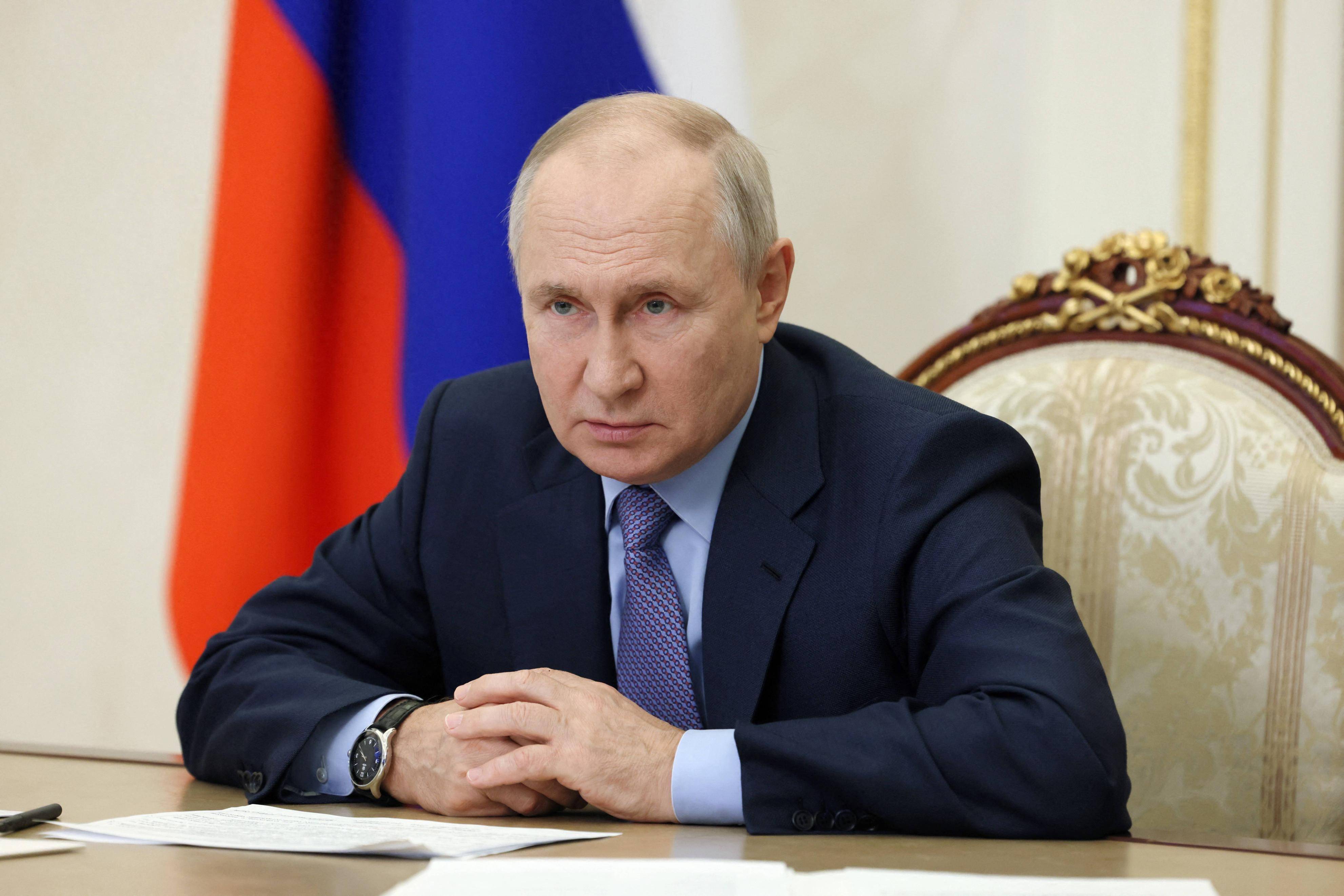
Core Viewpoint - The article discusses India's decision to continue importing Russian oil despite U.S. pressure and threats of secondary tariffs, highlighting the geopolitical implications of this stance. Group 1: India's Position on Russian Oil - India officially stated that it has not issued any directives to its oil companies regarding the cessation of Russian oil imports, indicating a continuation of trade with Russia [11][13]. - The Indian government’s response to U.S. threats suggests a firm stance against U.S. pressure, with Prime Minister Modi emphasizing India's ambition to become the world's third-largest economy [13][16]. Group 2: U.S. Pressure and Reactions - Former President Trump has threatened to impose a 100% tariff on countries purchasing Russian oil, particularly targeting India, which could signify a shift in geopolitical alliances [4][6]. - Trump's claims about India halting Russian oil purchases were quickly countered by Indian officials, demonstrating India's unwillingness to yield to U.S. demands [11][18]. Group 3: China's Stance - China has asserted its right to make independent energy policy decisions based on national interests, rejecting U.S. threats regarding Russian oil purchases [18][20]. - The Chinese government criticized the U.S. for its double standards, pointing out that while the U.S. engages in trade with Russia, it attempts to restrict other nations from doing the same [20][24]. Group 4: Russia's Response - The Kremlin has indicated that it is not intimidated by U.S. sanctions and has developed resilience against them, focusing instead on the ongoing situation in Ukraine [24].
征收50%高额关税,制裁最高法院法官,美对巴西展开政经“双重打压”
Huan Qiu Shi Bao· 2025-07-31 22:31
Core Points - The U.S. has imposed a 40% tariff on Brazil, raising the total tariff to 50%, alongside sanctions against Brazilian Supreme Court Justice Demorais, indicating a significant escalation in diplomatic tensions between the two countries [1][5] - Brazilian President Lula criticized the U.S. for interfering in Brazil's judicial matters and opposed the sanctions against Demorais, asserting Brazil's sovereignty [1][6] Tariff and Trade Impact - The new tariffs do not apply to many of Brazil's major exports to the U.S., such as commercial aircraft, energy products, and orange juice, with over 40% of Brazilian exports exempt from tariffs [3] - The U.S. is projected to have a trade surplus of $7 billion with Brazil in 2024, indicating that Brazil is not a trade deficit country for the U.S. [3] Sanctions Against Demorais - The U.S. Treasury announced sanctions against Demorais, freezing his assets and prohibiting financial transactions with U.S. citizens and companies, citing his role in what they termed "witch hunts" against U.S. interests [4][5] - Demorais has been accused of human rights violations and political persecution related to former President Bolsonaro's legal troubles [4][5] Brazilian Government's Response - The Brazilian government views the U.S. trade measures as politically motivated and an infringement on its sovereignty, with officials asserting the need to maintain judicial independence [5][6] - Brazil's Foreign Minister reiterated the country's willingness to negotiate on tariff issues but emphasized that Bolsonaro's judicial case should not be part of those discussions [7] Political Context - Former President Trump has criticized the Brazilian judiciary's actions against Bolsonaro, framing them as a threat to U.S. national security and foreign policy [5] - Lula has indicated that if Trump's threats materialize, Brazil is considering retaliatory tariffs on certain U.S. products [7]

原油成品油早报-20250731
Yong An Qi Huo· 2025-07-31 12:38
Report Overview - Report Title: Crude Oil and Refined Oil Morning Report - Report Date: July 31, 2025 - Report Team: Energy and Chemicals Team of the Research Center 1. Report Industry Investment Rating - No investment rating information is provided in the report. 2. Core Viewpoints - This week, crude oil prices fluctuated. The monthly spreads of the three major crude oil markets declined, and the absolute prices dropped on Friday. The market is mainly focused on the progress of trade negotiations between the US and other countries. The President of the European Commission will meet with Trump on Sunday, and Trump said there is a 50 - 50 chance of reaching an agreement. The market is also concerned about US sanctions on Russia, with Trump threatening sanctions if a cease - fire agreement is not reached within 10 days. Fundamentally, global oil product inventories decreased slightly, US EIA commercial inventories decreased, diesel inventories in ARA and Singapore continued to decline, while diesel inventories in the US and China increased. European diesel cracks strengthened slightly, and global refinery profits declined slightly but remained high year - on - year. In China, refinery operations fluctuated, with Shandong refineries increasing production. Recently, gasoline and diesel inventories at refineries increased significantly, and refinery profits weakened quarter - on - quarter, limiting the scope for further increasing operations. Although factors such as the peak demand season for crude oil, high diesel profits, and the US plan to impose secondary sanctions on Russia support the near - term supply and demand of crude oil, the impact of the peak season has been largely realized, and the monthly spreads have started to decline. In the medium term, the absolute prices face downward pressure due to OPEC's accelerated production increase and the impact of US tariff policies on the global economy. Attention should be paid to the evolution of the contradiction between non - OPEC production and near - term diesel inventories [7]. 3. Summary by Relevant Catalogs 3.1 Daily News - The US imposed the largest - scale sanctions on Iran since 2018, targeting over 50 entities and individuals and more than 50 oil tankers and container ships controlled by Iranian businessman Mohammad Hussein Shamkhani [3]. - European natural gas prices neared a two - week high as US President Trump threatened to punish India for buying Russian energy, raising concerns about global supply. Trump increased pressure on Russia to reach a cease - fire in Ukraine, and traders expected the US to take action against Russian oil and gas buyers including India. Gas prices briefly dropped after Polish Prime Minister Tusk saw new prospects for Russia to stop the invasion of Ukraine [4]. - Indian refiners asked the Indian government for clarification on whether their purchases of Russian crude would be affected by Trump's new social media post. Trump said he would impose a 25% tariff on Indian exports to the US starting August 1, and warned of additional penalties due to India's continued purchase of Russian energy. Indian companies buy over 1 million barrels of Russian crude per day [4]. 3.2 Regional Fundamentals - According to the EIA report, in the week ending July 25, US crude oil exports decreased by 1.157 million barrels per day to 2.698 million barrels per day [5]. - In the same week, US domestic crude oil production increased by 41,000 barrels to 13.314 million barrels per day [6]. - Commercial crude oil inventories excluding strategic reserves increased by 7.698 million barrels to 427 million barrels, a 1.84% increase [6]. - The four - week average supply of US crude oil products was 20.801 million barrels per day, a 1.55% increase compared to the same period last year [6]. - US Strategic Petroleum Reserve (SPR) inventories increased by 238,000 barrels to 402.7 million barrels, a 0.06% increase [6]. - US imports of commercial crude oil excluding strategic reserves were 6.136 million barrels per day, an increase of 160,000 barrels per day compared to the previous week [6]. - From July 18 - 24, the operating rate of major refineries remained flat, and the operating rate of Shandong refineries increased slightly. In China, refinery output of gasoline and diesel decreased, and inventories of both increased. The comprehensive profits of major refineries and local refineries declined quarter - on - quarter [6].