
城市更新

Search documents
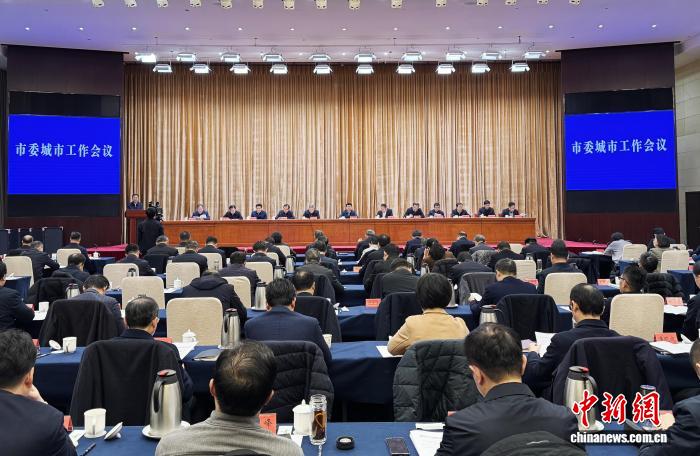
江苏扬州建设现代化人民城市:首要建设富有活力的创新之城
Zhong Guo Xin Wen Wang· 2026-01-19 08:55
Core Viewpoint - Jiangsu Yangzhou aims to accelerate the construction of a modern, innovative, livable, beautiful, resilient, civilized, and smart city, with a primary focus on becoming a vibrant innovation city [1] Group 1: Action Plan Overview - Yangzhou issued the "Three-Year Action Plan for Promoting High-Quality Urban Development," which includes 30 action measures across nine key tasks [3] - Key tasks include enhancing urban development capabilities, increasing innovation momentum, implementing urban renewal actions, improving livability, building a green and low-carbon city, ensuring urban safety and resilience, preserving historical culture, modernizing urban governance, and strengthening the elements supporting high-quality urban development [3] Group 2: Urban Development Enhancements - Yangzhou plans to strengthen regional collaboration, integrate into major national and provincial strategies, and improve comprehensive transportation layout to become a transportation hub in the Yangtze River Delta [3] - The city aims to enhance the development capacity of counties and promote urban-rural integration [3] Group 3: Urban Renewal Initiatives - The city will focus on mechanisms, revitalization of existing assets, renovation, and functional improvements in urban renewal, targeting old neighborhoods, dilapidated buildings, and old factories [4] - Yangzhou will compile a special plan for urban renewal and accelerate comprehensive urban inspections [3][4] Group 4: Innovation Ecosystem Development - Yangzhou seeks to cultivate an innovation ecosystem by enhancing innovation spaces, science and technology platforms, and an open economy [4] - The city aims to accelerate the construction of an industrial and technological innovation city and promote the integration of industry, city, and people [4]

净利润“腰斩”,建筑巨头中国中冶去年业绩下滑
Di Yi Cai Jing· 2026-01-19 08:49
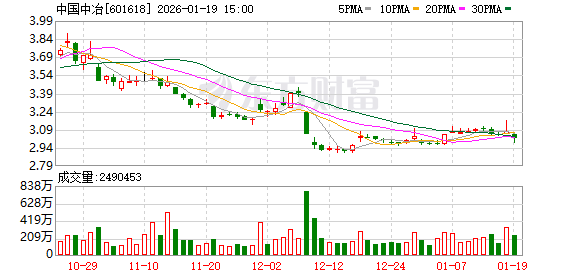
Core Viewpoint - China Metallurgical Group Corporation (China MCC) expects a significant decline in net profit for 2025, projecting a drop of over 50% compared to the previous year, primarily due to losses in the real estate sector and increased asset impairment provisions [1][2]. Financial Performance - China MCC's net profit attributable to shareholders has been declining over the past few years, with figures of 10.276 billion yuan in 2022, 8.670 billion yuan in 2023, and an estimated 6.746 billion yuan in 2024. The forecast for 2025 is approximately 3.3 billion yuan [1]. - For the first three quarters of 2025, China MCC reported a revenue of 335 billion yuan, reflecting a year-on-year decrease of 18.78%. The net profit attributable to shareholders was 3.97 billion yuan, down 41.88% [2]. Contractual Performance - China MCC's new contract value for 2025 is projected at 1,113.6 billion yuan, a decrease of 10.8% from the previous year. The overseas contract value increased slightly by 1.9% to 94.88 billion yuan [2]. Industry Context - The construction industry is facing pressure due to a sluggish real estate market and slowing infrastructure investment growth, impacting the performance of several state-owned construction enterprises [3]. - Among the top eight state-owned construction enterprises, only China Power Construction, China Energy Construction, and China Chemical achieved revenue growth in the first three quarters of 2025, while others experienced declines in net profit [4]. Strategic Moves - To address performance challenges, China MCC announced the sale of various assets, including 100% equity in China MCC Real Estate and other subsidiaries, to China Minmetals for 60.676 billion yuan. This move aims to clarify its positioning as a core platform focused on engineering contracting and emerging industries [4]. - The company anticipates that by 2026, after completing the disposal of real estate assets, it will gradually alleviate the losses from its real estate business, potentially improving long-term performance [4].

营山:老城换新颜 新城展新姿
Zhong Guo Xin Wen Wang· 2026-01-19 08:26
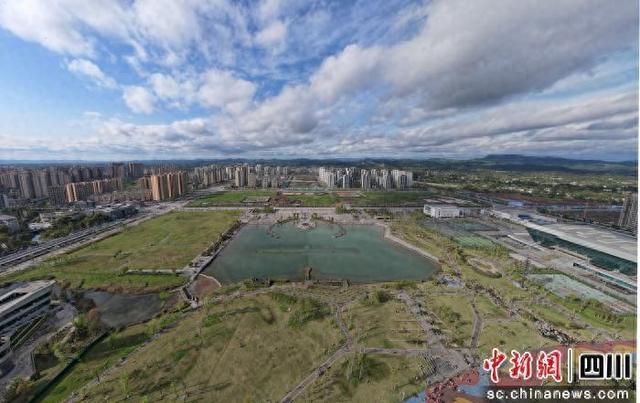
Core Viewpoint - The article highlights the urban development initiatives in Yingshan County during the "14th Five-Year Plan" period, focusing on enhancing urban functionality and creating a livable environment through various infrastructure improvements and park developments [1][6]. Group 1: Urban Development Initiatives - Yingshan County aims to improve urban quality and livability by constructing parks, enhancing facilities, and developing supporting infrastructure [1]. - The county has over 40 parks, including large parks, node parks, and pocket parks, contributing to its designation as a provincial-level ecological garden city [3][4]. - The construction of Xinglong Lake Park, covering 260 acres and providing high-quality leisure space for nearly 30,000 residents, is a key project [3]. Group 2: Infrastructure Improvements - The county is undertaking a facade renovation project along the main urban axis, enhancing the aesthetic appeal and safety of buildings [6][7]. - A comprehensive sewage treatment initiative is being implemented to address urban sewage issues, with a new system designed to handle over 60,000 tons of wastewater daily [7][8]. - The renovation of old residential areas, including the installation of elevators in buildings, aims to improve living conditions and accessibility for residents [9][12]. Group 3: Community and Economic Development - The county is promoting a mixed-use approach to parks, transforming them into multifunctional spaces for recreation, fitness, and cultural exchange [4]. - The "garden maintenance" model is being explored to enhance public amenities while generating additional revenue through regulated vendor spaces [4]. - The expansion of residential areas and the construction of over 20 new large-scale housing projects are contributing to increased urbanization and improved living standards [8][9].
去年济南实施城市更新项目92个、完成投资382亿元
Qi Lu Wan Bao· 2026-01-19 06:42
Core Viewpoint - The government report from Jinan highlights significant urban development and infrastructure improvements, showcasing the city's commitment to enhancing urban quality and functionality. Group 1: Urban Development Projects - Jinan implemented 92 urban renewal projects with an investment of 38.2 billion yuan, earning recognition as a city supported by the central government for urban renewal actions and as a pilot city for loans from the National Development Bank [1] - The city completed 54 village renovation projects with an investment of 34 billion yuan, benefiting 74,000 households [1] - 12 old residential community renovation projects were initiated, benefiting 11,000 households [1] Group 2: Infrastructure Improvements - The second phase of Jinan Airport's expansion is progressing rapidly [1] - The comprehensive passenger transport hub project at Jinan Railway Station has been fully launched [1] - Six highway projects, including the Qiji section of the Jingtai Expressway and the Jinan to Weishan route, have been completed and opened to traffic [1] Group 3: Transportation Enhancements - The North Extension of Jinan Lu Road, the Yellow River Tunnel, and the Zero Point Interchange have been completed and put into use, along with the construction and renovation of 93 roads including Industrial South Road and Aoti West Road [1] - The operational mileage of rail transit has increased by 151.8 kilometers, bringing the total to 248 kilometers, with the opening of lines 4, 6 (eastern section), 8, Jiyang Line, and the High-tech East District Yunba [1] - 70 bus routes have been optimized, and the connection between bus and rail transit has reached 280 routes [1]
城市更新系列研究(一):粗放改造到精细运营:我国城市更新特点、业务模式与存在问题探析
Zhong Cheng Xin Guo Ji· 2026-01-19 05:07
Report Industry Investment Rating No investment rating information is provided in the content. Core Viewpoints of the Report China's urban renewal has entered the stage of stock quality improvement and systematic urban renewal since 2020. Although positive results have been achieved in practice, there are still deep - seated problems. It is necessary to promote the transformation from extensive renovation to refined operation through multi - dimensional coordinated efforts [11]. Summary by Relevant Catalogs 1. Historical Evolution and Current Characteristics of China's Urban Renewal - **Three Historical Stages**: China's large - scale urban construction and renovation activities since reform and opening - up can be divided into three stages: the urban function reconstruction and incremental land development stage (1978 - 2007), the shantytown and dilapidated housing renovation stage (2008 - 2019), and the stock quality improvement and systematic urban renewal stage (since 2020). The current stage has the characteristics of more refined renovation models, deeper connotations, more diversified subjects, and more market - oriented financing models [12][13]. - **Four Current Characteristics**: - **From "Large - scale Demolition and Reconstruction" to "Retention, Renovation, and Demolition"**: The current stage controls large - scale demolition, construction increase, and relocation, encourages organic renewal based on retention, and respects historical and cultural heritage [2][15]. - **From "External Renewal" to "Comprehensive Improvement"**: It focuses on the improvement of urban functions and the enhancement of regional values, considering aspects such as industry, culture, and public services [2][16]. - **From "Government - led" to "Multi - governance by Government, Market, and Society"**: The government shifts to top - level design and supervision, market entities play a leading role in project implementation, and residents become active participants [3][17]. - **Diversification and Marketization of Financing Modes**: A multi - level financing system is being constructed, with fiscal funds changing from "direct investment" to "leveraging", and social capital shifting to long - term value investment [3][19]. 2. Main Content and Business Models of China's Current Urban Renewal - **Main Content Classification**: There are four main types: comprehensive residential area renovation and renewal, urban business form upgrading and renewal, urban facility improvement and function upgrading renewal, and ecological and historical and cultural protection and renewal [4][22]. - **Business Model Classification**: From the perspective of the initiator, it can be divided into government - led renewal, market - led renewal, and multi - cooperation renewal. In practice, projects may combine different business models according to various factors [4][22]. - **Details of Each Type**: - **Comprehensive Residential Area Renovation and Renewal**: It is mainly government - led with strong public welfare and increased resident participation. It focuses on the renovation of old urban communities and villages in the city, with financial funds as the main source of funds, and social capital can be involved in attractive projects. Many positive results have been achieved in practice [4][24][25]. - **Urban Business Form Upgrading and Renewal**: Driven by capital, it is mainly market - oriented development, covering the renewal of old blocks and old factories. It promotes consumption and industrial upgrading, and the capital sources are diverse [6][26]. - **Urban Facility Improvement and Function Upgrading Renewal**: It has strong basic and public welfare characteristics, is mainly government - led, and appropriately introduces social capital. It aims to improve the overall carrying capacity and functions of the city [6][29]. - **Ecological and Historical and Cultural Protection and Renewal**: It combines public welfare and business operations, is mainly government - led, and promotes multi - format development and protection. It aims to protect the ecological base and historical context of the city [7][32]. 3. Problems Faced by China's Urban Renewal and Relevant Suggestions - **Problems**: - **Lack of Sustainability and System in Renovation Planning**: There are problems in both vertical and horizontal planning, resulting in inefficiencies and a lack of regional characteristics [8][37][38]. - **Low Investment Return Rate and Complex Game with Property Owners**: Urban renewal projects have high upfront investment, long return periods, and limited returns. The complex property rights situation also reduces the enthusiasm of social capital [9][39]. - **Difficulty in Intrinsic Improvement**: Some projects remain at the surface level, and the effects of industrial upgrading and domestic demand stimulation are not fully realized [8][40]. - **Incomplete Legal and Policy Systems and Insufficient Regulatory Coordination**: There is a lack of systematic laws and regulations at the central and local levels, and multi - departmental supervision lacks coordination [9][41][42]. - **Suggestions**: - **Improve Top - level Design**: Use the compilation of the "15th Five - Year Plan" as an opportunity to build a sustainable urban renewal framework and establish a dynamic adjustment mechanism [10][43]. - **Innovate Investment and Financing Modes**: Increase policy support, innovate financing tools, simplify property rights transactions, and improve risk - sharing mechanisms to attract social capital [10][43]. - **Focus on Connotative Renewal**: Integrate urban renewal into the overall upgrading of the regional economy, society, and culture, and ensure policy, function, and service coordination [10][43]. - **Improve the Legal System and Strengthen Regulatory Coordination**: Promote the introduction of the "Urban Renewal Law", improve supporting regulations at the local level, and establish a cross - departmental joint meeting system [10][43].
通州新华大街新增迷你宅地,容积率高达3.0
Xin Lang Cai Jing· 2026-01-19 04:46
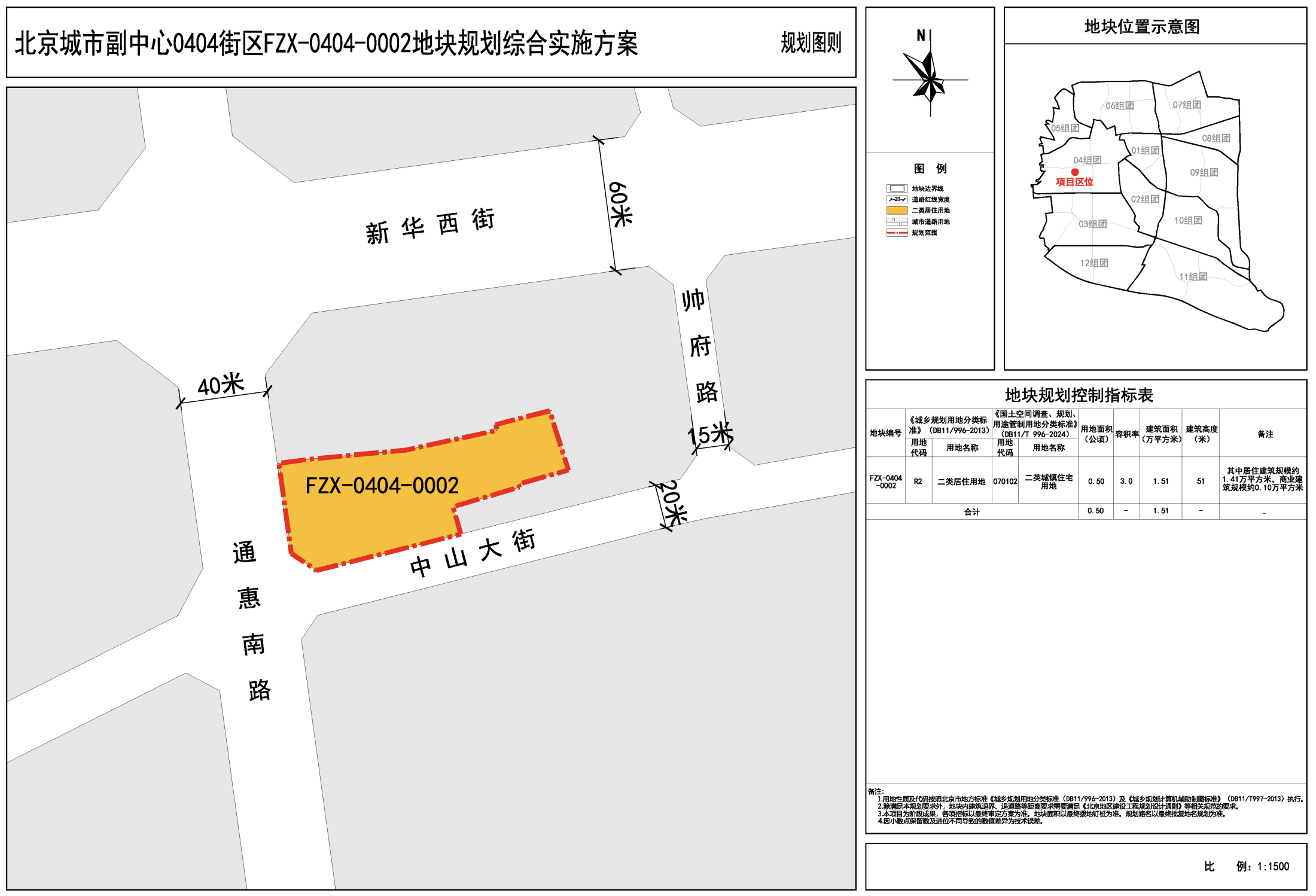
Core Viewpoint - The comprehensive implementation plan for the FZX-0404-0002 land plot in Beijing's urban sub-center has been publicly announced, highlighting its strategic location and development potential. Group 1: Land Plot Details - The land plot is located in Tongzhou District, covering an area of approximately 0.5 hectares with a total above-ground construction area of about 15,100 square meters [1]. - The plot has a floor area ratio of 3.0 and a height limit of 51 meters, with residential construction accounting for 14,100 square meters and commercial space for 1,000 square meters [3]. Group 2: Location and Market Context - The geographical location is advantageous, situated near Xinhua Street, a key commercial area in Tongzhou, with proximity to major shopping centers like Wanda Plaza and Aegean Sea Shopping Center [4]. - The area has a mature residential atmosphere and concentrated educational resources, including several well-regarded schools [4]. - Recent land sales in the old city area of Tongzhou have achieved notable premiums, indicating strong market demand [4]. Group 3: Future Developments - The nearby Beijing Optical Instrument Factory is undergoing a transformation into a garden-style industrial park, enhancing the overall appeal of the area [7]. - Planned upgrades include open squares, commercial and dining spaces, and recreational facilities along the Tonghui River, which will contribute to the area's livability and attractiveness [7].
2026W03房地产周报:开年政策暖风频吹,楼市预期稳步改善-20260119
NORTHEAST SECURITIES· 2026-01-19 03:42
Investment Rating - The report maintains an "Outperform" rating for the real estate sector, indicating a positive outlook for the industry despite current challenges [6]. Core Insights - The report highlights a gradual improvement in market expectations due to supportive policies at the beginning of the year, which are expected to stabilize the housing market [2][14]. - Key policy changes include a reduction in the minimum down payment for commercial properties from 50% to 30%, aimed at stimulating market activity [15]. - The extension of tax refund policies for home sales is expected to further support housing demand, with the latest extension pushing the deadline to the end of 2027 [16]. - The report emphasizes the potential for urban renewal projects to unlock housing demand and mitigate risks associated with existing inventory [17]. Summary by Sections Market Overview - The real estate market is experiencing a stabilization phase, with both new and second-hand housing markets showing signs of recovery [2]. - Recent data indicates a significant drop in new and second-hand housing transaction volumes, with new homes down by 20.37% year-on-year and second-hand homes down by 18.53% [6]. Policy Analysis - The People's Bank of China has lowered the interest rate for guaranteed housing re-loans to 1.25%, enhancing the feasibility of converting unsold properties into affordable housing [14]. - The report notes that the ongoing tax refund policy for home sales is crucial for maintaining market stability and supporting demand for improved housing [16]. Stock Market and Credit Bonds - The A-share real estate sector underperformed the market, with a decline of 3.52%, while the Hong Kong real estate sector outperformed with a gain of 2.54% [19][32]. - The issuance of real estate credit bonds totaled 100 billion yuan this week, with a net financing amount of -42.55 billion yuan, indicating ongoing challenges in the credit market [39]. REITs Market - The REITs index experienced a slight decline of 0.41%, with the property REITs index down by 0.43% [41]. - The total transaction volume for REITs was 1.288 billion yuan, reflecting a decrease of 20.24% compared to the previous week [54].



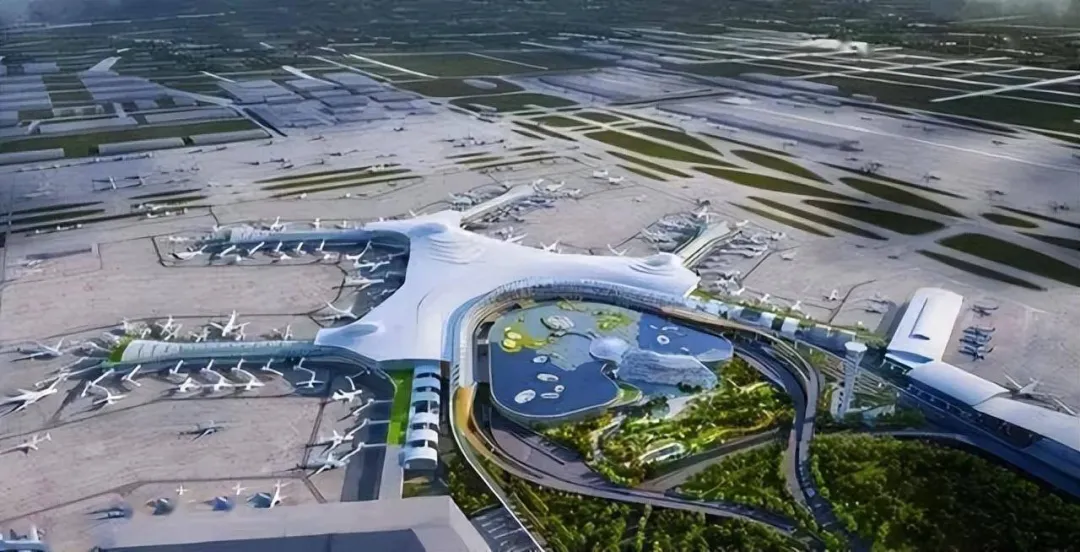
济南今年完成机场二期改扩建工程,轨道交通6号线西段建成通车
Qi Lu Wan Bao· 2026-01-19 03:39
Group 1 - The Jinan government plans to scientifically formulate and implement a special urban renewal plan, utilizing central financial support for urban renewal actions [3] - The city will steadily implement the transformation of urban villages and deepen the redevelopment of inefficient land as a national pilot [3] - Completion of the second phase expansion project of Jinan Airport is included in the development plans [3] Group 2 - The government aims to accelerate the expansion of seven highway projects, including the southern expansion of the ring expressway [3] - Construction of the Industrial North Road east extension and the south extension of the Phoenix Yellow River Bridge is underway, along with the new construction and renovation of 58 roads [3] - The western section of Metro Line 6 has been completed, with ongoing construction of Lines 7 and 9, and the promotion of the third phase planning [3] Group 3 - The city plans to open and optimize 100 bus routes to improve public transportation [3]
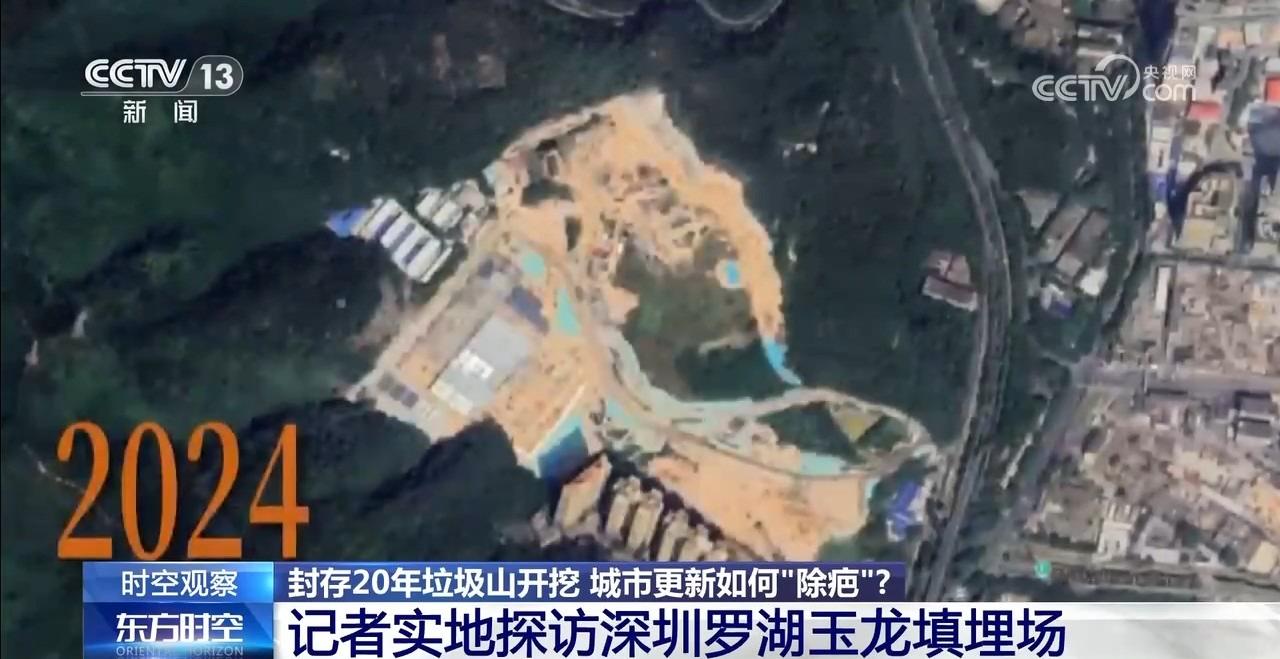
封场20年垃圾山开挖 深圳为城市更新根治“顽疾”
Yang Shi Wang· 2026-01-19 03:09
Core Viewpoint - The article discusses the unprecedented "urban scar repair surgery" taking place in Shenzhen's Luohu district, focusing on the Yulong landfill environmental restoration project, which is the largest full-scale excavation and garbage relocation project in China to date [1][7][21]. Group 1: Project Overview - The Yulong landfill, operational from 1983 to 1997 and closed since 2005, contains approximately 2.5 million cubic meters of waste, equivalent to filling 1,000 Olympic-sized swimming pools [7][9]. - The project aims to excavate around 4.1 million tons of waste by September 2026, with the current excavation depth reaching nearly 30 meters [5][12]. Group 2: Environmental Management - To mitigate odors and dust during excavation, the project employs a comprehensive HDPE membrane covering and a "new air system" that injects fresh air while extracting methane gas from the landfill [6][9]. - The project utilizes advanced screening technology, capable of processing 6,000 tons of waste daily, to sort materials into three categories: humus soil, lightweight materials, and inorganic aggregates [12][13]. Group 3: Waste Treatment and Resource Recovery - The lightweight materials are sent to waste-to-energy plants for incineration, while inorganic aggregates are repurposed, and humus soil is disposed of safely [13][18]. - The incineration process is designed to minimize toxic emissions, with stringent temperature controls ensuring that dioxins are effectively decomposed [16][18]. Group 4: Urban Renewal and Future Development - The project is part of a broader urban renewal strategy, aiming to transform the excavated land into valuable resources for emerging industries such as artificial intelligence and digital economy [20][23]. - The initiative represents a shift from passive environmental management to proactive remediation, establishing a model for sustainable urban development that integrates environmental restoration with future land use [21][23].
上海“十五五”规划建议:以推进城市更新为抓手,促进城市内涵式发展和品质提升
Cai Jing Wang· 2026-01-19 02:42
Core Viewpoint - The Shanghai Municipal Party Committee has officially released the recommendations for the 15th Five-Year Plan for the city's economic and social development, emphasizing urban renewal as a key strategy for enhancing urban quality and sustainable development [1][2]. Group 1: Urban Renewal Initiatives - The plan aims to promote urban connotation development and quality improvement through urban renewal [2]. - It proposes the establishment of a sustainable urban renewal model and the improvement of the urban health check system [2]. - The plan includes dynamic formulation of special urban renewal plans and innovative implementation methods [2]. Group 2: Infrastructure and Housing Improvements - Accelerated transformation of urban villages and comprehensive renovation of old housing is a priority [2]. - Continuous updates and renovations of aging water supply and drainage facilities are emphasized [2]. - The plan encourages the modernization of old elevators in buildings [2]. Group 3: Cultural and Historical Preservation - There is a focus on the protection and utilization of cultural relics and outstanding historical buildings [2]. - The plan includes classified guidance for the renewal of inefficient commercial office buildings and facilities, supporting functional compatibility conversion [2]. Group 4: Industrial and Infrastructure Policies - The plan aims to optimize the management of industrial land integration and policies such as "industrial upgrading" [2]. - It emphasizes the orderly advancement of urban infrastructure updates and enhancements [2]. - The initiative includes deepening the construction of "beautiful blocks" and optimizing the environment of small spaces and back streets [2].