
现代化产业体系

Search documents
第十三届天下贵州人 年度盛典举行
Xin Lang Cai Jing· 2025-12-31 21:06
Core Insights - The event "The 13th Annual Gathering of Guizhou People" was held to discuss cooperation and development opportunities, with nearly 200 representatives from business associations and enterprises attending [1][2] - The theme of the event was "Integrating New Opportunities, Serving a New Future," focusing on building a modern industrial system in Guiyang and Guian [1] Group 1: Industrial Development - Guiyang and Guian aim to strengthen six major industrial clusters, including a 300 billion-level digital intelligence industry cluster and a 200 billion-level quality mineral processing industry cluster [1] - The plan includes developing 1 billion-level advanced equipment, new energy materials, and specialty light industry clusters, along with a 500 billion-level emerging and future industry cluster [1] Group 2: Service Industry Focus - The region will focus on both productive and life service industries, promoting sectors such as modern logistics, financial services, and cultural tourism [2] - A platform for showcasing and connecting businesses was established during the event, highlighting the commitment to high-quality development in the modern service industry [2]
满怀信心 砥砺奋进 开创新局
Xin Lang Cai Jing· 2025-12-31 20:02
Core Viewpoint - The year 2025 was significant for China's modernization process, marked by high-quality economic development and resilience against uncertainties [1][2]. Economic Performance - The total economic output is expected to reach approximately 140 trillion yuan, with high grain production and notable technological innovations [1]. - The country has made substantial progress in building a modern industrial system and deepening reforms, contributing to a stable and robust economic foundation [1]. International Engagement - China has expanded its openness to the world, with record transaction amounts at the China International Import Expo, showcasing the attractiveness of its large market [1]. - The Hainan Free Trade Port has officially commenced full island closure operations, reflecting steady progress in high-level openness [1]. Strategic Focus - The emphasis is on maintaining strategic initiative amidst challenges, focusing on domestic economic stability and international trade dynamics [2]. - The importance of the "two overall situations" and the need to enhance domestic demand as a strategic foundation are highlighted [2]. Future Planning - The 14th Five-Year Plan has been successfully concluded, setting a positive tone for the new journey towards the second centenary goal [2][3]. - The upcoming 15th Five-Year Plan aims to navigate complex challenges and leverage China's advantages to ensure a strong start [3]. Historical Context and Spirit - The commemoration of the 80th anniversary of the victory in the Anti-Japanese War serves as a reminder of the strength derived from historical victories [2]. - The call for unity and practical action emphasizes the importance of collective effort in achieving national development goals [4][5].
为梦想奋斗 为幸福打拼
Xin Lang Cai Jing· 2025-12-31 20:02
Group 1 - The "14th Five-Year Plan" has successfully concluded, with significant achievements in China's modernization journey, leading to increased national confidence and pride among citizens [2][3][6] - The economic total is projected to reach 140 trillion yuan by 2025, marking a substantial increase in economic, technological, and national defense strength [2] - The transformation from traditional manufacturing to high-end intelligent manufacturing is exemplified by companies like Luozhou Group, which achieved 13 technological advancements at the international level over five years [2] Group 2 - The emphasis on cultural heritage and community engagement is highlighted by initiatives in places like Lijiang, where traditional customs are integrated into economic development, enhancing cultural identity and tourism [3] - The commitment to improving living standards is evident in Shanghai, where significant progress is being made to resolve historical issues related to housing and community welfare [4][5] - The focus on innovation is underscored by companies like Yushutech, which aims to drive high-quality development through technological advancements in robotics and AI [7] Group 3 - The new year brings optimism for industries such as fisheries, with the Hainan Free Trade Port offering new opportunities for growth and development [8] - The aerospace sector is also highlighted, with astronauts expressing commitment to excellence in their missions, reflecting the broader national ambition for progress and achievement [8] - The "15th Five-Year Plan" is set to begin, with a strong focus on high-quality development, innovation, and modernization across various sectors [8]
人民日报社论:满怀信心 砥砺奋进 开创新局
Xin Hua She· 2025-12-31 15:39
Core Viewpoint - The article emphasizes the importance of confidence and determination in advancing China's modernization and economic development, highlighting achievements in 2025 and setting a positive outlook for the future [2][3][4]. Economic Performance - In 2025, China's economic output is expected to reach approximately 140 trillion yuan, with significant increases in grain production and technological innovation [2]. - The country has made substantial progress in building a modern industrial system and deepening reforms, contributing to a stable and robust economic foundation [2]. International Engagement - China has expanded its openness to the world, with record high transaction amounts at the China International Import Expo, showcasing the country's market potential [2]. - The successful hosting of the Shanghai Cooperation Organization summit in Tianjin reflects China's commitment to global governance and cooperation [2]. Strategic Focus - The article stresses the need to focus on domestic economic stability and international trade, while effectively managing risks in key sectors [3]. - It highlights the importance of maintaining a long-term perspective and historical patience in pursuing modernization [5]. Future Outlook - The upcoming 14th Five-Year Plan is seen as a blueprint for the next five years, aiming to ensure a strong start and continued economic growth [4]. - The article calls for unity and practical action among the populace to achieve national development goals and enhance the quality of life [6]. Historical Context - The commemoration of the 80th anniversary of the victory in the Anti-Japanese War serves as a reminder of the strength derived from historical struggles and achievements [3]. - The article draws parallels between past challenges and current aspirations, emphasizing the need for resilience and collective effort in the face of adversity [6].
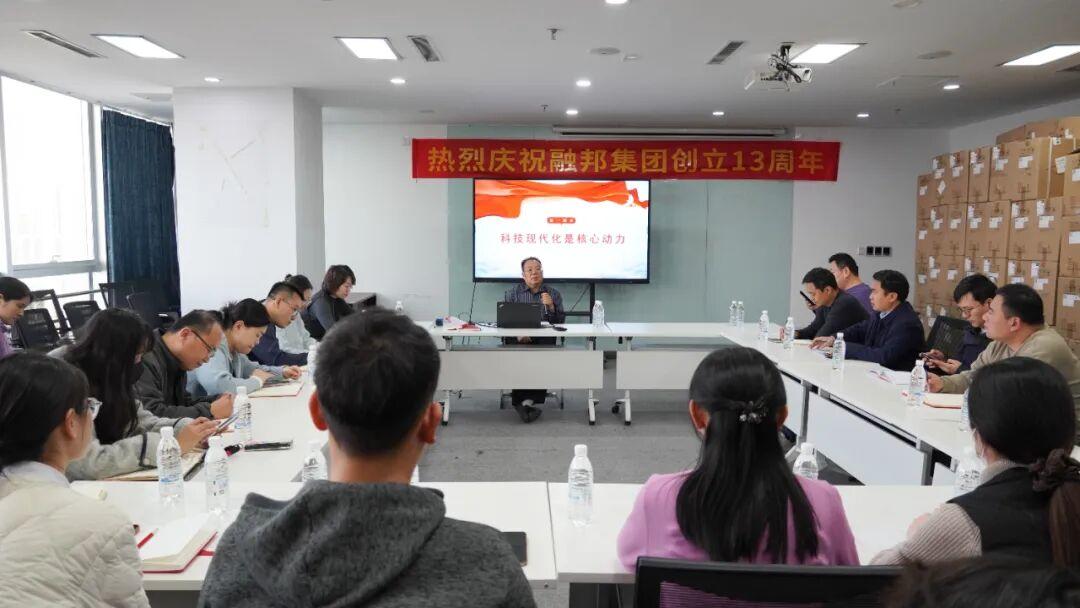
党建红引领科技蓝:融邦集团召开专题党课擘画发展新蓝图
Qi Lu Wan Bao· 2025-12-31 13:10
Core Insights - The "15th Five-Year Plan" period is a critical stage for China's modernization, with technology companies playing a vital role in promoting self-reliance in technology and building a modern industrial system [2][19] - The company aims to align its business strategies with national development goals, emphasizing the integration of digital technology with the real economy [2][12] Business and Strategic Alignment - The company has identified key business segments that align with national strategies, including financial payment services for small and micro enterprises, smart charging solutions integrated into smart cities, and digital transformation in the hospitality sector [4][6] - The company plans to create an ecosystem that combines payment, hardware, data, and SaaS solutions to support national strategic scenarios such as rural revitalization and urban convenience [6][9] Domestic Empowerment and International Expansion - A "layered empowerment" strategy will be implemented domestically, focusing on flagship projects in core cities and providing cost-effective digital solutions in lower-tier markets [7] - Internationally, the company aims to export its digital solutions, particularly in Belt and Road markets, showcasing China's digitalization achievements [8] Strategic Development and Future Goals - The company has set ambitious revenue targets for its smart charging segment, aiming for annual revenues of 2-3 billion yuan in the next five years, and plans to enhance its payment ecosystem [14] - The company emphasizes the importance of aligning personal growth with corporate development, encouraging employees to contribute to the company's goals while achieving personal value [16][17] Cultural and Governance Integration - The company promotes a culture of pragmatism, urging employees to maintain a focus on value creation and problem-solving [17] - The integration of party-building and corporate governance is seen as essential for driving innovation and aligning with national strategies [11][19]

大变局、新蓝海:九方智投首席策略荟解码“十五五”投资新坐标
第一财经· 2025-12-31 13:06
Core Insights - The event held by Jiufang Zhituo focused on decoding investment opportunities under the new "15th Five-Year Plan" and emphasized the importance of technology innovation as a key to breaking through challenges [1][2] Macroeconomic Analysis - The global economy is expected to continue its stable recovery, with China's economy projected to grow between 4% and 5% in 2026, supported by fiscal policies and technological breakthroughs [5][7] - The meeting highlighted the need for a modern industrial system and emphasized the importance of income distribution reform to increase the final consumption rate above 50% [5][8] Investment Opportunities - The capital market is anticipated to experience structural opportunities concentrated in high-end manufacturing, technology consumption, and artificial intelligence [1][5] - The A-share market is expected to see a growth range of 10% to 20% in 2026, with the Shanghai Composite Index potentially reaching 4500 points [12][11] Sector Focus - The focus on technology remains strong, with an emphasis on AI applications transitioning from upstream computing power to downstream applications, particularly in mobile devices [15][21] - The renewable energy sector is expected to see a dual focus on "technology alpha" and "cyclical beta," with significant growth in the energy storage market driven by policy changes [23][21] AI Investment Trends - The discussion around AI investment highlighted a shift from "AI enabled" to "AI first," indicating a fundamental change in business models driven by AI [19][18] - The criteria for identifying "AI native" companies include a significant portion of revenue derived from AI and a high user retention rate [21][19] Precious Metals Outlook - The overall outlook for precious metals in 2026 is positive, with gold prices expected to rise due to ongoing demand and market conditions [16][12] - Silver is anticipated to benefit from industrial demand, particularly in the photovoltaic sector, with potential price elasticity higher than gold [16][12]
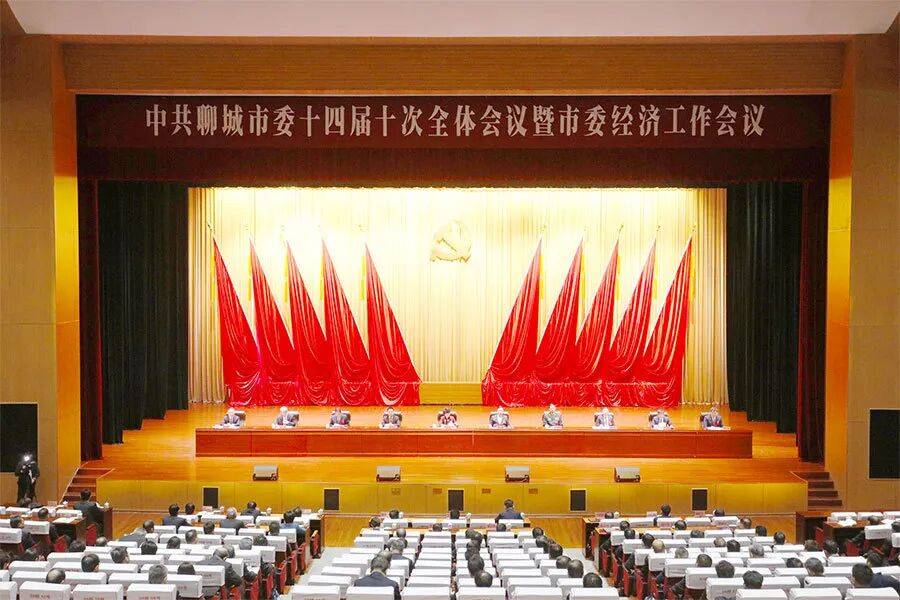
中共聊城市委十四届十次全体会议暨市委经济工作会议举行
Sou Hu Cai Jing· 2025-12-31 11:03
中共聊城市委十四届十次全体会议暨市委经济工作会议举行 市委常委会主持会议 李长萍讲话 会议以习近平新时代中国特色社会主义思想为指导,深入学习贯彻党的二十届四中全会和中央经济工作会议精神,认真落实省 委十二届十次全会和省委经济工作会议精神,听取和讨论了李长萍同志受市委常委会委托所作的工作报告,审议通过了《中共 聊城市委关于制定聊城市国民经济和社会发展第十五个五年规划的建议》。会议总结2025年全市经济工作,分析当前经济形 势,研究部署2026年经济工作 中国共产党聊城市第十四届委员会第十次全体会议公报(2025年12月30日中国共产党聊城市第十四届委员会第十次全体会议通 过) 中国共产党聊城市第十四届委员会第十次全体会议暨市委经济工作会议,于2025年12月30日在聊城举行。 出席这次会议的有,市委委员50人,候补委员2人。市级有关领导同志,市纪委常委和有关方面负责同志,部分市第十四次党代 会基层一线代表列席会议。 全会由市委常委会主持。市委书记李长萍作了讲话。 会议以习近平新时代中国特色社会主义思想为指导,深入学习贯彻党的二十届四中全会和中央经济工作会议精神,认真落实省 委十二届十次全会和省委经济工作会议精神 ...
“十四五”时期广州新增城镇空间417平方公里 居全省第一 半数以上区经济总量破3000亿元
Nan Fang Ri Bao Wang Luo Ban· 2025-12-31 07:42
在风貌品质提升方面,广州抢抓十五运会举办机遇,完成291个城市品质提升项目,打造奥体中心周边 等17个精致街区,完成2.5万栋农房风貌品质提升。统筹推进美丽圩镇、和美乡村建设,857条村入选省 典型村培育名单,数量居全省首位。精心打造17条新乡村示范带,每条带都完成10公里以上的精品路段 风貌提升,大力培育首批5个片区组团,推动乡村从"点上开花"向"连片发展"大步迈进。注重传承岭南 的农耕文脉,率先开展农耕文化本底调查,识别出文化资源2199条,发掘保护了3项国家级重要农业文 化遗产。农民丰收节、派潭"村晚"、"村BA"篮球赛这些带着浓浓"村"味的活动影响力越来越大,推动 乡村从"塑形"到"铸魂"。 下一步,广州将接续"青山半入城、六脉皆通海"的自然历史文化本底,塑造"新青山新六脉"城市新名 片。整合提升越秀山、白云山、华南国家植物园、火炉山、龙眼洞、凤凰山、帽峰山等生态资源,构筑 最具人气与活力的城央连片生态游憩空间,打造城央生态公园。以东濠涌、沙河涌、车陂涌、乌涌、南 岗河、永和河等为重点,沿城市河涌构筑从白云山—帽峰山到珠江的生态廊道,促进河涌沿线周边区域 生态价值转化,营造云山珠水城市新图景。 为促进 ...
在服务国家战略与实体经济中展现期货担当
Qi Huo Ri Bao Wang· 2025-12-31 02:52
Core Viewpoint - The 20th Central Committee's Fourth Plenary Session has approved the "15th Five-Year Plan" proposal, emphasizing the construction of a modern industrial system and strengthening the foundation of the real economy, which aligns with the strategic goals of the company in contributing to national development and modernization efforts [1] Group 1: Company Role and Services - The company plays four key roles: "hedging manager," "talent cultivation base," "research consulting expert," and "risk management toolbox," focusing on serving the core agricultural business of COFCO Group [2] - During the "14th Five-Year Plan" period, the company has served 13 specialized companies within COFCO Group, covering 17 product categories, and facilitated a derivative scale exceeding 4 billion yuan [2] Group 2: Business Development and Innovations - The company is expanding its "large delivery" business, with a projected delivery volume increase of 60.98% in 2024, enhancing the value chain for industrial enterprises [3] - The company has pioneered the "insurance + futures" model, covering 56% of provincial-level administrative regions in China, with a cumulative coverage area exceeding 2.1 million acres and serving nearly 200,000 households [4] Group 3: Professional Service Enhancement - The company is enhancing its professional capabilities by developing innovative service models, including a "dual-engine" service model and a comprehensive service model integrating "orders + insurance + futures + credit" [5] - The company has served over 3,900 industrial clients and nearly 150 listed companies, achieving a dual increase in service quality and effectiveness [5] Group 4: Digital and Research Capabilities - The company is strengthening its integrated research and investment service capabilities through advanced digital systems and tools, enhancing service value and client satisfaction [6][7] Group 5: Rural Revitalization and Support - The company is committed to the rural revitalization strategy, launching the "Dream Garden" initiative to provide multi-layered derivative services for agriculture, processing, and sales [8] - The company has signed rural revitalization agreements with over 40 regions, implementing 35 support projects and assisting nearly 3,500 households [9] Group 6: Future Outlook - The company aims to continue its commitment to serving the real economy during the "15th Five-Year Plan" period, leveraging COFCO Group's industrial advantages and focusing on innovation to stabilize supply chains and support economic development [10]
人民日报:“十四五”我国现代化产业体系建设迈出坚实步伐
Ren Min Ri Bao· 2025-12-31 01:20
奋勇争先,决战决胜"十四五" 现代化产业体系建设迈出坚实步伐 柔性制造"千件千样",数智转型降本增效;具身智能融入实体应用场景,低空经济开启天空"新赛 道"…… "十四五"以来,低空经济"振翅高飞",前沿材料"破茧成蝶",载人航天"巡天揽月"……2024年,我国"三 新"经济增加值占国内生产总值比重约18%。 ——强基增效,现代化基础设施体系不断夯实。 ——固本升级,传统产业释放发展活力。 皮带智能监测、板坯自动转钢、无人机自动巡检……一项项数智化应用,给湖南湘潭钢铁集团有限公司 这家传统钢企带来新生机。 "数智化改造的目标是让机器自主运行、让企业效率更高。"湘钢数智化研究院主任龙忠义说,"十四 五"时期,湘钢打造了智能工厂系统架构,建设了多条智慧产线,共落地45个人工智能典型应用场景, 应用了99台(套)工业机器人,劳动生产效率稳步提升。 提质、升级,传统企业向高端化、智能化、绿色化、融合化持续迈进。"十四五"以来,我国工业机器人 新增装机量占全球比重超50%,累计建成了230多家卓越级智能工厂和1260家5G工厂。今年前三季度, 规模以上高技术制造业增加值对全部规上工业增长的贡献率达24.7%,规模以上工 ...