
碳中和

Search documents
高能环境:贵金属价格上涨预计对业绩增长带来积极影响,正推进回收产能提升
Sou Hu Cai Jing· 2026-01-08 00:43
Group 1 - The company has adjusted its inventory of precious metals such as gold, silver, tin, platinum, and palladium based on production capacity planning and market supply-demand dynamics, aiming to ensure production continuity [1] - The recent significant price increases in silver, tin, and copper, along with the listing of platinum and palladium futures, are expected to positively impact the company's revenue, despite rising procurement costs [1] - The company is actively expanding its precious metal recovery capacity by optimizing refining processes and expanding raw material supply channels, leveraging existing technological accumulation and project layout [1] Group 2 - The company's solid waste and hazardous waste resource utilization business inherently possesses significant carbon reduction attributes, contributing to carbon neutrality efforts [1] - The sales prices of the company's products have increased in tandem with rising costs, and the overall industry gross margin is expected to improve due to the appreciation of previously low-cost inventory and enhanced recovery rates [1] - Specific sales volume and inventory data for precious metals will be disclosed in the company's annual report, and stakeholders are encouraged to monitor related announcements [1]

「微元合成」获近3亿元融资,以甲醇为原料、开发大宗生物基产品|早起看早期
36氪· 2026-01-08 00:10
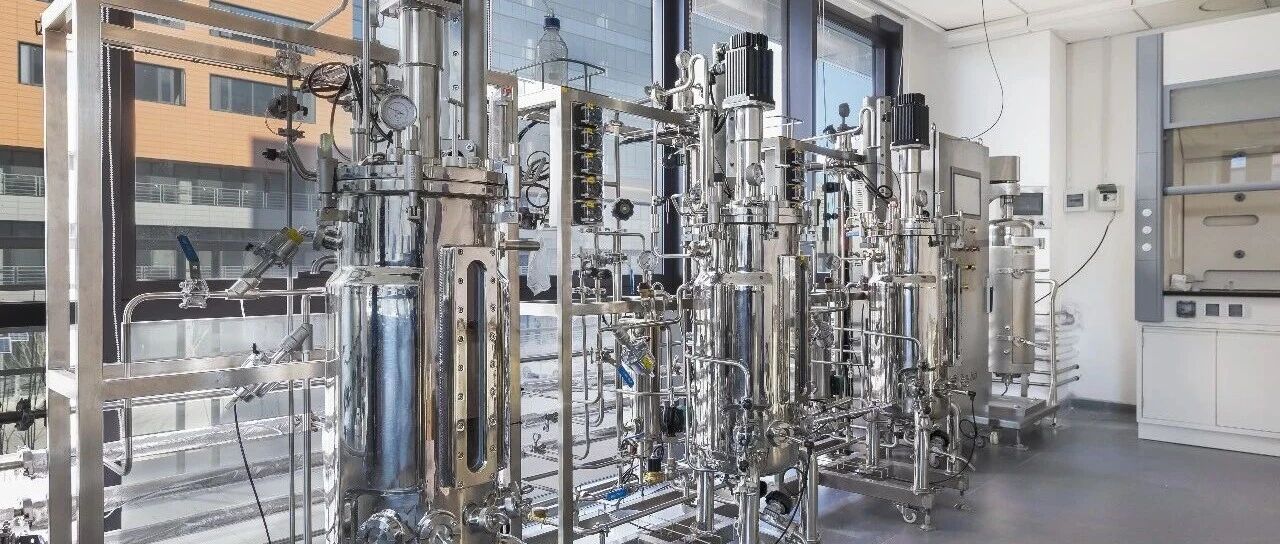
Core Viewpoint - "Micro Yuan Synthesis" has recently secured nearly 300 million yuan in a new round of equity financing, with the funds primarily aimed at accelerating the research and development of methanol-based bio-manufacturing of bulk bio-based products [1][2]. Group 1: Company Developments - "Micro Yuan Synthesis" has successfully developed and industrialized several human and animal nutrition products, including allulose, lutein, and mannitol [1]. - The company has achieved significant commercial progress in the development of core products like allulose, becoming the first in China to receive administrative approval for allulose production through a biological fermentation process [1][2]. - A strategic partnership has been established with Cargill, focusing on the promotion and production collaboration of allulose and other sugar-reducing products [2]. Group 2: Industry Context - The global production of chemical products is approximately 2.3 billion tons annually, while bio-based products account for only 180 million tons, indicating a significant gap and potential for growth in bio-manufacturing [4]. - The development of non-grain bio-based products is essential, particularly using alternative carbon sources like straw and CO2, to address the challenges of raw material costs in bio-manufacturing [4]. - Methanol is identified as an ideal alternative carbon source, with China's coal-based methanol production capacity exceeding 10 million tons, representing 67% of the global total, and facing overcapacity issues [4].

创投家2025年度投资机构先锋榜
Sou Hu Cai Jing· 2026-01-07 22:25
Core Insights - The article highlights the 2025 Pioneer List of investment institutions, recognizing various firms for their fundraising and investment capabilities [3][10][19]. Fundraising Pioneers - The list includes top fundraising institutions, showcasing their achievements in capital raising [3]. - Notable firms mentioned are Peakview Capital, Dao Tong Investment, and Blue Lake Capital among others [6][10]. Early-Stage Investment Institutions - A separate category for early-stage investment institutions lists top firms such as Alpha Community, Dao Tong Investment, and Peakview Capital [16][19]. - The ranking is alphabetical and does not indicate any specific order of performance [5]. Private Equity Institutions - The article also features a list of top private equity institutions, including Dinghui Investment and Haier Capital [12][23]. - This section emphasizes the competitive landscape within private equity funding [11]. AI Infrastructure Sector - The AI infrastructure sector is highlighted with a list of top investment firms, including Dongfang Jiafu and Peakview Capital [37][38]. - This indicates a growing interest and investment in AI-related technologies [35]. AI Agent Sector - The AI Agent sector is recognized with top firms such as Alpha Community and Sequoia China [42][44]. - This reflects the increasing focus on AI applications in various industries [40]. Hardware Sector - The AI hardware sector features firms like Peakview Capital and Sequoia China, indicating a robust investment environment [45][50]. - This sector is crucial for the development of AI technologies [47]. Advanced Manufacturing Sector - The advanced manufacturing sector includes top firms such as Orient Capital and Peakview Capital, showcasing investment trends in this area [62][65]. - This highlights the importance of manufacturing capabilities in supporting technological advancements [61]. Health Sector - The health sector is represented by firms like Sequoia China and Peakview Capital, indicating significant investment opportunities [80][82]. - This sector is critical for addressing global health challenges [78]. Global Expansion Sector - The global expansion sector lists firms such as Jia Yu Capital, emphasizing the trend of companies seeking international growth [90][92]. - This reflects the increasing globalization of investment strategies [88]. ESG Sector - The ESG (Environmental, Social, and Governance) sector features firms like Haier Capital and IDG Capital, highlighting the importance of sustainable investing [96][97]. - This sector is gaining traction as investors prioritize responsible investment practices [95].
《分布式能源规划员》(综合能源服务方向)培训通知丨系列培训
中国能源报· 2026-01-07 12:33
Core Viewpoint - The article emphasizes the importance of developing distributed energy and integrated energy services as a crucial path towards carbon neutrality, highlighting the need for interdisciplinary talent in energy planning and management [1]. Group 1: Training Information - The training titled "Distributed Energy Planner (Integrated Energy Services Direction)" will be held online from January 14 to 17, 2026 [2]. - The training is organized by the Human Resources and Social Security Ministry's Social Security Capacity Building Center and hosted by China Energy News Co., Ltd [2]. Group 2: Target Audience - The training is aimed at various stakeholders including provincial and municipal power companies, energy groups, and enterprises involved in renewable energy such as wind, solar, and storage [2]. - It also targets energy service companies, equipment manufacturers, research institutions, and investment firms interested in the integrated energy sector [2]. Group 3: Course Outline - The course will cover an overview of integrated energy services, including its development status and trends both domestically and internationally [3]. - It will include modules on distributed photovoltaic projects, natural gas distributed energy applications, smart microgrids, hydrogen energy applications, new energy storage, and zero-carbon factory assessments [4]. Group 4: Training Fees - The cost of the training is set at 3600 yuan per person, which includes training fees, materials, and certification [5]. Group 5: Contact Information - For inquiries, contact details are provided for two instructors, Yang and Wang, with their respective phone numbers [6].

海通发展建造3艘62000吨重吊船,打造第二增长曲线
Quan Jing Wang· 2026-01-07 12:29
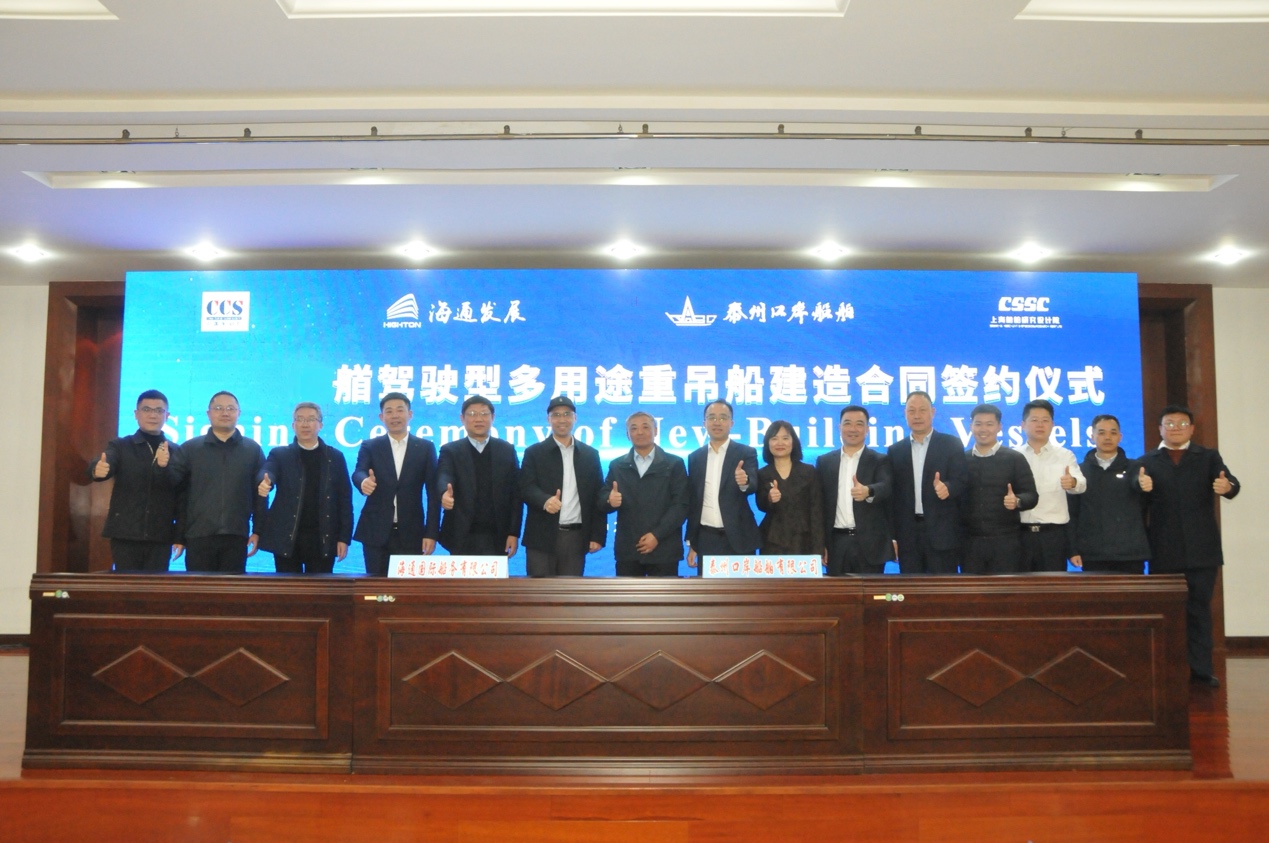
随着全球经济发展,航运需求日趋多元化,传统散货船已难以完全覆盖日益复杂的运输需要。重吊船主要服务于风电设备、工程项目货物、大型 机械 及铁 路设备等领域。 在 碳中和 与能源安全背景下,全球风电行业快速发展,中国风电设备出口需求持续旺盛。与此同时,"一带一路"倡议深入推进,带动东南亚、中东、拉美 等地基础设施建设项目增多。此外,国内制造业升级推动 工程机械 、 核电 设备、大型化工设备等出口增长。上述因素共同驱动多用途重吊船市场需求稳步 向上。 近年来,海通发展主要通过购入二手船实现运力扩张,本次下单是其时隔数年后再次投资新造船,体现了公司对重吊船细分市场前景的坚定信心,也是对国 家" 一带一路 "倡议的积极响应。待3艘重吊船全部交付,海通发展的船队实力与船龄结构将得到显著增强和优化,有助于进一步提升在国际航运市场中的 综合 竞争力。 业务协同强化,打造第二增长曲线 重吊船业务与海通发展已有的件杂货 运输业 务高度协同。该船型配备起重能力较强的起货设备,能更好地满足重大件货物的海运需求,有助于公司进一步 丰富运输货种、提升市场份额及行业影响力。同时,重吊船领域具备较高的专业门槛,有利于公司构建经营壁垒。目前, ...

中国碳中和与中国铁塔及中国再生资源签署三方战略合作协议 联合打造锂电循环经济生态圈
Zhi Tong Cai Jing· 2026-01-07 11:18
Core Viewpoint - The strategic cooperation agreement signed between China Carbon Neutrality, China Tower Corporation, and China Recycled Resources Development Group aims to explore innovative collaboration models under the carbon neutrality goal, focusing on building a lithium battery recycling ecosystem and contributing to national carbon peak and neutrality strategies [1][2]. Group 1: Strategic Cooperation - The three parties will leverage their respective strengths in resources, technology, market, and industrial synergy to establish a standardized, high-coverage, and efficient lithium battery recycling system [1]. - The collaboration will focus on creating a sustainable lithium circular economy ecosystem and enhancing resource disposal capabilities to build a low-carbon circular industrial cluster [1][2]. Group 2: Future Outlook - The partnership will explore deep cooperation in areas such as energy storage station construction, carbon asset management, and green energy services, aiming to create a green industrial chain covering the entire lifecycle of battery production, usage, recycling, and regeneration [1][2]. - The cooperation is seen as a benchmark initiative for implementing the national dual carbon strategy, aligning with global energy transition and circular economy trends [2]. Group 3: Industry Impact - The collaboration is expected to enhance the group's comprehensive competitiveness in the carbon neutrality industry chain by addressing challenges such as the fragmentation of the lithium battery recycling industry and difficulties in traceability [2]. - By replacing primary minerals with recycled resources, the partnership aims to significantly reduce carbon emissions throughout the battery lifecycle and foster new business models like battery swapping and battery banks, thereby generating sustainable business growth and financial returns for the group [2].

中国进出口银行董事长陈怀宇在泰国开展工作调研
Xin Lang Cai Jing· 2026-01-07 11:13
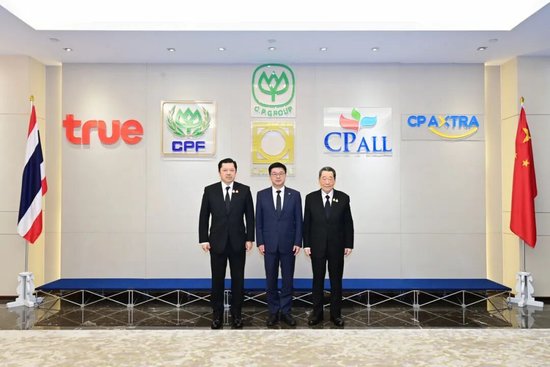
Core Viewpoint - China Export-Import Bank emphasizes the importance of financing cooperation with Thailand in the energy sector, particularly in supporting renewable energy projects to aid Thailand's green and sustainable development goals [1][5]. Group 1: Meetings with Thai Officials - During meetings with the Thai Ministry of Energy and the Electricity Generating Authority of Thailand, the Chairman of China Export-Import Bank expressed a commitment to align with Thailand's financial needs for achieving carbon neutrality and energy transition [1][5]. - The bank aims to support project construction in the renewable energy sector, contributing to Thailand's sustainable development [1][5]. Group 2: Collaboration with Thai Corporations - In discussions with Charoen Pokphand Group, the bank highlighted its dedication to supporting multinational enterprises in stable operations and healthy development, offering diversified and customized financial services in agriculture, renewable energy, digital economy, and financial innovation [3][8]. - The bank also expressed a desire to enhance collaboration with Bangkok Bank in areas such as international settlement, capital financing, and trade finance to facilitate cross-border trade between China and Thailand [3][8]. Group 3: Engagement with Chinese Enterprises in Thailand - During a dialogue with representatives of Chinese enterprises in Thailand, the Chairman listened to their experiences regarding opportunities and challenges in expanding overseas business and their financial needs [5][10]. - The bank plans to leverage its expertise to improve cross-border financial services and provide stable, sustainable financial support for the overseas development of these enterprises [5][10].

撑不住了!欧洲经济第一大国的制造业正加速迁移中国!
Sou Hu Cai Jing· 2026-01-07 09:21
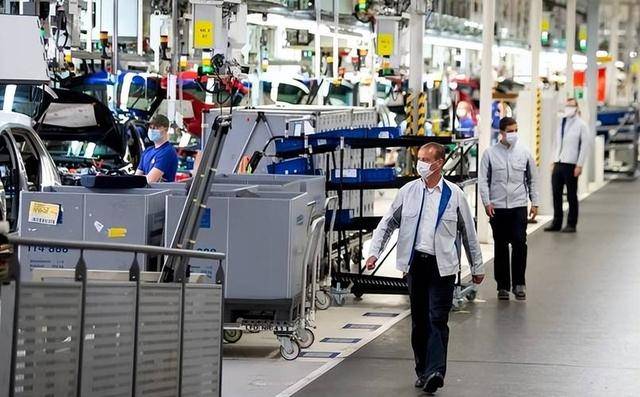
Core Viewpoint - The German manufacturing industry is facing significant challenges due to energy supply disruptions and rising costs, leading to decreased production efficiency and a projected decline in output by approximately 2% by 2025 [3][5]. Group 1: Energy Supply and Costs - Geopolitical factors since 2022 have impacted energy transition in Germany, with a more than doubling of industrial electricity prices following reduced natural gas supplies from Russia [1]. - The share of energy costs in manufacturing has increased from 10% to over 20%, significantly affecting the automotive and machinery sectors [3]. Group 2: Manufacturing Migration to China - German companies are increasingly relocating production to China, driven by the need for stable supply chains and lower energy costs, with over half of German firms planning to increase investments in advanced manufacturing in China [5][9]. - By 2025, direct investment from Germany to China is expected to exceed 5 billion euros, reflecting a strategic adjustment rather than a short-term response [7]. Group 3: Trade and Investment Dynamics - Despite a projected decline in exports to the EU from Germany by 2025, there is a shift of orders towards Asian markets, particularly China, which supports local production of German products [5]. - The restructuring of global supply chains is leading to a situation where Germany imports more capital goods from China than it exports, indicating a significant shift in trade dynamics [14]. Group 4: Technological Collaboration and Sustainability - German companies are not only transferring production to China but also engaging in technology collaborations, such as BMW's hydrogen fuel facility in Shenyang, which reduces costs by 30% compared to domestic operations [9]. - The migration of manufacturing is also aligned with sustainability goals, as companies like BASF are reducing local production in favor of integrated bases in China, achieving lower costs while meeting environmental standards [16]. Group 5: Economic Impact and Future Outlook - The contraction of the German manufacturing sector is leading to regional imbalances, but the global optimization of layouts is improving profitability, with a 10% increase in profitability for companies investing in China by early 2026 [18]. - The collaboration between Germany and China is expected to deepen, particularly in areas like hydrogen energy and autonomous driving, contributing to joint innovation and addressing global climate goals [18].
中国碳中和(01372.HK)与中国铁塔及中国再生资源签署三方战略合作协议
Ge Long Hui· 2026-01-07 09:10
Core Viewpoint - China Carbon Neutrality (01372.HK) has signed a strategic cooperation agreement with China Tower Corporation and China Recycled Resources Development Group, aiming to explore innovative cooperation models under the carbon neutrality goal and promote the construction of a lithium battery circular economy ecosystem [1]. Group 1 - The three parties will leverage their respective advantages in resources, technology, market, and industrial synergy [1]. - The collaboration is based on the principles of "complementary advantages, win-win cooperation, and green development" [1]. - The initiative aligns with the national strategy of "carbon peak and carbon neutrality" [1].
中国碳中和(01372)与中国铁塔及中国再生资源签署三方战略合作协议 联合打造锂电循环经济生态圈
智通财经网· 2026-01-07 09:08
Core Viewpoint - The strategic cooperation agreement signed between China Carbon Neutrality (01372), China Tower Corporation, and China Recycled Resources Development Group aims to explore innovative collaboration models under the carbon neutrality goals, focusing on building a lithium battery recycling ecosystem and supporting national carbon peak and neutrality strategies [1][2]. Group 1: Strategic Cooperation - The three parties will leverage their respective strengths in resources, technology, market, and industrial synergy to establish a standardized, high-coverage, and efficient lithium battery recycling system [1]. - The collaboration will focus on creating a sustainable lithium battery circular economy ecosystem, enhancing resource disposal capabilities, and developing low-carbon circular industrial clusters [1][2]. Group 2: Future Outlook - The partnership will explore deep cooperation in areas such as energy storage station construction, carbon asset management, and green energy services, aiming to create a green industrial chain covering the entire lifecycle of battery production, usage, recycling, and regeneration [1]. - This cooperation is seen as a benchmark initiative for implementing the national dual carbon strategy, aligning with global energy transition and circular economy trends [2]. Group 3: Industry Impact - The collaboration is expected to enhance the group's comprehensive competitiveness in the carbon neutrality industry chain by addressing challenges such as the fragmentation of the lithium battery recycling industry and difficulties in traceability [2]. - By replacing primary minerals with recycled resources, the partnership aims to significantly reduce carbon emissions throughout the battery lifecycle and foster new business models such as battery swapping services and battery banks [2].