
高端化

Search documents
古越龙山“一哥”地位险被超,会稽山增收难增利
Xin Jing Bao· 2025-09-16 09:11
Group 1: Industry Overview - The competition in the yellow wine market is intensifying, with leading companies like Guyue Longshan and Kuaijishan narrowing the revenue gap [1][2] - Yellow wine accounts for less than 2% of the total alcoholic beverage market, indicating significant future growth potential [1] - The industry is currently in a market cultivation phase, with major players seeking to break through through nationalization, youth-oriented strategies, and premiumization [1][7] Group 2: Company Performance - Guyue Longshan reported a revenue of 8.93 billion yuan in the first half of the year, a slight increase of 0.40%, but its net profit decreased by 4.72% to 903.07 million yuan [2][3] - Kuaijishan achieved a revenue of 8.17 billion yuan, marking an 11.03% year-on-year growth, while its net profit increased by 3.41% to 938.77 million yuan [2][5] - Jinfeng Winery experienced a revenue decline of 9.04% to 2.16 billion yuan and reported a loss of 7.14 million yuan, although the loss has narrowed compared to previous periods [3][4] Group 3: Financial Analysis - Kuaijishan's sales expenses surged by 53.69% to 2.15 billion yuan, significantly outpacing its revenue growth, which raises concerns about profit margins [5][6] - Jinfeng Winery's cash flow from operating activities was negative 43.92 million yuan, indicating ongoing financial challenges [4] - The financial performance of Kuaijishan's online subsidiaries showed losses, highlighting the risks associated with aggressive marketing strategies [6] Group 4: Market Strategies - Both Guyue Longshan and Kuaijishan are focusing on product innovation aimed at younger consumers, with new product lines introduced to attract this demographic [7][9] - The companies are also pursuing national expansion, but face challenges in penetrating markets outside their traditional strongholds in Jiangsu, Zhejiang, and Shanghai [8][9] - The current pricing strategy positions yellow wine as a more affordable option compared to other alcoholic beverages, suggesting room for product upgrades [9]


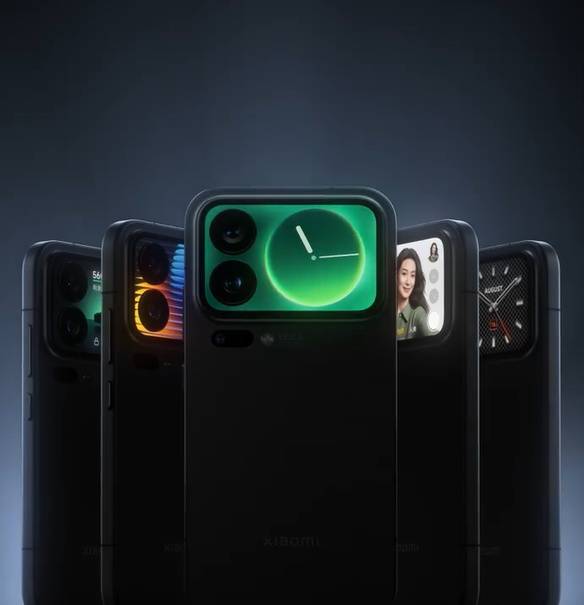
小米17 Pro系列首次曝光,搭载全新“妙享背屏”;此前雷军称正面迎战iPhone 17系列
Sou Hu Cai Jing· 2025-09-16 04:57
Core Points - Xiaomi is set to launch the new Xiaomi 17 series, which includes Xiaomi 17, Xiaomi 17 Pro, and Xiaomi 17 Pro Max, featuring the new "Miao Xiang Back Screen" technology [1][3][6] - The launch is anticipated to be a significant upgrade in Xiaomi's smartphone lineup, with the series being described as the most substantial leap in the history of Xiaomi's digital series [6] - Xiaomi's President, Lu Weibing, emphasized the company's confidence in competing with iPhone, citing five years of solid progress in high-end smartphone development [6] Group 1 - The Xiaomi 17 series will globally debut the fifth-generation Snapdragon 8 Supreme mobile platform [6] - The Xiaomi 17 is positioned as the strongest standard flagship, the Xiaomi 17 Pro as the compact technology imaging flagship, and the Xiaomi 17 Pro Max as the most powerful imaging flagship [6] - Lu Weibing announced that Xiaomi has invested over 100 billion RMB in R&D over the past five years, with plans to increase this to 200 billion RMB in the next five years [6] Group 2 - The new series aims to bring innovative features to the smartphone industry, with a focus on enhancing user experience through deep integration of hardware and software [6] - Xiaomi's strategy includes a commitment to high-end market positioning, with a focus on eliminating shortcomings and prioritizing user experience [6] - Lei Jun, Xiaomi's founder, expressed support for the series, highlighting its competitive positioning against iPhone [6]


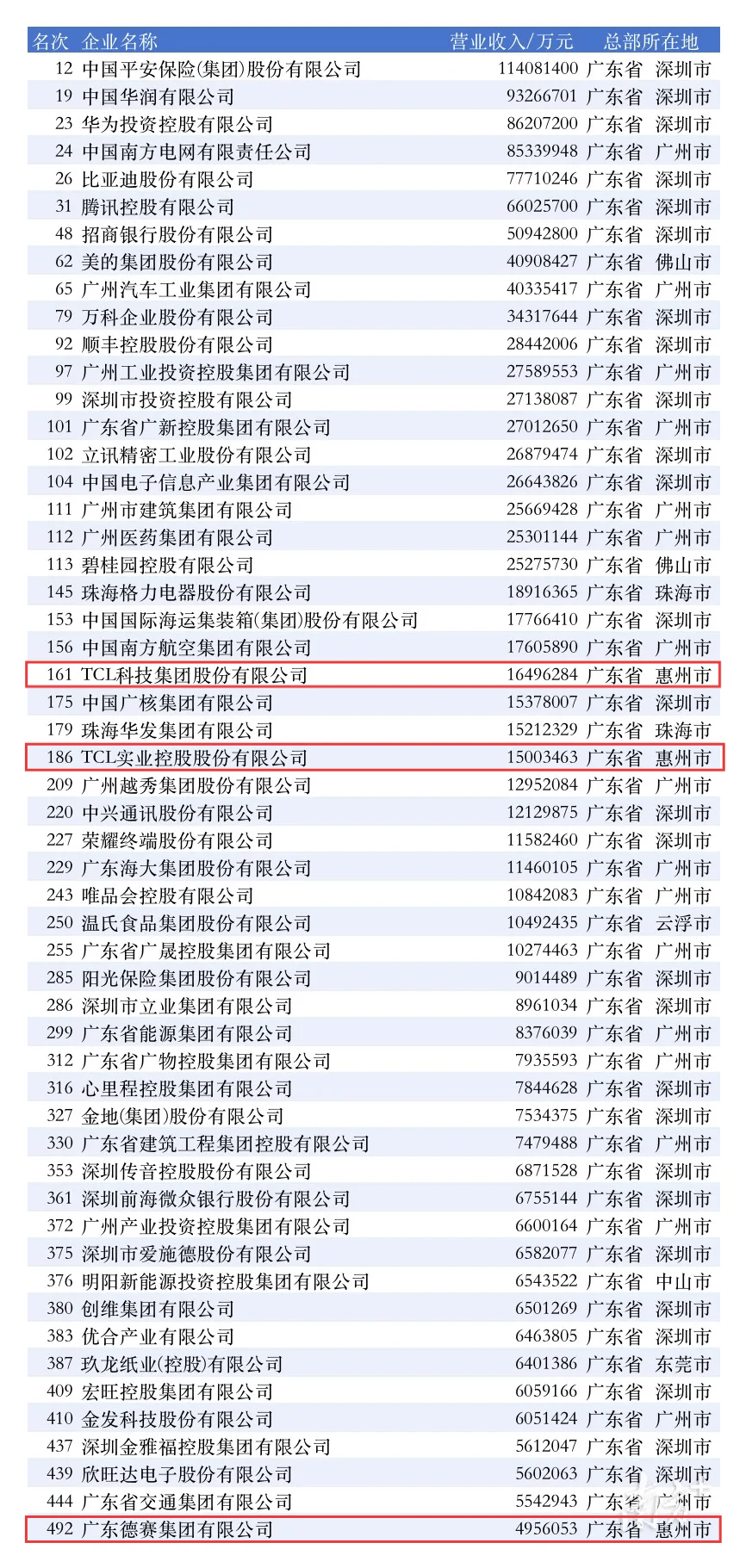
2025中国企业500强!这3家惠企上榜!
Sou Hu Cai Jing· 2025-09-16 03:28
Core Insights - The "2025 China Top 500 Enterprises" list was released, showcasing the strength of Huizhou's electronic information industry with three local companies making the list [1][4]. Group 1: Company Rankings - TCL Technology Group ranked 161st with a revenue of 164.96 billion yuan [5]. - TCL Industrial Holdings ranked 186th with a revenue of 150.03 billion yuan [5]. - Guangdong Desay Group ranked 492nd with a revenue of 49.56 billion yuan [8]. Group 2: Industry Performance - The total revenue of the top 500 enterprises reached 110.15 trillion yuan, with the entry threshold rising to 47.96 billion yuan, an increase of 579 million yuan [4]. - The net profit attributable to shareholders totaled 4.71 trillion yuan, reflecting a growth of 4.39% [4]. - The number of enterprises with revenues exceeding 100 billion yuan increased to 267, accounting for 53.4% of the list, with 15 companies surpassing 1 trillion yuan [4]. Group 3: Huizhou's Economic Impact - The inclusion of three Huizhou companies highlights the city's significant role in the national industrial landscape, particularly in the electronic information sector [4][8]. - TCL Technology is recognized as a leader in the global semiconductor display industry, focusing on advanced display technologies [5]. - Guangdong Desay Group specializes in core components and solutions for electric vehicles and smart wearables, contributing to Huizhou's competitive edge in the new energy and electronic information sectors [8].

中信重工入选工信部2025年度卓越级智能工厂
Zheng Quan Ri Bao Wang· 2025-09-15 11:45
Core Viewpoint - CITIC Heavy Industries has been recognized by the Ministry of Industry and Information Technology as a "2025 Excellent Intelligent Factory" for its "Data-Driven High-End Mining Equipment Intelligent Factory" project, which aims to enhance production efficiency and digital transformation in the industry [1]. Group 1 - The "Excellent Intelligent Factory" designation is a collaborative recognition by multiple government departments, including the National Development and Reform Commission and the Ministry of Finance [1]. - The establishment of such factories is expected to improve data connectivity across production processes, leading to better design and production collaboration, increased production quality, and reduced R&D cycles [1]. - CITIC Heavy Industries aims to become a global leader in high-end equipment manufacturing by focusing on high-end, intelligent, and green development paths, supported by key initiatives such as national laboratories and overseas bases [1].

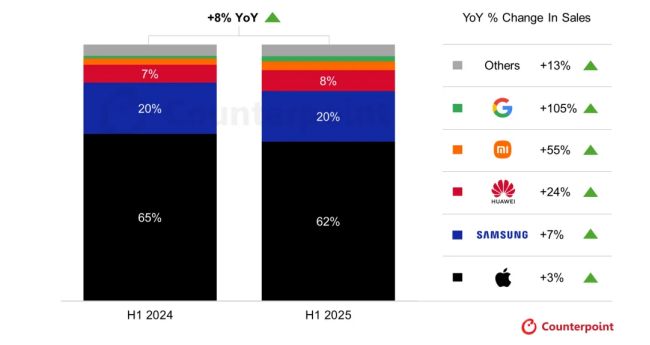
Counterpoint Research:2025年上半年全球高端智能手机销量创历史新高 小米销量同比大涨55%
Zhong Guo Zhi Liang Xin Wen Wang· 2025-09-15 08:18
Group 1 - The global high-end smartphone sales are projected to grow by 8% year-on-year in the first half of 2025, significantly outpacing the overall smartphone market growth of 4% [2][3] - The trend of "premiumization" in smartphones is becoming more pronounced across various regions, driven by increased consumer engagement and affordability [3] - The high-end smartphone market contributes over 60% of global smartphone revenue, highlighting its strategic importance [3] Group 2 - Chinese manufacturers, particularly Xiaomi, have shown remarkable performance, with Xiaomi's high-end smartphone sales increasing by 55% year-on-year, securing the fourth position in global market share [2][3] - Xiaomi is not only advancing in the high-end smartphone segment but is also making strides in electric vehicles and IoT, with synergies between these sectors enhancing its smartphone business [3]
小米不发“16”,直接发“17系列”!雷军:全面对标 iPhone,正面迎战
Sou Hu Cai Jing· 2025-09-15 05:32
Group 1 - Xiaomi's President Lu Weibing announced the upcoming launch of the Xiaomi 17 series, which aims to compete directly with the iPhone [1][3] - The Xiaomi 17 series will include three models: Xiaomi 17, Xiaomi 17 Pro, and Xiaomi 17 Pro Max, featuring the world's first Snapdragon 8 Gen 2 mobile platform [3] - Over the past five years, Xiaomi has invested over 100 billion RMB in R&D, with plans to increase this investment to 200 billion RMB over the next five years [4] Group 2 - The renaming of the Xiaomi 16 to Xiaomi 17 has sparked significant online discussion, with some praising it as a challenge to Apple [5] - The recent Apple event introduced the iPhone 17 series, with significant upgrades, including pricing starting at 5099 RMB for the iPhone 17 [6] - Lu Weibing has already begun using the Xiaomi 17 Pro Max, indicating confidence in the new product [8]

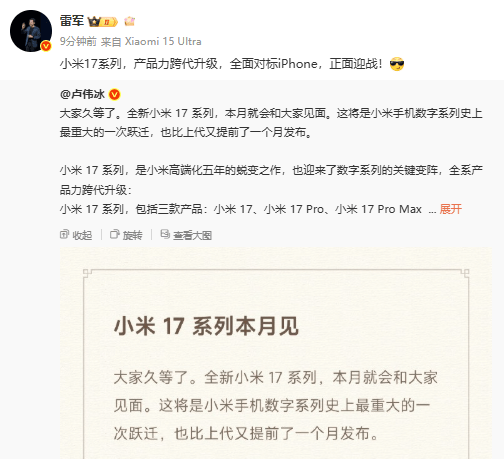
“小米16改名小米17”冲上热搜第一,全新小米17系列本月发布,雷军:全面对标iPhone
Sou Hu Cai Jing· 2025-09-15 03:42
Group 1 - Xiaomi Group's President Lu Weibing announced the launch of the new Xiaomi 17 series, which includes three models: Xiaomi 17, Xiaomi 17 Pro, and Xiaomi 17 Pro Max, set to debut a month earlier than the previous generation [1] - The Xiaomi 17 series will feature the global premiere of the fifth-generation Snapdragon 8 Supreme mobile platform, marking a significant leap in Xiaomi's digital series history [1] - Lu Weibing emphasized the company's confidence in competing with the iPhone, citing five years of solid progress in high-end smartphone development, focusing on a blend of hardware and software for an enhanced user experience [1] Group 2 - Over the past five years, Xiaomi has invested over 100 billion RMB in research and development, with plans to increase this investment to 200 billion RMB over the next five years [1] - The upcoming Xiaomi 17 series is expected to showcase a series of the latest technological advancements resulting from this sustained investment [1] - The topic "Xiaomi 16 renamed Xiaomi 17" trended on social media, highlighting the competitive landscape where Huawei, Apple, and Xiaomi are all launching flagship products around the same time [3]
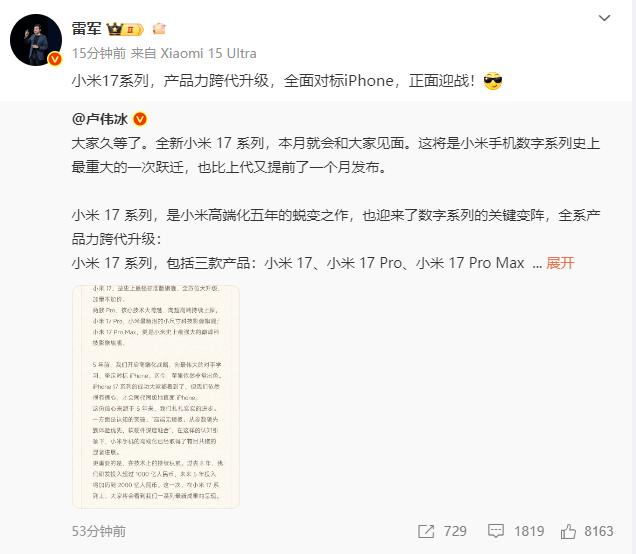
雷军:小米17系列产品力跨代升级 全面对标iPhone
Sou Hu Cai Jing· 2025-09-15 03:13
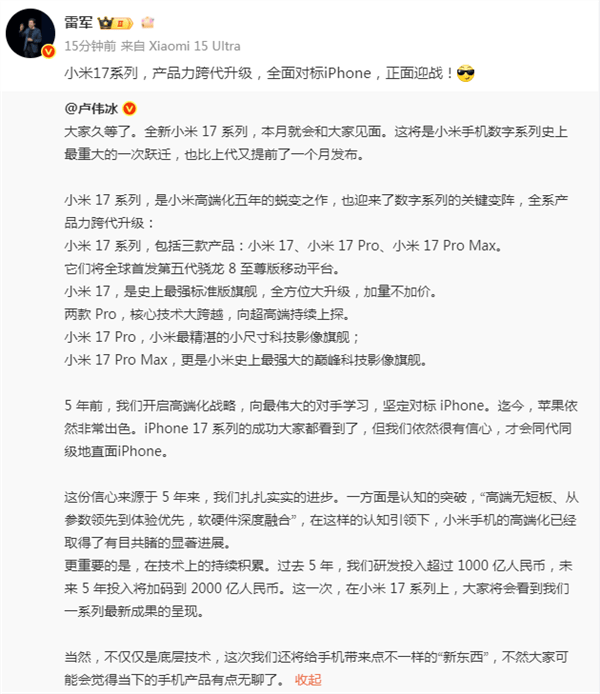
Core Insights - Xiaomi's CEO Lei Jun announced on Weibo that the Xiaomi 17 series represents a generational upgrade in product capabilities, directly competing with the iPhone [1] - Xiaomi Group President Lu Weibing stated that the Xiaomi 17 series is a transformative product after five years of high-end development, marking a significant shift in the digital series [1] Product Overview - The Xiaomi 17 series includes three models: Xiaomi 17, Xiaomi 17 Pro, and Xiaomi 17 Pro Max, all featuring the world's first Snapdragon 8 Gen 2 mobile platform [1] - The Xiaomi 17 is described as the strongest standard flagship ever, with comprehensive upgrades without price increases [1] - The two Pro models represent a significant leap in core technology, aiming for the ultra-high-end market [1] - The Xiaomi 17 Pro is highlighted as Xiaomi's most refined compact technology imaging flagship, while the Xiaomi 17 Pro Max is touted as the most powerful imaging flagship in Xiaomi's history [1]
行业深度 | 2025Q2:盈利分化加剧 优质赛道韧性突显【民生汽车 崔琰团队】
汽车琰究· 2025-09-14 11:05
Group 1 - The core viewpoint of the article highlights the differentiation in the passenger car market, driven by scale effects and high-end product offerings, leading to profitability improvements [2] - In Q2 2025, the wholesale sales of passenger cars reached 7.111 million units, a year-on-year increase of 13.0% and a quarter-on-quarter increase of 11.8% [29] - The wholesale sales of new energy passenger cars were 3.629 million units, up 33.9% year-on-year and 26.3% quarter-on-quarter, indicating strong growth in this segment [29] - The revenue of sample enterprises in the passenger car sector reached 673.96 billion yuan, reflecting a year-on-year increase of 13.8% and a quarter-on-quarter increase of 20.2% [42] - The overall gross margin for passenger car companies was 15.0%, showing a slight decline compared to the previous year and quarter, with variations in performance among different companies [2] Group 2 - The automotive parts sector saw revenue growth, with Q2 2025 revenue reaching 266.42 billion yuan, a year-on-year increase of 15.7% and a quarter-on-quarter increase of 14.5% [3] - The gross margin for the parts sector was 18.2%, an increase of 0.6 percentage points year-on-year and 0.7 percentage points quarter-on-quarter, benefiting from scale effects and reduced raw material costs [3] - The net profit growth for the parts sector was 11.9% year-on-year and 18.5% quarter-on-quarter, indicating improved profitability [3] Group 3 - The motorcycle segment experienced significant growth, with Q2 2025 sales reaching 297,000 units, a year-on-year increase of 23.9% and a quarter-on-quarter increase of 44.9% [4] - Revenue for the motorcycle sector was 17.28 billion yuan, reflecting a year-on-year increase of 20.5% and a quarter-on-quarter increase of 20.1% [4] - The gross margin for key motorcycle companies was 23.3%, showing a slight decline year-on-year but an increase quarter-on-quarter [4] Group 4 - Investment recommendations include focusing on high-quality domestic brands in the passenger car sector, such as Geely, Xpeng, Li Auto, BYD, and Seres [4] - In the parts sector, recommendations include companies involved in intelligent driving and smart cockpits, such as Bertel and Jifeng [4] - For motorcycles, leading companies like Chunfeng Power and Longxin General are recommended [7]

汽车行业系列深度十一:盈利分化加剧,优质赛道韧性突显
Minsheng Securities· 2025-09-14 07:09
Investment Rating - The report maintains a positive investment rating for the automotive industry, particularly highlighting opportunities in the passenger vehicle and component sectors [6]. Core Insights - The automotive industry is experiencing a divergence in profitability, with high-quality segments demonstrating resilience amid increasing competition and market pressures [1][2][3]. - The passenger vehicle segment is benefiting from scale effects and a shift towards high-end models, with wholesale sales reaching 7.111 million units in Q2 2025, a year-on-year increase of 13.0% [1]. - The component sector is witnessing sustained revenue growth, particularly in intelligent and lightweight segments, with Q2 2025 revenue at 266.42 billion yuan, up 15.7% year-on-year [2]. - The commercial vehicle sector, especially heavy trucks, is showing signs of recovery, with Q2 2025 wholesale sales of heavy trucks at 274,000 units, a year-on-year increase of 18.3% [3]. - The motorcycle segment is also thriving, with sales of 297,000 units in Q2 2025, reflecting a year-on-year growth of 23.9% [4]. Summary by Sections 1. Industry Overview - The automotive sector's fund holding ratio decreased to 6.25% in Q2 2025, indicating a cautious market outlook despite strong demand [12][19]. 2. Passenger Vehicles - The passenger vehicle segment is driven by policy support and a focus on high-end models, with significant sales growth in new energy vehicles, which saw a 33.9% increase in wholesale sales year-on-year [1][39]. - The average selling price (ASP) is showing divergence, influenced by the product mix and market positioning [1]. 3. Components - The components sector is experiencing robust revenue growth, with intelligent driving and automotive electronics leading the way, and a gross margin of 18.2% in Q2 2025, up from the previous quarter [2][3]. 4. Commercial Vehicles - Heavy trucks are recovering with a 1.0% year-on-year revenue increase, while buses are benefiting from both domestic and export demand, with a 7.6% increase in wholesale sales [3]. 5. Motorcycles - The motorcycle market is thriving, particularly in the mid-to-large displacement category, with a revenue increase of 20.5% year-on-year in Q2 2025 [4]. 6. Investment Recommendations - The report recommends investing in high-quality autonomous brands such as Geely, XPeng, Li Auto, BYD, and others, as well as key players in the component sector focusing on intelligent driving and new energy vehicle supply chains [5].




