大语言模型

Search documents
人形机器人商业化进程加速!订单密集公布,行业下一个突破点在哪?
Zhong Guo Zheng Quan Bao· 2025-08-03 14:38
Core Insights - The humanoid robot industry is expected to enter a year of mass production, with several companies announcing significant product orders and financing activities [2][3][6] Group 1: Product Orders and Production - Songyan Power achieved a record monthly production and delivery of 105 humanoid robots in July, a 176% increase month-over-month, with over 2,000 intention orders and a contract value exceeding 100 million yuan [3] - Galaxy General reported receiving orders for its supermarket service robots from 100 stores, aiming for nationwide deployment by the end of the year [3] - ZhiYuan Robotics expects to deliver thousands of humanoid robots this year, with over 2,000 already in production [4] Group 2: Financing Activities - ZhiYuan Robotics completed a new round of strategic financing led by LG Electronics and Mirae Asset Group, marking its 10th round of financing [7] - Yushu Technology has initiated its listing process, with a comprehensive evaluation scheduled for October to December [8] - Several companies, including Xingdong Era and Yundongchu, announced nearly 500 million yuan in financing, indicating a competitive market landscape [8] Group 3: Commercialization and Technological Breakthroughs - Industry experts highlight the need for technological breakthroughs to achieve high success rates in complex tasks, emphasizing the importance of data accumulation through real-world interactions [10] - The Shanghai Artificial Intelligence Laboratory introduced a full-stack engine to empower the industry, while ZhiYuan Robotics launched the first open-source humanoid intelligent operating system [11] - The industry is anticipated to see a wave of application promotion by mid-2025, with initial orders and applications expected to materialize [5]

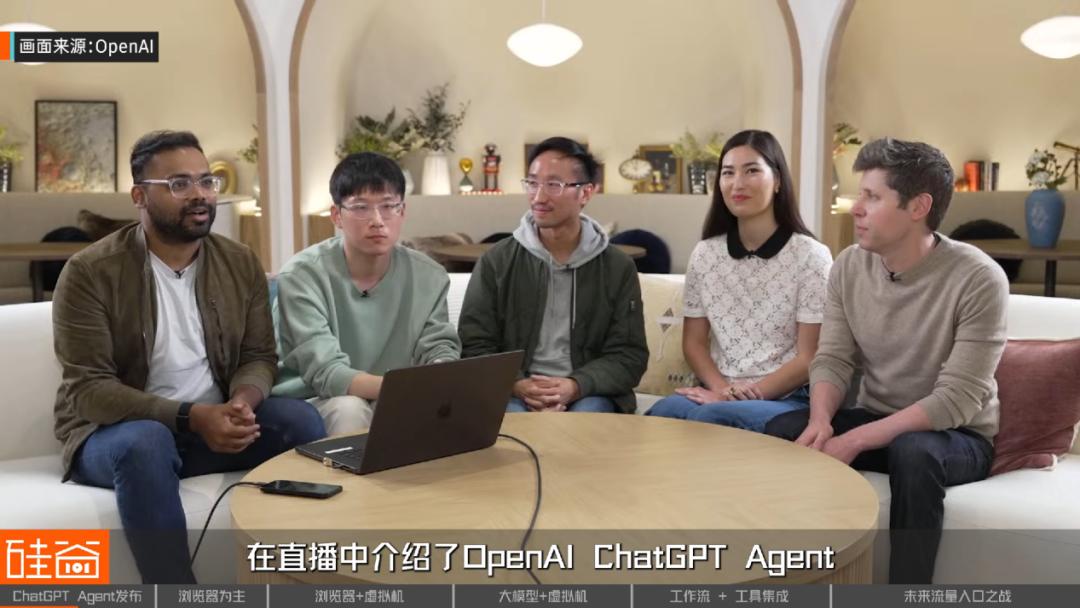
OpenAI杀入通用AI Agent的背后:四大技术流派与下一个万亿流量之战
3 6 Ke· 2025-08-03 09:57
Core Insights - OpenAI officially launched ChatGPT Agent on July 17, marking its entry into the general AI Agent market, which is anticipated to reshape the internet landscape and become a trillion-dollar traffic entry point [1][50] - The emergence of ChatGPT Agent raises questions about whether the market will be dominated by tech giants or if startups can maintain a foothold due to technological barriers and differentiated approaches [1][39] Summary by Categories 1. ChatGPT Agent Launch - The introduction of ChatGPT Agent signifies the opening of the general AI Agent battlefield, with OpenAI's CEO Sam Altman and researchers presenting the product in a live stream [1] - The launch is seen as a strategic move ahead of the anticipated GPT-5 release, suggesting a competitive response to emerging AI startups [1] 2. Functionality and Tools - ChatGPT Agent can assist users in various tasks, such as ordering products online or generating presentations, driven by two tools: Deep Research and Operator [2][4] - Deep Research focuses on in-depth analysis and report generation, while Operator allows users to perform specific actions on the web [4] 3. Technical Approaches - The article outlines four main technical approaches in the AI Agent space: - **Browser-based Approach**: OpenAI's ChatGPT Agent operates primarily through web browsers, allowing extensive access to online information but suffers from slow performance and high token consumption [7][12] - **Sandbox + Browser Approach**: Manus combines a sandbox environment with browser capabilities, offering high local execution efficiency but limited external access [14][20] - **Large Model + Sandbox Approach**: GensPark utilizes a large language model within a sandbox, sacrificing generality for speed and stability, focusing on specific tasks [24][28] - **Workflow + Tool Integration Approach**: Companies like Pokee integrate pre-designed workflows with third-party tools, resulting in faster execution but limited generality [32][34] 4. Future of AI Agents - The competition in the AI Agent market is expected to intensify, with the potential for agents to become the primary means of internet interaction, leading to a decline in traditional web traffic [39][41] - The concept of "ghost clicks" suggests that future internet traffic will be driven by agents rather than human users, fundamentally altering advertising and information dissemination models [41][45] 5. Market Dynamics - OpenAI's entry into the general AI Agent market is seen as a pivotal moment, with implications for both existing companies and new entrants aiming to capture market share [1][42] - The article emphasizes the need for companies to enhance user retention and reliability through specialized workflows and tools, rather than solely relying on broad capabilities [36][37]

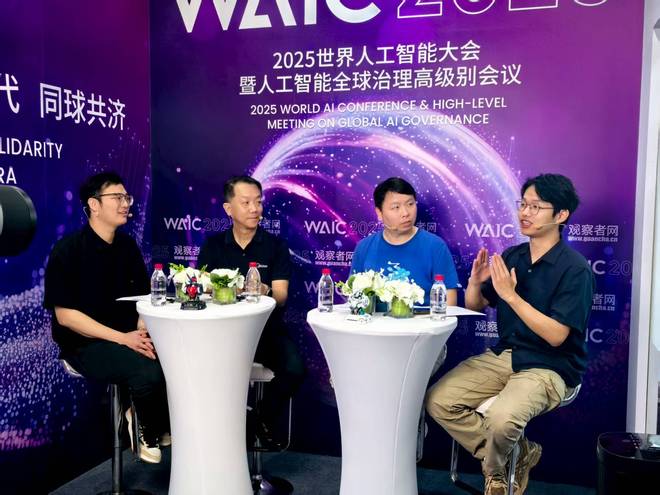
AI大潮下的具身和人形,中国在跟跑还是并跑?
Guan Cha Zhe Wang· 2025-08-03 05:35
Group 1 - The core theme of the discussion revolves around "embodied intelligence" and its significance in the development of humanoid robots and AGI (Artificial General Intelligence) [1][2] - The conversation highlights the advancements in humanoid robots, particularly focusing on companies like Tesla and Boston Dynamics, and their impact on the global robotics landscape [1][2][3] - The panelists discuss China's position in the AI race, questioning whether it is merely following the US or is on the verge of overtaking it [1][2] Group 2 - Midea's entry into humanoid robotics is driven by its existing technological advantages in components and a complete product line, marking a strategic shift from its traditional home appliance business [4][5] - The acquisition of KUKA Robotics in 2016 has allowed Midea to expand its capabilities in industrial technology and automation, serving various sectors including automotive and logistics [4][5] - The discussion emphasizes the importance of application-driven development in humanoid robotics, with Midea exploring both full humanoid and wheeled robots for different use cases [13][15] Group 3 - The panelists from various companies, including Grasping Deep Vision and Zhenge Fund, share insights on the evolution of AI and robotics, focusing on the integration of computer vision and machine learning in their products [5][6][8] - Grasping Deep Vision, as a pioneer in AI computer vision, has developed applications across finance, security, and education, showcasing the versatility of AI technologies [5][6] - Zhenge Fund's investment strategy emphasizes early-stage funding in cutting-edge technology sectors, including AI and robotics, aiming to support innovative startups [6][8] Group 4 - The discussion on humanoid robots highlights the historical context, mentioning significant milestones like Honda's ASIMO and Boston Dynamics' Atlas, and contrasting them with recent advancements in China and the US [8][10] - The panelists note that the complexity of humanoid robots, with an average of 40 joints, poses significant engineering challenges, but advancements in reinforcement learning are simplifying the development process [9][10] - The future of humanoid robots is seen as promising, with expectations of rapid advancements in the next 5 to 10 years driven by technological breakthroughs and application-driven demands [9][10] Group 5 - The conversation touches on the debate between wheeled versus bipedal humanoid robots, with arguments for the practicality of wheeled robots in industrial settings and the necessity of bipedal robots for complex environments [13][16] - The panelists discuss the potential of "super humanoid robots" designed for specific industrial applications, aiming to exceed human efficiency in tasks like assembly and logistics [15][16] - The importance of dexterous hands in humanoid robots is emphasized, with a focus on the trade-offs between complexity, cost, and functionality in various applications [21][25] Group 6 - The concept of "embodied intelligence" is defined as the ability of robots to interact with the physical world, moving beyond traditional control methods to achieve more autonomous decision-making [28][30] - The panelists explore the role of world models and video models in enhancing the capabilities of humanoid robots, suggesting that these models can improve the robots' understanding of dynamic environments [35][39] - Reinforcement learning is highlighted as a crucial component in the development of humanoid robots, with discussions on optimizing reward systems to enhance learning outcomes [41][42]



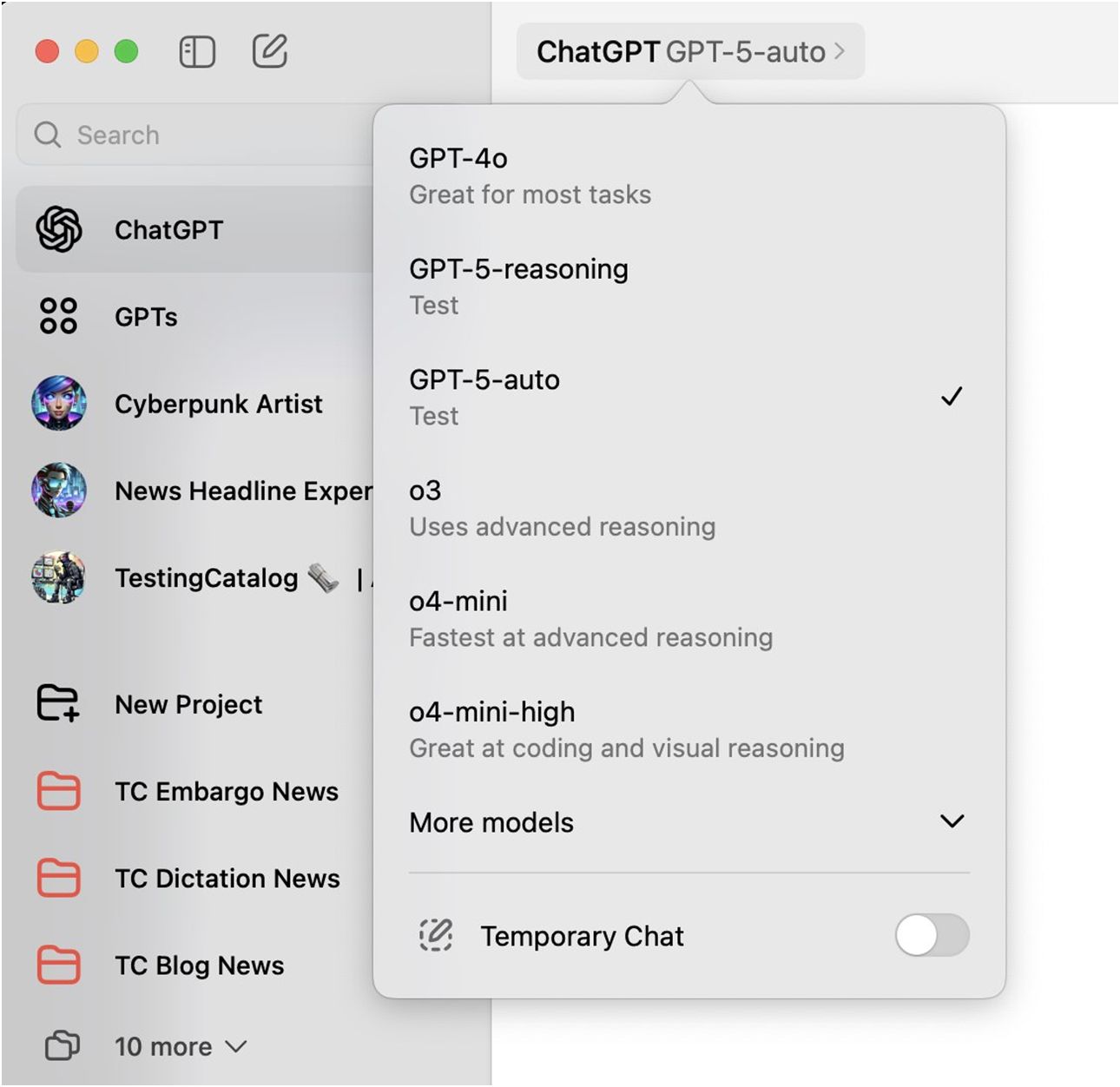
GPT-5呼之欲出 引发五大技术猜想 阿尔特曼为何“感到恐惧”
Mei Ri Jing Ji Xin Wen· 2025-08-02 06:09
Core Insights - OpenAI's CEO Sam Altman expressed fear regarding the upcoming release of GPT-5, comparing its development to the Manhattan Project, indicating its potential to reshape the world [3][4] - GPT-5 is expected to be officially launched in early August, with significant anticipation from the developer community [2][3] - The model is believed to integrate various technologies and enhance reasoning capabilities, potentially transforming AI applications and enterprise software [7][8][12] Group 1: Release and Anticipation - GPT-5 is anticipated to be launched in early August, with Altman confirming its imminent release [2][3] - The developer community has noted signs of GPT-5's arrival, including internal testing by teams like Cursor [4] Group 2: Technical Advancements - GPT-5 is expected to be a unified, multimodal system that simplifies and enhances existing models [7] - The model will likely improve reasoning and problem-solving capabilities, with a potential increase in cost-effectiveness for API usage [8] - It is projected to possess autonomous planning and execution abilities, allowing for more interactive AI experiences [8] Group 3: Industry Impact - The release of GPT-5 is expected to stimulate demand for chips and cloud computing resources, leading to increased capital investment in these areas [10][11] - Major companies like NVIDIA and cloud giants such as AWS, Google, and Microsoft are likely to benefit from the increased demand for AI capabilities [11] - The capabilities of GPT-5 will likely lead to a reshaping of enterprise software and SaaS services, integrating AI as a fundamental feature [12] Group 4: Vertical Applications - GPT-5's advancements are expected to disrupt various industries, including education, marketing, and finance, by enhancing productivity and personalization [13] - The model's multimodal capabilities will open new opportunities for intelligent applications in sectors like healthcare and customer service [13]

Kimi K2高速版发布;OpenAI将“星际之门”项目引入欧洲丨AIGC日报
创业邦· 2025-08-02 01:09
Group 1 - OpenAI is launching its first AI data center project in Europe, named "Stargate" in Norway, in partnership with Nscale and Aker, with a 50/50 joint venture for ownership [2] - Alibaba's Tongyi Qianwen has introduced a programming model called Qwen3-Coder-Flash, which excels in agentic coding, browser use, and tool use, surpassing current top open-source models [2] - Deepseek's affiliated company has published a patent for a method and system for deploying large language models, aimed at maximizing hardware utilization and reducing latency [2] - The Kimi K2 Turbo version has been released, increasing output speed from 10 tokens per second to 40 tokens per second while maintaining the same model parameters [2]


龙虎榜复盘 | 医药小盘股集体大涨,光伏板块迎来局部反弹
Xuan Gu Bao· 2025-08-01 10:07
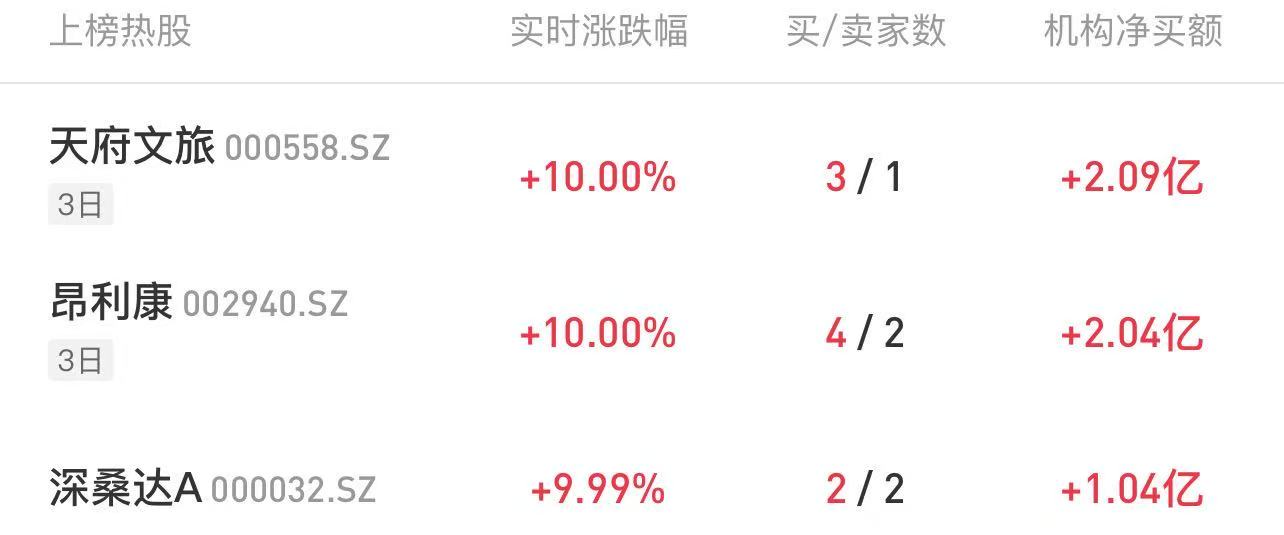
另外,控股子公司中国电子云深度应用大语言模型技术,结合多年政企数据治理实践经验,构建数据盘点智能体,以智能化、自动化之力,开启政企数据盘 点新模式。 龙虎榜知名游资 一、光伏 龙虎榜机构热股 今天机构龙虎榜上榜33只个股,净买入17只,净卖出16只。当日机构买入最多的个股前三位是:天府文旅(3日2.09亿)、昂利康(3日2.04亿)、深桑达A (1.04亿)。 | 上榜热股 | 实时涨跌幅 | 买/卖家数 | 机构 | | --- | --- | --- | --- | | 天府文旅 000558.SZ | +10.00% | 3/1 | +2 | | 3日 | | | | | 昂利康 002940.SZ | +10.00% | 4/2 | +2 | | 3日 | | | | 深桑达A 龙虎榜显示4家机构净买入1.04亿。 公司大力发展数据要素业务,推出云数一体可信数据空间产品,参与国家数据基础设施试点项目,并与智谱AI等头部企业合作推进AI平台落地。 7月31日,公司发布业绩预告,预计2025年1月1日至2025年6月30日归属于上市公司股东的净利润为17亿元–19.6亿元,比上年同期增长38.65%–59 ...
从OpenAI杀入通用AI Agent,看懂下一个万亿流量之战与四大技术流派
Hu Xiu· 2025-08-01 07:42
Core Insights - OpenAI has entered the general AI Agent market with the launch of ChatGPT Agent, aiming to capture future "traffic entry points" [1] - The product is perceived as a hasty response rather than a well-thought-out strategy, with subpar performance according to industry experts [1] - Existing competitors like Manus and Genspark have already established their presence in the Agent space, raising questions about OpenAI's technological differentiation [1] Technology Analysis - The current landscape of general AI Agents features four major technological factions: browsers, virtual machines, large language models, and workflow integration [1] - Each faction has its own operational principles and advantages, as well as drawbacks, highlighting the trade-offs made between "universality" and "stability" [1] Future Implications - As AI Agents become the primary interface for internet interactions, traditional web traffic is expected to decline rapidly, leading to significant shifts in the competitive landscape among major players [1] - The advertising ecosystem is likely to be disrupted, prompting a reevaluation of strategies by companies in this space [1] - The question remains as to which entity will emerge as the ultimate winner in this trillion-dollar traffic entry point battle [1]
字节Seed发布扩散语言模型,推理速度达2146 tokens/s,比同规模自回归快5.4倍
量子位· 2025-08-01 04:23
Core Viewpoint - ByteDance's Seed Diffusion Preview introduces a new diffusion language model focused on code generation, utilizing discrete state diffusion technology to enhance inference speed and flexibility in code editing tasks [1][5]. Technical Innovations - The model achieves a code inference speed of 2146 tokens/s on H20, outperforming similar models like Mercury and Gemini Diffusion, and is 5.4 times faster than autoregressive models [3][25]. - Seed Diffusion Preview employs a two-stage training strategy to address the limitations of autoregressive models, focusing on both context completion and global coherence in code generation [8][10]. Two-Stage Training - The first stage involves masked diffusion training, where tokens in the original sequence are replaced with a [MASK] token to help the model learn to recover original tokens from partially masked sequences, constituting 80% of the training steps [11][12]. - The second stage focuses on editing diffusion training, which enhances the model's understanding of global logic by introducing operations like insertion, deletion, and replacement, leading to a 4.8% improvement in code repair tasks compared to autoregressive models [14][15]. Structured Code Generation - To mitigate logical confusion in code generation, the model incorporates structured priors, ensuring that it adheres to inherent coding rules, such as variable declaration before use [17][19]. - The model learns correct code generation sequences through extensive pre-training, allowing it to generate code in a structured manner [18][19]. Efficiency Optimization - The model utilizes on-policy learning, where it generates code and simultaneously updates its parameters based on the current strategy, enhancing training efficiency [21]. - Block-level parallel diffusion sampling is implemented to balance computational resources and generation latency, allowing for parallel processing of code blocks rather than token-by-token generation [23]. Performance Validation - Experimental results demonstrate significant improvements in inference speed, competitive generation quality, and the effectiveness of key technologies, with the model achieving 2146 tokens per second while maintaining high-quality code generation [25][26].

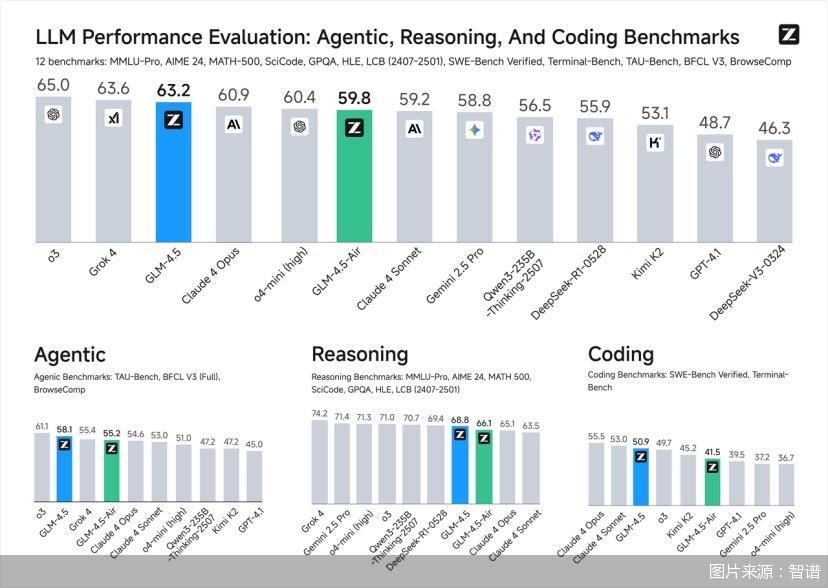
赛道Hyper | 智谱GLM-4.5:技术突破成因与行业价值
Hua Er Jie Jian Wen· 2025-08-01 00:41
Core Viewpoint - The launch of GLM-4.5 by Zhipu AI represents a significant advancement in large language models (LLMs), emphasizing efficiency and multi-capability integration rather than merely increasing parameter size [10]. Group 1: Model Development and Technical Innovations - The GLM series has evolved from GLM-1 to GLM-4.5 over four years, with each iteration focusing on optimizing the Transformer architecture and enhancing parameter efficiency [2][4]. - GLM-4.5 features a total of 355 billion parameters, with 32 billion being active parameters, resulting in an active parameter ratio of approximately 9% [5]. - The model employs a dual-layer training data structure, consisting of 15 trillion tokens of general text and 8 trillion tokens of vertical domain data, with specific training goals for different tasks [7]. Group 2: Competitive Landscape and Market Position - Zhipu AI is one of the first companies in China to promote open-source large models, building a substantial developer community since the release of GLM-2 in 2023 [8]. - The competitive landscape is shifting from merely increasing parameter size to focusing on system efficiency and ecological vitality, setting new standards for performance evaluation in the industry [10]. Group 3: Architectural Choices and Collaboration - GLM-4.5's architecture allows for the integration of reasoning, coding, and agent capabilities, overcoming challenges related to module collaboration and parameter sharing [8][10]. - The company has demonstrated patience in optimizing its architecture, which is relatively rare in an industry that often prioritizes short-term returns [9].
GLM-4.5大模型杀出重围 “领跑者”智谱走上台前
Bei Jing Shang Bao· 2025-07-31 14:55
当业界探讨智能体功能、开发环境时,近日北京智谱华章科技股份有限公司(以下简称"智谱")低调发布新一代旗舰 大模型GLM-4.5,这是一款专为智能体应用打造的基础模型,在复杂推理、代码生成及智能体交互等通用能力上实现 能力融合与技术突破。OpenAI"跳票"多次的GPT-5也强调融合,并在6月底将智谱列入全球竞争对手,没想到智谱率先 登场,GLM-4.5的综合得分位列全球第三、国产第一。 在资本市场,智谱也是"沉默的领跑者",4月已在北京证监局办理上市辅导备案,由中金公司担任辅导机构,成为第 一家启动IPO上市的"大模型六小虎"。根据辅导备案报告,8月智谱将进入正式辅导期第二阶段,在这期间,这家脱胎 于清华的大模型公司还密集收获多地国资的战略投资。从实验室到产业,智谱走出了中国通向AGI(通用人工智能) 的另一条路径。 全球第三,国产第一 最近的开源浪潮中,智谱的GLM-4.5发布仅2小时,就被X平台推荐上了首页,发布12小时后,它已经位列国际开源社 区Hugging-Face榜单全球第二,创增速纪录。 2024年1月,OpenAI CEO山姆·奥特曼曾在接受媒体采访时提到,他现在的首要任务是推出可能被称为GP ...