
科技创新

Search documents
“产业出题、科技答题”——以科技突破拓展未来产业发展的速度、广度、深度
Ren Min Ri Bao· 2026-02-07 01:41
Group 1: Future Industry Development - The core theme of the recent collective study by the Central Political Bureau focuses on forward-looking layout and development of future industries, emphasizing that technological breakthroughs significantly determine the speed, breadth, and depth of future industry development [1] - Future industries are characterized by their foresight, strategic importance, and disruptive nature, with technological breakthroughs being crucial for their development [1] - The emphasis is on leveraging scientific and technological innovation to lead industrial innovation, injecting continuous momentum into future industry development [1] Group 2: Key Technologies and Innovations - The new type of national system is highlighted as a key advantage in addressing critical core technologies, with a focus on the integration of industry needs and technological responses [2] - The development of a "microbial parallel bioreactor" has been achieved, significantly improving efficiency compared to traditional equipment, which has been dominated by foreign technologies [2][3] - Collaborative innovation among research institutions and manufacturing enterprises is essential for accelerating the transformation of technological achievements into industrial applications [3] Group 3: Importance of Basic Research - Basic research is identified as the source of technological innovation and a critical support for future industry technology innovation [4] - The successful development of a third-generation autonomous superconducting quantum computer and advancements in quantum communication networks illustrate the importance of foundational research in driving industry growth [5] - The establishment of a green extraction process for paclitaxel demonstrates the long-term commitment to basic research and its role in overcoming industry challenges [6] Group 4: Role of Enterprises - Enterprises are recognized as the main body of technological innovation and play a crucial role in advancing future industries [7] - The establishment of the China Fusion Energy Company marks a significant shift towards commercializing controlled nuclear fusion, highlighting the importance of enterprise involvement in technological advancements [7] - The integration of research institutions, clinical applications, and enterprises is essential for fostering innovation and market transformation in future industries [9] Group 5: Collaborative Efforts and Strategic Planning - The new type of national system is crucial for guiding collaboration between enterprises, universities, and research institutions to address industry needs and promote efficient technology transfer [10] - The development of future industries is seen as a strategic move for both current and future national interests, emphasizing the need for a systematic and forward-looking approach [10]
2025年成都落实科技创新与制造业减税降费超445亿元
Sou Hu Cai Jing· 2026-02-07 01:26
为确保税费优惠政策精准落地、直达快享,助力企业集中力量攻坚创新,成都市税务局全年统筹开 展"研发费用加计扣除"等专题辅导9场,覆盖高新技术企业等重点群体2.8万户次。同时,建立"政策精 准推送+线上线下辅导+涉税风险排查"全流程服务机制,针对企业研发环节涉税需求定制辅导方案,确 保企业快速、规范享受各项税费优惠,为企业研发投入免除后顾之忧。 据悉,下一步成都税务将紧扣"十五五"规划建议,进一步深化税费红利精准落细落实,细化涉税服务保 障,强化涉税风险防控,助力更多专精特新企业深耕细分领域、突破"卡脖子"关键核心技术、引领产业 升级,成长为现代化产业体系建设的中坚力量,为新质生产力加速发展提供坚实有力的税务支撑。 为持续助力企业突破发展瓶颈、攻坚核心技术,成都税务部门紧扣政策导向,2025年落实科技创新与制 造业发展主要政策减免税费超445亿元,其中支持科技投入和成果转让减免超154亿元;支持制造业高质 量发展减免超167亿元,以税费红利为企业创新赋能。 走进四川华都核设备制造有限公司,车间内机器轰鸣,自动化程度高达95%的生产线正有条不紊地运 转,该公司深耕成都都江堰17年,是国内仅有的3家持有民用核安全设备 ...
地方国资委年度工作会议释放了哪些改革信号
Xin Lang Cai Jing· 2026-02-07 01:10
Core Viewpoint - The 2026 annual work meetings of local state-owned asset supervision and administration commissions (SASACs) in various regions, including Beijing, Shanghai, Guangdong, Shandong, and Jiangsu, focus on enhancing the role of state-owned enterprises (SOEs) in technological innovation, optimizing the layout and structure of state-owned economies, strengthening supervision, and exploring a "second growth curve" for SOEs [3][4][5]. Group 1: Technological Innovation and Economic Performance - Beijing, Shanghai, and Guangdong SASACs are leading the charge in promoting technological innovation among SOEs, with Beijing's state-owned enterprises achieving total assets of 18.1 trillion yuan and a profit of 121.78 billion yuan by the end of 2025 [3][4]. - Shanghai's state-owned enterprises reached a historical high with total assets of 32.5 trillion yuan, and profit growth rates of 12.3% and 11.2% for total profit and net profit, respectively, marking significant increases over the past five years [4]. - Guangdong's state-owned enterprises reported total assets of 2.89 trillion yuan, a 45.73% increase since 2020, with a revenue of 727.87 billion yuan and a profit of 38.97 billion yuan, reflecting strong reform progress [5][6]. Group 2: Regulatory Enhancements - Strengthening the supervision of SOEs is a key focus for 2026, with Shanghai emphasizing the need for strict political responsibility and enhanced oversight of SOE leadership [6][7]. - Jiangsu's SASAC plans to improve management mechanisms and enhance regulatory effectiveness, focusing on risk prevention and the overall quality of state-owned capital operations [7][8]. - Shandong aims to elevate the regulatory level of municipal and county-level SOEs, focusing on management, debt risk control, and governance improvements [8][9]. Group 3: Exploring New Growth Opportunities - The concept of a "second growth curve" is highlighted as a significant goal for 2026, with Shandong SASAC implementing six special actions to enhance productivity and optimize resource allocation [9][10]. - Hubei's state-owned enterprises are set to leverage technological innovation to enhance core competitiveness and explore new growth avenues [10][11]. - Guizhou's SASAC emphasizes high-quality development through strategic project management and collaboration among key industries [11].

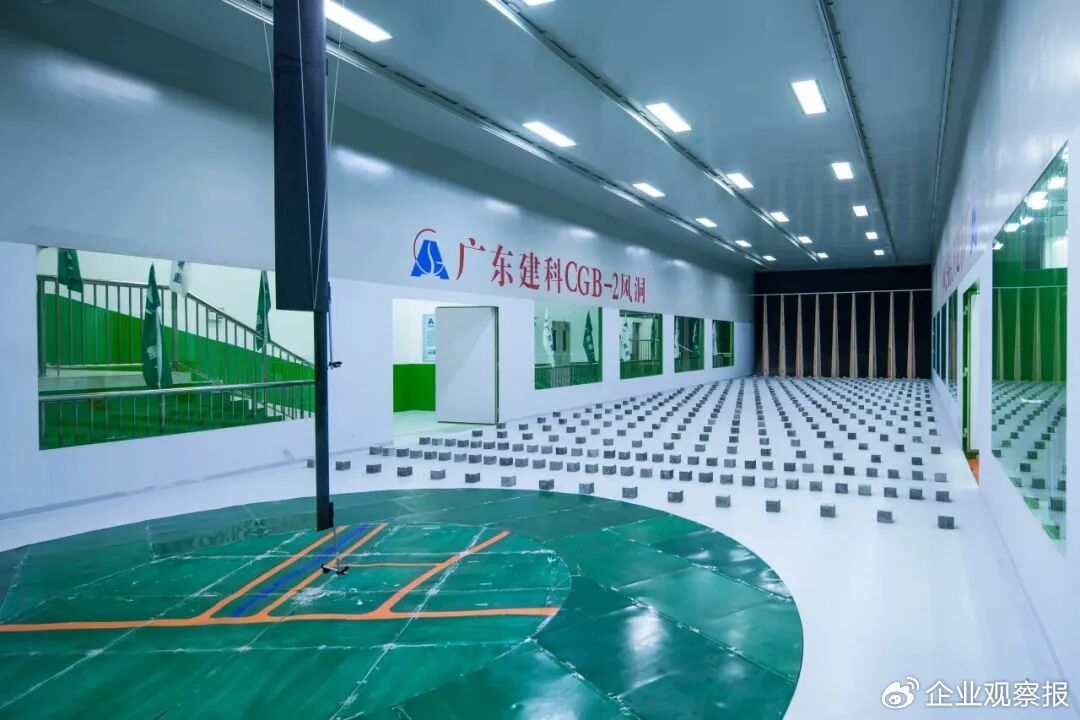
“产业出题、科技答题”
Ren Min Ri Bao· 2026-02-07 00:29
Group 1 - The core theme of the articles emphasizes the importance of technological breakthroughs in determining the speed, breadth, and depth of future industrial development [1][4] - The concept of "industry posing questions, technology providing answers" is highlighted as a guiding principle for driving innovation and addressing key technological challenges [2][4] - The collaboration between research institutions and manufacturing enterprises is crucial for accelerating the transformation of technological achievements into industrial applications [3][8] Group 2 - The new type of national system is identified as a key guarantee for promoting future industrial development, enabling long-term stable investment and strategic patience [4][9] - Strengthening strategic, forward-looking, and systematic layouts in basic research is essential for fostering technological innovation and supporting future industries [5][6] - Enterprises are recognized as the main body of technological innovation, playing a vital role in leading industries towards advanced and high-end fields [7][9] Group 3 - The development of core technologies in fields such as controlled nuclear fusion is highlighted as a significant step towards commercializing future energy solutions [7][8] - The establishment of innovation alliances that integrate research, clinical applications, and enterprise participation is essential for advancing complex systems like brain-machine interfaces [8][9] - The articles stress the need for effective collaboration between enterprises, universities, and research institutions to tackle key technological challenges and enhance the efficient transformation of scientific achievements [9]
苏州代表提交议案建议70件 涉及科技创新、提振消费、文化传承等多个方面
Su Zhou Ri Bao· 2026-02-07 00:27
教育医疗、基层治理、社会保障等领域同样受到代表的高度关注。方琴代表提出了关于依托优质职 教资源强化中小学职业体验教育,缓解分流焦虑、深化职普融通的建议;薛法根代表提出了关于加强农 村地区九年一贯制学校办学质量的建议;徐蕾代表提出了关于进一步优化新就业群体权益保障与发展环 境的建议;王林代表提出了关于推进社区居家养老服务高质量发展的建议;金铭代表提出了关于完善城 市公共交通乘客逃票失信约束机制的建议;王珍妮代表提出了关于建设全省统一智慧照护平台,推进支 付创新和数字化赋能免陪护服务提质增效的建议。 围绕文化传承、人才培养、城市建设,代表们也提出多条建议。吴娟代表提出了关于加快推动周庄 古镇保护立法工作的建议,邹英姿代表提出了关于实施江苏省手工艺青年艺术人才培育计划的建议,苏 雄代表提出了关于加快推进医养结合人才队伍建设的意见建议,高波代表提出了关于在城市更新中进一 步推进江苏省"好房子"建设的建议。 根据大会表决通过的关于议案处理意见的报告,苏州方面,高军会等代表提出的关于修订《江苏省 太湖水污染防治条例》的议案,关于制订《江苏省城市更新条例》、规范城市更新管理的议案,成为主 席团交由省人大常委会在大会闭会后审 ...
省委常委会召开会议学习习近平总书记重要讲话精神 部署科技创新统一战线和为基层减负等工作
Shan Xi Ri Bao· 2026-02-06 23:24
2月6日,省委常委会召开会议,学习习近平总书记近期重要讲话精神,传达中央有关会议精神,研 究我省贯彻落实措施,部署科技创新、统一战线和为基层减负等工作。省委书记赵一德主持会议。 会议强调,要深入学习贯彻习近平总书记在中央政治局第二十四次集体学习时的重要讲话精神,认 真落实全国科技工作会议精神,发挥陕西科教优势,培育壮大未来产业,加快发展新质生产力,更好服 务国家高水平科技自立自强。要增强高质量科技供给,持续深化教育科技人才体制机制一体改革,扎实 推进西安区域科技创新中心建设,建强用好战略科技力量,努力产出更多标志性原创成果。要优化升 级"秦创原"创新驱动平台,推动科技成果转化"三项改革"、科技型企业发展"四个工程"、科技金融服 务"五项机制"协同增效,促进科技创新和产业创新深度融合。要牢牢把握未来产业前瞻性、战略性、颠 覆性等特点,加强科学谋划和全局统筹,加快建设未来产业先导区,深入实施"人工智能+"行动,以培 塑现代化产业新优势把握未来发展主动权。 会议强调,要认真落实全国统战部长会议精神,坚持党的领导、完善大统战工作格局,持续巩固和 发展最广泛的爱国统一战线,做强思想政治引领主责主业,铸牢中华民族共同体意 ...
“产业出题、科技答题” ——以科技突破拓展未来产业发展的速度、广度、深度
Ren Min Ri Bao· 2026-02-06 22:55
Group 1 - The core theme of the news is the emphasis on technological innovation as a driving force for the development of future industries, highlighting the importance of breakthroughs in technology for enhancing the speed, breadth, and depth of industrial growth [1][4] - The new type of national system is identified as a key guarantee for promoting the development of future industries, enabling strategic patience and long-term stable investment that the market cannot provide [4][10] - The integration of research institutions, manufacturing enterprises, and application sectors is crucial for accelerating the transformation of technological achievements into industrial applications [3][9] Group 2 - The focus on key core technology breakthroughs is essential, with a call for industries to present challenges that technology must address, ensuring that technological innovation is driven by actual market needs [2][10] - The development of high-performance bioreactors in the biomanufacturing sector is highlighted, showcasing a successful case of overcoming technological monopolies through collaborative innovation [2][3] - The rise of quantum computing in Hefei is noted, with significant advancements in both foundational research and industrial applications, indicating a robust growth trajectory for the quantum industry [5][6] Group 3 - The role of enterprises as the main body of technological innovation is emphasized, with a focus on cultivating leading technology companies that can drive industries towards high-end fields [7][8] - The establishment of innovative joint entities that combine research, clinical applications, and enterprise involvement is presented as a model for fostering deep cooperation and innovation in future industries [9][10] - The need for strategic, forward-looking, and systematic layouts in basic research is stressed, as it serves as the foundation for technological innovation and future industrial development [6][10]
总产值突破4000亿元后,绵阳工业如何拼?
Xin Lang Cai Jing· 2026-02-06 22:00
就在会前两天,绵阳产业一线接连传来好消息:在涪城高新区,四川星际荣耀航天动力有限责任公司首台百吨级 液氧甲烷火箭发动机"焦点二号"正式下线;在盐亭县巨龙化工园区,绵阳市天然气化工新材料中试基地破土动 工。 一边是尖端装备突破,一边是产业平台落子,绵阳工业的"十五五"开局之战在一线打响。 □四川日报全媒体记者 任紫鑫 近日,记者从绵阳2026年全市工业和信息化工作会议上获悉,2025年绵阳规上工业总产值突破4000亿元,"十四 五"期间,绵阳规上工业总产值连跨两个千亿台阶。 "焦点二号"发动机是火箭可重复使用的核心。该发动机在实现百吨级推力的同时提升推重比,所有阀门控制实现 电动化,以满足火箭的精准返回需求,将用于可重复使用液体火箭,预计今年下半年挑战"入轨+海上回收"飞行试 验。 星际荣耀绵阳基地一期设计发动机年产能达50台套。未来,年产20枚双曲线三号火箭的总装将在成都进行,而火 箭的心脏——发动机制造则锚定绵阳。目前,仅涪城区就已聚集18家商业航天产业链企业。 另一场产业变革则在盐亭县拉开序幕。新启动建设的绵阳市天然气化工新材料中试基地,以破解科技成果转化难 题为目标,被视为科研成果从实验室走向产业化的" ...
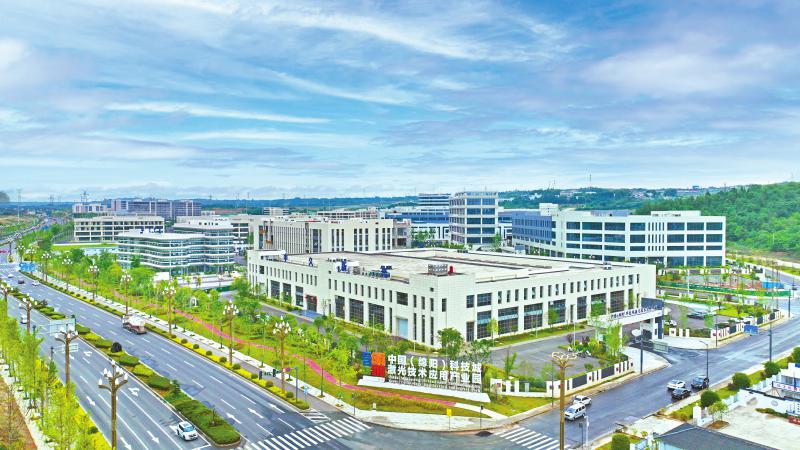
奋进“十五五” 阔步向未来|庆安 科技赋能激发医药产业新活力
Xin Lang Cai Jing· 2026-02-06 21:59
"我们不仅深耕产品研发,更着力搭建高水平创新平台,为持续创新注入动力。"黑龙江中桂制药总经理 孙超展示着刚获批的"黑龙江省口服液体制剂开发及产业化中试熟化平台"认定文件。该平台是去年绥化 市仅有的两家省级认定平台之一,标志着企业从中试到规模化生产的全链条研发能力获得权威认可。持 续研发投入是平台高效运转的保障,企业每年投入约2000万元用于技术创新和新产品研制开发,以高投 入催生高质量成果。"盐酸氨溴索口服溶液的产业化"获黑龙江省科技成果转化二等奖,"左卡尼汀制剂 研发与产业化"入选省级重大科技成果产业化项目,获700万元资金支持,实现"研发—转化—产业化"良 性循环。 面对中药制造这一传统领域,创新同样不可或缺。在黑龙江瑞格制药有限公司的中药提取车间内,一场 以数字化、智能化为核心的技术改造正悄然推进。公司新增6台数字化提取罐和两台双效浓缩器,实现 煎煮过程的精准设定与全程监控。"过去我们靠老师傅看火候、凭经验,现在只需在触控屏上设定好参 数,设备就能稳定、连续自动化运行。"公司生产部部长董彦良介绍。设备的提档升级不仅大幅提升了 生产过程的稳定性和批次间的一致性,更能使中药有效成分的提取收率提高至少10%。 ...
稳订单稳生产稳岗位做最实在贡献
Xin Hua Ri Bao· 2026-02-06 21:25
谈及如何"稳企业",张斯纬的答案明确指向科技创新。鹰游集团长期聚焦碳纤维及其装备领域,通过持 续攻关,解决了多项关键装备的"卡脖子"难题,同时以"闪染"等绿色工艺创新推动传统产业升级。"创 新的目的是解决问题,提升效率。企业只有掌握了核心技术和迭代能力,根基才能牢固,才能在变化的 市场中真正'稳'得住。"张斯纬说。 春节期间集团仍将有300多名员工在岗保生产,用稳定产能守住企业发展基本盘,在张斯纬看来,这种 有序的"稳产能",是企业在产业生态中发挥"稳定器"作用的具象化表现。 就业是最大的民生。张斯纬对此的体会是,"稳就业"不能孤立看待,而应植根于产业的健康发展之 中。"一家企业直接提供的岗位有限,但其带动和辐射效应可以很广。"他介绍,依托碳纤维主产业,鹰 游集团在本地培育和带动了20余家配套协作企业,形成了一个小型的产业集群,实现"以产业带就业、 以就业稳民心"。 "我们提供的岗位覆盖技术研发、智能制造、市场营销等多个维度。更重要的是,我们致力于通过系统 的技能培训和职业发展通道,让员工,特别是本土人才和返乡就业人员,能够获得有成长空间的职业生 涯。"张斯纬表示,这种基于产业发展的、高质量的就业,才是稳固和 ...