AI医疗

Search documents
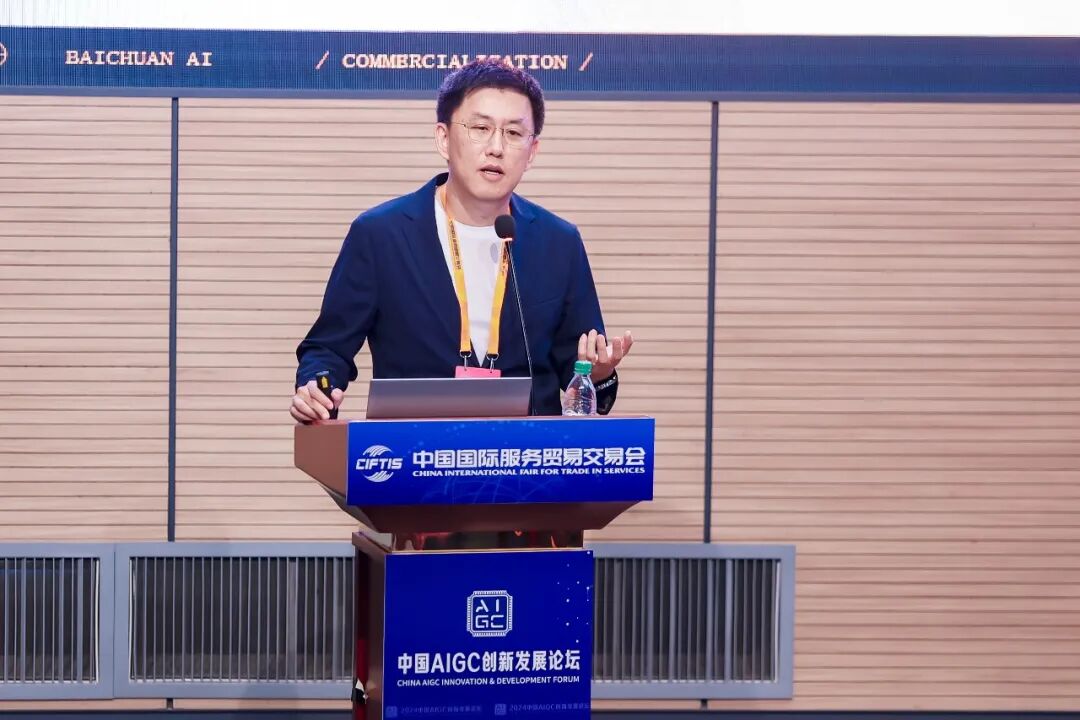
平安好医生(01833)尾盘急升9.35% 大摩指公司的交易逻辑转向以高复购、高粘性为核心的长期经营逻辑
Xin Lang Cai Jing· 2025-12-12 14:13
Core Viewpoint - Ping An Good Doctor (01833) has shown a significant structural change in its financial performance, indicating a shift from a "scale-driven" to a "structure-driven" business model, with revenue growth and improved profitability [1][2] Financial Performance - The company has maintained steady revenue growth, with profitability showing signs of a turning point [1][2] - Cost curves and gross profit structures are improving simultaneously, reflecting a positive trend in operational efficiency [1][2] External Environment - Policy advancements are promoting online diagnosis, health management, chronic disease intervention, and collaboration between commercial insurance and medical insurance systems, providing a clearer long-term space for service-oriented internet medical platforms [1][2] - The gradual relaxation of policies regarding internet diagnosis, online follow-ups, and prescription outflow is expected to enhance market opportunities [1][2] - The expansion of commercial insurance directories and health insurance management is creating a broader payment landscape, increasing the supply-side opportunities for services [1][2] - Regulatory attitudes towards AI in healthcare are shifting from cautious exploration to compliance and implementation, indicating a more favorable environment for innovation [1][2] Business Model Transition - Ping An Good Doctor is transitioning from a transactional logic to a long-term operational logic focused on high repurchase rates, high customer stickiness, and high service value [1][2] - The maturation of this business model is expected to provide a new perspective for valuation in the capital markets [1][2]
医渡科技12月已回购超1080万港元 收盘涨超3%
Zhi Tong Cai Jing· 2025-12-12 11:33
Group 1 - The Hong Kong stock market is experiencing a new wave of share buybacks, with over 700 million shares repurchased in November and more than 300 million shares in the first half of December [1] - Leading technology companies are prominently driving this buyback trend, with Medtronic Technology (02158) being a notable example, having repurchased approximately 2.11 million shares for over 10.8 million HKD in December alone [1] - The company's buyback activity reflects its strong recognition of intrinsic value, supported by improved performance and business expansion, with adjusted EBITDA reaching approximately 54 million HKD, doubling year-on-year [1] Group 2 - Medtronic Technology's continuous buybacks signal value transmission and highlight the growth resilience of medical technology firms amid favorable performance and business development [2] - On December 12, the company's stock price rose over 3%, closing at 5.11 HKD [2]
平安好医生:穿越周期的确定性
阿尔法工场研究院· 2025-12-12 11:32
Core Viewpoint - The article emphasizes the investment potential of Ping An Good Doctor, highlighting its strategic positioning in the healthcare sector and its ability to leverage AI technology for growth [2][3][22]. Group 1: Investment Outlook - Morgan Stanley has included Ping An in its focus list and raised its A/H share price target, indicating strong confidence in the company's future performance [2]. - The underlying logic for Morgan Stanley's bullish stance is Ping An's ability to capture three major societal needs: wealth management, healthcare, and elderly care [3]. Group 2: Strategic Importance of Ping An Good Doctor - Ping An Good Doctor is viewed as a critical differentiator for Ping An Group, evolving from a mere internet healthcare platform to a core hub connecting financial clients with quality medical services [4]. - The integration of healthcare, health management, and elderly services, supported by AI technology, positions Ping An Good Doctor to benefit from a "Davis Double" effect, where performance and valuation are expected to improve simultaneously [5]. Group 3: Market Dynamics and Challenges - The healthcare O2O (Online to Offline) market has transformed patient habits, but the industry faces structural challenges as early growth benefits fade [7]. - Future growth will focus on complex scenarios such as chronic disease management and high-end medical services, driven by an aging population and increasing wealth among high-net-worth individuals [8][10]. Group 4: Competitive Advantages - Unlike many internet healthcare platforms that rely heavily on consumer acquisition, Ping An Good Doctor benefits from a unique "insurance + healthcare" model, leveraging its access to 247 million high-net-worth financial clients [12][13]. - The company has established a strong presence in the B2B sector, covering over 4,500 medium to large enterprises, which is expected to see explosive growth of 30% to 50% in the coming years [13][14]. Group 5: AI and Operational Efficiency - The application of AI in healthcare is set to enhance operational efficiency, with significant cost reductions and high diagnostic accuracy achieved through AI-driven services [19]. - Ping An Good Doctor's extensive data resources, including over 1.44 billion consultation records, enable it to develop superior AI models that enhance service delivery and patient care [19]. Group 6: Market Sentiment and Future Prospects - The stock has seen consistent net inflows from southbound funds, with the Hong Kong Stock Connect holding percentage rising to 23.07%, indicating strong investor confidence [22]. - The company is positioned at a "triple resonance" point, benefiting from industry trends, market sentiment recovery, and improved operational fundamentals, suggesting a promising growth trajectory for the next decade [22][23].

医渡科技(02158)12月已回购超1080万港元 收盘涨超3%
智通财经网· 2025-12-12 11:00
Core Viewpoint - The Hong Kong stock market is experiencing a new wave of share buybacks, with significant participation from leading technology companies, particularly in the healthcare sector [1][2]. Group 1: Share Buyback Activity - In November, companies listed on the Hong Kong stock market repurchased over 700 million shares, with over 300 million shares repurchased in just the first few trading days of December [1]. - Medical technology company Yidu Tech (02158) has been a prominent player in this buyback trend, repurchasing 155,000 shares at HKD 5.1 per share on December 12, totaling approximately HKD 790,000 [1]. - Yidu Tech has conducted seven buybacks in December, accumulating around 2.11 million shares repurchased, with a total expenditure exceeding HKD 10.8 million [1]. Group 2: Company Performance and Developments - Yidu Tech's buyback activity reflects the company's strong recognition of its own value, supported by improved performance and business expansion [1]. - For the fiscal year 2026, Yidu Tech reported a significant improvement in profitability and operational efficiency, with adjusted EBITDA reaching approximately HKD 54 million, doubling compared to the same period last year [1]. - The company is making strides in AI healthcare innovation, participating in national AI application pilot projects in Beijing and winning bids for clinical research projects, as well as expanding its "Hui Min Bao" business in Hebei and Guangzhou [1].
AI医疗板块12月12日涨0.05%,华大基因领涨,主力资金净流出1.16亿元
Sou Hu Cai Jing· 2025-12-12 09:45
证券之星消息,12月12日AI医疗板块较上一交易日上涨0.05%,华大基因领涨。当日上证指数报收于 3889.35,上涨0.41%。深证成指报收于13258.33,上涨0.84%。AI医疗板块个股涨跌见下表: 以上内容为证券之星据公开信息整理,由AI算法生成(网信算备310104345710301240019号),不构成 投资建议。 从资金流向上来看,当日AI医疗板块主力资金净流出1.16亿元,游资资金净流入2467.32万元,散户资 金净流入9132.73万元。AI医疗板块个股资金流向见下表: ...

2025华夏大健康——赋能美好生活案例展示
Hua Xia Shi Bao· 2025-12-12 09:02
Core Insights - The "2025 Fifth China Health Industry Development and Rehabilitation Service Conference" was successfully held in Beijing, focusing on integrating resources and exploring development paths in the health industry [1] - The conference featured high-level discussions on cutting-edge topics such as innovative drugs, brain-machine interfaces, AI in healthcare, and the transformation of traditional Chinese medicine [1] - A series of innovative case studies were presented, showcasing advancements in various categories including ESG, biotechnology, and AI healthcare, reflecting the vitality and innovation in the health sector [1] Company Highlights - **Amway**: Empowered 200,000 marketing personnel to create health and wellness communities, promoting healthy lifestyles through shared knowledge and support [2] - **USANA**: Aims to be the healthiest family globally, emphasizing quality in product design and social responsibility initiatives, including nutrition support for underprivileged students [3] - **Aier Eye Hospital**: Focuses on building a global healthcare network in ophthalmology, utilizing innovative models to address healthcare accessibility and patient needs [4] - **Angelalign**: Achieved steady growth by enhancing R&D and clinical support for invisible orthodontic solutions, expanding its global presence [5] - **Yingkang Yisheng**: Established a health ecosystem with multiple subsidiaries, focusing on life sciences and clinical medicine, and providing services to 160 countries [6] - **Cofe Medical**: Specializes in home medical devices, leveraging technology to enhance health monitoring and early disease intervention [7] - **Pharmacist Help**: Aims to digitize the outpatient pharmaceutical market, covering over 490,000 pharmacies and 353,000 grassroots medical institutions [8] - **Perfect (China) Co., Ltd.**: Focuses on health products and social responsibility, donating over 1 billion yuan to various causes [9] - **Yonghe Medical**: Utilizes AI for personalized treatment in hair health, enhancing service transparency and patient satisfaction [10] - **Anran Nano**: Integrates nanotechnology and plant stem cell technology in health products, emphasizing social responsibility through various charitable initiatives [11]
策略+医药 “春季躁动”看方向,医药细分谁先行
2025-12-12 02:19
Summary of Key Points from the Conference Call Industry Overview - The conference call primarily discusses the **pharmaceutical industry** and its performance in the context of the upcoming Spring Festival and the Two Sessions in China. The focus is on the investment opportunities within the pharmaceutical sector, particularly in innovative drugs and services [1][2][3]. Core Insights and Arguments - **Market Performance**: Historically, small-cap stocks such as the CSI 500, CSI 1000, and National 2000 have shown a strong performance with a 90% excess win rate and a median excess return of approximately 3% from the New Year to the pre-Spring Festival period [1][2]. - **Consumer Sector**: The consumer sector has performed well with a 60% win rate in Q1, particularly peaking at 67% in March, making it the top performer among major styles [2]. - **Pharmaceutical Sector**: Despite recent adjustments, the pharmaceutical sector had a notable performance in February with a 73% excess win rate and a median excess return of 1.1%, ranking it among the top ten in the Shenwan primary industry [1][2]. - **Investment Opportunities**: During the Spring Rally, segments such as innovative drugs, medical devices, and traditional Chinese medicine are highlighted as key areas for investment due to their growth potential and strong domestic demand [1][5][6]. Additional Important Insights - **Long-term Outlook**: By 2026, the pharmaceutical innovation sector is expected to benefit from an engineer dividend, enhancing research efficiency, cost, and speed. The innovative drug market is seen as entering a long-term growth phase, with projections indicating that by 2030, the revenue and profit share from pharmaceutical innovation could rise significantly [2][7]. - **CRO and Life Sciences**: Since 2025, there has been a recovery in demand for Contract Research Organizations (CRO) and upstream life sciences, with a strong rebound anticipated in 2026, particularly in preclinical CROs [8][9]. - **Traditional Chinese Medicine**: The traditional Chinese medicine sector is expected to recover normal growth by 2026, supported by policy changes and decreasing raw material costs, which will enhance profit growth [10]. - **AI in Healthcare**: The potential for AI in healthcare is significant, with applications in diagnostics and drug discovery. The need for milestone events to catalyze this sector's growth is emphasized [17][20]. Conclusion - The pharmaceutical industry is positioned for growth, with various segments offering unique investment opportunities. The overall sentiment is optimistic, particularly regarding innovative drugs and the recovery of traditional medicine, supported by favorable market conditions and policy changes.
医渡科技(02158)12月以来6次回购 累计斥资超1000万港元
Xin Lang Cai Jing· 2025-12-11 11:49
Group 1 - The company repurchased 535,000 shares at approximately HKD 5 per share, totaling over HKD 2.68 million, with a cumulative repurchase of nearly 2 million shares in December, exceeding HKD 10 million [1] - The company's total revenue for the fiscal year 2026 reached RMB 358 million, representing a year-on-year growth of 8.7%, with adjusted EBITDA of approximately RMB 54 million, doubling from the previous year [1] - The release of the first version of the commercial insurance innovative drug catalog in China is expected to provide new growth opportunities for the company, enhancing its ability to assist insurance companies in risk pricing and medical cost control [1] Group 2 - The company has provided comprehensive solutions for the "Hui Min Bao" projects in various provinces, serving over 40 million insured users [2] - The "Shenzhen Hui Min Bao," operated by the company, has included all 19 innovative drugs from the first version of the commercial insurance innovative drug catalog in its coverage for the 2025 fiscal year [2] - The company offers full-chain support for pharmaceutical companies, including clinical research services and market access strategies, enhancing the efficiency of drug development and commercialization [2]
海泰新光汪方华详解国际化布局,光学技术延伸医疗赛道
Zhong Guo Jing Ying Bao· 2025-12-11 07:44
【海泰新光汪方华:光学技术为基 医疗赛道纵深拓展】在中美贸易环境持续演变的背景下,一批出口 导向型的中国制造企业正积极调整全球产能布局,以保持竞争力并开拓新机遇。 尽管光学技术在资本市场关注度较高,海泰新光仍坚持以利润为中心的经营策略。"医疗板块毛利率约 65%,净利率可达30%,回报稳定可观。光学很多领域虽在估值上受青睐,但对企业的实际利润支撑往 往不足。"汪方华坦言。 汪方华透露,未来,海泰新光投资将围绕光学与医疗两大方向:医疗领域以外科产品线为主,力求产品 组合完整、渠道扎实;光学领域更关注其长期技术价值与规模效应,即使短期利润贡献有限,也会持续 投入。此外,公司已在AI医疗领域有所布局,比如为医院检验科开发具备AI辅助判断功能的产品,并 推动相关注册工作。中经记者 陈婷 赵毅 北京报道 la � 1200 > F 6 @中国经营报 "真正的转折点在2023年。"汪方华表示,"我们看到整体国际环境并不乐观,于是在6月份启动泰国生产 基地建设,同时在美国设立小规模量产基地。"这一布局在2024年显示出其必要性——今年4月,美国对 部分中国产品加征关税最高达100%,若没有海外产能,产品将难以进入美国市场。 ...

前百川智能合伙人邓江创业,想走一条不同的AI医疗路
3 6 Ke· 2025-12-11 05:39
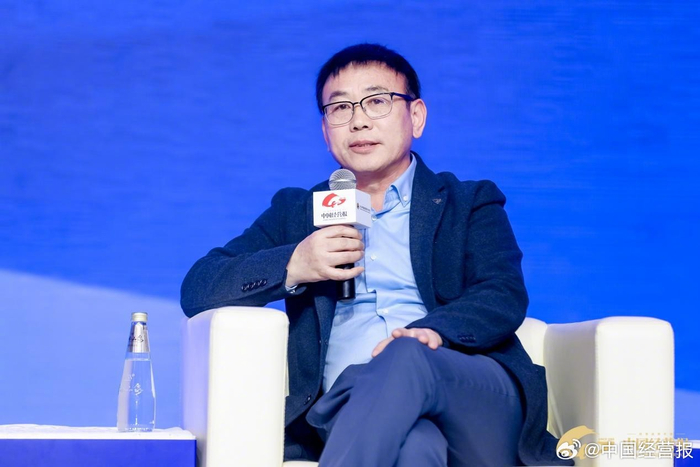
Core Insights - The article discusses the journey of Deng Jiang, a former executive at Baichuan Intelligent, who transitioned to entrepreneurship by founding Yuanqi Wisdom, focusing on AI in healthcare rather than finance [1][3][5]. Group 1: Company Overview - Yuanqi Wisdom aims to develop AI applications in healthcare, specifically targeting multi-modal medical evidence models, distinguishing itself from Baichuan's focus on text-based solutions [6][7]. - The company has successfully trained its own multi-modal medical evidence model, MentX, which achieved a 95% accuracy rate in answering common medical questions, ranking first in China and second globally in a medical reasoning evaluation [7][8]. Group 2: Market Positioning - Deng Jiang's strategy involves focusing on B2B partnerships with industries such as insurance, banking, and medical aesthetics, rather than direct consumer engagement [12][35]. - The company has already secured three commercial contracts within three months of its establishment, indicating a strong market interest in its technology [12][26]. Group 3: Technology and Innovation - Yuanqi Wisdom emphasizes the importance of multi-modal data in healthcare, arguing that complex medical decisions require more than just textual information [6][28]. - The company plans to leverage its technology to provide services to insurance companies and banks, enhancing their ability to serve clients with medical needs [18][32]. Group 4: Competitive Landscape - Deng Jiang acknowledges the competitive pressure from large tech firms entering the healthcare space but believes that the unique focus on complex medical decision-making will differentiate Yuanqi Wisdom [39][60]. - The company aims to maintain technological independence, which is seen as a significant advantage over larger competitors that may have conflicting interests [42][43]. Group 5: Future Outlook - The company anticipates that the commercialization of AI in healthcare will accelerate, with a projected timeline for significant market impact by 2026, aligning with trends observed in the U.S. [80].