产学研协同

Search documents
数字基建迎金融利好;海南商业航天发射场进一步验证高密度发射能力
Mei Ri Jing Ji Xin Wen· 2025-08-05 23:20
Group 1: Digital Infrastructure Financing - The central bank and seven departments issued guidelines to support the integration of the digital economy with the real economy, emphasizing the use of technologies like big data, blockchain, and AI to streamline processes and enhance service efficiency for manufacturing, especially SMEs [1] - The guidelines propose strengthening long-term loan support for digital infrastructure projects such as 5G, industrial internet, and data centers, while also promoting diverse financing methods like leasing and asset securitization to address the substantial funding needs [1] - The policy is expected to stimulate demand for upstream hardware like servers and optical modules, while also facilitating the implementation of industrial internet platforms and AI applications [1] Group 2: Commercial Aerospace Development - The successful launch of the low Earth orbit satellite by the Long March 12 rocket from the Hainan commercial space launch site demonstrates the site's high-density launch capability, achieving consecutive launches within five days [2] - This milestone is anticipated to accelerate the satellite internet constellation deployment, with potential market interest in rocket reuse technology, ground support systems, and the satellite manufacturing supply chain [2] - The increased launch efficiency positions China to gain an advantage in near-Earth orbital resources amid intensifying global competition in low Earth orbit satellites [2] Group 3: AI in Healthcare - The National Development and Reform Commission approved the establishment of a national AI application pilot base in clinical medicine, led by Zhongshan Hospital affiliated with Fudan University, focusing on addressing industry pain points and creating an innovative support platform [3] - The pilot base aims to bridge the gap between research outcomes and clinical applications, potentially shortening the product deployment cycle for AI technologies in healthcare [3] - This initiative may enable top-tier hospitals to evolve from technology users to standard setters, with the effectiveness of the platform hinging on establishing a regulatory sandbox that balances medical ethics and technological experimentation [3]
产学研协同培养高素质人才
Jing Ji Ri Bao· 2025-08-03 22:00
Core Insights - The integration of industry, academia, and research is crucial for achieving high-level technological self-reliance and innovation in China [1] - A significant 41.0% of invention patents by Chinese enterprises are completed in collaboration with universities or research institutions, with strategic emerging industries exceeding 60% in collaboration [1] - Despite notable progress in industry-academia-research integration, challenges such as talent mobility, unclear responsibilities, and vague training objectives remain [1] Group 1 - The establishment of partnerships between universities and enterprises, such as the collaboration between Peking University and Huawei, has led to breakthroughs in foundational research and innovation [1] - The creation of specialized research institutes, like the Guangdong-Hong Kong-Macao Greater Bay Area Precision Medicine Research Institute, demonstrates the push towards applied research and technology transfer [1] - The formation of high-end talent training bases, such as the large aircraft research institute by Beihang University and COMAC, highlights the focus on cultivating skilled professionals in cutting-edge fields [1] Group 2 - Breaking down barriers related to geography, identity, and age is essential for facilitating the dual flow of talent and skills between academia and industry [2] - Encouraging faculty from universities to engage in industry roles and allowing industry experts to teach in academic settings can enhance collaboration and knowledge transfer [2] - A focus on a collaborative education model that integrates industry needs with academic training is necessary to cultivate innovative and versatile talent [2]
海外学子走访绍兴 期待发挥所长
Ren Min Ri Bao Hai Wai Ban· 2025-07-17 01:01
Group 1 - The event "Overseas Returnees' Shao Year, Xing Fire" in Shaoxing attracted over 30 representatives from renowned overseas universities, showcasing the city's historical heritage, industrial development, and innovation ecosystem [1][2] - Shaoxing is recognized as one of the first national historical and cultural cities in China, known for producing many prominent figures such as Wang Xizhi and Lu Xun, highlighting its rich cultural background [1] - Participants expressed a desire to connect overseas academic resources and entrepreneurial projects with local industries and policies in Shaoxing, aiming to contribute to the city's development [1][2] Group 2 - The event included visits to various modern development sites in Shaoxing, such as the Shaoxing City Exhibition Hall and the Tianjin University Zhejiang International Innovation Design and Manufacturing Research Institute, emphasizing the city's modernization efforts [2] - The Director of the Zhejiang Provincial Expert and Overseas Students Service Center highlighted that overseas students possess international perspectives and a sense of national pride, making them essential contributors to Zhejiang's development [2] - The call for overseas students to act as partners in Zhejiang's development reflects the region's commitment to integrating academic knowledge with local industrial growth [2]
释放融资需求超1亿元!这场智能制造对接会后,投资机构直接去企业考察
Sou Hu Cai Jing· 2025-07-16 14:06
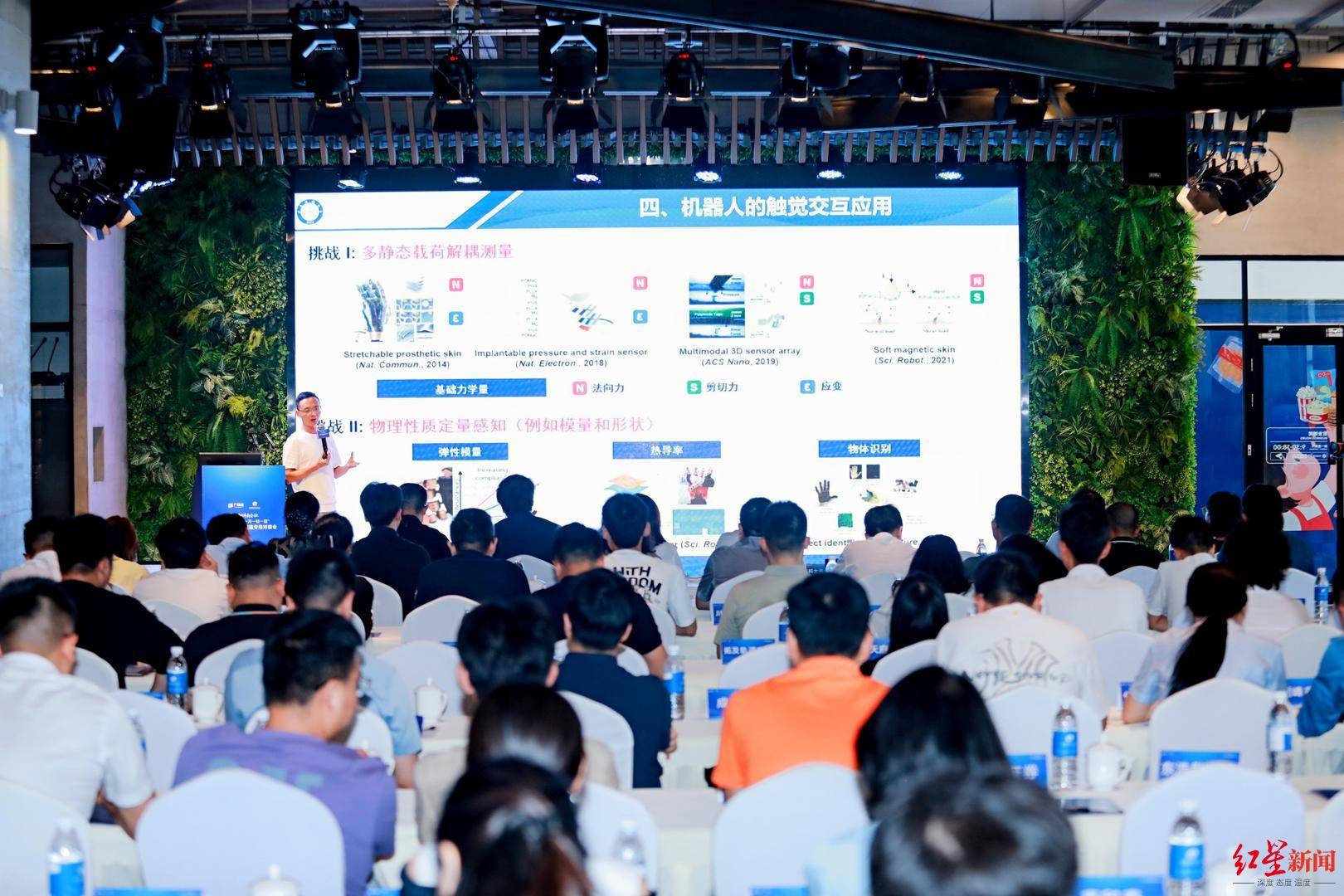
Group 1 - The event "One Month One Chain One Park" focused on electronic information and intelligent manufacturing, gathering nearly 30 high-growth companies along with representatives from universities, research institutions, and financial organizations [1][7] - Six quality projects from the electronic information and intelligent manufacturing sectors presented their financing needs, totaling over 100 million yuan [1][5] - Investment institutions such as Chengdu Kechuang Investment and Bo Yuan Capital engaged with the projects for precise financing matching [1][5] Group 2 - Chengdu Guanghangxin Technology Co., Ltd. highlighted its expertise in SAN FC switch technology, claiming over 15 years of experience and a theoretical capacity for thousands of ports [3] - Chengdu Ximengtaike Technology Development Co., Ltd. discussed its zero-power passive wireless sensor project, projecting the market size for passive wireless temperature sensors to grow from 900 million yuan in 2023 to over 5 billion yuan by 2030 [3][4] - Chengdu Sansiwei Technology Co., Ltd. emphasized its competitive edge in solid-state imaging chips, with its first-generation small imaging detector achieving sales exceeding 80 million yuan [4] Group 3 - The event served as a platform for collaboration, focusing on semiconductor and integrated circuit technologies, and included expert discussions on innovation and investment strategies [7][8] - Chengdu has established itself as a key electronic information industry base, with a comprehensive industry system supported by "chip, screen, terminal, software, intelligence, network, and security" [8] - The city aims to enhance financial support for high-quality industrial development and promote a new manufacturing and new economy investment system [8]

参考:《北京市重点实验室申报书》撰写详细步骤及要点
仪器信息网· 2025-07-10 04:36
Core Viewpoint - The article provides a comprehensive guide for applying to the "2025 Beijing Key Laboratory Application Guidelines," emphasizing the importance of aligning with key research areas and demonstrating innovation and application value in the application process [41]. Group 1: Preparation Steps - Review the application guidelines thoroughly to understand the fields, conditions, processes, and timelines for application [1]. - Define the laboratory's core research direction focusing on key areas such as intelligent manufacturing and new-generation information technology, highlighting its unique advantages [2]. Group 2: Resource Integration - Ensure the host unit has legal status and meets research conditions, including research space and equipment value [3]. - If applying jointly, sign a co-construction agreement in advance to clarify responsibilities among parties [3]. Group 3: Application Structure - The application must follow the specified template, including sections on the host unit's background, research achievements, team composition, funding support, and operational management [4][5][6][8][10][12][19]. Group 4: Key Content Areas - Highlight the host unit's history, scale, research strength, and support plans for the laboratory [5][6]. - Compare the laboratory's research level with domestic and international institutions, emphasizing its irreplaceability [8]. - Detail the laboratory director's qualifications and the overall talent pool, including fixed and flexible personnel [10][11]. Group 5: Financial and Operational Support - Outline the financial contributions from the host and co-construction units, including research funding and operational costs [12]. - Provide evidence of research space, equipment lists, and safety management protocols [13][14]. Group 6: Co-construction Details - Clearly define the division of responsibilities between the host and co-construction units regarding research, funding, and results [15][16]. Group 7: Laboratory Goals and Tasks - Set long-term scientific research goals and specify key tasks, including theoretical methods and expected outcomes [17][18]. Group 8: Management and Collaboration - Describe the laboratory's management structure and talent cultivation mechanisms [19][20]. - Emphasize collaboration with universities, research institutions, and industry partners to enhance technology transfer efficiency [36]. Group 9: Submission Process - Submit the application through the Beijing Government Service Network, adhering to the specified deadlines [32][33]. Group 10: Application Strategies - Highlight the laboratory's role in addressing critical technologies and its potential for industrial application [34][35]. - Ensure all submitted materials are accurate and truthful to avoid disqualification [37]. Group 11: Reference Cases - Provide examples of successful applications in related fields, such as energy materials and intelligent manufacturing, to guide the application process [39]. Group 12: Conclusion - The application process requires careful planning, collaboration, and adherence to guidelines to enhance the likelihood of success [40].

郭元强赴湖北实验室调研时强调:全力支持和推进实验室建设,推动科技创新和产业创新融合发展
Chang Jiang Ri Bao· 2025-07-09 14:20
Core Viewpoint - The article emphasizes the importance of supporting and advancing the development of Hubei laboratories in Wuhan to foster technological and industrial innovation, aiming to establish a nationally influential technological innovation hub [1][2]. Group 1: Laboratory Development and Achievements - Eight laboratories in Wuhan have made significant progress in construction and have produced notable scientific achievements, gathering high-end talent and contributing to the development of strategic emerging industries [2]. - The laboratories are encouraged to focus on cutting-edge fields such as aerospace information, enhance technology transfer capabilities, and support the high-quality development of the aerospace information industry in Wuhan [1]. Group 2: Strategic Directions and Recommendations - There is a call for a shift in mindset to adapt to changes in research paradigms and industrial organization, promoting deep integration of technological and industrial innovation through collaboration between academia and industry [3]. - The focus should be on addressing national and local industrial needs, clarifying development directions, and accelerating breakthroughs in key core technologies [3]. Group 3: Talent Attraction and Innovation Environment - Efforts should be made to attract and gather more high-end talent, leveraging high-level innovation platforms and connecting with top domestic and international research institutions and technology companies [3]. - An emphasis is placed on creating a supportive innovation environment that respects knowledge and creativity, ensuring researchers can focus on their work without distractions [4].
河南开封:科创“组合拳”加速产业焕新
Zhong Guo Chan Ye Jing Ji Xin Xi Wang· 2025-06-25 00:32
Group 1 - The Henan Kaifeng Ruida Pharmaceutical Technology Company has achieved results in the major scientific and technological project "Research and Clinical Application of New Targeted (Innovative) Drugs for Malignant Tumors" [1] - The innovative drug RDc001 has received approval for clinical trials, supported by local government policies [1] - The company focuses on biopharmaceutical research, particularly in high-tech cancer-targeted drug projects, which require significant funding and have long development cycles [1] Group 2 - Kaifeng City has implemented a "loan-equity linkage" model to support enterprises, establishing a science and technology innovation fund to provide equity investment [1] - In the first quarter, the number of banks cooperating with the "Bian Ke Loan" program expanded to five, enhancing financial services for technological innovation [1] - Kaifeng's high-tech industry added value accounted for a significant portion of the province's industrial output, with 333 high-tech enterprises reported [1] Group 3 - The Kaifeng Shunhe Hui Autonomous District is home to the Kaifeng Times New Energy Technology Company, which focuses on core technologies for all-vanadium flow batteries [2][3] - The district has successfully cultivated several high-tech enterprises, including Deerl Air Separation and Kaifeng Times, through a collaborative model involving leading enterprises, research institutions, and innovation teams [3] - Kaifeng has secured 13 provincial science and technology projects this year, including an "AI + new materials" project by Aitu Environmental Technology Company [3]
建设国际科创中心,深圳必将不负使命
2 1 Shi Ji Jing Ji Bao Dao· 2025-06-12 13:09
Core Viewpoint - The recent issuance of the "Opinions" by the Central Committee and the State Council emphasizes the need for institutional reforms in Shenzhen to enhance innovation efficiency and capabilities, aiming for effective collaboration between industry, academia, and research [1][4]. Group 1: Institutional Reforms - The "Opinions" encourage Shenzhen to address systemic barriers in education, technology, and talent, and to strengthen the integration of innovation chains, industrial chains, financial chains, and talent chains [1][2]. - The focus of the new round of reforms is on innovation, with specific tasks aimed at improving innovation efficiency and developing emerging industries [1][3]. Group 2: Role of Enterprises - Enterprises are highlighted as the main players in technological innovation, positioned at the forefront of technological and industrial changes, which allows them to identify problems and directions [2]. - The "Opinions" propose exploring market-oriented management systems for new research institutions and reforming research funding management to attract top global talent to Shenzhen [2]. Group 3: Education and Talent Development - The "Opinions" call for reforms in educational methods, school models, management systems, and support mechanisms to promote deep integration of technology, education, and industry [3]. - There is a specific emphasis on the joint cultivation of high-quality, interdisciplinary engineering talent between universities and enterprises, as well as the integration of vocational training with advanced manufacturing [3]. Group 4: Industry-Specific Initiatives - Shenzhen is tasked with exploring mechanisms for the application of AI-assisted medical devices, reforming management systems for unmanned aerial vehicles, and advancing market-oriented data element allocation [3]. - These three sectors are identified as having significant market potential, but face challenges due to a lack of mechanisms, rules, and standards [3]. Group 5: Strategic Positioning - The "Opinions" underscore Shenzhen's strategic positioning as an international technology innovation center, focusing on institutional exploration and innovation across various fields [4]. - The document outlines a top-level design that aligns with market development laws and technological transformation characteristics, aiming for a collaborative development path among technological innovation, institutional innovation, and industrial growth [4].
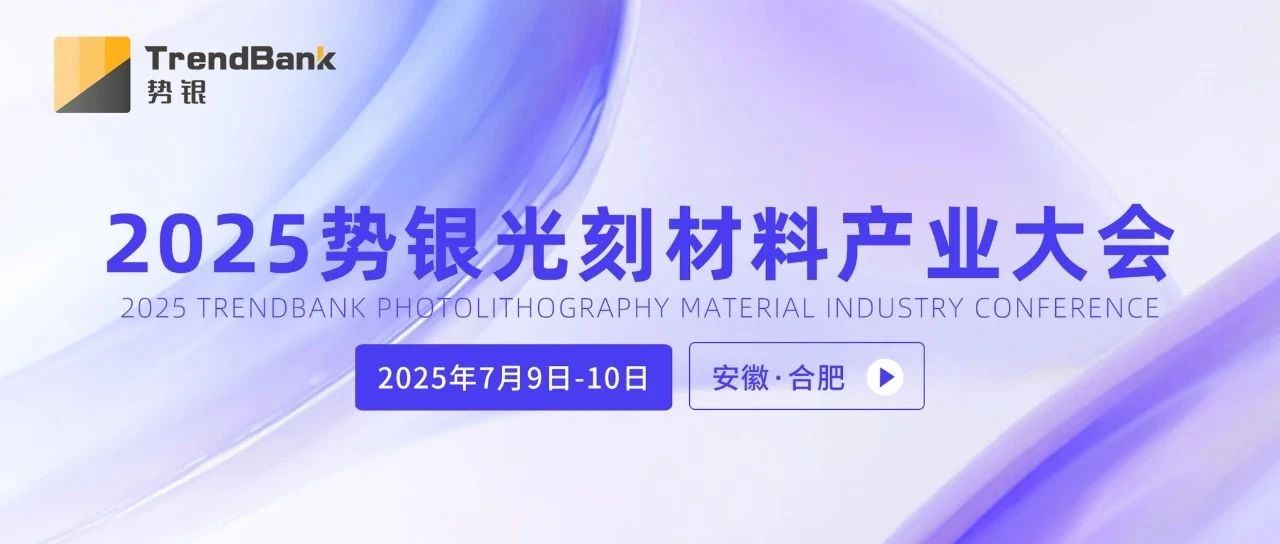
产学研协同,助力产业发展 | 2025势银(第五届)光刻材料产业大会(PRIC 2025)
势银芯链· 2025-05-29 07:01
Core Viewpoint - The 2025 TrendBank Photoresist Materials Industry Conference will focus on the collaboration between industry, academia, and research to promote the development of the photoresist materials sector, amidst increasing global competition and technological innovation in the semiconductor industry [4][6]. Group 1: Conference Background - The photoresist materials market is experiencing intensified global competition, accelerated technological innovation, and rising barriers to technology protection as of 2025 [4]. - The demand for high-performance and high-precision manufacturing processes in the semiconductor chip industry is driving the need for advancements in photoresist materials [4]. - The international landscape is marked by a blend of cooperation and competition, presenting both significant opportunities and challenges for the photoresist materials industry [4]. Group 2: Industry Development - The growth of China's photoresist materials market is not only a trend but also a crucial element for achieving breakthroughs in cutting-edge technology at the national level [5]. - Various supportive policies have been introduced at both national and provincial levels to create a favorable environment for the development of photoresist materials and related industries [5]. - Companies in the photoresist materials supply chain should seize the opportunity to strengthen their capabilities and pursue a "win-win" strategy across the industry [5]. Group 3: Conference Details - The 2025 TrendBank Photoresist Materials Industry Conference will be held on July 9-10, 2025, in Hefei, Anhui, with a focus on "collaboration between industry, academia, and research to support industry development" [6]. - The conference will cover discussions on semiconductor, display, and packaging photoresists, as well as wet electronic chemicals and specialty gases, addressing technological breakthroughs and application trends [6][9]. - The event will feature over 20 industry chain guest speakers, academic discussions, and a combination of conference and exhibition formats to foster industry interaction and supply chain connections [8][9].
联动长三角 食博汇新篇—首站连云港共绘餐饮协作新蓝图
Zhong Guo Shi Pin Wang· 2025-05-27 10:01
Core Viewpoint - The event marks the launch of a series of collaborative activities aimed at the integrated development of the catering industry in the Yangtze River Delta, focusing on resource integration and high-quality development pathways [1] Group 1: Local Industry Development - Lianyungang, as a key coastal city, has developed a unique seafood-centric dining culture, leveraging its rich marine resources [3] - The local dining industry faces challenges such as insufficient supply chain integration and the need to enhance brand value, necessitating collaboration within the Yangtze River Delta [3] Group 2: Strategic Initiatives - The Jiangnan Culinary Innovation Center aims to address challenges like homogenized competition and the preservation of traditional skills by integrating regional resources and promoting high-quality development in the food industry [5] - The center will serve as a comprehensive platform for technology research, talent training, and cultural exchange, emphasizing regional collaboration and shared growth [5] Group 3: Food Expo Planning - The second Food Expo, themed "Boosting Consumption, Sharing Culinary Life," will feature various activities to facilitate industry empowerment, sales connections, and cultural exchanges [8] - The expo aims to connect Lianyungang's unique food products with buyers in the Yangtze River Delta, helping local businesses expand their market reach [8] Group 4: Collaborative Outcomes - Significant cooperation agreements were reached, including Lianyungang associations participating in the Jiangnan Culinary Innovation Center and local restaurants showcasing their specialties at the Food Expo [10] - Local chefs will be recommended for participation in culinary competitions and innovation exchange events, enhancing the region's culinary profile [10] Group 5: Future Directions - The event serves as a starting point for deeper exchanges and resource alignment, with plans for continued visits to key cities in the region to promote industry collaboration [12] - The initiative aims to create a "Yangtze River Delta model" for high-quality development in the national catering industry [12]