
无人物流

Search documents
“物畅其流”!透过亮眼数据看“十四五”期间我国现代物流发展重要成就
Yang Shi Wang· 2025-08-26 02:53
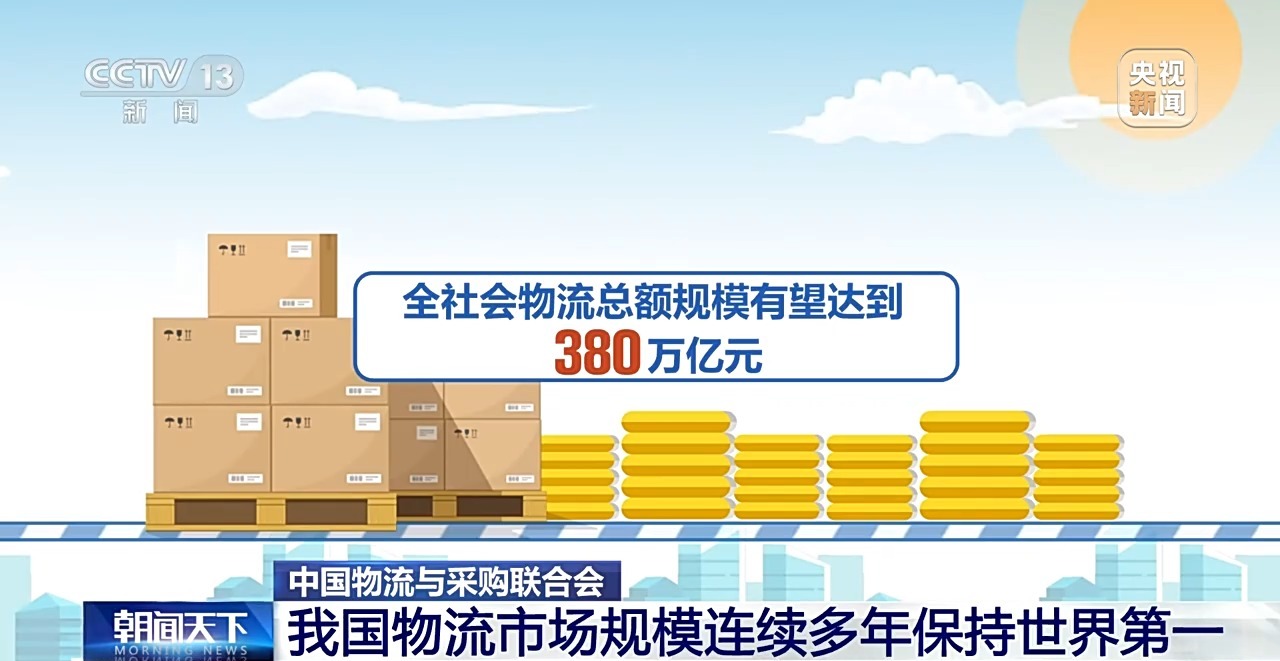
Core Insights - During the "14th Five-Year Plan" period, China's modern logistics development has achieved significant progress, maintaining the world's largest logistics market size and supporting high-quality economic development [1][4]. Logistics Market Growth - The total social logistics volume in China is expected to reach 380 trillion yuan by 2025, with an increase of approximately 8 trillion yuan over five years [1]. - The logistics industry revenue is projected to exceed 14 trillion yuan by 2025, growing by about 4 trillion yuan over the same period [1]. Freight and Express Delivery - By 2025, the total freight volume is anticipated to exceed 5.9 billion tons, while express delivery volume is expected to surpass 200 billion items, maintaining the world's leading position for 12 consecutive years [4]. International Logistics Network - The international logistics network is expanding, with the China-Europe Railway Express reaching 229 cities in Europe and over 100 cities in Asia [6]. - The air cargo market share of Chinese airlines has reached 44%, covering 83 countries and 213 cities [6]. Infrastructure Development - Significant investments have been made in logistics infrastructure, with 181 national logistics hubs and 105 cold chain logistics bases established, achieving full coverage across 31 provinces [7]. - Over 2,700 large-scale logistics parks exist, with a rail access rate of nearly 25% [7]. Cost Reduction and Efficiency - The ratio of total logistics costs to GDP has decreased by 0.6 percentage points, resulting in a total cost reduction of 890 billion yuan over the first four years of the "14th Five-Year Plan" [9]. - Cumulatively, logistics costs have been reduced by approximately 1.1 trillion yuan over the five years due to government policies and new technologies [11]. Competitiveness of Logistics Enterprises - The number of A-level logistics enterprises has reached 10,797, with 555 at the highest level (5A), and the top 50 logistics companies generating over 2 trillion yuan in revenue [12]. - Seven Chinese logistics companies are now listed among the world's top 500, indicating enhanced international competitiveness [12]. Integration with Manufacturing - Logistics enterprises are increasingly embedding themselves in the manufacturing supply chain, providing integrated solutions from procurement to delivery, thus enhancing efficiency and supporting high-quality manufacturing development [15]. Technological Advancements - The integration of new information technologies with modern logistics has led to the emergence of new operational models, including the use of AI and autonomous logistics technologies [17]. - Approximately 42% of logistics parks are equipped with automated sorting equipment, and about 69% of logistics hubs have automated storage systems [17]. Green Logistics - The promotion of green logistics is gaining momentum, with over 1,000 new energy inland vessels and a record high penetration rate for new energy heavy trucks [21].

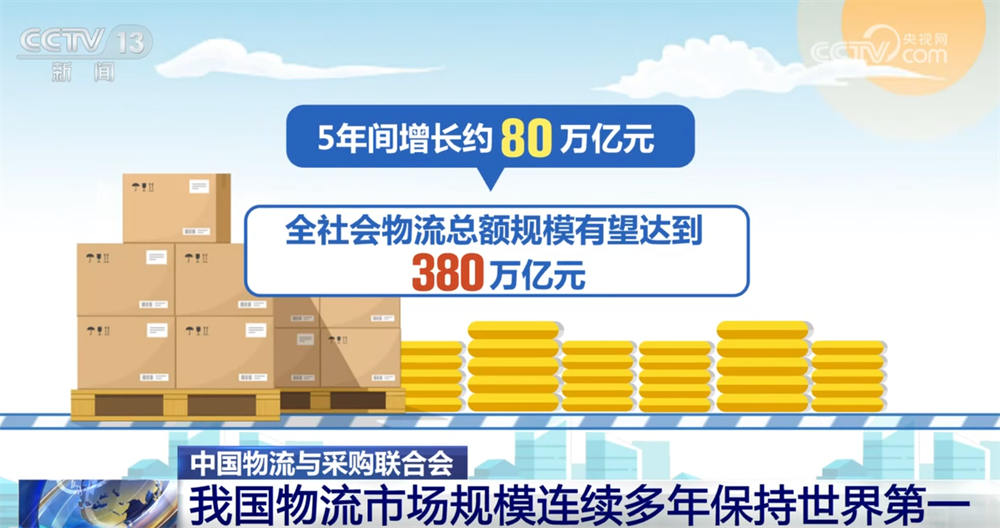
我国物流市场规模连续多年保持世界第一
Yang Shi Xin Wen· 2025-08-25 23:44
Core Viewpoint - During the "14th Five-Year Plan" period, China's logistics industry has achieved significant progress, maintaining the world's largest logistics market size and supporting high-quality economic development [1][3]. Logistics Market Growth - The total social logistics volume in China is expected to reach 380 trillion yuan by 2025, with an increase of approximately 8 trillion yuan over five years [1]. - The total revenue of the logistics industry is projected to exceed 14 trillion yuan by 2025, growing by about 4 trillion yuan over the same period [1]. Freight and Express Delivery - By 2025, the total freight volume is expected to exceed 5.9 billion tons, and express delivery volume is anticipated to surpass 200 billion items, maintaining the world's leading position for 12 consecutive years [3]. International Logistics Network - The international logistics network is expanding, with the China-Europe Railway Express reaching 229 cities in Europe and over 100 cities in Asia [5]. - The air cargo market share of Chinese airlines has reached 44%, covering 83 countries and 213 cities [5]. - China's maritime fleet is the largest globally, establishing shipping routes with over 100 countries and regions [5]. Logistics Infrastructure Development - Significant investments have been made in logistics infrastructure, resulting in a more efficient logistics network [6][7]. - The number of national logistics hubs and cold chain logistics bases has reached 181 and 105, respectively, achieving full coverage across 31 provinces [7]. Cost Reduction and Efficiency - The ratio of total logistics costs to GDP has decreased by 0.6 percentage points, resulting in a total cost reduction of 890 billion yuan over the first four years of the "14th Five-Year Plan" [9]. - Cumulatively, logistics costs have been reduced by approximately 1.1 trillion yuan over the five years [11]. Competitiveness of Logistics Enterprises - The number of A-level logistics enterprises has reached 10,797, with 555 at the highest level (5A) [13]. - The top 50 logistics companies have a combined revenue exceeding 2 trillion yuan, indicating a steady increase in market concentration [13]. Integration with Manufacturing - Logistics enterprises are increasingly embedding themselves in the manufacturing supply chain, providing integrated solutions from procurement to delivery [15]. Technological Advancements - The integration of new information technologies with modern logistics is creating new operational models, including the use of AI and autonomous logistics technologies [17]. - Approximately 42% of logistics parks are equipped with automated sorting equipment, and about 69% of logistics hubs have automated warehouses [17]. Green Logistics Initiatives - The promotion of green logistics is gaining momentum, with over 1,000 new energy inland vessels and a record high penetration rate for new energy heavy trucks [19].
国泰海通:叉车行业基本面企稳 主机厂加强具身智能业务布局
智通财经网· 2025-08-25 02:03
Group 1 - The manufacturing sector is experiencing a recovery, positively impacting forklift sales, with brands leveraging cost-performance advantages to expand overseas market presence [1] - Forklift companies are enhancing their focus on embodied intelligence, indicating a potential rapid development phase for unmanned forklifts [1] - The domestic and international forklift sales are maintaining double-digit growth, with July sales reaching 118,600 units, a year-on-year increase of 14.4% [1] Group 2 - Export data shows positive trends, particularly in Africa, Western Europe, and Southeast Asia, with expectations for a recovery in demand from the US and Europe in the second half of the year [2] - In July, forklift exports to Africa increased by 43.95%, Western Europe by 28.78%, and Southeast Asia by 15.66%, while North America saw a decline of 10.5% [2] - The US tariff policy easing is expected to boost local industrial product demand, and stimulus policies in Western European countries like Germany are likely to encourage corporate investment [2] Group 3 - Forklift companies are accelerating their layout in embodied intelligence and unmanned logistics, with significant collaborations taking place [3] - Hangcha Intelligent is collaborating with Huawei's manufacturing department to explore humanoid robots and AGV applications, while Zhongli has partnered with a leading L4 autonomous driving company for unmanned logistics [3] - These partnerships aim to enhance the application scenarios for unmanned forklifts and expand the smart logistics ecosystem [3]



顺丰三次加注,无人车公司「白犀牛」完成近5亿元B轮融资|36氪独家
3 6 Ke· 2025-08-21 01:33
Core Insights - The core focus of the article is on the recent B+ round financing of the autonomous driving company, White Rhino, which has raised nearly 500 million RMB in total during its B round, indicating strong investor confidence in the logistics automation sector [1][2]. Financing and Investment - White Rhino has completed its B+ round financing, accumulating nearly 500 million RMB in total for its B round, with existing investors like SF Express and Linear Capital participating alongside new investors such as Jun Capital and 360 Fund [1]. - The funds from this round will be directed towards the development of vehicle-grade autonomous vehicles, continuous iteration of AI technology, and expansion into commercial scenarios [1][6]. Market and Business Model - The company is targeting the unmanned logistics sector, which is currently experiencing a commercial explosion due to technological advancements, cost reductions, and supportive government policies [1][3]. - White Rhino's primary product, the R5 series unmanned vehicle, has a cargo volume of 5.5 m³ and can carry over 500 packages, with a range of over 120 kilometers on a full charge [4]. - The company aims to increase its daily active vehicle count to 5,000 by 2026, with current active vehicles growing from nearly 100 at the end of 2023 to around 1,000 by August [4][9]. Operational Efficiency - White Rhino's unmanned vehicles can reduce last-mile delivery costs by 30%-50%, addressing the inefficiencies and high labor costs associated with traditional delivery methods [5]. - The vehicles operate 24/7, allowing for remote scheduling and execution of delivery tasks, thus enhancing operational efficiency for clients [5]. Technological Development - The company is focusing on developing vehicle-grade autonomous vehicles, which are expected to enhance asset value and improve market deployment rates and safety [6]. - White Rhino is transitioning from high-precision mapping to a BEV+Transformer architecture, which integrates multi-sensor data to reduce errors and improve adaptability in complex scenarios [7][8]. Future Prospects - As the company approaches a scale of 10,000 vehicles, it anticipates achieving financial profitability, with a clear path towards commercialization as the industry shifts from technology validation to rational consumer adoption [9].
双融日报-20250820
Huaxin Securities· 2025-08-20 01:38
Market Sentiment - The current market sentiment score is 76, indicating a "relatively hot" market condition, which suggests increasing investor confidence and potential upward market trends [6][9][21]. Hot Topics Tracking - **Brain-Computer Interface**: The National Healthcare Security Administration has introduced a new pricing mechanism for innovative medical technologies, including a "brain-computer interface implantation fee," which is expected to accelerate clinical applications. Related companies include Innovation Medical (002173) and Weisi Medical (688580) [6]. - **Robotics**: The first World Humanoid Robot Games were held in Beijing, showcasing advancements in motion control and practical applications. Key companies in this sector include Wolong Electric Drive (600580) and Changsheng Bearing (300718) [6]. - **Logistics**: The State Post Bureau is addressing issues of "involution" in the express delivery industry and promoting high-quality development. The commercialization of unmanned logistics vehicles is also gaining traction, particularly in the "last mile" delivery segment. Relevant companies include Shentong Express (002468) and SF Holding (002352) [6]. Capital Flow Analysis - The top ten stocks with the highest net inflow of capital include Zhongyou Capital (104,664.78 million), Top Group (75,376.63 million), and Sichuan Changhong (67,103.27 million) [10]. - The top ten stocks with the highest net buy in financing include Zhongji Xuchuang (64,159.65 million), Runhe Software (55,810.88 million), and China Merchants Bank (44,884.94 million) [12]. - The top ten stocks with the highest net outflow of capital include Dongfang Caifu (-303,096.91 million), Changcheng Securities (-127,402.42 million), and Beifang Rare Earth (-119,591.95 million) [13]. Industry Performance - The top ten industries with the highest net inflow of capital include Food and Beverage (107,055 million), Home Appliances (92,327 million), and Banking (24,826 million) [16]. - The top ten industries with the highest net outflow of capital include Medical Biology (-177,083 million), Basic Chemicals (-244,101 million), and Media (-252,431 million) [17]. Financing and Margin Trading - Financing net buying indicates investor optimism, while excessive financing may signal speculative risks. Conversely, margin selling reflects pessimism and potential for significant losses if market conditions reverse [22].
载重近2吨的无人车,如何搅动城市配送大市场?
Di Yi Cai Jing· 2025-08-12 12:24
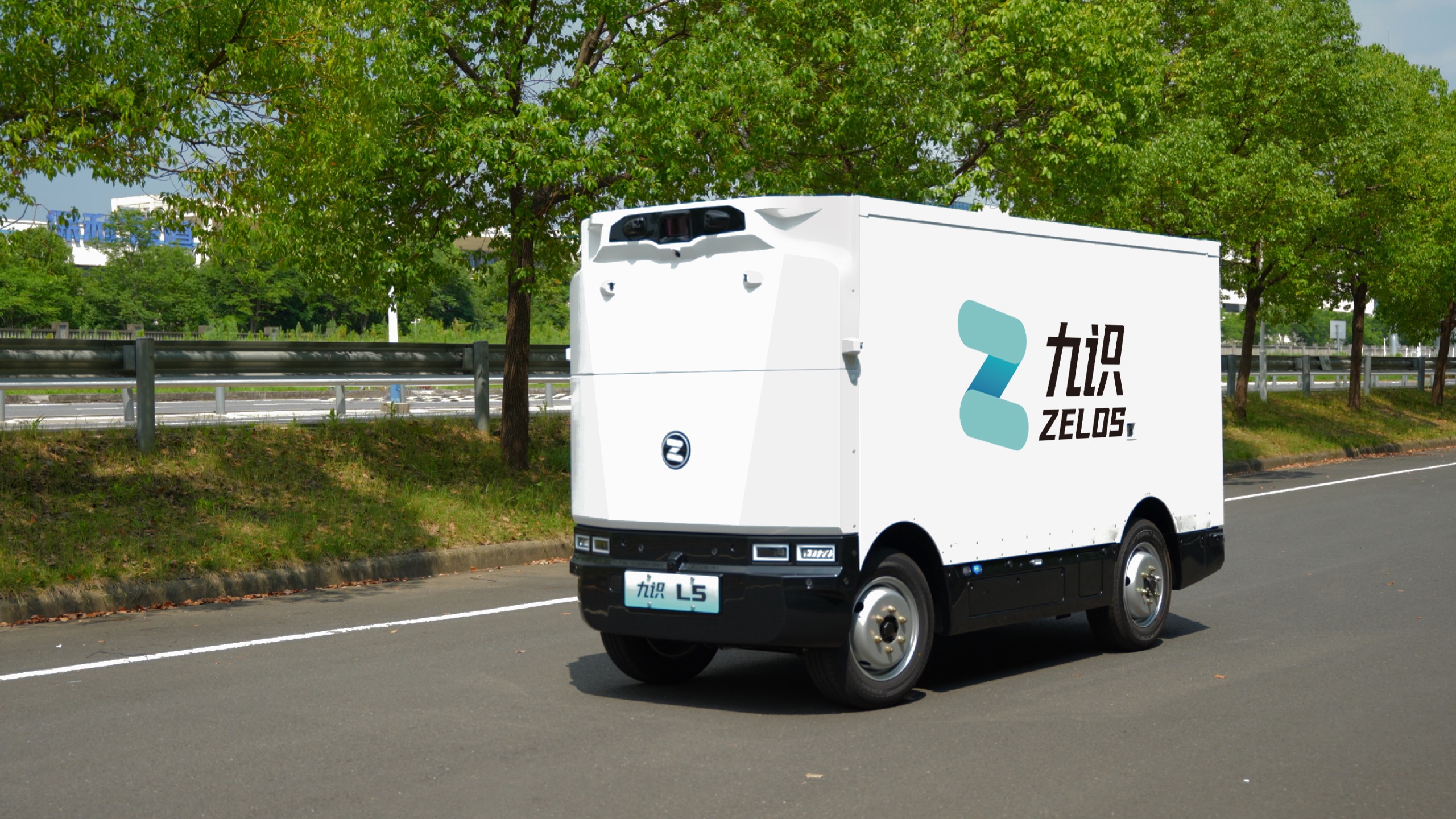
当海外物流行业因人力问题还在"最后一公里"困局中挣扎,中国自动驾驶企业正以硬核技术改写城配市场规则。九识智能继Z、E两大系列后推出的L系列重 载版无人车L5,以1800kg行业顶级载重、40.8kWh长续航、社会充电桩快充等突破性设计,剑指大宗商品重载场景。 这家专注无人城配的高新科技企业,何以完成从技术研发到规模化落地的跨越?其技术底座的深度与产品迭代的敏捷性,或许能从L系列的基因密码中找到 答案。 当无人物流车从封闭道路走向全国的大街小巷,万亿级城市配送市场可能正迎来了真正拼"硬实力"的阶段。 此外,九识智能的售后网络已构建起'云脑-枢纽-终端'三级服务体系,覆盖全球近300座城市和地区,以客户为中心平均五公里范围内一定有维修站点和备件 服务的售后网络体系,实现有九识车的地方就有九识的直营运营人员。叠加AI 预诊断系统、5G远程专家协作平台,以及独特的"服务需求热力图"算法能动 态调整资源分布,实现20秒内线上响应。 优质的产品和服务,是九识让客户"赚得更多"的底气。 不止于"送货",从物流工具到城市基础设施 目前九识智能的产品已经跑遍近300座城市和地区,服务对象从快递物流、医药、生鲜冷链等领域的头部企 ...
双融日报-20250811
Huaxin Securities· 2025-08-11 02:33
Core Insights - The report indicates a neutral market sentiment with a comprehensive score of 59, suggesting a balanced investment environment [5][9][21] - Recent themes of interest include brain-computer interfaces, robotics, and logistics, with specific companies highlighted for potential investment opportunities [6] Market Sentiment - The current market sentiment is rated at 59, categorized as neutral, indicating moderate market fluctuations and stable investor emotions [8][9] - Historical data shows that when the sentiment score is below or near 30, the market tends to find support, while scores above 90 may indicate resistance [9] Hot Themes Tracking - **Brain-Computer Interfaces**: The National Medical Insurance Administration has introduced new pricing mechanisms for innovative medical technologies, including brain-computer interface implantation fees, which may accelerate clinical applications. Relevant companies include Innovation Medical (002173) and Weisi Medical (688580) [6] - **Robotics**: The first World Humanoid Robot Games will take place in Beijing, showcasing advancements in motion control and practical applications. Key companies in this sector include Wolong Electric Drive (600580) and Changsheng Bearing (300718) [6] - **Logistics**: The State Post Bureau is addressing issues of competition and illegal charges in the express delivery industry, promoting high-quality development. The introduction of unmanned logistics vehicles is also noted, with companies like Shentong Express (002468) and SF Holding (002352) highlighted [6] Major Capital Inflows and Outflows - The report lists the top ten stocks with significant net inflows, with Shanhai Intelligent (002097) leading at 805.52 million, followed by Yingweike (002837) at 638.04 million [10] - Conversely, the top ten stocks with the highest net outflows include Dongfang Caifu (300059) with -840.43 million and Tuo Wei Information (002261) with -574.31 million [12] Financing and Margin Trading - The report details the top ten stocks with the highest net financing purchases, led by Sunshine Power (300274) at 245.29 million, indicating strong investor confidence in these stocks [12] - The top ten stocks with the highest net margin sales include China Power Construction (601669) at 5.78 million, reflecting a bearish sentiment towards these stocks [13] Industry Overview - The report highlights the performance of various industries, with significant net inflows observed in sectors such as electric equipment and agriculture, while industries like pharmaceuticals and automobiles are experiencing notable net outflows [16][17][22]
美团无人车驶入深圳福田莲花山中心区 核心区域开启常态化测试运营
Zheng Quan Shi Bao Wang· 2025-08-06 10:37
Group 1 - Meituan's unmanned delivery vehicles have commenced regular testing operations in the core area of Shenzhen's Futian District, marking a significant milestone as the first deployment of such vehicles in a densely populated, commercially active urban center in China [1][2] - The initiative aims to provide efficient 24-hour delivery services for fresh groceries and integrate into various scenarios such as dining, takeout, and errands, enhancing the technological lifestyle of residents [1] - The operation is part of a broader exploration of standardized, large-scale, commercial, and interconnected development of unmanned logistics in Shenzhen, indicating a shift from testing to maturity in autonomous driving technology [3] Group 2 - The launch of the delivery route involved comprehensive assessments of operational conditions and traffic impacts, with vehicles required to connect to government platforms for dynamic data monitoring and dispatch [2] - The initiative promotes an ecosystem of mutual benefits, allowing companies to utilize resources from Shenzhen Bus Group for vehicle safety parking, efficient charging, and localized operational support, addressing key industry challenges [2] - Safety measures include remote monitoring personnel and on-ground safety staff to ensure the secure operation of unmanned vehicles, with a gradual rollout strategy from small-scale tests to larger pilot areas [2]

政策松绑商业化快速推进,无人物流有望率先放量
2025-08-05 03:15
Summary of Conference Call Records Industry Overview - The logistics industry is experiencing significant growth, with the workforce expected to increase from 11 million in 2024 to 15.5 million by 2025. However, logistics costs are rising at a slower pace, leading to increased labor costs that challenge industry profitability [1][2][3]. Key Insights and Arguments - **Cost Reduction through Autonomous Vehicles**: The cost of autonomous delivery vehicles is rapidly decreasing, with prices dropping from nearly 1 million yuan in 2018 to 19,800 yuan by 2025. This trend suggests that the cost of autonomous vehicles may soon be lower than labor costs, accelerating commercialization [1][2][5]. - **Market Potential**: The autonomous vehicle market is projected to reach several hundred billion yuan by 2029, with significant penetration in warehouse automation [3][17]. - **Regulatory Challenges**: The industry faces legal bottlenecks, particularly regarding regulations for open road scenarios. While closed environments like mines and warehouses do not require adherence to traffic laws, public road usage necessitates regulatory approval [4][10]. - **Commercialization Drivers**: The primary driver for the commercialization of autonomous vehicles is the lower cost of standardized road operations compared to human labor. For instance, the operational cost of autonomous delivery vehicles is significantly lower than that of human drivers [15][16][18]. Important but Overlooked Content - **Diverse Applications**: Autonomous vehicles are being applied in various sectors, including passenger transport, logistics, heavy cargo transport, warehouse management, and urban sanitation, providing significant advantages in efficiency and cost reduction [6][19]. - **Investment Trends**: Internet and logistics companies are leveraging their technological advantages and cost-reduction needs to promote the application of autonomous vehicles. The investment strategies vary, with internet companies focusing on R&D and logistics companies prioritizing cost efficiency [14][19]. - **Future Market Trends**: The market for autonomous delivery vehicles is expected to grow faster than that for Robotaxis due to lower safety requirements and regulatory pressures. The current stock of autonomous delivery vehicles exceeds 6,000 units, with projected sales surpassing 5,000 units in 2024 [24][25]. Regulatory Developments - **Beijing's Progress**: Beijing has made significant strides in autonomous driving regulations since 2017, with the latest updates allowing for commercial trials of L4 level autonomous vehicles [9][10]. Competitive Landscape - **Differences in Market Strategy**: The competition between autonomous vehicles and new energy vehicles differs significantly. Autonomous vehicles primarily target government and business clients (ToG and ToB), while new energy vehicles focus on consumers (ToC) [12][19]. Conclusion - The autonomous vehicle industry, particularly in logistics, is poised for rapid growth driven by technological advancements, regulatory support, and the need for cost-effective solutions. The market dynamics indicate a shift towards increased commercialization and broader application across various sectors.
800辆功能型无人车深圳上路 运营路网超1800公里,应用物流环卫两大领域
Shen Zhen Shang Bao· 2025-08-04 16:58
Core Insights - As of the end of July, the total number of functional unmanned vehicles in Shenzhen has exceeded 800, with an operational network of over 1,800 kilometers [1] - The application of unmanned vehicles is accelerating in the logistics and sanitation sectors, with over 400 unmanned sanitation vehicles currently in use [1][2] - Shenzhen has established the first city-level intelligent logistics network in the country, with nearly 700 routes, including 16 cross-district trunk lines [1][2] Group 1: Unmanned Vehicle Applications - The scale of unmanned sanitation vehicles in Shenzhen has surpassed 400, significantly improving operational efficiency, with daily mileage increasing threefold and work efficiency rising by over 30% [1] - In the logistics sector, unmanned delivery vehicles have been deployed across various districts, enhancing delivery efficiency for short-distance freight, express delivery, and retail fulfillment [1][2] - By 2025, Shenzhen aims to lead the nation in the "unmanned logistics testing phase 2.0 era," targeting a fleet of 1,000 unmanned delivery vehicles by the end of the year [1] Group 2: Innovative Integration and Management - Shenzhen is exploring a pioneering "bus + logistics + unmanned vehicle" integration model, leveraging the advantages of public transport companies for resource management and operational efficiency [2] - The city has implemented a "three-tier safety mechanism" to ensure the safe operation of unmanned vehicles, involving a multi-departmental review process for road network assessments [2] - A functional unmanned vehicle management service platform has been launched, providing comprehensive regulatory support and promoting safe and scalable operations [3]