机构库存

Search documents
IPO审核趋严,用数据读懂市场变化
Sou Hu Cai Jing· 2026-01-23 02:40
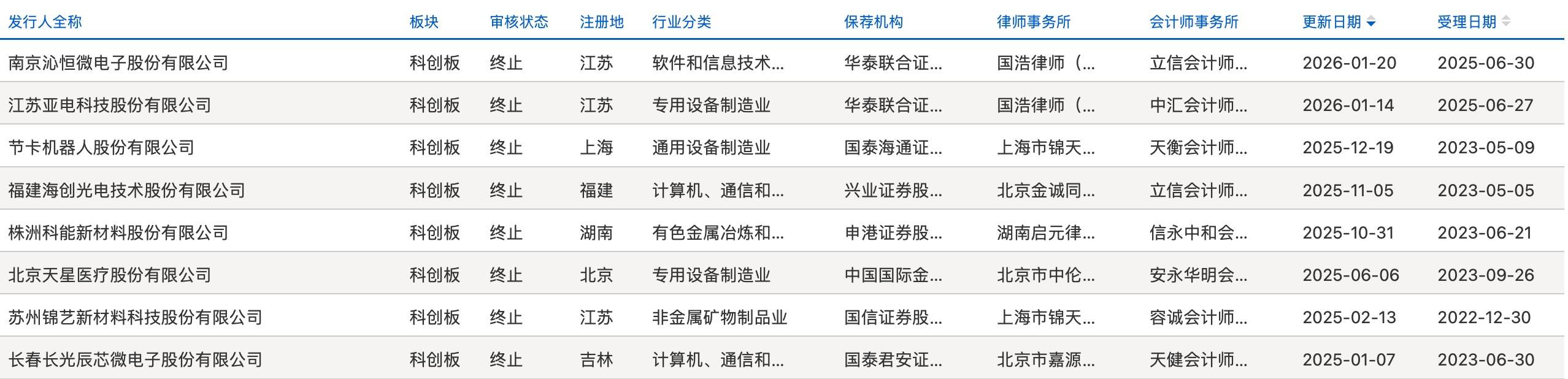
Core Viewpoint - Recent changes in the regulatory focus for IPO applications in the semiconductor sector indicate a shift towards evaluating core technological capabilities and operational stability, rather than just fundraising amounts and project plans [1] Group 1: IPO Applications - Two semiconductor companies have withdrawn their IPO applications from the Sci-Tech Innovation Board [2] - The regulatory review process is becoming increasingly stringent, with a focus on the details of the application process [1][2] Group 2: Market Dynamics - The true direction of the market is determined by the real attitude of capital, rather than external policies or news [1] - Quantitative data can reveal hidden behaviors of capital, allowing for a clearer understanding of market dynamics [1][5] Group 3: Institutional Participation - The "institutional inventory" metric reflects whether large institutional funds are actively participating in a stock's trading, indicating its long-term value [5][9] - Stocks with active institutional inventory tend to perform better, as they have been recognized by institutions prior to market hype [7][9] Group 4: Investment Logic - The reliance on subjective judgment and emotional responses in investment decisions can lead to poor outcomes; objective, quantifiable data should guide decisions instead [10] - A shift in understanding the importance of capital's attitude over external news can enhance investment strategies and decision-making [10]

金价屡破新高,小心机构金蝉脱壳
Sou Hu Cai Jing· 2026-01-22 13:45
近期,黄金市场迎来历史性异动:国际金价首次站上4800美元/盎司关口,十天内接连突破4600、4700、 4800三道整数关口,盘中最高价六次刷新历史纪录;国内现货黄金同步发力,单克价格涨幅超90元,七次 改写历史峰值。受访专家将此归因于三重推力:地缘政治博弈加剧的避险情绪、全球"高利率-高债务"格局 的担忧、多国央行加码黄金储备的信号。但也有专家提示,短期涨幅过快下技术性回调风险正在累积,盲 目追高需警惕波动率放大的冲击。 不过,从底层逻辑看,专家观点的分歧本质在于立场与视角的差异——部分观点可能受服务机构的利益导 向影响,或为维护自身专业话语权而模糊表述。真正决定市场走向的,始终是掌握定价权的机构大资金的 真实交易行为。要穿透表象看清本质,量化大数据提供了客观的认知工具。 一、金价异动的表层诱因与底层逻辑 黄金价格的短期暴涨,看似是地缘冲突、债务担忧、央行购金等事件的集中催化,但从交易的底层逻辑 看,所有事件最终都要通过资金的买卖行为体现。市场中,不同主体的观点往往受自身利益绑定:机构分 析师可能为持仓调仓造势,独立专家可能为维持影响力而模糊表述,其结论未必反映市场的真实供需与资 金态度。 通过量化数据可 ...

乳企冲刺上市,数据看清资金运作逻辑
Sou Hu Cai Jing· 2026-01-22 12:25
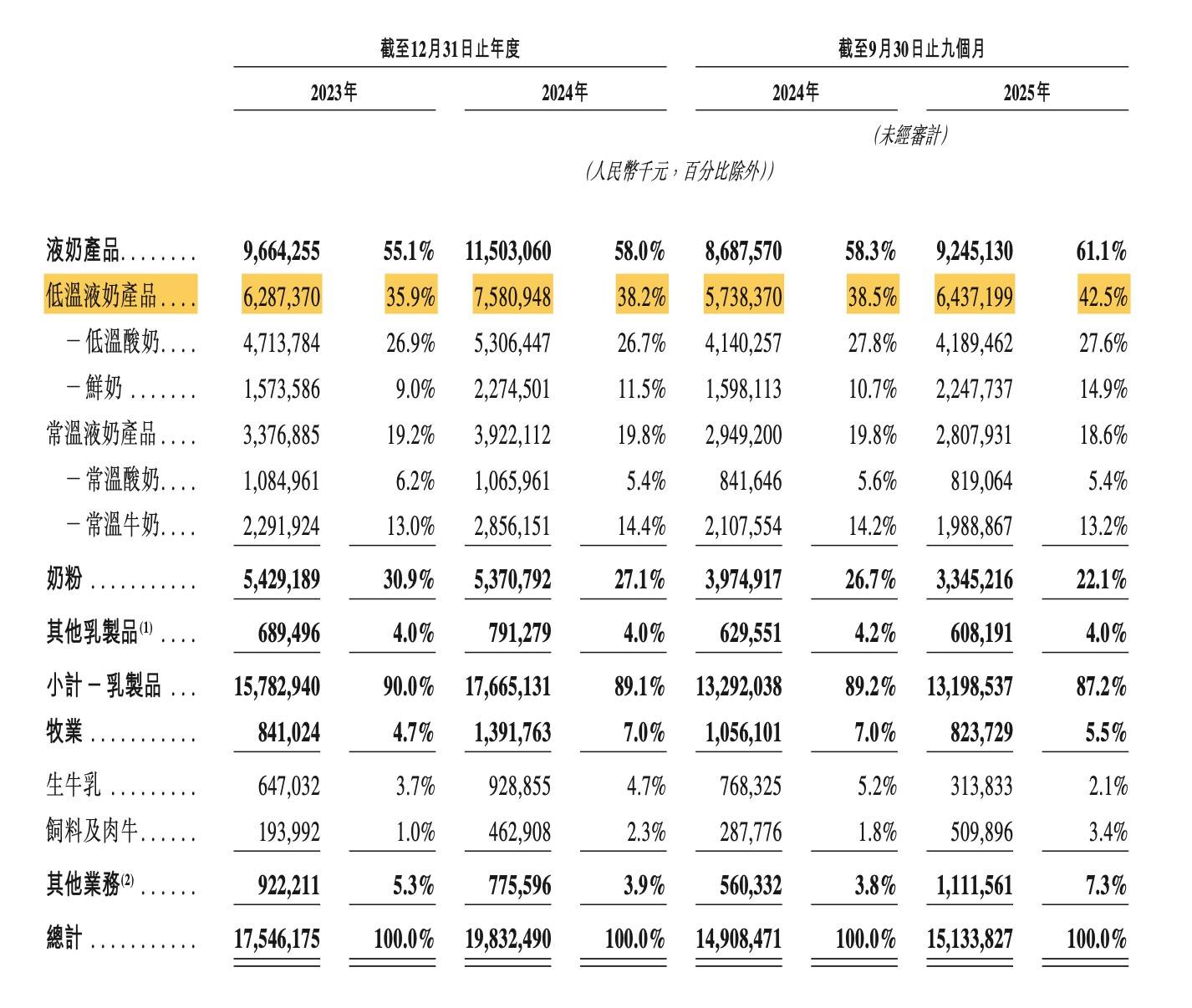
Group 1 - The core message highlights that a major dairy company in China, ranked third in the industry, has officially submitted its listing application to the Hong Kong Stock Exchange, aiming for an IPO. The company has achieved market leadership in low-temperature fresh milk and yogurt with its products "Yue Xian Huo" and "Jian Chun," boasting a self-sourced milk rate of 66% and an increase in net profit margin from 3.4% to 6% over the past three years. However, it also faces a high debt ratio of 77%, indicating pressure from both expansion and debt repayment [1] - The article emphasizes that market trends and hot topics do not guarantee sustained performance for stocks, as only a few can maintain their value over time. The performance of a stock is determined not by the news itself but by the actual participation of capital, suggesting that relying on subjective predictions can lead to emotional decision-making [1][2] - The importance of quantitative data in understanding market dynamics is stressed, as it can reveal the true state of capital participation and help investors avoid being swayed by emotions. This objective approach is a key advantage of quantitative trading [1][12] Group 2 - The data presented indicates that the company's liquid milk products generated significant revenue, with figures showing RMB 9.664 billion for 2023, representing a 55.1% increase, and projected revenues of RMB 11.503 billion for 2024, reflecting a growth of 58% [2] - The analysis of institutional inventory data reveals that sustained participation from institutional investors is crucial for a stock's performance. Stocks that lack continuous institutional interest tend to underperform, even if they initially show some activity [4][5] - The article also notes that stocks can still perform well if they attract institutional interest later, even if they were not initially favored. This indicates that ongoing capital participation is a fundamental support for stock performance, regardless of when it occurs [9][11]
融资保证金上调,慢牛底色仍不变?
Sou Hu Cai Jing· 2026-01-22 12:13
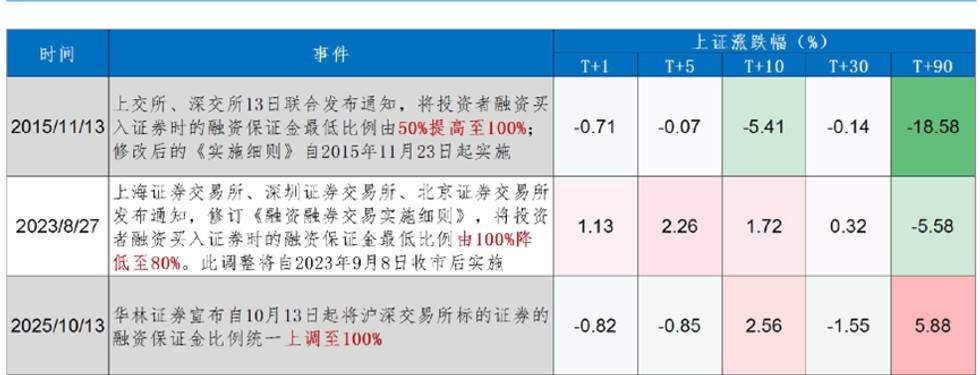
Core Viewpoint - Recent policy changes regarding margin requirements for financing purchases have caused market fluctuations, but historical data suggests that macroeconomic fundamentals are the primary drivers of market direction rather than short-term policy adjustments [1][14]. Group 1: Policy Changes and Market Reactions - The Shanghai, Shenzhen, and Beijing stock exchanges have raised the minimum margin requirement for financing purchases from 80% to 100%, leading to concerns about market stability [1]. - Historical analysis shows that similar policy changes have had varying impacts on market performance, with the 2015 increase coinciding with a downturn in economic conditions, while the 2025 increase occurred during a recovery phase [14]. Group 2: Quantitative Data Analysis - Utilizing quantitative data tools can help investors discern the true state of market participation by large-scale funds, which is crucial for making informed decisions [4]. - The "institutional inventory" data indicates whether large-scale funds are actively participating in the market, providing insights beyond mere inflow and outflow metrics [4][8]. Group 3: Macroeconomic Fundamentals - Current macroeconomic indicators show a positive trend, with A-share companies experiencing revenue growth and improved net profit forecasts, particularly in AI and new energy sectors [14]. - Key macroeconomic data, such as the manufacturing PMI returning to expansion territory and rising CPI and PPI, support the notion that the market's fundamental strength remains intact despite short-term policy adjustments [14]. Group 4: Investor Behavior and Decision-Making - Emotional responses to market fluctuations often lead to poor investment decisions; thus, relying on quantitative data can mitigate emotional biases [15]. - Investors are encouraged to focus on the participation of large-scale funds and the overarching macroeconomic trends to maintain a rational approach to market movements [15].
IPO格局生变,量化看清变局的本质
Sou Hu Cai Jing· 2026-01-22 02:53
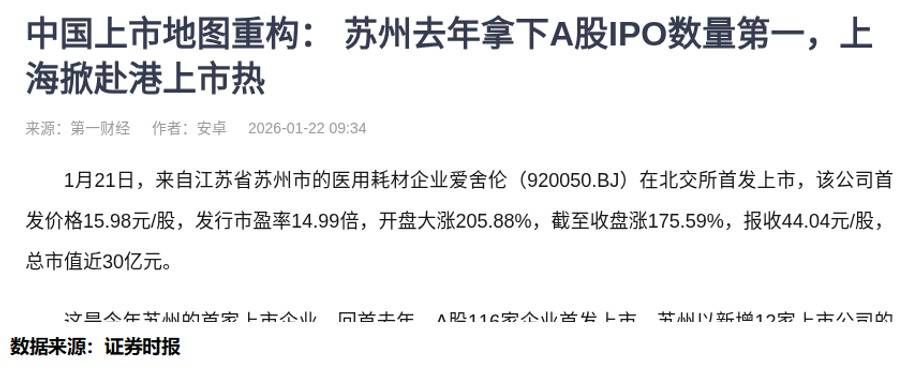
Group 1 - A city in Jiangnan has topped the A-share annual IPO ranking, with 1 in 10 new listed companies coming from there, while Shanghai dominates the Hong Kong IPO market, supporting half of the mainland companies going public in Hong Kong [1] - IPO resources are highly concentrated in the three major urban clusters: Yangtze River Delta, Beijing-Tianjin-Hebei, and Guangdong-Hong Kong-Macau Greater Bay Area, indicating a significant head effect [1] Group 2 - Investors often react emotionally to market fluctuations caused by external news, leading to impulsive decisions that may result in regret when the market reverses [3] - A quantitative data system can analyze trading behaviors, revealing insights such as "institutional inventory," which indicates the level of institutional participation in trades [3][5] Group 3 - The concept of "institutional shock" is introduced, where institutions may create panic through price drops to acquire shares from retail investors, which is not discernible through news alone [5] - The difference in trading behavior between two popular medical beauty stocks illustrates how institutional inventory can indicate whether a price movement is driven by institutional actions or merely short-term trading [6][8] Group 4 - During bullish market conditions, unexpected adjustments are common, often driven by institutions to filter out less committed investors, thereby easing future market pressures [9] - Quantitative data analysis can help identify the true market state by examining multiple dimensions such as funding, behavior, and institutional activity [9] Group 5 - Emotional responses are identified as the biggest enemy in investing, while data serves as the best weapon against such emotions [10] - Investors can build their own investment logic based on objective trading data, rather than being swayed by market fluctuations and news [10]
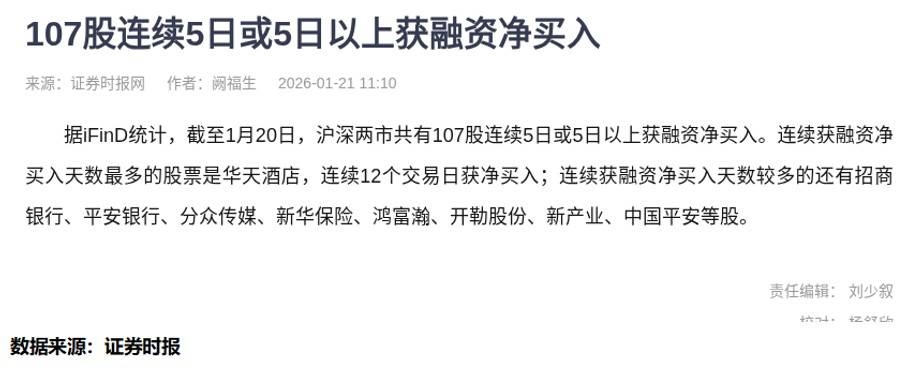
融资资金扎堆突进,但涨跌还得看机构的变招
Sou Hu Cai Jing· 2026-01-21 05:17
Core Viewpoint - The article emphasizes the importance of understanding the underlying market dynamics rather than being misled by superficial indicators such as popular stocks or financing attention. It highlights the significance of "institutional inventory" as a key metric to gauge real market participation and sentiment [1][3][10]. Group 1: Misleading Indicators - Many investors rely on news and superficial funding interest to make decisions, but these do not reflect true market behavior [3][6]. - The article cites examples from the mid-year reporting season where two stocks with similar positive earnings forecasts had drastically different market performances, illustrating that external appearances can be deceptive [3][6]. Group 2: Importance of Quantitative Data - The concept of "institutional inventory" is introduced as a crucial metric that captures the trading behavior of large funds, which is not influenced by external factors [6][9]. - Quantitative data can help investors see through market noise and identify genuine trading activity, as evidenced by the presence of "institutional inventory" before significant price movements [9][10]. Group 3: Cognitive Upgrade - The article discusses a shift from a "news-driven" approach to a "fundamentals-driven" approach, where investors should focus on whether large funds are actively participating in trades rather than just reacting to news [10][11]. - This cognitive upgrade allows investors to make more informed decisions based on actual trading behavior rather than speculative news, which can often lead to poor timing and losses [10][11]. Group 4: Effective Market Analysis - The article suggests that during market analysis, investors should avoid being distracted by various news and superficial data, and instead focus on the core indicators provided by quantitative data [11][12]. - By concentrating on stocks with active "institutional inventory," investors can identify genuine market opportunities and avoid being misled by transient market excitement [11][12].
4000点上分化明显,量化辨清上攻虚实
Sou Hu Cai Jing· 2026-01-19 13:38
这张图里的两只个股,左侧的在上涨过程中出现过两次大幅下跌,右侧的在连续调整后出现反弹跳空。如果只看股价走势,绝大多数投资者会被左侧 的下跌吓出局,或是追高右侧的反弹,但实际这两种走势的本质完全不同,核心就在于背后的机构资金参与状态。 近期A股市场呈现明显分化格局,不同类型指数、板块风格表现差异拉大,科创类指数走势亮眼,部分权重类指数则出现调整。市场交投热度持续飙 升,连续多日成交额刷新纪录,两融余额稳步上行,新发行权益类基金份额大幅增长,海外资金也在加速流入A股。与此同时,监管层密集释放稳市 场信号:央行推出政策组合拳,明确今年仍有降准降息空间;证监会强调"稳字当头",部署重点任务夯实市场长期基础,短期震荡不改长期向好态 势。很多投资者面对这种分化波动,要么被各种模糊分析绕晕,要么被情绪带偏做出错判,其实用量化大数据就能直接看清市场本质。 我接触量化数据十多年,最深刻的体会是:市场价格的变化,本质是交易资金的行为结果。普通投资者最容易踩的坑,就是只盯着股价K线的表面波 动,却忽略了背后的资金参与状态。很多时候,股价的大幅波动只是表象,要么是虚晃一枪的「虚跌」,要么是没有支撑的「空涨」,不用量化数据 根本分不清 ...

免税消费大热,数据拆解机构行为
Sou Hu Cai Jing· 2026-01-19 07:15
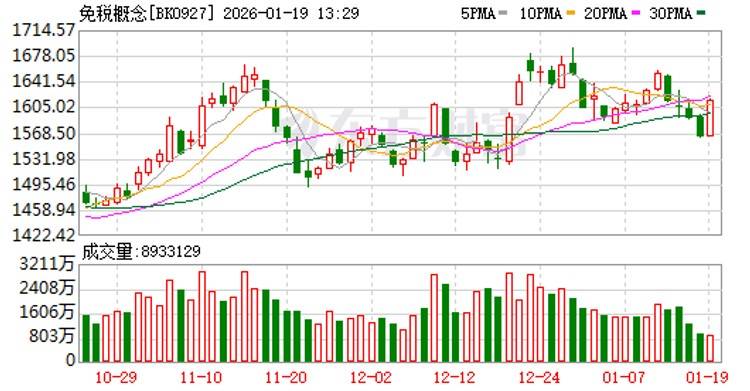
Group 1 - The core viewpoint of the article highlights the significant increase in duty-free shopping in Hainan Free Trade Port, with a nearly 50% year-on-year growth in shopping amounts, and a notable rise in international tourists [1] - The adjustment of Hainan's duty-free policy has expanded the category of duty-free goods to 47 types, further broadening the beneficiaries and driving up the shopping proportion of international tourists [1] - Despite the positive trends in the duty-free sector, individual stock performances have shown significant divergence, leading to confusion among investors regarding the underlying logic of these changes [1] Group 2 - There is a common misconception among investors that having institutional ownership guarantees stock performance, but the reality is that over 90% of stocks have institutional participation, yet their performance can vary widely [3] - The core issue is that institutional ownership does not equate to continuous trading by institutions; many institutions hold stocks for different reasons and may not actively trade them [3] - Stocks lacking continuous institutional trading support may struggle during market fluctuations, while those with active institutional participation tend to show stronger resilience [3] Group 3 - The development of quantitative big data technology allows for the objective assessment of market behaviors, enabling investors to discern whether institutions are actively participating in trading [7] - Quantitative big data can reveal "institutional inventory" data, which reflects the level of institutional trading activity rather than just buy or sell actions [7] - Active "institutional inventory" data indicates ongoing institutional interest and trading, while a lack of such data suggests minimal institutional engagement [10] Group 4 - Ordinary investors often make decisions based on emotions rather than data, leading to poor timing in buying or selling stocks [11] - Quantitative big data helps investors avoid emotional biases by providing objective insights into market behaviors, allowing for better decision-making [11] - Understanding the distinction between stocks with active institutional participation and those without can prevent investors from making uninformed decisions based on market fluctuations [11] Group 5 - Quantitative trading is not exclusive to professional investors; it offers ordinary investors a more objective way to understand the market [12] - By utilizing quantitative big data, investors can move beyond subjective judgments and establish a more rational investment logic based on data [12] - The article emphasizes that market movements are influenced by underlying trading behaviors, and understanding these through data can lead to more informed investment strategies [12]
融资资金持续布局,量化拆解震荡背后的玄机
Sou Hu Cai Jing· 2026-01-19 04:17
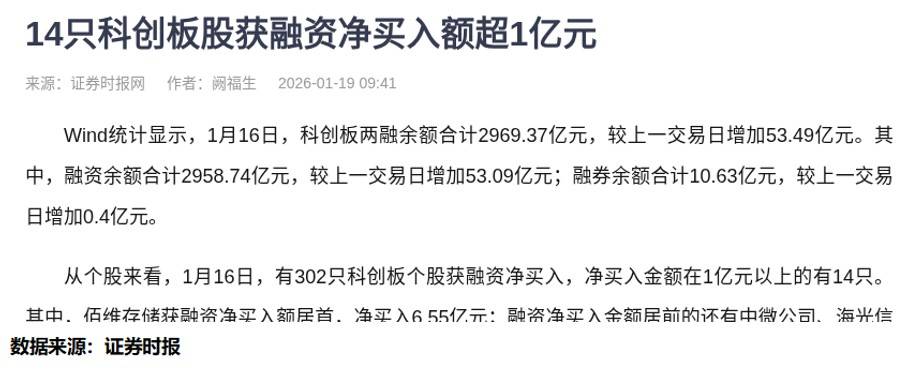
Core Viewpoint - The article emphasizes the importance of quantitative data in understanding market dynamics and avoiding subjective biases in investment decisions. It highlights how many investors fall into traps during volatile markets, often driven by emotions rather than data-driven insights [1][3][10]. Group 1: Market Dynamics - Recent statistics show that 167 stocks in the Shanghai and Shenzhen markets have experienced net financing inflows for over five consecutive days, with many leading stocks seeing net inflows for more than ten days [1]. - Investors often react to such data with either a rush to buy popular stocks or skepticism about potential manipulation, reflecting a gap between subjective perceptions and actual market behavior [1][10]. Group 2: Quantitative Data Insights - The article introduces two core indicators from quantitative data: the "dominant momentum" which reflects four trading behaviors (buying, profit-taking, short-selling, and covering), and "institutional inventory" which indicates the activity level of large funds [6]. - When the dominant momentum shows a "covering" behavior while institutional inventory remains active, it signals that large funds are quietly accumulating positions, which is a key indicator of market strength [7]. Group 3: Historical Performance and Probability Advantage - An analysis of a specific stock in the solid-state battery sector revealed that there were nine instances of "shock warehouse" signals since the second quarter of last year, with six of these signals marking local lows, indicating a higher probability of successful investment compared to random timing [11]. - The article argues that quantitative data provides a probability-based approach to identify better entry points, contrasting with the often misguided timing of average investors who rely on gut feelings [14]. Group 4: Rational Trading Mindset - The current market environment is characterized by an overload of information, leading to emotional trading behaviors such as impulsive buying during rallies and panic selling during corrections [15]. - The article advocates for a shift towards a rational trading mindset, where the focus is on the sustained activity of large funds rather than merely the stocks being bought, to differentiate between genuine long-term investments and short-term speculation [15][16].

两融资金大举入场,别被起伏迷惑
Sou Hu Cai Jing· 2026-01-19 03:08
Group 1 - The core viewpoint of the article emphasizes the importance of quantitative big data in understanding market movements and making informed investment decisions, moving away from emotional reactions to price fluctuations [1][6][12] - The recent increase in the margin balance of the Sci-Tech Innovation Board has surpassed 290 billion, indicating significant financing activity in several stocks [1] - The article discusses the psychological struggle investors face during market volatility, highlighting the tendency to make impulsive decisions based on fear and greed [3][6] Group 2 - The concept of "institutional inventory" is introduced as a key metric to understand the actions of large funds, which can provide insights into market dynamics beyond surface price movements [6][9] - The article illustrates how the presence of active institutional inventory can indicate that a price drop may not reflect a fundamental issue, but rather ongoing large fund participation [9][12] - It warns against "false rallies," where stock prices rise without the backing of significant institutional investment, leading to potential losses for investors who enter the market based on misleading signals [13][17] Group 3 - The article advocates for a shift from emotional decision-making to a data-driven approach, suggesting that understanding quantitative data can enhance investment strategies and reduce the risk of emotional trading [18] - It emphasizes that investment success relies on objective recognition of market fundamentals rather than speculation based on feelings or rumors [18] - The narrative concludes by encouraging investors to utilize quantitative data to simplify complex market dynamics, thereby fostering a more resilient investment mindset [18]