Workflow
科创金融
icon
Search documents
陇原金融新答卷:甘肃银行转型攻坚书写高质量发展篇章
Mei Ri Jing Ji Xin Wen· 2025-11-11 06:19
Core Viewpoint - Gansu Bank is focusing on serving the real economy and has transitioned from scale expansion to a new stage of quality and efficiency development, with a mission to support local economic growth and strategic transformation [1][3]. Financial Performance - From 2019 to June 2025, Gansu Bank's loan balance grew at an average annual rate of 6.7%, with savings deposits increasing by 116 billion and personal customers reaching 8.26 million [3]. - The bank's intermediary business income rose significantly, with its share increasing from 1.69% to 8.5%, and net income reaching 228 million [3]. - The bank maintained a low non-performing loan ratio while focusing on key areas such as inclusive small and micro loans and green finance, with inclusive small and micro loans growing at over 13% annually [3]. Strategic Focus - Gansu Bank has positioned itself as a regional development partner, aligning its growth with local strategic needs, and has provided over 400 billion in loans to key sectors such as energy, transportation, and tourism [4]. - The bank's manufacturing loans grew at an average rate of 8.33%, while loans to technology enterprises increased by 23.43% [4]. Inclusive Finance - Gansu Bank's inclusive finance services have reached 99 townships in Gansu Province, with agricultural loans totaling 42.7 billion [5]. - The bank has introduced specialized products like "medicinal materials loans" and "seed loans" under a tailored approach for each county [7]. Green Finance - The bank has developed a green finance action plan, with green loan balances reaching 206.78 billion and an annual growth rate of 7.8% [6]. - Key projects supported include wind and solar energy initiatives, with significant funding allocated to reduce financing costs for enterprises [6]. Technological Empowerment - Gansu Bank is undergoing a digital transformation, with mobile banking services reaching 4.224 million customers and smart counters replacing 74.78% of traditional counter services [8]. - The bank's data-driven risk control system has achieved a warning accuracy rate of 41.78%, successfully intercepting fraudulent funds [8]. Elderly Financial Services - The bank has established 19 elderly financial demonstration outlets and launched exclusive products for seniors, with 820,000 social security cards issued [9]. Innovation in Science and Technology Finance - The bank's technology loan balance reached 236.42 billion, with innovative products addressing challenges in intellectual property pledges [10]. Local Engagement - Gansu Bank has implemented community-focused initiatives, such as zero-fee payment solutions for local merchants, enhancing financial accessibility [11]. - The bank's efforts in ecological protection and support for local agriculture have positively impacted employment and community development [12][13]. Conclusion - Gansu Bank's transformation reflects its commitment to quality and efficiency, with a focus on technology, inclusive finance, and local economic development, positioning itself as a vital player in Gansu's financial landscape [14].
武汉光谷“伙伴工程”两月报捷 破解融资难题120家“科技种苗”入库
Chang Jiang Shang Bao· 2025-11-10 23:48
长江商报消息 ●长江商报记者 刘倩雯 启动运行两个多月,光谷科创金融"伙伴工程"交出了首张亮眼的进度单。120家企业入库成为"科技种 苗"、首批14家企业获得"伙伴贷"资金支持,并成功落地三单认股权协议。这一创新举措,正为光谷破 解初创期"硬科技"企业融资难、首贷难的困境。 光谷科技担保公司作为运营单位介绍,"伙伴工程的核心是把'政府信用、银行贷款、股权资本、平台服 务'打包成标准化工具箱,面向早期硬科技项目开放,既让银行敢贷、股权敢投,也让企业值钱。"目前 首期为至少400家科技种苗企业提供综合金融服务。 靶向"零营收"硬科技 对于科技创新而言,从"0到1"的跨越往往是最艰难的一步。在光谷,活跃着大量"硬科技"初创企业,它 们是区域创新的源头活水。此次"伙伴工程"首批入库的120家企业,便呈现出典型的"初创期、硬科技、 重人才"特征,平均成立时间仅1.8年。 这不只是一个简单的名录,而是一个利益共享、风险共担的生态系统。联盟的成立,旨在合力为从"0到 1"阶段的科创企业提供全方位的金融服务。"伙伴工程"的核心就是把"政府信用、银行贷款、股权资 本、平台服务"打包成一个标准化的金融工具箱,面向所有早期硬科技项 ...
“敢”的底气
Zheng Quan Ri Bao· 2025-11-10 23:34
Core Insights - The Zhongguancun Life Science Park has transformed into a vital axis for Beijing's international technology innovation center, evolving from rural areas into a hub for life sciences and biotechnology [1][3] - The park is home to over 600 innovative pharmaceutical companies, creating a vibrant ecosystem that includes leading enterprises, innovative SMEs, supportive policies, and capital [1][2] Group 1: Innovation Ecosystem - The park features a comprehensive innovation chain that encompasses basic research, technology development, clinical validation, and production [2][3] - Key institutions such as the National Protein Science Center and various top-tier research institutes are located within the park, facilitating significant advancements in life sciences [2][3] - The park has produced notable innovations, including China's first billion-dollar drug and several cutting-edge gene editing tools recognized internationally [3][4] Group 2: Entrepreneurial Environment - The park has become a "paradise for scientists" where many researchers have founded their own companies, with 112 enterprises established by scientists [5][6] - Early support for scientific entrepreneurship is a unique attraction of the park, providing essential resources and funding for startups [6][7] - The park's strong industry cluster effect allows scientists to easily find partners and resources, significantly lowering the barriers to entrepreneurship [7][8] Group 3: Financial Support and Investment - The Beijing government has established a 20 billion yuan investment fund to support the pharmaceutical and health industry, ensuring financial backing for innovation [7][8] - The park's management has created a multi-layered investment fund matrix, collaborating with over 50 market-oriented investment funds to empower original innovations [8][9] Group 4: Future Development - The park aims to maintain its leading position in emerging fields such as cell and gene therapy, with ongoing projects and clinical trials [3][9] - The construction of third-party service platforms and technology centers is crucial for accelerating innovation and enhancing industry competitiveness [9][10] - The park is focused on expanding its global influence in the biopharmaceutical sector, with a commitment to fostering original discoveries that benefit the world [12]
山东济南,排队 IPO
Sou Hu Cai Jing· 2025-11-10 13:31
Core Viewpoint - Three companies from Jinan, namely Lingong Heavy Machinery, Kexing Biopharmaceutical, and Jianbang High-tech, have simultaneously submitted IPO applications to the Hong Kong Stock Exchange, highlighting the industrial vitality and potential for transformation in this traditional manufacturing city [3][4][8]. Group 1: Companies Involved - Lingong Heavy Machinery is a leading manufacturer in the mining machinery and aerial work machinery sectors, established in 2012, and ranks third among domestic companies in the global mining transport equipment and excavator market as of 2024 [4][5]. - Jianbang High-tech, a well-known silver powder supplier, has over ten years of operational experience and ranks first in China's silver powder sales revenue for 2022 and 2023, with a market share of 10.1% and 10.0% respectively [5][6]. - Kexing Biopharmaceutical, founded in 1989, previously listed on the Shanghai STAR Market in December 2020 and is now seeking to establish an "A+H" dual financing platform by applying for a listing on the Hong Kong Stock Exchange [7]. Group 2: Jinan's Industrial Landscape - Jinan has a unique industrial foundation, being the only province in China with all 41 major industrial categories, which supports its economic development [3]. - The simultaneous IPO applications from these companies signal Jinan's potential to transition from traditional manufacturing to high-end intelligent manufacturing [4][5]. - The city has seen a rise in the number of listed companies, with 46 domestic listed companies and 18 companies planning to go public as of June 30, 2025, indicating a growing presence in the capital market [15]. Group 3: Financial Ecosystem and Support - Jinan has established itself as a national pilot zone for sci-tech financial reform since November 2021, enhancing the synergy between the market and government to support the growth of sci-tech enterprises [16]. - The city has implemented various financial initiatives, including a 50 billion yuan "Central Bank Sci-tech Loan" and a 20 billion yuan risk compensation fund, to improve financing efficiency for sci-tech companies [16][17]. - The number of sci-tech enterprises in Jinan has increased significantly, from over 6,800 in 2021 to over 10,000 currently, reflecting a robust growth in the innovation sector [18].
江小涓:创新产业的资金来源结构正发生深刻变化
Core Insights - The conference highlighted the importance of integrating technology and industry innovation in China's development strategy, particularly in the context of the "14th Five-Year Plan" [1][2] - The shift in funding sources for innovation in China indicates a growing separation between traditional venture capital activity and the rapid development of the domestic industry [1][2] - The role of enterprises as the main drivers of innovation in the digital age is emphasized, with a call for more support for corporate-led innovation initiatives [2][3] Group 1 - The "14th Five-Year Plan" emphasizes the deep integration of technology and industry innovation, advocating for stronger support for enterprises in leading innovation efforts [1][2] - The rise of corporate venture capital (CVC) and government venture capital (GVC) is noted, indicating a diversification in funding sources beyond traditional private equity (PE) and venture capital (VC) [2] - The global investment landscape remains favorable for Chinese enterprises, with opportunities for both domestic and foreign financing, despite challenges posed by globalization [3] Group 2 - The enhancement of industrial technological strength positions enterprises as key innovators in the digital era, contributing significantly to China's future development [2] - The increasing global influence of China's technology industry is attracting foreign investment, highlighting the need for domestic capital markets to adapt to retain quality projects [3] - China's ample venture capital resources are seen as capable of supporting high-quality projects and enterprises, fostering a conducive environment for continuous innovation [3]
山东济南,排队IPO
Sou Hu Cai Jing· 2025-11-09 05:09
Core Viewpoint - Three companies from Jinan, Shandong, namely Lingong Heavy Machinery, Kexing Biopharmaceutical, and Jianbang High-tech, have simultaneously submitted IPO applications to the Hong Kong Stock Exchange, highlighting the industrial vitality and potential transformation of this traditional manufacturing city [4][5]. Group 1: Company Profiles - Lingong Heavy Machinery is a leading manufacturer in the mining machinery and aerial work machinery sectors, established in 2012, and ranks third among domestic companies in the global mining transport equipment and excavator market as of 2024 [5][6]. - Jianbang High-tech, a well-known silver powder supplier, has over ten years of operational experience and ranks first in China's silver powder sales revenue for 2022 and 2023, with market shares of 10.1% and 10.0% respectively [6][7]. - Kexing Biopharmaceutical, founded in 1989, was one of the first companies to go public on the Shanghai STAR Market in December 2020, and is now seeking to establish an "A+H" dual financing platform by applying for an H-share listing [7][8]. Group 2: Market Context - The simultaneous IPO applications from these three companies signify Jinan's industrial economy's vibrancy and serve as a window to observe the city's industrial transformation and upgrade [5][8]. - Jinan has a unique industrial foundation, being the only province in China with all 41 major industrial categories, which supports its economic development [4][5]. - The city has seen a surge in IPO activities, with a notable increase in the number of listed companies and those preparing for IPOs, reflecting a growing trend in capital market engagement [12][14]. Group 3: Financial Ecosystem - Jinan's unique science and technology financial ecosystem has been bolstered by the establishment of the national first science and technology financial reform pilot zone, enhancing the synergy between technology and finance [14][15]. - The city has implemented various financial support measures, including a 50 billion yuan "Central Bank Science and Technology Loan" and a 20 billion yuan risk compensation fund, to facilitate the growth of science and technology enterprises [14][15]. - The number of science and technology enterprises in Jinan has increased significantly, with loans to these enterprises rising from 109.84 billion yuan at the end of 2021 to 303.98 billion yuan by mid-2023 [15][16].
光谷科创金融“伙伴工程”入库企业突破120家,14家企业已获融资
Core Insights - The "Partner Project" of Optics Valley Science and Technology Finance has been operational for over two months, with 120 companies registered as "technology seedlings" and 14 companies receiving funding support [1][2] - The project aims to address the financing difficulties faced by early-stage technology companies in Wuhan's East Lake High-tech Zone by providing tailored financial services [1][2] Group 1: Project Overview - The "Partner Project" was launched to solve the financing challenges for early-stage technology enterprises, particularly those lacking collateral and revenue [1] - The initiative involves collaboration among various financial institutions, investment entities, and research organizations to create a comprehensive support system for startups [1][2] Group 2: Financial Products and Services - The project offers specialized financial products such as "Seedling Partner Loans" with a maximum loan amount of 10 million yuan and interest rates starting at LPR-50 basis points [1] - Customized insurance products, including research and development insurance and entrepreneurial failure insurance, are also part of the offering [1][2] Group 3: Risk Sharing and Funding Mechanism - A risk compensation fund of 30 million yuan has been established to share risks with partner banks, addressing the reluctance of financial institutions to lend due to mismatched risk and return [2] - The project aims to support at least 400 technology seedling companies, contributing to the establishment of Wuhan as a nationally influential technology innovation center [2]
规模、效益、质量协同提升,齐鲁银行三季报彰显稳健发展韧性
Core Viewpoint - Qilu Bank's 2023-2025 development plan emphasizes digital transformation as the core driver for enhancing financial services and aligning with the needs of the real economy, aiming for robust performance by 2025 [1] Financial Performance - In the first three quarters of 2025, Qilu Bank achieved a net profit of 3.975 billion yuan, a year-on-year increase of 16.14% [2] - The bank's total assets reached 778.703 billion yuan, growing by 12.93% year-on-year, while total loans and deposits increased by 13.60% and 10.35%, respectively [3] - The net interest margin improved by 3 basis points to 1.54%, despite industry-wide pressure, contributing to a 17.31% increase in net interest income to 7.765 billion yuan [2][3] Cost Management and Asset Quality - The cost-to-income ratio decreased to 25.91%, down 1.50 percentage points from the previous year, indicating effective management [3] - The non-performing loan ratio stood at 1.09%, a reduction of 0.10 percentage points, with a provision coverage ratio of 351.43%, up 29.05 percentage points, enhancing risk resilience [3] Focus on Technological Innovation - Qilu Bank aims to serve new quality productivity as a core strategy, focusing on emerging industries such as information technology and high-end equipment [4] - The bank has established a specialized network for technology finance, including 2 technology branches and 3 specialized branches, with a loan balance for technology enterprises reaching 43.4 billion yuan, a 25% increase year-on-year [4] Future Outlook - Qilu Bank plans to increase credit support for emerging manufacturing, technological innovation, and green finance, targeting key projects and quality clients [5] - The bank will optimize its risk management system and enhance its strategic development focus in line with national and regional economic plans [5]
长三角城商行扩表进行时:对公信贷狂飙,财富业务回暖
Core Insights - The banking sector in the Yangtze River Delta is experiencing a different trend compared to the overall slowdown in loan growth, with several city commercial banks showing double-digit asset growth [1][3] Group 1: Loan Growth - As of the end of Q3, several city commercial banks in the Yangtze River Delta reported significant asset growth: Jiangsu Bank at 4.93 trillion yuan (up 24.68%), Ningbo Bank at 3.58 trillion yuan (up 14.50%), and Nanjing Bank at 2.96 trillion yuan (up 14.31%) [1] - The overall loan growth for all A-share listed banks was 7.70% year-on-year, with city commercial banks leading at 12.86% [1][2] - Specific banks like Jiangsu Bank and Ningbo Bank reported loan growth rates exceeding 17% in Q3, driven primarily by corporate loans [3][5] Group 2: Corporate Loans - Corporate loans have significantly increased, with Ningbo Bank's corporate loan growth reaching 32.10% in Q3, the highest among peers [5] - The proportion of corporate loans in total loans has risen for many banks, with Jiangsu Bank's corporate loans making up 67.38% and Nanjing Bank's at 76.03% [4][5] - The focus on corporate loans, particularly in technology sectors, has been emphasized by several banks, with notable increases in technology-related loan disbursements [6][8] Group 3: Revenue and Profitability - The total revenue for six city commercial banks in the Yangtze River Delta reached 243.6 billion yuan in Q3, a year-on-year increase of 6.41%, while net profit grew by 8.36% to 111.2 billion yuan [7] - Jiangsu Bank reported a revenue of 67.18 billion yuan and a net profit of 30.58 billion yuan, both showing positive growth [7] - Wealth management and retail banking segments are showing signs of recovery, contributing to the overall revenue growth [8] Group 4: Investment Income - Investment income has been under pressure due to rising interest rates and market volatility, with the fair value changes of financial assets showing negative results [9][10] - Shanghai Bank reported the highest investment income at 16.77 billion yuan, but also faced significant losses in fair value changes [11]
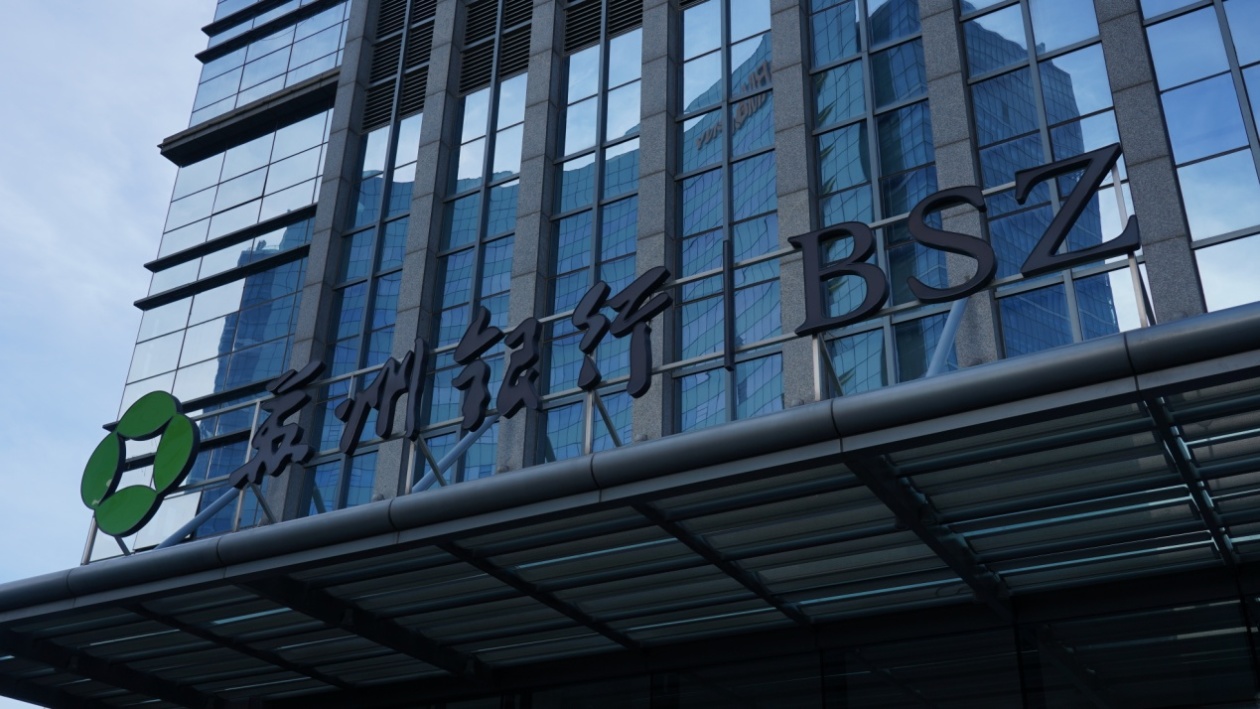
一体化领航,双引擎驱动,苏州银行的差异化发展道路
Nan Fang Du Shi Bao· 2025-11-03 10:28
Core Insights - Suzhou Bank reported a strong performance in Q3 2025, showcasing a "steady progress with dual improvements in quality and efficiency" through an integrated strategy that combines "technology innovation + cross-border" and "livelihood + wealth" as dual engines for growth [2][11] Integrated Strategy - The bank has adopted an "integrated operation" strategy to build a collaborative development system, effectively responding to market challenges while deepening its local market presence in Suzhou [2][3] - By combining specialized development with financial initiatives, the bank aims to achieve reasonable quantitative growth and effective qualitative improvement, establishing itself as a leading city commercial bank [2][3] Financial Performance - As of September 2025, the bank's total assets reached 776.04 billion, an increase of 11.87% from the beginning of the year; total loans were 368.55 billion, up 10.56%; and total deposits were 471.52 billion, rising by 13.08% [3] - The non-performing loan ratio stood at 0.83%, with a provision coverage ratio of 420.59%, indicating stable asset quality [3] - The bank's operating income for the first three quarters was 9.477 billion, a year-on-year increase of 1.88%, while net profit attributable to shareholders reached 4.477 billion, up 7.12% [3] Dual Engine Growth - The "dual engine" system, comprising "technology innovation + cross-border" and "livelihood + wealth," serves as the driving force behind the bank's growth [6][7][8] - In technology finance, the bank has established a comprehensive support framework for innovation-driven enterprises, with total credit for technology enterprises exceeding 130 billion and over 13,500 cooperative clients [7] - In cross-border finance, the bank has developed a digital system to enhance international trade services, achieving an international settlement volume of over 17.5 billion [7] Livelihood and Wealth Management - The bank has strengthened its collaboration with government entities to enhance its pension finance services, issuing over 4.8 million social security cards and 360,000 senior citizen cards [8] - Wealth management services have been improved, with personal financial assets nearing 400 billion, reflecting a growth rate of over 10% [8] Risk Management and Innovation - Suzhou Bank employs a comprehensive risk management system to balance risk and innovation, maintaining a non-performing loan ratio of 0.83% and a provision coverage ratio of 420.59% [9][10] - The bank has also focused on green finance, with green loan balances exceeding 55 billion, marking a growth of over 30% [10]