
Chiplet

Search documents
台湾科技:调研反馈,先进封装和测试行业情绪因乐观结果后移-Taiwan Technology_ Marketing feedback_ Sustained AI optimism with rising sentiment towards advanced packaging and testing industry
2025-08-28 02:12
Summary of Key Points from the Conference Call Industry Overview - The focus of the conference call was on the Taiwan technology sector, particularly the semiconductor industry, with a strong emphasis on AI and advanced packaging technologies [1][2][7]. Core Company Insights TSMC (Taiwan Semiconductor Manufacturing Company) - TSMC is viewed as one of the most underappreciated AI stocks, currently trading at approximately 17x FY26 P/E, which is lower than other global AI names [2][16]. - TSMC's share price has increased by 12% year-to-date, but it has underperformed compared to peers like SK Hynix (+52%) and Nvidia (+31%) [2]. - The company is expected to achieve a revenue growth of 20% in 2026, following a robust 34% growth in 2025, driven by advancements in 2nm/3nm nodes and higher pricing for advanced nodes [2][16]. - TSMC's capital expenditure (capex) is projected to be moderate at $40 billion in 2025 and $42 billion in 2026, with a significant increase to $50 billion in 2027 due to capacity constraints [3][5]. MediaTek - MediaTek faces divergent views from hedge funds, with long-short funds expressing negativity due to a lack of near-term catalysts and lukewarm smartphone demand [6]. - Despite setbacks in the TPU project timeline, long-only investors remain optimistic about MediaTek's potential in the $45 billion ASIC market [6]. - The tape-out timing of MediaTek's TPU project is a critical monitoring point for investors [6]. ASE Technology - ASE is perceived as an AI laggard, with limited AI revenue contribution expected to be in the high single digits for 2025 [9][10]. - ASE is ramping up its advanced packaging capacity, with projections for significant capacity increases in the coming years [8]. - Investors are cautious due to ASE's reliance on mass-market consumer demand and a slower-than-expected recovery in gross margins [9]. Advanced Packaging and Testing Industry - The adoption of chiplet designs is driving demand for advanced packaging solutions, with CoWoS capacity expected to expand significantly from 2025 to 2027 [7][11]. - The testing industry is gaining traction, with companies like MPI and WinWay expected to benefit from higher average selling prices (ASP) and increased market share [12][13]. Other Important Insights - There is a notable investor interest in CoWoS equipment names, particularly GPTC and All Ring, following recent share price corrections [11]. - The overall sentiment towards the semiconductor industry is optimistic, particularly regarding AI and advanced packaging, despite some concerns about growth prospects in 2026 [1][11]. - Key risks for the companies discussed include weaker-than-expected end demand, competition, and execution challenges [17][20][22]. Conclusion - The Taiwan technology sector, particularly in semiconductors, is experiencing a shift towards AI and advanced packaging, with TSMC, MediaTek, ASE, and testing companies positioned to capitalize on these trends. However, investors remain cautious due to potential risks and varying growth outlooks across different companies.

芯原股份20250822
2025-08-24 14:47
Summary of the Conference Call for XinYuan Co., Ltd. Company Overview - **Company**: XinYuan Co., Ltd. - **Industry**: Semiconductor and IP Licensing Key Financial Performance - **IP Licensing Revenue**: - 2025 H1 revenue reached 280 million CNY, up 8.2% YoY - Q2 revenue was 187 million CNY, nearly doubling QoQ, with a YoY increase of 16.97% [2][5] - Digital IP contributed approximately 75% of the revenue [2][5] - **Chip Design Revenue**: - 2025 H1 revenue was 232 million CNY, with 52% related to AI computing [2][5] - 63% of projects were under 14nm advanced processes, covering data centers and smart driving [2][5] - **Mass Production Revenue**: - 2025 H1 revenue was 408 million CNY, up 20% YoY, with Q2 revenue of 261 million CNY, nearly 80% QoQ growth [2][5] - 112 mass production projects currently active, with 45 awaiting mass production [2][5] Business Model and Strategy - **One-Stop Chip Customization**: - The company offers comprehensive services from design to mass production, including NRE fees and royalties [4] - Focus on reducing customer R&D costs and risks [4] - **Global Operations**: - Approximately 40% of sales are from overseas, an increase from 37% YoY [6] - 98% of R&D personnel are based domestically, supporting a dual circulation development model [6] Order and Market Dynamics - **New Orders**: - Q2 2025 saw new ISIC business orders exceeding 700 million CNY, a 700% QoQ increase and over 350% YoY [7] - Total new orders for mass production reached 665 million CNY in H1 2025 [7] - **Sector Performance**: - Consumer electronics revenue grew 70% YoY, driven by edge AI demand, accounting for 29.31% of total revenue [8] - Non-chip company clients contributed 35.66% to overall revenue, indicating a growing trend of system manufacturers and internet companies designing their own chips [9] Profitability and Market Position - **Gross Margin**: - H1 2025 gross margin was 43.32%, stable YoY [11] - Q2 losses narrowed to 99.5 million CNY, a 54.84% reduction QoQ [11] - **Stock Performance**: - Since September 23, the company's stock has outperformed major international indices, including a 94% outperformance against the STAR 50 Index [12] Technological Developments - **AI ASIC Progress**: - Significant advancements in AI ASIC, including a 5nm chip for new energy vehicles, matching performance with Tesla and NVIDIA [15] - Collaboration with BGI for gene detection chips, targeting resource-limited areas [17] - **Emerging Markets**: - Active in AI glasses and other emerging markets, with a focus on low-power chips for smart glasses [20][39] Future Outlook - **Market Trends**: - Anticipation of significant growth in hardware computing power driven by software advancements, predicting a bull market by 2027 [33] - Continued focus on AI technology and innovative product launches to meet diverse market demands [21] - **M&A Strategy**: - Open to mergers and acquisitions as a means to enhance capabilities and respond to national policies [48] - Emphasis on cultural integration and strategic selection to ensure successful mergers [49] Conclusion XinYuan Co., Ltd. demonstrates robust growth in the semiconductor industry, particularly in IP licensing and chip design, with a strong focus on AI applications and global operations. The company is well-positioned to capitalize on emerging market trends and technological advancements while maintaining a strategic approach to mergers and acquisitions.

Chiplet概念板块快速拉升
Mei Ri Jing Ji Xin Wen· 2025-08-22 01:56
Group 1 - The Chiplet concept sector experienced a rapid increase, with a rise of 5.76% [1] - Notable stocks in this sector include Cambrian, Chipone, and Yongxi Electronics, which saw significant gains [1]
听众注册|中国系统级封装大会:中兴微、环旭电子、天成先进、沛顿、AT&S、英特神斯、华大九天、KLA等SiP大咖嘉宾坐镇
半导体行业观察· 2025-08-22 01:17
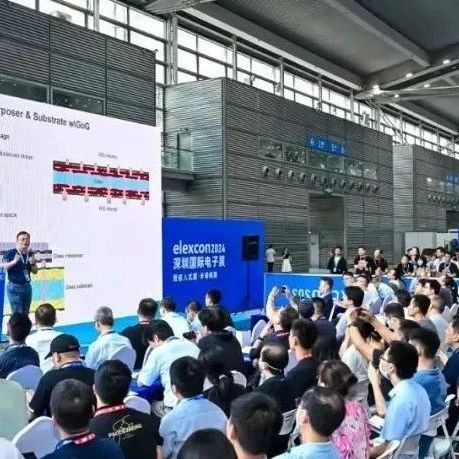
Core Viewpoint - The 9th China System-Level Packaging Conference (SiP China 2025) focuses on advanced packaging, Chiplet technology, and heterogeneous integration in the context of AI, aiming to explore the trends and innovations in these areas [2][19]. Event Details - The conference will take place from August 26 to 28, 2025, at the Shenzhen Convention Center, Hall 1, Meeting Room ③ [2]. - The theme is "Intelligent Gathering of Chip Energy, Heterogeneous Interconnection - Advanced Packaging and Chiplet Ecological Innovation in the AI Era" [2]. Main Forum Agenda - The main forum on August 26 will cover macro trends and ecosystem building, featuring key speakers from various semiconductor companies [6]. - Topics include new trends in edge AI, challenges in optical packaging technology, and solutions for enhancing AI server efficiency [6][9]. Technical Forums - Technical forums will be held on August 26 and 27, focusing on design innovation, application implementation, and AI-driven Chiplet advanced packaging [10][12]. - Discussions will include 3DIC design methodologies, advanced packaging solutions for high-performance computing, and the integration of EDA solutions [8][12]. Notable Speakers and Topics - The conference will feature prominent figures from leading semiconductor companies and AI chip design experts, discussing high bandwidth memory (HBM), Chiplet heterogeneous integration, and system-level packaging [19]. - Key topics will address the explosive demand for AI computing power and share the latest practices and breakthrough paths in the industry [19].

9.25-26 苏州见!2025先进封装及热管理大会
材料汇· 2025-08-15 15:39
Core Viewpoint - The semiconductor industry is transitioning towards the "beyond Moore" era, driven by the increasing demand for efficient thermal management technologies in emerging fields such as 5G, AI, HPC, and data centers [2] Group 1: Conference Overview - The 2025 Advanced Packaging and Thermal Management Conference will focus on high-performance thermal management challenges, featuring three main forums: Advanced Packaging and Heterogeneous Integration Forum, High-Performance Thermal Management Innovation Forum, and Liquid Cooling Technology and Market Application Forum [3][4] - The conference aims to build a platform for industry-academia-research collaboration, promoting technological integration and providing innovative momentum for the semiconductor supply chain [3] Group 2: Conference Details - The conference is organized by Flink Qiming Chain and supported by the National Third Generation Semiconductor Technology Innovation Center (Suzhou) [4] - Scheduled for September 25-26, 2025, in Suzhou, Jiangsu, the conference expects around 500 participants [3] Group 3: Confirmed Speakers - Notable speakers include Professor Liang Jianbo from the National Third Generation Semiconductor Technology Innovation Center, who will discuss high thermal conductivity interface and packaging technology [7] - Other speakers represent various institutions, including the Chinese Academy of Sciences and universities, covering topics such as photothermal polyimide materials and advanced packaging applications [8][9] Group 4: Forum Topics - The forums will address key topics such as advanced packaging technology routes, cost optimization, and challenges in 2.5D/3D integration [17] - The High-Performance Thermal Management Forum will explore thermal interface materials, high-performance chip thermal management solutions, and the impact of Chiplet technology on thermal management [20][21] Group 5: Liquid Cooling Technology - The Liquid Cooling Technology Forum will discuss innovations and challenges in liquid cooling, including the standardization of cooling fluids and the application of immersion cooling in high-power density scenarios [23][24] - Topics will also cover the lifecycle cost analysis of liquid cooling systems and their integration in data centers and electric vehicles [25]
Arteris To Provide FlexGen Smart NoC IP In Next-Generation AMD AI Chiplet Designs
GlobeNewswire News Room· 2025-08-04 21:00
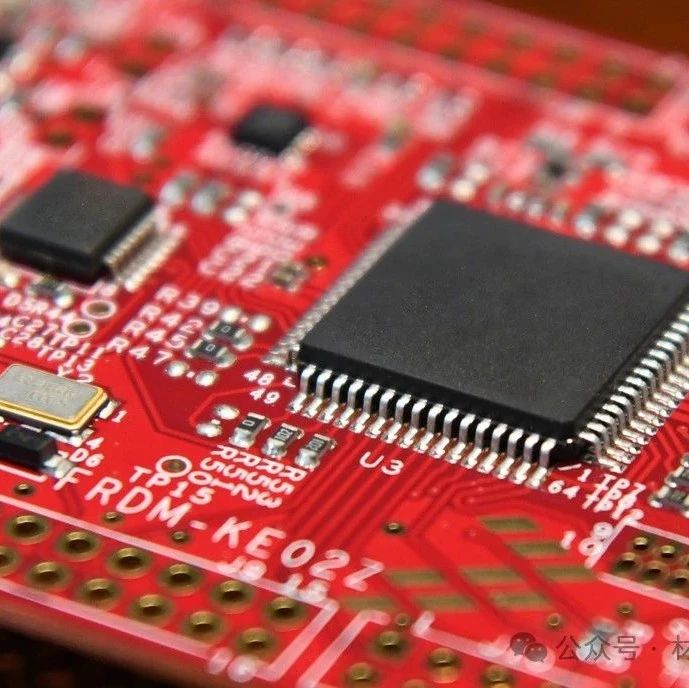
Core Insights - Arteris, Inc. has announced a licensing agreement with AMD for its FlexGen network-on-chip (NoC) interconnect IP, aimed at enhancing the performance of AMD's next-generation AI chiplet designs [1][3] - The collaboration emphasizes the growing complexity of modern system-on-chip (SoC) and chiplet architectures, which require multiple specialized interconnects to meet the demands of contemporary electronic systems [2] Company Overview - Arteris is recognized as a leader in semiconductor system IP, focusing on accelerating the creation of high-performance, power-efficient silicon [5] - The FlexGen NoC IP technology is designed to optimize wire length, reduce latency, and improve power efficiency, addressing the needs of complex multi-die and chiplet-based designs [3][4] Strategic Collaboration - The integration of Arteris' FlexGen NoC IP with AMD's Infinity Fabric™ interconnect is expected to enhance performance and scalability for diverse applications, from data centers to edge devices [2][3] - This partnership aims to automate interconnect configuration and enable seamless connectivity among SoC components, strengthening AMD's AI compute portfolio [3] Technological Innovation - FlexGen leverages AI automation to improve design productivity and streamline iteration cycles, positioning companies to tackle the complexities of modern computing systems [4] - The technology can function as an independent interconnect solution or in conjunction with proprietary interconnect technologies, facilitating faster design iterations and market readiness [3]



颀中科技: 关于合肥颀中科技股份有限公司向不特定对象发行可转换公司债券申请文件的审核问询函回复
Zheng Quan Zhi Xing· 2025-08-04 16:47
Core Viewpoint - Hefei Qizhong Technology Co., Ltd. is applying for the issuance of convertible bonds to raise funds for specific projects, including advanced packaging and testing technology upgrades, which align with the company's strategic growth in the semiconductor industry [1][2][3]. Group 1: Fundraising and Project Overview - The funds raised will be used for two main projects: the high-footprint micro-sized bump packaging and testing project, and the advanced power and flip-chip packaging technology upgrade project [2][3]. - The total planned investment for the advanced power and flip-chip packaging technology upgrade project is approximately 851.11 million yuan, with 850 million yuan sourced from the raised funds [4][5]. - Previous fundraising projects included the advanced packaging testing production base project and high-density micro-sized bump packaging technology upgrades, which have been completed [4][32]. Group 2: Market Trends and Demand - The global display driver chip packaging market is expected to grow significantly, with a projected market size of 3.24 billion USD by 2028, driven by increasing demand for high-performance display technologies [19][20]. - The demand for advanced packaging solutions is rising due to the shift towards cost-effective materials like copper-nickel-gold bumps, which are gaining traction in high-end applications such as AMOLED displays [19][20]. - The Chinese mainland's display driver chip market is projected to reach 44.1 billion yuan in 2024, reflecting a growth rate of 13.4% year-on-year, indicating a robust demand for display technologies [27][28]. Group 3: Company Positioning and Strategy - Hefei Qizhong Technology has established itself as a leading provider of advanced packaging and testing services, particularly in the display driver chip sector, where it ranks among the top three globally [7][8]. - The company aims to enhance its service capabilities and market competitiveness through the implementation of the new projects, which are aligned with industry trends and customer demands [16][24]. - The focus on non-display chip packaging is part of a broader strategy to diversify and strengthen the company's market position in the semiconductor industry [9][24].

每日复盘-20250725
Guoyuan Securities· 2025-07-25 14:47
Market Performance - On July 25, 2025, all three major A-share indices experienced a decline: the Shanghai Composite Index fell by 0.33%, the Shenzhen Component Index decreased by 0.22%, and the ChiNext Index dropped by 0.23%[2] - The total market turnover was 17,869.82 billion yuan, a decrease of 574.20 billion yuan from the previous trading day[2] Sector and Style Analysis - Among the 30 CITIC first-level industries, the top performers were: Computer (1.30%), Electronics (1.26%), and Light Industry Manufacturing (0.54%); the worst performers included: Building Materials (-2.10%), Construction (-2.01%), and Food & Beverage (-1.68%)[20] - Growth stocks outperformed value stocks, with mid-cap growth leading the performance rankings[20] Capital Flow - On July 25, 2025, the net outflow of main funds was 573.43 billion yuan, with large orders seeing a net outflow of 272.56 billion yuan and small orders continuing to see a net inflow of 522.47 billion yuan[24] - Southbound funds recorded a net inflow of 70.52 billion HKD, with the Shanghai-Hong Kong Stock Connect contributing 39.00 billion HKD and the Shenzhen-Hong Kong Stock Connect contributing 31.52 billion HKD[26] ETF Trading Activity - Major ETFs such as the Huaxia SSE 50 ETF and the Huatai-PB CSI 300 ETF saw varied trading volumes, with the Huaxia SSE 50 ETF at 16.71 billion yuan, reflecting a change of +0.95 billion yuan from the previous day[29] - The CSI 1000 ETF had a significant inflow of 16.68 billion yuan on July 24, indicating strong investor interest[29] Global Market Overview - On July 25, 2025, major Asia-Pacific indices showed mixed results, with the Hang Seng Index down 1.09% and the Nikkei 225 down 0.89%[33] - In the U.S. market, the Dow Jones Industrial Average fell by 0.70%, while the S&P 500 and Nasdaq Composite saw slight increases of 0.07% and 0.18%, respectively[33]
博通叫停西班牙十亿美元芯片工厂计划
美股研究社· 2025-07-15 10:28
Core Viewpoint - Broadcom has officially terminated its plan to invest approximately $1 billion in a semiconductor packaging and testing factory in Spain, marking a setback for the EU's ambitions to expand local chip production [4][6]. Group 1: Project Background - The project was announced in July 2023 and was seen as a significant step for the EU's semiconductor industry, with Spain's government planning to allocate €12 billion from the EU's COVID-19 recovery fund to support the semiconductor sector, including Broadcom's initiative [6]. - The factory was intended to be the first backend facility on the European continent, focusing on advanced packaging and testing [6]. Group 2: Negotiation Breakdown - Negotiations between Broadcom and the Spanish government stalled due to three main issues: 1. The timing of subsidy disbursement, with Broadcom seeking upfront capital expenditure subsidies while the Spanish government preferred milestone-based payments [8]. 2. Environmental assessments and land use permits, which faced additional restrictions from local authorities, potentially extending the approval process to 18 months [9]. 3. Political factors, including upcoming elections in Spain and changes in U.S. Department of Commerce personnel, which complicated the agreement [10][11]. Group 3: Strategic Adjustments - Following the project cancellation, Broadcom is accelerating expansion at its existing facilities in Malaysia and Vietnam, planning to invest an additional $500 million to $700 million by 2026 to compensate for the lost capacity from the Spain project [12][13]. - The company is also enhancing collaborations with leading semiconductor partners like TSMC and ASE in advanced packaging technologies, crucial for its AI accelerator and networking chip businesses [12][13]. - Broadcom's investment strategy is shifting towards software and solutions, moving away from capital-intensive semiconductor manufacturing, reflecting a broader strategic transformation within the company [14].


芯原股份: 国泰海通证券股份有限公司关于芯原微电子(上海)股份有限公司使用募集资金置换预先投入募投项目及已支付发行费用的自筹资金的核查意见
Zheng Quan Zhi Xing· 2025-07-14 16:28
Group 1 - The company has raised a total of RMB 1,806,856,851.88 through the issuance of 24,860,441 shares at a price of RMB 72.68 per share, with a net amount of RMB 1,780,262,125.56 after deducting issuance costs [1][2] - The raised funds are allocated for projects in the AIGC and smart mobility sectors, with a total investment of RMB 180,815.69 million, of which RMB 180,685.69 million is planned to be funded by the raised capital [2][3] - The company has pre-invested RMB 38,453.54 million of its own funds into the projects from December 22, 2023, to May 31, 2025, and plans to replace this with the raised funds [2][4] Group 2 - The company has incurred issuance costs totaling RMB 2,659.47 million, of which RMB 416.01 million was paid from its own funds prior to the capital being raised, and it intends to replace this amount with the raised funds [4][5] - The board of directors has approved the use of raised funds to replace pre-invested self-raised funds and issuance costs, confirming that this does not alter the intended use of the funds or harm shareholder interests [6][7] - The independent auditor, Deloitte, has verified the pre-invested funds and issuance costs, confirming compliance with relevant regulations and reflecting the actual expenditures accurately [7][8]
