
DTC模式

Search documents
173亿斩获“美国滔搏”,值吗?
3 6 Ke· 2025-05-23 12:05
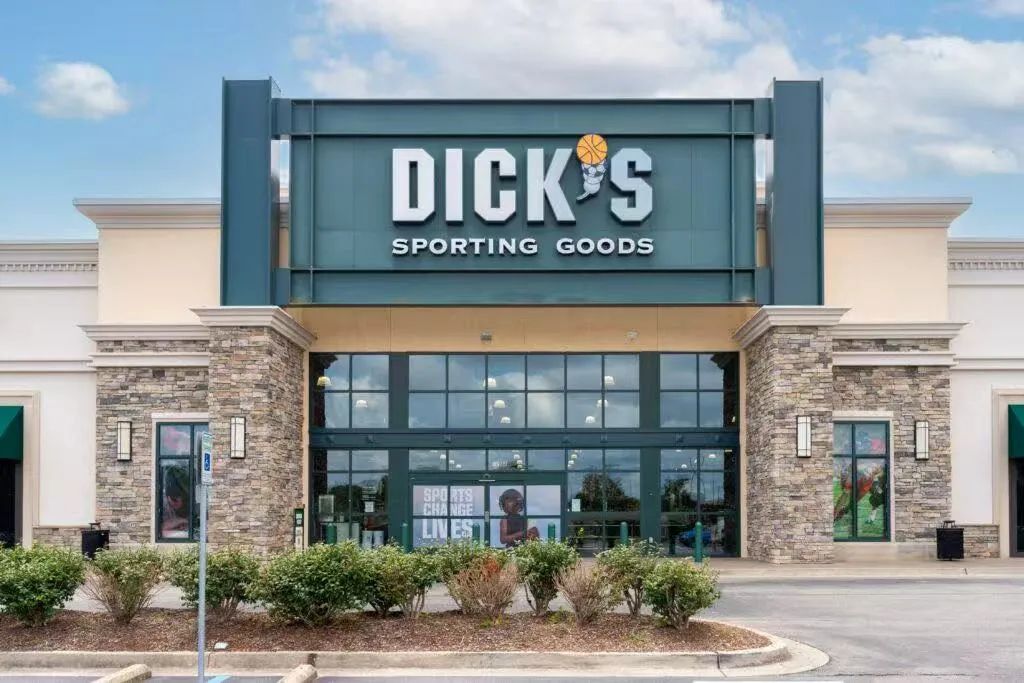
Core Viewpoint - The sports capital market is experiencing a surge in significant transactions, highlighted by DICK'S Sporting Goods' acquisition of Foot Locker for $2.4 billion, indicating strategic moves to adapt to changing consumer demands and global trade dynamics [1][2]. Group 1: Acquisition Details - DICK'S Sporting Goods confirmed the acquisition of Foot Locker for $2.4 billion, with a combination of cash and new debt, valuing the company at $2.5 billion [1]. - The acquisition will allow Foot Locker to operate as an independent business unit while retaining its brand identity, pending antitrust review [1][2]. - This acquisition is part of DICK'S ongoing strategy of expanding through mergers and acquisitions, having previously acquired several sports retail companies [2]. Group 2: Market Expansion and Strategy - The acquisition aims to enhance DICK'S market presence, particularly in overseas markets, leveraging Foot Locker's extensive global network of over 2,400 stores across 22 countries [4]. - DICK'S anticipates that the merger will improve its ability to serve global consumers and expand market opportunities, especially in light of rising costs and changing consumer behavior due to tariffs and economic conditions [4][5]. - The deal is expected to provide DICK'S with stronger bargaining power with major brands like Nike, enhancing its competitive position in the market [8]. Group 3: Investor Sentiment and Market Reaction - Investor reaction to the acquisition has been cautious, with DICK'S stock experiencing a 13% drop on the announcement day, reflecting concerns over Foot Locker's operational challenges [6]. - Despite the market's skepticism, Foot Locker's stock surged by 80% on the day of the announcement, indicating investor optimism about the potential benefits of the merger [8]. Group 4: Foot Locker's Challenges - Foot Locker has faced significant challenges, including a decline in sales and the need to adapt to the direct-to-consumer (DTC) model, which has impacted its traditional retail operations [7][8]. - The company has announced plans to close 400 underperforming stores by 2026, highlighting the urgency of its need for a strategic partner like DICK'S [8]. Group 5: Future Outlook - DICK'S leadership remains optimistic about the growth prospects following the acquisition, emphasizing their industry expertise and the potential for Foot Locker to regain its competitive edge [10].




加拿大鹅(GOOS.US):Q4亚太区收入劲增15.2%,强化4大战略核心锚定长期
智通财经网· 2025-05-23 07:12
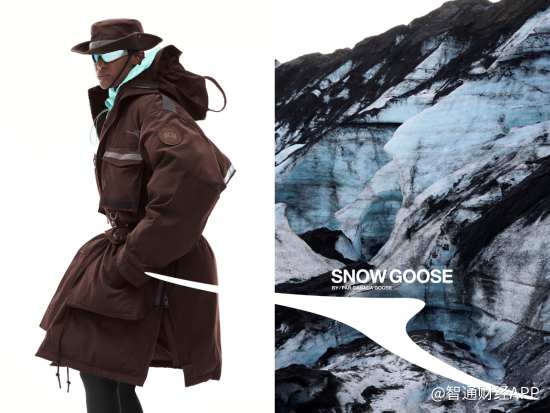
Core Insights - Canada Goose reported a robust financial performance for Q4 of fiscal year 2025, demonstrating resilience and strategic foresight in a complex market environment [1] - The company achieved a 7.4% year-over-year revenue growth, driven by direct-to-consumer (DTC) channels and strong performance in the Asia-Pacific region [2][4] - The brand's innovative product strategies and effective retail execution have solidified its competitive edge in the high-end functional apparel market [5][11] Revenue Growth and Market Performance - In Q4 of fiscal year 2025, Canada Goose's global revenue reached CAD 1.3484 billion, reflecting a 1.1% increase year-over-year [2] - The DTC channel saw a comparable sales growth of 6.8%, contributing significantly to overall revenue growth [2] - The Asia-Pacific region experienced a revenue increase of 15.2%, with Greater China showing a 7.9% growth, validating the effectiveness of localized strategies [4] Product Innovation and Brand Strategy - Canada Goose has focused on product innovation, launching new collections such as the Sea Mantra series and eyewear, which led to a 19% increase in global brand search volume [5] - The introduction of the Snow Goose capsule collection by creative director Haider Ackermann has enhanced brand storytelling and market presence [5] - The brand's diverse product offerings, including lightweight down jackets and accessories, have attracted a broader customer base while reinforcing its position in the functional apparel sector [5] Retail Operations and Supply Chain Efficiency - The company has optimized retail operations through enhanced customer experience and supply chain improvements, resulting in a significant increase in comparable store conversion rates [7] - Canada Goose's inventory management has shown a positive trend, with inventory decreasing by 13.75% year-over-year to CAD 384 million, marking the sixth consecutive quarter of decline [7] - The brand's high proportion of locally manufactured products has ensured supply chain stability and reduced trade risks, enhancing the high-end market experience [7] Strategic Focus for Future Growth - For fiscal year 2026, Canada Goose plans to concentrate on marketing investment, category expansion, retail business development, and operational efficiency as core strategic areas [8][9] - The brand aims to increase marketing spending as a percentage of overall revenue to enhance brand visibility and cultural relevance [8] - Canada Goose will continue to refine its product structure, focusing on core items while innovating within existing categories to meet diverse consumer needs [9] Integrated Strategic Framework - Canada Goose's four strategic pillars are interconnected, creating a dynamic cycle of demand insight, product innovation, experiential delivery, and efficiency support [11] - The brand's approach transforms high-end brand attributes into tangible consumer experiences and measurable operational efficiency, solidifying its position in the high-end market [11] - The company's financial report serves as a model for navigating market cycles, emphasizing direct consumer engagement, localized marketing, and product innovation to build resilience against external risks [11][12]

靠冲锋衣年入18亿,户外生意有多疯?
36氪· 2025-05-22 09:50
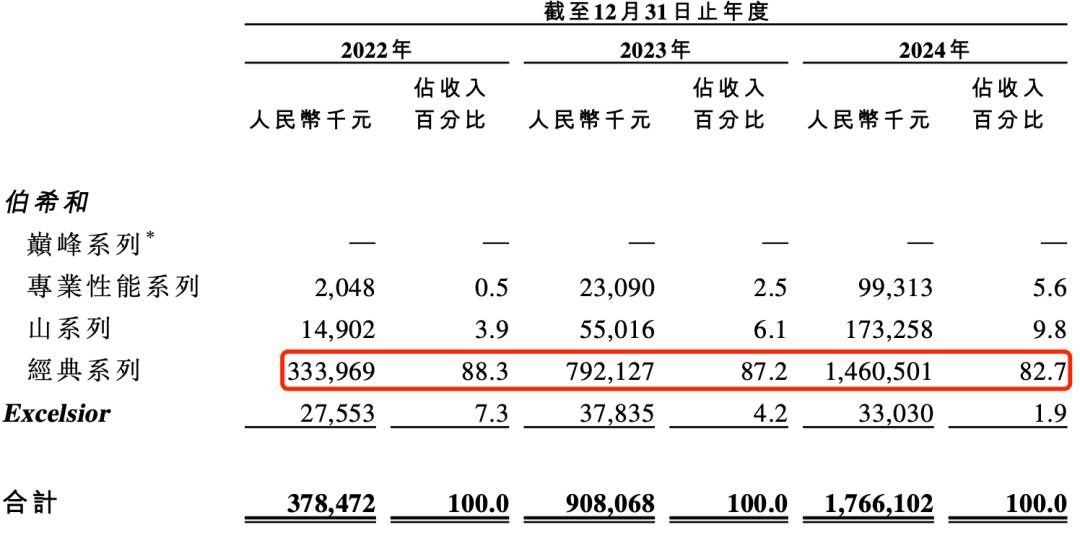
Core Viewpoint - The article discusses the competitive landscape of the outdoor apparel market, focusing on the upcoming IPO of the brand 伯希和 and its comparison with another brand, 蕉下, highlighting the challenges and opportunities in the sector. Group 1: Market Overview - The outdoor apparel market, particularly for sun-protective clothing, is experiencing rapid growth, with significant increases in search volume on e-commerce platforms and interest from capital markets [4][8]. - The market has seen a surge in competition, with various brands entering the space, including traditional outdoor brands, sports brands, and even fast fashion and underwear brands [7][26]. Group 2: Company Comparisons - Both 伯希和 and 蕉下 have adopted a direct-to-consumer (DTC) model and achieved impressive revenue growth, with 伯希和's revenue projected to grow from RMB 378 million in 2022 to RMB 1.766 billion in 2024, representing a compound annual growth rate (CAGR) of 140.21% [17][18]. - 伯希和's product line has expanded beyond its original focus on jackets to include a variety of outdoor apparel, while 蕉下 has similarly diversified its offerings [12][14]. Group 3: Financial Performance - 伯希和's revenue growth is accompanied by a significant increase in adjusted net profit, which is expected to rise from RMB 28 million in 2022 to RMB 304 million in 2024 [17]. - 蕉下 has also shown strong revenue growth, with its income increasing from RMB 385 million in 2019 to RMB 2.211 billion in 2022, despite facing challenges in the market [19]. Group 4: Competitive Challenges - Both companies face skepticism regarding their reliance on OEM manufacturing, which raises concerns about product differentiation and brand loyalty [35][36]. - The outdoor apparel market is characterized by low brand concentration, with 伯希和 holding only a 3.9% market share in the performance outdoor clothing segment as of 2024 [29][31]. Group 5: Strategic Positioning - 伯希和 aims to position itself as a high-performance outdoor lifestyle brand, while 蕉下 focuses on urban outdoor apparel, leading to different competitive strategies [10][40]. - The article emphasizes the need for both brands to establish long-term brand value beyond just sales growth, as they prepare for their respective IPOs [41].

耐克、安踏再遇劲敌?国产户外品牌冲击港股IPO,净利率超始祖鸟
Sou Hu Cai Jing· 2025-05-22 06:09
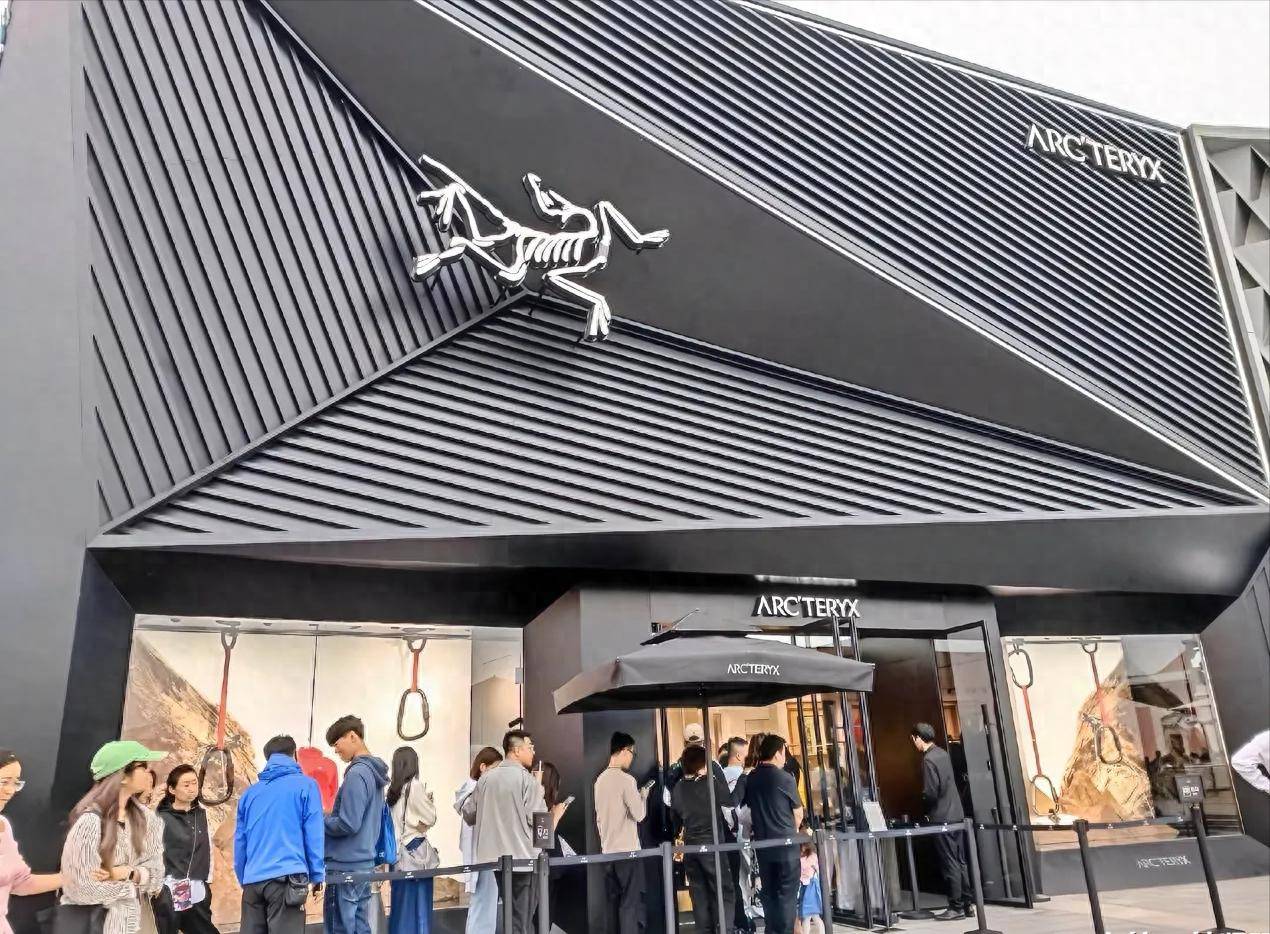
Core Viewpoint - The outdoor market is experiencing significant growth, with various international and domestic brands competing for market share, particularly in the value-for-money segment [1][3]. Company Overview - The domestic brand BERSHIHE is making waves in the capital market with its upcoming IPO, positioning itself similarly to the well-known brand CAMEL [3]. - Founded in 2012, BERSHIHE initially focused on jackets and has achieved a remarkable compound annual growth rate of 144% over three years, selling 3.8 million jackets [5]. - In 2024, BERSHIHE is projected to achieve a net profit margin exceeding 17%, outperforming high-end brands like ARC'TERYX [5]. Product Strategy - BERSHIHE aims to expand its product line beyond jackets to include outdoor sun protection clothing, hiking shoes, and mountaineering gear, targeting a younger demographic with modern designs [8]. - The brand's positioning as "the first stock of high-performance outdoor lifestyle in China" reflects its ambition to resonate with consumer lifestyles rather than just product features [8][10]. Sales Channels - BERSHIHE's sales strategy includes a direct-to-consumer (DTC) model, with online sales accounting for 87.5% of total sales in 2022, projected to decrease to 76.5% by 2024 [11]. - The company has established partnerships with over 250 external manufacturers, relying heavily on OEM production, which raises concerns about supply chain control [12]. Market Challenges - BERSHIHE faces structural challenges, including over-reliance on OEM models and potential marketing versus R&D imbalances, which could hinder long-term growth [11][12]. - The brand's target market consists mainly of price-sensitive consumers, leading to concerns about customer retention and the need for continuous marketing investment [15].
靠冲锋衣年入18亿,户外生意有多疯?
创业邦· 2025-05-22 03:04
Core Viewpoint - The article discusses the rising competition in the outdoor apparel market, particularly focusing on the upcoming IPO of the brand 伯希和 (Bershka) and its comparison with the previously unsuccessful IPO attempts of 蕉下 (Jiaoxia). Both brands are positioned in the outdoor lifestyle segment, with a focus on direct-to-consumer (DTC) sales and rapid product line expansion to capture market share in a growing industry. Group 1: Market Overview - The outdoor apparel market is experiencing significant growth, with brands like 伯希和 and 蕉下 aiming to capitalize on this trend through innovative product offerings and marketing strategies [3][6][27]. - The competition is intensifying as various brands, including traditional outdoor brands and fast fashion labels, enter the market, leading to a crowded landscape [5][19][21]. Group 2: Company Comparisons - Both 伯希和 and 蕉下 started with a single product focus and have since expanded their offerings to include a wider range of outdoor apparel, with 伯希和's sales of jackets showing a compound annual growth rate (CAGR) of 144% from 2022 to 2024 [4][9][13]. - 伯希和's revenue is projected to grow from 3.78 billion RMB in 2022 to 17.66 billion RMB in 2024, with adjusted net profit increasing from 0.28 billion RMB to 3.04 billion RMB in the same period [13][14]. Group 3: Financial Performance - 伯希和's revenue growth is supported by significant investments from well-known institutions, including Tencent, which holds a 10.7% stake [17]. - The company has maintained a gross margin above 50%, but its net profit margin is relatively low, averaging around 13% from 2022 to 2024, indicating high marketing and operational costs [30][31]. Group 4: Strategic Positioning - 伯希和 aims to position itself as a "high-performance outdoor lifestyle brand," which may attract a different consumer base compared to 蕉下's focus on urban outdoor apparel [32]. - The brand's strategy includes expanding its product lines to include seasonal items and leveraging DTC sales channels, which accounted for 87.5% of its revenue in 2022 [22][23]. Group 5: Market Challenges - The outdoor apparel market is characterized by low brand concentration, with 伯希和 holding only a 3.9% market share in the Chinese mainland for outdoor jackets as of 2024 [24]. - The reliance on OEM manufacturing raises concerns about brand differentiation and competitive advantage, as many brands share similar production sources [29][30].

靠冲锋衣年入18亿,户外生意有多疯?
3 6 Ke· 2025-05-21 03:02
Core Viewpoint - The outdoor apparel market is experiencing rapid growth, with companies like BERSHIHE preparing for IPOs, following the trend set by previous attempts from brands like JIAOXIA. The competition is intensifying as more players enter the market, focusing on outdoor and sun-protective clothing [1][4][25]. Company Comparison - BERSHIHE and JIAOXIA share similarities in their business models, both utilizing direct-to-consumer (DTC) channels and ODM manufacturing to achieve significant revenue and profit growth, maintaining gross margins above 50% [2][12]. - BERSHIHE's sales of jackets have seen a compound annual growth rate (CAGR) of 144.0% from 2022 to 2024, with total sales reaching approximately 3.78 billion RMB in 2022 and projected to grow to 17.66 billion RMB by 2024 [3][12][13]. Market Dynamics - The outdoor apparel sector has become increasingly competitive, with brands from various segments, including outdoor, sports, and fast fashion, entering the market. This has led to a broader product range beyond just sun-protective clothing [3][20]. - The market for outdoor apparel is projected to grow significantly, with retail sales expected to increase from 539 billion RMB in 2019 to 1,027 billion RMB by 2024, indicating substantial growth potential for leading companies [24]. Financial Performance - BERSHIHE's revenue is expected to grow from 3.78 billion RMB in 2022 to 9.08 billion RMB in 2023, and further to 17.66 billion RMB in 2024, with adjusted net profit increasing from 0.28 billion RMB to 1.56 billion RMB during the same period [12][13]. - JIAOXIA has also shown impressive growth, with revenues increasing from 3.85 billion RMB in 2019 to 24.07 billion RMB in 2021, and maintaining strong performance even during market downturns [14][12]. Brand Positioning - BERSHIHE aims to position itself as a "high-performance outdoor lifestyle brand," while JIAOXIA focuses on "urban outdoor" branding. Both companies are attempting to differentiate themselves in a crowded market [4][28]. - The competitive landscape is characterized by low brand concentration, with BERSHIHE holding only a 3.9% market share in the domestic jacket market as of 2024, indicating room for growth [22][24]. Challenges and Strategies - Both companies face challenges related to marketing versus product development, with concerns about over-reliance on marketing and lack of technological barriers due to their reliance on OEM manufacturing [26][27]. - BERSHIHE's strategy includes expanding its product line to include seasonal items and enhancing brand value through differentiation, while also navigating the balance between maintaining a broad appeal and developing specialized products [8][29].
红蜻蜓: 2024年年度股东大会资料
Zheng Quan Zhi Xing· 2025-05-09 08:28
Core Viewpoint - The company is preparing for its annual shareholder meeting on May 19, 2025, where various proposals will be discussed, including the appointment of an auditing firm and the review of financial reports for 2024 and 2025 [1][3][4]. Group 1: Meeting Procedures - The meeting will include a registration process for shareholders and a structured agenda to ensure orderly proceedings [1][2]. - Shareholders wishing to speak must register in advance and adhere to time limits during their remarks [2][3]. - Voting will be conducted both in-person and online, with specific guidelines on how to cast votes [2][3]. Group 2: Financial Performance - In 2024, the company reported a revenue of approximately 2.14 billion yuan, a decrease of 13.25% compared to the previous year [8][27]. - The net profit attributable to shareholders was a loss of approximately 70.34 million yuan [8][27]. - The decline in revenue is attributed to changing consumer preferences and external economic conditions [27]. Group 3: Industry Trends - The footwear industry is experiencing a shift towards casual and comfortable styles, driven by consumer demand for functionality and fashion [6][7]. - The rise of direct-to-consumer (DTC) models is enabling brands to engage more effectively with consumers, enhancing brand loyalty and reducing costs [5][6]. - The company aims to leverage technology and cultural elements in product design to meet evolving consumer preferences [7][9]. Group 4: Future Plans - The company plans to implement a flexible supply chain model to adapt to rapid changes in consumer demand and preferences [12][13]. - A focus on enhancing online and offline retail strategies is essential for future growth, with an emphasis on integrating both channels [14][15]. - The company aims to expand its brand portfolio and enhance its market presence by targeting younger consumers and diversifying product offerings [15][16]. Group 5: Governance and Compliance - The board of directors has been actively overseeing company operations, ensuring compliance with relevant laws and regulations [18][19]. - The company has established a robust internal control system to safeguard shareholder interests and maintain operational integrity [24][25]. - The monitoring committee has conducted thorough reviews of financial practices and compliance with fundraising regulations [24][26].

重磅,知名橱柜企业无预警停业,全员遭解雇!
Xin Lang Cai Jing· 2025-05-07 14:22
Core Insights - Form Kitchens, a DTC cabinet brand based in San Francisco, has suspended operations and is no longer accepting new orders due to operational and financial challenges [2][4] - The company has laid off a significant number of employees, with reports indicating that many designers and customer service staff were terminated by the end of March, and a complete layoff is expected in April [2][4] - Customers have expressed concerns regarding the status of their orders, with some reporting significant deposits made without confirmation of order fulfillment [2] Company Response - Form Kitchens acknowledged the operational and financial challenges leading to the suspension of new orders and employee layoffs, emphasizing that their primary focus is to ensure the fulfillment of existing customer orders [4] - The company has transferred ongoing projects to their manufacturing partner, Nobilia, although Nobilia has declined to comment on the situation [4] Company Background - Form Kitchens was established in 2021, targeting the DTC cabinet market with a focus on providing stylish kitchen products at lower prices [5] - The company operates in a competitive landscape with other DTC home brands like Semihandmade and Reform also targeting this market segment [5] - The specific reasons for the company's suspension of operations remain unclear but may be linked to a cooling real estate market post-pandemic and rising customer acquisition costs [5]
伯希和赴港IPO:解码“中国高性能户外第一股”的资本跃迁与行业变局
Xin Lang Zheng Quan· 2025-05-07 07:06
2025年4月28日,中国高性能户外服饰品牌伯希和(Pelliot)正式向港交所递交招股书,拟主板挂牌上 市,联席保荐人为中金公司和中信证券。若成功上市,伯希和或成为"中国高性能户外生活方式第一 股"。 与此同时,伯希和的增长引擎高度依赖爆款产品。2022-2024年累计售出380万件冲锋衣,贡献超80%收 入的经典系列成为品牌基石。其核心竞争力在于,其一,技术壁垒。自主研发的STORM BREATH防水 透湿科技、与Polartec等国际面料供应商合作,确保产品性能对标国际品牌。其二,场景适配。"三合 一"设计兼顾户外专业性与城市通勤需求,轻量化技术拓展跑步、骑行等细分场景。其三,成本优化。 规模效应下,75D涤纶丝采购成本下降5.2%,销售成本占比从45.7%降至40.4%。 港股IPO复苏与户外赛道结构性红利 2025年的香港资本市场呈现出显著的复苏态势。一季度新增51家上市申请,融资规模同比增长287%, 蜜雪冰城、古茗等消费企业的火爆认购进一步点燃市场信心。这一现象的背后,是多重因素的叠加:其 一,政策驱动。港交所通过缩短审批周期(从61天降至28天)、降低特专科技企业上市门槛等措施,提 升了市场效 ...
安踏全球化方法论十八条
Jing Ji Guan Cha Bao· 2025-05-03 01:53
Group 1: Internationalization Stages - Anta Group's internationalization consists of three stages, starting with acquiring the trademark rights for the international brand FILA in 2009, demonstrating its capability to operate international brands in the domestic market [1] - The second stage involved acquiring brands like Descente and Kolon, culminating in the successful acquisition and operation of the Finnish sports group Amer Sports, showcasing Anta's diversified management, global resource allocation, and brand operation capabilities [1][2] Group 2: Brand Management and Empowerment - Anta adjusts management teams of acquired brands and empowers them with its foundational capabilities, including channels, logistics, production, marketing, and digitalization, particularly through the Direct-to-Consumer (DTC) model [2] - The core of brand operation is finding brand positioning, where Anta evaluates the role of the brand within its multi-brand strategy before and after acquisition, ensuring alignment with the group's overall brand positioning [3] Group 3: Brand Value and Scarcity - The process of acquiring and operating brands reflects Anta's deep understanding of brand value, which is built on long-term connections between products and consumers, emphasizing the importance of brand memory [5] - The essence of overseas mergers and acquisitions for Chinese companies is to acquire scarcity, whether in qualifications, channels, markets, technologies, or brands, requiring a profound understanding of the market [6] Group 4: Globalization Challenges and Strategies - The third step in Anta's globalization is the internationalization of its main brand, which involves a lengthy investment period without immediate revenue increases, testing its ability to establish brand recognition from scratch in international markets [7][8] - Entering overseas markets requires building local teams to understand market ecosystems and consumer habits, which is a complex task beyond merely finding agents to sell products [10] Group 5: Long-term Investment and Learning - The journey from "0 to 1" in globalization involves a long trial-and-error process that may last several years, often resulting in initial losses but potentially leading to significant revenue growth as experience and model validation accumulate [12] - The Middle East market is identified as a potential second foothold for Anta's globalization efforts [13] Group 6: Organizational Structure and Entrepreneurial Spirit - Anta employs a brand responsibility system for globalization, balancing the roles of headquarters and regional companies while addressing the challenges of management structure adjustments during the initial phase of globalization [15][16] - The entrepreneurial spirit is crucial in the globalization process, with successful global companies treating globalization as a new venture, driven by a culture of risk-taking and a deep-rooted global mindset [16]