
宠物经济

Search documents
金河生物跌2.08%,成交额9664.34万元,主力资金净流出1044.35万元
Xin Lang Cai Jing· 2025-09-16 02:48
Company Overview - Jinhe Biology Co., Ltd. is located in Inner Mongolia and was established on March 14, 1990, with its listing date on July 13, 2012 [2] - The company specializes in the production, sales, research, and service of animal health products, with a revenue composition of 61.83% from veterinary chemical drugs, 19.76% from starch and related products, 11.12% from veterinary vaccines, 4.97% from environmental services, and 2.15% from other sources [2] Financial Performance - For the first half of 2025, Jinhe Biology achieved a revenue of 1.39 billion yuan, representing a year-on-year growth of 30.45%, and a net profit attributable to shareholders of 138 million yuan, up 51.52% year-on-year [2] - The company has distributed a total of 877 million yuan in dividends since its A-share listing, with 227 million yuan distributed over the past three years [3] Stock Performance - As of September 16, Jinhe Biology's stock price was 7.05 yuan per share, with a market capitalization of 5.44 billion yuan [1] - The stock has increased by 61.22% year-to-date, with a recent 5-day increase of 1.29%, a 20-day decrease of 5.87%, and a 60-day increase of 12.44% [1] - The company has appeared on the trading leaderboard six times this year, with the most recent occurrence on April 16, where it recorded a net buy of -28.30 million yuan [1] Shareholder Information - As of June 30, 2025, the number of shareholders increased by 104.38% to 64,500, while the average circulating shares per person decreased by 51.07% to 11,547 shares [2] - Among the top ten circulating shareholders, Guotai Zhongzheng Livestock Breeding ETF is the third-largest shareholder, holding 7.66 million shares as a new investor [3]

京东保宠物险火出圈:今年起投保规模涨 20 倍,直赔医院年底将达 3000 家
Zhong Jin Zai Xian· 2025-09-15 07:35
Group 1 - The core viewpoint highlights the growing trend of pet insurance and the increasing demand for convenient services like direct compensation for veterinary expenses, reflecting pet owners' deep care for their pets [1][2] - The pet economy is projected to reach a market size of 800 billion yuan by 2025, with medical expenses becoming a significant burden for many families [1] - JD Insurance has launched a "100% direct compensation service for specified drugs at offline hospitals," improving the purchasing, pricing, and compensation experience for pet owners [1] Group 2 - Since the introduction of the direct compensation service, JD Insurance has seen a more than 20-fold year-on-year increase in new users and scale for pet insurance [1] - The company has partnered with 15,000 hospitals nationwide, with over 500 hospitals currently offering direct compensation, and plans to expand this to 3,000 by the end of the year [1] - JD Insurance is also enhancing efficiency and accuracy in insurance and claims processes through technologies like pet noseprint recognition and plans to introduce a "Pet All-in-One Card" for a more streamlined experience [2]

依依股份涨2.10%,成交额7981.27万元,主力资金净流入1031.68万元
Xin Lang Cai Jing· 2025-09-15 02:54
Company Overview - Yiyi Co., Ltd. is located in the Zhangjiawo Industrial Zone of Xiqing District, Tianjin, and was established on May 10, 1990. The company was listed on May 18, 2021. Its main business involves the research, production, and sales of disposable hygiene products and non-woven fabrics [1][2]. Financial Performance - For the first half of 2025, Yiyi Co., Ltd. achieved operating revenue of 888 million yuan, representing a year-on-year growth of 9.34%. The net profit attributable to the parent company was 102 million yuan, reflecting a year-on-year increase of 7.37% [2]. - Since its A-share listing, Yiyi Co., Ltd. has distributed a total of 531 million yuan in dividends, with 389 million yuan distributed over the past three years [3]. Stock Performance - As of September 15, Yiyi Co., Ltd.'s stock price increased by 2.10%, reaching 29.12 yuan per share, with a total market capitalization of 5.384 billion yuan. The stock has risen 82.89% year-to-date, with a 3.89% increase over the last five trading days, 14.46% over the last 20 days, and 41.49% over the last 60 days [1]. - The stock has seen a net inflow of main funds amounting to 10.3168 million yuan, with significant buying activity from large orders [1]. Shareholder Information - As of September 10, the number of shareholders of Yiyi Co., Ltd. was 19,200, an increase of 2.18% from the previous period. The average number of circulating shares per shareholder was 5,544, a decrease of 2.13% [2]. - As of June 30, 2025, a notable change in institutional holdings occurred, with Yinhua Value Preferred Mixed Fund (519001) exiting the top ten circulating shareholders [3]. Business Segments - The main revenue sources for Yiyi Co., Ltd. include pet pads (86.05%), pet diapers (7.42%), non-woven fabrics (4.85%), nursing pads (0.84%), and other disposable hygiene products [1].
未来五年,这个巨大市场将跑出一批“黑马”!
Sou Hu Cai Jing· 2025-09-14 04:05
Core Insights - China's service consumption growth has outpaced that of goods consumption, indicating a significant shift in economic structure towards a service-oriented economy [1][4] - The average annual growth rate of service consumption expenditure from 2020 to 2024 is projected to be 9.6%, with 46% of consumer spending now allocated to services [2][4] Economic Structure Impact - The increasing importance of the service sector in the national economy is highlighted by the average service industry value-added ratio of 54.6% over the past decade, which is expected to rise further due to rapid service consumption growth [4] - This shift reflects a change in consumer attitudes from material goods to higher-quality life experiences, driving demand in sectors like tourism, culture, and health services, thus stimulating related industries and promoting economic resilience [4] Global Trends in Service Consumption - Global service consumption is trending towards digitalization, sustainability, personalization, and experience-oriented services, with China leading in areas such as mobile payments and shared economy models [5][6] - The rise of digital services is supported by advancements in AI, 5G, and other technologies, which have accelerated demand for remote services like online education and digital healthcare [5][6] Emerging "Dark Horse" Sectors - Future growth in China's service consumption is expected in sectors such as the silver economy, sports consumption, and AI-integrated services, driven by demographic changes and technological innovation [8][9] - The silver economy will see increased demand for elder care, health management, and community services as the population ages [8] - Sports consumption is poised for growth through innovations in venues and events, while AI will create new service models in health, education, and legal sectors [8][9] Opportunities for Multinational Companies - The rising demand for high-end medical, financial, and digital entertainment services in China presents new opportunities for multinational companies to leverage their expertise and technology [11] - Companies in pharmaceuticals and medical devices can engage in precision medicine and anti-aging treatments, while financial institutions can focus on wealth management and green finance [11] Service Trade Cooperation - The recent service trade fair attracted nearly 2,000 exhibitors, providing a platform for countries to showcase their capabilities in digital, green, and professional services [12] - The fair aims to facilitate deep integration of industrial, innovation, and service chains, promoting a sustainable global service trade landscape [12]

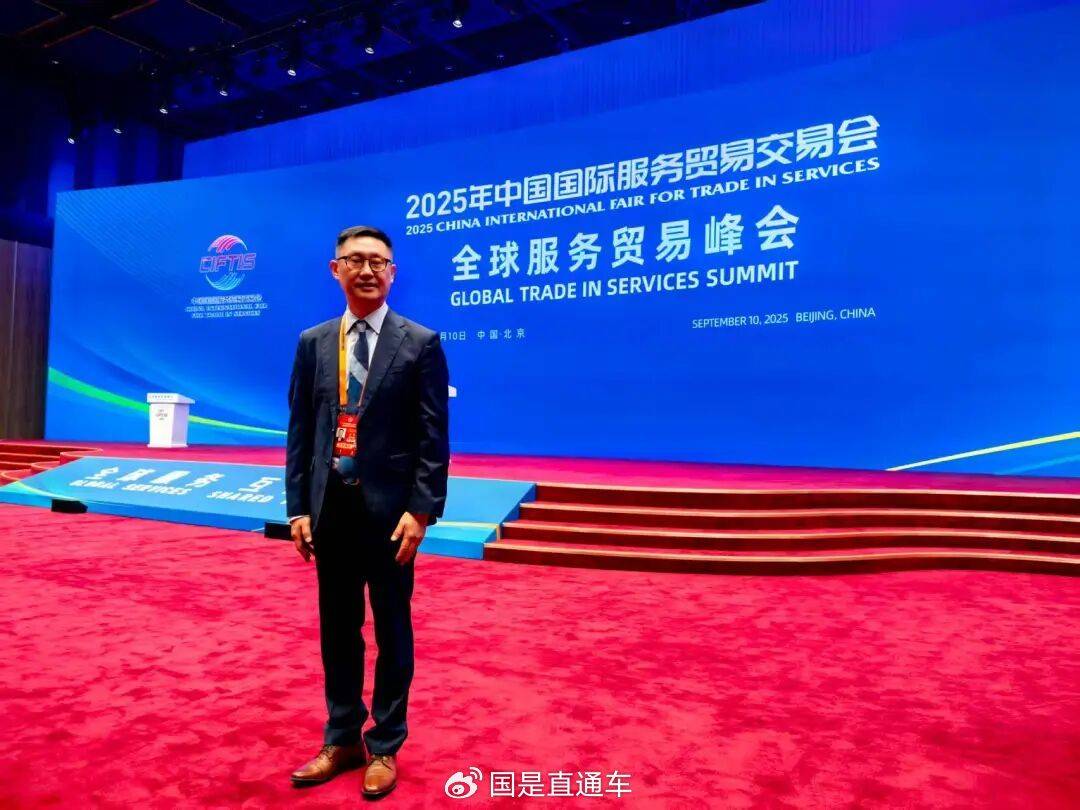
德勤中国高管:未来五年中国服务消费将涌现一批“黑马”
Zhong Guo Xin Wen Wang· 2025-09-13 08:32
Core Insights - The future five years will see the emergence of "dark horses" in China's service consumption market driven by demographic changes, technological innovations, and precise policy guidance [1] - From 2020 to 2024, China's service consumption expenditure is expected to grow at an average annual rate of 9.6%, with a 5.2% year-on-year increase in service retail sales from January to July this year [1] - The service sector's contribution to the national economy has been increasing, with an average value-added share of 54.6% over the past decade, indicating a shift towards a service-oriented economy [1] Industry Analysis - The shift in consumer behavior reflects a transition from material goods to higher-quality life experiences, with surging demand in tourism, culture, and health services [1] - Multinational companies have significant opportunities in China's market, particularly in high-end medical, financial services, and digital entertainment sectors [1][2] - The service consumption landscape is evolving, with growth in smart health, community services, and AI-integrated services expected to drive further industry upgrades [3] Market Opportunities - The pet economy is transitioning from product consumption to service upgrades, with the market expected to exceed 100 billion RMB by 2025 [3] - The ongoing China International Service Trade Fair serves as a platform for global companies to share opportunities, attracting nearly 2,000 exhibitors, including around 500 Fortune 500 companies [3] - The fair promotes deep integration of industrial chains, innovation chains, and service chains, aiming to expand international market space and enhance global service trade certainty [3]
农业农村部:宠物食品纳入饲料质量安全监管 正在制定4项国家标准
Zhong Guo Jing Ying Bao· 2025-09-12 16:44
有关数据显示,2025年,我国宠物经济产业规模有望达到8114亿元。其中,宠物食品为2670亿元。宠物 食品安全问题,已经成为"它经济"市场中最为迫切和关注度最高的问题之一。 关注宠物食品安全 今年两会期间,全国政协委员、德勤中国主席蒋颖聚焦宠物消费,提出了《关于促进宠物食品市场健康 有序发展的提案》,建议从提升立法位阶、完善宠物食品标准、建立市场统一认证体系。 蒋颖认为,宠物已经成为养宠家庭不可或缺的一员,但宠物食品仍归类为牲畜饲料,由农业农村部和饲 料工业协会归口管理。而成熟市场的美国,将宠物食品由美国食品药品监督管理局监管。 迅速扩容的宠物食品赛道,有望迎来更加严格的监管。 9月9日,农业农村部在关于政协第十四届全国委员会第三次会议第03797号(商贸监管类186号)提案答 复的函中提到,目前,农业农村部将宠物饲料产品及其生产企业纳入饲料质量安全监管范围,每年开展 宠物饲料产品的监督抽查等工作。而关于宠物食品标准,正在组织制定2项强制性国家标准,对宠物食 品原料、质量控制、安全性检测与追溯进行规范。以及2项推荐性国家标准,对犬猫营养需要进行规 范。 同时,我国宠物食品监管涉及多个部门,如食品药品监督管理 ...
创源股份拟1.2亿元至1.5亿元回购股份,公司股价年内涨151.18%
Xin Lang Zheng Quan· 2025-09-12 12:28
Core Viewpoint - Chuangyuan Co., Ltd. announced a share buyback plan with a total amount between 120 million and 150 million yuan, with a maximum buyback price of 41.50 yuan per share, which is 16.80% higher than the current price of 35.53 yuan [1] Group 1: Company Overview - Chuangyuan Co., Ltd. is located in Beilun District, Ningbo, Zhejiang Province, established on June 14, 2001, and listed on September 19, 2017 [1] - The company specializes in the design, production, and sales of paper-based leisure cultural products, with main business revenue composition: 55.38% from educational and leisure products, 32.88% from sports and fitness, 7.39% from home living, and 3.93% from others [1] - The company belongs to the Shenwan industry category of light industry manufacturing - cultural products, and is associated with concepts such as small-cap, outdoor camping, WeChat concept, sports industry, and pet economy [1] Group 2: Financial Performance - As of June 30, the number of shareholders of Chuangyuan Co., Ltd. was 26,900, an increase of 51.25% compared to the previous period, while the average circulating shares per person decreased by 33.89% to 6,308 shares [2] - For the first half of 2025, the company achieved operating revenue of 996 million yuan, a year-on-year increase of 19.81%, and a net profit attributable to shareholders of 49.79 million yuan, a year-on-year increase of 32.97% [2] - Since its A-share listing, the company has distributed a total of 236 million yuan in dividends, with 81.18 million yuan distributed in the last three years [3]

瑞普生物:公司坚持创新驱动高质量发展,积极加快第三代疫苗与新型药物开发
Zheng Quan Ri Bao Zhi Sheng· 2025-09-12 11:08
Core Viewpoint - The company emphasizes innovation-driven high-quality development in response to profound changes in the animal health industry [1] Group 1: Strategic Initiatives - The company is accelerating the development of third-generation vaccines and new drugs [1] - There is a continuous deepening of strategic cooperation with breeding groups [1] Group 2: Long-term Strategies - The company is advancing internationalization, pet economy, and synthetic biology as part of its medium to long-term strategies [1] - These initiatives are aimed at laying a solid foundation for high-quality development and creating long-term investment value for shareholders [1]

宠物医疗行业|乘势而上正当时
野村东方国际证券· 2025-09-12 10:11
Core Viewpoint - The pet medical industry is a core sector of the pet economy, characterized by both rigidity and growth potential, following a development path similar to human consumption structure, transitioning from "goods to services" [2] Demand Side: Growth Potential in Penetration Rate and Average Spending - The aging of pets is leading to an increase in disease incidence, which is expected to trigger a surge in demand for pet medical services. The shorter lifespan of pets compared to humans means that changes in age structure will result in more pronounced demand shifts [3] - The significant growth in the penetration rate of prescription pet food reflects the rapid dissemination of pet medical knowledge in China. Prescription pet food, which is a "functional diet" prescribed by veterinarians for specific diseases, is increasingly being recognized by pet owners, especially during illness or recovery periods [3] Expansion Phase: Balancing Scale and Profitability - The domestic pet medical market is characterized by small revenue size and weak profitability. According to the 2023 China Pet Medical Industry White Paper, 82% of pet hospitals in China have annual revenues below 2.4 million yuan, and 71% have profit margins below 10%, with 26% currently operating at a loss [4] - Drawing from the U.S. market experience, while profitability is under pressure during the expansion phase, measures such as controlling the pace of expansion, standardized mergers and acquisitions, and refined operations can gradually enhance profitability [4] Cost Structure: Challenges in Variable Cost Optimization - In the domestic market, employee and procurement costs are the main constraints on optimizing variable costs for pet hospitals. The operating costs are primarily concentrated in labor and consumables, with a shortage of veterinary talent and low domestic procurement rates for consumables being significant challenges [5] - The long-term reliance on imports for veterinary vaccines and the dominance of foreign brands in pet medications contribute to higher procurement costs for domestic pet medical enterprises. In contrast, the U.S. has a mature local supply chain, which provides cost advantages in consumable procurement [5]

一周文商旅速报(9.08-9.12)
Cai Jing Wang· 2025-09-12 07:14
Group 1: New City Holdings - In the first eight months of the year, New City Holdings achieved a total commercial operating revenue of approximately 9.338 billion yuan, representing a year-on-year increase of 10.91% [1] - In August alone, the company reported a commercial operating revenue of about 1.194 billion yuan, up 8.83% compared to the same month last year [1] - The total contract sales amount for the first eight months reached approximately 13.566 billion yuan, with a total sales area of about 1.748 million square meters [1] Group 2: Overseas Chinese Town A - Overseas Chinese Town A agreed to add Wu Bingqi as a candidate for a non-independent director in the company's ninth board of directors [1] - Wu Bingqi has extensive experience in the real estate sector, having held various senior positions in companies such as China Resources Land and China State Construction Engineering Corporation [1] Group 3: Pet Economy in Zhejiang - Zhejiang Province aims to develop a pet economy with a market scale exceeding 30 billion yuan by 2027 and 50 billion yuan by 2030 [2] - The province plans to promote the integration of the pet economy with other sectors, including tourism and traditional manufacturing [2] - Initiatives include launching pet-friendly tourism trials to meet the reasonable needs of "people and pets traveling together" [2] Group 4: Huai'an MixC Opening - Huai'an MixC is set to open on September 20, featuring a total construction area of 126,000 square meters and eight commercial floors [3] - The project will host over 330 quality brands, with 150 brands making their debut in Huai'an, including 93 first-time brands in Northern Jiangsu [3] Group 5: Senior-Friendly Tourism Train in Guangxi - A new senior-friendly tourism train will be launched by the Nanning Railway Bureau in October, designed to enhance the travel experience for elderly passengers [4] - The train will feature various safety and comfort improvements, including L-shaped anti-slip handrails and a health-conscious meal service [4] Group 6: Guangdong Cultural and Tourism Consumption Season - Guangdong Province will launch a "Golden Autumn Cultural and Tourism Consumption Season" from September 12 to November 20, distributing a total of 20 million yuan in cultural and tourism consumption vouchers [5] - The initiative aims to attract local residents and tourists during key events such as the Mid-Autumn Festival and National Day [5]

