首发经济

Search documents
半年揽超1800万境外游客,深圳瞄准全球钱包
2 1 Shi Ji Jing Ji Bao Dao· 2025-08-09 03:22
Group 1 - The core idea is that Shenzhen is leveraging technology to convert foreign tourist traffic into consumption growth, with significant increases in inbound tourist numbers and foreign personnel crossing borders [1][2] - In the first half of the year, Shenzhen received 18.39 million inbound tourists, a year-on-year increase of 31.9% on top of a high base from last year, and 3.432 million foreign personnel crossed the borders, up 39.2% [1] - The "Shopping Season 2025 in Shenzhen" has been launched, focusing on international consumption, with over 1,000 tax refund stores and the first city duty-free shop expected to open by the end of August [1][2] Group 2 - China Mobile Hong Kong, WeChat Pay HK, and Ant Group will introduce promotional measures for foreign tourists during the 2025 Shenzhen Shopping Season, including discounts worth over 600 yuan [2] - The shopping season will feature three monthly themes: "August Joyful Shopping," "September Fashion Shopping," and "October Brand Shopping," alongside major city events focusing on various consumption hotspots [2] - The Shenzhen Municipal Bureau of Commerce plans to organize 12 district-specific events and 36 city-level key activities, with over 670 sub-activities involving various market entities [2]
首发经济发展势头强劲 持续引燃消费热情
Zheng Quan Ri Bao· 2025-08-08 16:27
本报记者 刘萌 今年以来,首发经济发展势头强劲,各地积极开设首店,助力商业热度提升,掀起消费热潮。 比如,今年前5个月,北京新增落地首店近400家,累计举办首展、首演、首秀等活动近200场;上海新增首店365家,其中 全球及亚洲首店10家,全国及内地首店62家,高能级首店合计占比19.73%。 中国国际经济交流中心科研信息部副部长刘向东在接受《证券日报》记者采访时表示,当前,我国全方位扩大内需,把提 振消费摆在突出位置。随着消费者需求转向多元化、个性化和品质化,首发经济成为各地提振消费的重要举措,众多城市将开 设首店作为首发经济的重要引擎,在提升城市活力的同时,进一步带动消费增长,推动新产品、新业态发展。 苏商银行特约研究员付一夫在接受《证券日报》记者采访时称,开设首店能持续引燃消费市场,是多重因素共振的结果。 从消费端来看,首店作为品牌在特定区域的第一次亮相,天然带有话题属性,尝鲜心理点燃消费者打卡热情。从品牌策略来 看,首店已经成为企业抢占市场的重要手段,高能级首店的布局往往伴随着资源倾斜,比如限量款产品、定制化服务或沉浸式 场景设计等,这既能快速建立品牌认知,又能为商品或服务提供高质量的曝光平台。 政策 ...
抓住年轻消费者 新增杭州限定商品区 看好杭州消费成长性
Hang Zhou Ri Bao· 2025-08-08 02:40
在杭州,一个个"新"品牌、一家家新门店,如雨后春笋般涌现。它们有的带来了国际前沿的时尚潮 流,有的呈现出本土创新的独特业态,但无一例外都成为拉动消费升级、激发市场活力的新力量。 故事 世界旗舰店开在了杭州 作为源自日本的全球知名生活方式品牌,MUJI在中国大陆开了400多家店,遍布80多个城市。 "杭州对我们来说意义非凡。"MUJI無印良品品牌沟通部高级部长刘璟文感慨道,"2009年MUJI第一 次开到杭州,16年来我们见证了这座城市商业生态的蓬勃发展。这次世界旗舰店的打造,是基于对杭州 消费者需求的深入理解做出的战略调整。"在他看来,想抓住年轻消费者,得拿出实打实的新鲜内容。 而这家焕新升级的工联CC店,就是最好的"品牌名片"。 "老粉"徐沈佳第一时间就捕捉到了变化。"最扎眼的是多了Gelato意式冰淇淋店,店员说这是全国第 一家Gelato概念店,好几款都是用本地食材做的。"在店员推荐下,徐沈佳尝试了专为杭州市场研发的 龙井桑叶口味,"二楼新增了杭州限定商品区,有西湖龙井茶香香氛系列、城市主题马克杯,我直接all in(全部收进)!" 消费金额满300元,徐沈佳用小票兑换了一枚游戏币。凭着这枚币,她钻进了 ...
经济大省新亮点|零售“焕新升级”激发新需求——河南提振消费一线观察
Sou Hu Cai Jing· 2025-08-07 20:51
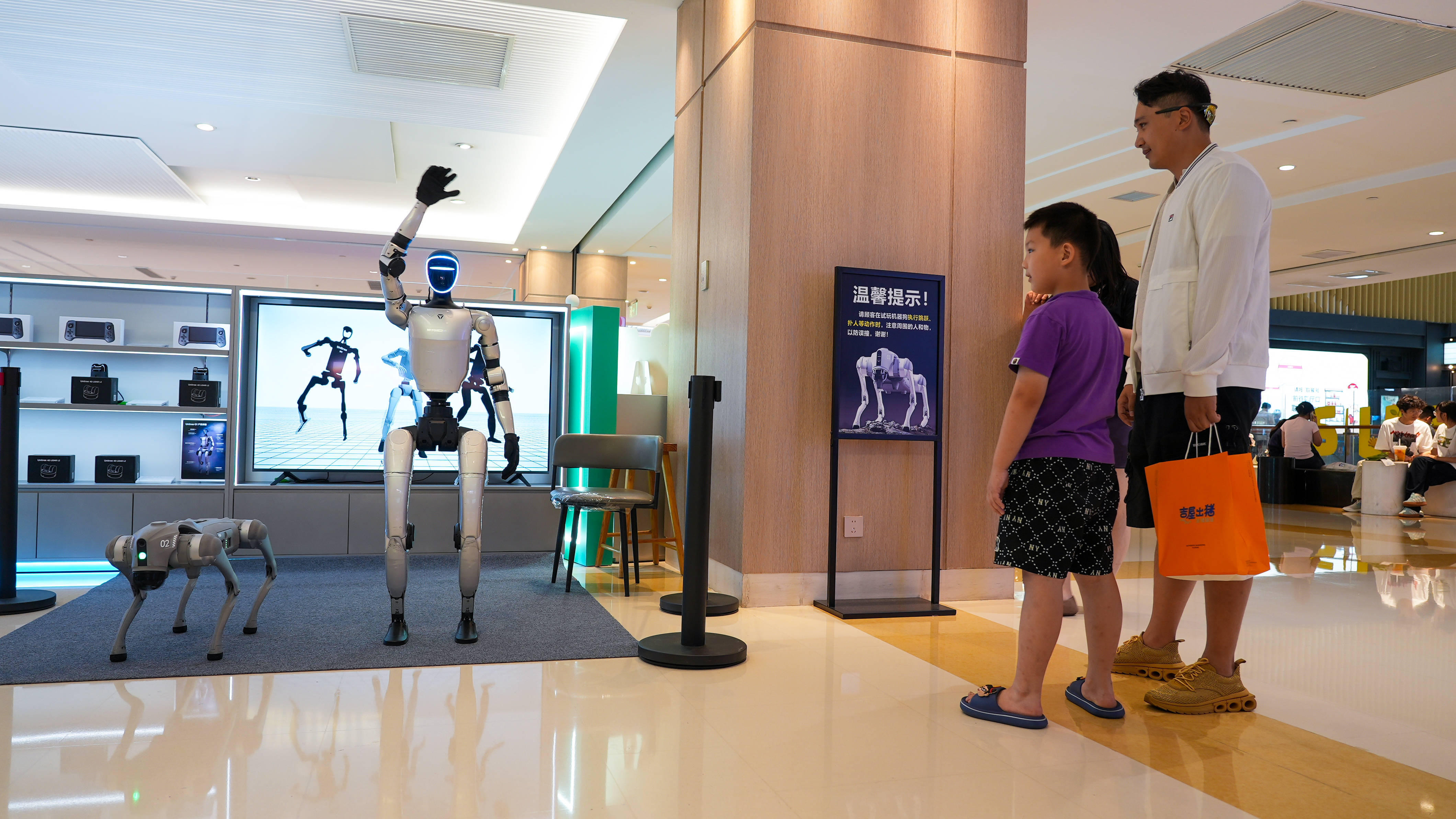
Group 1 - The core viewpoint of the articles highlights the emergence of "first stores" and "first launches" in Henan as a strategy to boost consumption, with a focus on creating unique shopping experiences [1][2][8] - In the first half of the year, Henan's total retail sales of consumer goods reached 1.42 trillion yuan, a year-on-year increase of 7.2%, surpassing the national average by 2.2 percentage points [1] - The government of Henan has prioritized "boosting consumption" as a key focus for 2025, emphasizing the development of first-store economies and supporting cities like Zhengzhou and Luoyang to become international consumption centers [2][8] Group 2 - The "first store" concept has attracted significant foot traffic, with a notable example being the "Red Star Forward Bakery" in Zhengzhou, which sees daily customer traffic of 1,500 [2] - Large commercial complexes like Zhengdong Vientiane City have become popular destinations, housing over 540 brands, including more than 100 first stores and nearly 50 flagship stores [2][3] - The retail landscape in Henan is shifting from price competition to quality competition, with a focus on creating comprehensive shopping experiences that integrate art, culture, and commerce [8][12] Group 3 - The development of first-store economies in Henan has effectively tapped into consumer potential, as seen in the performance of Dennis David City, which recorded a foot traffic of 13.9 million and sales exceeding 5.5 billion yuan in the first half of the year [7] - The introduction of new retail formats, such as the "IP image flagship store" by Huayu Baijia Supermarket, has successfully combined shopping with social experiences, achieving a customer flow of 17,100 and sales of 1.98 million yuan on its opening day [15] - Henan's retail sector is experiencing a transformation, with a focus on safety and quality, supported by a robust supply chain and logistics network, which is crucial for high-quality development [12][15]

经济大省新亮点丨零售“焕新升级”激发新需求——河南提振消费一线观察
Xin Hua Wang· 2025-08-07 13:46
Group 1 - The core viewpoint of the article highlights the revitalization of consumption in Henan through the promotion of "first store" economies and tailored consumption scenarios, leading to a significant increase in retail sales [1][2][4] - In the first half of the year, Henan's total retail sales reached 1.42 trillion yuan, a year-on-year increase of 7.2%, surpassing the national average by 2.2 percentage points [1] - The government of Henan has prioritized "boosting consumption" as a key focus for 2025, emphasizing the development of first-store economies and supporting cities like Zhengzhou and Luoyang to become international consumption centers [2][4] Group 2 - The emergence of first stores has attracted significant consumer traffic, with some stores reporting daily foot traffic of up to 1,500 visitors [2] - Large commercial complexes in Henan, such as Zhengdong Vientiane City, have become popular destinations for young consumers, featuring over 540 brands, including more than 100 city-first stores [2][3] - The retail landscape in Henan has shifted from price competition to quality competition, with a focus on creating comprehensive shopping experiences that integrate art, culture, and commerce [4] Group 3 - Henan is implementing a three-year action plan to optimize the consumer environment, aiming to create a safe and reliable shopping atmosphere [5] - The success of brands in Henan is attributed to their focus on safety and quality, supported by efficient logistics and digital supply chain networks [6] - The opening of flagship stores, such as the Hua Yu Bai Jia supermarket, has demonstrated strong initial performance, with first-day foot traffic reaching 17,100 and sales exceeding 1.98 million yuan [6]
零售“焕新升级”激发新需求——河南提振消费一线观察
Xin Hua She· 2025-08-07 13:13
Group 1 - The core viewpoint of the articles highlights the emergence of "first stores" and "first launches" in Henan as a strategy to boost consumption, with a reported retail sales total of 1.42 trillion yuan in the first half of the year, reflecting a year-on-year growth of 7.2%, surpassing the national average by 2.2 percentage points [1] - The government of Henan has prioritized "boosting consumption" as a key focus for 2025, actively promoting the development of first-store economies and supporting cities like Zhengzhou and Luoyang to become international consumption centers [2] - The opening of new flagship stores and brands, such as the Honey Snow Ice City headquarters and the Dong Mingzhu Health Home in Zhengzhou, indicates a strong push towards attracting younger consumers, with first stores playing a significant role in driving consumption [2] Group 2 - The retail landscape in Henan is evolving from price competition to quality competition, with a focus on creating integrated spaces that combine art, culture, and commerce, reflecting a shift in consumer demand towards service-oriented consumption [4] - The establishment of a safe and reliable consumption environment is crucial for boosting consumer confidence, with initiatives to create trustworthy stores and markets, supported by a robust supply chain network [5] - The opening of the Huayu Baijia supermarket's flagship store, which combines shopping and social interaction, achieved impressive initial results with a customer flow of 17,100 and sales exceeding 1.98 million yuan on its opening day [6]
政策驱动下的五大消费新场景
Bei Jing Shang Bao· 2025-08-07 12:27
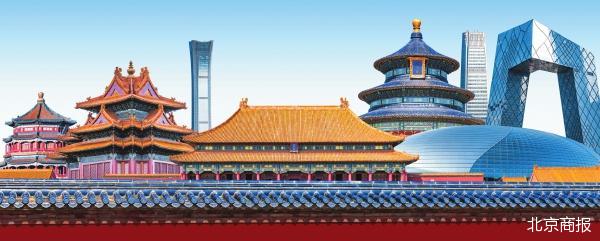
Core Viewpoint - Consumption is increasingly recognized as a key driver of economic growth, with a series of high-quality consumption policies being introduced since 2025 to invigorate the consumption market and accelerate the development of new consumption scenarios driven by technology and policy [1] Group 1: Launch Economy - Establish a new matrix for fashion launches by accelerating the construction of international consumption experience zones and encouraging the opening of flagship and innovative concept stores [3][4] - Create a global launch center to support the establishment of flagship stores and innovative concept stores in various districts, while promoting high-profile launch events [4] - Develop new international food brands by supporting high-quality development of catering enterprises and encouraging the establishment of flagship stores for domestic and international brands [4] Group 2: Digital Consumption - Support enterprises in innovating e-commerce models, including live streaming e-commerce and instant retail, to enhance service quality and digital consumption experiences [6][8] - Encourage the integration of traditional brands with digital transformation and cross-industry collaborations to stimulate the market potential of domestic products [7] - Establish a new benchmark for digital consumption by promoting the development of digital consumption experience centers and supporting innovative activities in live streaming e-commerce [8][9] Group 3: Event Economy - Promote high-profile sports events to enhance market operation capabilities and stimulate event-driven economic vitality [10] - Focus on cultivating a system of high-quality events, including international and local competitions, to enrich related consumption products and services [10][11] Group 4: Scene Integration - Strengthen the integration of tourism with various industries, creating demonstration scenarios for industrial tourism and enhancing rural tourism infrastructure [12] - Promote the development of diverse commercial spaces and encourage innovative operational models to revitalize commercial consumption areas [12][13] Group 5: Cultural Consumption - Explore new connotations of cultural and entertainment consumption by leveraging capital cultural resources and supporting the development of online performances and exhibitions [14][15] - Encourage the construction of cultural tourism projects and enhance the integration of cultural and commercial elements in urban spaces [14][15] Group 6: Technological Innovation - Promote the deep integration of artificial intelligence and gaming industries, supporting technological innovation in game development and operations [16] - Encourage the international expansion of gaming and e-sports enterprises, providing financial incentives for significant achievements in overseas markets [16] Group 7: Characteristic Consumption Districts - Develop characteristic consumption districts by integrating historical and cultural elements, enhancing the shopping environment, and promoting local fashion brands [17]
新晋消费第一城,重庆何以超越上海
经济观察报· 2025-08-06 13:47
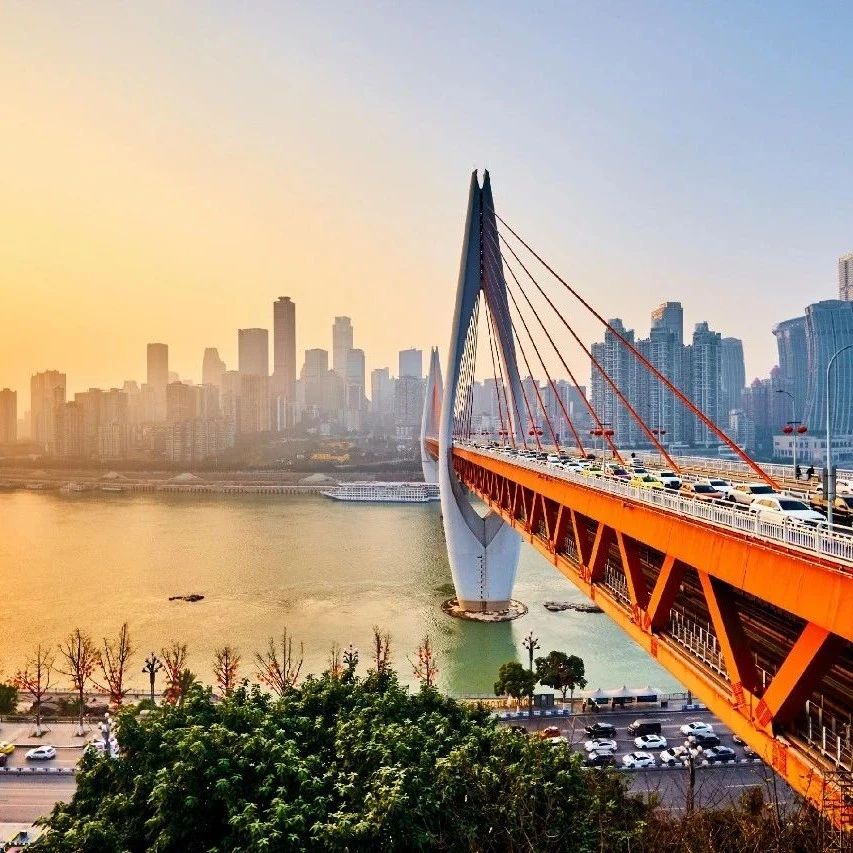
Core Viewpoint - The competition for the title of "Consumption First City" in China has intensified between Chongqing and Shanghai, with Chongqing temporarily leading in social retail sales in the first half of 2025, achieving a total of 8300.37 billion yuan compared to Shanghai's 8260.41 billion yuan, marking a significant shift in the consumption landscape [1][2]. Group 1: Consumption Growth Dynamics - Chongqing's social retail sales have shown a consistent upward trend, surpassing 10 trillion yuan for the first time in 2018 and ranking second nationally in 2022 with 13926 billion yuan [2]. - In the first half of 2025, Chongqing's social retail sales grew by 4.5% year-on-year, while Shanghai's growth was only 1.7%, indicating a stronger recovery in Chongqing's consumption market [5]. - The restaurant sector in Shanghai has been a significant drag on its consumption growth, with a decline in dining revenue by 2.6% in the first half of 2025, while Chongqing's dining revenue grew by 6.4% [5][6]. Group 2: Factors Influencing Consumption - The decline in Shanghai's automotive consumption, which fell by 13.7%, is attributed to reduced subsidies for new energy vehicles and increased difficulty in obtaining green license plates [6]. - Chongqing's dining market remains robust, benefiting from a strong local consumer base and tourism, with 1858 million visitors during the May Day holiday [6][7]. - Traditional home appliance consumption has also contributed to Chongqing's retail growth, with significant increases in the sales of 3C digital products and home appliances [7]. Group 3: Consumer Behavior and Economic Indicators - Despite lower disposable income, Chongqing residents exhibit a stronger consumption willingness, with social retail sales accounting for 52.1% of GDP compared to Shanghai's 31.5% [9][10]. - The consumption model in Chongqing is more focused on retail goods, with a higher percentage of disposable income spent on social retail products compared to Shanghai, where a significant portion goes to service consumption [10]. - Chongqing's population advantage, with over 30 million residents, and lower living costs compared to Shanghai, enhance its consumption capacity [11]. Group 4: Future Outlook and Challenges - While Chongqing's social retail sales have surpassed Shanghai's, it is crucial for Chongqing to focus on both quantity and quality of consumption to sustain its lead [13][16]. - The internationalization and brand presence in Chongqing lag behind Shanghai, which boasts a high concentration of global brands and retail presence [14]. - For Chongqing to maintain its consumption leadership, continuous growth in local income, an improved business environment, and the development of high-quality and niche markets are essential [15][16].
新晋消费第一城,重庆何以超越上海
Jing Ji Guan Cha Wang· 2025-08-06 09:38
Core Insights - The competition for the title of "Consumption First City" in China is intensifying between Shanghai and Chongqing, with Chongqing surpassing Shanghai in social retail sales for the first half of 2025 [1][2] - Chongqing's social retail sales reached 8300.37 billion yuan, while Shanghai's were 8260.41 billion yuan, marking a narrow lead for Chongqing [1] - The growth dynamics of Chongqing's consumption market are attributed to various factors, including a strong local consumer base and effective promotional activities [2][6] Group 1: Consumption Growth Comparison - In the first half of 2025, Chongqing's social retail sales grew by 4.5% year-on-year, while Shanghai's growth was only 1.7% [2] - Shanghai's restaurant income saw a decline of 2.6%, contrasting with Chongqing's restaurant income growth of 6.4% [2][3] - The shift in consumer habits post-pandemic has negatively impacted Shanghai's restaurant sector, leading to a reliance on subsidies that hampers revenue recovery [2][3] Group 2: Factors Influencing Consumption - The high-end dining segment in Shanghai has been particularly affected by reduced business dining and changing consumer preferences [2][3] - Chongqing's restaurant market remains robust, benefiting from a vibrant tourism sector, with 1.858 million tourists during the May Day holiday [3][4] - Traditional home appliance sales have also contributed to Chongqing's retail growth, with significant increases in 3C digital products and home appliances [4][5] Group 3: Consumer Behavior and Economic Indicators - Chongqing's social retail sales accounted for 52.1% of its GDP, significantly higher than Shanghai's 31.5% [6][7] - Despite lower disposable income, Chongqing residents exhibit a stronger consumption willingness compared to their Shanghai counterparts [6][8] - The lower cost of living in Chongqing, including housing prices, enhances the effective purchasing power of its residents [8] Group 4: Future Outlook and Challenges - Chongqing's ability to maintain its lead in social retail sales will depend on continuous income growth and an improved business environment [11][12] - The city must also focus on enhancing the quality of its consumption market, particularly in high-end and niche segments [12] - Shanghai's potential for a consumption rebound in the latter half of 2025 is linked to seasonal demand and promotional strategies in key sectors [11][12]
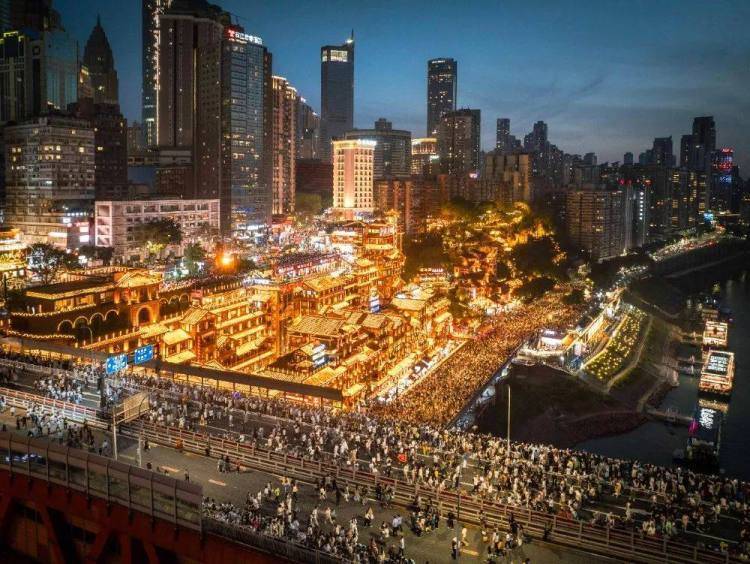
重庆问鼎“消费第一城”背后的“烟火气”与“创新力”
Sou Hu Cai Jing· 2025-08-06 08:06
Core Insights - Chongqing has surpassed Shanghai with a retail sales total of 830 billion yuan, becoming China's "first consumption city" [1][3] - The city's consumption surge reflects economic signals and potential for sustained domestic demand [3] Group 1: Consumption Activities - A series of high-density consumption activities, including the China (Chongqing) International Consumption Festival, has ignited market enthusiasm, featuring over 200 promotional events [3][4] - The Chongqing 6·18 e-commerce festival integrated over 700 brands and 3,000 products, achieving online retail sales of 53.42 billion yuan, a 12.9% increase year-on-year [4][6] - From April to June, over 700 consumption events directly generated sales of 7 billion yuan, maintaining market vitality [7] Group 2: Policy Innovations - Chongqing implemented a subsidy policy for old-for-new exchanges of 3C digital products, leading to significant market activation [8][10] - By the end of June, the city recorded 3.2682 million transactions related to subsidies, amounting to 1.701 billion yuan in subsidy funds [10] Group 3: Unique Consumption Spaces - The city's unique topography has been leveraged to create distinctive consumption spaces, with 286 locations developed to enhance the shopping experience [12] - The "Dai Jia Xiang" area exemplifies this innovation, attracting visitors with its unique cliffside shops and scenic views [12][15] Group 4: Future Directions - Plans are in place to develop more unique consumption scenes and enhance international consumer experiences, including optimizing payment and tax refund processes [15] - Experts suggest that Chongqing should focus on deep industrial transformation and enhance modern service sectors to convert population advantages into consumption benefits [15]