双碳目标

Search documents
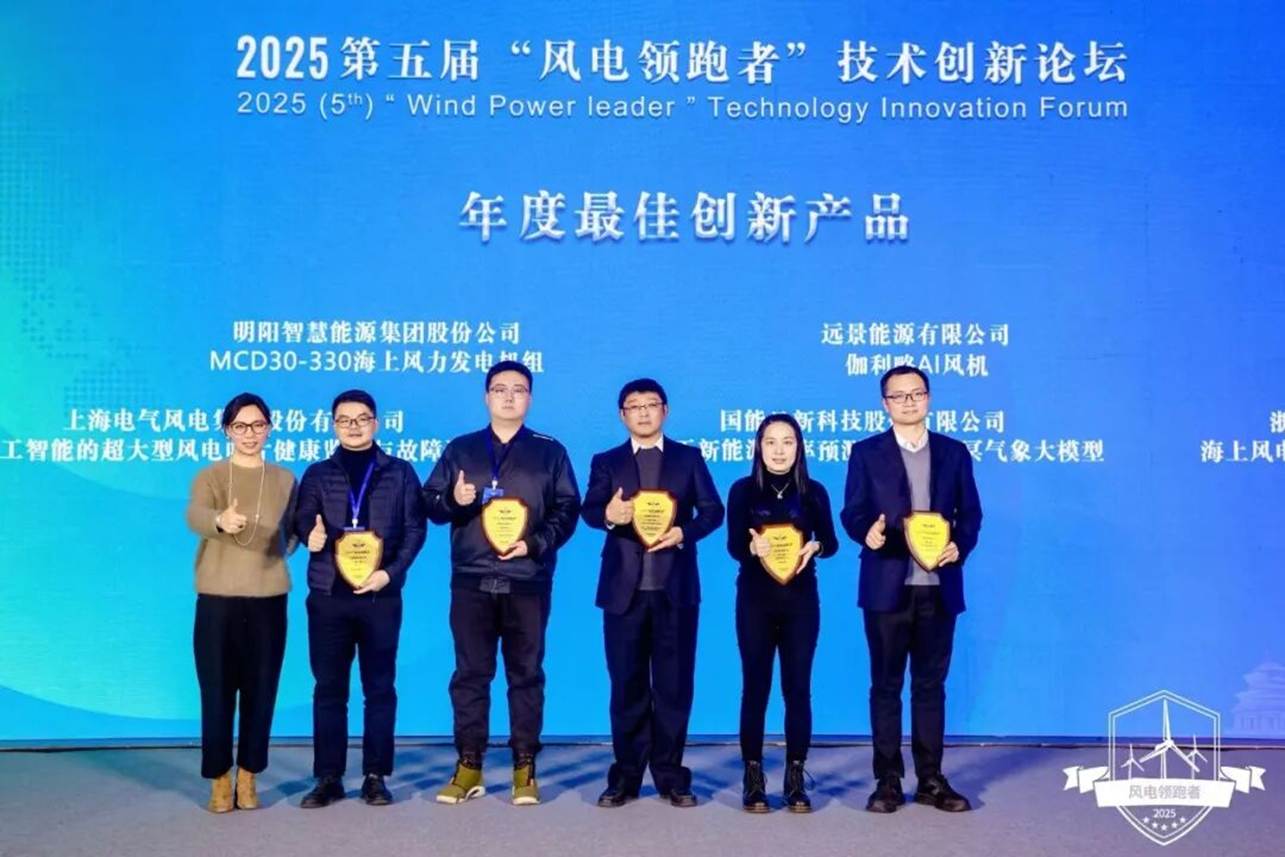
陕鼓动力“绿色心脏”助推天钢低碳转型 核心空分机组试车成功
Zhong Guo Neng Yuan Wang· 2026-01-15 02:34
Core Viewpoint - The successful trial operation of the air separation compressor unit by Xi'an Shaangu Power Co., Ltd. for Tianjin Steel Group marks a significant advancement in Tian Steel's energy-saving and consumption-reduction project, enhancing its green and efficient operational capabilities [1][2] Group 1: Project Overview - The air separation equipment upgrade project aims to improve energy efficiency by over 14%, saving approximately 30.72 million kilowatt-hours of electricity annually, which is equivalent to reducing coal consumption by over 9,000 tons and cutting carbon dioxide emissions by about 27,000 tons [1] - This project reflects Tian Steel's commitment to the "dual carbon" goals and demonstrates Shaangu's capability in supporting customers' green development through high-end equipment [1] Group 2: Industry Context - The project aligns with national strategies for large-scale equipment upgrades and the optimization of traditional industries, promoting green and low-carbon development [1][2] - The demand for high-quality and safe industrial gases is expected to continue growing as China's traditional manufacturing sector undergoes transformation and upgrading [2] - The successful collaboration between Shaangu and Tian Steel serves as a model for energy-saving and carbon reduction in the steel industry, providing a practical path for similar enterprises in equipment upgrades and energy-saving transformations [2]

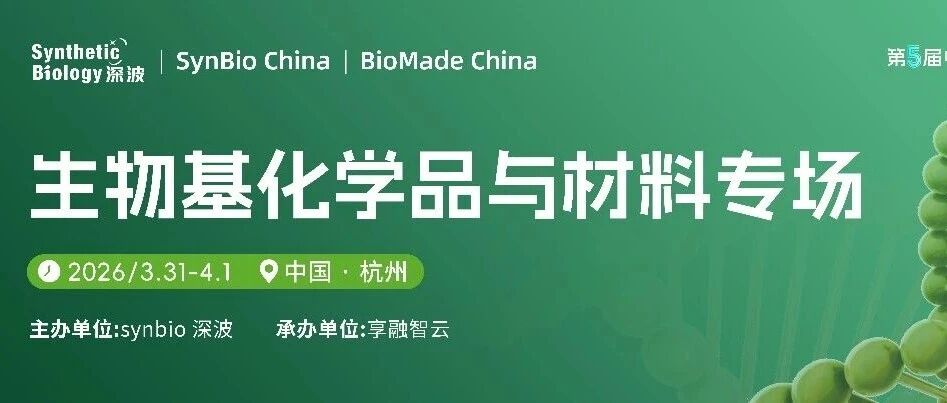
免费报名【生物基化学品与材料专场】,SynBio China第五届中国合成生物学及生物制造大会!
synbio新材料· 2026-01-15 02:09
Core Insights - The article emphasizes the importance of bio-based chemicals and materials as a key pillar of the bio-manufacturing industry, highlighting their advantages such as renewable raw materials and low carbon emissions throughout their lifecycle, which positions them to replace traditional petroleum-based products in various sectors like packaging, textiles, and automotive [2] - The Chinese government prioritizes the development of bio-based new materials, categorizing them as strategic materials, and has implemented multiple supportive policies for the industry [2] - Despite the growth potential, the industry faces challenges including cost competitiveness, stability of raw material supply chains, product performance optimization, and market acceptance [2] Event Details - The "5th China Synthetic Biology and Bio-Manufacturing Conference" will be held in Hangzhou from March 31 to April 1, 2026, with an expected attendance of 1,000 participants [4] - The conference aims to gather insights from various sectors including industry, academia, and research to address challenges in the bio-based chemicals and materials industry [2][4] Forum Setup - The conference will feature multiple sessions, including a dedicated session on bio-based chemicals and materials, along with other topics such as bio-manufacturing technology and applications, functional food and nutrition science, and skincare [8]

锚定能源强国建设目标 提升天然气在新型能源体系中的价值
Zhong Guo Neng Yuan Wang· 2026-01-15 01:35
Core Viewpoint - The 20th Central Committee's Fourth Plenary Session emphasizes the construction of a new energy system aligned with the "dual carbon" goals and energy security strategy, highlighting natural gas as a key player in this transition, serving dual roles in supporting transformation and ensuring security [2][4]. Group 1: Natural Gas as a Key Player in Energy Transition - Natural gas is positioned as a major force in replacing high-carbon energy sources, with significant advantages in carbon emission intensity and minimal pollution compared to coal and oil [3]. - In industrial sectors such as metallurgy and chemicals, natural gas has substantial potential to replace coal, with current coal consumption in China's industrial sector at approximately 790 million tons per year, leading to over 1.4 billion tons of CO2 emissions [4]. - The "coal-to-gas" initiative in residential heating has shown significant results, with Beijing's coal consumption dropping from 20.19 million tons in 2013 to less than 600,000 tons by 2024, while natural gas consumption doubled to 19.5 billion cubic meters, accounting for one-third of the city's total energy consumption [4]. Group 2: Enhancing System Resilience with Natural Gas - Natural gas power generation's flexibility addresses the intermittency and volatility of renewable energy sources, making it an essential partner for the development of renewables [5][6]. - In regions with high renewable energy installations, gas power plants have been observed to start and stop over 300 times a year, showcasing their superior adjustment capabilities compared to coal [5]. - By 2025, China's installed capacity for wind and solar is expected to exceed 1.8 billion kilowatts, necessitating increased reliance on gas for peak load support during periods of low renewable output [6]. Group 3: Natural Gas as a Pillar of Energy Security - Natural gas is crucial for energy security, with China's resources being relatively abundant, including the addition of 19 new large gas fields during the 14th Five-Year Plan, expected to yield 260 billion cubic meters by 2025 [7][8]. - The construction of pipelines and LNG facilities enhances import capacity and supply resilience, with the East Route pipeline projected to transport over 120 billion cubic meters by 2030 [8]. - A comprehensive storage system, including 40 operational gas storage facilities, is expected to reach a capacity of 80 billion cubic meters by 2030, ensuring rapid response during supply fluctuations [8]. Group 4: Driving Strategic Implementation through Innovation and Cooperation - The industry must focus on technological innovation to enhance domestic production and competitiveness, with an emphasis on optimizing traditional oil and gas operations alongside accelerating the transition to renewables [9]. - A rational pricing mechanism is essential to stimulate market demand, with projections indicating that domestic natural gas prices will remain high, potentially limiting growth if not addressed [10]. - Strengthening international cooperation, particularly in resource-rich countries along the Belt and Road Initiative, will expand development opportunities and enhance China's influence in the global natural gas market [11].

央企重组大消息!中国石化与中航油集团合并,国务院国资委重磅公告引爆关注
Sou Hu Cai Jing· 2026-01-14 23:20
Core Viewpoint - The merger between Sinopec and China Aviation Oil marks a significant shift in the energy sector, representing a new era of state-owned enterprise (SOE) restructuring in China, which is expected to enhance the overall efficiency and competitiveness of the industry [1][3]. Group 1: Merger Implications - The merger is not merely a corporate consolidation but a strategic move to reshape the entire energy landscape in China, enhancing the bargaining power of Chinese companies in international markets [1][10]. - The integration of aviation fuel production and supply chains is expected to streamline operations, improve efficiency, and make fuel prices more competitive, benefiting both airlines and passengers [5][10]. - Historical precedents, such as the 2015 strategic cooperation between China Southern Airlines and China Aviation Oil, demonstrate the potential for improved operational efficiency and cost reduction through such collaborations [7][8]. Group 2: Strategic Goals - The restructuring aligns with national goals for energy upgrades and carbon reduction, particularly in the aviation sector, which is a significant contributor to carbon emissions [11][21]. - The partnership aims to promote green energy initiatives, including the development of hydrogen refueling stations and sustainable aviation fuel, which is projected to see a 30% annual growth in demand over the next five years [13][15]. - The merger is part of a broader trend of SOE collaborations that enhance technological innovation and market competitiveness, as seen in the chemical industry following the merger of Sinochem and China National Chemical Corporation [16][18]. Group 3: Future Outlook - The merger is expected to bolster China's competitive edge in the Belt and Road Initiative countries, with improved negotiation capabilities leading to lower costs and enhanced risk management [10][19]. - The restructuring is anticipated to drive significant advancements in green technology and sustainable practices within the aviation industry, contributing to national carbon reduction targets [21][22]. - Overall, the merger signifies a proactive approach by Chinese enterprises to enhance their global market presence and operational efficiency, paving the way for a more integrated and competitive energy sector [22][24].

贵州磷化集团 构建三大产业化路径 推动磷石膏资源化利用
Ren Min Ri Bao· 2026-01-14 22:15
Core Viewpoint - Guizhou Phosphate Group is transforming phosphogypsum from an environmental burden into a valuable industrial resource through technological innovation and investment, aiming to promote sustainable development in the phosphate chemical industry [1][8]. Group 1: Phosphogypsum Utilization - Phosphogypsum, a byproduct of phosphoric acid production, poses significant environmental challenges due to its long-term storage, which occupies land and threatens ecological balance [1]. - The company has invested over 4 billion yuan to develop three main industrial pathways for phosphogypsum utilization: building materials, co-production of sulfuric acid and cementitious materials, and municipal & packaging materials [1]. Group 2: Green Building Materials - The company has developed a new type of gypsum wall material, the high-precision interlocking module made from phosphogypsum, which enhances construction efficiency and reduces costs by simplifying the building process [2]. - This new building material offers multiple performance advantages, including fire resistance, sound insulation, and thermal insulation, making it suitable for various construction projects [3]. Group 3: Sulfuric Acid Co-production - Guizhou Phosphate Group has created a closed-loop development model utilizing phosphogypsum to produce sulfuric acid and cementitious materials, effectively recycling and adding value to this industrial byproduct [4]. - The newly established "1468" facility is expected to process 1.4 million tons of phosphogypsum annually, producing 650,000 tons of sulfuric acid and 800,000 tons of cementitious materials, thus transforming waste into a resource [4]. Group 4: Expansion Plans - To further enhance phosphogypsum consumption, the company is planning to build two additional facilities, which will increase annual phosphogypsum processing capacity by 3.4 million tons, establishing a large-scale, sustainable utilization system [5]. Group 5: High-Value Applications - The company has achieved a breakthrough in converting phosphogypsum into high-quality anhydrous gypsum using a liquid-phase crystallization process, addressing the need for higher-value applications in various industries [6]. - The high-quality anhydrous gypsum exhibits superior properties, including low impurity levels and high whiteness, making it suitable for use in plastics, coatings, textiles, and packaging [7]. Group 6: Future Outlook - Guizhou Phosphate Group aims to continue leveraging technological innovation and collaborative efforts across the industry to drive high-quality development in the phosphate chemical sector and contribute to carbon neutrality goals [8].
安师大在原子尺度精准实现“碳转化”
Xin Lang Cai Jing· 2026-01-14 20:45
Core Insights - The research team led by Professor Mao Junjie from Anhui Normal University has made significant advancements in the field of photocatalytic carbon dioxide reduction, successfully converting CO2 into high-value propane through the design of multi-site cooperative catalysts at the atomic scale [1][2] - The findings have been published in the prestigious journal "Angewandte Chemie," highlighting the innovative approach to catalyst design and its implications for sustainable energy solutions [1] Group 1: Research Achievements - The team developed an atomic-level catalyst based on metal-organic framework materials, utilizing specific nanosheets as carriers to create a cooperative active center composed of nickel single atoms and adjacent manganese dual atoms [1] - Experimental results indicate that this catalyst exhibits excellent catalytic performance in pure water environments, showcasing its potential for practical applications [1] Group 2: Implications for Industry - This research provides a new strategy for designing efficient and selective CO2 reduction catalysts, contributing to the fundamental research progress in photocatalytic carbon conversion [2] - The results open new pathways for the resource utilization of greenhouse gases and the synthesis of green chemical raw materials, aligning with the goals of achieving carbon neutrality [2]
曾经的“负担”咋变成“宝贝”?
Xin Lang Cai Jing· 2026-01-14 20:45
Core Viewpoint - The development of biomass gasification technology in Linquan County is transforming agricultural waste into green energy, marking a significant step towards sustainable energy solutions [1][2]. Group 1: Technology and Innovation - The project utilizes a world-leading high-temperature pure oxygen pressurized bubbling fluidized bed gasification technology, developed over three years, to convert straw into synthesis gas [2]. - The technology demonstrates broad adaptability to various raw materials, including agricultural waste, livestock manure, and urban garbage, which are abundant in the Linquan area [2]. - Key breakthroughs include the ability to control tar content in synthesis gas below 1 mg/Nm³, surpassing industry standards, and the implementation of a dual-screw continuous feeding system that achieves over 100% online operation rate [2][3]. Group 2: Industry Advantages - Linquan County boasts a significant raw material base, with an annual straw collection of 1.6 million tons and the highest beef cattle population in the province, ensuring a steady supply of biomass resources [3]. - The existing chemical park can directly utilize the produced synthesis gas for high-value conversion, creating a localized industrial chain [3]. - The presence of waterway transportation significantly reduces logistics costs for raw materials and products, enhancing competitiveness [3]. Group 3: Future Prospects - The successful establishment of the pilot base paves the way for the launch of a green methanol full industrial chain project with an annual production capacity of 200,000 tons, which includes biomass raw material collection, pretreatment, gasification, methanol synthesis, and hydrogen production [3].
碳酸锂期货价创两年来新高后回调超3% 业内观点:市场未全面紧缺 难撑单边大涨
Mei Ri Jing Ji Xin Wen· 2026-01-14 14:43
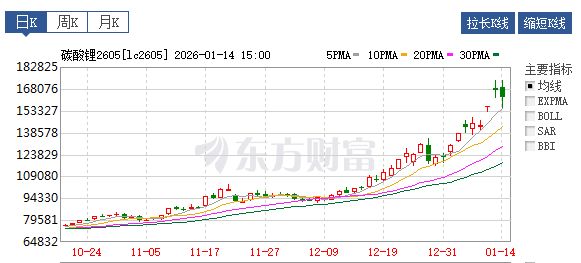
Group 1 - The core viewpoint of the article highlights the recent fluctuations in lithium carbonate futures prices, which reached a two-year high before experiencing a pullback, indicating a complex market influenced by both strong demand and short-term supply mismatches [1][4][7]. - On January 14, the main contract for lithium carbonate (lc2605) closed at 161,900 yuan/ton, down 3.53% from the previous day, after peaking at 173,400 yuan/ton during the day [1][4]. - The trading volume for lithium carbonate futures on that day was significant, amounting to 97.41 billion yuan, reflecting active market participation [1]. Group 2 - In 2025, lithium carbonate prices experienced dramatic fluctuations, initially declining to a low of 59,000 yuan/ton in June before rebounding due to increased downstream demand and supply disruptions, ultimately reaching a high of 134,500 yuan/ton in December [2]. - The current market is characterized by a slight oversupply, with a supply-demand gap of 47,000 tons of lithium carbonate equivalent (LCE) expected to persist into 2026 [8]. - Despite the optimistic outlook from leading lithium companies regarding demand, experts caution that the recent price increases are primarily driven by temporary factors, including supply constraints and unexpected demand surges [7][9]. Group 3 - The rising prices of lithium carbonate have directly increased production costs for lithium iron phosphate (LFP) materials, with estimates indicating that the cost of producing one ton of LFP has risen by approximately 2,550 yuan due to the price increase of lithium carbonate [10]. - Major LFP manufacturers are responding to cost pressures by either raising prices or halting production for maintenance, while simultaneously accelerating expansion plans to capture market share in anticipation of future demand growth [10][13]. - The competitive landscape is intensifying, particularly with the potential entry of South Korean companies into the U.S. market, which could pose additional challenges for Chinese exporters [13]. Group 4 - The demand for energy storage is expected to grow significantly, driven by the rapid development of wind and solar energy, with new energy storage installations in China increasing by 75% year-on-year in the first three quarters of 2025 [14]. - As investment economics for energy storage projects improve, this sector is projected to become a significant driver of lithium demand, with estimates suggesting a demand increase of 60.5 thousand tons of LCE by 2026 [15]. - The recent adjustments in export tax policies for battery products may have contributed to short-term price increases for lithium carbonate, highlighting the interconnectedness of market dynamics [15]. Group 5 - The rising costs of lithium carbonate are impacting the overall cost structure of energy storage systems, with projections indicating that a 10% increase in battery costs could lead to a 3% rise in EPC costs and a decrease in internal rate of return (IRR) by 0.66 percentage points [16]. - The cost of producing energy storage cells is significantly affected by lithium carbonate prices, with calculations showing that each 10,000 yuan increase in lithium carbonate price raises the cost of producing 1 kWh of cells by approximately 5.7375 yuan [16]. - The overall cost of core raw materials, including lithium carbonate, constitutes about 26% of the total cost of energy storage batteries, underscoring the importance of stable pricing in this sector [16].
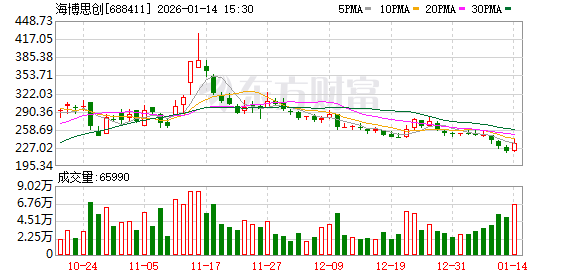
海博思创荣登2025北京企业百强榜
Zheng Quan Ri Bao· 2026-01-14 11:09
Group 1 - Haibo Sichuang Technology Co., Ltd. has been awarded five honors, including the 2025 Beijing Top 100 Enterprises and the 2025 Beijing Manufacturing Industry Top 100 [2] - The "2025 Beijing Top 100 Enterprises" list evaluates companies based on scale, efficiency, innovation, and social contribution, highlighting Haibo Sichuang's leading position among capital enterprises [2] - The evaluation was organized by the Beijing Enterprise Federation and the Beijing Entrepreneurs Association, ensuring high credibility and social influence [2] Group 2 - In 2025, Haibo Sichuang aims for high-quality development driven by innovation and strategic upgrades, having been recognized as a national enterprise technology center [3] - The company has implemented its "Energy Storage + X" strategy, achieving breakthroughs in various sectors such as independent energy storage stations and data centers, with a global presence in over 20 countries across five continents [3] - Haibo Sichuang is committed to deepening energy storage technology innovation and expanding application scenarios to contribute to the national "dual carbon" goals [3]
引领全链技术创新 上海电气斩获6项“风电领跑者”奖项
Xin Hua Cai Jing· 2026-01-14 10:41
Core Viewpoint - Shanghai Electric Wind Power Group has demonstrated its comprehensive strength in high-end wind power equipment and intelligent services by winning six "Wind Power Leader" awards at the 2025 Wind Power Leader Technology Innovation Forum, showcasing advancements in both onshore and offshore wind turbines as well as after-market services [1] Group 1: AI and Innovation - The company’s AI-based technology for health monitoring and fault diagnosis of large wind turbine blades won the Annual Best Innovative Product Award, achieving over 95% accuracy in early anomaly detection and has been applied in multiple wind farms [2][4] - Shanghai Electric is leading a national key R&D project focused on AI applications in wind power equipment, aiming to optimize intelligent design, manufacturing, and operation processes [4] Group 2: Onshore Wind Turbines - The EW6.25-220 model received the Best Onshore Unit Award, designed for ultra-low wind speed markets, featuring a full carbon fiber main beam that enhances reliability and reduces load on key components [5][7] - The model integrates AI to support intelligent operations, disaster warnings, and optimize power generation strategies, reinforcing its position in the onshore wind power sector [5] Group 3: Offshore Wind Turbines - The EW12.6-270 and EW25.0-310 models won Best Offshore Unit Awards, with the former designed for mid-low wind speed areas and the latter capable of withstanding extreme weather conditions, showcasing advanced design and operational capabilities [7] - The EW25.0-310 features a 25 MW capacity and is equipped with distributed energy storage technology, enhancing grid adaptability and peak regulation capabilities [7] Group 4: Service Innovations - The S68.5 blade extension project and the Intelligent Yaw 2.0 system received the Best Service Product Award, significantly improving energy output and operational reliability for existing wind turbines [8][10] - The S68.5 project extends blade length from 66 meters to 68.5 meters, increasing the swept area and theoretical energy generation by 4%-7%, with a payback period of approximately 3.4 years [8] - The Intelligent Yaw 2.0 system replaces traditional components with advanced controls, enhancing machine reliability and reducing long-term maintenance costs [10] Group 5: Future Directions - Shanghai Electric aims to continue driving high-quality development in the renewable energy sector through technological innovation, focusing on strategic emerging industries and key core technologies to contribute to a new energy system and carbon neutrality goals [10]