大模型

Search documents
策略点评:Moltbot催化AIagent产业链投资机会
Bank of China Securities· 2026-01-30 02:39
Core Insights - Moltbot has high commercial potential and is expected to catalyze investment opportunities in the AI agent industry chain [1][4] - The core design of Moltbot transforms personal AI assistants from passive tools into proactive, convenient, and privatized "digital partners" [2][3] - Major model vendors like Tencent and Alibaba are accelerating their integration with Moltbot, indicating its significant ecological value [4] Investment Opportunities - Moltbot is anticipated to drive growth in the AI agent industry chain, focusing on key segments such as AI agents, cloud services, computing power, storage, and major model vendors [5] - The use of Moltbot will lead to increased API calls to large models, generating revenue growth for model vendors [5] - Cloud service providers will benefit from the demand for infrastructure support required for the increased usage of large model APIs [5] Market Performance - The report includes a stock pool focusing on AI agents, cloud services, and storage, highlighting companies with significant price changes and P/E ratios [6][7] - Specific companies such as 彩讯股份 (23.90% increase), 浙文互联 (76.21% increase), and 值得买 (64.74% increase) are noted for their performance since 2026 [6]
200+企业集结,AI巨头同台竞演!CES Asia2026打造亚洲科技产业新坐标
Sou Hu Cai Jing· 2026-01-30 02:39
Core Insights - CES Asia 2026 will be held in Beijing from June 10 to 12, 2026, focusing on building a global AI technology showcase and cross-industry collaboration hub [2] - Over 200 companies from 28 countries and regions will participate, with international exhibitors accounting for over 40%, creating a top-tier innovation matrix in the Asian tech industry [3] Industry Trends - The exhibition will highlight three core breakthrough areas: large model innovation, embodied intelligence, and cross-industry integration, showcasing cutting-edge AI technologies and application results [4] - The event will feature the first compliant results following the implementation of China's national standard for large AI models, with major models like Huawei's Pangu and iFlytek's Spark being presented [4] Company Highlights - Major companies such as NVIDIA will showcase their new AI chip solutions based on the Blackwell architecture, while SK Telecom will present its 519 billion parameter "A.X K1 teacher model" [3] - Huawei will demonstrate its latest 5G+AI industrial solutions, which have achieved large-scale cooperation across multiple industries, significantly enhancing production efficiency [3] Collaboration Opportunities - CES Asia 2026 aims to create a comprehensive cross-industry cooperation system covering technology, capital, and market, with over 50 international professional purchasing groups expected to attend [6] - The event will host over 50 high-end parallel forums, inviting global tech leaders and industry experts to discuss the integration paths of AI with various sectors [6] Market Positioning - The exhibition is positioned as a strategic opportunity for companies to secure market positioning in the competitive global AI landscape, with over 80% of core exhibition spaces already booked [7] - The event serves as a critical platform for global tech companies to connect with the Asian market and achieve value growth, potentially reshaping the competitive landscape of the Asian AI industry [7]


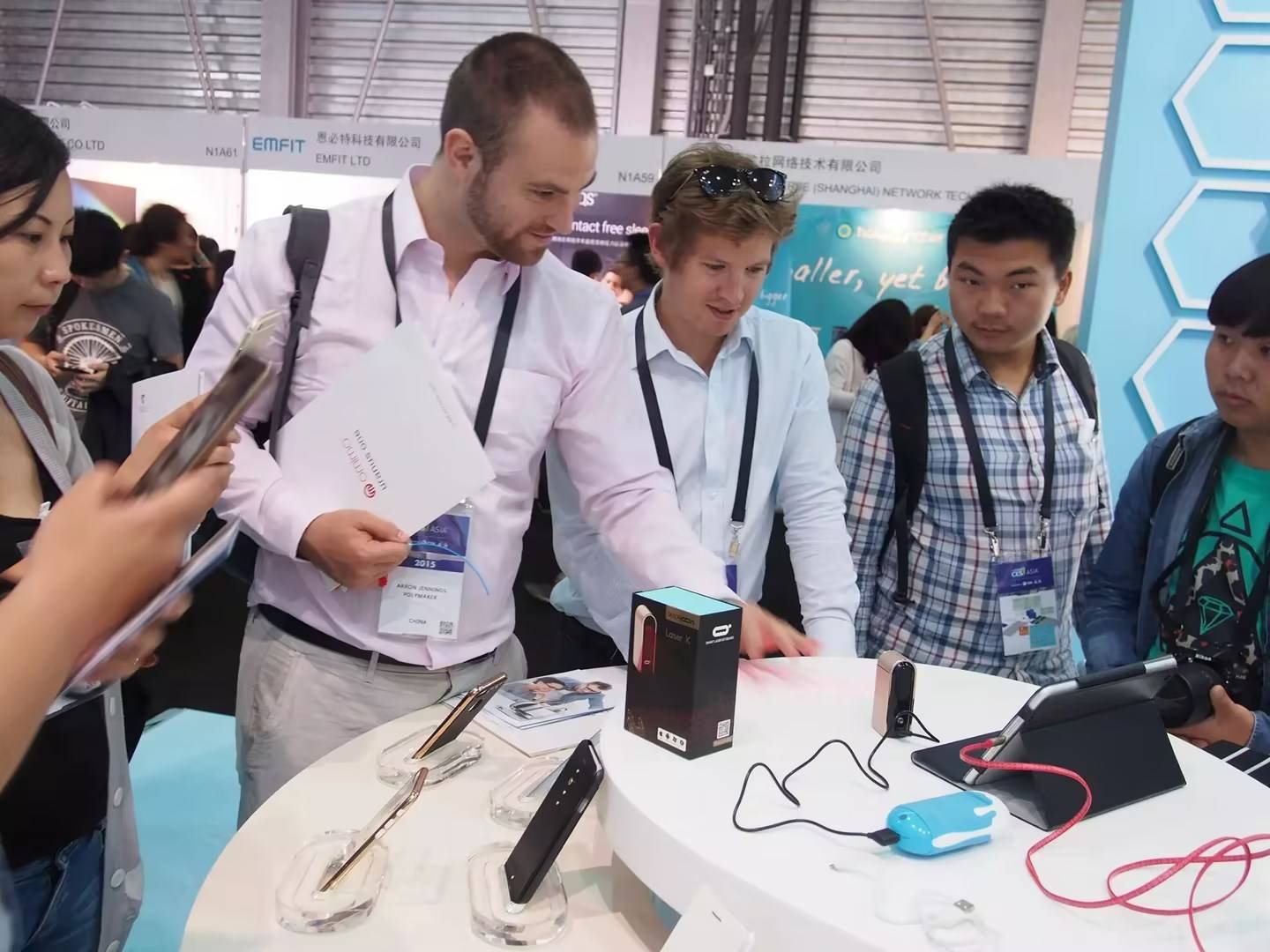
GPT 4o走进历史 OpenAI宣布停用多款大模型
Feng Huang Wang· 2026-01-30 00:07
Core Insights - OpenAI announced the discontinuation of several models, including the popular GPT-4o, starting next month [1][2] - The decision comes as only 0.1% of users currently utilize GPT-4o, with the majority opting for the newer GPT-5.2 model [1] - OpenAI has made improvements in model personality, customization, and creative thinking, deeming it the right time to retire GPT-4o [1] Summary by Sections Model Discontinuation - OpenAI will stop using multiple models in ChatGPT, including GPT-4o, GPT-4.1, GPT-4.1mini, and OpenAI o4-mini [2] - Previously announced removals also include GPT-5Instant and GPT-5Thinking [2] User Engagement - The usage of GPT-4o has significantly declined, with only 0.1% of users choosing this model [1] - The majority of users have shifted to the GPT-5.2 model, indicating a preference for newer offerings [1] Company Communication - OpenAI had previously assured users that they would be notified in advance about any model discontinuation [1] - CEO Sam Altman had committed to transparency regarding changes to model availability [1]

北京竞业达数码科技股份有限公司2025年度业绩预告
Shang Hai Zheng Quan Bao· 2026-01-29 19:32
Group 1 - The company expects a net profit for the year 2025, but it will decline by over 50% compared to the previous year [1] - The performance forecast period is from January 1, 2025, to December 31, 2025 [1] - The company has communicated with its auditing firm regarding the performance forecast, and there are no significant discrepancies [1][3] Group 2 - The company's overall operating revenue remained stable compared to the previous year, with growth in the smart rail business due to planned order deliveries [3] - The company is advancing its "AI+" development strategy, increasing investment in AI, large models, and intelligent technology for education and rail scenarios, which has led to an increase in sales, R&D, and management expenses by approximately 33 million yuan [3] - Improved management of accounts receivable has resulted in a significant reduction in credit impairment losses for two consecutive years, positively impacting operational quality and net profit [3] Group 3 - The company plans to continue focusing on the deep integration of AI technology with industry scenarios and accelerate the large-scale implementation of innovative results [4]
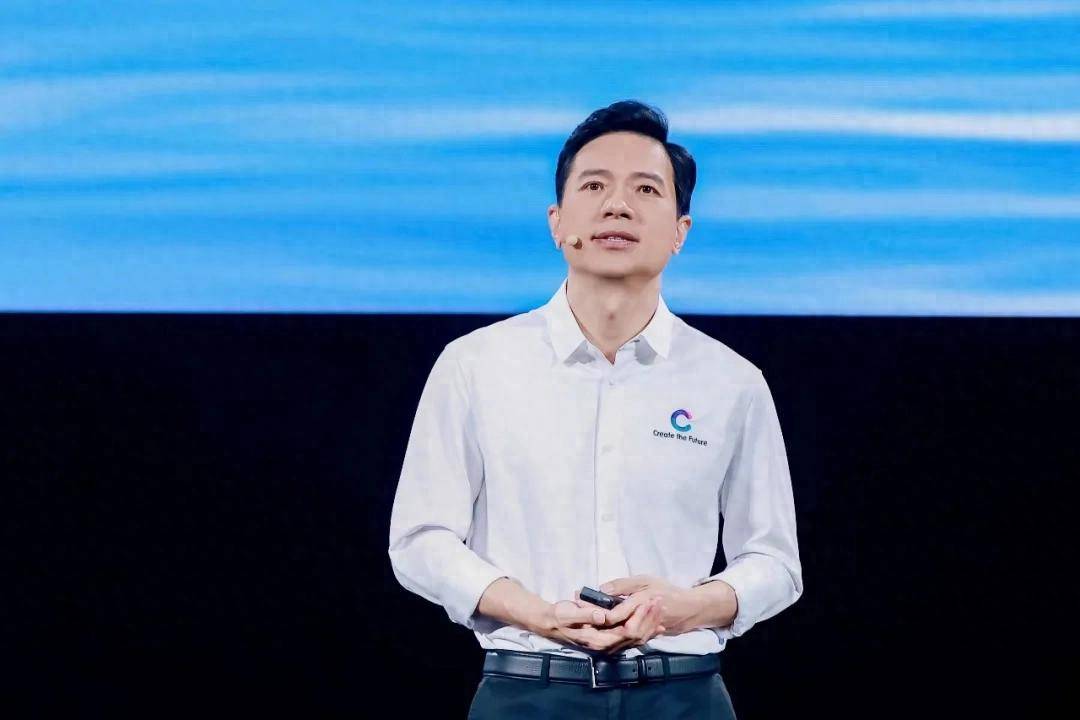
搜索失速、大模型遇阻,李彦宏的AI生死局
Sou Hu Cai Jing· 2026-01-29 15:44
Core Viewpoint - The upcoming AI red envelope competition during the 2026 Spring Festival is expected to be a critical battle for survival among tech giants, rather than just a traffic frenzy [2] Group 1: Strategic Moves and Financial Performance - Baidu has announced significant strategic moves, including the independent listing of its AI chip subsidiary Kunlun and the restructuring of its business units to focus on AI [2][13] - In Q3 2025, Baidu reported a long-term asset impairment loss of 16.2 billion yuan, while AI cloud revenue grew by 33% year-on-year, indicating a clear path for transformation [3] - The core online marketing revenue, primarily from search ads, plummeted by 18% year-on-year to 15.3 billion yuan, highlighting a structural decline in its traditional business [5] Group 2: Challenges in Search and AI Business - The decline in search business is attributed to a shift in user attention towards platforms like Douyin and WeChat, with average daily usage of search engines dropping from 47 minutes in 2020 to just 12 minutes in 2025 [5] - Baidu's attempt to restructure its search model using AI has raised concerns about its traditional revenue model, as direct answers from AI could reduce ad clicks and revenue [6] - The competitive landscape in the AI model sector has intensified, with new entrants disrupting Baidu's previous advantages, forcing the company to adopt an open-source strategy [8][9] Group 3: Organizational Restructuring and Future Outlook - Baidu has initiated significant layoffs, with reductions of 10%-30% across various departments, focusing resources on AI development [11] - The restructuring is seen as a move to consolidate power under CEO Li Yanhong, who aims to directly oversee AI research and development [12] - The success of Kunlun's upcoming IPO is critical for Baidu, as it could alleviate cash flow pressures and enhance its position in the AI chip market [13][17] Group 4: Long-term Viability and Investment Risks - Baidu's future hinges on its ability to find sustainable profit models for its AI initiatives and the successful commercialization of its large models [17] - The company faces high execution risks in its AI transformation, with short-term performance likely to be under pressure [17] - 2026 is positioned as a pivotal year for Baidu, where the outcomes of its restructuring and market strategies will determine its survival in the AI era [16][17]
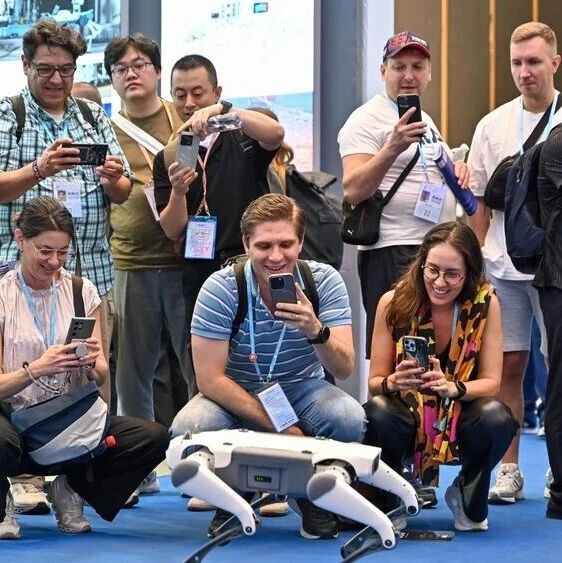
中美AI行业的关键时刻
虎嗅APP· 2026-01-29 14:10
Core Insights - The article discusses the significant developments in the AI industry in 2025, highlighting the emergence of Chinese AI companies like Deepseek, Manus, and Qwen, which are gaining global recognition and challenging the dominance of Silicon Valley giants [7][8]. Group 1: Key Events in AI Development - The Chinese AI company Deepseek made a notable impact during the Spring Festival of 2025, showcasing engineering capabilities that impressed Silicon Valley [10][11]. - Manus secured a $75 million investment from Benchmark, raising its valuation to $500 million, indicating a growing interest from U.S. investors in Chinese AI projects [13][15]. - The emergence of the "Reverse CFIUS" regulation has created a cautious environment for U.S. investments in Chinese AI companies, leading to a "chilling effect" among investors [18][19]. Group 2: Investment Trends - The AI application era has officially begun, with U.S. venture capitalists becoming more active in funding Chinese AI projects, driven by the success of models like Deepseek and Qwen [16][22]. - The article notes that investments exceeding $100 million require a clear separation from Chinese affiliations, as U.S. funds navigate the complexities of geopolitical tensions [23][24]. - The sentiment in the Chinese primary market is optimistic, with significant cash flow observed in the embodiment intelligence sector, driven by government support and market demand [30][33]. Group 3: Challenges and Opportunities - The article highlights the challenges faced by Chinese entrepreneurs in Silicon Valley, including cultural differences and the need for patience in adapting to the U.S. market [25][26]. - The success of Hygen, a Chinese AI startup, illustrates a potential pathway for other entrepreneurs, emphasizing the importance of capital isolation and market focus [27][28]. - The article discusses the rapid changes in the AI landscape, where the window for securing top projects is shrinking, making it increasingly difficult for investors to identify and fund disruptive innovations [50][51]. Group 4: Competitive Landscape - The competition among major AI players, particularly between OpenAI and Google, is intensifying, with both companies striving for dominance in the foundational model space [58][59]. - The article notes that NVIDIA continues to play a pivotal role in the AI ecosystem, forming strategic partnerships and acquiring key assets to maintain its competitive edge [62][64]. - Meta's recent acquisition of Manus reflects a strategic shift towards building strong AI agents, indicating a potential new direction for the company amidst its challenges in foundational models [70][71].

为什么是阶跃星辰?印奇挂帅拿下50亿融资!
Sou Hu Cai Jing· 2026-01-29 13:04
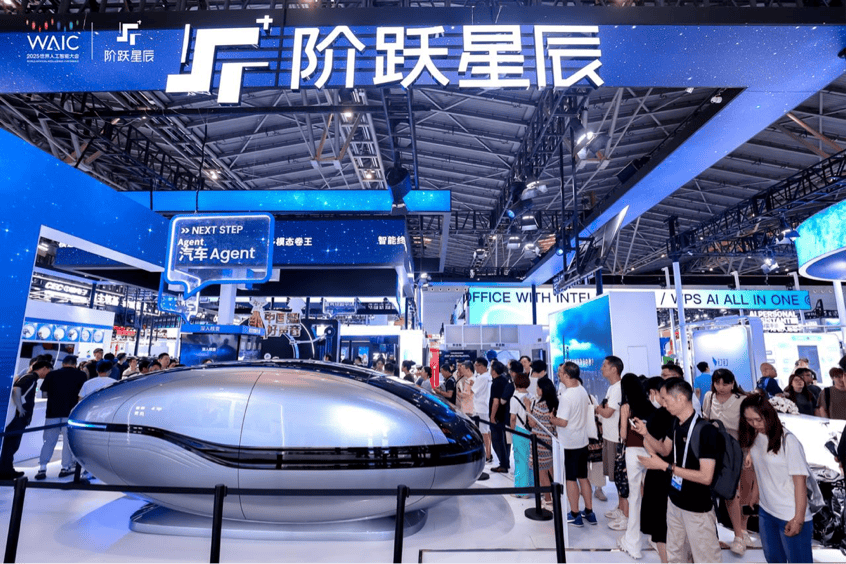
Core Insights - The company Jieyue Xingchen has completed a B+ round of financing, raising 5 billion, setting a record for the largest single financing in China's large model sector in the past 12 months [2] - The AI industry is transitioning from a period of rapid expansion (2024-2025) to a new phase that emphasizes demand fulfillment and efficiency competition [2] - Jieyue Xingchen's unique appeal to investors and top talent is attributed to its comprehensive approach to general, multimodal, and systematic development, aiming to bridge the digital and physical worlds [2][3] Financing and Investment - The financing round was led by the Shanghai National Investment Pioneer Fund, with participation from various state-owned and private investors, including Tencent and Qiming Venture Partners [12][15] - The diverse and heavyweight investor lineup reflects strong confidence in Jieyue Xingchen's "AI + terminal" strategy, marking it as a key player in the AI landscape [12][16] - The company has successfully attracted long-term capital, indicating a strong belief in the sustainable value of its underlying technology [15][16] Technological Development - Jieyue Xingchen has released over 30 large model products within three years, establishing a unique "1+2" foundational model system [3] - The company has iterated three generations of large language models, with the Step3-VL-10B model achieving superior performance in key benchmark tests [5][6] - The introduction of the PaCoRe parallel coordination reasoning mechanism allows for efficient execution of complex tasks on mobile devices, enhancing the practical application of AI [6] Market Position and Strategy - Jieyue Xingchen has successfully established commercial pathways in the automotive and mobile sectors, with significant growth in API call volumes and partnerships with major smartphone brands [6][8] - The company is recognized as a leading player in the industry, alongside other notable firms, and is positioned to capitalize on the growing demand for AI applications in physical spaces [8][12] - The strategic focus on integrating AI with consumer electronics, such as cars and smartphones, is seen as a sustainable path to commercial success [11][19] Industry Trends - The Chinese large model industry is shifting from a "hundred model war" to a phase focused on value verification and sustainable business models [17][18] - The successful IPOs of leading players signal a growing pressure on unlisted companies to demonstrate their value and commercial viability [17][18] - Future policies are expected to favor companies with foundational model capabilities and those that can deliver quantifiable value in specific verticals [19][20]
蚂蚁集团“全面进攻”阿里巴巴?
3 6 Ke· 2026-01-29 12:48
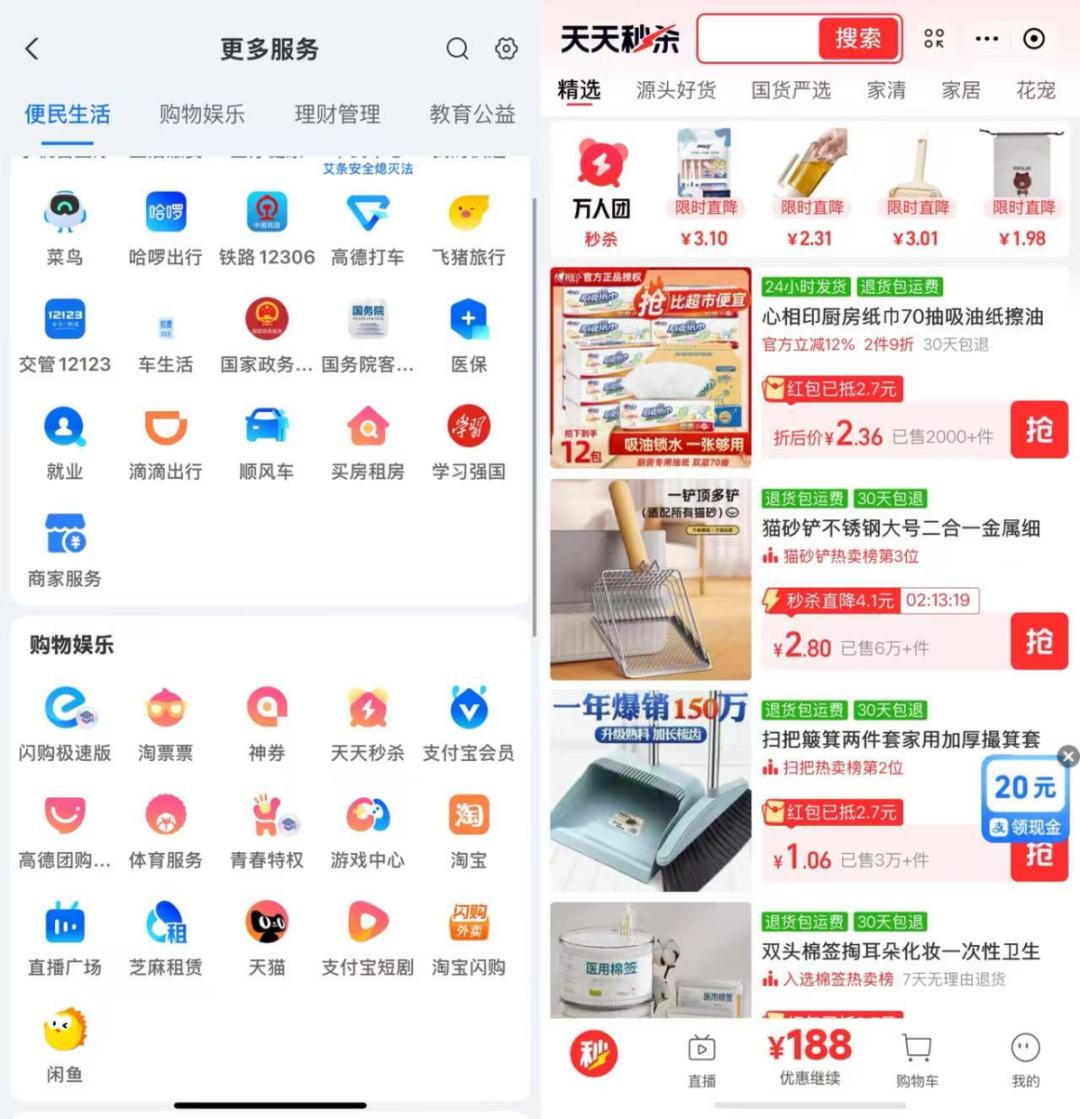
Core Insights - Ant Group and Alibaba are competing in the AI to C market, with both companies launching AI applications targeting consumer needs within a short timeframe [1][11][21] - Alibaba's "Qianwen App" and Ant Group's "Lingguang" are positioned as AI life and productivity entry points, respectively, indicating a strategic focus on consumer engagement through AI [1][11][21] - The competition between these two entities raises questions about the necessity of multiple overlapping products in a market where user attention is limited [20][21] Group 1: AI Product Launches - Alibaba officially announced the public testing of its personal AI assistant "Qianwen App," aiming to serve as a universal life entry point for consumers [1] - Ant Group launched its multimodal AI assistant "Lingguang," which emphasizes the ability to generate small applications in 30 seconds using natural language [1] - Ant Group upgraded its AI health product AQ to "Ant Afu," further expanding its consumer-facing services [1] Group 2: Functionality and User Engagement - Both Qianwen and Lingguang offer similar functionalities, including AI-generated content and daily task management, indicating a high degree of overlap [15][20] - Alipay is evolving into a comprehensive consumption platform, capable of performing tasks traditionally associated with Taobao and Tmall, thus broadening its user engagement [2][10] - Alipay's "Daily Flash Sale" feature has seen significant success, with record sales during major shopping events, showcasing its potential as a consumer project [2] Group 3: Membership and User Benefits - Alipay and Taobao membership systems are similar, but Alipay offers a broader range of benefits beyond shopping, including financial services and healthcare [4][9] - Alipay's diamond membership provides 41 benefits compared to Taobao's 18+, highlighting its competitive edge in user engagement [4][9] Group 4: Strategic Implications - The competition between Ant Group and Alibaba raises concerns about internal resource allocation and user attention, as both companies vie for the same consumer base [20][21] - Despite their historical ties, the regulatory environment has led to a separation in governance, yet both companies continue to share significant user bases and technological resources [18][19] - The strategic decision to launch multiple AI products simultaneously may reflect a defensive posture in a rapidly evolving market, but could also lead to inefficiencies [21]

累计107亿,2026春晚成AI修罗场,大厂聚首贴身对垒
3 6 Ke· 2026-01-29 12:48
Core Insights - The 2026 Spring Festival Gala has become a significant platform for major tech companies to showcase their capabilities in AI and marketing strategies [1][10]. Group 1: Major Company Initiatives - Baidu announced a 5 billion yuan cash red envelope initiative for the Spring Festival, while Tencent launched a 10 billion yuan cash red envelope campaign, aiming to replicate the success of previous years [2][11]. - ByteDance secured exclusive AI cloud partnership with CCTV for the Spring Festival Gala, marking its third collaboration with the event [3][10]. - Alibaba introduced its flagship AI model Qwen3-Max-Thinking, which is reported to be a significant advancement in China's AI capabilities [2][10]. Group 2: Historical Context and Trends - Since 2015, major internet companies have distributed approximately 10.7 billion yuan in cash red envelopes during the Spring Festival, highlighting the event's importance for brand visibility [5][7]. - The Spring Festival Gala has evolved from a traditional entertainment event to a strategic battleground for tech companies to engage with consumers and enhance brand influence [6][7]. Group 3: AI Competition and Market Dynamics - The competition for "AI super entry" among major players like Baidu, Tencent, Alibaba, and ByteDance is intensifying, with each company striving to establish a dominant position in the AI landscape [10][13]. - Goldman Sachs predicts that 2026 will be a pivotal year for internet giants, as they increase investments in consumer-facing AI technologies [13][15]. - The introduction of AI functionalities by various companies during the Spring Festival will serve as a test of their technical capabilities and user engagement strategies [11][12].

国产大模型竞技场:DS、元宝、豆包等谁执牛耳?
Sou Hu Cai Jing· 2026-01-29 12:37
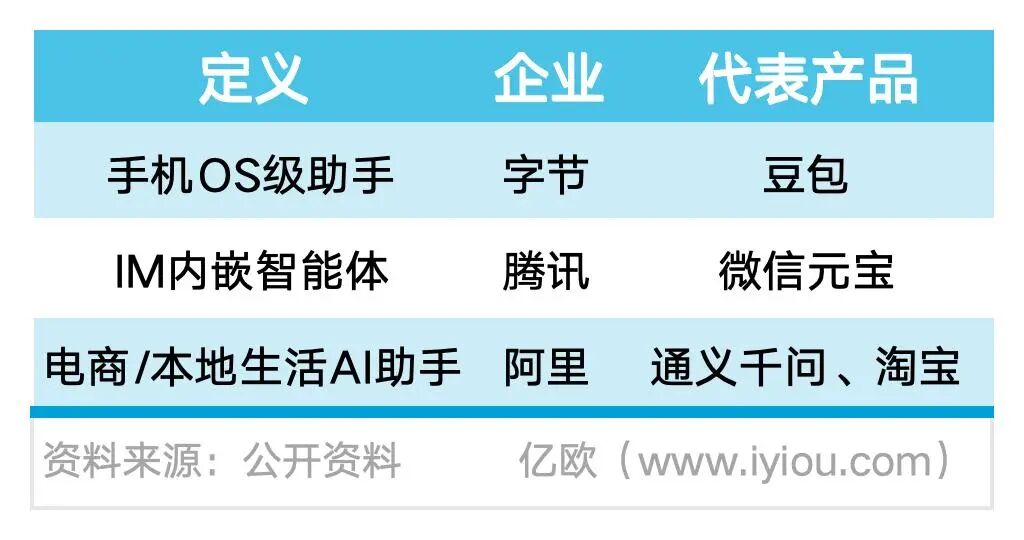
Core Insights - The Chinese large model industry has transformed from a "follower" to a "runner" and even a "leader" in certain areas by 2026, reshaping the global AI competitive landscape with breakthroughs in technology, ecosystem prosperity, and application capabilities [1] Group 1: Company Highlights - DeepSeek (DS) leads with its innovative Mixture of Experts (MoE) architecture and Multi-Head Potential Attention (MLA) mechanism, significantly reducing computational costs while maintaining high performance. The latest DS-V4 model surpasses GPT-4o in blind tests and offers a cost-effective API [2] - Tencent Yuanbao excels in multi-modal understanding and reasoning, leveraging Tencent's vast ecosystem data. Its Qwen3-Max-Thinking model achieves a 73.8% accuracy rate in complex tasks, outperforming Gemini 3 Pro [3] - ByteDance's Doubao 1.5Pro utilizes a large-scale sparse MoE architecture, achieving performance equivalent to a dense model with seven times the activation parameters while reducing inference costs by 40% compared to GPT-4o [4] Group 2: Industry Trends - The industry is witnessing verticalization in sectors like healthcare, education, and manufacturing, with significant advancements in specialized applications [6] - General scene integration is evident in office, e-commerce, and cross-border trade, with open-source strategies reshaping the global AI ecosystem. DS models have over 200,000 derivatives in the Hugging Face community, while Yuanbao's Qwen series has spawned over ten sub-models [7][8] - The commercialization of large models has entered a scalable phase, with DS serving over 2,000 enterprises and maintaining an 85% customer renewal rate. Yuanbao manages over 800 billion in assets in the financial advisory sector [9] Group 3: Future Outlook - The competition focus is shifting from "model capability" to "intelligent ecosystem," with DS developing technologies for human-like understanding and Yuanbao enhancing tool invocation capabilities [9][10] - The Chinese large model industry is positioned to further penetrate the physical world, becoming a "smart foundation" for new productive forces, emphasizing technological independence, deep scene cultivation, and open ecosystems [10]