
新型能源体系

Search documents
国家能源局:上半年全国能源供需总体宽松
Xin Hua Cai Jing· 2025-07-31 05:34
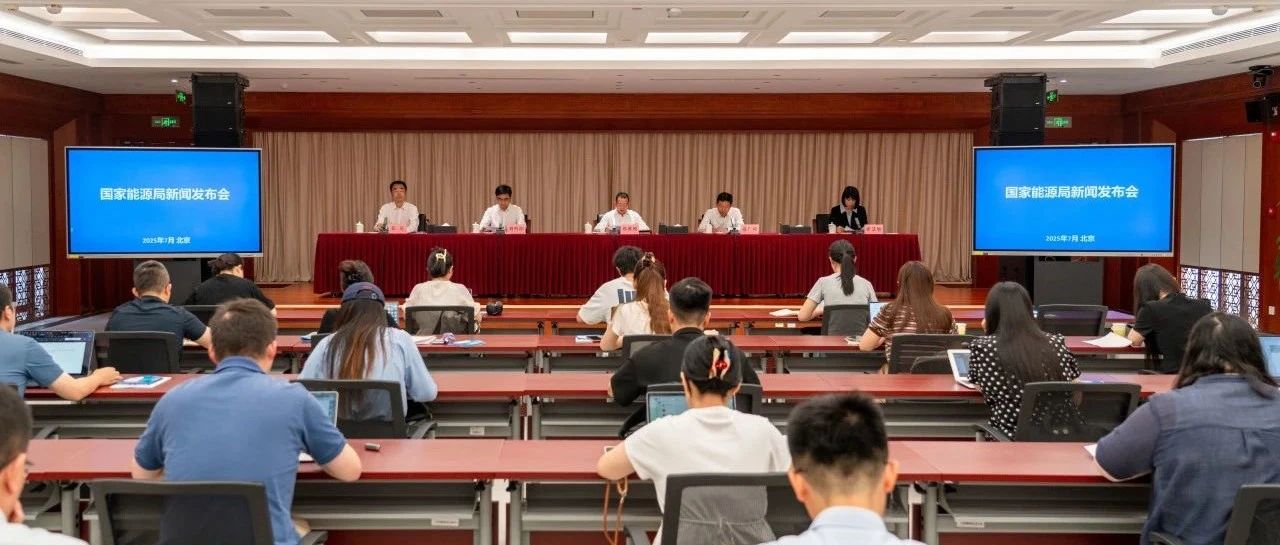
新华财经北京7月31日电(记者安娜) 国家能源局发展规划司副司长邢翼腾7月31日表示,今年上半 年,全国能源供应充足,供需总体宽松,能源结构持续优化,新型能源体系建设加快推进,助力我国经 济持续回升向好。 邢翼腾当日在国家能源局新闻发布会上说,今年上半年,全国能源形势主要有以下四个特点: 一是能源安全保障能力稳步提升。上半年,原煤生产平稳增长,规上工业原煤产量同比增长5.4%。油 气生产稳定增长,规上工业原油产量同比增长1.3%,规上工业天然气产量同比增长5.8%。扣除天数原 因,规上工业发电量日均同比增长1.3%。电力大范围优化配置能力进一步增强,陇东-山东、哈密-重庆 等特高压直流输电工程投产送电。迎峰度夏以来,有效应对15.08亿千瓦的历史最高用电负荷,全国未 实施有序用电。 二是绿色低碳转型加速推进。新能源装机保持快速增长。继3月底全国风电、太阳能发电装机历史性超 过火电后,5月底非化石能源发电装机容量占比首次突破六成。今年上半年,风电、太阳能发电新增装 机规模较去年同期翻一番。新型电力系统加快构建,组织开展新型电力系统建设第一批试点,支撑新能 源高质量发展。 三是能源消费总体保持增长。全社会用电量增 ...
国家能源局2025年三季度新闻发布会文字实录
国家能源局· 2025-07-31 05:22
Core Viewpoint - The report highlights the overall stability and growth of China's energy sector in the first half of the year, emphasizing the acceleration of green and low-carbon transitions, the increase in renewable energy capacity, and the effective measures taken to ensure electricity supply during peak summer demand [2][5][14]. Group 1: National Energy Situation - Energy supply is sufficient and overall demand is stable, with coal production increasing by 5.4% year-on-year and oil and gas production also showing growth [2][3]. - The share of non-fossil energy generation capacity surpassed 60% for the first time, with wind and solar power installations doubling compared to the same period last year [2][3]. - Electricity consumption is on the rise, with a year-on-year increase of 5.4% in June, driven by urban gas demand and a slight decrease in coal consumption [3][4]. Group 2: Renewable Energy Integration - Renewable energy installations reached 268 million kilowatts in the first half of the year, a 99.3% increase year-on-year, accounting for 91.5% of new installations [5][6]. - Renewable energy generation accounted for 39.7% of total electricity generation, with wind and solar power contributing significantly to the overall increase in electricity supply [6][7]. Group 3: New Energy Storage Development - The new energy storage capacity reached 94.91 million kilowatts, a 29% increase from the end of 2024, with significant contributions from regions like Inner Mongolia and Xinjiang [11][31]. - The utilization hours for new energy storage systems increased to approximately 570 hours, indicating improved efficiency and effectiveness in peak load management [32][33]. Group 4: Electricity Supply During Peak Summer - The maximum electricity load reached a historical high of 150.8 million kilowatts, with 19 provinces experiencing record-breaking loads [15][16]. - Measures were implemented to ensure stable electricity supply, including the addition of over 20 million kilowatts of new generating capacity and enhanced inter-provincial transmission capabilities [15][19]. Group 5: Green Certificate Market - The green certificate market saw a significant increase, with 1.371 billion certificates issued in the first half of the year, a 149% year-on-year growth [21][22]. - The trading volume of green certificates doubled, reflecting a growing recognition of renewable energy's environmental value [22].

国家能源局:加快构建高质量充电基础设施
Zheng Quan Ri Bao Zhi Sheng· 2025-07-31 05:20
Core Insights - The National Energy Administration (NEA) reported a stable energy supply and demand in the first half of the year, with significant progress in the construction of a new energy system, contributing to economic recovery [1][2]. Group 1: Energy Supply and Production - Energy security capabilities have steadily improved, with industrial coal production increasing by 5.4% year-on-year, crude oil production up by 1.3%, and natural gas production rising by 5.8% [1]. - Daily average industrial electricity generation increased by 1.3% year-on-year, excluding day count effects [1]. Group 2: Green and Low-Carbon Transition - The installed capacity of renewable energy continues to grow rapidly, with wind and solar power installations surpassing thermal power for the first time by the end of May [1]. - The share of non-fossil energy generation capacity exceeded 60% for the first time, with new installations of wind and solar power doubling compared to the same period last year [1]. Group 3: Energy Consumption Trends - Overall energy consumption has maintained growth, with electricity consumption growth stabilizing at 4.7% in April and 4.4% in May, and a year-on-year increase of 5.4% in June [2]. - Natural gas demand has seen slight growth, primarily driven by urban gas consumption, while refined oil consumption continues to decline due to the substitution effect of new energy vehicles and liquefied natural gas (LNG) heavy trucks [2]. Group 4: Policy Developments - A series of important policy measures have been introduced, including market-oriented pricing reforms for renewable energy and the establishment of basic rules for electricity auxiliary services and market transactions [2]. Group 5: Electric Vehicle Infrastructure - As of June 2025, the total number of electric vehicle charging facilities reached 16.1 million, with public charging facilities accounting for 4.096 million and private facilities for 12.004 million [3]. - The coverage rate of charging facilities in counties reached 97.08%, and in townships, it reached 80.02% [3]. - The total charging volume for new energy vehicles in the first half of the year was 54.923 billion kilowatt-hours, expected to be comparable to the annual output of the Three Gorges Dam [3]. Group 6: Future Plans - The NEA plans to enhance coordination and policy planning to improve the charging network and service quality, aiming to build high-quality charging infrastructure to better meet the needs of consumers purchasing and using new energy vehicles [4].
国家能源局:2025上半年新型储能装机94.91GW/222GWh,较2024年底增长约29%
中关村储能产业技术联盟· 2025-07-31 03:53
Core Viewpoint - The article discusses the current state and development of new energy storage in China, highlighting significant growth in installed capacity, utilization, and investment in renewable energy projects, as well as the government's efforts to ensure energy supply during peak demand periods. Group 1: New Energy Storage Development - As of mid-2025, the installed capacity of new energy storage in China reached 94.91 million kilowatts (22.2 billion kilowatt-hours), representing a growth of approximately 29% compared to the end of 2024 [1][41] - The main growth regions for new energy storage are North China, Northwest China, and Southern regions, accounting for over 80% of the national increase in installed capacity [2][42] - The equivalent utilization hours for new energy storage nationwide were approximately 570 hours, an increase of over 100 hours year-on-year, indicating enhanced operational efficiency [3][43] Group 2: Renewable Energy Integration - In the first half of 2025, renewable energy accounted for nearly 60% of the total installed capacity in China, with a significant increase in new installations, particularly in solar and wind energy [15][16] - The total renewable energy generation reached 1,799.3 billion kilowatt-hours, a year-on-year increase of 15.6%, making up 39.7% of the total electricity generation [16][17] - The report indicates that the average utilization rate for wind energy was 93.2%, reflecting the effective integration of renewable sources into the energy grid [18] Group 3: Investment Trends - Investment in energy infrastructure exceeded 1.5 trillion yuan, with a year-on-year growth of 21.6%, indicating a strong focus on renewable energy projects [39][40] - Investment in hydrogen energy projects doubled, and the construction of charging infrastructure for electric vehicles saw a nearly 70% increase [4][5] - The new energy storage and integrated energy systems saw investment growth exceeding 30%, showcasing the sector's rapid development [5][40] Group 4: Energy Supply Assurance - During the peak summer demand period, the maximum electricity load reached a historical high of 15.08 million kilowatts, with measures in place to ensure stable electricity supply [25][26] - The government has implemented various strategies to enhance electricity supply, including monitoring and optimizing power resource allocation [27][28] - The coal supply remains stable, with coal production and inventory levels being maintained at high levels to support electricity generation during peak demand [44]
刘宁王凯会见国家电网公司董事长张智刚总经理庞骁刚
He Nan Ri Bao· 2025-07-30 23:10
省领导安伟、陈星、李涛,国家电网公司党组副书记邵国勇参加会见。(记者 刘婵 张笑闻) 责任编辑: 王靖 刘宁、王凯代表省委、省政府向张智刚、庞骁刚一行表示欢迎,感谢国家电网公司在稳定经济增长、服 务经营主体、建设美丽乡村等方面给予河南的大力支持。刘宁说,当前,全省上下正深入学习贯彻习近 平总书记在河南考察时重要讲话精神,落实"四个革命、一个合作"重要要求,持续加大电网投入,加快 构建新型电力系统、建设新型能源体系,着力推进全面绿色转型,积极融入服务全国统一大市场建设, 奋力谱写中原大地推进中国式现代化新篇章。河南的高质量发展离不开电力能源的有力保障,希望国家 电网公司继续发挥资金、人才、技术等优势,进一步加大在豫投资力度,在农村和城市配电网改造升 级、打造外电入豫通道、智能化电网建设、降低用电成本、关键技术研究转化和先进电力设备制造等方 面深化合作,助推河南更好融入全国统一电力市场建设,为河南经济社会发展提供坚实能源支撑。我们 将持续营造一流营商环境,强化各类要素保障,为企业在豫发展提供更优服务、创造良好条件。 张智刚、庞骁刚感谢河南省委、省政府长期以来对国家电网公司工作的关心支持。张智刚表示,河南是 人口大 ...
新型能源体系专题报告:多重因素有望促新能源发电行业高质量发展
Dongguan Securities· 2025-07-30 09:28
Investment Rating - The report maintains an "Overweight" rating for the renewable energy generation industry, indicating a positive outlook for high-quality development driven by multiple factors [1]. Core Insights - The renewable energy generation industry is expected to experience high-quality development due to the implementation of market-oriented reforms by the National Development and Reform Commission and the National Energy Administration [2][15]. - The capacity for renewable energy consumption is set to improve with initiatives such as the construction of smart microgrid projects and shared energy storage stations [2][23]. - The completion of ultra-high voltage power grids will facilitate the long-distance transmission of electricity, enhancing the consumption of renewable energy [2][27]. - Continuous efforts to address historical subsidy arrears are anticipated to improve the accounts receivable situation for renewable energy companies [2][28]. Summary by Sections 1. Building a New Energy System to Support Renewable Energy Development - The construction of a new energy system is progressing steadily, with significant goals set for renewable energy capacity by 2025 [9]. - Policy support is expected to promote high-quality development in the renewable energy sector, with a focus on large-scale wind and solar projects [11][12]. 2. Multiple Factors Enhancing Efficiency in the Renewable Energy Generation Industry - A series of measures are anticipated to enhance the capacity for renewable energy consumption, including the establishment of intelligent microgrids and virtual power plants [2][24]. - The ongoing resolution of subsidy arrears is expected to positively impact the financial health of renewable energy companies [2][28]. 3. Investment Recommendations and Key Company Analysis - The report suggests focusing on companies such as Three Gorges Energy, Longyuan Power, Xintian Green Energy, and Solar Energy, which are well-positioned to benefit from the industry's growth [2][36]. - Three Gorges Energy is recognized for its significant installed capacity in wind and solar energy, maintaining a leading position in the offshore wind sector [38][39]. - Longyuan Power is noted for its large-scale project development and innovative technologies in the renewable energy space [40][41]. - Xintian Green Energy is expanding its wind resource reserves and enhancing its natural gas business, indicating robust growth potential [43][44]. - Solar Energy leverages its central enterprise brand advantage and resource strengths to provide comprehensive solar solutions [45][46].




64.23GW!国家电网开展大规模新型储能集中调用,顶峰能力堪比3座三峡
中关村储能产业技术联盟· 2025-07-30 06:39
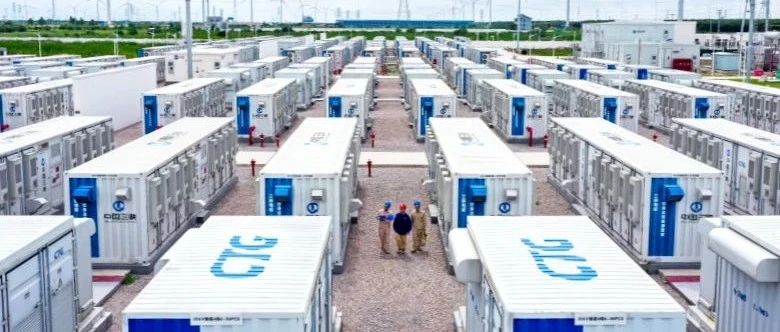
Core Viewpoint - The article highlights the significant role of new energy storage systems in supporting the power supply during peak demand periods, showcasing their capacity and effectiveness in various regions across China [1][4][5]. Group 1: New Energy Storage Capacity and Performance - As of now, the maximum adjustable power of new energy storage in the operational area of the State Grid Corporation has reached 64.23 GW, with a real-time maximum discharge power of 44.53 GW, marking a 55.7% increase compared to the same period last year [1]. - During the peak summer period, new energy storage systems have demonstrated the ability to fully utilize their capacity in regions like Jiangsu, Fujian, Hubei, Shanxi, and Tianjin, significantly enhancing power supply capabilities [1]. - In Jiangsu, 93 new energy storage stations achieved a maximum discharge power of 714 MW, accounting for 94% of the installed capacity of new energy storage in the province [3]. Group 2: Importance of New Energy Storage in Power Systems - New energy storage is identified as a key technology for building a new energy system and power grid, capable of flexibly responding to grid demands and playing a role in peak shaving and valley filling [1]. - The peak capacity of new energy storage during the summer evening peak is equivalent to nearly three Three Gorges hydropower stations, providing substantial support during high electricity demand periods [1]. - The development of new energy storage is crucial for optimizing the allocation of power resources and promoting the advancement of storage technology, which is essential for the construction of a new power system [4]. Group 3: Regional Initiatives and Achievements - In Yunnan, a large-scale concentrated charging and discharging test was conducted, achieving a maximum charging power of 479 MW and a maximum discharging power of 474 MW, with utilization rates of 96% and 95% respectively [5]. - Yunnan has surpassed 5 million kW in new energy storage installations, ranking first among the five southern provinces, significantly enhancing the region's power system regulation capabilities [5]. - The next steps for Yunnan's power grid company include utilizing market mechanisms for scientific deployment of new energy storage systems to enhance supply security and promote clean energy consumption [5].
国网新源发布的新一代抽水蓄能研究阶段性成果有哪些具体内容?
Zhong Guo Dian Li Bao· 2025-07-25 02:49
Core Viewpoint - The development of pumped storage hydropower in China is entering a new phase focused on high-quality exploration, emphasizing its role as a crucial component for the stability and safety of the new energy system [2][3]. Industry Development Status - The pumped storage capacity in China exceeds 60 million kilowatts, with significant ongoing construction, showcasing a trend of diversified investment and multiple application scenarios [3]. - Despite rapid growth in scale, the industry faces challenges in innovation, particularly in planning, equipment upgrades, and the application of new technologies [3]. Economic Viability of Projects - The new management measures for pumped storage project development aim to standardize the development order and eliminate extra burdens, gradually restoring investment value [4]. - The economic characteristics of pumped storage projects are complex due to their public good nature, where benefits are shared across various stakeholders, making precise benefit allocation challenging [4]. - Investment costs are influenced by factors such as contingency fees and interest during construction, which can exceed 20% of project estimates, necessitating a comprehensive evaluation of economic viability [4]. Relationship with New Energy Storage Technologies - New energy storage technologies have seen rapid development, surpassing pumped storage in installed capacity, but they do not hinder the growth and innovation of the pumped storage sector [6]. - Both technologies should develop synchronously, considering their unique characteristics and application scenarios, to avoid resource misallocation [7]. New Generation Pumped Storage Research - The new generation of pumped storage technology aims to overcome industry shortcomings and achieve safe, economical, reliable, and efficient development [8]. - This new technology focuses on expanding regulation types, enhancing quality, and optimizing costs, with an emphasis on innovation across various operational aspects [9]. Future Development Initiatives - The company plans to deepen research in critical areas such as design, equipment manufacturing, and operational control, promoting collaborative innovation across the industry [9]. - There is a commitment to demand-oriented development, tailoring power station functions to meet specific system needs and enhancing adaptability [9]. - Efforts will be made to improve policies that attract resources and investment, fostering a conducive environment for the growth of pumped storage projects [9].

山西能源化工界学贯总书记重要讲话精神
Zhong Guo Hua Gong Bao· 2025-07-25 02:19
Group 1 - Xi Jinping's visit to Shanxi Province emphasizes the importance of accelerating the construction of a new energy system and modern industrial system, aiming to inject new energy into the modernization of Shanxi [1] - The Shanxi Provincial Committee emphasizes the need to ensure national energy security and promote comprehensive energy revolution reforms, focusing on new energy and new materials [1][2] - Shanxi's development plan includes advancing energy transition, enhancing energy efficiency, and promoting green transformation across the economy and society [1][2] Group 2 - Shanxi's industrial sector aims to develop emerging industries and future industry tracks, focusing on "green energy+" initiatives to create a competitive modern industrial system [2] - Companies like Shanxi Tianze Coal Chemical Group are exploring high-end chemical products and extending product chains through digital and green technologies [2] - Shanxi Pengfei Group emphasizes the role of intelligent empowerment in enhancing safety and contributing to a clean, low-carbon, and efficient modern energy system [3]
“用镜头感知、记录中国发展”
Ren Min Ri Bao· 2025-07-22 21:51
Group 1: Silk Road International Youth Imaging Exchange Program - The "Silk Road International Youth Imaging Exchange Program" recently held a creative camp in Yinchuan, involving scholars, young creators, and media reporters from nearly 30 countries [1] - Participants engaged in a week-long imaging creation exchange, training, and joint shooting practice to understand China's development and explore new Silk Road stories [1] Group 2: Desertification Control and Green Energy Development - The city of Zhongwei has successfully retreated the desert by 25 kilometers through a "five belts and one body" windbreak and sand fixation system, increasing vegetation coverage from 5% to 70% [2] - The innovative "grass grid" method, developed over generations, is recognized as a valuable experience for combating desertification, especially for countries facing similar threats [2] - Zhongwei is exploring new energy systems by integrating sand control with energy development, exemplified by the solar photovoltaic base in the Tengger Desert, which combines power generation with ecological restoration [2] Group 3: Transformation of Traditional Industries - Ningxia Shared Group is undergoing a transformation from traditional casting to a "smart factory" and high-end equipment manufacturing, utilizing advanced technologies like 3D printing and automated transport [3] - Zhongwei has become a national new internet exchange center and part of a major data center cluster, showcasing the rapid development of China's digital economy [3] - The region's historical significance as a key point on the ancient Silk Road is highlighted alongside its modern technological advancements, emphasizing China's commitment to openness and cooperation in the Belt and Road Initiative [3]