
耐心资本

Search documents
武汉首提建设全国科技金融中心:3000亿耐心资本引领,多项创新举措首试首发
2 1 Shi Ji Jing Ji Bao Dao· 2025-06-19 09:33
Core Viewpoint - Wuhan is accelerating the construction of a technology finance system that aligns with technological innovation, aiming to establish itself as a national technology finance center by 2027 through a comprehensive action plan [1][2]. Group 1: Action Plan Overview - The action plan outlines five major actions: nurturing patient capital, improving technology credit quality, building a multi-level capital market, risk compensation sharing, and optimizing the technology finance ecosystem [2]. - By 2027, Wuhan plans to establish over 50 specialized technology finance institutions and achieve a scale of over 300 billion yuan in equity investment funds and over 500 billion yuan in loans to technology enterprises [2]. Group 2: Government Investment Fund Role - The action plan emphasizes the role of government investment funds in guiding technology finance, with a focus on nurturing patient capital [3][4]. - Wuhan has integrated two government industry funds, which have collectively participated in the establishment of 111 funds and invested over 20.4 billion yuan, attracting over 83.4 billion yuan in social capital [4]. Group 3: Technology Credit Expansion - The action plan aims to enhance the technology credit service system by encouraging banks to establish specialized technology finance institutions and improve credit access for technology enterprises [7][8]. - As of June 11, 2023, Wuhan has issued 36.563 billion yuan in knowledge value credit loans to 4,287 technology enterprises, with plans to further innovate credit products [9]. Group 4: Multi-Level Capital Market Development - Wuhan is committed to developing a multi-level capital market, supporting the listing of technology enterprises through a structured nurturing approach [10][11]. - The city has seen significant progress in nurturing companies for capital market competition, with eight new domestic and foreign listed companies in 2024 [11]. Group 5: Mergers, Acquisitions, and Bond Financing - The action plan supports mergers and acquisitions for technology enterprises, allowing up to 80% loan coverage for controlling acquisitions [12]. - Since the introduction of the bond market "technology board" policy, Wuhan has successfully issued 172 billion yuan in technology innovation bonds, with 12 enterprises participating [13].
Rime创投日报:更大力度培育壮大耐心资本、长期资本,优化“募投管退”-20250619
Lai Mi Yan Jiu Yuan· 2025-06-19 08:25
Investment Rating - The report does not explicitly provide an investment rating for the industry Core Insights - The report highlights a total of 33 disclosed investment events in the domestic and international venture capital market, with 25 domestic companies and 8 foreign companies, raising a total of approximately 3.292 billion yuan [3] - The report emphasizes the establishment of various funds focusing on sectors such as biomedicine, new energy, intelligent manufacturing, and artificial intelligence, indicating a trend towards specialized investment in high-growth industries [5][6][12] Summary by Sections Fundraising Events - Mifang Health Fund has completed the fundraising for a new USD VC fund, focusing on early-stage pharmaceutical innovations and has already invested in several promising projects [4] - Zhengzhou Economic Development Zone has established its first industrial venture capital mother fund with a total scale of 5 billion yuan, targeting investments in new energy, intelligent connected vehicles, and biomedicine [5] - Beijing Mentougou District has launched the Jingxi Ruiling Fund with a target scale of 3 billion yuan, focusing on artificial intelligence and smart manufacturing [6] Major Financing - Pashini Perception Technology has completed a new round of A-series financing amounting to several hundred million yuan, aimed at advancing its core tactile perception technology and expanding production lines [7] - Ouyue Semiconductor has secured nearly 100 million yuan in B3 round financing to enhance collaboration in automotive AI computing and optical sensing [8][9] - Multiverse Computing has raised 215 million USD in B round financing to accelerate the adoption of its quantum software technology [10] Global IPO - Haitian Flavor Industry has officially listed on the Hong Kong Stock Exchange with an issue price of 36.3 HKD, being a leader in the Chinese condiment industry and among the top five globally [11] Policy Focus - The Chairman of the China Securities Regulatory Commission emphasized the need to cultivate patient and long-term capital, focusing on private equity fund operations [12][13] - The Central Financial Committee has issued opinions to support the construction of Shanghai as an international financial center, aiming for significant improvements in financial system adaptability and competitiveness over the next five to ten years [14]
【新华解读】推动科技创新和产业创新融合发展 证监会主席吴清明确资本市场改革创新重要主线
Xin Hua Cai Jing· 2025-06-19 03:01
Group 1 - The core viewpoint emphasizes the need for better integration of technology innovation and industrial innovation through the capital market's hub function, which is crucial for the high-quality development of the capital market [1][2][4] - The capital market is seen as a vital component in supporting the transformation and upgrading of technology and industry, with recent reforms aimed at optimizing the system and product supply to attract resources to innovation [4][6] - The integration of technology, capital, and industry is highlighted as a significant theme for current and future capital market reforms, which is essential for fostering a virtuous cycle among these elements [4][5] Group 2 - The Chinese Securities Regulatory Commission (CSRC) is focusing on enhancing the inclusiveness and adaptability of the financial service system to better support technology and industrial innovation [2][6] - Key measures include leveraging the Sci-Tech Innovation Board as a testing ground for reforms, promoting long-term capital, and creating a more open and inclusive capital market ecosystem [6][7] - Recent initiatives include the introduction of a new tier for the Sci-Tech Innovation Board to accommodate unprofitable companies and expanding listing standards to cover emerging industries like artificial intelligence and commercial aerospace [7][8]
试验田中的试验田!多项金融举措发布 陆家嘴论坛亮点满满→
Yang Shi Xin Wen· 2025-06-19 01:50
Group 1 - The China Securities Regulatory Commission (CSRC) announced the establishment of a "Growth Layer" on the Sci-Tech Innovation Board to support high-quality technology companies in their listing and financing efforts [1][4] - The Shanghai Stock Exchange (SSE) has drafted guidelines for the Growth Layer, which includes 12 articles focusing on the layer's positioning, scope, delisting conditions, and enhanced information disclosure requirements [1][6] - The Growth Layer will include all unprofitable technology companies, with new companies needing to achieve either a biannual profit of 50 million or a single-year profit with revenue exceeding 100 million to graduate from this layer [3][4] Group 2 - CSRC aims to promote the participation of social security funds, insurance capital, and industrial capital in private equity investments to broaden funding sources [7][9] - The new measures will create a long-term funding supply system combining state-backed and market-driven capital, particularly improving the financing environment for hard-tech companies [9][12] - The optimization of the physical distribution of stocks and the introduction of a "reverse linkage" mechanism will facilitate smoother exit mechanisms for private equity funds [11][12] Group 3 - The People's Bank of China proposed a pilot program for comprehensive reforms in offshore trade finance services in the Shanghai Lingang New Area, aligning with international standards [13][15] - The offshore trade turnover in the Lingang New Area reached approximately $8.153 billion in Q1 2025, marking a year-on-year increase of 56.67% [17] - The pilot program aims to attract more global resources and enhance Shanghai's influence in global trade finance rule-making [19] Group 4 - The optimization of the Free Trade Account system aims to enhance the convenience of cross-border trade and investment [20][21] - By the end of 2024, Shanghai had opened 170,000 Free Trade Accounts, with an annual growth rate of over 30% in cross-border transactions [23] - The upgraded Free Trade Account functions will deepen cross-border financial policies and services, providing more financial support for cross-border enterprises [23][25]


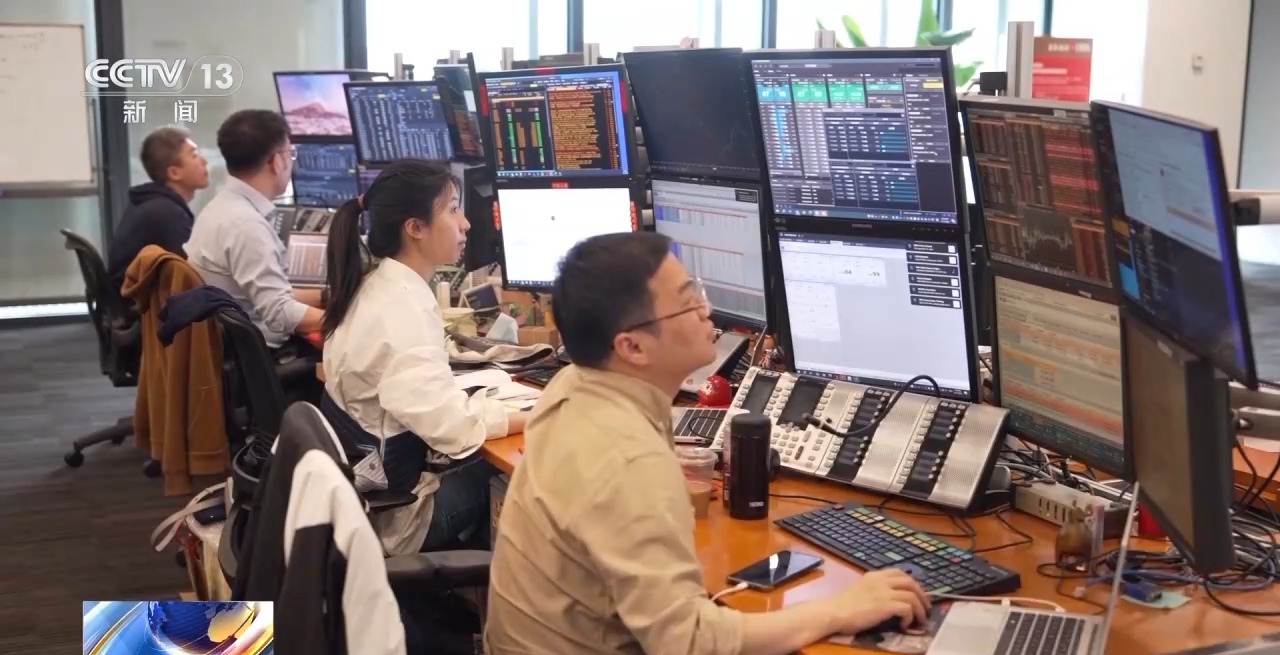
秦港股份净利六连增获长城人寿举牌 分红35.7亿为A股IPO募资2.7倍
Chang Jiang Shang Bao· 2025-06-18 23:46
Core Viewpoint - Great Wall Life Insurance has increased its stake in Qin Port Co., Ltd., becoming a significant shareholder with a total holding of 5.0005% after acquiring an additional 4.4 million A-shares, reflecting its commitment to long-term investment strategies in line with national policies promoting patient capital [2][3][8]. Group 1: Shareholding and Investment Strategy - Great Wall Life Insurance has become a shareholder of over 5% in 11 listed companies, including Qin Port, emphasizing its strategy of long-term investments in stable and profitable assets [2][8]. - The recent acquisition of shares was funded through the company's own capital and traditional insurance liability reserves, showcasing its financial stability and investment capacity [3][8]. - Since the beginning of 2025, Great Wall Life has been actively increasing its holdings in Qin Port, with significant purchases made in January, February, March, April, May, and June [4][5][6][7]. Group 2: Company Performance and Market Position - In 2024, Qin Port achieved a revenue of 6.865 billion yuan, with a net profit of 1.565 billion yuan, marking six consecutive years of profit growth [9]. - The company reported a total cargo throughput of 414 million tons in 2024, an increase of 5.63% year-on-year, despite a decline in coal throughput due to market conditions [9][10]. - Qin Port has established itself as a key player in the coal and metal transportation sectors, benefiting from increased demand for metals and a diversified service offering [10]. Group 3: Dividend and Financial Metrics - Since its A-share listing, Qin Port has distributed a total of 3.565 billion yuan in dividends, which is 2.7 times its initial public offering fundraising amount [11]. - The company's stable performance and high dividend yield make it an attractive option for insurance capital seeking long-term investments [9][11].

资本市场以深改提升服务科技创新效能
Zhong Guo Zheng Quan Bao· 2025-06-18 20:58
Group 1 - The core viewpoint of the news is that the Chinese capital market is intensifying efforts to support technological and industrial innovation through a series of reforms, including the introduction of the "1+6" policy measures and the establishment of a growth layer in the Sci-Tech Innovation Board [1][2] - The "1+6" policy measures aim to enhance the inclusiveness and adaptability of the multi-tiered capital market, thereby better serving technological innovation and significantly improving the acceptance of various tech enterprises by the capital market [2][3] - The introduction of a third listing standard on the ChiNext board is a concrete manifestation of the multi-tiered capital market's efforts to support technological innovation, optimizing listing conditions for high-quality innovative enterprises [3] Group 2 - The capital market is expected to attract more patient and long-term capital to support technology innovation, with private equity investment funds and venture capital funds playing a significant role, as evidenced by the scale of private equity funds reaching 10.96 trillion yuan and venture capital funds at 3.41 trillion yuan [3][4] - The forum discussed the cultivation of "patient capital" and "long-term capital," with expectations for specific implementation details to better support the development of technology-oriented listed companies [4] - The China Securities Regulatory Commission (CSRC) is set to enhance the openness of the capital market, allowing qualified foreign institutional investors to participate in on-market ETF options trading, thereby improving the convenience for foreign institutions to invest in the Chinese market [5]
壮大科创“耐心资本” 深圳首单民营创投机构 科创债成功落地
Zhong Guo Zheng Quan Bao· 2025-06-18 20:35
Core Viewpoint - The successful issuance of the first private venture capital institution's technology innovation bond in Shenzhen marks a new financing model for supporting technology innovation enterprises, significantly enhancing their financing capabilities and providing stable funding for long-term development [1][2][6]. Group 1: Bond Issuance Details - The total registered scale of the Oriental Fuhai technology innovation bond project is 1.5 billion RMB, with the first phase raising 400 million RMB and a bond term of 10 years (5+3+2), which is the largest in its batch [2]. - The funds raised will be specifically used for venture capital fund contributions and replacements, focusing on strategic emerging industries such as artificial intelligence, digital economy, new energy, new materials, semiconductors, and biomedicine [2][3]. Group 2: Support Mechanisms - The project is backed by a full guarantee from China Bond Credit Enhancement Investment Co., Ltd. and a counter-guarantee from Shenzhen High-tech Investment and Financing Guarantee Co., Ltd., significantly reducing the bond issuance cost for private venture capital institutions [3][4]. - The innovative "central-local dual insurance" risk-sharing mechanism has been established, which lowers financing costs and alleviates the financing difficulties faced by private venture capital institutions [3][6]. Group 3: Market Impact and Future Prospects - The project has attracted enthusiastic subscriptions from investors, with a subscription rate of 6.3 times and an issuance interest rate of 1.85%, indicating strong market confidence [2][3]. - The successful launch of this bond is expected to create a positive demonstration effect, guiding more bond funds to transform into "patient capital" and support early-stage, hard technology projects, thus forming a virtuous cycle of fundraising, investment, management, and exit [2][6]. Group 4: Policy and Strategic Alignment - The project aligns with recent policy directives from the central government aimed at deepening reform and innovation in Shenzhen, which includes optimizing the financing mechanisms for technology enterprises [5][6]. - The bond issuance exemplifies the integration of policy guidance and market mechanisms, providing a replicable model for financial support of technology innovation across the country [6].
做活一二级市场“棋眼”
Shang Hai Zheng Quan Bao· 2025-06-18 20:09
Group 1 - The recent reforms in the Sci-Tech Innovation Board are expected to enhance the "capital-technology-industry" cycle, providing better exit channels for early investors and identifying high-value targets for secondary market investors [1][2] - The new policies are seen as a boost for strategic emerging industries such as artificial intelligence and low-altitude economy, encouraging early-stage investments in projects that may not be immediately profitable but have growth potential [1][2] - The reforms aim to address the challenges faced by the primary market, particularly the difficulties in the "capital raising-investment management-exit" chain, which have affected investor confidence and project financing [1][3] Group 2 - The concept of "patient capital" is highlighted, suggesting that long-term investment in unprofitable companies aligned with national strategic needs can yield greater returns [2] - The new policies are expected to improve the investment and financing ecosystem for sectors like low-altitude economy and commercial aerospace, which have long development cycles and high technical barriers [3] - Strict institutional screening and regulatory measures are deemed necessary to prevent speculation and valuation bubbles, ensuring that quality enterprises benefit from the new policies [3][4] Group 3 - The reforms are anticipated to enhance the attractiveness and vitality of the capital market, optimize resource allocation, and broaden financing channels for venture capital firms [4] - The reintroduction of the fifth set of listing standards on the Sci-Tech Innovation Board is expected to support quality enterprises in the biopharmaceutical and artificial intelligence sectors, encouraging more entrepreneurs and investors in these fields [4] - Establishing a market ecology that allows for orderly entry and exit is essential for nurturing new technology giants in the capital market [4]

科创板改革升级:设置科创成长层,力挺未盈利企业上市
2 1 Shi Ji Jing Ji Bao Dao· 2025-06-18 14:28
Core Viewpoint - The China Securities Regulatory Commission (CSRC) announced a series of important policies in the capital market, particularly focusing on the "1+6" policy reform for the Sci-Tech Innovation Board (STAR Market), which aims to enhance support for innovative enterprises and improve the listing process for unprofitable companies [1][4]. Group 1: "1" - Establishment of Sci-Tech Growth Layer - The establishment of a Sci-Tech Growth Layer on the STAR Market will allow unprofitable companies to list under the fifth set of standards, providing a more precise service for high-quality tech enterprises with significant breakthroughs and ongoing R&D investments [5][6]. - Companies in the Sci-Tech Growth Layer will be marked with a "U" in their stock abbreviation, making it easier for investors to identify unprofitable firms [5][6]. - Investment qualifications for investors in the Sci-Tech Growth Layer will be heightened to mitigate risks associated with investing in unprofitable companies [6]. Group 2: "6" - Six Specific Measures - Measure 1: Introduction of a system for seasoned professional institutional investors to enhance the assessment of unprofitable companies, although participation is encouraged rather than mandatory [8]. - Measure 2: Implementation of a pre-IPO review mechanism for high-quality tech companies, allowing them to submit documents for preliminary review before formal IPO applications, expediting the process without lowering standards [9]. - Measure 3: Expansion of the fifth set of standards to include more cutting-edge sectors such as artificial intelligence, commercial aerospace, and low-altitude economy [9]. - Measure 4: Support for unprofitable tech companies to conduct capital increases aimed at R&D, specifically for existing shareholders [10]. - Measure 5: Improvement of institutional mechanisms to support the development of STAR Market-listed companies, including facilitating mergers and acquisitions of companies listed for less than three years [10][11]. - Measure 6: Coordination of investment and financing functions in the market, including the introduction of more STAR Market indices and ETFs to attract long-term capital [13]. Group 3: Future Policies - The "1+6" policy is part of a broader set of upcoming capital market reforms, including the introduction of Sci-Tech bond ETFs and other financing tools for tech enterprises [14]. - The CSRC aims to cultivate patient capital and long-term investment through various supportive policies, such as establishing specialized tech companies in Shanghai and optimizing fund share transfer practices [14][15]. - Further measures will be introduced to enhance the openness of the capital market, including optimizing the Qualified Foreign Institutional Investor (QFII) system and expanding the range of products available for foreign investment [15].
证监会深化科创改革,利于增强资本市场活力、促进创投发展
SINOLINK SECURITIES· 2025-06-18 14:15
Investment Rating - The report suggests a positive outlook for the industry, indicating that a series of proactive measures by the China Securities Regulatory Commission (CSRC) will further promote the virtuous cycle of technology, capital, and industry, benefiting technology innovation enterprises and enhancing the vitality of the capital market [4]. Core Insights - The current state of China's stock market, including the main board, Sci-Tech Innovation Board, Growth Enterprise Market, Beijing Stock Exchange, and New Third Board, has significantly contributed to the development of technology enterprises, with private equity and venture capital funds investing in 90% of companies listed on the Sci-Tech Innovation Board and Beijing Stock Exchange, and over half of the companies listed on the Growth Enterprise Market [2]. - Challenges such as insufficient patient capital, low risk tolerance in financial supply, and inadequate incentive and constraint mechanisms need to be addressed [2]. - Future reforms will focus on enhancing the financing channels for unprofitable high-quality technology enterprises, strengthening the advantages of stock-bond linkage in technology innovation, and fostering a more open and inclusive capital market ecosystem [3]. Summary by Sections Section 1: Current Achievements and Issues - The report highlights the achievements in promoting technology innovation and the existing issues that need to be resolved, such as the lack of patient capital and low risk tolerance in financial supply [2]. Section 2: Future Reform Directions and Key Measures - Key measures include accelerating the introduction of the "1+6" policy to support unprofitable technology enterprises, enhancing the development of Sci-Tech bonds, and promoting the participation of long-term capital in private equity investments [3]. Section 3: Support for Technology Companies - The report emphasizes the need to support technology companies in becoming stronger and better, with improved regulatory frameworks and mechanisms for mergers and acquisitions [3]. Section 4: Capital Market Ecosystem - The report discusses the importance of creating a more open and inclusive capital market ecosystem, including optimizing the Qualified Foreign Institutional Investor (QFII) system and expanding foreign investment participation [3].