
可持续发展

Search documents
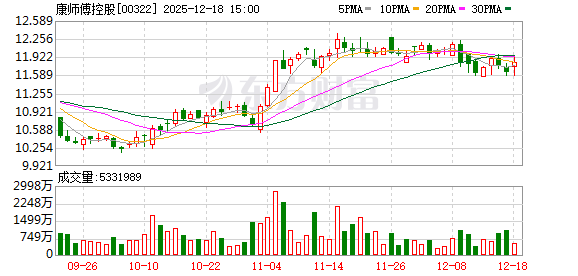
民族品牌康师傅完成CEO更迭 高质量发展战略获新一代领导接力
Zheng Quan Shi Bao Wang· 2025-12-18 07:00
Core Viewpoint - The announcement of the CEO transition at Master Kong Holdings marks a significant step in the company's commitment to high-quality development and sustainable strategies, ensuring a smooth management transition as the company continues to evolve in the fast-moving consumer goods sector [2][3]. Group 1: Management Transition - Current CEO Chen Yingrang will retire on December 31, 2025, and will not renew his contract, with Executive Director Wei Hongcheng appointed as the new CEO effective January 1, 2026 [2]. - Chen Yingrang has been with the company since February 2013, focusing on talent development, external collaboration, food safety, and technology platform construction, significantly contributing to the company's growth and ESG framework [2]. - Wei Hongcheng has been with Master Kong since February 2015 and has led the beverage division since 2019, achieving steady revenue and profit growth while emphasizing consumer needs and innovation [2][3]. Group 2: Company Mission and Strategy - Master Kong emphasizes its mission to "promote Chinese food culture and become a respected enterprise," committing to high-quality development through product innovation, brand building, and channel expansion [3]. - The management transition reflects continuity and stability in governance, with Wei Hongcheng's deep involvement in operations expected to support strategic advancement and drive growth amid consumer upgrades and sustainability trends [3]. Group 3: Sustainability and Social Responsibility - Master Kong is recognized as a leading Chinese fast-moving consumer goods brand, consistently ranking in the top three of Kantar's "Top Ten Preferred Brands in China" for 12 consecutive years, reaching 900 million consumers annually [4]. - The company adheres to the "Home Green, Health is Wealth" philosophy in sustainability, investing nearly 2 billion yuan in various social initiatives over 33 years, including disaster relief and educational support [4]. - Master Kong has received multiple accolades for its sustainability efforts, including being named a founding member of the UN's "Sustainable Food Systems Advisory Committee" and recognized as an "Industry Best Progress Company" in the 2025 Standard & Poor's Global "Sustainability Yearbook (China Edition)" [4].


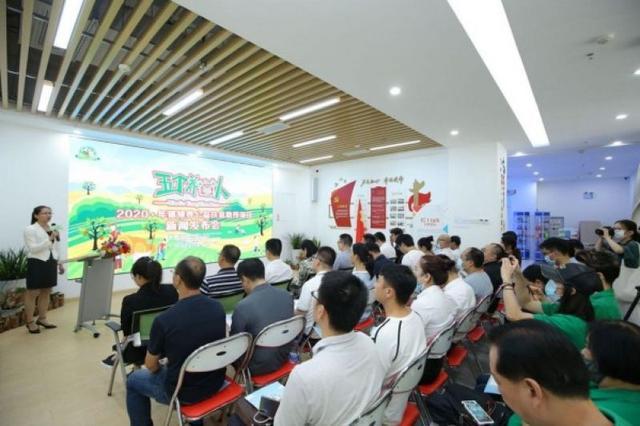
从赔30万元到一头猪卖6000元!解密全国首个助残助农一体化项目“五个养猪人”的盈利模式
Hua Xia Shi Bao· 2025-12-18 06:37
Core Insights - The article discusses the "Five Pig Farmers" project, a pioneering initiative in China that integrates assistance for disabled individuals with agricultural development, aiming to transform them into "digital new farmers" and explore market-based solutions to social issues [1][3]. Group 1: Project Overview - The project was initiated after five disabled pig farmers suffered significant losses due to the African swine fever outbreak in 2019, leading to a total loss of 30 million yuan [3][4]. - The project received support from the Shenzhen-based company "Double Assistance Future" and local governments, which provided funding and technical guidance to restart operations in 2020 [4][5]. Group 2: Operational Model - The project employs a closed-loop model where the local disability association and the company provide initial funding and technical support, while the disabled farmers utilize their unique qualities for ecological pig farming [5]. - The black pigs raised under this model are sold at a premium price of 6,000 yuan each, significantly higher than the market average of over 3,000 yuan, due to their ecological quality and embedded social value [5]. Group 3: Market Dynamics - The project initially relied on government procurement and the goodwill of consumers, but faces challenges as government funding pressures increase and market competition intensifies [8][9]. - The project must adapt to a more competitive environment as it expands to a broader consumer base through the "Zhen Help" platform, necessitating a shift from emotional to value-driven purchasing [10]. Group 4: Future Strategies - To ensure sustainability, the project aims to transition from being emotionally driven to value-driven, focusing on the intrinsic value of the products rather than solely on their social attributes [10]. - The project seeks to innovate resource connections and expand market support networks, including partnerships with other government departments and leveraging large sports events for funding [12][13]. Group 5: Systemic Change - The project advocates for a transformation in the role of government from direct provider to ecosystem builder, proposing a three-tier support system to facilitate innovation and integration of disabled individuals into the workforce [13][14]. - The ultimate goal is to create a dignified development path for disabled individuals, recognizing their unique contributions as valuable human capital in specialized agricultural and service sectors [14][15].
报告:中国可持续发展综合指数连续稳步增长
Zhong Guo Jing Ji Wang· 2025-12-18 06:25
中国国际经济交流中心12月17日组织发布的《中国可持续发展报告(2025)》(以下简称"报告")显示,中 国可持续发展综合指数连续9年呈现稳步增长。 报告指出,近十年来,中国积极把落实联合国2030可持续发展目标同国家发展战略有机结合,在全面绿 色转型、缩减城乡差距、改善卫生健康、提高教育水平等经济社会发展领域取得显著进展,为全球可持 续发展贡献了重要力量。 《中国可持续发展报告(2025)》由中国国际经济交流中心、美国哥伦比亚大学地球研究院联合京东物 流集团、飞利浦(中国)投资有限公司共同编写。 今年的报告在原有评估框架体系基础上进行了优化,修改后的评估框架涵盖经济发展、社会民生、生态 环境和治理保护四个维度。 报告显示,各维度分项指标呈现持续上升态势。从经济发展看,自2016年度以来,中国经济发展指数年 均增幅为5.26%,经济运行总体平稳、稳中有进;从社会民生看,自2016年度以来,中国社会民生指数 年均增速达到4.4%,体现了近年来中国持续推进社会事业进步和改善民生的力度;从生态环境看, 2025年度中国生态环境指数为86.6,同比上升1.2%,自2016年度以来保持稳步上涨;从治理保护看,近 年来, ...
院士作序《美丽中国看核电》纪实呈现清洁能源与生态人文融合实践
Yang Shi Wang· 2025-12-18 04:24
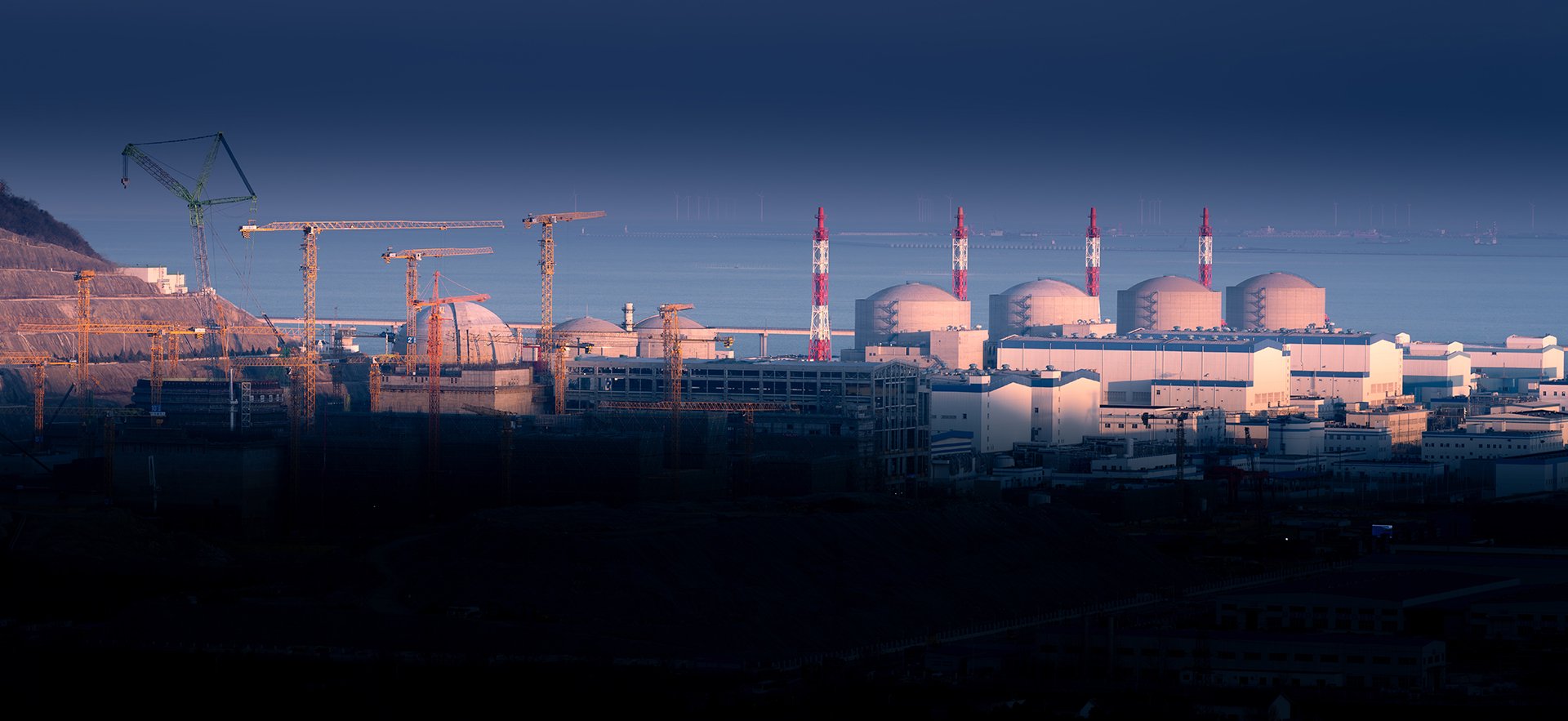
本书的编纂,植根于中国核电深厚的一线实践。自秦山核电站并网发电实现我国大陆核电"零的突破"以来,中国核电事业走过了从引进、消化、吸收到再创 新,直至拥有自主知识产权的三代核电技术"华龙一号"成功商运并走向世界的不凡历程。《美丽中国看核电》正是以核电发展史为背景,将视角投向核电站 作为重大工程与地方社会经济文化生态深度互融的现场。 作者许佳,核电从业者,在书中通过"秦山古韵""三门核光""田湾胜境""福清风貌"等多个地域篇章,系统梳理了不同核电基地在规划、建设、运营过程中, 与所在地的历史文脉传承、自然生态保护、区域协调发展协同共进的探索与实践。这些内容呈现重大工程项目作为"社会细胞",与所在地共生共荣的真实状 态。 近日,由中国核能电力股份有限公司组织编写、中国原子能出版社出版的《美丽中国看核电》一书正式与读者见面。该书立足于中国核电三十余年从起步、 自主发展到规模化、国际化发展的实践历程,以纪实视角呈现我国核能事业在安全高效发展、服务国家战略、融入地方生态与文化等方面的新时代图景。 (作品名称:光影;作者:刘哲) 从秦山起步到"华龙"出海,一部扎根实践的纪实之书 责任编辑:王艳胜 装帧设计: 邢 锐 《"核 ...
2025年全球商务区吸引力报告-经济引擎再思考:全球商务区的演进之路
Sou Hu Cai Jing· 2025-12-18 02:38
Core Insights - The 2025 Global Business Districts (GBDs) Attractiveness Report reveals a strong recovery in global business districts, with 63% of stakeholders believing they are more attractive than five years ago, highlighting their role as economic engines with significant contributions to GDP and employment [1][14][52] - The report evaluates 30 leading business districts, showcasing the resilience and evolving dynamics of these areas in the context of global economic shifts [1][12] Ranking Overview - New York's Midtown and Financial District rank as the top two global business districts, followed by Tokyo's Marunouchi and Paris's La Défense, while Asian business districts are gaining prominence with four out of the top ten positions [1][19][20] - Beijing's Central Business District and Shanghai's Lujiazui are steadily improving in rankings, reflecting the rise of Asian business hubs [1][20] Key Trends - **Talent Priority**: 76% of respondents consider talent as a critical factor for site selection, with companies adopting "work-life-play" strategies to attract and retain professionals [2][28] - **Asset Value Reconstruction**: Global business districts provide 126 million square meters of office space, with a growing demand for cost-effective and customized office solutions, leading to an increase in vacancy rates by 4.7 percentage points since 2020 [2][29] - **Dual Role of Technology**: Smart infrastructure enhances operational efficiency, but challenges such as security and talent shortages persist. Stakeholders emphasize the need for investment in digital infrastructure and collaboration between academia and industry [2][30] - **Sustainability Challenges**: Stakeholders prioritize low-carbon transportation, building retrofits, and green infrastructure, yet less than 10% believe that global best practice districts are achieving climate goals [2][31] Global Survey Insights - The survey indicates that global business districts are resilient and influential, but they face challenges such as rising operational costs and the need for innovation [1][44] - Only 9% of respondents believe that businesses are paying a fair price for the value received, indicating concerns over cost pressures and economic uncertainty [1][16] Emerging Markets - Business districts in the Middle East, such as Dubai and Riyadh, show significant growth potential due to favorable macroeconomic conditions and investment-friendly policies [1][22] - Bangalore is emerging as a hub for artificial intelligence, with a high concentration of AI professionals, while other regions face infrastructure and regulatory challenges [1][22]

在技术创新、社会责任与治理实践中书写新篇章,弗迪电池获“2025第一财经·中国企业社会责任榜”可持续供应链管理典范
Di Yi Cai Jing· 2025-12-17 15:50
弗迪电池将"成为可持续发展的引领者"作为可持续发展方针,把智能化、绿色化、全球化融入战略内 核,荣获"可持续供应链管理典范"奖。 日前,"2025第一财经·中国企业社会责任榜"正式揭晓,以"可持续竞争力"为核心议题,系统评估并呈 现中国企业如何将企业社会责任实践转化为驱动商业韧性、环境韧性、社会韧性协同发展的长期能力。 其中,弗迪电池将"成为可持续发展的引领者"作为可持续发展方针,把智能化、绿色化、全球化融入战 略内核,荣获"可持续供应链管理典范"奖。 2025年,弗迪电池自主开发的"迪碳云"碳管理平台通过SGS基于ISO 14067:2018、ISO 14044:2006的权威 认证,为供应链上下游企业提供标准化碳管理工具,助力全产业链低碳协同。 在各个环节中,弗迪电池将可持续发展战略切实落地。在产品端,弗迪电池高度重视产品碳足迹管理, 积极开展产品碳足迹测算工作,量化产品在全生命周期中的碳排放量;创新构建"CIRCLE"碳管理模 式,于2024年内部测算34款产品碳足迹,4款产品获得碳足迹核查声明,3款产品开展生命周期评估 (LCA),5项产品开展环境产品声明(EPD)。此外,作为全球电池联盟(GBA)成 ...
以卓越治理领航可持续发展 中国东航荣获 2025年度“可持续卓越治理奖”
Di Yi Cai Jing· 2025-12-17 15:50
中国东航凭借在治理体系优化、绿色转型实践、社会责任履行等方面的卓越表现,荣获"可持续卓越治 理奖"。 2025年,中国东航凭借在治理体系优化、绿色转型实践、社会责任履行等方面的卓越表现,荣获"可持 续卓越治理奖"。这不仅是对中国东航长期践行ESG理念、深入推进可持续发展的高度认可,也彰显了 其作为民航国家队和主力军,以高质量治理引领行业绿色转型所贡献的坚实力量。 筑牢治理根基:以体系化建设护航可持续发展 卓越治理是企业可持续发展的核心引擎,也是中国东航获此殊荣的关键支撑。公司始终将健全治理体系 作为根本,构建了自上而下、协同高效的ESG管理架构。中国东航董事会下设航空安全与环境委员会, 统筹规划环境、社会及治理领域的战略与实施路径,将ESG理念全面融入战略规划、经营管理和风险管 理全过程。中国东航通过完善制度体系、细化考核标准,推动可持续发展工作规范化、标准化;依托季 度跟踪、专项督导等机制,确保各项任务落地见效。中国东航坚持信息披露透明化,定期发布可持续发 展报告,以详实数据和案例展现成效,主动接受社会监督,以高度责任感提升治理公信力,为行业ESG 治理提供了可复制的范例。 引领绿色转型:构建全链条低碳发展 ...

保利文化:以创新融合铸就文化标杆 以绿色行动践行时代使命
Di Yi Cai Jing· 2025-12-17 15:48
Core Viewpoint - Poly Culture responds to the era's challenges through cultural inheritance, technological innovation, and green responsibility, establishing a balanced approach to drive the development of the cultural industry [1] Group 1: Cultural Inheritance and Technological Innovation - Poly Culture emphasizes cultural inheritance as a fundamental aspect while driving development through technological innovation [1] - The company actively participates in significant cultural events, promoting resource sharing and creating influential benchmark projects in various fields [1][2] - The integration of modern technology is seen as essential for revitalizing cultural heritage, with Poly Culture leveraging technology as a new driving force for cultural protection and dissemination [2][3] Group 2: Sustainable Development Initiatives - Poly Culture has made notable advancements in sustainable development through project practices, action results, and institutional innovation [3][4] - The company has implemented green building upgrades, optimizing energy collection efficiency and enhancing the use of clean energy in venues like the Beijing Poly Theatre [4] - Energy-saving results are significant, with a notable reduction in energy consumption across cultural venues, exemplified by the Shanghai Oriental Art Center's improved air conditioning system [5] Group 3: Institutional Innovations and Collaborative Mechanisms - Poly Culture has refined its green operation management system, detailing energy management and resource recovery protocols, and integrating sustainability metrics into employee performance evaluations [5] - A cross-departmental collaboration mechanism has been established to enhance communication and cooperation among cultural, technological, and environmental sectors, ensuring efficient progress of sustainability projects [5]
深业集团:以绿色实践描绘可持续发展新画卷
Di Yi Cai Jing· 2025-12-17 15:48
Core Viewpoint - Shenye Group is committed to deepening its green transformation through systematic and innovative ecological practices, contributing to the construction of a beautiful China and promoting harmony between humans and nature [1] Group 1: Sustainable Management and Governance - Shenye Group has established a climate change governance system led by its board of directors, integrating Environmental, Social, and Governance (ESG) principles into its strategic framework [1] - The company has implemented an environmental protection management regulation and a comprehensive energy-saving and emission reduction management system, ensuring systematic advancement of ecological protection efforts [1] - In 2024, Shenye Group reported no environmental violations, supported by a rigorous management system covering decision-making, execution, and supervision [1] Group 2: Environmental Performance and Energy Efficiency - In 2024, Shenye Group's total electricity consumption was approximately 134 million kilowatt-hours, and total water consumption was about 4.645 million cubic meters [2] - The company effectively monitored and managed its greenhouse gas emissions throughout the year, reflecting its commitment to optimizing energy structure and reducing pollution [2] - All ongoing projects in 2024 adhered to green building standards, achieving 100% compliance with at least one-star green building design standards [2] Group 3: Green Construction Practices - Shenye Group has set industry benchmarks by adhering to national green construction evaluation standards, utilizing recyclable scaffolding and automated steel processing equipment [3] - Projects like the Chengdu "Green Demonstration Site" and the Silver盈大厦 project have received public recognition for their effective dust and noise management [3] - The company has implemented innovative waste reduction and resource recycling strategies, achieving significant cost savings and environmental benefits [3] Group 4: Employee Engagement and Cultural Initiatives - Shenye Group promotes a "green office" culture, encouraging employees to save energy and resources through various initiatives [4] - The company organizes environmental protection education activities and participates in national ecological campaigns to foster a culture of environmental participation among all employees [4] - Shenye Group's sustainable development practices reflect a deep integration of ecological civilization into its corporate strategy, driven by technological empowerment and management innovation [4]
“向善而行,反哺业务” 贝泰妮将公益慈善深度 融入整体业务发展环节
Di Yi Cai Jing· 2025-12-17 15:48
Core Viewpoint - Yunnan Betaini Biotechnology Group Co., Ltd. has received authoritative recognition in the ESG field due to its systematic layout and innovative practices in public welfare and charity [1][2][4] Group 1: ESG Recognition and Strategy - The company has been awarded AAA level by Huazheng and AA level by Wind in the ESG field, reflecting its commitment to social responsibility and long-termism [1] - Betaini integrates the concept of "gratitude and kindness" into its corporate DNA, establishing a charity ecosystem that balances public welfare and business [1][4] Group 2: Charitable Initiatives and Goals - The establishment of the "Betaini Public Welfare Fund" and "Red Cross Winona Public Welfare Fund" in 2021, along with a management system for public welfare funds, has standardized the management of charitable contributions [2] - The mid-term plan aims for a cumulative public welfare investment exceeding 100 million yuan, over 10,000 hours of volunteer service, and direct benefits to 1 million people by 2030 [2] Group 3: Focus Areas and Financial Contributions - Betaini has focused on five core areas for its charitable projects, including biodiversity protection and intangible cultural heritage [2][3] - From 2021 to 2024, the company has invested a total of 68.2368 million yuan in public welfare initiatives [2] Group 4: Innovative Charity Model - The company has created a unique model that deeply integrates public welfare with business, achieving a win-win situation for social and commercial value [3] - Initiatives such as reducing plastic in packaging and promoting sustainable practices in product design have enhanced both environmental responsibility and brand trust [3] Group 5: Transparency and Collaboration - Betaini collaborates with professional organizations to ensure project professionalism and transparency in fund management, with annual audits by third-party accounting firms [4] - The company promotes a shared governance model that enhances stakeholder engagement in its public welfare efforts [4] Group 6: Future Commitment - Moving forward, Betaini will continue to pursue its "2030 Sustainable Development Strategy," focusing on long-term public welfare while creating commercial value [5]