
降本增效

Search documents
日上“失标”上海机场!传控股股东中免反对其投标,双方发生争执?
新浪财经· 2025-12-18 09:42
Core Viewpoint - The bidding for duty-free shops at Shanghai airports has concluded, with China Duty Free Group (CDFG) and foreign-owned Dufoor winning the contracts, marking the exit of Japan Duty Free (JDF) from the Shanghai airport duty-free business [2][3]. Group 1: Bidding Outcome - CDFG won the rights to operate duty-free shops at Shanghai Pudong International Airport's T2 terminal and Hongqiao International Airport's T1 terminal, while Dufoor secured the T1 terminal and S1 satellite hall at Pudong [9]. - The bidding process saw JDF being blocked from participating due to opposition from CDFG's board members, leading to JDF's eventual withdrawal from the bidding [4][6]. Group 2: Financial Implications - CDFG's decision to operate the duty-free shops is seen as a strategy to address its declining performance, with a reported revenue of 39.862 billion yuan in Q3, down 7.34% year-on-year, and a net profit of 3.052 billion yuan, down 22.13% [10]. - The overall revenue for CDFG is projected to decline further in 2024, with expected revenues of 56.474 billion yuan and a net profit of 4.267 billion yuan, representing year-on-year declines of 16.38% and 36.44% respectively [10]. Group 3: JDF's Future Prospects - JDF, once a dominant player in China's duty-free market, is now facing challenges, especially with the potential loss of its presence at Beijing Capital International Airport if it fails to secure the upcoming tender [15]. - JDF is exploring new avenues for growth, including a focus on online operations and the introduction of a new membership system on its platform "CDFG JDF," which is separate from CDFG's membership system [16][19].



超117万人被裁!
商业洞察· 2025-12-18 09:23
Core Viewpoint - The article discusses the alarming rise in layoffs in the U.S. job market, with over 1.17 million employees laid off by November 2025, a 54% increase from the previous year, drawing parallels to the 2008-2009 financial crisis [4][5]. Group 1: Causes of Layoffs - The primary cause of layoffs is attributed to the efficiency revolution led by the DOGE department, resulting in 293,753 federal employees and contractors losing their jobs, with an additional 20,976 in the private and non-profit sectors, an eightfold increase compared to 2024 [15]. - The macroeconomic environment, characterized by high costs and tariffs, is also a significant factor, as many companies face debt repayment pressures from loans taken during the low-interest period of 2020-2021 [18][19]. - Companies, particularly those owned by private equity, are cutting jobs at a rate 1.5 times higher than publicly traded firms due to high leverage costs and cash flow constraints [21][22]. Group 2: Impact on Various Industries - The retail sector is the hardest hit, with a significant drop in consumer confidence and companies like Target and Starbucks announcing substantial layoffs due to decreased sales [27][28]. - The service industry has seen a 64% increase in layoffs, with UPS cutting 14,000 management positions to improve efficiency [30][31]. - The food industry has also been affected, with 34,165 job losses throughout the year, particularly in beef processing due to rising costs [32][33]. Group 3: Technology and Management Changes - The technology sector has contributed significantly to layoffs, with 35% of the total layoffs coming from this industry, primarily affecting middle management roles [46][47]. - A new corporate mantra has emerged: "Every employee generates revenue," leading to layoffs becoming a normalized management tool rather than a crisis response [51]. - Companies like Amazon and IBM have reported increased profits while simultaneously announcing significant layoffs, indicating a trend where cost-cutting measures are prioritized over workforce stability [53][54]. Group 4: Future Implications - The trend of layoffs is expected to continue, with predictions that the technology sector will see a peak in cost-cutting benefits by 2026, potentially reducing operational costs significantly [58]. - However, the loss of middle management, which often holds critical technical knowledge, could extend product development cycles and hinder innovation [62][71]. - The article warns that excessive cost-cutting may erode the foundation of innovation within the technology sector, leading to long-term negative consequences [72].






惠而浦(600983.SH):拟签署《有关元器件采购的补充协议》
Ge Long Hui A P P· 2025-12-18 08:24
Core Viewpoint - The company plans to sign a supplemental agreement regarding component procurement with Whirlpool Corporation, aimed at enhancing operational efficiency and competitiveness [1][2]. Group 1: Agreement Details - The supplemental agreement applies to the procurement of components and parts, establishing initial agreed prices for new components through mutual negotiation [1]. - A minimum cost reduction ratio is mandated for all purchase orders (PO) of components, with specific implementation timelines based on production start dates [1]. - Existing components already on sale are excluded from the cost reduction terms and will be negotiated separately [1]. Group 2: Agreement Duration and Validity - The effective period of the supplemental agreement is from January 1, 2026, to December 10, 2029 [2]. - All other terms of the original global supply agreement remain fully valid unless otherwise specified in the supplemental agreement [2]. Group 3: Strategic Implications - The signing of this supplemental agreement follows a tender offer and represents a further commitment to product supply agreements, aligning with the company's operational needs and business development [2]. - This agreement is expected to enhance the company's overall competitiveness and promote long-term stable development [2].

华阳智能(301502) - 301502华阳智能投资者关系管理信息20251218
2025-12-18 08:10
Financial Performance - Revenue in the first three quarters decreased by 14.52%, but net profit attributable to shareholders in Q3 increased by 61.24%, and non-recurring net profit surged by 107.84%. The improvement in profitability is attributed to effective cost and expense management despite declining revenue [1] - Financial expenses increased by 224.45% year-on-year, while sales and management expenses decreased by 35.33% and 21.40%, respectively. The rise in financial expenses is mainly due to interest from structured deposits, while the decrease in sales and management expenses is due to reduced advertising costs and lower operational expenses [2] Core Business Operations - The micro-special motor and components business accounted for 92.63% of revenue in the first half of the year. However, sales volume and prices have shown a temporary decline due to structural pressure in downstream markets such as home appliances and medical devices [2] - The precision injection drug delivery device business represented 6.36% of revenue in the first half. The development of high-viscosity continuous injection devices is ongoing, currently in the functional prototype verification stage, with commercialization closely tied to the drug approval process [2] - Accounts receivable increased by 24.06% year-on-year, significantly outpacing revenue decline. The increase is attributed to delayed pricing cycles and outstanding payments from clients. The company has implemented measures to enhance credit management and payment assessment mechanisms [3] Research and Development - The focus for 2025 is on the core technology of frameless motors, with ongoing development and market application assessments. Product mass production has not yet been achieved [3] - R&D expenses decreased by 15.43% year-on-year, primarily due to management optimization and efficiency improvements. This reduction will not impact the progress of key projects such as frameless motors and high-viscosity injection devices [3]
战略还是组织,二选一?
3 6 Ke· 2025-12-18 03:09
在咨询和顾问工作中接触了太多的企业和他们的掌舵者后,我们发现一个让人惊讶但又无奈 的事实——相当一部分中国老板的"战略观"其实是很不成熟的。表面是时运不济,发展受 阻,本质是"战略观"的问题。接下来,我们将带来穆胜博士在"穆胜战略三部曲"开篇著作 《极限生存战略》中的一些系列精选观点。 2024年的经济寒冬里,不少企业都是减负求生存,一位相识的老板主动找到穆胜咨询,希望能为他们提 供降本增效方案的服务。 我和他通话简单交流了一下,而后基于他介绍的情况,给出了自己的判断:一是战略不够清晰,没有明 确核心客群以及支撑他们体验的核心竞争力,需要聚焦;二是战略没有被有效解码,成为中高层的具体 责任;三是没有在组织层面对接战略,进行绩效考核的闭环。我认为,这三步里的每一步都可以过滤出 企业的某些浪费,走完这三步,才能最大程度确保企业的支出都是在"为战略买单"。 《我战略先进,还用关注组织?》和《战略失败,组织不该背锅吗?》两篇文章里,我指出了大多中国 老板在战略观上的两个误区。这两个误区都指向了中国老板一个普遍的深层执念——喜欢割裂战略与组 织,用"头疼医头脚疼医脚"的模式来解决问题。 其实,这种模式也并非为了解决问题 ...
当AI开始写PRD,产品经理的“焦虑”真的到点了吗?
3 6 Ke· 2025-12-18 00:53
当标准化的文档生产被AI接管,产品经理的核心价值反而迎来更清晰的定位:从需求翻译 者升级为战局定义者,从文档工匠转型为价值炼金师。本文犀利剖析AI时代产品能力的真 实护城河,揭示那些算法无法复制的商业直觉与战略决断力。 周末和一位同行聊天,他跟我讲了团队里刚发生的事。 一次产品评审会上,他们组里的年轻产品经理,轻点几下键盘,便甩出一份AI生成的PRD。文档结构工 整,逻辑清晰,甚至预判了几个常规的边界情况。会议室里先是一阵低低的惊叹,随后陷入了更漫长的 沉默。几位"老产品"坐在那儿,没人说话,只是不约而同地攥紧了手里的咖啡杯。 那一刻,我清楚地知道,那股熟悉的、裹挟着焦虑的浪潮,终于拍到了我们这群自以为筑好堤坝的人面 前。 过去十年,我像个互联网的"人间观察员":见证SaaS从工具变成基建,目睹中台从神话回归常态,旁观 区块链的狂热与元宇宙的退潮。我总自嘲是"时代的随波逐流者"——每个浪头都看见了,却从未真正踏 浪而行,只是被潮水推着,在沙滩上留下一串模糊的脚印。如今,当AI开始侵入产品经理最核心的文 档生产环节,我们这份职业的"终极焦虑",似乎终于被精准地送到了手上。 但,这份焦虑真的值那个价吗?或许,我们 ...
中煤能源20251217
2025-12-17 15:50
Summary of the Conference Call for China Coal Energy Industry Overview - The conference call primarily discusses the coal and coal chemical industry, focusing on China Coal Energy's performance and outlook for 2025 and 2026. Key Points Production and Sales Performance - In the first 11 months of 2025, the total coal production was 124 million tons, a decrease of 1.52 million tons year-on-year, while sales were 234 million tons, down by 22.43 million tons year-on-year. However, self-produced coal sales increased by 900,000 tons [2][3] - Polyolefin production was 1.249 million tons, down by 139,000 tons year-on-year, primarily due to major equipment maintenance. Sales were 1.233 million tons [3] - Urea production increased to 1.956 million tons, up by 272,000 tons year-on-year, with sales reaching 2.16 million tons, an increase of 336,000 tons [3] - Methanol production was 1.767 million tons, up by 211,000 tons year-on-year, with sales of 1.783 million tons, an increase of 237,000 tons [3] - The output value of coal mining equipment was 8.6 billion yuan, a decrease of 800 million yuan year-on-year [3] Cost and Pricing Outlook - The production cost for Q4 2025 is expected to rise compared to Q3 due to increased safety and maintenance costs, but a year-on-year decrease is anticipated due to cost reduction measures [2][9] - The average cost per ton is projected to stabilize around 290-300 yuan, reflecting a reasonable alignment with production realities [10] - Coal prices are expected to rise, with a cautious optimistic outlook for 2026. The anticipated price range for December is between 750-820 yuan [4][11] Future Production Plans - The production plan for 2026 is nearly finalized, with expectations to maintain stability compared to 2025. Main mines are operating normally [7][8] - New mine production may be delayed, but this will have a limited impact on total output for 2026 [8] - The long-term contract situation for 2026 remains stable, with a continuation of the pricing mechanism based on a base price plus a floating price [13] Market Dynamics and Strategic Focus - The company is focused on optimizing production and sales coordination, enhancing product structure, and managing costs effectively [3][19] - The recent fluctuations in coal prices are considered normal, with expectations of a return to fundamental market conditions [14] - The company emphasizes the importance of safety and environmental regulations, aiming to maintain a competitive edge while ensuring sustainable development [15][19] Challenges and Risks - The company acknowledges potential challenges from market volatility and regulatory pressures but remains committed to strategic investments in coal chemical projects to enhance product value and reduce dependency on external resources [18] Conclusion - Overall, China Coal Energy is positioned to navigate the current market dynamics with a focus on stability in production and sales, cost management, and strategic investments in coal chemical projects to ensure long-term growth and sustainability [16][19]

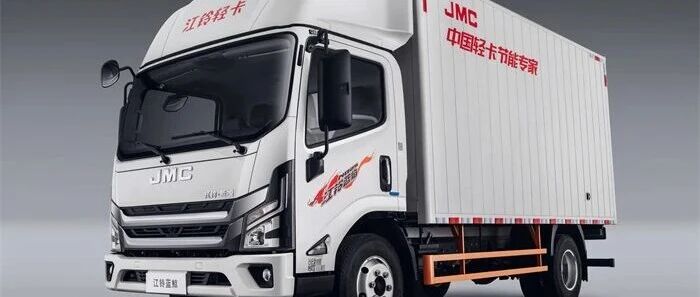
低油耗、高承载 江铃蓝鲸轻卡以“全能”重塑价值标杆 | 头条
第一商用车网· 2025-12-17 14:00
Core Viewpoint - The article emphasizes the importance of efficiency, reliability, and economy in the commercial vehicle sector, particularly for light trucks, highlighting the upcoming launch of the Jiangling Blue Whale light truck as a significant advancement in meeting user needs [1]. Group 1: Power and Energy Efficiency - The Jiangling Blue Whale features the new generation Blue Flame powertrain, achieving a powerful output of 180 horsepower, which is a 20% increase compared to traditional models, enhancing cargo transport capabilities [3][4]. - The vehicle's low-speed torque reaches 350Nm, the best in the industry, improving start-up response and climbing ability, effectively addressing power shortages under heavy loads [3]. - The truck can reach a maximum speed of 130 km/h, facilitating efficient connections for both long-distance and short-distance transport [4]. - The aerodynamic design, with a drag coefficient of 0.45, significantly reduces energy consumption, and its fuel consumption is 1.85L lower than mainstream competitors, providing substantial fuel cost savings over time [4]. Group 2: Load Capacity and Safety - The Jiangling Blue Whale is built with a frame made of 650 ultra-high-strength steel, enhancing structural strength and stability to meet various cargo demands [6]. - The vehicle features a 10mm thick steel rim, with a 32% increase in thickness and strength compared to traditional models, and offers options for reinforced tires to improve load reliability [6]. - The truck's body structure includes a new framework design with 33% high-strength steel, including 3% aerospace-grade hot-formed steel, improving impact resistance and passive safety performance [7]. Group 3: Quality and User Experience - The Jiangling Blue Whale maintains high reliability with a B10 engine life of 1 million kilometers and offers lifetime warranty services for the engine and transmission, reducing long-term maintenance costs [9]. - The vehicle is produced in Jiangling's Fushan smart factory, boasting a 98% automation rate to ensure consistent quality control [9]. - The design incorporates user-friendly features, such as an ergonomic interior layout, enhanced storage options, and noise-reducing cabin design, improving the driving experience [10].

山东能源古城煤矿:深耕细作精益管控 多维发力降本增效
Qi Lu Wan Bao· 2025-12-17 11:08
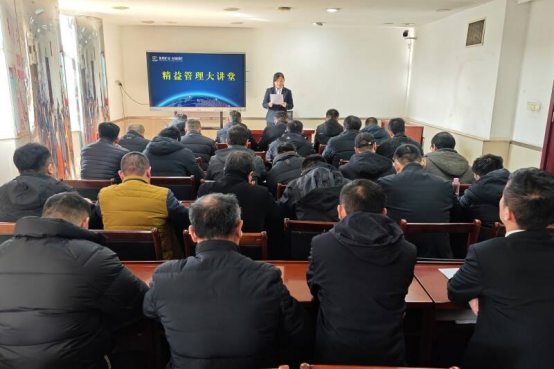
山东能源鲁西矿业古城煤矿锚定精益创效目标,以"六精六提"融合管理为核心抓手,从理念渗透、流程 管控、资源盘活三个维度系统发力,将精益管理思维贯穿生产经营全链条,推动降本增效落地见效,持 续提升矿井经济运行质量。 多措并举深挖创效"源动力" 古城煤矿将精益理念宣贯作为降本增效的核心基础工程,立足矿井生产经营实际,从思想引领、认知深 化到行动落地层层递进,让"节约创效"理念渗透到岗位操作、流程优化、资源利用的每个细节,为全流 程精细化管控筑牢思想根基。 (精益管理大讲堂) 该矿组建专业宣讲团,编制发放学习手册,结合工作生产组织、设备管控等实际案例,为各级岗位认真 讲解精益管理在岗位中的实践路径,并依托生产协调会、班前会、专题分享会等场景,常态化分享工作 系统优化、洗选工艺改进等降本创效案例,让"省下即赚来"的理念渗透到生产作业每个环节。 盘活存量资源,拓宽增收"效益渠" "以前总觉得降本是管理部门的事,现在通过学习和案例分享,发现岗位上节约一度电、清理一块浮煤 都是在为创效做贡献。"采煤工区职工说道。"节约创效"理念的落地,真正让广大干部职工从"被动执 行"转向"主动参与",这是推动精益管理走深走实的关键所在。 ...
梦龙“单飞”:640亿冰淇淋巨头独立上市,中国市场能否扛起增长大旗?
Xin Lang Cai Jing· 2025-12-17 10:50
Core Viewpoint - The independent listing of the world's largest ice cream company, Dream Ice Cream Company, marks a significant strategic shift for Unilever, allowing Dream to operate with greater agility and focus as it aims to capture market opportunities and address challenges in the global ice cream market [1][3][4]. Company Overview - Dream Ice Cream Company was spun off from Unilever and achieved a market capitalization exceeding 64 billion RMB on its first day of trading [1]. - The company holds a 21% global market share in 2024 and includes popular brands such as Dream, Cornetto, and Häagen-Dazs [1][3]. Strategic Shift - The spin-off is part of Unilever's "slimming plan," which aimed to divest non-core assets that had lower profit margins compared to the overall group [1][4]. - Unilever will retain approximately 19.9% of Dream's shares for up to five years to facilitate ongoing collaboration in supply chain and R&D [2][4]. Market Challenges - The global ice cream market is facing challenges such as rising costs in packaging materials (up 8%) and logistics (up 5%), which are compressing overall profit margins [3][16]. - There is a growing consumer trend towards healthier options, with demand for low-sugar and additive-free products increasing by 8%, while traditional high-sugar products are experiencing slower growth [3][15]. Financial Performance - Dream reported a revenue of 7.9 billion euros (approximately 66.6 billion RMB) in 2024, with an adjusted EBITDA of 1.3 billion euros [3][16]. - In the first half of 2025, revenue increased from 4.394 billion euros to 4.503 billion euros [3][16]. Cost-Saving Initiatives - Dream aims to save 500 million euros over the next five years through supply chain optimization, organizational restructuring, and technology integration [4][17]. - The supply chain transformation is expected to yield savings of 350 to 380 million euros by addressing inefficiencies and upgrading aging assets [4][17]. Market Position in China - Dream holds an 11% market share in China, with revenues of 270 million euros in the first half of 2025 [6][18]. - The company faces strong competition from local brands, which are growing rapidly, with notable revenue increases from competitors like Yili and Mengniu [6][18]. B2B Expansion - To address market challenges, Dream is expanding into the B2B food service sector, launching products aimed at restaurants and food service providers [7][19]. - This strategy includes forming a dedicated team to manage B2B operations, reflecting a broader industry trend towards catering to the food service market [7][19]. Product Innovation - 2025 is set to be a record year for new product launches in China, with a focus on diverse price points to cater to varying consumer preferences [8][21]. - The company is innovating flavors and product offerings, responding to consumer demand for unique and healthier options [8][21]. Growth Targets - Dream has set a target for annual revenue growth of 3% to 5% starting in 2026, with plans to improve profitability by 400 to 500 basis points [10][23]. - The company will focus on local acquisitions and expanding its product offerings to enhance its competitive position in the market [10][23].