银发经济

Search documents
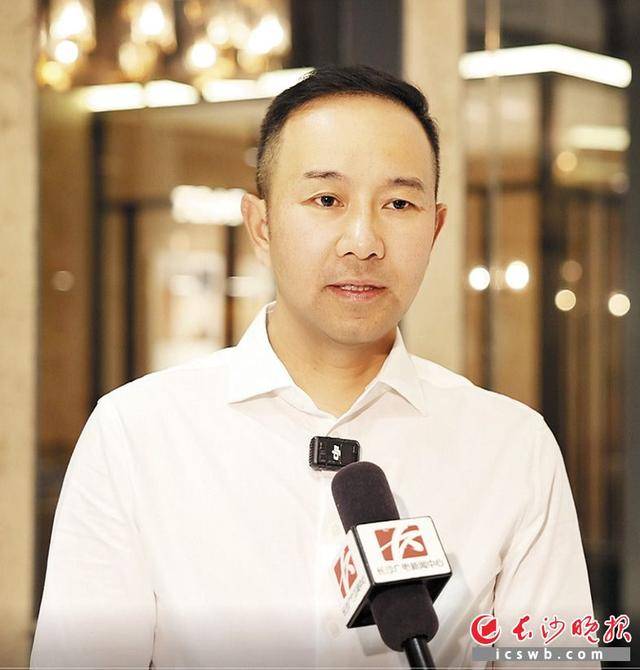
曹坤:创新融合 激发餐饮消费新活力|代表委员风采
Sou Hu Cai Jing· 2025-12-27 01:11
Core Insights - The article highlights the journey of a restaurant entrepreneur, Cao Kun, who has transitioned from a hotel apprentice to the founder of Lvxiang Town, emphasizing the importance of focus and innovation in the restaurant industry [2][3] - It discusses the impact of local government initiatives on the restaurant sector, particularly in enhancing consumer traffic and promoting new consumption models [3] Group 1: Entrepreneurial Journey - Cao Kun's initial motivation for starting his business was to secure stable employment and a reliable income, which reflects a practical approach to entrepreneurship [2] - The brand Lvxiang Town has grown to become a prominent name in the Hunan cuisine sector, showcasing the potential for local culinary brands to thrive [2] Group 2: Government Initiatives and Industry Impact - Recent measures by the local government, such as the revitalization of historical districts and the integration of "intangible cultural heritage + digital technology," have resulted in an average increase of over 30% in customer traffic for specialty businesses [3] - The government’s role in improving the business environment through democratic oversight has been acknowledged as a significant factor in the restaurant industry's growth [3] Group 3: Market Trends and Challenges - There is a growing emphasis among younger consumers on emotional experiences and spiritual satisfaction, leading to a diversification of consumption scenarios in the restaurant industry [3] - The industry faces challenges such as high online customer acquisition costs and a lack of funding for green transformation, which need to be addressed for sustainable growth [3] Group 4: Future Directions and Recommendations - Recommendations include breaking down barriers and accelerating the implementation of policies that simplify access and approval processes in the restaurant, cultural tourism, and health sectors [3] - The article suggests leveraging the integration of various sectors, such as "tourism + food" and "culture + dining," to create attractive multi-dimensional consumption scenarios [3] - There is a focus on developing community nutrition services targeting the aging population, which could lead to new market demands [3]

各部门贯彻落实省委经济工作会议精神——实干开新局 合力谱新篇
Xin Lang Cai Jing· 2025-12-27 00:11
Core Insights - The provincial economic work conference has set the stage for the "14th Five-Year Plan," focusing on revitalization and development strategies [1] - Various departments are actively implementing the conference's directives, emphasizing the importance of improving the business environment and fostering economic growth [1][2][3][4][5][6][7] Group 1: Economic Development Strategies - The provincial development and reform commission aims to enhance the business environment significantly in the short term and fundamentally over the long term, focusing on policy, market, and legal frameworks [1] - The emphasis is on cultivating new growth drivers while strengthening traditional industries, with a particular focus on emerging sectors such as artificial intelligence, low-altitude economy, and marine economy [1] - The provincial technology department plans to create a nationally influential regional technology innovation center, integrating technological and industrial innovation [2] Group 2: Cultural and Tourism Sector - The provincial culture and tourism department is focusing on expanding domestic demand and promoting consumption through innovative strategies and product offerings [3] - Key initiatives include enhancing core competitive capabilities of tourism businesses and optimizing the business environment to stimulate market vitality [3] Group 3: Regulatory and Oversight Measures - The provincial audit office emphasizes the need for rigorous economic supervision to support high-quality development and address key issues effectively [4] - The market regulation bureau is focused on enhancing market access and competition, while also promoting quality standards and brand development [5] Group 4: Healthcare and Social Services - The provincial healthcare bureau is working on reforms to align healthcare with economic development, ensuring sustainable and resilient healthcare systems [6][7] - Initiatives include improving medical insurance management and reducing costs for citizens and enterprises through collaborative procurement [6] Group 5: Energy and Infrastructure - The State Grid Shenyang Power Supply Company is aligning its development goals with the economic work conference, focusing on high-quality power development to support economic growth [7] - Key projects include enhancing the power grid and promoting clean energy initiatives, alongside improving the business environment for electricity services [7]
百联股份:2025年深耕银发经济,推出百联繁花里,积极推进商旅文体展融合
Cai Jing Wang· 2025-12-26 07:40
Core Viewpoint - The company is focusing on leveraging consumer subsidy policies and enhancing its services, particularly in the context of the aging population and new consumer demands, while aiming to improve operational quality and create good returns for investors [1] Group 1: Company Strategy - The company plans to accelerate the implementation of departure tax refund services and establish a dedicated team for foreign trade to domestic sales [1] - The company is committed to deepening its engagement with the silver economy by launching initiatives like "Bailian Blossoms," which targets the needs of the new elderly demographic [1] - The company aims to integrate business, travel, culture, and sports exhibitions to enhance its service offerings [1] Group 2: Financial Performance - For the first nine months of 2025, the company reported a revenue of 19.054 billion yuan, representing a year-on-year decline of 11.86% [1] - The net profit attributable to shareholders for the same period was 295 million yuan, showing a significant year-on-year decrease of 81.78% [1] Group 3: Future Initiatives - In the first half of 2025, the company has already conducted over 50 courses and activities under the "Bailian Blossoms" initiative, emphasizing its focus on the new elderly demographic [1]

陕西出台十项举措 打造“一刻钟养老服务消费圈”
Zhong Guo Xin Wen Wang· 2025-12-26 07:21
Core Viewpoint - The Shaanxi Provincial Government has introduced ten measures to promote elderly care service consumption, aiming to enhance the quality of life for the elderly and stimulate the silver economy in response to the national strategy for aging population [1][2][3] Group 1: Service Supply and Innovation - The policy focuses on four main elderly care scenarios: home, community, institutions, and rural areas, expanding service supply channels [1] - Development of home care services includes initiatives like elderly meal assistance, specialized bathing institutions, and an intelligent medical service system [1] - Community care services aim to create a "15-minute elderly care service consumption circle" for accessible quality services [1] - Rural elderly care services will be enhanced through county-level service unions and the transformation of idle rural houses into mutual aid facilities [1] Group 2: Integration and New Growth Points - The policy promotes deep integration of elderly care services with various sectors, including "smart + elderly care" initiatives and the development of a "virtual elderly care" model [2] - New models such as "property + elderly care" and "tourism + elderly care" will be promoted, along with cultural and recreational consumption for the elderly [2] - An annual "Elderly Care Service Consumption Promotion Month" will be established to stimulate consumer activity [2] Group 3: Infrastructure and Accessibility - The policy emphasizes the need for infrastructure improvements to meet the needs of the elderly, including the renovation of old residential areas and the installation of elevators in densely populated areas [2] - Financial institutions will create "green channels" for elderly services, ensuring easier access to transportation and financial services [2] Group 4: Talent Development and Consumer Protection - Support for vocational training in elderly care professions will be enhanced, addressing the talent gap in rural elderly services [3] - The establishment of a comprehensive elderly care protection system will include the issuance of consumption vouchers and the development of innovative financial products [3] - Measures will be taken to ensure the safety and rights of the elderly, including strict monitoring of care facilities and consumer protection mechanisms [3] Group 5: Implementation and Collaboration - Various departments will collaborate closely to ensure the effective implementation of these measures, aiming to quickly deliver policy benefits to the elderly population [3] - The introduction of these ten measures is expected to resolve supply-demand mismatches in elderly care services and invigorate the consumption market [3]
泰康之家十年磨一剑,定义银发经济新范式
Xin Lang Cai Jing· 2025-12-26 06:43
Core Insights - The aging population in China is projected to reach 310 million by the end of 2024, accounting for 22% of the total population, leading to an increasing demand for high-quality elderly care services [1] - The 20th National Congress of the Communist Party of China emphasizes the need to actively address population aging and improve policies for the development of elderly care services and industries [1] Industry Overview - The elderly care service supply is transitioning from basic support to inclusive and high-quality services, with a growing demand for specialized, multi-level, and full-cycle service models [1] - The "medical and nursing integration" policy is being promoted by the government, aiming to enhance service supply and quality, which aligns with the practices of companies like Taikang [5] Company Strategy - Taikang's elderly care initiatives began in 2007, focusing on transforming the elderly care model to high-quality, localized services, with over 20,000 residents currently living in their communities [4] - The company has established a nationwide network of 47 longevity community projects across 37 cities, with over 60,000 planned elderly care units and 5,000 medical beds, effectively implementing the "elderly care + medical care" concept [5] Service Model - Taikang's "one community, one hospital" model exemplifies the integration of medical and elderly care, shifting the focus from disease-centered to health-centered services [6] - The company has developed a comprehensive health management network that includes various health services, aiming to extend not just lifespan but also healthy lifespan for the elderly [5][6] Industry Impact - Taikang is redefining industry standards by promoting a "joyful aging" lifestyle, which has led to a 40% reduction in fall incidents among residents and improved health metrics [6] - The company is also contributing to the professionalization and modernization of the elderly care workforce, with an average team age of 31.8 years and 75% holding higher education degrees [7] Future Outlook - In the next decade, Taikang plans to evolve from "elderly care services" to a broader "health industry" focus, implementing a "city medical and nursing integration" model to enhance service accessibility [8] - The company aims to create a three-tiered service model that integrates flagship communities, urban institutions, and home/community services, aligning with national policies to improve basic elderly care services [9]

2025年银发健康消费觉醒元年 京东健康正在托举“一种很新的养老方式”
Mei Ri Jing Ji Xin Wen· 2025-12-26 04:15
Core Insights - The silver-haired demographic is emerging as a significant force in China's health economy by 2025, shifting from a focus on basic needs to a desire for enhanced quality of life and smart consumption [1][2] Group 1: Changing Consumption Patterns - Over 60% of the new silver-haired group have raised their quality of life expectations post-retirement, moving from a focus on low-cost practicality to a preference for quality and smart solutions [1] - The trend of purchasing health-related products online is growing, with e-commerce platforms becoming key channels for the silver-haired population to buy various medications and health products [2][3] Group 2: Increased Demand for Professional Health Services - There is a rising demand for professional health services among the elderly, as evidenced by cases of individuals being misled in online purchases, highlighting the need for transparent and reliable health guidance [6][7] - The introduction of AI doctors, pharmacists, and nutritionists has significantly lowered the barriers for elderly users to seek health consultations, with a notable increase in user engagement during late hours [9][10] Group 3: Technological Integration in Health Management - The integration of AI and smart health products is transforming elderly care, with products like dynamic blood glucose monitors showing significant sales growth, indicating a shift towards proactive health management [10][12] - Companies like JD Health are evolving from mere product sales to comprehensive health management solutions, aiming to serve the deep health management needs of the silver-haired population [12][13]


宁波长护险试点成效显著 激活“银发经济”新蓝海
Zhong Guo Zheng Quan Bao· 2025-12-26 02:01
Core Insights - Ningbo has established a comprehensive long-term care insurance system that covers all residents, serving as a national pilot city for this initiative [1][2] - The long-term care insurance policy is driving the development of the local elderly care industry and stimulating market vitality [1][2] Group 1: Long-term Care Insurance System - As of now, the number of insured individuals in Ningbo has reached 8.39 million, benefiting nearly 50,000 severely disabled individuals [1] - The policy ensures equal treatment and coverage for urban and rural residents, breaking down the urban-rural divide [1] - The funding mechanism has shifted towards a sustainable model involving individuals, government, and funds, enhancing the independent insurance nature of social insurance [1] Group 2: Impact on Elderly Care Industry - The long-term care insurance policy has significantly boosted the elderly care industry, leading to the establishment of 162 new institutions and creating nearly 10,000 jobs [2] - The local elderly care market has exceeded 1 billion yuan in scale, with national nursing organizations like Fushoukang and Yidekang setting up operations in Ningbo [2] - The integration of "service + technology" is fostering rapid development of new industries such as smart assistive devices and rehabilitation robots, promoting a high-tech, high-value upgrade of the "silver economy" [2] Group 3: Future Developments - Ningbo has been approved as a "National Long-term Care Insurance System Transformation Demonstration City" and plans to deepen system construction and expand coverage [2] - The city aims to strengthen talent cultivation and promote deep integration of the industry chain, aspiring to create a nationally influential "Ningbo Long-term Care" service brand [2]
“社保第六险”覆盖近3亿人 长护险从试点迈向全面建制
Zhong Guo Jing Ji Wang· 2025-12-26 02:01
Core Insights - The Long-term Care Insurance (LTCI) system in China has covered nearly 300 million people and benefited over 3.3 million disabled individuals, with total fund expenditures exceeding 100 billion yuan, resulting in an average annual reduction of about 12,000 yuan per person [1][2] - The LTCI system is transitioning from a pilot phase to a comprehensive establishment during the 14th Five-Year Plan period, with a focus on providing coverage for severely disabled individuals and enhancing service quality [1][2] Group 1: Impact on Families - LTCI is referred to as the "sixth insurance" in China, aimed at providing basic living care and related medical services for long-term disabled individuals, thereby alleviating family caregiving pressures [2] - The program has significantly reduced the economic burden on families, as evidenced by the case of an elderly woman receiving home care services, which has eased her family's financial strain [2] Group 2: Institutional Development - The introduction of LTCI has improved the operational vitality of nursing institutions, with occupancy rates increasing by 5-6 percentage points due to stable payments and standardized requirements [3] - The number of caregivers in institutions has nearly doubled, reflecting a trend towards a younger and more professional workforce [3][4] Group 3: Industry Growth - LTCI has stimulated the growth of the elderly care industry, with the number of designated service institutions reaching 12,000, ten times the initial number [5] - The program has led to the establishment of 162 new care institutions in Ningbo, creating a market worth over 1 billion yuan and generating nearly 10,000 jobs [6] Group 4: Technological Integration - The LTCI system has fostered innovation in the elderly care sector, with companies developing smart solutions like "smart beds" for comprehensive care and "smart supervision" for real-time service monitoring [6] - The National Healthcare Security Administration is committed to promoting new technologies and products within the LTCI framework to enhance service delivery [6]
新华社出图·年度记忆|中国经济热词图鉴
Xin Hua She· 2025-12-26 01:47
Core Insights - The article highlights the progress of China's economy towards high-quality development by 2025, emphasizing the integration of "Artificial Intelligence+" and breakthroughs in humanoid robotics [2][17]. Group 1: Economic Development - China's economy is advancing steadily, focusing on high-quality growth through technological integration and innovation [2][17]. - The "China Travel" trend is gaining momentum as the country optimizes visa policies, attracting more foreign tourists [22]. Group 2: Technological Advancements - The integration of AI in various sectors is showcased, including the use of humanoid robots in industrial applications and daily life [20][21]. - The emergence of "smart factories" is highlighted, with automated production processes being implemented in various industries [38]. Group 3: Cultural and Consumer Trends - The rise of "Guochao" (national trend) consumption is noted, driven by cultural exports such as the "Nezha" film series, which has set box office records in China [12][17]. - The "low-altitude economy" is being promoted, with initiatives in drone technology and related industries [32][35]. Group 4: New Employment Opportunities - The growth of new professions, such as professional organizers, reflects the evolving job market in China, with a significant increase in trained individuals in this field [45].

2025年中国NMN行业研究报告
艾瑞咨询· 2025-12-26 00:05
Core Viewpoint - NMN (β-Nicotinamide Mononucleotide) is gaining attention in the global health industry for its potential in anti-aging, DNA repair, and metabolic regulation, with significant advancements in regulatory approval and market potential expected by 2025 [1][2]. Industry Development - The NMN industry has evolved from laboratory research to commercial applications, with major markets like the US, Japan, Canada, and Australia recognizing its legal status through various regulatory pathways [1][2]. - China is currently the largest producer of NMN raw materials, with leading companies building competitive barriers through technological innovation and industry chain layout [2]. NMN Definition and Function - NMN is a direct precursor of NAD+ (Nicotinamide Adenine Dinucleotide), crucial for delaying aging and enhancing physiological functions [3][4]. - Supplementing NMN can quickly elevate NAD+ levels in the body, playing a vital role in anti-aging, cardiovascular health, and metabolic improvement [4][6]. Synthesis Pathways - NMN supplementation shows significant advantages in NAD+ synthesis pathways compared to other precursors, with no known adverse reactions and the highest conversion efficiency [6][7]. Natural Sources and Supplementation - Natural food sources of NMN are limited, making NMN supplements, which can provide up to 300 times the dietary intake, more effective for achieving beneficial doses [8]. Synthesis Technology - The NMN synthesis process has shifted from chemical methods to fully enzymatic methods, focusing on high purity, safety, and environmental sustainability [10][11]. - Leading companies are innovating in full enzymatic synthesis and patenting technologies to create competitive advantages [12]. Market Trends and Applications - NMN is primarily used in health supplements and cosmetics, with potential expansion into pet nutrition, medical health, and agricultural technology [24][28]. - The NMN market in China is expected to exceed 3 billion yuan by 2025, driven by regulatory changes and new applications [28]. Sales Channels - NMN products are mainly sold through cross-border e-commerce and private channels, with cross-border platforms accounting for 60%-70% of market share [35]. Certification and Compliance - The "blue hat" certification for health supplements in China represents the highest standard for NMN products, with strict approval processes impacting market dynamics [37]. Future Prospects - The NMN industry is poised for growth, with increasing demand driven by an aging population and younger consumers seeking anti-aging solutions [19][21]. - Technological advancements in synthesis, quality control, and delivery methods are expected to enhance market growth and product efficacy [21][22]. Challenges - The NMN industry faces challenges such as regulatory hurdles, market education, and the need for scientific validation to support claims [61][63].