
产城融合

Search documents
大兴区擘画发展蓝图,“6+5+3”产业布局激活发展新动能
Xin Jing Bao· 2025-12-31 05:09
Core Insights - Daxing is undergoing a significant transformation from a traditional agricultural area to a modern industrial city, leveraging national strategies and positioning itself as a new industrial hub [1][2] Group 1: Industrial Layout - Daxing has developed a "6+5+3" modern industrial development framework, focusing on six major sectors: air economy, biomedicine, future energy, digital economy, commercial aerospace, and agricultural technology [2][3] - The district has established five complementary industrial clusters, including business technology, new media, international finance, logistics, and agricultural technology, to support innovation and create a vibrant economic landscape [2][3] - The integration of three key areas—Yongding Bay, Daxing International Resort, and the industrial collaborative development demonstration zone—aims to enhance urban-rural integration and foster new growth points [2][3] Group 2: Sector Development - Daxing International Hydrogen Energy Demonstration Zone has attracted over 260 upstream and downstream enterprises, becoming a leader in the hydrogen energy industry in the Beijing-Tianjin-Hebei region [4][5] - The Daxing Biomedicine Base, branded as "China's Medicine Valley," has seen the influx of multinational pharmaceutical companies and 200 high-quality projects, positioning it as a preferred location for biomedicine enterprises [4][5] - The Beijing Digital Economy Demonstration Zone is driving initiatives like the establishment of the "Digital Economy Going Global International Cooperation Alliance" to enhance its digital economy [4] Group 3: Urban-Rural Integration - Daxing's planning emphasizes urban-rural integration, with the Yongding Bay area set to develop a 3+1+X industrial system centered on health, artificial intelligence, and green economy [8][9] - The transformation of traditional agricultural areas, such as the "Watermelon Town," into modern agricultural technology hubs reflects the district's commitment to integrating agriculture with technology [8][9] - Daxing is creating a network of characteristic towns that focus on specific industries, enhancing the overall economic landscape while maintaining a balance between urban development and rural vitality [8][9] Group 4: Investment and Growth - Daxing has allocated over 40,000 acres of diverse functional land to meet the needs of enterprises, improving approval efficiency and establishing a 4 billion yuan equity investment fund to support business growth [9] - The district is offering comprehensive talent packages, including housing, education, and healthcare, to attract and retain talent, ensuring a conducive environment for investment and development [9] - By 2025, Daxing aims to lead in multiple investment indicators within Beijing, creating a virtuous cycle of strong projects, stable investments, and robust future growth [9]
“真如之心”压轴登场,20余家房企齐聚!普陀区土地推介系列活动举行
Sou Hu Cai Jing· 2025-12-31 04:47
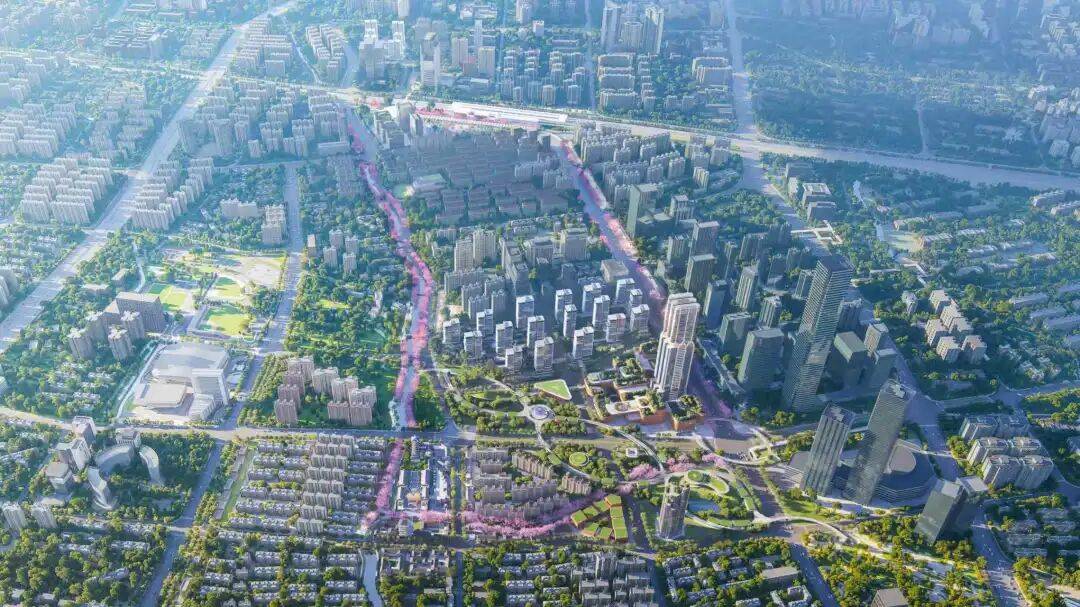
近年来,随着"真如境"项目从"蓝图"变实景,红旗村完成了从城中村到城市新地标的华丽蝶变,城市界面持续焕新。今年,继"真如翠谷"板块启动土地供 应和住宅用地开发之后,真如城市副中心核心版图最后一块重要拼图——"真如之心"控规也已获批,即将挂牌入市。如何进一步提升城市建设品质,打造 高端产业与城市烟火融合的典范,成为当前关键议题。 此次沙龙通过平等、开放的交流,为真如城市副中心下一步发展提供了多元思路。随着核心地块陆续推出,真如城市副中心在各方协作下,即将焕发更璀 璨的光彩、书写更加辉煌的发展篇章。 "真如之心"规划效果示意图 "真如板块规划起点高,随着近年商业、办公、轨交配套逐步完善,吸引了不少高素质就业人群,发展确定性增强。"来自房地产评估行业咨询机构的资深 技术总负责人从土地价值发掘方面对真如板块重点地块的发展潜力给予了肯定。房地产市场领域专业研究机构资深从业人士则立足当前行业发展挑战和房 地产市场大环境,结合近几年普陀土地供应和房屋销售数据,重点对真如及周边板块进行了深度剖析,为各方把握市场脉搏、谋划发展方向提供专业参 考。 来自中海、华润、金茂、上海城建等中央、地方国企以及香港瑞安、太古、新鸿基等知名房 ...

央地协同共建城市更新示范区,管庄乡新文化集体产业项目正式开工
Bei Jing Ri Bao Ke Hu Duan· 2025-12-30 05:54
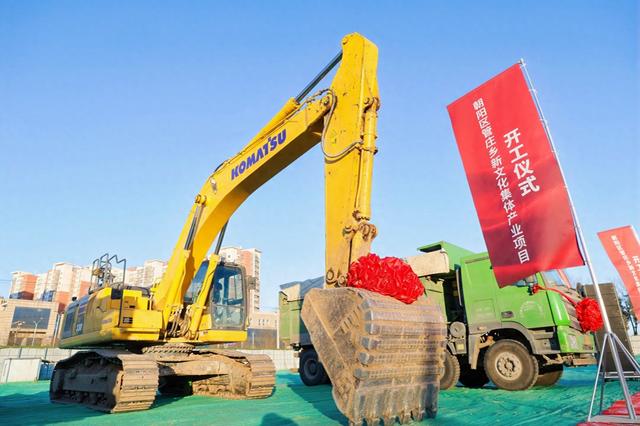
转自:北京日报客户端 该项目的全面启动,是管庄乡推动产业升级、优化城市功能的关键一步。未来,这里将不仅是高品质的 居住与工作空间,更是融合文化、科技与服务的活力共同体,为区域高质量发展注入持久动力。 12月30日,朝阳区管庄乡新文化集体产业项目正式启动建设。 来源:北京日报客户端 该项目位于管庄乡核心区域,总用地面积4.66公顷,总建筑规模约13.58万平方米,是一个集集体租赁住 房、高品质办公、体验型商业及多元配套于一体的综合性开发项目。 项目以"融合·创新·活力"为定位,聚焦三大功能板块。全龄友好社区:提供定制化、智能化的服务式公 寓,满足多元人群居住需求,构建"居住-工作-生活"一体化舒适生态圈;助力区域职住平衡,产城融 合。 产业创新集聚地:打造以"科技+服务"为特色的办公空间,吸引高成长型企业入驻,助力区域产业升 级。 文化活力新地标:商业部分以"艺术+科技+内容"为核心,打造融合非遗、数字艺术、健康科技、潮玩 生活等业态的沉浸式体验空间,成为青年创意孵化场、全龄友好乐园与社区活力会客厅。 ...
深化产城融合 与城市共成长
Xin Lang Cai Jing· 2025-12-29 19:18
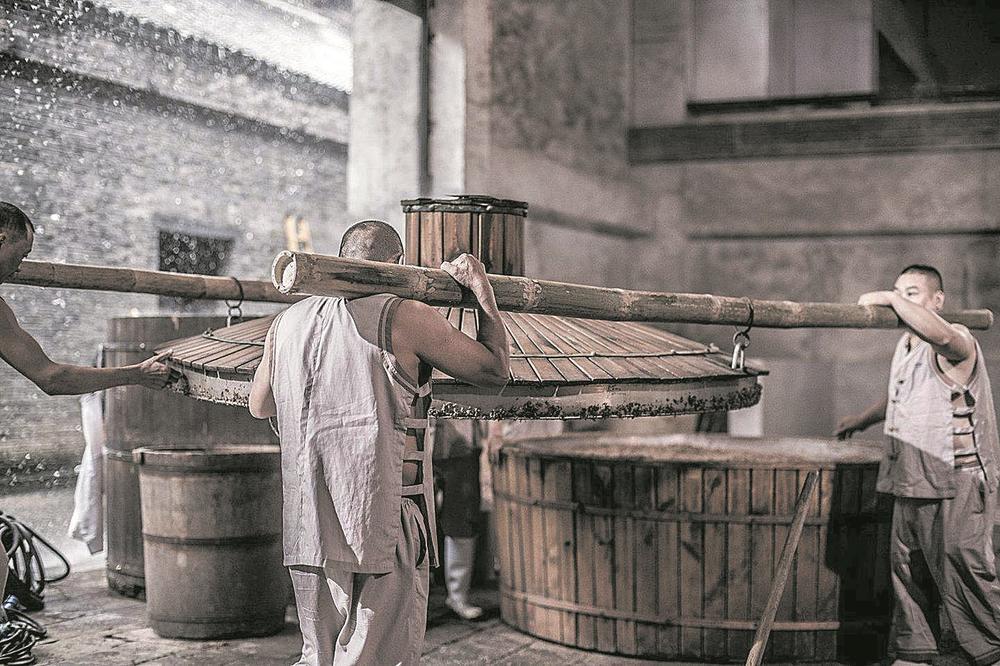
Core Viewpoint - Water Jiufang aims to contribute to Chengdu's high-quality development by focusing on six key areas as it transitions into the "15th Five-Year Plan" period, aligning its growth strategy with the city's development goals [4]. Group 1: Industry Development - The "15th Five-Year Plan" emphasizes the optimization and enhancement of traditional industries, with Chengdu aiming to build a modern industrial system centered around advanced manufacturing [5]. - Water Jiufang, as a leading enterprise in Chengdu's liquor production, is strategically expanding its production bases, integrating traditional brewing techniques with modern technology, and investing over 6.8 billion yuan in its Qionglai production base [5]. - The company is creating a micro-ecosystem that covers the entire production chain, enhancing efficiency while preserving traditional craftsmanship [5]. Group 2: International Engagement - Water Jiufang is positioned as a key player in Chengdu's goal to become a national center for international exchanges, leveraging its unique advantages from foreign partnerships [6]. - Since its acquisition by Diageo in 2013, Water Jiufang has integrated international management practices, enhancing its global market presence and confidence among foreign investors [6]. Group 3: Consumer Trends - The company is responding to changing consumer preferences by focusing on quality upgrades and emotional consumption, aligning with Chengdu's goal of becoming a major international consumption center [7]. - Water Jiufang's dual-brand strategy, featuring the main brand and the high-end "Diyifang," caters to different consumer segments, reinforcing its market position [7][8]. Group 4: Cultural Integration - Water Jiufang is actively contributing to Chengdu's cultural development by transforming its historical heritage into a vibrant cultural brand, supported by its status as a national cultural heritage site [9]. - The company has launched a unique cultural tourism route that connects its museum with other city landmarks, enhancing public engagement with its heritage [9]. Group 5: Technological Innovation - The "15th Five-Year Plan" highlights the importance of technological innovation, which Water Jiufang is addressing through research collaborations focused on microbial communities in traditional brewing [10]. - The company is utilizing smart manufacturing technologies to enhance production processes, ensuring that traditional techniques are preserved while improving efficiency [10][11]. Group 6: Sustainability Initiatives - Water Jiufang has integrated sustainability into its core strategy, establishing a comprehensive ESG framework and setting quantifiable goals for carbon reduction and resource recycling [12][13]. - The Qionglai production base exemplifies the company's commitment to green practices, achieving significant energy savings and waste recycling, and receiving international green building certifications [12][13].

一房难求源于产业可期
Xin Lang Cai Jing· 2025-12-28 22:35
Core Insights - The article highlights a housing shortage in the Songtao Miao Autonomous County, which is surprising given its location near a provincial economic development zone, indicating a significant industrial growth in the area [1] - The rapid development of the toy industry in Songtao, which has established a complete industrial chain in less than four years, is a key factor contributing to the local economic growth [1] - The housing demand reflects a positive trend of people wanting to move to and stay in the area, showcasing the successful integration of industry and urban development [1] Industry Development - The Songtao economic development zone has transitioned from having no industrial base to creating a robust toy industry that is labor-intensive and integrated into the global supply chain [1] - The focus on the toy industry not only supports economic growth but also enhances the quality of life for residents by providing jobs and improving local infrastructure [1] Future Outlook - The anticipated increase in production capacity and the influx of new residents, referred to as "New Songtao People," signals a thriving economic environment [2] - Local government plans to accelerate the construction of affordable housing and optimize urban planning to accommodate the growing workforce and enhance living standards [2]
广元经开区:锻造千亿产业集群 奋力建设“中国绿色铝都”
Xin Lang Cai Jing· 2025-12-28 20:28
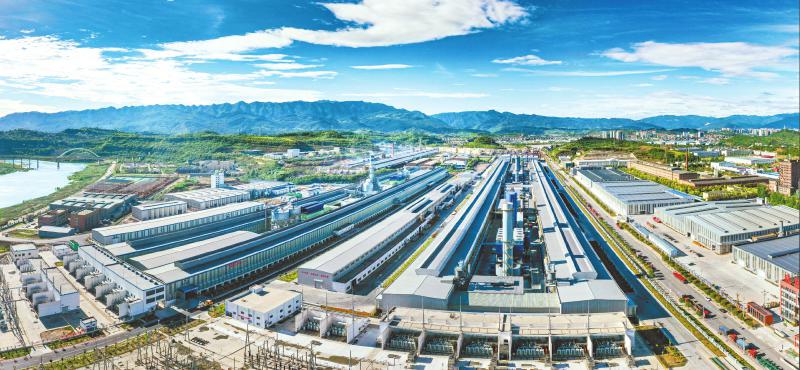
Core Insights - The article highlights the transformation of the Guangyuan Economic and Technological Development Zone into a modern industrial cluster focused on green aluminum production, aiming to become a national leader in the aluminum industry by 2027 [2][5]. Industry Development - Guangyuan is positioned as the only aluminum-based new materials development base in the province, with a goal to achieve an aluminum industry output value of 467 billion yuan in 2024, up from approximately 82 billion yuan in 2020, marking a growth of 469.51% over five years [2][3]. - The development strategy includes establishing over 80 aluminum-related enterprises with a total output value exceeding 700 billion yuan by 2027, creating a complete green aluminum industry chain [2][5]. Production Capacity - The region currently has an annual electrolytic aluminum production capacity of 615,000 tons and a recycling aluminum capacity of 400,000 tons, with over 220,000 tons of aluminum processing capacity [3]. - Guangyuan has attracted nearly 100 aluminum enterprises, including 60 large-scale companies and 10 national high-tech enterprises, showcasing a robust industrial ecosystem [3][4]. Green Initiatives - The Guangyuan Economic and Technological Development Zone has been recognized as a national green demonstration park and a core production base for green electricity aluminum, emphasizing sustainability in its operations [4]. - The region has initiated a pilot program for optimizing the inspection and supervision of imported recycled aluminum raw materials, which is expected to lower procurement costs and enhance the industry's quality development [4]. Infrastructure Development - The construction of the Sichuan-Shaanxi-Gansu-Chongqing aluminum trading center, processing center, and logistics center is underway, facilitating smooth import and export channels for aluminum raw materials and products [4][5]. - The aluminum trading center has achieved a trade volume exceeding 30 billion yuan, indicating strong market activity [4]. Employment and Community Impact - The development of the aluminum industry is driving job creation, with initiatives like the "Spring Breeze Action" job fair connecting over 1,700 job seekers with potential employers [9]. - The region is committed to improving living conditions and urban infrastructure, enhancing the quality of life for residents through various community projects [10][11].
济南地铁三线贯通,城市发展可“乘”东风
Xin Lang Cai Jing· 2025-12-28 18:23
Core Viewpoint - The opening of three new metro lines in Jinan has significantly enhanced the city's transportation efficiency and is expected to reshape urban spatial development and coordination by 2025, marking a pivotal year for the city's rail transit system [2][4][8]. Group 1: Transportation Efficiency - The new lines have alleviated traffic pressure on major thoroughfares, improving commuting experiences for residents and professionals [2][3]. - The 4th line, spanning 40.3 kilometers, serves as a crucial corridor connecting key areas such as the West Railway Station and the CBD, effectively reducing congestion on the main roads [2][3]. - The operational capacity of a single metro line is equivalent to that of 60 bus lanes, indicating a substantial structural relief for surface traffic [3]. Group 2: Urban Spatial Restructuring - The metro lines are expected to redefine urban growth boundaries and functional layouts, transitioning Jinan from a linear to a networked urban development model [4][5]. - The 4th line connects previously isolated urban functional areas, facilitating a "half-hour economic circle" that enhances connectivity across the city [4][5]. - The integration of metro lines is anticipated to create "rail micro-centers," promoting mixed-use developments and a more compact urban structure [5]. Group 3: Regional Development and Coordination - The new metro lines are breaking down regional development barriers, fostering deep integration between the main city and surrounding areas, as well as between industries and talent [6][7]. - The 8th line enhances accessibility to the Qilu Innovation Corridor, facilitating collaboration between enterprises and research institutions [6]. - The metro network's expansion supports balanced regional development, allowing residents in various areas to share in the benefits of urban growth [6][7]. Group 4: National Context and Future Outlook - Jinan's metro system is rapidly catching up with other major cities in China, with a projected total operational mileage of approximately 248 kilometers and an expected daily ridership exceeding 1 million by 2025 [8][9]. - The city has faced unique challenges in metro construction due to its complex geological conditions, particularly in areas sensitive to water resources, necessitating innovative engineering solutions [9]. - The development of the metro network is seen as a catalyst for transforming Jinan's urban landscape, integrating disparate city segments into a cohesive whole and promoting a new era of urban development [9].

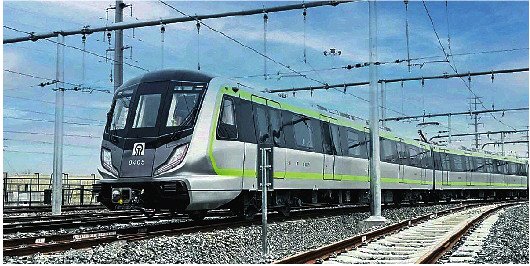
北京海淀首家青年人才驿站开启 引才服务机制再创新
Xin Lang Cai Jing· 2025-12-28 13:11
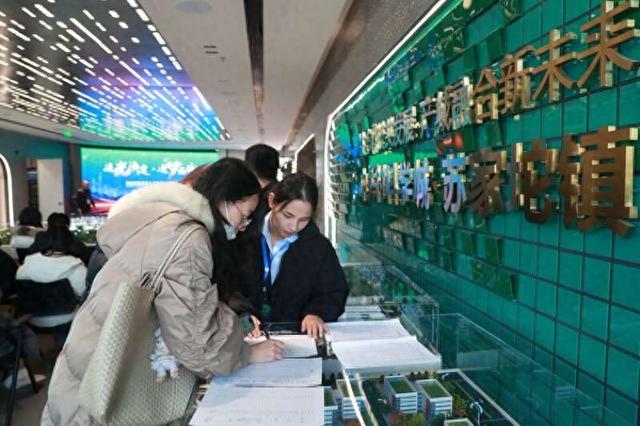
北京市海 中国青年报客户端北京12月28日电(中青报·中青网记者 张敏)今天,北京市海淀区苏家坨镇西山翠苑 青年人才住房园区举行首批交付仪式,将为入住青年减免半年租金,向海淀区创业、就业青年人才发出 最具诚意的邀约。百位青年人才在此开启安居新旅程。 据了解,这是海淀区首家青年人才驿站。人才驿站的建立是为进一步推进北京青年人才创新创业生态示 范区建设,构建全链条、梯度化人才生态体系,由海淀区人才局和苏家坨镇共同探索设立。驿站立足青 年人才实际需求,推动人才工作重心与资源向街镇下沉,区、镇联合提供包括住房保障、创业支持、社 群融合等多元化、精准化服务,共建"区级统筹、街镇承载、社会参与"人才服务新模式。 在交付仪式现场,相关领导为学生代表发放入住钥匙并发放"入住暖心大礼包",其中包括物业服务指 南、地区发展建设介绍、配套政策及暖心伴手礼。 12月28 苏家坨镇党委副书记、镇长赵振宇介绍,为打造青年人创新创业新生态,公寓推行"信用入住"模式,努 力将苏家坨镇建设成为青年人才宜居宜业的生活起点、创意创新的活力前站。"这100套优质住房,既是 苏家坨镇响应海淀高水平人才高地建设的具体实践,也是镇域递出的'安居请柬'。引 ...
经开区评出10家营商环境示范园区,构建产业生态新范式
Bei Jing Ri Bao Ke Hu Duan· 2025-12-28 05:08
Core Insights - In 2025, five new parks were recognized as "Demonstration Parks for Business Environment" in Beijing, bringing the total to ten parks evaluated under the "Yizhuang New City Business Environment Demonstration Park Evaluation Index System" [1][2] - The evaluation system aims to transform the broad concept of "business environment" into measurable and improvable operational standards, fostering a nurturing ecosystem for enterprises [1][2] Group 1: New Demonstration Parks - The five newly recognized parks include Beijing Economic International Enterprise Avenue, Yichuang High-tech Biomedicine Park, High-tech Audiovisual Industry Park, Zhongke Jingwei Intelligent Manufacturing Industry Park, and Dazhu Industrial 4.0 Innovation Park, all noted for their excellent performance in business environment evaluation [2][4] - Yichuang High-tech Biomedicine Park has established a comprehensive professional service system covering the entire industry chain, significantly reducing R&D costs for enterprises [2][4] - Dazhu Industrial 4.0 Innovation Park embodies the "Industry 4.0" concept, housing over 70 high-tech enterprises in robotics, smart manufacturing, and biotechnology [4][5] Group 2: Continuous Improvement and Impact - The first batch of five parks has maintained their leading positions in the 2025 follow-up evaluation, demonstrating a transition from recognition to leadership [8][10] - The parks have upgraded their incubation services, resulting in a 40% increase in policy application approval rates and a stable occupancy rate of over 95% [10][11] - The recognition as demonstration parks has attracted over 50 new technology-based SMEs and additional investments exceeding 200 million yuan, with a 30% reduction in average entry time for new enterprises [10][11] Group 3: Government and Market Collaboration - The growth of demonstration parks is rooted in a carefully constructed nurturing system by the Beijing Economic Development Zone, emphasizing deep collaboration between government and market forces [12][13] - A scientific evaluation system assesses ten indicators related to park management, infrastructure, and service capabilities, providing a comprehensive "health report" for continuous improvement [12][13] - The government offers long-term support to demonstration parks, including talent recognition and priority for incubator construction, enhancing flexibility in talent competition [12][13]
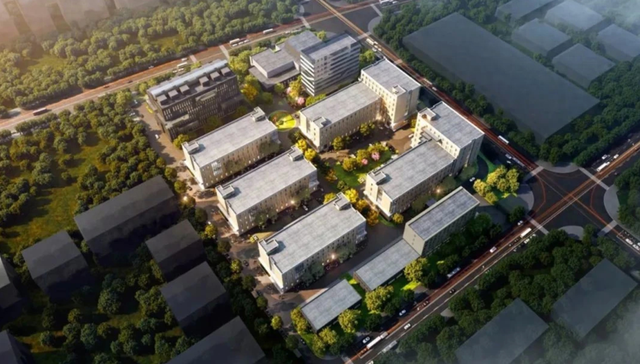
优势互补完善空间格局——贯彻落实市委全会精神系列评论③
Jie Fang Ri Bao· 2025-12-28 02:11
Core Viewpoint - Shanghai aims to become a world-class socialist modern metropolis by 2035, with the next five years being crucial for comprehensive development and transformation [1] Group 1: Urban Development Goals - The city is transitioning from rapid urbanization to stable development, focusing on improving existing urban structures rather than expanding [1] - Shanghai's urban economy has reached 5 trillion, positioning it among the world's top cities, yet there is still room for optimization in spatial layout and economic structure [1] Group 2: Regional Coordination and Competition - Different areas in Shanghai have unique advantages, but there is still "involution" and homogenized competition in investment attraction and industrial layout [2] - A principle for the 14th Five-Year Plan is to adopt a pragmatic approach, recognizing local strengths and focusing on leading industries while avoiding overexpansion [2] Group 3: Infrastructure and Talent Attraction - Shanghai is tasked with promoting the development of the Yangtze River Delta urban agglomeration, requiring enhanced cross-regional collaboration in transportation, municipal facilities, and innovation [3] - The demand for high-end industries necessitates a shift towards a more efficient and multifunctional urban spatial structure to attract talent [3] Group 4: Integration of Industry and Community - Future plans include breaking down barriers between industrial parks and communities, integrating resources to create "innovation + living" spaces [4] - The construction goals for the "Five New Towns" emphasize not only industry but also achieving a balance between work and living environments [4] Group 5: Call to Action - The upcoming years are seen as a pivotal moment for Shanghai to enhance urban spatial structure and promote regional coordination, playing a leading role in China's modernization efforts [5]