
产学研深度融合

Search documents
推动科技自主创新和人才自主培养良性互动(专题深思)
Ren Min Ri Bao· 2025-07-09 22:32
Group 1 - Education, technology, and talent are foundational and strategic supports for China's modernization, emphasizing the need for a virtuous cycle among education, technology, and talent [1] - Higher education institutions are crucial for developing technology and nurturing talent, which are essential for driving innovation and supporting China's modernization efforts [1] Group 2 - Talent is recognized as the primary resource for innovation, and higher education institutions must integrate moral education with talent cultivation to produce innovative talents [2] - The reform of ideological and political courses is highlighted as a means to instill values and enhance students' capabilities, ensuring a comprehensive talent development system [2] - The role of artificial intelligence in personalizing and optimizing talent training is emphasized, alongside the need for a global perspective in nurturing innovative talents [2] Group 3 - There is a call for collaboration between basic and interdisciplinary sciences to cultivate composite talents needed for economic and social development [3] - Higher education must innovate its discipline systems to activate innovation potential and support high-level technological self-reliance [3] - The focus is on long-term support strategies for foundational disciplines and the establishment of interdisciplinary collaborative entities to drive technological innovation [3] Group 4 - Deep integration of industry, academia, and research is essential for accelerating the cultivation of innovative talents and leading technological innovation [4] - Higher education institutions are urged to enhance their talent cultivation systems and collaborate with industries to address technological challenges [4] - The establishment of specialized technology transfer institutions and a differentiated talent cultivation model is necessary to align talent supply with regional industrial upgrades [4]
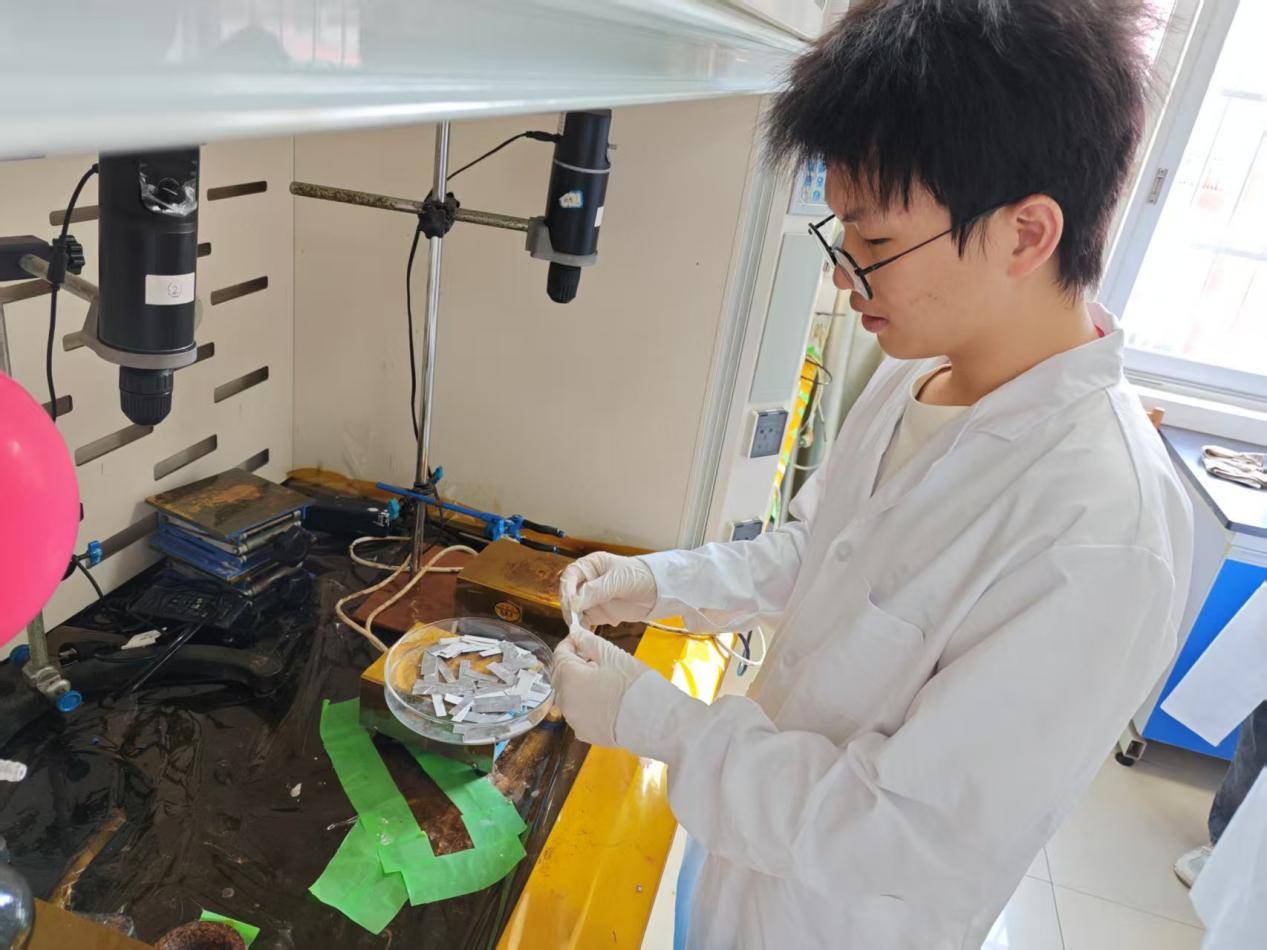
创新突破!湖南工业大学锂源再生团队研发电池新技术
Sou Hu Cai Jing· 2025-07-09 01:57
Core Viewpoint - The innovative bioprotein-mediated technology developed by Hunan University of Technology has achieved significant success in the efficient recovery of precious metals from lithium battery tailings, marking a milestone in the resource utilization of solid waste in the new energy sector [1][3]. Group 1: Technology and Innovation - The bioprotein-mediated gradient recovery system addresses three major industry challenges: difficulty in separating low-grade tailings precious metals, high recovery costs, and potential secondary pollution [1][3]. - The technology has been patented with four national invention patents and is considered a crucial pillar for promoting the circular development of the lithium battery industry [1][5]. - The average content of lithium, cobalt, and nickel in lithium battery tailings is 2.3 kg, 1.8 kg, and 3.5 kg per ton, respectively, which could meet 15% of the global demand for lithium battery raw materials if efficiently recovered [3]. Group 2: Environmental and Economic Impact - The new technology has increased the total recovery rate of precious metals from tailings to 92%, reduced processing costs by 58%, and eliminated harmful gas emissions during the process [3][5]. - The purity of lithium obtained from the tailings reaches battery-grade standards (99.95%), with cobalt and nickel recovery rates improved by 42% and 37% compared to traditional methods [5]. - The carbon emissions during the processing are reduced by 76% compared to traditional pyrometallurgical methods, showcasing a significant environmental benefit [5]. Group 3: Industry Collaboration and Future Prospects - Leading companies in the industry, such as BYD and Bangpu Recycling, have shown interest in collaborating on the industrialization of this technology [5][7]. - The research team is establishing a comprehensive innovation system that integrates microbial screening, protein modification, pilot testing, and industrial application [7]. - The team aims to explore a deep integration path of industry-university-research collaboration to ensure that technological innovations effectively support industrial development [7].

全球博士生过剩,业界呼吁培养“产业博士”
Di Yi Cai Jing· 2025-07-05 12:01
Group 1 - The article highlights the need to reassess the direction and programs of PhD training to better prepare graduates for the rapidly changing job market, suggesting alternatives like "industry PhDs" [1][3] - The number of PhD graduates globally has steadily increased over the past few decades, with a significant surge in countries like China and India, where the number of PhD students doubled from approximately 300,000 in 2013 to over 600,000 in 2023 [1][2] - There is a mismatch between the growing number of PhD holders and the availability of academic positions, leading to a trend where many PhD graduates are seeking non-academic jobs [3][4] Group 2 - The article discusses the importance of aligning PhD training with industry needs, advocating for increased collaboration between universities and businesses to address real-world technical challenges [4][5] - Countries like Japan, Germany, and the UK have begun reforms to integrate industry experience into PhD programs, such as paid internships and collaborative research projects [4] - The call for a multi-stakeholder collaborative innovation model emphasizes the need for educational institutions and businesses to work together to foster skills that are valued in the job market, such as innovative thinking and analytical skills [5]
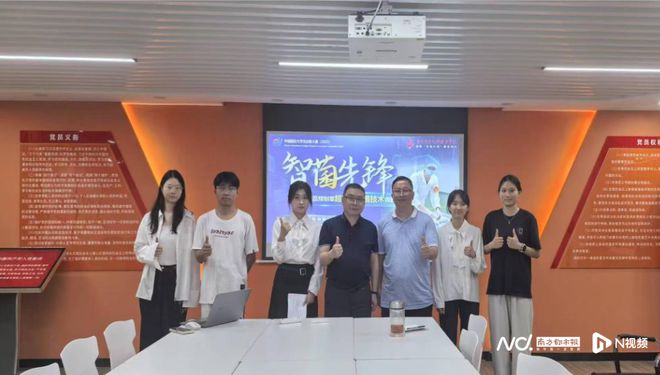
灭菌效率达99%!广科院学子打造水产灭菌新方案引关注
Nan Fang Du Shi Bao· 2025-07-05 04:24
Core Viewpoint - The "Smart Bacteria Pioneer" team from Guangdong University of Science and Technology has developed a high-pressure sterilization technology that significantly enhances food safety in the aquatic product industry, achieving over 99% sterilization efficiency and maintaining a 96.7% appearance retention rate for food products [1][3][5] Group 1: Technology Development - The team has successfully created three core technologies: dynamic pressure control, turbulent flow equalization, and temperature control coordination for sterilization [3] - The new sterilization method effectively eliminates harmful bacteria while preserving the nutritional value and taste of aquatic products, addressing the shortcomings of traditional high-temperature and chemical sterilization methods [1][3] Group 2: Market Impact and Future Goals - The team aims to expand its technology to the national market, positioning high-pressure sterilization as a standard in the aquatic product industry [5] - The development of 10 intellectual property rights has established a strong technical barrier for the team, ensuring its growth and setting a benchmark for industry technological upgrades [5]
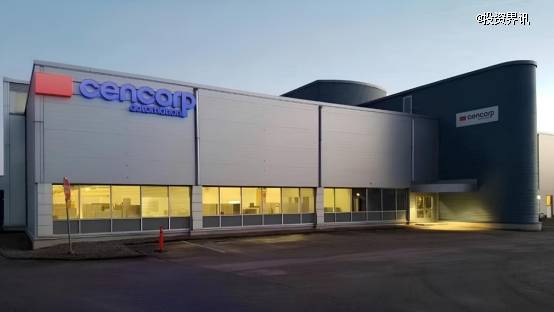
首发|高端工业装备品牌「申科谱工业」完成超亿元B+轮融资
Sou Hu Cai Jing· 2025-07-02 00:10
Core Insights - Shenke Industrial has completed a B+ round financing exceeding 100 million yuan, with participation from multiple investment firms, aimed at enhancing core technology, market expansion, international strategy, and sustainable development [1][4] Company Overview - Shenke Industrial has a 42-year brand history, focusing on high-end standard industrial equipment design and production, serving over 20 Fortune 500 clients [1] - The company ranks among the top three globally in the PCB equipment market for 40 consecutive years and holds the number one position in specialized plug technology [1] - Shenke Industrial has the highest number of overseas patents among Chinese companies related to PCB and plug technology, and its Die AOI process exceeds industry standards by two times [1][2] Financial Performance - The company has achieved over 80% revenue growth in the past four years [2] Global Presence - Shenke Industrial operates five production bases, four R&D centers, and three thousand-level laboratories, with projects covering over 30 countries across four continents [2] - The company employs over 600 people globally, with more than 60% in R&D roles, and 80% of overseas employees are locally recruited [2] Future Development Strategy - The financing will focus on deepening core technology research, expanding industry application scenarios, and accelerating international strategic deployment [4][5] - The company aims to enhance collaboration with universities and research institutions to promote the integration of production, education, and research [4] - Shenke Industrial plans to explore high-end manufacturing fields such as medical devices and humanoid robots while maintaining its focus on automotive electronics, consumer electronics, new energy, and semiconductors [4] Sustainability Initiatives - The company is committed to integrating environmental protection into technological innovation, promoting low-carbon and efficient sustainable manufacturing [5] - Shenke Industrial employs modular design and recyclable materials to extend equipment lifespan and reduce industrial waste [5] - The company is exploring the integration of clean energy technologies, such as photovoltaics and energy storage, with smart manufacturing [5]
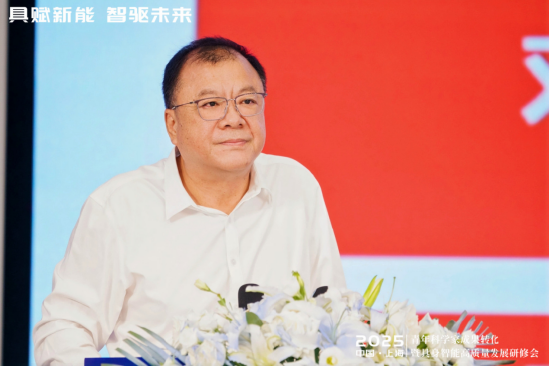
西安交通大学党委书记卢建军:落实企业主导的产学研深度融合,破解科技创新与产业创新深度融合难题
Xin Lang Cai Jing· 2025-06-29 05:33
Core Insights - The forum highlighted the disconnect between universities and industry in China's innovation ecosystem, questioning why universities contribute minimally to industrial innovation despite significant R&D funding and research capabilities [1][3] Group 1: Challenges in Technology Transfer - The speaker pointed out the pain points in the transformation of scientific research outcomes, emphasizing the need for deeper integration between academia and industry [3] - The traditional model of university-industry collaboration is criticized for being too contractual and project-based, lacking genuine partnership [4] Group 2: Solutions and Innovations - Xi'an Jiaotong University has implemented a model called "one center, one incubation, two surrounds, one sharing" to enhance the integration of industry and academia, positioning enterprises as the main drivers of innovation [4] - The university's technology transfer rate has significantly improved, with patent and empowerment transfer rates reaching 22%, showcasing the effectiveness of the new model [4] Group 3: Financial and Talent Ecosystem - The innovation park has established a venture capital and technology trading platform, attracting 204 seed angel funds and 338 financial institutions to support startups [4] - A new talent-sharing model has been created, involving schools, enterprises, and government collaboration to address talent acquisition challenges [4] Group 4: Broader Strategic Integration - Xi'an Jiaotong University is actively participating in national development strategies, establishing research institutes in key regions and creating platforms to attract high-level overseas talent [6] - The university is also engaging in international initiatives like the Belt and Road Initiative, aiming to facilitate technology transfer and educational integration across borders [6][8] Group 5: Future Outlook - The innovation park model demonstrates the potential for effective collaboration between universities, enterprises, and capital, which could significantly enhance China's technological innovation landscape [8] - The need for more practitioners in the field of embodied intelligence is emphasized, suggesting that a dynamic flow of innovation resources could lead to substantial advancements in technology [8]
普源精电(688337):与西安电子科技大学签署合作协议,高端化战略持续推进
Shenwan Hongyuan Securities· 2025-06-25 14:13
Investment Rating - The investment rating for the company is "Outperform" (maintained) [1] Core Views - The company has signed a cooperation agreement with Xi'an University of Electronic Science and Technology to promote its high-end strategy, focusing on deep integration of industry, academia, and research [6] - The company is committed to high-end product development and has seen significant sales growth in its DS80000 series high-end digital oscilloscopes, with strong demand from strategic customers [6] - The electronic measurement instrument industry is expected to continue steady growth, with domestic companies accelerating their technological advancements and narrowing the gap with overseas competitors [6] Financial Data and Profit Forecast - Total revenue is projected to grow from 776 million in 2024 to 1,332 million by 2027, with a compound annual growth rate (CAGR) of approximately 18.2% [5][8] - The net profit attributable to the parent company is expected to increase from 92 million in 2024 to 262 million by 2027, reflecting a significant growth trajectory [5][8] - The company's gross margin is forecasted to improve from 59.1% in 2024 to 62.7% in 2027, indicating enhanced profitability [5]

苏州启动“技能照亮前程”暑期技能大培训
Su Zhou Ri Bao· 2025-06-25 00:32
Group 1 - The "Skills Illuminate the Future" summer training program has been launched in Suzhou, focusing on large-scale vocational skills training to support laborers in achieving skill-based employment and income growth [1][2] - The program aims to respond to the needs of various sectors by aligning training with industry demands, involving over 20 departments to create a collaborative training framework [1][2] - The training will target key groups such as rural migrant workers, unemployed graduates, and individuals facing employment difficulties, with ten specialized training plans in advanced manufacturing, modern services, and practical skills for rural areas [2] Group 2 - Suzhou has mobilized resources from 73 universities and vocational schools, along with 194 private vocational training institutions and 102 public training bases, to enhance the scale of socialized training [2] - The launch event included the establishment of a training alliance among industry associations and the awarding of public training bases, promoting collaboration between educational institutions and enterprises [2][3] - A partnership was formed between Changshu Vocational School and Xiaomi Group to develop training programs in artificial intelligence and industrial vision, enhancing employment opportunities for students and talent supply for companies [3]
上海交通大学与深势科技签署战略合作协议,共建AI-X研究院
news flash· 2025-06-23 14:35
6月23日,上海交通大学与深势科技签署战略合作协议,共建AI-X研究院,培育产学研深度融合的超级 科研生态。仪式上,上海交通大学宣布,上海交通大学超级科研平台正式启用。 ...
深圳贯彻落实《关于深入推进深圳综合改革试点深化改革创新扩大开放的意见》工作大会解读:深圳加快推进综改试点
Guoxin Securities· 2025-06-23 08:15
Group 1: Economic Reform and Innovation - Shenzhen's R&D investment as a percentage of GDP increased from 4.93% in 2020 to 6.46% in 2024[4] - The number of national high-tech enterprises in Shenzhen exceeds 25,000, with 1,025 classified as "little giant" enterprises[4] - Strategic emerging industries' value added as a percentage of GDP rose from 37.1% in 2020 to 42.3% in 2024[10] Group 2: Talent and Education Reform - Shenzhen introduced a talent service company, with nearly 44,000 new talents registered in the first five months of 2025[4] - High-skilled talents in Shenzhen reached 1.59 million, accounting for 39.2% of skilled talents[4] - The city aims to establish a comprehensive talent support system, including housing and office space[4] Group 3: Financial and Data Empowerment - Shenzhen's financial measures include "Tengfei Loan" and "Park Loan" to support tech and small enterprises[10] - The establishment of the Shenzhen Data Exchange in 2022 aims to enhance data trading and management[10] - The issuance of the first targeted technology innovation bond post-implementation of the reform opinions indicates practical outcomes[3] Group 4: Open Economy and Trade - Shenzhen's total foreign trade volume reached 4.5 trillion yuan in 2024, a year-on-year increase of 16.4%[20] - The city has established a cross-border fund pool pilot, reducing cross-border fund transfer time from 2 days to 5 minutes[20] - Shenzhen aims to adapt to high-standard trade rules like CPTPP and RCEP to enhance its open economy[20] Group 5: Governance and Public Services - Public spending on people's livelihoods increased from 68% of the general public budget in 2020 to nearly 70% in 2024[24] - The number of three-tier hospitals in Shenzhen rose from 22 at the end of 2020 to 33 by the end of 2024[24] - PM2.5 concentration decreased from 20 micrograms per cubic meter in 2020 to 17.3 micrograms per cubic meter in 2024[24]
