
全屋智能

Search documents
为什么其他全屋智能叫有线无线,华为鸿蒙智家叫前后装?
华尔街见闻· 2025-06-23 09:15
Core Viewpoint - The article emphasizes that the whole-house smart home market is transitioning from a luxury to a necessity, driven by policy support and technological advancements, with a projected market size of $6.38 billion by 2030 [1][5]. Group 1: Market Dynamics - The whole-house smart home market is expected to grow rapidly, with a forecasted scale exceeding 100 billion yuan by 2025, transitioning from single product intelligence to proactive intelligence leveraging AI, IoT, and cloud computing [5]. - The focus of the market is shifting from new housing to the renovation of existing homes, with manufacturers introducing solutions like "functional module subscriptions" and "7-day rapid delivery" [5]. Group 2: Huawei's Strategy - Huawei has redefined service categories in the whole-house smart industry by introducing pre-installation and post-installation solutions, focusing on user needs rather than traditional wired and wireless classifications [3][9]. - The company aims to address user pain points in post-installation solutions, such as ecosystem fragmentation and installation complexity, by offering a mixed networking approach that combines wired and wireless solutions [15][20]. Group 3: User Experience and Feedback - Users have reported issues with existing post-installation solutions, including compatibility problems and complex operations, leading to a demand for more seamless and user-friendly experiences [7][18]. - Huawei's post-installation solutions have improved device connectivity and user experience, with features like automatic reconnection and voice control, addressing common user frustrations [18][20]. Group 4: Industry Implications - The article highlights the potential for Huawei's solutions to enhance the value of commercial real estate by providing flexible and cost-effective smart home upgrades, which can differentiate properties and improve their marketability [20][22]. - The hospitality and healthcare sectors are also seen as key areas for smart home integration, with Huawei's solutions offering significant improvements in user experience and operational efficiency [21][22].


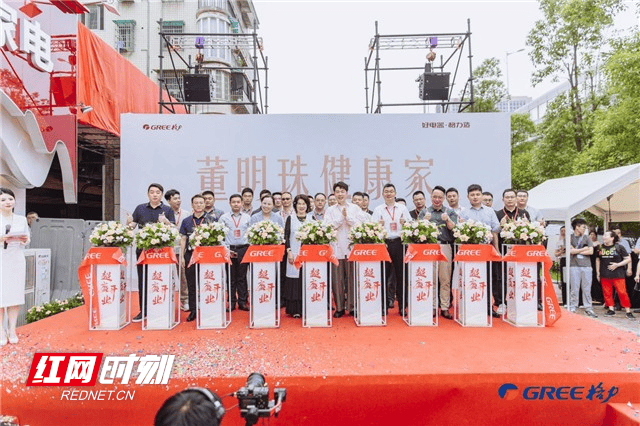
长沙健康生活圈再扩容 全国首家面积超1000㎡董明珠健康家开业
Sou Hu Cai Jing· 2025-06-10 07:40
Core Viewpoint - The opening of the first "Dong Mingzhu Health Home" flagship experience store in Changsha marks a significant strategic step for Gree Electric in the smart health living sector, aiming to enhance consumer awareness of its health appliances and promote its diversification strategy [2][3]. Group 1: Store Opening and Concept - The "Dong Mingzhu Health Home" flagship store covers over 1000 square meters and offers an immersive lifestyle experience for consumers [2]. - The store features a three-in-one core concept of "air-water-diet," showcasing various living scenarios such as study, kitchen, living room, and bedroom [3]. Group 2: Product Highlights - The store highlights innovative products like the Gree Rose Air Conditioner, which integrates art and technology with its unique design and advanced air distribution technology [5]. - Other showcased products include the all-domain fresh-keeping refrigerator, advanced washing machines, and a water purification system with a 99.9999% bacteria removal rate, emphasizing health and safety [8][10]. Group 3: Future Expansion Plans - Gree plans to open 3,000 "Dong Mingzhu Health Home" stores nationwide by 2025, aiming to expand its brand influence and provide consumers with convenient access to its health and energy-efficient products [10].

价格战没有赢家,家电家居企业“抱团取暖”
2 1 Shi Ji Jing Ji Bao Dao· 2025-06-09 14:12
Group 1: Industry Trends - The AI technology wave is transforming the home appliance and furniture industry, providing new opportunities for companies affected by the sluggish real estate market [1] - Companies in the home appliance, furniture, and real estate sectors are increasingly collaborating, with a focus on whole-home smart solutions [1][2] - The trend of "cooperation for mutual benefit" is prevalent, as companies seek to integrate and innovate in response to market challenges [2] Group 2: Company Collaborations - Major companies like Midea, Gree, Panasonic, and Huawei are prioritizing the development of whole-home smart solutions, with some already launching smart home products through partnerships [1][4] - Midea Group has made significant investments in the furniture sector, acquiring a stake in Kuka Home and establishing a smart home company to integrate home appliances and furniture [4] - Haier and Oppein have formed an ecological strategic partnership to enhance product integration and market reach [5] Group 3: Market Potential - The penetration rate of smart home technology in China is currently at 14.5%, indicating significant growth potential as AI and 5G technologies advance [7] - The smart home market is expected to exceed one trillion yuan by 2025, driven by increasing consumer acceptance and technological advancements [7] - The development of smart home technology is evolving from simple automation to interconnected whole-home solutions, with various application scenarios maturing [6][7] Group 4: Challenges and Consumer Perception - Despite the push for smart home products, challenges such as high prices, lack of interoperability, and data privacy concerns remain significant barriers to consumer adoption [8][9] - Many consumers perceive current AI home appliances as lacking true intelligence, often requiring multiple apps for control and failing to deliver seamless integration [8] - The Matter protocol, aimed at improving interoperability among smart home devices, has seen slow adoption in the domestic market due to limited product support and regulatory issues [8]





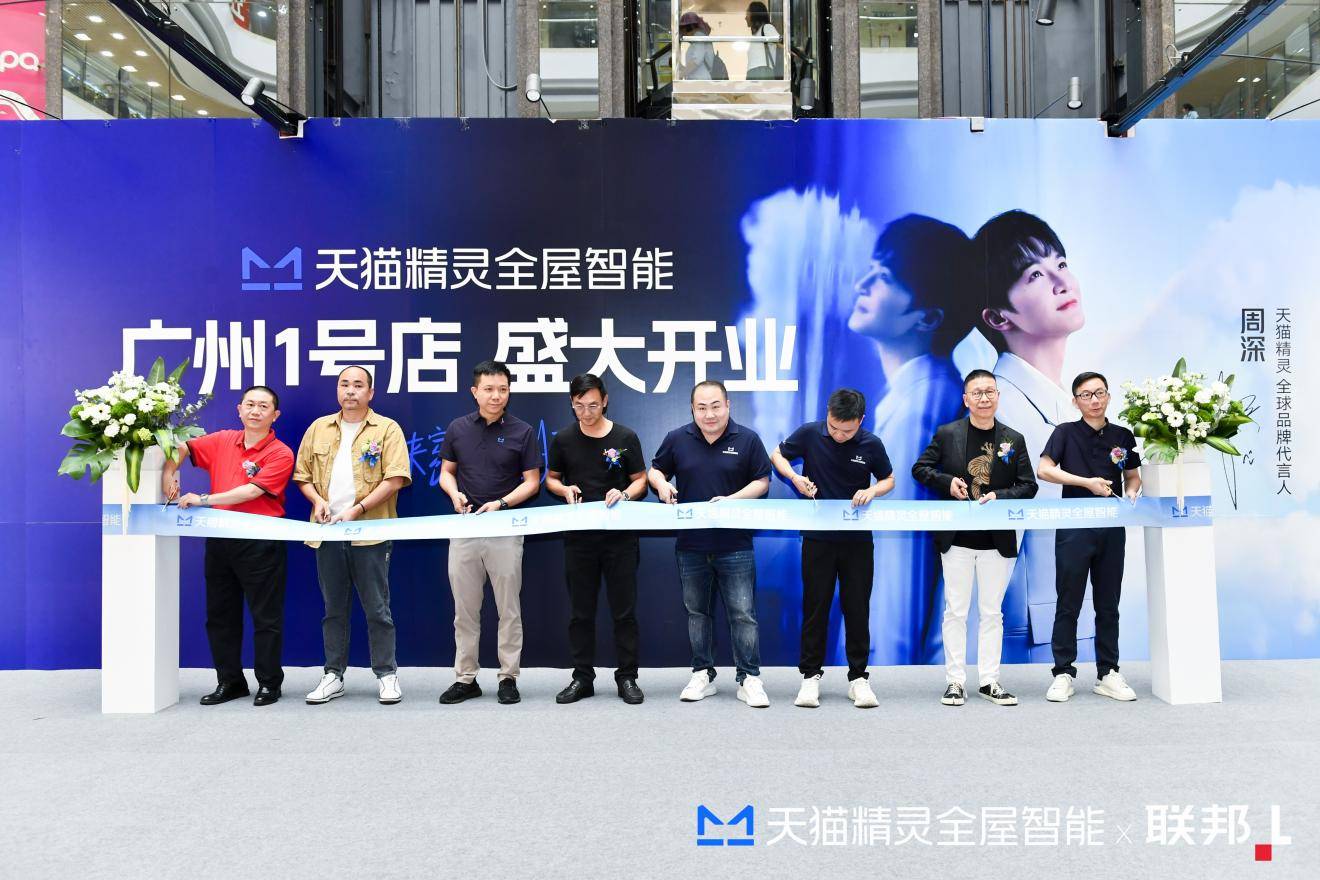
全屋智能全案新赛道,联邦家私x天猫精灵智慧家新温度
Sou Hu Cai Jing· 2025-06-09 07:22
Core Viewpoint - The collaboration between Lianbang Furniture and Tmall Genie represents a transformative shift towards a future of intelligent living spaces, integrating AI-driven solutions with comprehensive home furnishing services [1][24][25] Group 1: Strategic Partnership - Lianbang Furniture and Tmall Genie officially opened the largest smart home flagship store in Guangzhou, marking a significant milestone in their strategic partnership [1][3] - The partnership aims to create a one-stop smart living solution that combines "full-case customization" with "whole-house intelligence" [1][6] - The launch of the "Whole House Smart Ecosystem Alliance" at the Tmall Genie conference highlights the commitment to integrating smart technology into home design [3][5] Group 2: Technological Integration - The flagship store utilizes the "1+3+N" architecture powered by the Tongyi Qianwen AI model, which enhances user interaction and system learning capabilities [7][10] - The system features a central smart brain (GenieOS+) that manages devices, scene orchestration, and data analysis, allowing for natural user interactions [7][10] - The store supports over 5.3 billion connectable devices and 120 million direct-connect chips, covering various smart home scenarios [10][12] Group 3: User Experience - The design philosophy integrates technology seamlessly into the home environment, making smart devices an inherent part of the living space rather than standalone products [19][24] - The store showcases various scenarios, such as transitioning from "focused work" to "cozy reading" modes, demonstrating the practical application of smart home technology [13][16] - The collaboration emphasizes a user-centered approach, where furniture evolves into intelligent nodes that adapt to user needs and environmental conditions [24][25] Group 4: Future Outlook - The partnership signifies a new phase in the home furnishing industry, moving towards a "space intelligence" model that combines AI technology with human-centered design [24][25] - The initiative aims to deliver a warm promise of "full-case customization and smart homes" to households, making intelligent living more accessible [25]
扫地机器人内卷式繁荣下,技术路线现派系之争
Xi Niu Cai Jing· 2025-06-09 03:37
Group 1 - The global smart vacuum cleaner market is highly competitive, with Chinese companies dominating the top five positions in terms of shipment volume, led by Stone Technology with a 16.0% market share [1] - The domestic market also shows a similar trend, with the top five companies being Ecovacs, Stone Technology, Yunji, Xiaomi, and Dreame, holding market shares of 25.4%, 21.6%, 16.3%, 13.7%, and 12.2% respectively [4] - The industry is experiencing a "arms race" in product innovation, leading to a cycle of homogenization where new products offer minimal differentiation [5][6] Group 2 - Frequent new product launches have led to price wars, with the average price of vacuum cleaners dropping from 2000 yuan in 2019 to around 1500 yuan by 2025, creating a "increment without profit" dilemma for companies [9][7] - Companies are facing increased sales expenses, with Ecovacs' sales expenses reaching 5.017 billion yuan in 2024, accounting for over 30% of total revenue, while Stone Technology's sales expenses surged by 73.23% year-on-year [9][11] - The rapid introduction of new products has resulted in a decline in the resale value of older models, as consumers report significant price drops shortly after purchase [12][15] Group 3 - The future direction of the vacuum cleaner industry is divided into two main camps: the "smart faction," which aims to integrate vacuum cleaners into a broader home ecosystem, and the "robot faction," which focuses on advancements in humanoid robot navigation and AI [17][19] - Companies like Yunji are pursuing the "robot faction" approach, having recently completed a $100 million funding round to develop their first embodied intelligent product [17] - Ecovacs represents the "smart faction," expanding its product line to include window cleaning robots and lawn mowers, with significant growth in overseas sales [19]


全屋智能带来“一屋千面”居住体验
Ke Ji Ri Bao· 2025-06-05 01:20
Core Viewpoint - The article highlights the growing trend of whole-home smart technology, emphasizing its ability to create personalized living experiences through advanced AI and IoT capabilities [1][2][3] Group 1: Technological Advancements - The introduction of large models and AI-generated content (AIGC) allows smart home systems to better understand and interact with user needs, creating tailored environments for various daily activities [1][2] - Smart home systems can now automatically adjust lighting based on user presence and time, enhancing user comfort and well-being [2] Group 2: User-Centric Features - The technology addresses diverse user needs, including privacy concerns by processing data locally and providing emergency assistance features for vulnerable groups [3] - The evolution from manual control to voice and gesture-based interactions signifies a shift towards more intuitive and integrated smart home experiences [3] Group 3: Future Outlook - As large models continue to develop, the potential for smart home systems to achieve human-like intelligence and accuracy is anticipated, further enhancing user satisfaction and quality of life [3]
天猫精灵全屋智能2.0发布,预计年内完成100+核心城市布局
Xin Lang Ke Ji· 2025-06-04 03:06
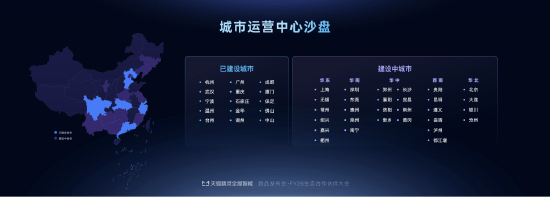
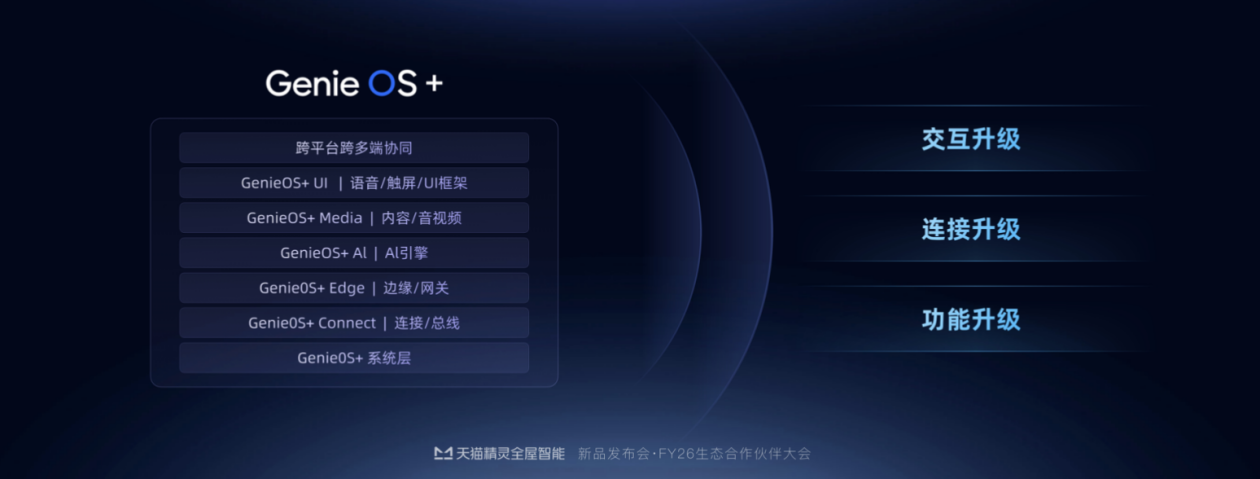
Core Insights - Tmall Genie has launched multiple products and technological innovations, including the Whole House Smart 2.0 and Space Intelligent Agent, while announcing the latest progress of its "Hundred Cities Lighthouse Plan" [1] - The brand has established offline experience stores in over 30 cities across China, with plans to complete the layout in over 100 core cities by the end of the year [1] - Tmall Genie has achieved significant upgrades in interaction, connectivity, and entertainment content through its self-developed Genie OS+ system [1][2] Product and Technology Developments - Tmall Genie has introduced three new 2.0 hardware products based on its Whole House Smart 1.0, including the "Illusion Series Smart Panel" with AI emotion algorithms, the "W.O. Series Smart Panel" for precise light control, and the "Chasing Light Smart Knob" that serves dual functions [1] - The Space Intelligent Agent leverages user preferences, home structure, and device status to provide natural AI scene services, enhancing the efficiency of smart home installations [1] Market Position and Ecosystem - Tmall Genie has served over 40 million households in China, with monthly user wake-up counts exceeding 11 billion [2] - The brand has established connections with over 1,800 brands and more than 530 million devices, indicating a strong ecosystem [2] - The integration of IoT, large models, and multimodal interaction technologies aims to create a smarter and more emotionally responsive whole-house smart experience [2]

天猫精灵加码全屋智能 实现交互、连接和功能升级
Huan Qiu Wang· 2025-05-29 09:32
Core Insights - Tmall Genie has upgraded its Genie OS+ system with three major enhancements: interaction, connectivity, and functionality [1][3][4] - The system aims to create a smarter, more natural, and emotionally aware home automation experience by integrating IoT, large models, and multimodal interaction technologies [3][4] Group 1: Interaction Upgrade - The interaction upgrade features an integrated cross-end interaction framework that combines technology and aesthetics, making voice interaction more responsive and adding multi-dimensional sound color switching for enhanced user experience [1] - Tmall Genie has improved voice interaction convenience by deeply understanding user needs and quickly executing commands [4] Group 2: Connectivity Upgrade - The connectivity upgrade introduces a new cloud-edge-end architecture that significantly enhances cloud scene management efficiency, enabling edge data management and multi-gateway collaboration [1] - Bluetooth data transmission capacity has been expanded eightfold, facilitating smoother scene synchronization and large-scale control [1] Group 3: Functionality Upgrade - The functionality upgrade enriches entertainment content, including a wide range of music scene albums and AI music recommendations, while enhancing audio and video capabilities [1] - The latest space intelligence Agent can understand user preferences and home structure, providing more natural AI scene services [3] Group 4: Ecosystem Development - Tmall Genie continues to deepen its "1+3+N" ecosystem, supporting a wider range of ecological products and diverse application scenarios for faster and more stable connections [4] - Strategic partnerships with over 20 leading companies in sleep, lighting, home appliances, and audio-visual fields are established to further integrate space intelligence into daily life [4]
华为鸿蒙智家亮相AWE2025高峰论坛,引领未来空间智能化
Jiang Nan Shi Bao· 2025-03-24 07:12
Core Viewpoint - Huawei's HarmonyOS Smart Home aims to lead the future of spatial intelligence, addressing user needs and pain points while enhancing the overall smart home experience through advanced technology and design [1][2]. Group 1: Industry Trends - The smart home industry is transitioning from early technology experimentation to a phase of large-scale adoption, with over 60% of users lacking systematic understanding and 80% not having a clear purchasing decision path [2]. - Spatial intelligence is seen as a highly valuable sector, redefining the relationship between people and their living spaces, transforming them from mere physical containers to "emotional partners" [2]. Group 2: Product Features - Huawei HarmonyOS Smart Home focuses on four key areas: high-end aesthetics, practical health solutions, convenience through AI, and reliability through stringent testing [3][11]. - The product line includes advanced lighting solutions designed by certified lighting designers, enhancing the aesthetic appeal of living spaces [4]. - The health-oriented features include an active air quality solution that monitors and improves indoor air conditions, ensuring a safe and comfortable living environment [7]. Group 3: User Experience - Users can enjoy a "global vacation experience" at home through immersive sound and light algorithms, creating personalized environments for various occasions [5]. - AI integration allows for voice control of home devices, making the home more intuitive and responsive to user needs [9]. - The system supports car-home connectivity, enabling users to control home devices from their vehicles, enhancing convenience [10]. Group 4: Quality Assurance - Huawei HarmonyOS Smart Home employs a robust quality control system with four rigorous testing stages to ensure product reliability and stability [11]. - The company offers a 24-hour home renovation solution that does not require wall breaking or wiring, making smart home technology accessible to existing homeowners [11].
家电在2025有哪些新逻辑和新机会?
2025-03-16 15:50
Summary of Key Points from Conference Call Industry Overview - The conference call primarily discusses the **home appliance industry** in China, focusing on investment opportunities and market dynamics for 2025 [2][4][7]. Core Insights and Arguments - **Economic Growth and Consumer Spending**: In 2024, China achieved a GDP growth target of 5%, largely driven by a 7.1% increase in export growth. However, domestic consumption is expected to play a more critical role in achieving the 2025 GDP growth target of 5% due to increasing export pressures [2][3]. - **Government Support for Consumption**: The government has increased fiscal spending, with a significant rise in the comprehensive fiscal index by 8.62% year-on-year, which is expected to boost household income and stimulate consumption, particularly in the home appliance sector [2][4]. - **Subsidy Policies**: The "trade-in" subsidy policy has been expanded from 150 billion yuan in 2024 to 300 billion yuan in 2025, directly stimulating demand in the home appliance market [4][11]. - **Investment Opportunities**: The home appliance sector is seen as having multiple investment opportunities due to policy support, strong domestic demand, and the potential for technological innovation [2][4][7]. Market Dynamics - **Sales Growth**: The home appliance industry has shown significant growth in domestic sales, with online and offline channels maintaining double-digit growth rates. For instance, air conditioning sales grew by 20%, and kitchen appliances saw over 40% growth in offline sales [7][10]. - **Consumer Trends**: There is a notable shift towards durable consumer goods, with strong demand in lower-tier markets. The retail sales growth in these markets has reached 11% [7][10]. - **AI Integration**: The application of AI technology in home appliances is enhancing user experience and profitability, with companies like Xiaomi and Haier leading in smart home ecosystem development [2][15][17]. Financial Metrics - **Free Cash Flow Improvement**: The consumer sector has seen a reduction in capital expenditure, leading to improved free cash flow, which is attractive to foreign investors. The consumer sector's valuation is at historical lows, suggesting potential for upward movement [5][8][20]. - **Dividend Policies**: Companies are increasing dividend payouts as free cash flow improves, with Haier raising its payout ratio from 40% to 50% [21][22]. Emerging Trends - **New Consumption Areas**: The rise of service robots and AI integration in consumer products is creating new market opportunities. For example, the penetration rate of robotic vacuum cleaners is expected to increase significantly due to government subsidies [23]. - **Market Segmentation**: Different categories of home appliances are performing variably, with kitchen appliances and small appliances showing stronger growth compared to traditional white goods [13][19]. Risks and Challenges - **Export Challenges**: The home appliance sector faces challenges from declining export growth, with a forecasted export growth rate of around 2% for 2025 [3][10]. - **Market Volatility**: The overall market is experiencing a slowdown in growth rates, which is a normal phenomenon given the size of the Chinese economy. Investors are advised to focus on long-term stable growth rather than short-term spikes [19][20]. Conclusion - The home appliance industry in China is poised for growth in 2025, driven by government support, technological advancements, and changing consumer preferences. Investors are encouraged to identify quality stocks within this sector, particularly those benefiting from subsidy policies and innovative product offerings [4][7][19].