
工业旅游

Search documents
厂区缘何成风景
Bei Jing Wan Bao· 2025-08-28 02:14
Core Insights - The article highlights the growing trend of industrial tourism in Beijing, merging historical industrial sites with modern cultural and leisure experiences [1][2][3] - Industrial tourism is positioned as a new engine for urban development, integrating manufacturing history with contemporary culture and consumer experiences [2][3] - Beijing's unique industrial heritage and cutting-edge technology create a compelling narrative for industrial tourism, distinguishing it from other cities [2][3] Group 1: Industrial Tourism Development - The core purpose of developing industrial tourism is to blend historical industrial production spaces with current urban culture and leisure activities [2] - Beijing's industrial tourism benefits from its rich history as a significant industrial hub in China, with unique resources like the Shougang Park and various museums [2][3] - The integration of old factories into urban renewal projects allows for experiential and consumable spaces, enhancing visitor engagement [3] Group 2: Visitor Experience and Engagement - Increasing visitor interest in industrial tourism is evident, with popular sites like the Xiaomi Super Factory and Robot World experiencing high demand for tours [4][5] - The article emphasizes the need for innovative experiences, such as DIY workshops and immersive VR/AR environments, to meet evolving consumer expectations [5] - Industrial tourism should not be limited to individual factories but should connect various industrial sites and surrounding attractions to enhance visitor retention and value creation [5] Group 3: Future Directions - To elevate industrial tourism, Beijing must leverage its existing resources and encourage more industrial enterprises to open their doors to the public [4][5] - The development of diverse tourism routes, such as the Old Industry Revival Tour and Advanced Manufacturing Experience Tour, is essential for creating a comprehensive industrial tourism experience [5] - The article suggests that industrial tourism can significantly contribute to the city's cultural identity and economic vitality, driving high-quality development in Beijing [5]
生产线变身“风景线”
Nei Meng Gu Ri Bao· 2025-08-24 15:38
Group 1 - The core idea of the article highlights the increasing popularity of industrial tourism, particularly in Hohhot, where visitors are engaging with modern manufacturing processes at facilities like Mengniu [2][5]. - The article notes that during the summer vacation, there has been a significant rise in interest in "industrial tours," allowing tourists to experience the unique charm of the manufacturing industry [2][5]. - Hohhot is actively exploring new models of industrial tourism, leveraging attractions such as the Mengniu Industrial Tourism Zone and Yili Smart Health Valley to drive high-quality development in the cultural and tourism industry [5]. Group 2 - Visitors from Shanghai are enjoying dairy products at the industrial tourism park, indicating a successful engagement with the local food production [7]. - The article emphasizes the immersive experience provided during the tours, which enhances visitor engagement and appreciation for the manufacturing sector [4].


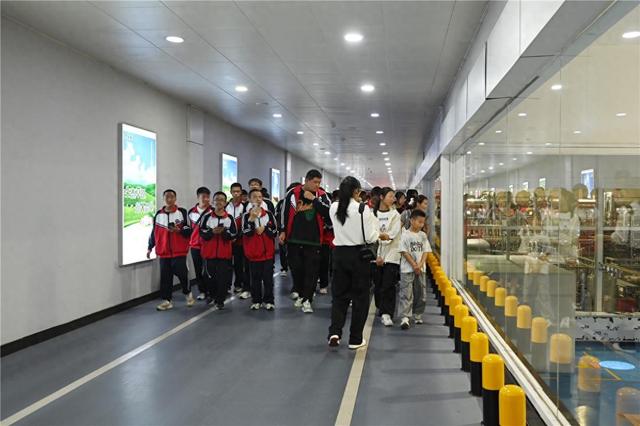
小米汽车和北汽新能源享界两座超级工厂见证北京智造
Bei Jing Ri Bao Ke Hu Duan· 2025-08-16 23:43
Core Insights - Xiaomi's automotive factory showcases advanced manufacturing technology, producing a new vehicle every 76 seconds, highlighting the efficiency and innovation in the automotive industry [1][2] - The factory has achieved 100% automation in key processes, demonstrating a significant shift from traditional manufacturing to intelligent manufacturing [2][4] - The factory has attracted significant public interest, with over 93,000 visitors in the first half of the year, indicating a growing fascination with industrial tourism and modern manufacturing [2][5] Group 1 - The Xiaomi automotive factory is described as a "black light factory," having produced over 300,000 electric vehicles in just over a year [2] - The factory environment is clean and organized, contrasting with traditional manufacturing perceptions, and features various robots performing tasks such as assembly and material handling [1][2] - The factory's advanced technology includes a 9,100-ton die-casting machine that achieves precision within a hair's breadth, showcasing the high-tech capabilities of the facility [2][4] Group 2 - The Beijing New Energy Vehicle factory, set to begin production in 2024, is also embracing similar advanced manufacturing techniques, emphasizing the industry's shift towards automation and precision [3][4] - The factory has implemented strict quality control measures and eco-friendly practices, achieving zero heavy metal emissions and 100% waste gas treatment [4] - Industrial tourism is becoming a valuable aspect of the automotive sector, with factories like Xiaomi's and Beijing New Energy Vehicle's attracting visitors and generating interest in local tourism [5]
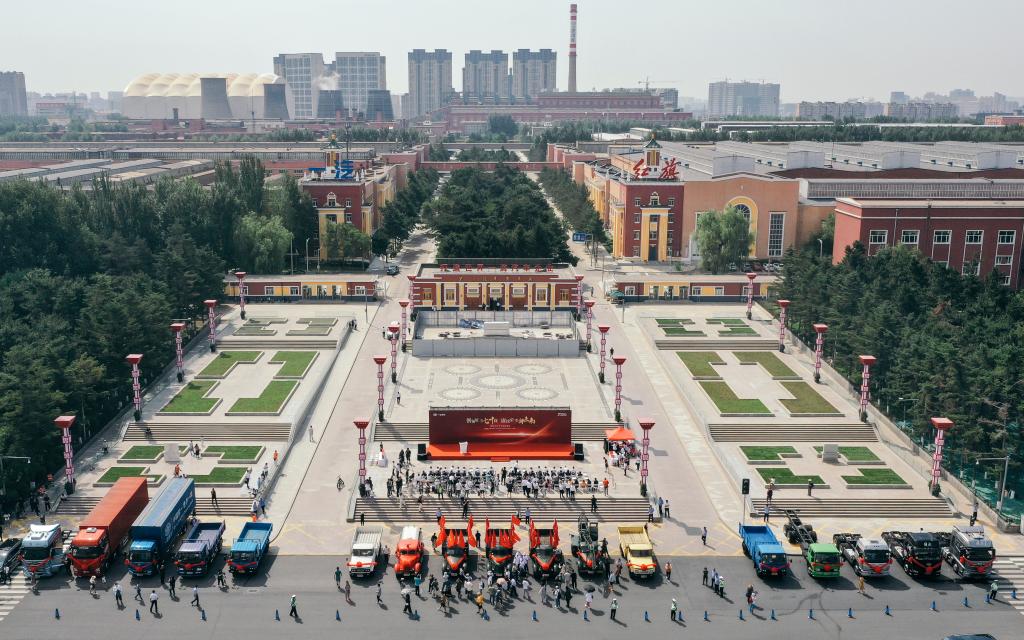
在“新中国汽车工业摇篮”体验产业巨变
Xin Hua Wang· 2025-08-12 12:52
Core Viewpoint - The article highlights the significance of Changchun, Jilin Province, as a historical and modern hub for China's automotive industry, showcasing the development of the China First Automobile Group Co., Ltd. and its cultural tourism initiatives [1][3][5]. Group 1: Historical Significance - Changchun is referred to as the "cradle of China's automotive industry" and is home to the headquarters of China First Automobile Group Co., Ltd., known as the "eldest son of the Republic" [1]. - The First Automobile Manufacturing Plant, established on July 15, 1953, marks the beginning of China's automotive industry [3]. - The Red Flag Cultural Exhibition Hall displays significant automotive history, including the first "Dongfeng" sedan from 1958 to the latest Red Flag models, emphasizing the evolution of the industry [5][7]. Group 2: Cultural Tourism Development - The "First Automobile Cultural Tourism Line" includes 14 points of interest, allowing visitors to experience the history and modern advancements of the automotive industry [3]. - Since 2024, the cultural tourism initiative has received over 150,000 visitors and has been recognized as an "Industrial Tourism Innovation Star" [9]. - The initiative aims to integrate cultural tourism with industrial technology, enhancing the visibility of national automotive brands and contributing to high-quality economic development [9]. Group 3: Modern Manufacturing Insights - The Red Flag factory showcases advanced manufacturing technologies, including over 700 welding robots and integrated robotic systems in assembly lines, highlighting the shift towards intelligent manufacturing [7][9]. - Visitors can observe the transformation from traditional labor to automated processes, illustrating the industry's modernization and efficiency [7].

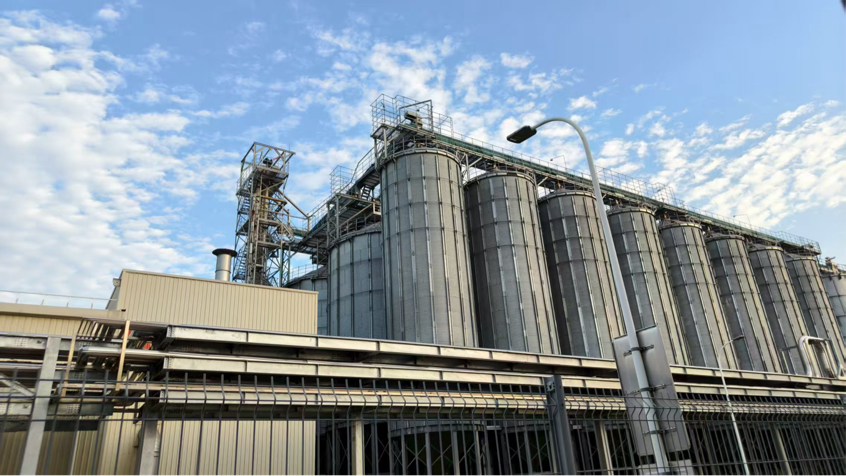
打卡世界啤酒之城福建莆田 探索全球啤酒工艺与文化
Zhong Guo Jing Ji Wang· 2025-08-11 05:02
Core Insights - Fujian Putian, known as the "Beer City of the World," is a significant beer industry development area on the southeast coast of China, centered around Budweiser Snow Beer, which has established a complete beer industry chain [1] - Budweiser Snow Beer is the largest single production facility for Budweiser Group globally, producing the most international brands, and operates as a world-class low-carbon smart factory [1] - The Changcheng Huaxing Glass Factory, covering approximately 500 acres, has four production lines that produce about 140 million beer bottles monthly, with 60% of the products supplied directly to Budweiser Snow Beer [1] Industry Overview - The beer market is entering its peak sales season during the summer, with Budweiser Snow Beer Company’s smart workshop operating at full capacity [1] - Budweiser Snow Beer serves as the production base for eight internationally recognized brands, with an annual production capacity of 2 million tons [1] - The factory features a Budweiser China Beer Museum, which is one of the first industrial tourism demonstration bases in Fujian Province, combining smart factory tours, beer culture exhibitions, and craft beer experiences, enhancing the industrial tourism aspect of Putian's beer industry [1]

打卡世界啤酒之城莆田 探索全球啤酒工艺与文化
Zhong Guo Jing Ji Wang· 2025-08-08 10:14
Core Insights - Putian, known as the "Beer City of the World," is a significant beer industry development area on the southeast coast of China, centered around Budweiser Snow Beer, which has established a complete beer industry chain and is the largest single production site for Budweiser globally [1][2] - The Budweiser Snow Beer Company has an annual production capacity of 2 million tons and serves as the production base for eight international brands, including Budweiser, Corona, Beck's, and Blue Girl [2] - The Budweiser China Beer Museum, located within the Budweiser InBev Food Industrial Park in Putian, serves as an industrial tourism demonstration base, combining factory tours, beer culture exhibitions, and craft beer experiences [4] Industry Overview - The beer market is experiencing a sales peak during the summer season, with Budweiser Snow Beer Company's intelligent workshop operating at full capacity [2] - The Longcheng Huaxing Glass Factory, covering approximately 500 acres, produces about 140 million beer bottles monthly, with 60% of its products supplied directly to Budweiser Snow Beer [1]
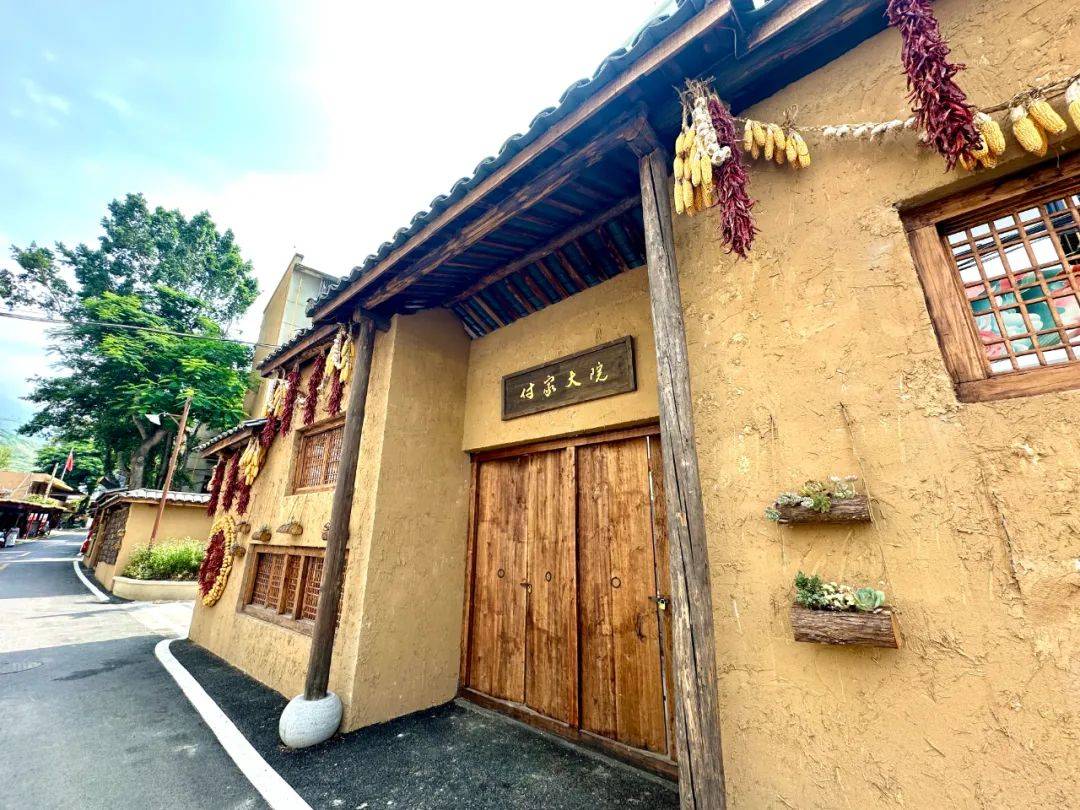
变化超乎想象!10月底,我们相约城市原点,探寻不一样的“三线岁月”……
Sou Hu Cai Jing· 2025-08-07 11:28
Core Viewpoint - The article highlights the successful completion of the "Urban Origin Infrastructure and Industrial Tourism Cultural Integration Project" in Panzhihua City, which aims to blend historical architecture with modern aesthetics, creating a new cultural landmark for citizens and tourists [5][9]. Group 1: Project Overview - The project is based on 11 historical cultural buildings in the Lanjian Community and aims to create a historical cultural district through renovation [7]. - Key completed works include the restoration of the supply and marketing cooperative, construction of the expert courtyard, two bus station entrances, and the transformation of street building styles, with the final design phase expected to be completed by the end of August [7]. - The entire project is scheduled to begin trial operations by the end of October [7]. Group 2: Cultural Significance - The East District of Panzhihua City is recognized as the main battlefield of the "Third Line Construction," embodying the city's deep industrial cultural memory [9]. - The project aims to deeply explore the history and cultural connotations of steel city development, creating immersive cultural experience spaces [9]. - Planned features include an expert theme exhibition hall, a "How Steel is Made" vanadium-titanium steel theme research hall, and an immersive flight cinema titled "Flying Over Panzhihua" [9].
古贝春系列通讯之三:文旅的本质:时空折叠
Qi Lu Wan Bao· 2025-08-07 02:02
Core Insights - The article highlights the integration of traditional brewing techniques with modern industrial practices at the Gubeichun distillery, showcasing its cultural heritage and innovative approaches to tourism and brand development [2][4][10] Group 1: Cultural Heritage and Brand Development - Gubeichun distillery is positioned as a cultural landmark, with a rich history of over 3000 years of Chinese liquor culture, blending traditional craftsmanship with modern technology [2][4] - The distillery's branding strategy is deeply rooted in cultural elements, as evidenced by the famous calligraphy and the creation of iconic products that resonate with consumers [4][10] - The establishment of a cultural museum and the preservation of historical brewing sites reflect the company's commitment to maintaining its heritage while appealing to modern consumers [10][12] Group 2: Industrial Tourism and Economic Impact - The distillery has invested significantly in industrial tourism, despite initial financial losses, believing that cultural weight in liquor can drive long-term profitability [8][10] - The development of an ecological park and cultural attractions has transformed the distillery into a tourist destination, enhancing its brand visibility and customer engagement [8][18] - The integration of educational experiences, such as hands-on observations of brewing processes, has proven to be more engaging for visitors, fostering a deeper connection with the brand [15][18] Group 3: Sustainable Practices and Future Growth - The company emphasizes ecological sustainability, with initiatives like planting fruit trees that contribute to soil health and enhance the brewing process [17][18] - Future plans include expanding cultural and tourism offerings, aiming to create interactive experiences that align with modern consumer preferences and drive high-quality growth [18][20] - The distillery's philosophy combines historical preservation with innovative practices, positioning it for continued relevance in the evolving market landscape [20]
坚定信心笃行实干全力以赴完成好全年目标任务
Liao Ning Ri Bao· 2025-08-07 01:16
Group 1 - The provincial political consultative conference chairman Zhou Bo conducted research and inspections in Anshan City, focusing on various enterprises and their production operations [1][2] - Zhou Bo visited the production site of a high-strength lightweight environmentally friendly particleboard project with an annual output of 400,000 cubic meters at Liaoning Zhongyuan Sen Shite Wood Industry Technology Co., Ltd [1] - At Qingdao Beer (Anshan) Co., Ltd, Zhou Bo engaged with company leaders regarding the progress of a 1 million kiloliter smart production base project and the company's efforts to create a green factory and plan an industrial tourism experience area [1] Group 2 - Zhou Bo emphasized the importance of implementing policies to promote the development of the private economy and providing precise services to enterprises [2] - The need for a balance between development and safety was highlighted, with a focus on ensuring public safety and implementing fire safety measures and flood prevention strategies [2] - Zhou Bo encouraged the use of the advantages of committee members to contribute to regional economic and social development [2]
提升品牌知名度 拓展消费新场景 调味品行业“掘金”工业旅游
Zhong Guo Chan Ye Jing Ji Xin Xi Wang· 2025-08-04 09:20
Core Insights - Industrial tourism is increasingly attracting visitors, with companies transforming industrial sites into tourist attractions to enhance brand awareness and create new consumption scenarios [1][2][3] Group 1: Industrial Tourism Development - The integration of industrial and tourism sectors is revitalizing traditional industries, as seen in Dalian's salt industry and Hunan's soy sauce production [2][3] - Companies like Dalian Zhanzidao Ocean Development Group are adopting a model that combines ecological farming, marine salt production, and unique tourism experiences [2] - The 加加食品科技工业园 in Hunan has become a model for industrial tourism, featuring advanced production facilities and immersive visitor experiences [3] Group 2: Cultural Significance - Cultural connections are vital for industrial tourism, as they enhance visitor engagement and brand loyalty [4][6] - The 厨邦酱油文化博览馆 in Guangdong has successfully combined cultural education with tourism, becoming a key educational and tourist destination [4] - The 清徐老陈醋文化博物馆 showcases the historical significance of vinegar production, linking local culture with tourism [5] Group 3: Future Prospects - The development of industrial tourism is supported by government policies aimed at promoting industrial heritage and tourism integration [7][8] - Companies are encouraged to create immersive experiences that allow visitors to engage with historical and cultural elements of industrial production [8] - The rise of new production capabilities and digitalization in factories presents opportunities for innovative industrial tourism experiences [8]
