
智能网联

Search documents
埋头苦干拼搏实干 确保“十五五”开好局起好步
Xin Lang Cai Jing· 2026-01-01 17:42
Group 1 - The core viewpoint of the article emphasizes the commitment of various levels and departments in Chengdu to implement the spirit of the municipal economic work conference, focusing on hard work and practical efforts to ensure a strong start for the "14th Five-Year Plan" [1] - The Chengdu Municipal Bureau of Commerce will focus on three key areas: consumption, foreign trade, and openness, to contribute to the successful start of the "14th Five-Year Plan" [2] - The city’s investment promotion system will build a strong urban brand "Invest in Chengdu" by targeting major projects that fill gaps and strengthen weaknesses in the modern industrial system [3] Group 2 - The Chengdu Trade Promotion Council will accelerate the development of the "14th Five-Year Plan" for international exhibition city construction, focusing on enhancing consumption and establishing a mechanism for synergy between culture, commerce, tourism, and exhibitions [4] - The Jinjiang District will focus on seven key tasks, including deepening regional cooperation and optimizing supply, to enhance economic growth and improve urban quality [5] - The Qingbaijiang District aims to promote the construction of a world-class land port hub and modern emerging urban areas, emphasizing the development of logistics and manufacturing [6] Group 3 - The Pidu District will implement the "Garden Full Garden" initiative, focusing on the development of leading industries such as electronic information and green food, while enhancing urban-rural integration [7]
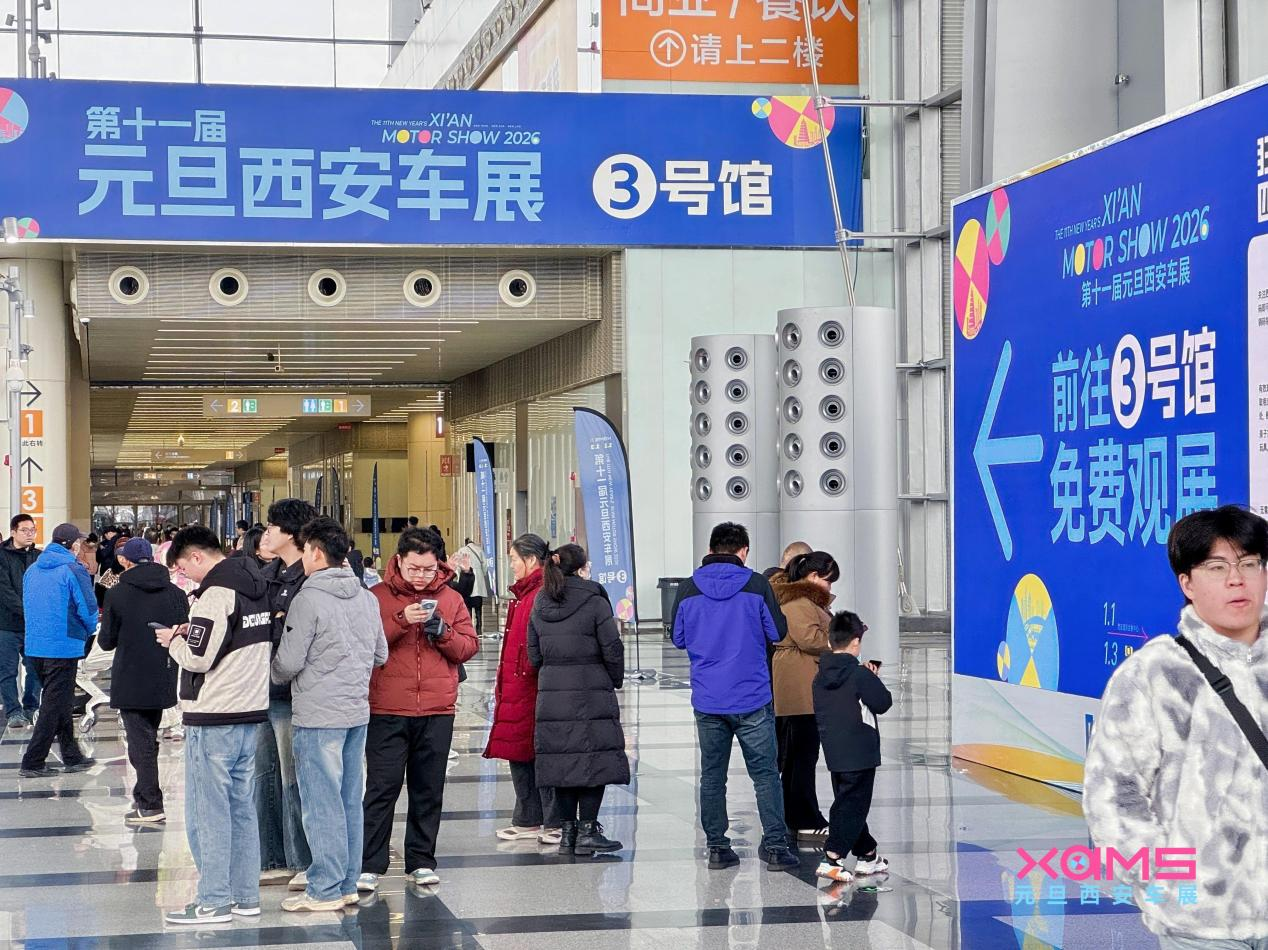
政策赋能促消费 购车正当时 第十一届元旦西安车展启幕
Xin Lang Cai Jing· 2026-01-01 09:28
展会恰逢多项国家促消费政策落地实施的关键节点。自2026年1月1日起,新能源汽车继续享受车辆购置税减半政策,单车最高可减税1.5万元;同时,汽车 以旧换新补贴政策延续执行,对报废更新和置换更新给予明确支持。政策红利与展会期间各品牌推出的金融支持、置换补贴等举措形成协同效应,切实降低 市民购车门槛,营造"新年换新车"的良好消费氛围。 多元互动融入文化体验 2026年1月1日,第十一展届元旦西安车展在西安国际会展中心正式开幕。作为新年伊始西北地区首场大型汽车展会,本届车展以"免票开放、政策叠加、品 牌齐聚、惠民共享"为特色,为期三天的活动集中呈现汽车产业新成果,搭建起集产品展示、消费对接与文化体验于一体的综合性平台,为2026年西安汽车 消费市场开好局、起好步注入新动能,积极服务国家扩内需、促消费战略部署。 免票观展 全民共享 本届车展坚持公益性和普惠性原则,实行免票入场,是全年唯一无需购票即可参与的大型汽车展会。现场汇聚了比亚迪、长安、吉利、广汽、一汽、小鹏、 岚图、阿维塔、林肯、smart、iCAR、深蓝、领克、捷途、北京汽车、东风风神等数十家主流汽车品牌,展品涵盖新能源、智能网联、家用代步、豪华及越 野等多 ...

德银天下拟分别于香港与印尼设立附属公司
Zhi Tong Cai Jing· 2025-12-30 10:15
Core Viewpoint - The company has announced the establishment of wholly-owned subsidiaries in Hong Kong and Indonesia, aligning with its internationalization strategy and enhancing its presence in the commercial vehicle market [1] Group 1: Hong Kong Subsidiary - The Hong Kong subsidiary will be 100% owned by the company with a registered capital of RMB 100 million (or equivalent foreign currency) [1] - The investment will be executed in phases based on business development, risk management, and compliance with relevant laws and regulations [1] - This subsidiary aims to leverage smart connected vehicle technology to support the international expansion of vehicle leasing, trading, and related services [1] - It will serve as a core node for the company's international business layout and unified management [1] Group 2: Indonesia Subsidiary - The Indonesian subsidiary will be jointly owned, with the company holding 51% and the Hong Kong subsidiary holding 49%, and will have a registered capital of RMB 5 million (or equivalent foreign currency) [1] - This subsidiary will focus on specific business operations in Indonesia, particularly in the commercial vehicle market [1] Group 3: Strategic Importance - The establishment of these overseas subsidiaries aligns with the company's international development strategy and supports its plans to enter the international commercial vehicle market [1] - It aims to create a win-win situation by integrating sales and financial services, enhancing overseas investment, and facilitating a comprehensive transformation and upgrade [1] - This move is significant for building international competitive advantages and expanding overseas business [1]
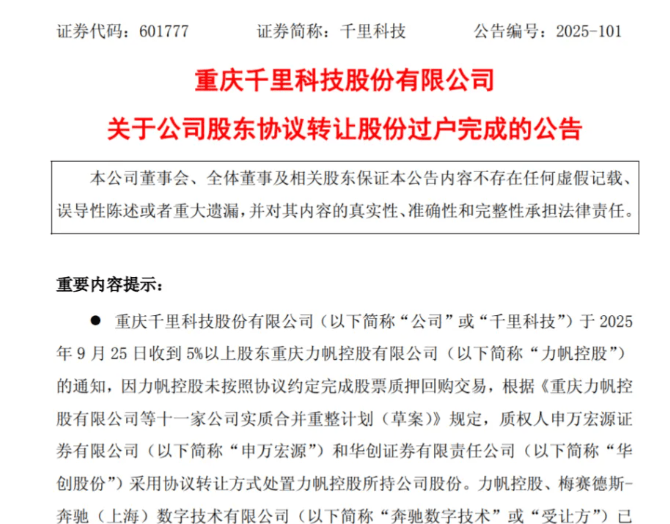
奔驰入股千里科技,豪华品牌布局新赛道,行业投资热潮将起?
Sou Hu Cai Jing· 2025-12-30 07:30
Group 1 - Mercedes has officially completed its investment in Qianli Technology, acquiring a 3% stake, marking a strategic move in the smart connected vehicle sector [1] - The automotive industry is transitioning from "electrification" to "intelligentization," with smart connectivity becoming a core competitive barrier for luxury brands [1][3] - The investment is expected to enhance Mercedes' competitive edge in intelligentization and may trigger a wave of investments from other luxury brands in niche technology companies [1][3] Group 2 - The smart connected vehicle market is projected to become a trillion-dollar consumption sector by 2027, supported by government policies [3] - Major German luxury brands (BBA) are accelerating their presence in the Chinese smart connected vehicle market, with partnerships and collaborations to enhance their technological capabilities [3] - The penetration rate of L2 and above intelligent driving functions has reached 64%, indicating a shift in consumer expectations towards intelligent experiences [3][5] Group 3 - Qianli Technology is recognized as a hidden champion in the domestic vehicle networking sector, with core businesses in smart cockpit, vehicle networking platform operations, and ADAS system development [5] - The technology advantages of Qianli align well with Mercedes' strategic needs, particularly in optimizing navigation algorithms for Chinese road conditions and supporting voice interaction in 16 dialects [5] - A potential joint R&D center may be established to enhance collaboration in smart cockpit upgrades and vehicle networking ecosystem development [5] Group 4 - The level of intelligence in luxury brands directly influences their market competitiveness, with consumer demand for intelligent features driving industry evolution [7] - Sales of luxury models equipped with advanced intelligent driving assistance systems are projected to grow by 40% year-on-year, accounting for 35% of total luxury vehicle sales [7] - Intelligent configurations are shifting from being optional to essential, becoming a core consideration for consumers when purchasing vehicles [7][8] Group 5 - The investment allows Mercedes to accelerate the implementation of intelligent features in its domestic electric vehicles, enhancing competitiveness in intelligent driving and human-machine interaction [8] - The collaboration with Qianli Technology aims to overcome traditional fuel vehicle limitations in intelligentization, merging mechanical appeal with cutting-edge intelligence [8][10] - Challenges include achieving technical synergy between Mercedes' global standards and Qianli's localized technology, as well as integrating data resources effectively [10]

“引领者”蜕变 盘点2025中国汽车行业关键词
Zhong Guo Jing Ying Bao· 2025-12-29 17:15
Core Insights - The Chinese automotive industry is undergoing a profound structural transformation in 2025, shifting from price competition to value competition, driven by market forces rather than policies, and evolving from a "follower" to a "leader" on the global stage [1] Group 1: Price Competition - The price war in the automotive sector has cooled down, marking a transition from vicious competition to rational competition, with average industry profit margins at 4.5% and 55% of dealers facing losses [4] - Regulatory measures, including a self-discipline agreement among major car manufacturers and compliance guidelines from the State Administration for Market Regulation, are promoting a market order focused on quality and value [4] Group 2: New Energy Vehicles - In 2025, new energy vehicles (NEVs) achieved a domestic market share of 53.6% from January to November, marking a significant shift to market-driven growth [6] - The consensus of "oil and electricity at the same price" has emerged, with Chinese brands leveraging core technologies to dominate the domestic NEV market [6] Group 3: Intelligent Driving - 2025 is recognized as the year of large-scale popularization of intelligent driving, with L2-level assistance penetration reaching 64% and L3-level models being trialed in designated areas [8][9] - The cost of hardware for intelligent driving has decreased by approximately 50%, facilitating broader access to advanced driving features [9] Group 4: Supply Chain and Payment Terms - A "payment revolution" is underway, with major car manufacturers committing to reduce payment cycles for small suppliers to within 60 days, addressing long-standing issues in the supply chain [10] - This initiative aims to restore credit systems within the supply chain and foster a collaborative ecosystem, moving from a zero-sum game to a win-win situation [10] Group 5: Export Growth - Chinese automotive exports are expected to exceed 6.8 million units in 2025, maintaining the top position globally for the third consecutive year, with NEV exports doubling to 2.315 million units [13] - The export model has evolved from simple product trade to localized industry chain and technology ecosystem output, enhancing China's role as a global technology solution provider [13] Group 6: Charging Infrastructure - By the end of November 2025, the total number of electric vehicle charging facilities in China reached 19.322 million, a 52% increase year-on-year [15] - The introduction of integrated solar-storage-charging stations is transforming NEVs into flexible distributed energy storage units, enhancing the synergy between energy and transportation [15] Group 7: Safety Standards - Safety has become a central theme in the industry, with new regulations addressing issues related to intelligent driving and battery safety, including the strictest global standards for battery thermal runaway [18] - The focus on safety is pushing the industry to prioritize technical upgrades and ensure that safety is a fundamental aspect of development [18] Group 8: Domestic Brands - Chinese automotive brands have achieved a historic milestone, with a market share of 70% in passenger vehicles, becoming a key driver of market growth [20] - These brands are breaking the monopoly of joint ventures in mature markets, reshaping the global automotive competitive landscape [20] Group 9: Industry Consolidation - The automotive market is experiencing a bifurcation, with a significant concentration of resources towards leading companies as weaker brands exit the market [22] - This marks the end of the first round of industry reshuffling, indicating a transition to a more mature and regulated market [22] Group 10: Value Reconstruction - The industry is moving towards high-quality development, shifting focus from scale expansion to technological innovation, global layout, and user experience [24] - The collaboration across the supply chain and the increase in domestic chip production are strengthening the foundation for a self-controlled industry ecosystem [24]
慧翰股份参设私募基金 专项投资一家商业航天企业
Zheng Quan Shi Bao Wang· 2025-12-29 12:03
Core Viewpoint - The company, Huihan Co., Ltd., is strategically investing in the commercial aerospace and satellite communication sectors by leveraging its expertise in intelligent connected vehicles and low-cost, high-reliability automotive components [1][3]. Group 1: Investment Strategy - Huihan Co., Ltd. has signed a partnership agreement with Huafu Capital Management to establish a private equity fund named Jiaxing Huahan Equity Investment Partnership, which will invest 100 million yuan in a commercial aerospace enterprise [1]. - The fund has a lifespan of five years, with one year designated for investment and four years for exit [1]. Group 2: Business Focus - The company specializes in providing intelligent connected solutions for smart vehicles and the industrial Internet of Things, focusing on the research, production, and sales of vehicle networking intelligent terminals and IoT smart modules [2]. - In the energy sector, Huihan Co., Ltd. has developed a digital energy management solution that enhances battery lifecycle management and aims to activate data and energy trading markets [2]. Group 3: Strategic Alignment - The investment in commercial aerospace aligns with national strategies for becoming a space power and advancing new infrastructure, laying the groundwork for the company's exploration of new fields [3]. - The investment will be funded by the company's own resources and is not expected to adversely affect its normal operations or financial status [3].
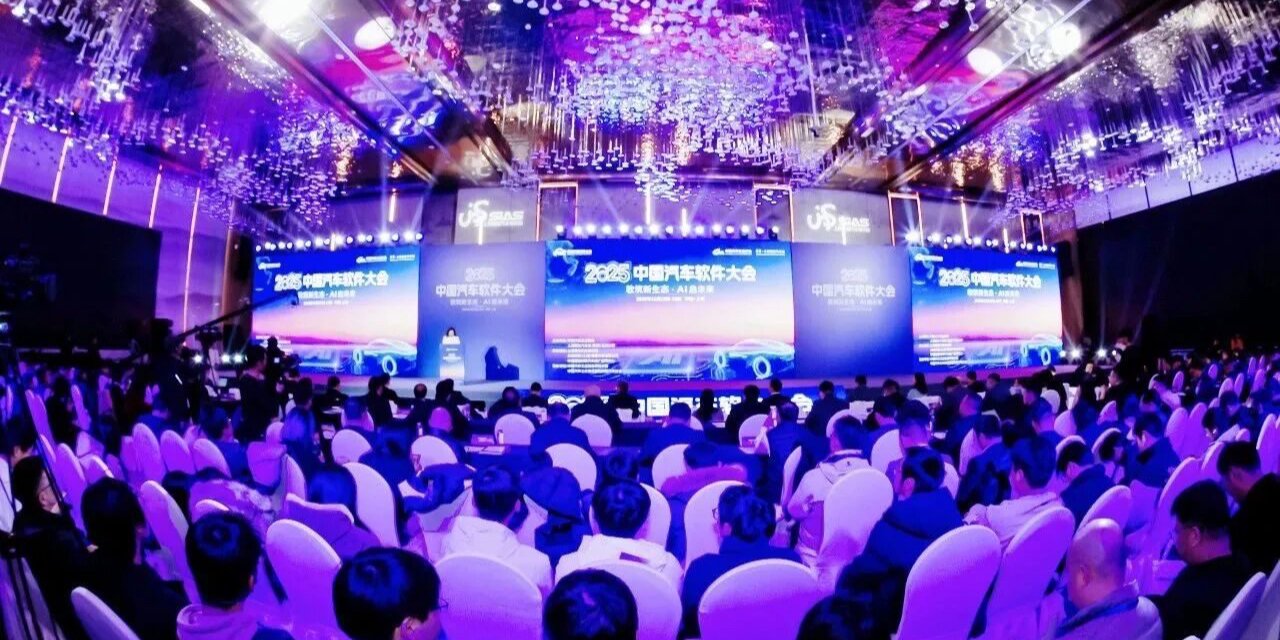
【深度报道】2025中国汽车软件大会:聚力变革与突破,共绘产业新蓝图
Jing Ji Guan Cha Wang· 2025-12-29 07:50
Core Insights - The 2025 China Automotive Software Conference will be held on December 15-16 in Shanghai, focusing on the transformation and challenges in the automotive industry, particularly in software and AI integration [4][6]. Group 1: Industry Transformation - The automotive industry is entering a phase of "AI-driven" transformation, moving from hardware-defined to software-defined vehicles, with significant advancements in smart and connected technologies during the 14th Five-Year Plan [8]. - The approval of the first batch of L3 conditional autonomous driving vehicles in China is expected to stimulate new business models in transportation and insurance, fostering a safe and efficient industrial ecosystem [8]. Group 2: Key Trends and Innovations - "Smart driving popularization" and "technology equality" are identified as key trends for the automotive industry by 2025, with advanced technologies like L2-level assisted driving becoming standard in mainstream vehicles [10]. - The value chain is shifting from hardware to software and services, with companies adopting business models that leverage hardware to drive software profitability [12]. Group 3: Challenges in the Industry - The automotive software industry faces challenges in three main areas: achieving self-sufficiency in core technologies, improving ecosystem and collaboration mechanisms, and balancing technological innovation with practical application [16][17]. - The need for a unified platform and open ecosystem is critical, as current issues include data silos and technological fragmentation that hinder collaboration [16]. Group 4: Pathways for Development - Proposed strategies for overcoming industry challenges include fostering independent innovation, collaborative construction, talent support, and ensuring safety [23]. - Standardization is crucial for efficient collaboration, focusing on software interface specifications, AI application standards, and data security requirements [23][24]. Group 5: Policy and Support - Local government support is essential for building a favorable environment for the automotive software industry, with ongoing efforts to enhance infrastructure and cooperation platforms [26]. - The automotive software industry's development is seen as a path toward innovation and collaboration, contributing to high-quality growth and global competitiveness [28].
“准入许可”不等于大规模量产
Jing Ji Ri Bao· 2025-12-26 22:07
Core Viewpoint - The issuance of the first L3-level autonomous driving vehicle license plates in Beijing marks a significant milestone in China's autonomous driving industry, transitioning from technology validation to mass production applications [1][2]. Group 1: Industry Development - The L3-level autonomous driving represents a critical transition from "driving assistance" to "autonomous driving," allowing the system to perform driving tasks under certain conditions without continuous driver monitoring [2][3]. - The approval of two L3-level autonomous models by the Ministry of Industry and Information Technology (MIIT) is a recognition of technological maturity and a response to societal expectations for smart mobility [2][3]. - The sales of new passenger cars equipped with L2-level driving assistance features have increased by 21.2% year-on-year, with a penetration rate of 64% in the first three quarters of the year, indicating a growing market for advanced driving technologies [2]. Group 2: Regulatory Framework - The MIIT has imposed strict limitations on the operational scenarios, road types, urban areas, and speed limits for the approved models, ensuring a cautious approach to the deployment of autonomous driving technology [3][4]. - The distinction between "road testing licenses" issued by local authorities and "product access licenses" from national departments is crucial, with the latter being significantly more challenging to obtain, highlighting the rigorous standards for L3-level vehicles [3]. - The current pilot approach for L3-level autonomous driving is characterized by "small-scale initiation and conditional implementation," emphasizing that obtaining a license does not equate to immediate mass production capabilities [4]. Group 3: Future Outlook - The true widespread adoption of L3-level autonomous driving requires not only technological breakthroughs but also supportive policies, regulatory frameworks, and infrastructure development [4]. - The symbolic significance of the recent approvals extends beyond the two models, indicating that the industry still faces a long journey before achieving large-scale commercialization of L3-level autonomous driving [4].
报告:MPV已不再是简单的“工具车”
Di Yi Cai Jing· 2025-12-25 13:44
Group 1 - The core viewpoint of the article is that the MPV market has transitioned from a "tool vehicle" era to a value-driven competition focused on technology, brand, service, and experience, with a significant increase in the market share of MPVs priced above 300,000 yuan [1][2] - In the first eleven months of this year, 20 MPV models achieved retail sales exceeding 100,000 units, with new energy MPVs accounting for a substantial portion of this market [1][2] - The report indicates that the market share of MPVs priced above 300,000 yuan has expanded from less than 30% in 2022 to 52% by October 2025, reflecting a shift towards higher-end models [1][2] Group 2 - The early development of the MPV market was primarily focused on commercial use, with low-end models dominating the market; however, this segment has rapidly declined since 2016, leading to an overall market downturn [2] - Recent changes in family structures and lifestyles have led to a resurgence in the MPV market, with domestic brands beginning to explore the mid-to-high-end MPV segment through the development of new energy vehicles [2] - The report highlights that the penetration rate of new energy MPVs is increasing rapidly, with plug-in hybrid models becoming a core growth engine due to their advantages of "no range anxiety" and "low operating costs" [2] Group 3 - According to the CCRT report, the importance of "vehicle brand" in consumer purchasing decisions has decreased, now ranking third after power type and budget, indicating a shift in consumer expectations towards product experience [3] - Traditional joint venture brands still hold significant positions in the market, with models like the Sienna, Grevia, and Buick GL8 remaining at the top of sales rankings [3] - There is a noticeable polarization in the performance of domestic brands in the new energy MPV sector, with some models experiencing low sales figures [3]
首驱科技与潮流竞技IP《V26无畏巡回》达成深度合作,将联动线下体验店网络
Xin Lang Cai Jing· 2025-12-25 08:38
新浪科技讯 12月25日下午消息,首驱科技与潮流竞技IP《V26无畏巡回》达成深度合作,正式成为 《V26无畏巡回》官方合作伙伴中国区指定电动车品牌。 新浪科技讯 12月25日下午消息,首驱科技与潮流竞技IP《V26无畏巡回》达成深度合作,正式成为 《V26无畏巡回》官方合作伙伴中国区指定电动车品牌。 《V26无畏巡回》由腾讯游戏、拳头游戏等联合推出,融合电竞赛事与城市文旅资源,致力于打造新一 代"SPORTAINMENT"潮流竞技IP。首驱科技作为智能两轮电动新锐品牌,以"可进化、会思考的AI出行 机器人"为理念,聚焦智能网联、超级雷达等前沿技术,其用户与《V26无畏巡回》年轻、高活跃、高 消费群体重合。 借助《V26无畏巡回》2026年覆盖全国七城的赛事与活动,首驱科技将联动其线下体验店网络,深化与 年轻用户的连接,加速其AI出行机器人的场景落地与品牌年轻化战略推进。 责任编辑:何俊熹 《V26无畏巡回》由腾讯游戏、拳头游戏等联合推出,融合电竞赛事与城市文旅资源,致力于打造新一 代"SPORTAINMENT"潮流竞技IP。首驱科技作为智能两轮电动新锐品牌,以"可进化、会思考的AI出行 机器人"为理念,聚焦 ...