稀土供应链

Search documents
深夜,全线大涨!美国,突爆大消息!
券商中国· 2025-09-16 15:03
事关稀土,美国爆出大动作。 今晚,美股开盘后,美股稀土概念股全线大涨,USA Rare Earth股价一度大涨超15%。据最新消息,美国政府正在商讨设 立一只规模达50亿美元的矿业投资基金,这将是美国迄今在确保关键矿产供应方面潜在的最大动作。有分析指出,如果 该基金顺利成立,稀土或成关键投资领域之一。 美股整体市场方面,三大指数高开低走,截至北京时间22:20,道指跌0.34%,标普500指数跌0.1%,纳指微跌0.01%。另 外,受美联储降息预期升温影响,美元则大幅杀跌,美元指数跌0.63%,跌破97关口,现报96.7439;现货黄金短线拉 升,一度升破3700美元/盎司,再创历史新高。 特朗普政府和Orion Resource Partners均强调,西方政府需要在矿产市场中发挥更积极的作用。 管理约80亿美元资产的Orion Resource Partners此前曾与主权财富基金合作,目前正在关注刚果民主共和国的交易——该 国是全球最大的钴供应国。拟议中的美方合作模式将与此前类似,双方各出资一半,共同组成50亿美元总规模。 DFC成立于特朗普第一任期内,已支持多个矿业项目,包括莫桑比克石墨生产的贷款以及 ...


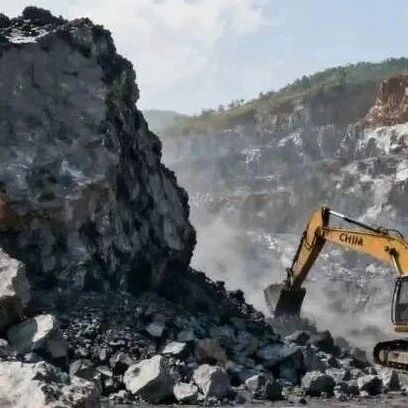
瑞银会议纪要:中国稀土主导全球供应链格局难以撼动
贝塔投资智库· 2025-09-15 04:12
Core Viewpoint - The meeting concluded that China's dominant position in the rare earth market, particularly in reserves and refining, is unlikely to be shaken in the short term [2]. Supply Side - China contributes 60-70% of global rare earth mining and holds about 90% of refining capacity, with a technological lead of at least 20 years over foreign competitors [3]. - The refining cost in China is only one-third of that of overseas counterparts, creating a significant barrier to entry for other countries [3]. Demand Side - The demand for rare earths is driven by three main sectors: electric vehicles, wind power, and robotics [4]. - Each electric vehicle requires 3.5 kg of neodymium-praseodymium (NdPr), while each wind turbine needs 600 kg of neodymium-iron-boron (NdFeB) magnets [4]. - By 2028, NdPr oxide prices are expected to remain between 600,000 to 700,000 CNY per ton (approximately 80-95 USD per kg), with heavy rare earths like dysprosium and terbium showing even stronger price momentum [4]. Overseas Projects - Despite attempts by overseas companies to challenge China's dominance, they face high costs, limited scale, and significant environmental pressures, making it difficult to alter China's position in the short term [5]. - MP Materials, a U.S. strategic project, has questionable commercial viability due to higher refining costs and reliance on government subsidies, with profitability unlikely in the next five years [6]. - Lynas, an Australian project, is more competitive but still faces environmental compliance challenges and relies on China for heavy rare earth supplies [6]. Heavy Rare Earths Dependency - The supply dominance of China in heavy rare earths is expected to continue in the short term due to the immaturity of overseas mining and refining technologies, as well as high costs [7]. Recycling and Alternative Technologies - China currently accounts for 60% of global rare earth recycling, with a recovery rate of 90-95%, primarily from electric vehicle motors, wind turbine blades, and electronic waste [9]. - By 2028, recycled rare earths are projected to meet about 35% of global supply needs, alleviating pressure on primary mining [9]. - In contrast, the U.S. and Europe lag in recycling technology and face high environmental costs, hindering progress in their recycling industries [10]. - Alternative materials currently under research are unlikely to pose a significant threat to rare earth demand within the next decade [11].
瑞银会议纪要:中国稀土主导全球供应链格局难以撼动
Zhi Tong Cai Jing· 2025-09-12 14:01
Core Insights - The core conclusion of the meeting is that China's dominant position in rare earth reserves and refining processes is unlikely to be challenged in the short term [1] Supply Side - China currently contributes 60-70% of global rare earth production, with a critical role in the refining and separation stage, accounting for approximately 90% of global capacity and being at least 20 years ahead in technology compared to overseas [3] - The cost advantage is significant, with China's refining and separation costs being only one-third of those of foreign counterparts, creating a "technology + cost" dual barrier that makes global rare earth supply highly dependent on China [3] Demand Side - The demand for rare earths is driven by three main sectors: electric vehicles, wind power, and robotics [4] - Each electric vehicle requires 3.5 kg of neodymium-praseodymium (NdPr), while each wind turbine requires 600 kg of neodymium-iron-boron (NdFeB) magnets [4] - The price forecast for NdPr oxide is expected to remain between 600,000 - 700,000 yuan per ton (approximately 80-95 USD per kg) by 2028, with heavy rare earths like dysprosium priced around 330 USD per kg and terbium at 1,000 USD per kg, indicating strong upward momentum [4] Overseas Projects - Despite attempts by overseas companies to break China's dominance in the rare earth sector, challenges such as high costs, limited scale, and environmental pressures make it difficult to disrupt China's position in the short term [5] - MP Materials, a U.S. strategic project, faces commercial viability concerns, with refining costs at least 40% higher than China's and a current scale of only 1,000 tons, far below the 10,000-ton target [6] - Lynas, an Australian project, is considered competitive without subsidies but still faces environmental compliance pressures and remains reliant on China for heavy rare earth supply [7] - The conclusion emphasizes that the reliance on heavy rare earths from China is unlikely to change in the short term due to the immaturity of overseas mining and refining technologies and high costs [8] Recycling and Alternative Technologies - China is rapidly building a closed-loop recycling system for rare earths, currently accounting for 60% of global rare earth recycling volume, with a recovery rate of 90-95% [10] - By 2028, recycled rare earths are expected to meet about 35% of global supply demand, effectively alleviating pressure on primary mining [10] - In contrast, the U.S. and Europe lag in recycling technology and face high environmental costs, resulting in slower progress in their recycling industries [10] - Concerns regarding alternative materials remain, as they are still in the research and development phase and are unlikely to pose a significant threat to rare earth demand within the next decade [11]

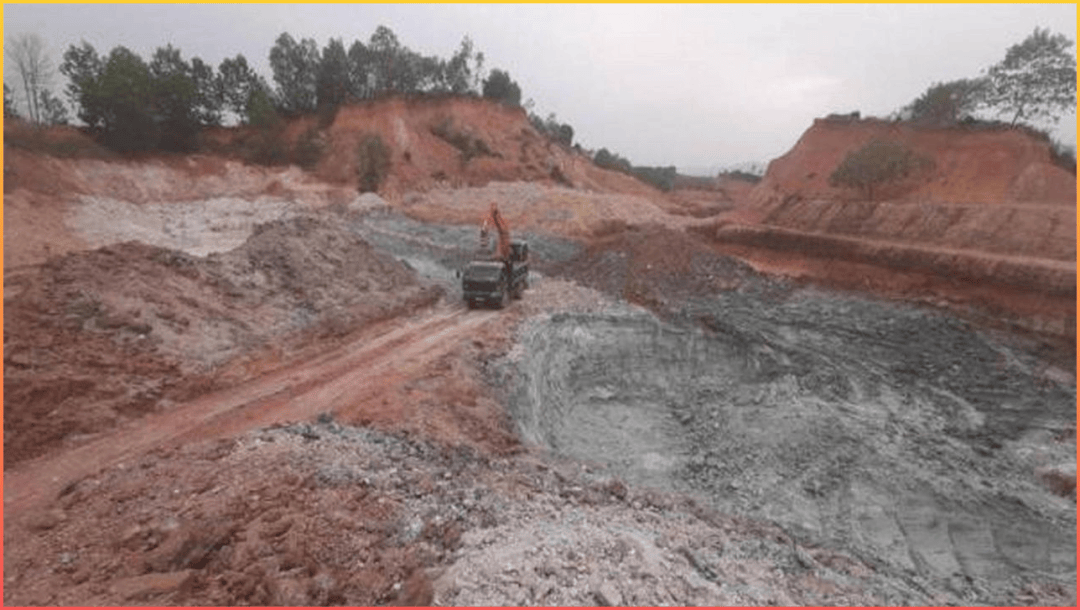
稀土王牌锁死全局:欧美工厂断供倒计时,美国双线破局为何成空谈
Sou Hu Cai Jing· 2025-08-26 12:12
Core Viewpoint - The article emphasizes China's dominance in the rare earth industry, highlighting the significant reliance of Western countries, particularly the U.S. and Europe, on Chinese rare earth supplies for high-tech manufacturing and defense systems [1][3][5]. Industry Overview - China accounts for 60% of global rare earth production and 90% of refining and processing [3]. - The U.S. struggles to match China's production capabilities, with its annual output being less than a quarter of China's quarterly production [3]. Supply Chain Implications - A potential supply disruption from China could halt production in global industries outside of China, including automotive, electronics, and aerospace [5]. - The article cites historical examples, such as Japan's automotive industry facing crises due to China's export restrictions in 2010, illustrating the critical nature of rare earth supplies [5]. U.S. Response Strategies - The U.S. has initiated a "dual-line breakthrough" plan, which includes restarting domestic rare earth mining and forming partnerships with allies like Australia, Canada, and India [7][10]. - However, the article argues that these efforts are unrealistic, as establishing a complete rare earth supply chain requires decades of technological development and significant investment [10][12]. Competitive Landscape - China's established and integrated rare earth supply chain spans from mining to processing, providing a competitive edge over U.S. and allied efforts [12][14]. - The article points out that even attempts by companies in Australia and Canada to establish processing facilities have faced significant challenges, including environmental regulations and funding issues [13]. Market Dynamics - China controls 80% of the global production of rare earth permanent magnets used in electric vehicles and wind turbines, further solidifying its market position [14]. - The article suggests that the technological gap and loss of skilled labor in the U.S. make it difficult for Western countries to catch up with China's advancements in the rare earth sector [15].
特朗普表态“对华关税或提高到200%”,除非中国答应美国一个条件
Sou Hu Cai Jing· 2025-08-26 05:20
Core Viewpoint - Trump's statement regarding imposing tariffs up to 200% on Chinese imports if China does not agree to provide rare earth magnets highlights the U.S.'s dependency and anxiety over China's resource technology [1][3]. Group 1: U.S. Rare Earth Dependency - The proposal to raise tariffs to 200% reflects the U.S.'s struggle in the rare earth supply chain, revealing a critical weakness despite its focus on high-tech superiority [3][5]. - Over 80% of rare earth magnet supply is dependent on China, which is crucial for various key projects including smartphones and military communication devices [3][9]. - The U.S. lacks domestic rare earth processing capabilities and faces challenges in sourcing alternatives, making Trump's threats appear more like a gamble than a feasible strategy [5][12]. Group 2: Impact of Tariffs on U.S. Economy - Previous tariff wars have not benefited the U.S., as additional costs have largely been passed on to American consumers and businesses, affecting industries reliant on Chinese imports [7][14]. - The proposed increase in tariffs could lead to devastating cost increases for U.S. factories and businesses, potentially crippling the domestic manufacturing sector [7][14]. - The U.S. has historically relied on imports for rare earth materials, missing opportunities to develop an independent supply chain [14][16]. Group 3: China's Position in the Rare Earth Market - China has a significant advantage in the rare earth industry due to its established technology and cost control, allowing it to redirect products to other markets if the U.S. market is closed [9][16]. - The strategic layout of China's rare earth industry is supported by technological innovation and domestic demand, making it resilient against external pressures [16]. - China's position in the rare earth sector remains strong, and the potential for the U.S. to impose tariffs may ultimately backfire, reinforcing China's dominance in this critical area [9][16].
想撼动中国稀土主导权?澳大利亚信心满满,给美出了个“馊主意”
Sou Hu Cai Jing· 2025-08-24 06:35
Core Viewpoint - Australia is signaling its intent to support the United States in the rare earth sector, challenging China's dominance in this field [1][3] Group 1: Australia's Position in Rare Earths - Australia has significant rare earth resources, with total reserves of 5.7 million tons, ranking fourth globally [3] - The country possesses advanced resources and technical capabilities to assist the U.S. in reducing its reliance on Chinese rare earths [3] - The Mount Weld project is seen as a potential alternative source for heavy rare earths, which could meet U.S. military needs [3] Group 2: Challenges and Limitations - Despite its resources, Australia produces only 5% of the global rare earth output, while China accounts for over 70% [5] - Australia's extraction technology lags behind China's, which utilizes advanced separation processes that enhance efficiency and purity [5] - The scale and automation of Australia's facilities are not comparable to China's modern production lines, posing risks to supply chain stability [5] Group 3: Time and Investment Factors - Establishing a reliable supply chain to replace Chinese rare earths could take at least ten years and require an investment of $30 billion [5] - The U.S. government plans to invest over $400 million in developing rare earth separation technologies under the Defense Production Act [5] - The current geopolitical landscape indicates that while Australia can play a supportive role, it is unlikely to significantly disrupt China's dominance in the rare earth market in the short term [5]
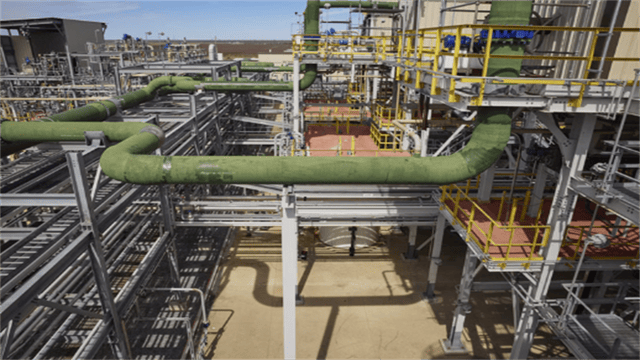
稀土元素:中国来之不易的优势与全球困境
Sou Hu Cai Jing· 2025-08-18 13:30
Core Insights - Rare Earth Elements (REEs) are crucial for modern technology and sustainable development, playing a vital role in various applications from consumer electronics to clean energy solutions [1][2] - China's dominance in the REE market is a result of strategic national policies and significant investments in mining infrastructure and processing technologies, allowing it to control a substantial portion of the global supply chain [3][4] - The geopolitical implications of REE supply chains are significant, with Western nations striving to establish alternative sources while facing numerous challenges, including time-consuming development processes and a lack of technical expertise [4][5] Group 1: Importance of Rare Earth Elements - REEs are essential for modern technologies, including smartphones, electric vehicles, and military applications, making them critical for a low-carbon future [2][3] - The strategic value of REEs extends to national defense, where they are used in advanced military technologies [2][4] Group 2: China's Dominance - China has supplied 60% to 70% of the world's REE supply since the late 1990s and controls 85% to 90% of the refining capacity [2][3] - The country has developed a vertically integrated industrial complex for REEs, enabling it to manage the entire supply chain from mining to high-end component manufacturing [3][4] Group 3: Challenges for Western Nations - Establishing new REE supply chains in the West is hindered by lengthy development timelines (10 to 15 years), complex regulatory processes, and significant capital requirements [4][5] - The lack of technical expertise in REE processing in Western countries complicates efforts to compete with China's scale and cost advantages [4][5] Group 4: Strategic Responses - To address the supply chain crisis, Western nations need to invest in recycling technologies and establish fair partnerships with resource-rich developing countries [5] - Diplomatic dialogue and clear communication channels are essential to manage tensions and enhance transparency in resource flows [5]
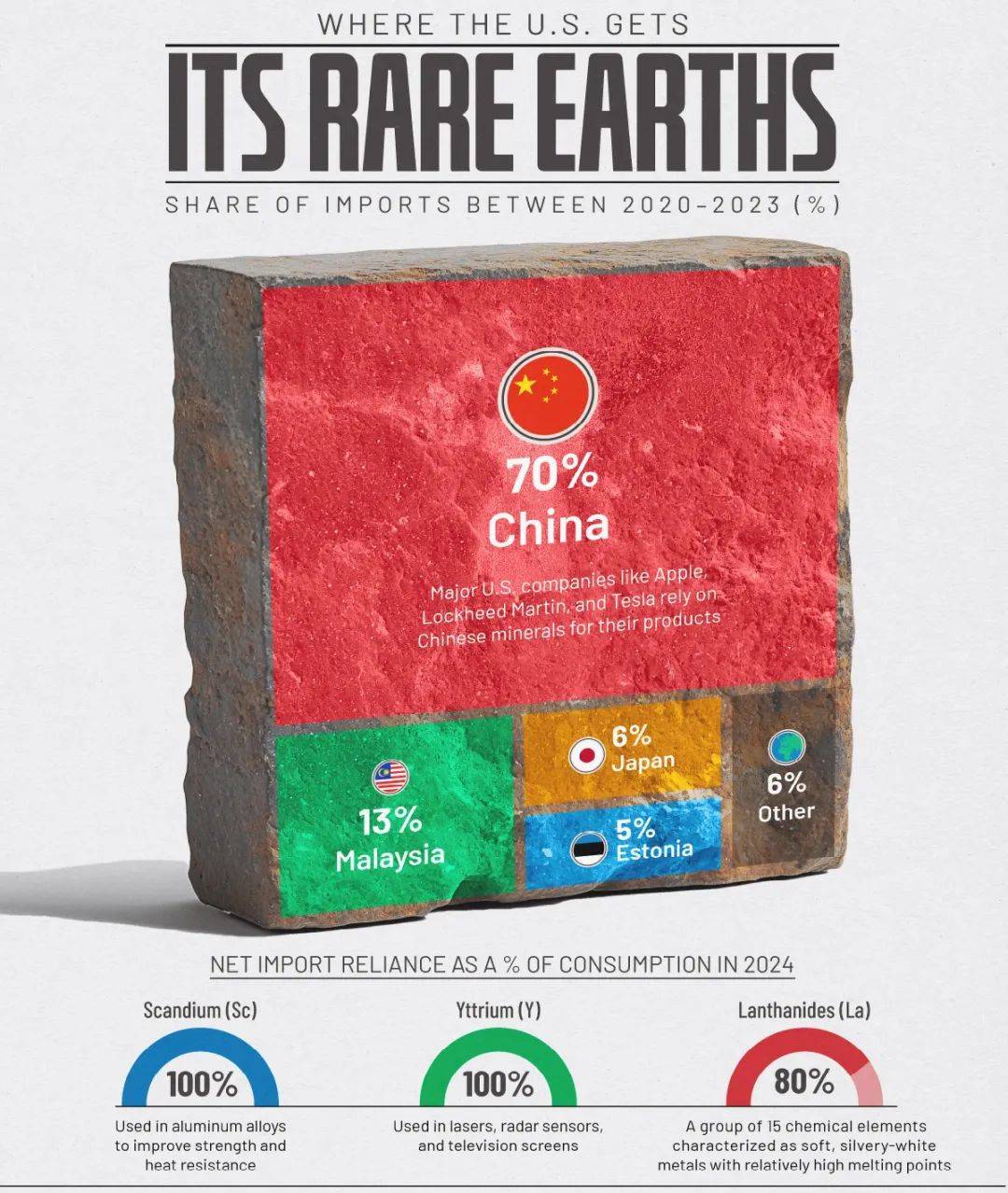
美国稀土进口的来源结构——70%来自中国;马来西亚日本也出口
Sou Hu Cai Jing· 2025-08-12 06:57
Core Insights - China plays a dominant role in the global rare earth elements (REEs) supply chain, providing 70% of the U.S. rare earth imports from 2020 to 2023, significantly more than any other country [1][3] - The U.S. relies heavily on China for key rare earth elements, with 90% of global rare earth production coming from China, which also possesses the largest separation and refining capabilities [3][5] - The U.S. is actively seeking new international supply partners, such as Ukraine, to reduce dependence on Chinese rare earth supplies and ensure stable access to strategic resources [7] Summary by Category Supply Chain Dynamics - China accounts for 70% of U.S. rare earth imports, followed by Malaysia (13%), Japan (6%), and Estonia (5%), with other countries making up the remaining 6% [3] - The actual abundance of rare earth elements in the earth's crust is not low, but the challenge lies in discovering economically viable deposits and refining them sustainably [3] Key Rare Earth Elements - Key rare earth elements heavily reliant on Chinese supply include Yttrium, Samarium, Gadolinium, Terbium, Dysprosium, Lutetium, and Scandium, which are essential for military equipment, electric motors, and next-generation electronics [5] U.S. Strategic Moves - In response to tariffs imposed by the Trump administration, China has implemented export restrictions on seven rare earth elements, temporarily halting their export [7] - The Mountain Pass mine in California is currently the only rare earth mine in the U.S., but it relies on China for refining the extracted ore [7] - The U.S. is pursuing resource development agreements with Ukraine, which has the largest exploitable rare earth reserves in Europe, to enhance its competitive position in the international market [7]
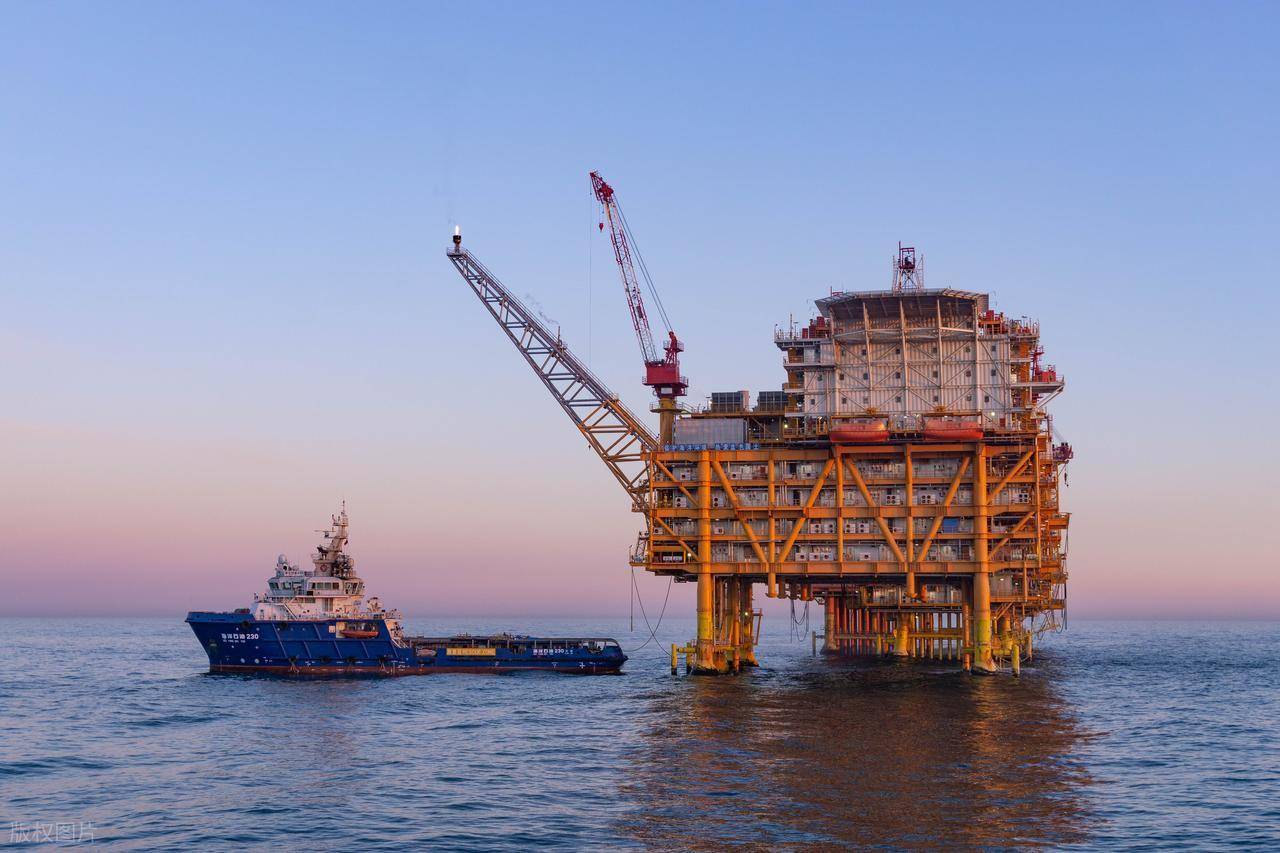
中国对美稀土暴增7倍,美国刚松口气,禁止我国石油进口,太坏了
Sou Hu Cai Jing· 2025-08-10 06:30
Group 1: Trade Dynamics - China's rare earth magnet exports to the US surged to 352.8 tons in June, a 660% increase from May, indicating a significant shift in trade dynamics [1] - The US Department of Defense invested $400 million to acquire a 15% stake in rare earth company MP Materials and pressured Apple to enter a $500 million partnership with the company [1] - The US, in collaboration with Japan, India, and Australia, launched the "Quad Critical Minerals Initiative" to secure domestic production of critical minerals, aiming to diversify its rare earth supply chain [1] Group 2: China's Strategic Position - China holds a dominant position in the global rare earth industry, being the only country capable of providing a full range of rare earth products and possessing superior mining resources [2] - China's export control measures allow it to dictate the terms of rare earth sales, maintaining a strategy of "allowing civilian use, prohibiting military use," which strengthens its market influence [2] - The increase in exports to the US can be seen as a strategic move to enhance China's impact on the US market [2] Group 3: US Trade Policies - The US imposed a ban on oil imports from China, reflecting a unilateral and protectionist approach to trade that disrupts global trade order [4] - The ban may have short-term effects on China's oil trade, but China has diversified its energy strategy and established stable partnerships with multiple oil-producing countries [4] - The contradiction in US policies, relying on China for rare earths while imposing sanctions on oil, highlights a short-sighted approach to international trade [6] Group 4: International Relations - The US actions exacerbate tensions in US-China relations, undermining the principle of cooperation for sustainable development in a globalized economy [7] - The US's trade practices not only harm China's core interests but also pose potential negative impacts on global economic stability and development [7]
论文《动向猜想:米国企图出卖乌克兰换取俄罗斯稀土供应以摆脱对中国的依赖》
Sou Hu Cai Jing· 2025-08-10 02:20
Core Viewpoint - The article discusses the potential U.S. strategy of sacrificing Ukrainian interests in exchange for Russian rare earth supplies to reduce dependence on China, highlighting the shortsightedness of this approach and its implications for U.S.-China relations [4][19]. Group 1: U.S. Rare Earth Supply Chain Challenges - The U.S. is heavily reliant on China for rare earth elements, with 80% of its imports coming from China, which controls over 90% of global refining capacity [5][6]. - U.S. military applications, such as the F-35 fighter jet, depend on Chinese rare earth materials, and the U.S. defense stockpile is only sufficient for a few months of production [5]. - Despite efforts to rebuild its supply chain, the U.S. is projected to meet only 5% of its rare earth separation capacity by 2023, even after investing $1.5 billion [6]. Group 2: Geopolitical Dynamics of U.S.-Russia Cooperation - Any U.S.-Russia cooperation on rare earths would require compromises regarding the Ukraine conflict, which presents significant geopolitical challenges [7]. - Russia has limited rare earth extraction and processing capabilities, producing only 2,700 tons of rare earth concentrate in 2024, which is less than 1.5% of global production [11]. Group 3: Ukraine's Rare Earth Resource Development - Ukraine claims to have $14.8 trillion in mineral resources, but the actual exploitable rare earth reserves are questionable, with many located in Russian-controlled areas [8][12]. - The development of Ukrainian rare earth resources faces significant technical and cost challenges, making it difficult for the U.S. to bypass Russian control [8]. Group 4: China's Dominance in Rare Earths - China controls the entire rare earth production process, from exploration to processing, and has a significant cost advantage over international competitors [9][10]. - China's strategic partnerships and dynamic adjustments to its rare earth reserves position it as an indispensable player in the global supply chain [9]. Group 5: Potential U.S. Actions Against China - If U.S.-Russia rare earth cooperation succeeds, the U.S. may escalate technological restrictions and economic sanctions against China, including expanding export controls on strategic resources [10][13]. - The U.S. may also engage in military provocations in regions like the South China Sea to complement its rare earth strategy [14]. Group 6: China's Response Strategies - China is likely to enhance its technological barriers and invest in green extraction technologies to maintain its competitive edge in rare earths [15]. - Strengthening cooperation with Russia and other emerging markets through strategic partnerships will be crucial for China to counter U.S. moves [16][17]. - China may implement stricter export controls and blacklist entities that violate its trade regulations, reinforcing its position in the global rare earth market [18].