
酒旅融合

Search documents
山东烟台:“葡萄酒+文旅”赋能产业高质量发展
Xin Hua Wang· 2025-07-13 01:52
Core Insights - Yantai has integrated wine production, cultural tourism, and ecological protection, providing a "Yantai solution" for sustainable development in global wine regions [1] - The 2025 Wine Tourism Conference held in Yantai gathered over 300 representatives from more than 20 countries, emphasizing high-quality development in the global wine tourism industry [1] - Yantai was recognized as an "International Responsible Wine Tourism Destination" and Penglai received the "Global Outstanding Coastal Wine Tourism Destination" certification [1] Industry Development - Yantai's wine tourism attracts an annual average of 3 million visitors, showcasing the effectiveness of the "wine and tourism integration" strategy [1] - The city is the birthplace of industrial wine in China, with a wine production that accounts for 40% of the national total and 60% of sales revenue, with a brand value projected to reach 86.231 billion yuan by 2025 [1] - The wine industry in Yantai is undergoing innovation through a chain-based approach, enhancing the first, second, and third industries to promote multi-industry integration and sustainable development [2] Tourism and Cultural Integration - The establishment of the Wine Culture and Tourism Industry Development Alliance in Yantai aims to coordinate resources and promote the integration of wine and tourism industries [3] - Various initiatives have been undertaken, including new media business exchanges and participation in international wine tourism forums to connect global resources [3] - Yantai's cultural tourism vocational college signed a talent training cooperation agreement with the global wine tourism organization to cultivate international and versatile talents for the wine tourism industry [3]
品醉千味,遇见诗与远方——多彩贵州城解锁文旅消费新密码
Sou Hu Cai Jing· 2025-07-10 14:56
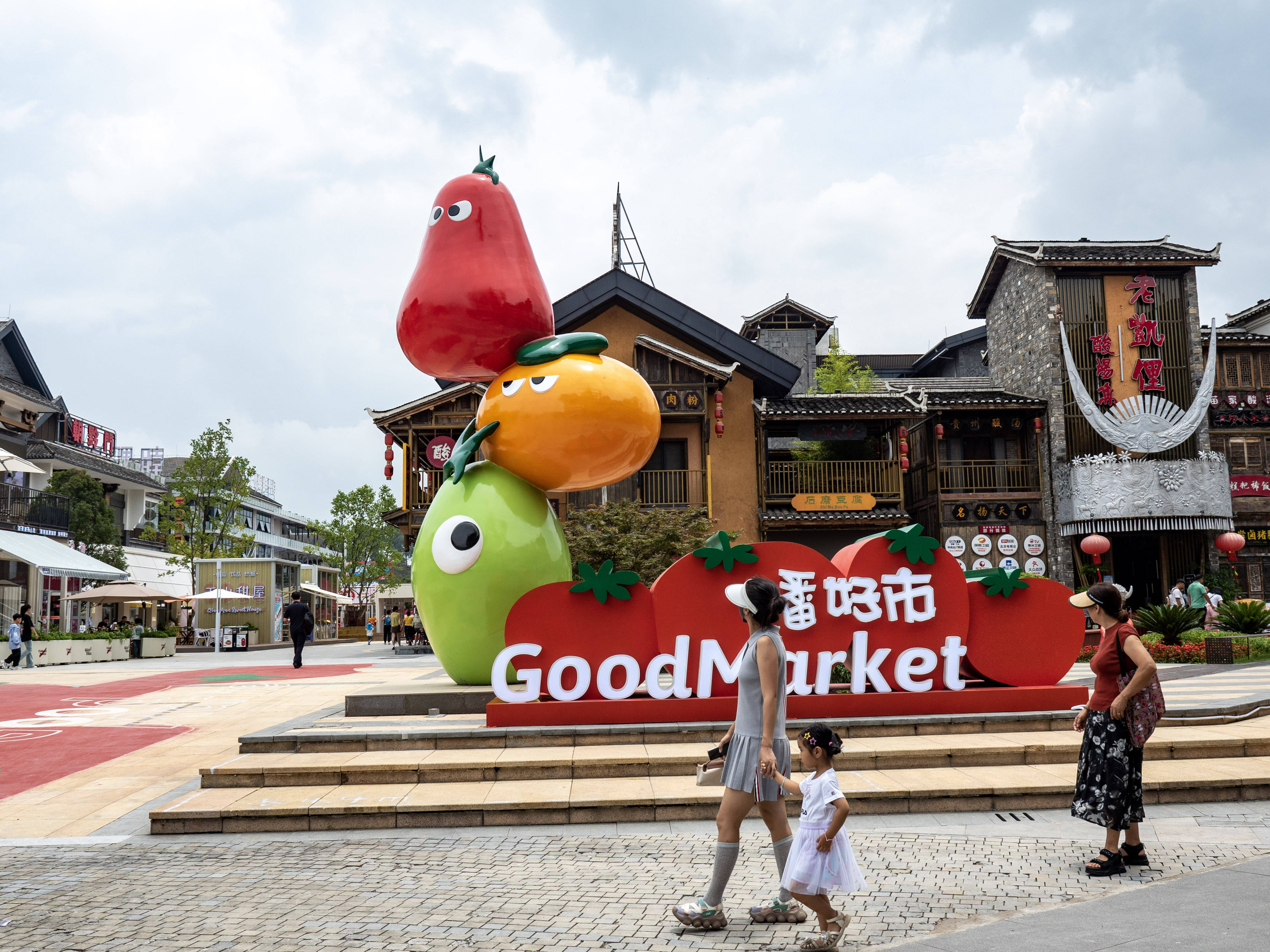
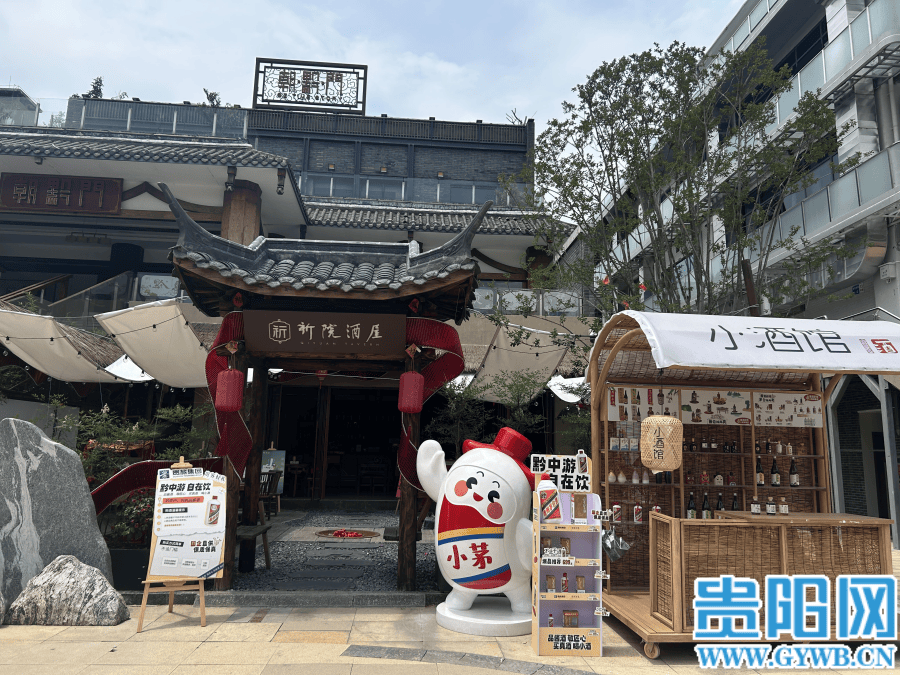
Core Insights - The article highlights the transformation of Guiyang into a vibrant cultural and consumption hub, showcasing the integration of local traditions with modern experiences in the "Colorful Guizhou City" [1][10][19] Group 1: Alcohol Industry - The "Qiyuan Wine House" offers a unique experience by blending traditional Guizhou rice wine with innovative cocktails, reflecting the region's rich cultural heritage [4][6] - The establishment has upgraded its offerings to include trendy special cocktails and renowned brands like Moutai, aiming to attract a younger demographic [8] - "Colorful Guizhou City" has introduced over 10 well-known domestic and international brands, creating a diverse ecosystem centered around Guizhou's unique liquor culture [10] Group 2: Culinary Scene - The "Thousand Mountain and Hundred Flavors Snack Market" features over 50 stalls, showcasing a variety of traditional Guizhou dishes, and has become a popular destination for tourists [11][13] - The culinary offerings have evolved from mere food distribution to a driving force in the local economy, with a significant increase in visitor numbers [15] - The integration of traditional cooking techniques with modern culinary innovations has created a dynamic food culture that resonates with both locals and tourists [15] Group 3: Cultural and Tourism Experience - "Colorful Guizhou City" has developed unique photography spaces that blend ethnic cultural elements with modern aesthetics, enhancing the tourist experience [16][19] - The "Colorful Photography" theme allows visitors to engage with Guizhou's diverse cultural heritage through interactive and personalized experiences [17][19] - The overall strategy aims to create a new consumption ecosystem that connects local culture with global trends, making every visitor a participant in the storytelling of Guizhou [19]

贵阳这里,贩卖“醉”美生活!
Sou Hu Cai Jing· 2025-07-04 11:57
Core Viewpoint - The transformation from "selling liquor" to "selling lifestyle" is being emphasized in Guizhou, with a focus on enhancing consumer experiences through innovative offerings and cultural integration [1][10]. Group 1: Industry Transformation - Guizhou is prioritizing the shift from traditional liquor sales to lifestyle-oriented experiences, creating new consumption scenarios in the cultural and tourism sectors [1][9]. - The establishment of the "Pray Wine House" in Multi-colored Guizhou City represents a strategic move to integrate liquor with local culture and tourism, aiming to create a unique consumption space that reflects Guizhou's ethnic characteristics [3][5]. Group 2: Innovative Offerings - The "Pray Wine House" features a variety of creative cocktails inspired by local flavors, such as "Ginger Good" and "Sour Soup Without Fish," showcasing Guizhou's rich liquor culture [3][5]. - The introduction of an AI customization feature allows customers to personalize their liquor bottles, enhancing the product's sentimental value and branding opportunities for businesses [5][9]. Group 3: Expansion Plans - The company plans to establish 16 high-quality liquor experience stores in Guizhou's scenic areas by 2025, focusing on immersive experiences and cultural displays to attract consumers [7][9]. - The "Beautiful Wine Street" has successfully attracted over 10 well-known domestic and international brands, creating a diverse ecosystem that combines local and international liquor offerings [9][10]. Group 4: Cultural Events and Engagement - Multi-colored Guizhou City has hosted various cultural events, such as the "Colorful Starry Show," to enhance consumer engagement and promote the integration of music, dining, and liquor experiences [9][10]. - The company aims to deepen emotional connections with consumers by designing experiences that resonate with social attributes and cultural themes [10].

2025葡萄酒旅游大会期间,烟台蓬莱将设置四条精品路线
Qi Lu Wan Bao Wang· 2025-06-27 12:24
Group 1 - The 2025 Wine Tourism Conference will be held in Penglai, which is recognized as a core area for Yantai's wine industry, highlighting the local government's support for the industry [1] - Penglai has established a comprehensive organizational structure for the conference, including a committee with 20 departments and 10 working groups to ensure smooth operations and safety [1] - The conference aims to enhance the international influence and market reputation of Penglai wine, with the brand value of "Penglai Coast Wine" exceeding 10 billion [1] Group 2 - The "Qiu Mountain Wine Forum" is a unique wine event initiated by Penglai and the China Alcoholic Drinks Association, which has been held for three consecutive years and will be included in the 2025 Wine Tourism Conference [2] - The forum aims to promote dialogue and collaboration between domestic wine regions and international tourism organizations, leveraging the platform of the wine tourism conference [2] Group 3 - Penglai is recognized as a "Demonstration Zone for the Integrated Development of Chinese Wine," combining tourism and wine as key attractions [3] - The establishment of the "Penglai Winery Tourism Alliance" has expanded new business models integrating wine with culture, sports, and wellness, including the launch of the first wine tourism routes in China [3] - The conference will feature tours of Penglai's wine tourism routes, allowing international guests to experience the integration of wine and tourism [3]
舍得酒业: 舍得酒业关于购买房产暨关联交易的公告
Zheng Quan Zhi Xing· 2025-06-26 16:45
Core Viewpoint - The company plans to purchase real estate from its controlling shareholder, Sichuan Tuopai Shide Group, for a total price of RMB 56.7 million, which includes three residential complexes and commercial properties totaling 47,348.32 square meters [1][3][12]. Summary by Sections 1. Overview of Related Transactions - The company intends to sign a real estate transfer agreement with its controlling shareholder to acquire 530 unsold residential units and 8 commercial units, aimed at addressing employee accommodation and visitor dining needs [2][6]. - The total area of the properties to be purchased is 47,348.32 square meters, with a total transaction price of RMB 56.7 million [1][2]. 2. Financial Assessment - The assessed market value of the properties is RMB 66.009 million, while the book value is RMB 54.188 million, indicating a premium of 4.63% over the book value [3][9]. - The transaction price is lower than the assessed value, ensuring compliance with fair pricing principles [11][12]. 3. Related Party Information - Sichuan Tuopai Shide Group is the controlling shareholder of the company, with a registered capital of RMB 232.24 million and total assets of RMB 1.58 billion as of March 31, 2025 [4][5]. - The group has not been listed as a dishonest executor, indicating a stable credit status [6]. 4. Purpose and Impact of the Transaction - The acquisition aims to enhance employee living conditions and stabilize the workforce, while also improving service levels for visitors [16]. - The transaction is expected to reduce the company's reliance on rental properties, thus minimizing daily related party transactions [16]. 5. Approval Process - The independent directors have reviewed and approved the transaction, confirming that it aligns with the company's operational needs and does not harm the interests of shareholders [16][17]. - The board of directors approved the transaction with a unanimous vote, ensuring compliance with relevant regulations [16].

茅台宴会厅没茅台了
和讯· 2025-06-13 10:02
Core Viewpoint - The newly implemented "strictest alcohol ban" is expected to have significant impacts on the liquor industry, particularly the high-end segment, raising concerns about potential downturns similar to those experienced after the 2012 "Three Public Expenses" restrictions [3][12]. Summary by Sections Background of the Alcohol Ban - The "strictest alcohol ban" was introduced on May 18, 2023, as part of the revised regulations aimed at promoting frugality and opposing waste in government settings [4][5]. - This ban marks a shift from previous regulations that primarily targeted high-priced liquor to a complete prohibition of all alcoholic beverages in government-related events [6][7]. Implications for the Liquor Industry - The ban extends beyond just prohibiting public funds from purchasing alcohol; it encompasses various scenarios including official receptions, work meals, and even during work hours [6][7]. - The immediate market reaction saw a decline in stock prices for major liquor companies, with a collective market value loss exceeding 30 billion yuan in a single day following the announcement [14]. Historical Context and Comparisons - The liquor industry previously experienced a significant downturn after the 2012 restrictions, which curtailed approximately 40% of government-related consumption, leading to a rapid decline in sales and market value [11][12]. - In contrast, the current reliance on government consumption has decreased to around 5%, suggesting that the impact of the new ban may be less severe than in 2012 [12][15]. Market Reactions and Future Outlook - Analysts are divided on the potential impacts of the ban, with some believing that the effects will be limited and primarily emotional, while others express concerns about the broader implications for business-related alcohol consumption [12][13]. - The industry is expected to accelerate its transformation towards a consumer-driven market, focusing on appealing to younger demographics and enhancing brand engagement [15][16]. Strategies for Adaptation - Liquor companies are increasingly exploring tourism and experiential marketing to attract younger consumers, with initiatives such as music festivals and cultural experiences [16][17]. - The shift towards lower-alcohol and more affordable products is seen as a necessary adaptation to changing consumer preferences, particularly among younger generations [17].


四川白酒产业解析:根基深厚,创新驱动破局未来
Sou Hu Cai Jing· 2025-06-12 05:10
Core Insights - Sichuan is the core region of China's liquor industry, with a unique "concentrated aroma and sauce aroma" production layout, contributing over 45% of the national liquor manufacturing revenue and 18.7% of total profits in 2023 [1] - The "region + brand + culture" development model has established a rare ecological system in the liquor industry [1] Industry Foundation - Sichuan's liquor industry benefits from significant cluster effects, with key production areas like Yibin, Luzhou, and Deyang forming a differentiated competitive landscape [3] - Yibin's Wuliangye leads with sales revenue exceeding 80 billion yuan in 2023, while Luzhou Laojiao focuses on green brewing and smart production, producing over 100,000 tons of quality base liquor annually [3] - The brand hierarchy is clear, with top brands like Wuliangye and Luzhou Laojiao complementing smaller brands, and Wuliangye's classic series driving price increases through brand strength [3] Cultural Integration - Sichuan is leveraging "liquor and tourism integration" as a strategic approach, exemplified by Luzhou Laojiao's "1573 National Treasure Cellar Group" cultural tourism IP, attracting over 2 million visitors annually [4] Current Challenges - The industry faces three core contradictions: overcapacity versus quality upgrades, channel pressure from traditional distribution models, and generational shifts in consumer preferences [5] - Despite a slight decline in production in 2023, profits have increased, indicating a painful transition towards quality over quantity [5] - The penetration rate of instant retail in Sichuan is 10%, significantly higher than the national average of 3%, leading to a split in terminal sales channels [5] Path to Resolution - The industry must embrace digitalization, internationalization, and sustainability to overcome challenges [6] - Innovations in production, such as smart brewing and green transformation, are being adopted, with companies like Luzhou Laojiao utilizing IoT technology to enhance quality [6] - Marketing strategies are shifting towards comprehensive traffic operations, with platforms like Douyin achieving significant sales growth [6] Future Outlook - The Sichuan liquor industry is expected to evolve through three major trends: technology-driven industry collaboration, ESG value reshaping, and the continuous evolution of new consumer ecosystems [8] - The provincial government aims for the liquor industry's profits to exceed 120 billion yuan by 2027, integrating ESG scores into policy assessments [8] - The future competition will focus on the entire ecosystem's symbiosis rather than individual companies [10]

宁夏酒旅融合“正绽芬芳”(文旅新象)
Ren Min Ri Bao Hai Wai Ban· 2025-06-11 08:18
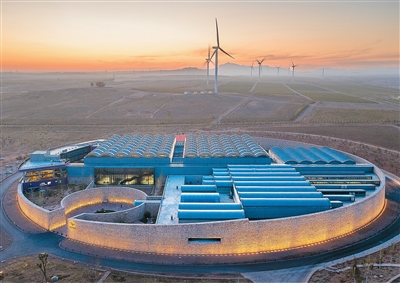
Core Viewpoint - The Helan Mountain East Foothill wine region in Ningxia is evolving into a popular wine tourism destination, with a focus on integrating wine and travel experiences to attract more visitors and enhance sales [6][8][11]. Industry Overview - The Helan Mountain East Foothill wine region is China's largest concentrated area for wine grape production, housing 261 wineries and producing 140 million bottles of wine annually, accounting for nearly 50% of the country's wine production [7]. - The region attracts over 3 million tourists each year, generating a comprehensive economic benefit of 45 billion yuan [7]. Wine Tourism Development - The integration of wine and tourism has become a consensus among industry players, with new projects like the Yulu Winery aiming to commence production in time for the summer and autumn tourism peak [6][8]. - The proximity of wineries to popular tourist attractions, such as the Zhenbeibu Film Studio and Helan Mountain Rock Paintings, provides a significant advantage for converting tourist traffic into wine sales [9]. Innovative Business Models - The emergence of personalized experiences is seen as a key to breaking into new markets, with establishments like the Anmo Hotel offering diverse activities and a comprehensive consumption platform [11]. - Recent initiatives, such as the "Wine Travel" theme event, aim to foster collaboration between wineries and local accommodations to create unique tourism products [11][12]. Visitor Experience - The Helan Mountain East Foothill wine region is recognized as one of the best areas for growing wine grapes and producing high-quality wines, enhancing its appeal as a tourist destination [10]. - Wineries are increasingly focusing on creating immersive experiences for visitors, transforming them from casual tourists into enthusiastic advocates for the region's wines [13]. Future Prospects - The region is expected to attract more international visitors, as evidenced by the interest from foreign tourists in local wines and cuisine [14]. - The ongoing development of wine tourism, combined with the region's unique cultural resources, is anticipated to further enhance the appeal of Helan Mountain as a wine tourism destination [12][14].
千年酒韵邂逅创新布局 2025四川国际美酒博览会即将在德阳启幕
Zhong Guo Xin Wen Wang· 2025-06-05 08:50
Group 1 - The 2025 Sichuan International Wine Expo will be held from June 18 to 22 in Mianzhu City, with preparations currently in the final stages [1] - The expo will feature an innovative "1+1" dual venue layout and will host 22 series of events, including the second "Huaxia Aesthetics Conference" [1] - The main exhibition area will include five functional zones, showcasing over 100 renowned wine companies from more than 10 countries and regions, covering six major categories of alcoholic beverages [1] Group 2 - Mianzhu has a long history of winemaking, with records dating back to the Tang Dynasty, and has established a strong cultural heritage around its wine industry [2] - The local government is actively promoting the wine industry through policy incentives, establishing a county-level wine industry development bureau, and allocating over 20 million yuan annually for industry upgrades [2] - The city is focusing on building a "1+N" brand matrix to support the growth of local wine brands and enhance product quality and innovation [2] Group 3 - Sichuan aims to build a "world-class high-quality liquor industry cluster," with significant collaborative development in the liquor industry among various regions [3] - Mianzhu has signed cooperation agreements with neighboring cities and has launched over 220 cultural and creative products to promote the local wine culture [3] - The local wine industry association is responding to consumer interest in the health attributes of liquor by promoting product innovation and management improvements among its members [3]
宿迁:白酒之都精绘“酒旅融合”发展新图景
Xiao Fei Ri Bao Wang· 2025-06-04 02:51
Group 1: Industry Development - The city of Suqian aims to establish itself as a "billion-level liquor production area," leveraging its advantages in the liquor industry, particularly with renowned brands like Yanghe and Shuangguo [2] - The liquor industry in Suqian accounts for nearly 80% of Jiangsu's liquor industry output and 5.8% of the national output, indicating its significant role in the regional and national economy [2] - In 2024, the output value of the brewing (liquor) industry in Suqian is projected to grow by 6.4%, moving steadily towards the billion-level target [2] Group 2: Technological Advancements - The intelligent brewing workshop at Yanghe Co. has increased production efficiency by 2.5 times, reduced labor by 80%, and lowered the cost of liquor production by 35.5% compared to traditional methods [2] - The use of digital systems in production has led to improvements in yield rates and quality, with a 2%-3% increase in output and a 10%-15% increase in premium liquor rates [2] Group 3: Cultural and Tourism Integration - The China (Suqian) Liquor Capital Cultural Tourism Festival serves as a platform for cultural and tourism integration, enhancing the influence of Suqian as a liquor capital [3] - The city is focusing on creating unique cultural landscapes and enriching tourism products to meet the evolving demands of tourists who seek immersive experiences [3][4] - Suqian is integrating liquor culture into urban development, with projects like the Yanghe Cultural Tourism Zone and various liquor-themed parks and streets [5] Group 4: Future Prospects - The liquor industry in Suqian is expected to drive cultural revitalization and ecological value through a synergistic approach that combines cultural heritage, ecological sustainability, and industrial development [6]