
美联储独立性

Search documents
Ultima Markets:黄金创历史新高,白银突破66美元!多重利好共振引爆贵金属狂潮
Sou Hu Cai Jing· 2025-12-18 06:52
美联储理事克里斯托弗·沃勒近期表态强化了这一预期。他明确指出,鉴于就业增长转弱和通胀风险下 降,"美联储仍有进一步降息的空间"。这与亚特兰大联储总裁博斯蒂克的鹰派观点形成鲜明对比,内部 政策分歧反而放大市场对宽松政策的想象。 黄金作为零孳息资产,在利率下行周期中吸引力显著上升——降息将直接降低持有黄金的机会成本,驱 动资金从债市与其他资产流向金市。 关键节点预警:本周延迟公布的美国11月CPI与PCE通胀数据,若结果低于预期,可能成为 金价突破4400美元关口的导火索。 地缘政治紧张升级放大避险需求 除了经济基本面,骤然升温的地缘政治风险为贵金属涨势再添"一把火"。美国总统特朗普周二下令封锁 所有进出委内瑞拉的受制裁油轮,进一步升级对马杜罗政府的施压。据美国记者塔克·卡尔森援引国会 消息,特朗普或在美国东部时间12月17日晚九点的全国讲话中正式对委内瑞拉宣战。 这一潜在军事行动风险瞬间点燃全球避险情绪。历史经验显示,地缘冲突尤其是涉及能源大国的危机, 往往引发黄金短期内急涨。市场波动率预期上升,推动投资者加速涌入黄金、白银等传统避险资产。 股市疲软也为金价提供间接支撑。周三,受人工智能融资忧虑拖累科技股,美股 ...
特朗普放话:下一任美联储主席必须是“超级鸽派”,将很快公布人选
Hua Er Jie Jian Wen· 2025-12-18 06:07
Core Viewpoint - President Trump emphasizes that the next Federal Reserve Chair must support significant interest rate cuts, indicating dissatisfaction with current monetary policy and an intention to influence the Fed's independence [1][3]. Group 1: Candidates and Their Positions - The known candidates for the next Fed Chair include Kevin Hassett, Kevin Walsh, and current Fed Governor Christopher Waller, all of whom advocate for lower interest rates, though none explicitly support Trump's request to lower rates to 1% [2]. - Waller, a current Fed policymaker, has expressed that there is room for a 50 to 100 basis point rate cut, but he advocates for a gradual approach to maintain a balance between growth and inflation control [2][3]. Group 2: Trump's Influence on Fed Independence - Trump has stated that the next Fed Chair should consult with him on interest rate decisions, which deviates from the traditional practice of maintaining Fed independence [3]. - Hassett has indicated that while he would consider the President's policy opinions, the decision-making process for interest rates would remain independent, rejecting the notion that the President's views hold equal weight in the FOMC voting [3]. Group 3: Impact on Mortgage Rates - Trump's desire to lower mortgage rates may not be significantly influenced by Fed rate cuts, as long-term borrowing costs are more affected by long-term interest rates, such as the 10-year U.S. Treasury yield [4][7]. - Mortgage rates have remained stable between 6.3% and 6.4% since Labor Day, showing little sign of decline despite Trump's calls for lower rates [4].

【环球财经】特朗普加速遴选下任美联储主席人选
Xin Hua Cai Jing· 2025-12-18 05:36
由于通胀问题突出,特朗普多次公开施压鲍威尔大幅降息,并称下任美联储主席应该在制定利率政策时 咨询他的意见,这些表态引发对美联储独立性的担忧。 美国马里斯特民调中心(Marist Poll)联合多家媒体(PBS NewsHour/NPR/Marist poll)17日公布的一份 民调结果显示,8日至11日期间1440名接受问卷调查的美国成年人中,认可特朗普处理经济问题的比例 为36%,为特朗普第一任期和第二任期以来最低的水平,而表示不认可的比例高达57%。 (文章来源:新华财经) 特朗普把美国高通胀等问题归结于前任政府,并称自己正在加以解决。 特朗普在12月2日曾表示,他很可能在2026年初公布下任美联储主席提名人选,以接替将于2026年5月结 束任期的现任主席鲍威尔。 据多家媒体报道,特朗普目前仍在对候选人进行考察,他在17日面试了美联储理事克里斯托弗·沃勒 (Christopher Waller)。 新华财经纽约12月17日电(记者刘亚南)美国总统特朗普17日晚在对全国发表电视讲话时表示,他将很 快宣布下一任美联储主席的提名人选,自己所提名的候选人应该大幅降低利率。 特朗普还表示,住房抵押贷款还款金额将随之 ...
邦达亚洲:英国通胀数据表现疲软 英镑回落收跌
Xin Lang Cai Jing· 2025-12-18 05:26
Group 1 - The core point of the article is that the UK inflation rate has dropped to its lowest level in eight months, leading traders to believe that the Bank of England is likely to cut interest rates soon [1][6] - The Consumer Price Index (CPI) annual rate for November fell to 3.2%, down from 3.6% in October and below the expected 3.5% [1][6] - The decline in inflation is attributed mainly to a decrease in food prices, which typically rise at this time of year, and a slight easing in the service sector inflation rate from 4.5% in October to 4.4% [1][6] Group 2 - Federal Reserve Governor Waller indicated that there is still room for rate cuts, suggesting that the neutral interest rate may be 50 to 100 basis points away [1][7] - Waller emphasized that the Fed can gradually lower rates to neutral levels without rushing, as inflation is expected to moderate [1][7] - The article highlights the importance of the upcoming interest rate decisions from the Bank of England and the European Central Bank [2][7]
特朗普:将很快宣布新任美联储主席,是一个认同低利率的人选
Xin Lang Cai Jing· 2025-12-18 05:09
大河报 据上海日报,当地时间周三晚上9时,美国总统唐纳德·特朗普向全国发表讲话。 特朗普表示,政府已经非常迅速地降低了高物价,并声称工资的上涨速度远远快于通货膨胀。特朗普还 称,新的美联储主席将很快被任命,他是一个认同低利率的人选。 新闻多一点 一方面原因在于美联储内部的制衡机制,主席只是联邦公开市场委员会(FOMC)19位政策制定者中的 一员,也是12位有投票权的成员之一。 另一方面,美联储主席固然由总统提名,但一旦正式就任后,并不直接受到行政权力的约束。在无正当 理由的情况下,总统也无权罢免美联储理事及主席。 责任编辑:凌辰 大河报 据上海日报,当地时间周三晚上9时,美国总统唐纳德·特朗普向全国发表讲话。 特朗普难以按个人意愿重塑美联储 美联储作为全球最具影响力的央行,其信誉很大程度上依赖于其行动的独立性,免受政治干预。 虽然外界担心美联储无法在政治压力下继续保持独立,但特朗普想以个人意愿重塑美联储也绝非易事。 美联储作为全球最具影响力的央行,其信誉很大程度上依赖于其行动的独立性,免受政治干预。 虽然外界担心美联储无法在政治压力下继续保持独立,但特朗普想以个人意愿重塑美联储也绝非易事。 一方面原因在于美联 ...
特朗普死磕降息,美联储主席悬念!两大凯文争霸,谁能坐上交椅?
Sou Hu Cai Jing· 2025-12-17 13:58
这篇国际评论,主要来分析美联储主席人选博弈,特朗普急推降息遇阻,候选人轮番登场,这权力拉锯战背后藏着不少门道。 最近美国金融圈最热闹的事,莫过于谁来接美联储主席鲍威尔的班。这事看着是人事变动,本质上就是一场围绕"降息"的权力博弈。特朗普急着让美联储放 水救经济,鲍威尔却按兵不动,拉锯战让下一任主席人选成了全球关注的焦点。 特朗普的"降息执念"与鲍威尔的"独立坚守" 要理解这场主席悬案,我们必须从特朗普总统对降息近乎偏执的渴望说起。过去一年里,特朗普对现任美联储主席鲍威尔的"炮火"从未停歇。 从公开批评鲍威尔的货币政策过于紧缩,到质疑美联储内部的运作效率,甚至一度扬言要直接将其解职。这种高压态势,充分展现了特朗普希望通过低利率 刺激经济增长的急切心情。 然而,美联储作为独立的中央银行,其主席的任命和罢免并非总统一人说了算。根据美国法律,美联储主席的任期受法律保护,除非有"法定事由",否则总 统无权随意解雇。鲍威尔本人也展现了强大的独立性,明确表示不会因外界压力而辞职。 这使得特朗普虽然满腹牢骚,却也只能等待鲍威尔明年任期届满,才能通过重新提名来改变美联储的领导层。这总统与央行行长之间的"猫鼠游戏",也正是 本次 ...

谁做下一任美联储主席,华尔街亮态度!摩根大通CEO戴蒙支持沃什
Sou Hu Cai Jing· 2025-12-17 07:31
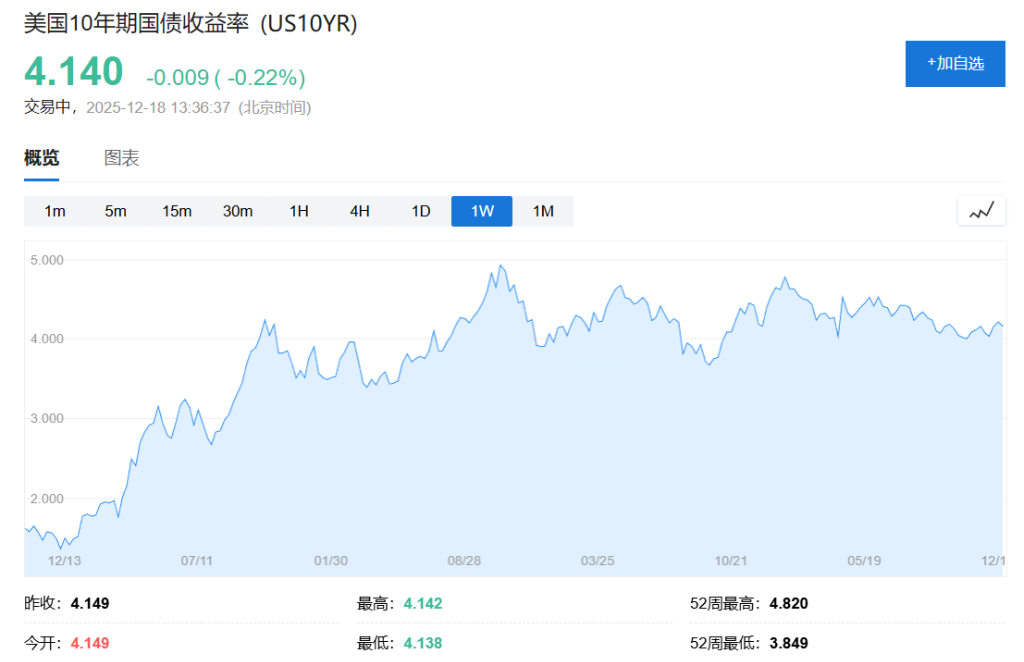
文┃小夏 两强对决,独立派VS忠诚派 特朗普对现任美联储主席鲍威尔很不满意,就因为鲍威尔没跟着他的节奏降息,还搞加息。 特朗普选人就看两点,忠诚度和降息意愿,这两位候选人刚好站在了对立面。 哈赛特是博彩市场的头号热门,以前在白宫待过,公开支持特朗普的激进降息想法,甚至建议降息幅度 翻倍。 虽然他最近说会维护央行独立性,但华尔街都觉得他是"白宫执行者",标签太难撕了。 编辑┃叙言 美联储要换掌门了,全球金融圈都在盯着。 前美联储理事沃什和前白宫顾问哈赛特成了热门候选人,一边是华尔街力挺的独立派,一边是白宫青睐 的忠诚派。 作为常年关注财经动态的博主,我得跟大家掰扯掰扯,这场争夺战背后,藏着怎样的货币政策走向。 但美联储只能管短期利率,长期利率是市场说了算的。 市场已经用脚投票了,自从11月下旬哈赛特成领跑者的消息出来,10年期美债收益率从4.0%涨到了 4.2%。 沃什是前美联储理事,还有胡佛研究所经济学家的身份。 他在美联储时期有点"鹰派",2008年之前还担心通胀问题,但现在得到了摩根大通CEO戴蒙这样的大 佬背书。 特朗普已经面试过他,这场对决越来越有看头。 市场预警,激进降息或适得其反 摩根大通CEO戴 ...
哈塞特力挺美联储独立性 伦敦金高位震荡显韧性
Jin Tou Wang· 2025-12-17 06:12
摘要今日周三(12月17日)亚盘时段,伦敦金目前交投于4330美元附近,截至发稿,伦敦金最新报 4332.18美元/盎司,涨幅0.69%,最高上探至4334.23美元/盎司,最低触及4300.39美元/盎司。目前来 看,伦敦金短线偏向看涨走势。 【最新伦敦金行情解析】 伦敦金日线此前连续收阳,整体保持偏强的多头格局,且价格维持在短周期均线上方,5、10日均线呈 多头排列并向上发散,体现出中期上行态势的稳固性。不过日线级别KDJ指标有死叉迹象,MACD红色 柱体也出现萎缩,这意味着短期上涨动能有所收敛,存在技术性回调的需求,难以持续单边冲高。 伦敦金价格处于高位震荡修复状态,暂时被压缩在特定区间内波动,昨日欧盘回落至4271一线后迅速反 弹,验证了该级别均线支撑的有效性。同时K线整体沿着短周期均线维持上行走势,显示多头在高位仍 有较强承接力,但价格在4350一带明显承压,暂时难以实现有效突破。 今日周三(12月17日)亚盘时段,伦敦金目前交投于4330美元附近,截至发稿,伦敦金最新报4332.18 美元/盎司,涨幅0.69%,最高上探至4334.23美元/盎司,最低触及4300.39美元/盎司。目前来看,伦敦金 ...
美联储换帅暗战,特朗普怒火烧向BBC,索赔100亿美元
Sou Hu Cai Jing· 2025-12-17 05:42
作为热门人选之一,美国白宫国家经济委员会主任凯文·哈塞特近期公开表态,呼应了特朗普的货币政策立场。他表示美国"仍有很大的降息空间",认为当 前利率水平与全球其他地区脱节,且潜在的就业轨迹是坚实的。 哈塞特认为最近的数据被政府关门这一"插曲"扭曲了。他强调,美联储的任何行动都需要建立在事实和数据基础上的共识。哈塞特表示,"他若身处其位, 会跟美联储的官员沟通磋商。" 哈塞特还表示,人工智能带来的生产率提升有望支撑美国经济在低通胀下实现增长。在贸易问题上,哈塞特表示,政府相信最高法院将在关税问题上做出有 利于政府的裁决,但他指出,如果需要,第232条和第301条仍可作为保障。 当地时间12月16日,美国总统特朗普签署公告,将此前受美方全面和部分入境限制的国家数量从19个扩大至40个。其外交政策立场再次引发国际关注。 具体来看,美国对布基纳法索、马里、尼日尔、南苏丹和叙利亚这五个国家以及持有巴勒斯坦民族权力机构签发的旅行证件的人员实施全面限制和入境限 制;对此前实施部分限制措施的两个国家——老挝和塞拉利昂实施全面限制和入境限制。 美联储"换帅"暗战 临近年末,"鲍威尔继任者"之争愈发白热化。 然而,哈塞特的候选人资 ...
哈塞特力挺美联储独立性:称降息须经FOMC共识 非总统指令
Xin Hua Cai Jing· 2025-12-17 05:27
Group 1 - Kevin Hassett, a leading candidate for the next Federal Reserve Chair, emphasizes the importance of the Fed's independence and insists that any interest rate decisions should be based on consensus within the Federal Open Market Committee (FOMC) grounded in facts and data [1] - Hassett addresses concerns regarding potential political influence on monetary policy, stating that he would only consider President Trump's suggestions for rate cuts if they are supported by sufficient economic rationale and his own agreement before presenting them to the FOMC for collective review [1] - The current Fed Chair Jerome Powell's term ends in May 2026, and the Trump administration is in the final stages of selecting a successor, with Hassett being a core candidate who reiterates the Fed's focus on its dual mandate of price stability and full employment [1] Group 2 - Hassett praises another main competitor, Kevin Warsh, highlighting his extensive experience and suggesting that the President has good options among the candidates [2] - Market predictions regarding the final candidate have fluctuated, with Kalshi platform data indicating that as of mid-December, Warsh has a nomination probability of approximately 46%, while Hassett's probability is around 39%, indicating a narrowing lead for Hassett [2] - Treasury Secretary Scott Bessent has stated that the final decision on the Fed Chair is expected to be announced in early January 2026 [2]