
AI医疗

Search documents
公募提前布局AI医疗赛道!商业化蓄势待发?
券商中国· 2025-09-28 10:05
Core Viewpoint - The AI healthcare sector is still in its nurturing phase, but the investment enthusiasm has attracted significant QDII fund allocations, with a focus on overseas revenue expansion to address high valuation concerns [1][3]. Group 1: Investment Trends - Public funds are increasingly focusing on AI healthcare, with companies like JingTai Holdings, GuShengTang, YiDu Technology, and iFlyTek actively seeking growth through international expansion [3][4]. - JingTai Holdings has successfully assisted a pharmaceutical company in obtaining clinical trial approval in Australia, highlighting its strong overseas business performance [3]. - YiDu Technology has reported that its international revenue growth significantly outpaces domestic growth, with contributions from Brunei reaching over 100 million yuan, accounting for 14.36% of its total revenue [3][4]. Group 2: Valuation Concerns - Despite the growth potential, fund managers express concerns over high valuations and profitability challenges faced by many AI healthcare companies, leading some QDII funds to prefer US stocks [6][7]. - For instance, Mirxes has a market capitalization exceeding 17 billion HKD, while its competitor Grail, despite having a much larger revenue, has a lower market cap, indicating a premium valuation in the Hong Kong market [6][7]. Group 3: Future Outlook - Some fund managers believe that the current high valuations are linked to the different stages of commercialization, with US companies having a head start [9]. - The AI healthcare sector is expected to see significant growth as domestic companies accelerate their development, particularly in areas like brain-computer interfaces, which are projected to transition from laboratory to clinical applications within 1-2 years [10].


重新认识甲骨文:全球最大的AI医疗公司,市值6.2万亿
Sou Hu Cai Jing· 2025-09-28 06:49
Core Insights - Oracle is positioning itself as a leading player in AI healthcare, leveraging its AI and cloud capabilities to address customer attrition and market share decline since acquiring Cerner [1] - The company aims to integrate AI into every aspect of healthcare systems, catering to diverse needs of patients, healthcare institutions, insurers, pharmaceutical companies, and public health organizations [1] Group 1: AI and Cloud Integration - Oracle has become one of the largest providers of AI infrastructure globally, embedding generative AI and intelligent agents into its cloud business architecture [1] - The company has launched Oracle Health Clinical Data Exchange, a cloud-based solution enabling seamless data sharing between payers and service providers [5] - Oracle's AI agents can initiate queries across various data sources, understanding instructions and executing tasks once approved by humans, enhancing operational efficiency in healthcare [10] Group 2: Data Management and Security - Oracle Health's subsidiary has been designated as a candidate for the Qualified Health Information Network (QHIN), facilitating standardized and secure nationwide health information exchange [2] - The Oracle Health Connection Hub is designed with military-grade cybersecurity to ensure secure interactions [4] - The semantic database developed by Oracle supports real-time, continuously updated data, crucial for adapting to the rapidly changing medical landscape [6] Group 3: Knowledge Graph and AI Applications - Oracle's Knowledge Graph serves as a critical contextual layer for data, mapping relationships across various domains such as diagnosis, drugs, and insurance rules [7][8] - The Health AI Application Suite includes collaborative AI agents that assist healthcare professionals, enhancing treatment outcomes through automated suggestions during patient interactions [10] Group 4: Innovation and Collaboration - Oracle is creating an open, collaborative innovation ecosystem to drive deep business transformation in healthcare [14] - The Oracle Health Marketplace aims to facilitate innovation sharing and monetization, simplifying procurement processes for healthcare enterprises [15] - The establishment of the Oracle AI Center of Excellence will help clients redesign business processes to leverage AI's transformative value in addressing real healthcare challenges [15][16] Group 5: Future Developments - Oracle plans to launch a Life Sciences AI Data Platform, providing secure access to 120 million real-world datasets to accelerate drug discovery and optimize trial designs [12] - The upcoming Oracle Clinical Trial Suite, set for release in 2027, will allow EHR clients to automate data entry for clinical trials, expediting research processes [13]


迈瑞医疗加速高端化+智能化,AI布局具有先发优势
Cai Fu Zai Xian· 2025-09-28 03:25
Core Viewpoint - The company is enhancing its core competitiveness through increased R&D investment and AI technology integration in the competitive medical device industry [1][2] Group 1: R&D and Innovation - The company plans to invest 1.78 billion yuan in R&D by mid-2025, focusing on product innovation and technology upgrades [1] - As of June 30, 2025, the company has applied for a total of 12,240 patents, including 8,818 invention patents, with 6,126 authorized patents [1] - The company has developed a robust technology ecosystem that supports continuous innovation in equipment and consumables, particularly in AI and integrated innovations [1] Group 2: AI Technology and Ecosystem - The company has established a "device + IT + AI" smart medical ecosystem and launched the Qiyuan Critical Care Model in 2024, which is the world's first clinically applicable critical care model [1] - The Qiyuan model includes functionalities such as condition Q&A, recommendation generation, medical record writing, and knowledge inquiry, providing a comprehensive smart solution for hospitals [1] - The company is exploring domain-specific models in anesthesia, emergency care, and imaging to enhance its medical ecosystem and improve global healthcare capabilities [1] Group 3: Product Development and Market Position - The company has introduced new products in various business lines, including a test kit for Helicobacter pylori IgG antibodies and a new generation of high-end monitors in the life information and support sector [2] - The introduction of these new products enriches the company's product matrix and strengthens its market competitiveness [2] - The company's early positioning in AI healthcare and sustained high R&D investment are expected to drive long-term growth and enhance its industry influence [2]

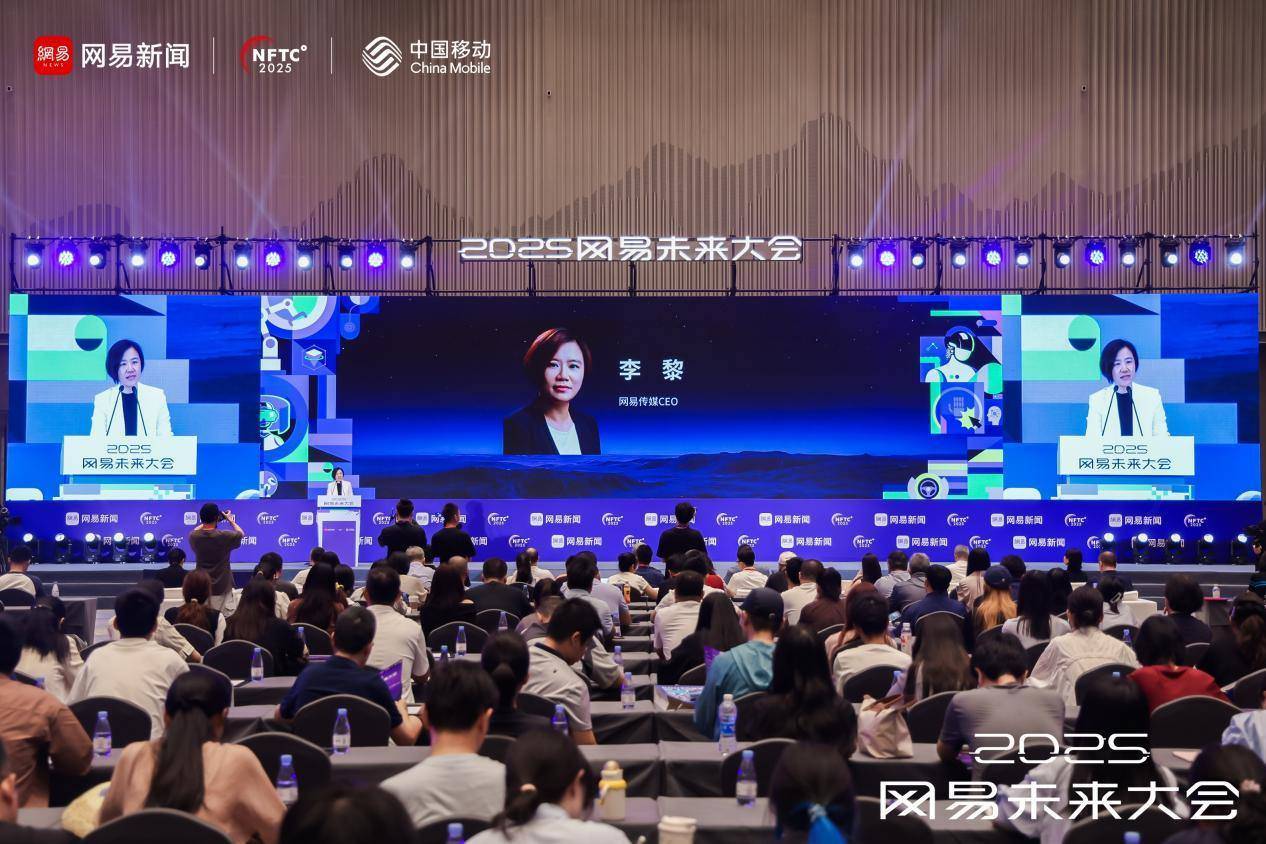
2025网易未来大会启幕:以智能见未来,技术与产业共探新图景
Sou Hu Cai Jing· 2025-09-28 01:23
Core Insights - The 2025 NetEase Future Conference, themed "Intelligent Future," was held in Hangzhou, attracting nearly a thousand participants from academia, industry, and investment sectors, focusing on AI trends and its implications for the economy [1][11] Group 1: AI Development Trends - AI is evolving along two lines: "cognitive simulation" and "action simulation," with a focus on developing specialized large models to address issues like hallucinations [2] - Current large models are limited in understanding the three-dimensional world, and the concept of "embodied intelligence" is seen as outdated, with a greater emphasis on spatial intelligence [5] - The next 10 to 15 years are expected to see AI create a long-term wave of transformation comparable to the shift from PCs to the internet, fundamentally altering enterprise logic and global order [9] Group 2: Industry Implications - AI is not just a technological revolution but also a new engine for economic growth, driving industrial upgrades and improving work efficiency [11] - NetEase is leveraging content innovation to interpret technology and business models, enhancing efficiency through AI and expanding into new content consumption and community scenarios [13] Group 3: Gaming and AI Integration - NetEase Games showcased several unique projects at the digital entertainment exhibition, highlighting its strong R&D capabilities and collaborations with top global firms [14] - A collaboration with VAST in AI 3D technology was revealed, enabling real-time scene generation in games, significantly lowering the barriers for user-generated content creation [16]

迪安诊断成为“杭州城市可信数据空间”首批空间共建和生态运营单位
Sou Hu Cai Jing· 2025-09-26 06:12
Core Viewpoint - The strategic partnership between Dian Diagnostics and Hangzhou Data Group aims to establish a trusted data space in Hangzhou, focusing on the efficient circulation of data elements and promoting high-quality development of the regional digital economy [1][2]. Group 1: Strategic Collaboration - Dian Diagnostics signed a strategic cooperation agreement with Hangzhou Data Group to co-build a trusted data space infrastructure in Hangzhou [1]. - The collaboration will leverage Dian Diagnostics' extensive medical testing data to create a compliant trading platform for medical data elements [2]. - The partnership aims to develop high-quality medical data sets and AI medical products, enhancing public health monitoring services for government departments [2]. Group 2: Data Utilization and Innovation - Dian Diagnostics plans to transition from a data provider to a data operator and service enabler, creating a closed-loop ecosystem of "data-service-application" [3]. - The company will enhance AI model optimization in areas such as auxiliary diagnosis and health management through deep operation of medical data assets [3]. - The initiative aims to integrate medical data with digital technology and public services, contributing to Hangzhou's goal of becoming a "digital health capital" [3].

牵手百诚医药推进AI新药研发合作,晶泰控股今年以来股价翻番
Zheng Quan Shi Bao Wang· 2025-09-25 14:49
Core Insights - The AI healthcare sector is experiencing significant stock performance, with JingTai Holdings (02228.HK) seeing a notable increase in share price, reaching a new high of HKD 12.57 per share, up 5.63% on September 25, and a year-to-date increase of 107.02% [1] Group 1: Company Developments - JingTai Holdings signed a cooperation letter of intent with Baicheng Pharmaceutical (301096.SZ) to utilize its "AI + Robotics" platform for new drug development, focusing on unmet clinical needs in various disease areas [1] - The collaboration aims to advance the development and incubation of innovative drug pipelines and explore broader commercial cooperation, including the potential establishment of a joint venture [1] - JingTai Holdings has achieved a significant milestone in clinical research with the new PRMT5 inhibitor PEP08, receiving approvals for clinical trials in Australia and Taiwan, confirming milestone payments for the project [2] Group 2: Market Position and Future Prospects - The company is included in the FTSE China Small Cap Index as of September 19, indicating its growing market presence [2] - According to招商证券, JingTai Holdings' AI pharmaceutical business is progressing steadily, with a projected year-on-year growth rate of 615% in drug discovery by the first half of 2025 [3] - The company has secured a pipeline cooperation agreement with DoveTree worth USD 5.99 billion, receiving an initial payment of USD 51 million, contributing positively to its performance [3] - JingTai Holdings is also exploring cross-industry applications of its technology platform, including new materials, which may expand its market potential [3]
2025京东全球科技探索者大会:京东健康发布“AI医院”、升级“京医千询2.0”
Bei Jing Shang Bao· 2025-09-25 12:40
Core Insights - The "AI Health Forum" at the 2025 JD Global Technology Explorer Conference showcased the upgraded "Jingyi Qianxun 2.0" medical model and introduced the new "AI Hospital 1.0," which creates an AI-driven closed loop for "medical examination, diagnosis, and medication" [1][2] - JD Health established the "JD Health Intelligent Interconnection Ecological Alliance" with leading medical device brands to build a comprehensive smart health management system integrating hardware, software, services, and ecology [1] - The upgraded "Jingyi Qianxun 2.0" model is the first in the industry to break through credible reasoning and multimodal capabilities, simulating clinical diagnostic thinking and aligning with external evidence to enhance diagnostic accuracy [1][2] Group 1 - The new doctor agent based on "Jingyi Qianxun 2.0" allows for free-form consultations, supporting flexible responses based on professional knowledge and user needs [2] - The AI Hospital 1.0 achieves a service loop from triage to consultation, examination, and medication, optimizing healthcare service efficiency and user experience [2][3] Group 2 - "AI Hospital 1.0" includes over ten types of professional service intelligences and more than 1,000 expert doctor intelligences from over 400 top-tier hospitals, providing 24/7 online services [3] - Since 2025, the AI services have cumulatively served over 150 million users with a satisfaction rate of 97% [3]

QDII基金抢滩AI医疗,出海逻辑引爆商业化预期
Huan Qiu Wang· 2025-09-25 05:55
Group 1 - The AI healthcare sector is in the early stages of commercialization but has attracted significant investment from public QDII funds, with a focus on overseas markets for growth opportunities [1][5] - Major public funds such as Huaxia, CMB, and GF have heavily invested in Hong Kong-listed AI healthcare companies like Jingtai Holdings and Yidu Tech, which are expanding into international markets through technology exports and acquisitions [1][5] - Companies like Jingtai Holdings and Yidu Tech have reported strong overseas revenue growth, with Yidu Tech's revenue from Brunei contributing 14.36% to its total [1][5] Group 2 - Despite the enthusiasm, there are concerns about high valuations in the Hong Kong AI healthcare sector, with price-to-sales ratios reaching tens or even hundreds, leading some funds to shift focus to more reasonably valued US stocks [2][4] - The market is witnessing a valuation discrepancy, as seen with Mirxes, which has a market cap exceeding HKD 17 billion, while its US competitor Grail, with significantly higher revenue, has a lower market cap [4] - Fund managers express optimism about the commercialization prospects of domestic AI healthcare, believing that accelerating commercialization will address current high valuation concerns [4][5] Group 3 - The formation of a commercial loop in overseas AI healthcare, particularly in brain-computer interface technology, is expected to lead to clinical applications within 1-2 years and commercialization within 3-5 years, significantly expanding market potential [5]

AI医疗火爆!晶泰控股连续上涨,恒生医药ETF交投活跃
Mei Ri Jing Ji Xin Wen· 2025-09-25 02:42
Group 1 - The Hong Kong stock market's innovative drug sector has seen significant gains since the beginning of the year, with multiple indices rising over 100% [1] - Recently, the Hang Seng Pharmaceutical ETF (159892) has experienced a slight pullback from its recent highs, indicating a shift in market focus towards AI [1] - On September 25, the Hang Seng Pharmaceutical ETF briefly rose over 1%, with leading stocks such as Crystal Technology Holdings, BeiGene, and CanSino Biologics showing strong performance [1] Group 2 - Crystal Technology Holdings, a representative stock in the AI medical field, has shown continuous upward movement, rising for four consecutive days and achieving over 100% growth year-to-date [1] - Market opinions suggest that as supply continues to proliferate and iterate, many AI medical companies are still positioned relatively low, indicating potential for improvement in their core business performance [1] - The Hong Kong Stock Connect Medical ETF (520510) tracks the Hong Kong Stock Connect Medical Theme Index, holding stocks like WuXi Biologics, Alibaba Health, JD Health, and Crystal Technology Holdings, focusing on AI medical and CXO themes [1]
AI医疗商业化有望加速 QDII基金积极重仓布局
Zheng Quan Shi Bao· 2025-09-24 18:06
Core Viewpoint - The AI healthcare sector is in a nurturing phase, with increasing interest from public funds, particularly in overseas expansion as a key growth driver for companies in this field [1][2][6]. Group 1: Investment Trends - Public funds are heavily investing in AI healthcare companies, with a focus on those expanding internationally, such as JingTai Holdings and YiDu Technology, which are seeing significant revenue growth from overseas markets [2][3]. - Companies like Mirxes have reported that approximately 70% of their revenue comes from international markets, indicating a strong reliance on overseas expansion for growth [3]. Group 2: Valuation Concerns - Despite the growth potential, many AI healthcare companies are facing high valuations, with some trading at sales multiples of tens or even hundreds, raising concerns about sustainability [4][5]. - For instance, Mirxes has a market capitalization exceeding HKD 17 billion, which is notably higher than its competitors like Grail, despite Grail having significantly larger revenue [4]. Group 3: Future Outlook - Fund managers believe that the current high valuations are linked to the varying stages of commercialization among companies, with U.S. firms having a head start in the market [6][8]. - The AI healthcare sector is expected to see accelerated growth in the coming years, particularly in areas like brain-computer interfaces, which are projected to transition from laboratory to clinical applications within 1-2 years [8].