
绿色金融

Search documents
第十次荣获“五星钻石奖”!青岛银行隐藏着什么获奖秘籍?
Jin Rong Shi Bao· 2025-12-17 12:36
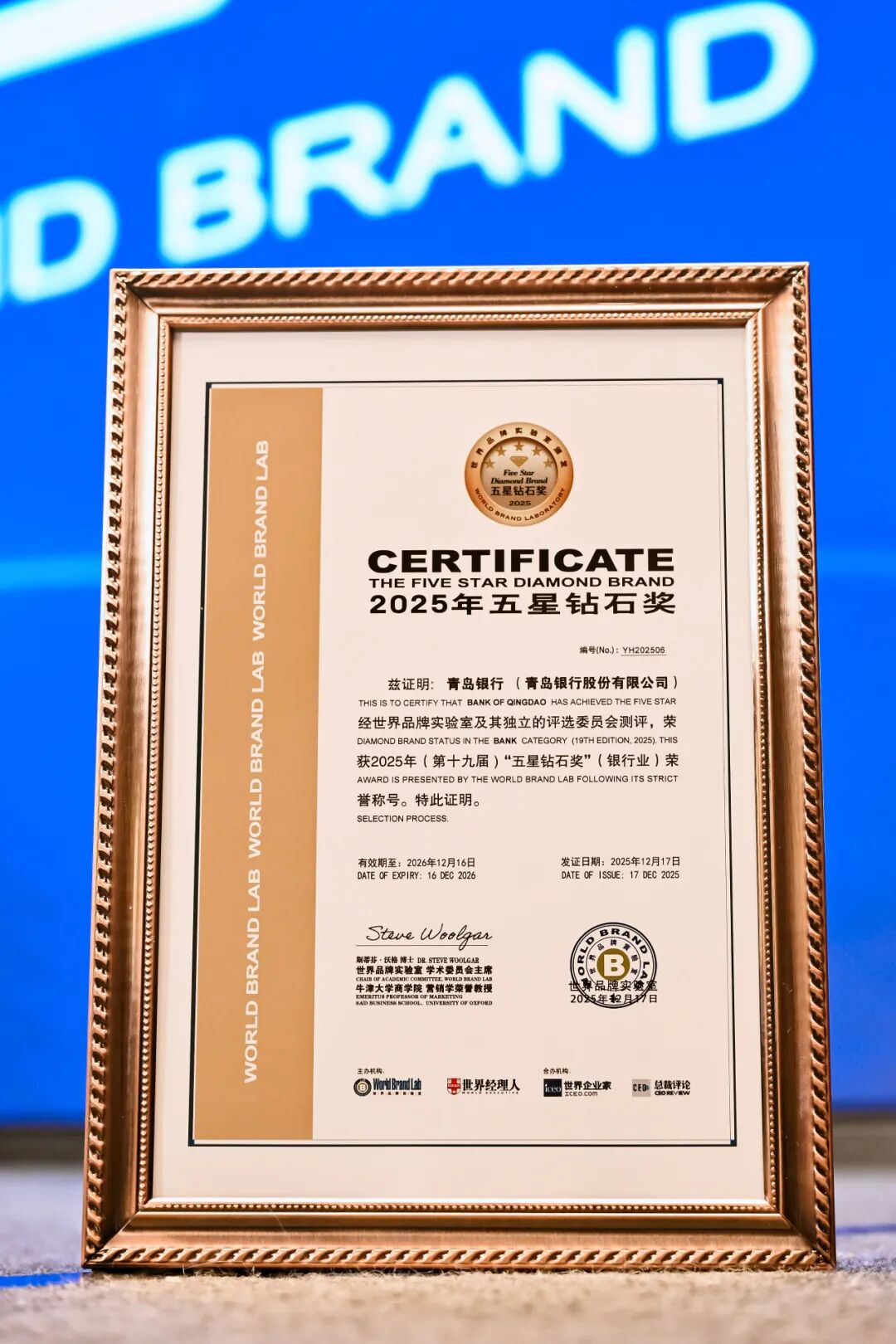
Core Viewpoint - Qingdao Bank has been awarded the prestigious "Five Star Diamond Award" for the tenth time, recognizing its exceptional customer service and experience, making it the only company from Shandong Province to receive this honor [1][9]. Group 1: Customer Service Excellence - Qingdao Bank emphasizes its commitment to serving the real economy, integrating national priorities into its operational development, and focusing on quality and efficiency [3]. - The bank has handled over 78,000 consumer complaints and customer assistance requests, using data analysis to improve service quality [4]. - The bank's intelligent service initiatives have achieved significant metrics, including over 1.81 million interactions with text-based robots and a 98.73% accuracy rate in responses [4]. Group 2: Senior Citizen Services - In response to the aging population, Qingdao Bank has updated its elderly service standards, focusing on enhancing the financial experience for senior customers [5]. - The bank has established a three-tier service network in rural areas, with 28 branches to improve accessibility [5]. Group 3: Sustainable Financial Services - Qingdao Bank is committed to supporting the real economy through its "Green Finance" and "Blue Finance" initiatives, aligning with national dual carbon strategies [7]. - The bank launched the first domestic bond index focused on the marine economy, enhancing financing channels for the marine industry [7]. - As of September 2025, the bank's blue loan balance reached 21.34 billion, a 27.17% increase year-on-year, significantly outpacing overall loan growth [7]. Group 4: Green Finance Initiatives - The bank has developed a comprehensive green finance product matrix, including various loan products aimed at supporting low-carbon transitions [8]. - By September 2025, the green loan balance reached 54.83 billion, reflecting a 46.80% increase, demonstrating a strong commitment to sustainable finance [8]. Group 5: Future Directions - Qingdao Bank plans to continue its focus on blue economy cultivation, green transition, and support for small and micro enterprises, contributing to high-quality development [9].

今年以来领罚超1.2亿元,华夏银行“赶考”合规体系建设
Nan Fang Du Shi Bao· 2025-12-17 08:54
Core Viewpoint - The compliance culture of Huaxia Bank is revealed to have significant shortcomings, as evidenced by multiple fines and regulatory actions due to inadequate employee behavior management and systemic issues in compliance and internal controls [2][3][6]. Group 1: Regulatory Penalties - Huaxia Bank's Chongqing branch was fined 500,000 yuan due to employee management failures, with a sales representative banned from the banking industry for 12 years [2]. - Since 2025, Huaxia Bank has accumulated fines exceeding 120 million yuan, with over 10 penalties issued, indicating persistent issues in credit approval processes [2]. - In September, the bank faced a fine of 87.25 million yuan for imprudent management of loans, bills, and interbank business, along with a 12 million yuan penalty for non-compliance in investment operations [2]. - Additional fines in November totaled approximately 13.81 million yuan, targeting violations in core business areas such as account management and anti-money laundering [2]. Group 2: Compliance and Internal Control Issues - The frequency and amount of penalties in 2025 have surpassed those in 2024, highlighting recurring compliance issues across various business lines and branches [3]. - The bank's compliance mechanisms have not been effectively integrated into business processes, exposing systemic flaws in compliance management and internal controls [3]. - A total of eight individuals were held accountable for violations, indicating that issues are not isolated but rather systemic, affecting multiple departments [2]. Group 3: Financial Performance - For the first three quarters of 2025, Huaxia Bank reported revenues of 64.881 billion yuan, a year-on-year decline of 8.79%, and a net profit attributable to shareholders of 17.982 billion yuan, down 2.86% [3]. - The bank's non-performing loan ratio stood at 1.58% at the end of the third quarter, a slight decrease of 0.02 percentage points from the beginning of the year, suggesting some improvement in asset quality [3]. Group 4: Leadership and Strategic Focus - Under the leadership of Yang Shujian, who took over as chairman in May 2025, Huaxia Bank is focusing on technology finance and green finance, aiming for business innovation and digital transformation [6]. - Yang emphasized the need to strengthen risk management and compliance systems in a recent work report, indicating a strategic shift towards enhancing the bank's operational resilience [6]. - Despite accepting the penalties and committing to rectification, industry experts suggest that a comprehensive overhaul of the internal control system is necessary for sustainable business health [6].

承德银行:以绿色金融为笔 绘就魅力承德新画卷
Jin Rong Jie· 2025-12-17 08:07
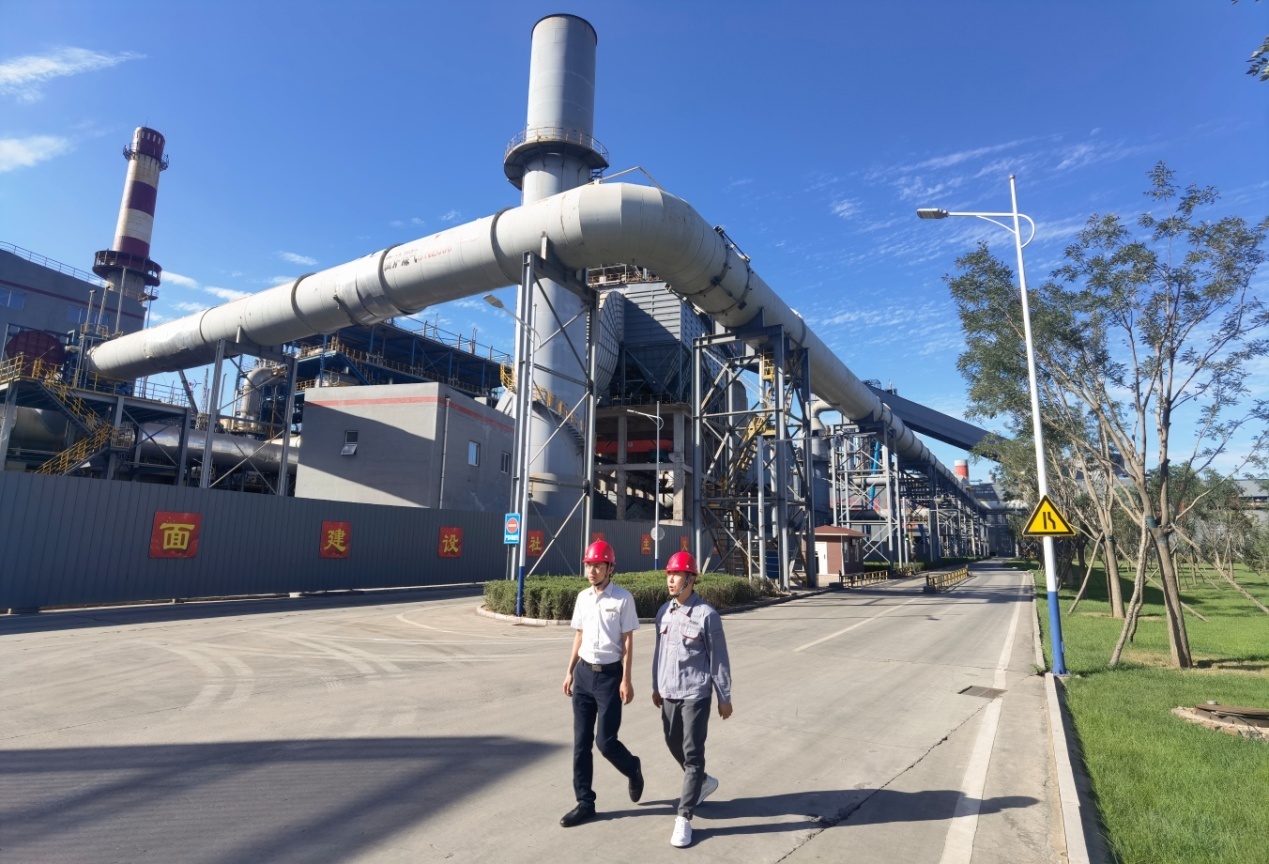
Core Viewpoint - Chengde Bank integrates green finance into ecological civilization construction, aiming to transform ecological advantages into economic value while supporting the "Two Mountains" theory and "dual carbon" goals [1][2]. Group 1: Green Finance Strategy - Chengde Bank recognizes its role as both an economic developer and an ecological guardian, committing to green finance as a core strategy to fulfill national objectives and social responsibilities [2][3]. - The bank has established a comprehensive green finance service system that includes strategic design, policy implementation, and product innovation [2]. Group 2: Green Loan Initiatives - The bank has increased its green loan offerings, focusing on sectors such as clean energy, environmental protection, and green transportation, with a green loan balance reaching 7.956 billion yuan, a 76.25% increase from the beginning of the year [3]. - Specific loan products include "Photovoltaic (Wind Power) Project Loans" and "Green Factory Loans," tailored to support the development of renewable energy and traditional industry transformation [3][6]. Group 3: Financial Mechanisms and Innovations - Chengde Bank has implemented a "four priority" policy for green loan projects, enhancing the efficiency of loan approvals and offering differentiated credit policies to incentivize green investments [6]. - The bank has developed customized financial products that incorporate ecological indicators into loan assessments, allowing for the monetization of ecological value [6][8]. Group 4: Impact and Outcomes - The bank has provided credit of 1.41 billion yuan for significant wind power projects, which are expected to reduce carbon emissions by 592,200 tons annually, equivalent to adding 2.28 million acres of forest [8]. - Chengde Bank's initiatives have not only met corporate funding needs but also facilitated the conversion of ecological value into economic benefits, enhancing ecological, economic, and social outcomes [8][11]. Group 5: Future Plans - Looking ahead, Chengde Bank aims to expand its green finance initiatives, targeting an increase in the proportion of green loans to over 8% within three years and exploring new products like forestry carbon credit loans [10]. - The bank plans to strengthen collaboration with government and regulatory bodies to create a unified platform for green finance services, promoting sustainable development [10].
打造有温度的银行 徽商银行社会责任工作再获殊荣
Zheng Quan Shi Bao Wang· 2025-12-17 08:07
Core Viewpoint - Huishang Bank has been awarded the title of "2025 Annual Social Responsibility Pioneer Bank" for its solid practices and outstanding contributions in the field of social responsibility, reflecting its commitment to serving the community and supporting local economic development [1][9]. Group 1: Party Leadership and Service to the Real Economy - Huishang Bank integrates party leadership with business development, enhancing governance and compliance systems, and has been recognized as "Excellent" in supporting local economic development in Anhui Province [2]. - The bank focuses on supporting small and micro enterprises and rural revitalization, with a county loan scale nearing 300 billion yuan, and has implemented tailored financial solutions for local industries [3]. Group 2: Environmental Protection and Green Finance - The bank has incorporated green finance into its core strategy, with a green credit balance of nearly 160 billion yuan, growing at over 40% annually, and has launched various innovative green financial products [4]. - Huishang Bank actively supports the development of the new energy vehicle industry and explores ecological value transformation through financing models [4]. Group 3: Technological Empowerment and Customer Service - The bank emphasizes digital transformation, enhancing online services and launching new digital products, with over 12 million mobile banking users [5]. - Huishang Bank has developed innovative financing solutions for technology companies and participates in long-term strategic partnerships to support their growth [5]. Group 4: Risk Control and Compliance Management - The bank prioritizes risk management, implementing a comprehensive risk management system and maintaining a low non-performing loan rate, while also enhancing compliance measures [7]. - Huishang Bank has been recognized for its compliance with regulations and has established a culture of safety and risk awareness [7]. Group 5: Corporate Culture and Social Responsibility - The bank fosters a corporate culture that combines financial principles with local values, emphasizing compliance, responsibility, and community engagement [8]. - Huishang Bank actively participates in social responsibility initiatives, including volunteer services and financial education programs, demonstrating its commitment to societal well-being [8].
曹远征:关于中国经济的超大规模性与金融创新的讨论
Sou Hu Cai Jing· 2025-12-17 06:40
Core Insights - The global economy has shifted from efficiency to security, with China's economic resilience attributed to its super-large scale [2] - The phenomenon of "卷" (competition for scale) is prevalent among Chinese companies, both in traditional and emerging industries, emphasizing maximization of scale as a primary strategy [2] Group 1: New Energy Vehicles (NEVs) - China's NEV production and sales have ranked first globally for ten consecutive years, with a projected production increase of 34.4% and sales increase of 35.5% in 2024, exceeding 12.86 million units [2] - The market share of NEVs in total vehicle sales has risen from 5.4% in 2020 to an expected over 50% by the end of 2025 [2] - The debate on whether NEVs qualify as cars highlights the divergence in perspectives between traditional fuel vehicle manufacturers and NEV producers, reflecting underlying economic theories on scale and competition [2] Group 2: Economic Scale and Competition - The production and sales growth of NEVs is interpreted as a sign of a burgeoning industry rather than overcapacity, as evidenced by legislative support for NEVs in regions like the EU [2] - The competitive pricing of NEVs, often perceived as unfair competition, is driven by both government subsidies and intense competition within the industry [2] - The concept of "超线性规模缩放" (superlinear scaling) illustrates how the scale economy transcends individual firms to impact entire industries and economies [2] Group 3: Financial Structures and Debt - High leverage has become a norm for Chinese companies, where positive cash flow allows for sustained debt management, creating a path dependency on maximizing scale [3] - The relationship between high debt levels and scale maximization is evident in the operational strategies of companies, particularly in the context of rapid economic growth [3] - The financial environment in China has evolved to support this model, with a focus on indirect financing and project-based financial arrangements [3] Group 4: Infrastructure and Market Dynamics - The development of infrastructure, such as roads and electricity, has been crucial for the growth of NEVs, enabling them to integrate into the existing economic framework [3] - The market dynamics in China, characterized by rapid urbanization and income growth, have facilitated the emergence of new products tailored to the needs of the fastest-growing consumer segments [3] - The integration of government infrastructure investments with the NEV industry exemplifies the synergy between public policy and market development [3] Group 5: Global Supply Chains and Economic Resilience - China's super-large scale economy positions it as a central player in global supply chains, particularly in the context of the Belt and Road Initiative [4] - The country's industrial capabilities, including significant shares in global production of steel and aluminum, underscore its foundational role in international trade [4] - The ongoing restructuring of global supply chains reflects China's economic scale and its ability to adapt to geopolitical shifts, maintaining its position as a critical hub for manufacturing and trade [4]

从被动合规迈向市场要素驱动:2025中国ESG投资白皮书发布
IPO早知道· 2025-12-17 05:18
Core Viewpoint - The report highlights a significant transformation in China's ESG (Environmental, Social, and Governance) investment landscape, moving from passive compliance to value creation driven by market forces [2][3]. Group 1: ESG Development in China - The 2025 ESG framework in China has transitioned from a macro blueprint to an execution framework, indicating a qualitative change in how listed companies approach ESG [2][3]. - Over 63% of surveyed A-share companies plan to maintain or increase their investments in carbon reduction, with the raw materials sector showing a strong growth intention [3]. Group 2: Market-Driven Factors - The core drivers for corporate investment in ESG have diversified, with energy costs (81%), customer demands (45%), and green financing (30%) emerging as key market-driven factors [6]. - Nearly 70% of surveyed companies are using green energy in their operations to reduce carbon emissions, while over 60% are improving processes and upgrading equipment to enhance energy efficiency [8]. Group 3: Green Financing - As of September 2025, China's green loan balance reached 43.51 trillion yuan, and the issuance scale of green bonds exceeded 840 billion yuan, providing a robust financial framework for low-carbon transitions [10]. Group 4: International Expansion and ESG - Companies with overseas operations are more strongly driven to improve their ESG performance, with 55% increasing carbon reduction investments due to downstream customer requirements [12]. - The demand for improved social performance driven by consumer expectations is also higher among companies with international business compared to those without [12]. Group 5: Role of Institutional Investors - Institutional investors are increasingly active in corporate governance, with a significant shift from being passive shareholders to engaged participants, particularly in the context of new regulations [14]. - Communication with shareholders is the most favored method for companies to engage with institutional investors, focusing on financial health and strategic issues [14]. Group 6: Commitment to ESG - 华夏基金 has been a pioneer in ESG investment in China, actively engaging with over 70 listed companies and participating in more than 1,000 shareholder meetings by 2025 [15]. - 紫顶股东服务 is recognized as a leader in voting rights management services, supporting institutional investors in corporate governance and responsible investment practices [15].

精耕细作金融“五篇大文章” 保险业交出高质量答卷
Jin Rong Shi Bao· 2025-12-17 04:27
Core Insights - 2025 is a pivotal year for the implementation of the financial "five major articles," with continuous policy dividends and deep integration of industry innovation practices, enhancing the quality and efficiency of financial services to the real economy [1] - The insurance industry plays a crucial role as an economic stabilizer and social stabilizer, focusing on key areas such as technology finance, inclusive finance, and green finance, thereby achieving dual improvements in scale and quality, as well as service and innovation [1] Policy Support - Multiple favorable policies are being released to facilitate the implementation of financial services, including the issuance of the "Guiding Opinions" by the State Council in March, which emphasizes the need to enrich technology insurance products and provide comprehensive financial services for technology enterprises [4] - In April, the regulatory authorities released an implementation plan for high-quality development of technology finance, encouraging insurance companies to develop insurance products covering the entire process of technological innovation activities [4] - In May, several departments proposed policies to support insurance funds in participating in equity investments and venture capital, promoting long-term investment reforms [4] Technological Innovation in Insurance - The insurance industry is focusing on developing a comprehensive risk protection network for technology innovation, launching innovative products tailored to the needs of high-risk technology sectors such as integrated circuits, biomedicine, and artificial intelligence [5] - By the third quarter of 2025, the premium income from technology insurance in China increased by 30% year-on-year, significantly outpacing the industry average, making it a core growth driver for financial services in technology innovation [5] Inclusive Insurance Development - The insurance industry is enhancing its inclusive insurance offerings to better serve small and micro enterprises, rural revitalization, and vulnerable groups, translating policy dividends into tangible benefits for the public [10] - Specific initiatives include the introduction of tailored insurance products for high-risk occupations and the development of low-threshold, affordable insurance products to meet the needs of the elderly and other vulnerable groups [11][12] Green Insurance Initiatives - The insurance industry is actively promoting green insurance and investment to support the comprehensive green transformation of the economy and society, with a focus on developing targeted risk protection solutions and enhancing the green insurance system [13] - As of mid-2025, insurance funds have invested significantly in green projects, with over 1.38 trillion yuan in debt investments and more than 700 billion yuan in equity investments directed towards green industries [14]
绿色金融破局关键:科技与金融深度融合
2 1 Shi Ji Jing Ji Bao Dao· 2025-12-17 03:36
Group 1 - The core viewpoint of the articles emphasizes the necessity of integrating green finance with technological innovation to facilitate sustainable development and address climate change challenges [1][4]. - Experts at the forum highlighted that green transformation cannot rely solely on policy or donations, but must establish a sustainable business logic, focusing on efficient capital allocation [1][2]. - Green finance tools can lower project costs, solve incentive compatibility issues, and diversify risks, which are essential for the feasibility of green projects [2][3]. Group 2 - Green finance tools can reduce the financing costs of green projects, making previously unfeasible projects viable, as demonstrated by case studies such as the issuance of transformation bonds by China Bank [2][3]. - Sustainable development-linked loans are an innovative financial tool that adjusts interest rates based on ESG performance, incentivizing companies to improve their environmental standards [3][4]. - The physical and transition risks posed by climate change are significant factors affecting financial stability, with China experiencing rapid temperature increases and extreme weather events [4][5]. Group 3 - A climate risk assessment framework is proposed to evaluate the financial impact of companies' adaptability to climate risks, integrating non-financial data and smart technology to enhance risk prediction accuracy [5][6]. - The data landscape in green finance has fundamentally changed, requiring risk assessment models to match the complexity of new data types, including text and multi-modal information [6]. - Current practices among small and medium banks involve a dual approach of traditional statistical models for compliance and deep learning models for enhanced predictive performance, with a future focus on integrating macroeconomic insights [6].
锚定国际绿色金融枢纽建设 申万宏源助力上海绿色金融高质量发展
申万宏源证券上海北京西路营业部· 2025-12-17 02:24
Core Viewpoint - The article emphasizes the importance of Shanghai as an international green finance hub, highlighting the role of Shenwan Hongyuan in supporting national strategies and contributing to sustainable development through green finance initiatives [1][10]. Group 1: Integration into Strategic Framework - The construction of Shanghai's international green finance hub requires collaboration among various market participants, with securities firms playing a crucial role in linking capital and assets [2]. - Shenwan Hongyuan has established a "Green Finance Service Group" to enhance coordination across different business lines, aiming for a comprehensive green finance solution that covers the entire lifecycle of enterprises [2][3]. - Over the past three years, Shenwan Hongyuan has provided nearly 100 billion yuan in financing services to green industries in the Yangtze River Delta region, demonstrating its commitment to corporate responsibility [2]. Group 2: Expanding Implementation Pathways - Shenwan Hongyuan leverages its full-license advantage to offer integrated services, including financing, investment, research, and advisory for green enterprises [4]. - The company has facilitated the listing of numerous green technology firms on various stock exchanges, raising over 20 billion yuan for nearly 20 green industry enterprises since 2022 [4][5]. - In the bond financing sector, Shenwan Hongyuan has underwritten over 30 green corporate bonds, totaling nearly 40 billion yuan, and has developed customized financing solutions for traditional high-energy-consuming industries [5][6]. Group 3: Future Layout and Continuous Innovation - Shenwan Hongyuan plans to enhance its service offerings by innovating products such as green REITs and carbon financial derivatives, aiming to provide a more diverse range of green financial services [8]. - The company aims to strengthen cross-border connections to attract more foreign investment into Shanghai's green assets and assist domestic green enterprises in accessing international capital markets [8]. - There is a focus on building a collaborative ecosystem with local government and financial institutions to unify green finance standards and share information [9].


宝城期货资讯早班车-20251217
Bao Cheng Qi Huo· 2025-12-17 01:40
Report Industry Investment Rating No relevant information provided. Core Viewpoints of the Report The overall economic situation shows a mixed picture. The external demand has improved, and prices have generally increased, but domestic demand is still bottom - seeking. Policies are expected to be more active in 2026 to support economic recovery, and the bond market is expected to have opportunities. Multiple institutions are optimistic about the continued rebound of Chinese assets in 2026 [24][25][30]. Summary by Directory 1. Macro Data - GDP in Q3 2025 grew at a 4.8% year - on - year rate, lower than the previous quarter's 5.2% but higher than the 4.6% of the same period last year [1]. - In November 2025, the manufacturing PMI was 49.2%, the non - manufacturing PMI for business activities was 49.5%, both showing certain trends compared to previous periods [1]. - Social financing scale in November 2025 was not provided, with previous values of 24,885 billion yuan and 8,161 billion yuan, and the same - period value last year of 23,288 billion yuan [1]. - CPI in November 2025 increased by 0.7% year - on - year, and PPI decreased by 2.2% year - on - year [1]. - Fixed - asset investment (excluding rural households) from January to November 2025 had a cumulative year - on - year decline of 2.6%, and the social consumer goods retail total had a cumulative year - on - year increase of 4.0% [1]. - Exports in November 2025 increased by 5.9% year - on - year, and imports increased by 1.9% year - on - year [1]. 2. Commodity Investment Reference Comprehensive - In 2026, expanding domestic demand is the top priority, and efforts will be made to boost consumption from both supply and demand sides. The real estate market will be stabilized from both supply and demand ends [2]. - Anti - dumping duties of 4.9% - 19.8% will be imposed on imported pork and pork by - products from the EU starting from December 17, 2025, for a period of 5 years [2]. - On December 16, 2025, 42 domestic commodity varieties had positive basis, and 25 had negative basis [2]. Metals - Copper prices soared to a record high, partly due to the large - scale copper hoarding by the US. The LME's three - month copper price reached a high of $11,952 per ton last Friday, currently around $11,626 per ton, up about 33% this year [4]. - On December 15, 2025, zinc, lead, tin, and copper inventories reached new highs, while nickel and aluminum inventories decreased [5]. - Morgan Stanley expects nickel prices to rebound to around $15,500 per ton in 2026 [5]. - Goldman Sachs raised its forecast for the average copper price in 2026 from $10,650 to $11,400 per ton, and there is a 55% probability that the Trump administration will announce a 15% copper import tariff in the first half of 2026, which may take effect in 2027 and increase to 30% in 2028 [6]. Coal, Coke, Steel, and Minerals - A series of measures to rectify the "involution - style" competition in the steel industry are being implemented, and the upstream coke and iron ore prices have declined [7]. - Yichun plans to cancel 27 mining licenses, including Jiangte Motor's Yifeng County Shiziling Lithium - bearing Porcelain Stone Mine [7]. - Rio Tinto will launch the first phase of a project in Western Australia, with an estimated iron ore production of 50 million tons per year by 2030 [8]. - Japan will cooperate with Malaysia in the exploration and development of rare earth and other mineral resources [8]. - In November 2025, Brazilian steel sales decreased by 3.5% year - on - year to 1.748 million tons. It is expected that in 2026, exports will decrease by 0.6% to 10.18 million tons, and imports will increase by 3.9% to 6.65 million tons [8]. - As of early December 2025, the prices of coke and coking coal in the circulation field declined [8]. Energy and Chemicals - The National Energy Administration will strengthen energy supervision and ensure the safety of the energy and power system in 2026 [9]. - Hungary signed a 5 - year LNG procurement agreement with Chevron for a total of 2 billion cubic meters [9]. - Last week, US API crude oil inventories decreased by 9.322 million barrels, exceeding expectations [9]. - The price discount of Venezuelan Merey crude oil widened to a $21 - per - barrel discount compared to Brent crude oil [9]. - JP Morgan will seek about $14 billion in funds for Argentina's LNG export project [9]. Agricultural Products - The Indian market regulatory body will propose to relax commodity derivatives rules, cancel the ban on agricultural product derivatives trading, and reduce margin requirements [10]. - As of December 14, 2025, EU's 2025/26 soft wheat exports were 10.5 million tons, barley exports were 5 million tons, corn imports were 7.5 million tons, and soybean meal imports were 8.3 million tons [10]. 3. Financial News Compilation Open Market - On December 16, 2025, the central bank conducted 135.3 billion yuan of 7 - day reverse repurchase operations, with a net investment of 18 billion yuan [11]. Key News - In 2026, expanding domestic demand is the top priority, and efforts will be made to boost consumption from both supply and demand sides. The real estate market will be stabilized from both supply and demand ends [12]. - The National Development and Reform Commission will take measures to stabilize bulk consumption, improve the social security system, and promote a fair market order [12]. - Shenzhen will prevent and resolve financial risks, support the reform of the GEM, and enhance the competitiveness of the capital market [13]. - In 2026, the central bank will continue to implement a moderately loose monetary policy and maintain financial market stability [13]. - The market expects the fiscal deficit rate in 2026 to be no less than 4% [14]. - BofA Securities expects the downward trend of the mainland real estate market to bottom out in 2026 [14]. - Vanke will hold a bondholder meeting to discuss the adjusted extension plan for "22 Vanke MTN004" [14]. - On December 16, 2025, the on - shore and off - shore RMB exchange rates against the US dollar reached new highs in 14 months, and the RMB is expected to appreciate moderately in 2026 [15]. - As of December 16, 2025, commercial banks issued 58 green financial bonds, with a total issuance scale of 458.2 billion yuan, a year - on - year increase of over 202% [15]. - The EU plans to issue about 90 billion euros in bonds in the first half of 2026 [15]. - The US Treasury Secretary is optimistic about the US economic outlook, expecting a 3.5% GDP growth in 2025 [16]. - In November 2025, the US added 64,000 non - farm jobs, but the unemployment rate rose to 4.6% [16]. Bond Market Review - Bond market sentiment improved slightly. Yields of major inter - bank interest - bearing bonds mostly declined slightly, and Treasury bond futures showed a differentiated trend [19]. - In the exchange - traded bond market, Vanke bonds generally rose, and the Wande Real Estate Bond 30 Index rose 0.58%, while the Wande High - Yield Urban Investment Bond Index fell 0.06% [19]. - The CSI Convertible Bond Index fell 0.72% to 478.64 points, with a trading volume of 55.556 billion yuan [20]. - On December 16, 2025, most money market interest rates rose, and Shibor short - term varieties showed a differentiated performance [20][21]. - Inter - bank repurchase fixed - rate bonds generally declined, and silver - silver inter - bank repurchase fixed - rate bonds showed a differentiated performance [21]. - The winning yields of Agricultural Development Bank's 2 - year financial bonds were 1.5899% and 1.6039% respectively [22]. - Most European and US bond yields declined [22]. Foreign Exchange Market - On December 16, 2025, the on - shore RMB exchange rate against the US dollar rose 80 points, and the RMB central parity rate against the US dollar rose 54 points [23]. - In New York, the US dollar index fell 0.06%, and most non - US currencies showed mixed performance [23]. Research Report Highlights - Huatai Fixed Income believes that in November 2025, external demand improved, prices rose, but domestic demand continued to bottom - seek. It is recommended to wait for opportunities in the bond market [24]. - Guosheng Fixed Income believes that in November 2025, the economy was weak in both production and demand. The bond market is expected to stabilize and start a trend - like market in the second half of the first quarter of 2026 [25]. - CICC Fixed Income believes that the November 2025 economic data was below expectations, and the bond market is expected to perform well in 2026. It is recommended to pay attention to the allocation opportunities from the end of this year to the first quarter of next year [25]. - CITIC Securities believes that the November 2025 economic data declined in both supply and demand. Policies in 2026 will be more coordinated and focused on implementation effects [26]. - Changjiang Fixed Income believes that the net investment of repurchase in December 2025 decreased. The money market may face some fluctuations due to tax payments [26]. - Xingzheng Fixed Income believes that credit bond ETFs should focus on product returns and consider individual bond attributes in portfolio selection [27]. 4. Stock Market Key News - On the day, the A - share market declined unilaterally, with nearly 4,300 stocks falling. The Shanghai Composite Index fell 1.11% to 3,824.81 points, and the market turnover was 1.75 trillion yuan [29]. - The Hong Kong Hang Seng Index fell 1.54% to 25,235.41 points, and the trading volume decreased slightly [29]. - Multiple institutions believe that Chinese assets have the basis for a continuous rebound in 2026, and overseas long - term funds have been flowing into the Chinese stock market since 2025 [30].