
科技自立自强

Search documents
投资大家谈 | 长城基金“科技+”:等待新的市场主线,AI中期配置价值不改
Sou Hu Cai Jing· 2025-11-09 11:21
Core Insights - The A-share market is experiencing a structural divergence, with cyclical industries leading the gains while the technology sector is undergoing a correction. The overall market is expected to maintain a "slow bull" trend, supported by the recent "14th Five-Year Plan" which provides long-term investment direction focusing on technological self-reliance and modern industrial system construction [1] Group 1: Market Trends - In October, the Shanghai Composite Index successfully approached the 4000-point mark, indicating a recovery phase in the domestic economy [1] - The market is currently characterized by a rotation of funds among various sectors, with a focus on stocks that show changes in their fundamentals [2][3] Group 2: Sector Focus - The AI and terminal application sectors are highlighted as key areas for investment opportunities, with a cautious approach towards previously high-performing sectors [3][6] - The military industry is noted for its potential short-term catalysts, while the commercial aerospace sector is expected to accelerate in development in the coming months [5] Group 3: Investment Strategies - Investors are advised to look for stocks with strong performance and valuation support, particularly in the AI industry chain and consumer electronics [4][11] - The focus on AI applications is emphasized, with potential growth in sectors such as robotics, smart driving, and AI infrastructure [8][10] Group 4: Economic Outlook - The overall market sentiment is cautious as it enters a period of performance and policy vacuum, with expectations of a balanced market style towards the end of the year [9][10] - The technology innovation sector is viewed as a crucial growth engine, with ongoing developments in AI infrastructure and applications expected to create new investment opportunities [11]
投资大家谈 | 长城基金“科技+”:等待新的市场主线,AI中期配置价值不改
点拾投资· 2025-11-09 11:00
Core Viewpoints - The A-share market is experiencing a structural divergence, with cyclical industries leading while the technology sector is undergoing a correction. The "slow bull" pattern is expected to continue, driven by the "14th Five-Year Plan" which emphasizes technological self-reliance and the construction of a modern industrial system [1] Group 1: Market Overview - In October, the Shanghai Composite Index successfully approached the 4000-point mark, indicating a recovery phase in the domestic economy [1] - The market is currently characterized by rapid capital rotation among various sectors, with a focus on stocks that show changes in their fundamentals [2][3] Group 2: Sector Focus - The AI and terminal application sectors are highlighted as key areas for investment, with expectations of limited downside for the overall market [3][7] - The military industry is noted for its potential short-term catalysts, while the commercial aerospace sector is also expected to see significant developments in the coming months [5][6] Group 3: Investment Strategies - Investors are advised to look for stocks with strong performance and valuation support, particularly in the AI industry and semiconductor sectors [4][11] - The focus is on growth stocks, especially those benefiting from AI technology, including hardware infrastructure, robotics, and smart driving applications [9][12] Group 4: Future Outlook - The market is anticipated to remain in a state of fluctuation, with a cautious approach recommended due to the significant gains observed earlier in the year [7][10] - The technology innovation sector is expected to remain a crucial growth engine, with emerging opportunities in AI infrastructure and applications [12]


五年规划彰显中国特色社会主义制度优势
人民网-国际频道 原创稿· 2025-11-08 04:22
Group 1 - The Five-Year Plan is a key support for China's sustained economic growth and reflects the advantages of the socialist system with Chinese characteristics, showcasing the Communist Party's ability to lead national development through long-term planning [1] - The "14th Five-Year Plan" integrates short-term, medium-term, and long-term goals, allowing for flexibility in response to changing global conditions, and emphasizes the importance of research and public opinion in shaping the plan [1] - The plan demonstrates the Communist Party's capability to combine strategic foresight with pragmatic actions, achieving concrete results in innovation, poverty alleviation, and macroeconomic stability [1] Group 2 - The "14th Five-Year Plan" emphasizes accelerating high-level technological self-reliance and strength, focusing on key areas such as artificial intelligence, biotechnology, semiconductors, quantum computing, and clean energy [2] - The plan also prioritizes the transformation of traditional industries and the promotion of digital transformation to build a modern industrial system with higher efficiency and flexibility [2] - China aims to expand autonomous openness, promote trade innovation, and enhance bilateral investment cooperation, reflecting its commitment to sharing development opportunities with the world [2]
推动高新区向“高”向“新”发展——2025火炬论坛观察
Xin Hua Wang· 2025-11-08 03:43
Core Viewpoint - The article discusses the development of high-tech zones in China, emphasizing their role as innovation hubs and the need for high-quality development in the context of the 2025 Torch Forum held in Xiong'an New Area, Hebei [1] Group 1: Innovation and Technology Supply - National high-tech zones are critical for industrial innovation, housing 70% of national manufacturing innovation centers and 80% of key laboratories, with companies contributing about 50% of national R&D funding and patents by the end of 2024 [2] - The changing environment during the 14th Five-Year Plan period necessitates a focus on high-level technological self-reliance and new industrialization, with a pressing need for collaboration among enterprises within high-tech zones [2] Group 2: Competitive High-Tech Industry Clusters - Development of industry clusters is vital for stabilizing and enhancing the industrial chain, with examples like Chengdu and Suzhou high-tech zones focusing on leading industries such as electronic information and biomedicine [3] - The Ministry of Industry and Information Technology aims to cultivate new trillion-yuan industry tracks by 2027, focusing on advanced technologies like AI, biomedicine, and low-carbon energy [3] Group 3: Technology Service Industry Development - The technology service industry is essential for efficient conversion of scientific achievements, providing services like R&D and consulting to support deep integration of technological and industrial innovation [4][5] - A comprehensive management service platform for national high-tech zones is being developed to enhance resource sharing and improve the efficiency of technology transfer [6] Group 4: Future Outlook and Strategic Initiatives - The Ministry of Industry and Information Technology plans to streamline technology transfer channels, foster quality technology service institutions, and create a favorable environment for industrial development during the 14th Five-Year Plan [6]
五矿证券:“十五五”规划建议全面解读
Sou Hu Cai Jing· 2025-11-08 02:04
Core Insights - The "15th Five-Year Plan" is positioned as a critical transitional phase towards achieving the goal of basic socialist modernization by 2035, building on the achievements of the "14th Five-Year Plan" [5][14] - The plan emphasizes high-quality development, balancing stable growth with efficiency improvements, and includes new targets for technological self-reliance and enhanced national security [6][22] Group 1: Development Goals - The plan sets multi-dimensional development goals, highlighting the importance of increasing total factor productivity (TFP) and improving the resident consumption rate [5][18] - It introduces a focus on technological self-reliance and prioritizes the well-being of citizens over ecological goals, reflecting a heightened emphasis on industrial autonomy and social welfare [6][22] Group 2: High-Quality Development - High-quality development is the central theme, aiming to enhance the global competitiveness of traditional industries while fostering strategic emerging industries such as renewable energy and low-altitude economy [6][25] - The plan stresses the integration of technology and industry, particularly in critical areas like integrated circuits and industrial machinery, to drive innovation [6][29] Group 3: Domestic and International Circulation - The plan aims to strengthen domestic circulation by boosting employment, increasing income, and enhancing public services to unlock consumption potential [2][33] - It emphasizes the construction of a unified national market to eliminate regional and industry barriers, facilitating smoother circulation of goods and services [2][35] Group 4: Common Prosperity - The plan addresses common prosperity by focusing on employment, income distribution, education, social security, and housing, aiming to expand the middle-income group and promote equitable access to public services [2][7] - It highlights the need for sustainable social security systems and improved housing security to enhance the quality of life for all citizens [7][22] Group 5: Safety and Development - The plan integrates safety and development, establishing a risk prevention system across key sectors such as supply chains, technology, energy, data, and finance [2][6] - It aims to enhance resilience by embedding risk management into economic activities and ensuring that safety requirements are reflected in market regulations [6][17] Group 6: Party Leadership - The comprehensive leadership of the Party is emphasized as a fundamental guarantee for the implementation of the plan, ensuring that political advantages are translated into governance effectiveness [2][7] - The plan calls for the establishment of a robust leadership system and the promotion of strict party governance and anti-corruption measures [2][7]

“感知无锡”调研行 | 唐聪聪:推动科技创新和产业创新深度融合 无锡在五方面探索形成有效路径
Xin Hua Cai Jing· 2025-11-07 22:00
Core Insights - Wuxi is actively exploring paths to integrate technological innovation with industrial innovation, achieving significant results in five key areas: tackling core technologies, building collaborative systems, nurturing innovation clusters, promoting results transformation, and deepening institutional reforms [1][2] Group 1: Achievements in Technological and Industrial Innovation - Wuxi has made progress in overcoming "bottleneck" challenges in core technologies, achieving breakthroughs in fields such as integrated circuits and deep-sea equipment [2] - A collaborative system has been established, characterized by a model where enterprises propose challenges, universities provide solutions, and government and platforms facilitate operations, leading to coordinated technological breakthroughs and industrial transformations [2] - The city has strengthened the role of leading enterprises in innovation, supporting the formation of innovation alliances and nurturing specialized "little giant" enterprises and high-tech firms, creating a tiered innovation structure [2] - Wuxi has laid out forward-looking verification centers and pilot service platforms in collaboration with top national universities to accelerate the industrial application of technologies [2] - Institutional reforms have been initiated, including the establishment of a municipal science and technology innovation committee and the exploration of a model combining preliminary research with investment and technology funds to enhance innovation vitality [2] Group 2: Future Recommendations for Continued Integration - Wuxi should combine problem-oriented and goal-oriented approaches to identify and address challenges in technological and industrial development, enhancing systematic problem-solving capabilities [3] - The city must reinforce the role of enterprises as the main players in technological innovation, leveraging their integration capabilities across innovation, industry, finance, and talent [3] - There is a need for pioneering reforms, utilizing the city's strengths in deep reforms to explore breakthroughs in talent mobility and research outcome rights [3] - Wuxi should leverage its position as a key city in the Yangtze River Delta to accelerate the development of high-quality economic models and participate in national major technological tasks [3] Group 3: Financial Support for Innovation - A virtuous cycle system among technology, industry, and finance should be established in Wuxi to provide financial support for the deep integration of technological and industrial innovation [4]
拆解6000亿寒武纪的跃升逻辑
Zhong Guo Jing Ying Bao· 2025-11-07 21:39
Core Viewpoint - The surge in the stock price of Cambrian (688256.SH) reflects a significant shift in the A-share market from traditional consumer sectors to technology-driven growth sectors, highlighting the market's high expectations for China's tech industry and a deep transformation in valuation logic [4][19][22] Group 1: Catalysts - The explosive demand for AI computing power, driven by the global AI boom initiated by technologies like ChatGPT, has significantly increased the demand for high-end AI chips, which are now seen as scarce resources [5][6] - In China, the "AI+" strategy and accelerated digital transformation across industries have led to a surge in demand for AI computing power, with predictions indicating that the market share of domestic computing power will rise from 17% in 2023 to 55% by 2027 [6][7] - The geopolitical landscape, particularly the U.S. export controls on advanced chips, has made the development of a self-sufficient AI computing industry a necessity, prompting government support for the semiconductor sector [6][7] Group 2: Internal Logic - Cambrian's stock price surge is underpinned by its impressive financial performance, with a reported revenue of 2.881 billion yuan in the first half of 2025, a staggering increase of 4300% year-on-year, and a net profit of 1.038 billion yuan, marking a turnaround from previous losses [10][11] - The company has significantly improved its cash flow, with a net cash flow of -29.3 million yuan in the first three quarters of 2025, a drastic reduction from -1.81 billion yuan in the same period the previous year [11][12] - Cambrian's technological advancements, including the development of its latest chip, the SiYuan 590, which achieves 80% of the performance of NVIDIA's A100, have bolstered its market credibility and competitive edge [14][15] Group 3: Market Dynamics - Cambrian's stock price has benefited from a shift in market valuation logic, where technology stocks are increasingly favored, leading to significant inflows of capital and heightened interest from institutional investors [15][21] - The company has been included in multiple key indices, which has further attracted passive investment and contributed to its stock price increase [15][21] - The stock's volatility has raised concerns about potential overvaluation, with a dynamic P/E ratio exceeding 500 times, indicating a speculative bubble [21][22]


央企战略新基金创立 三大运营商出资90亿元
Zhong Guo Jing Ying Bao· 2025-11-07 20:31
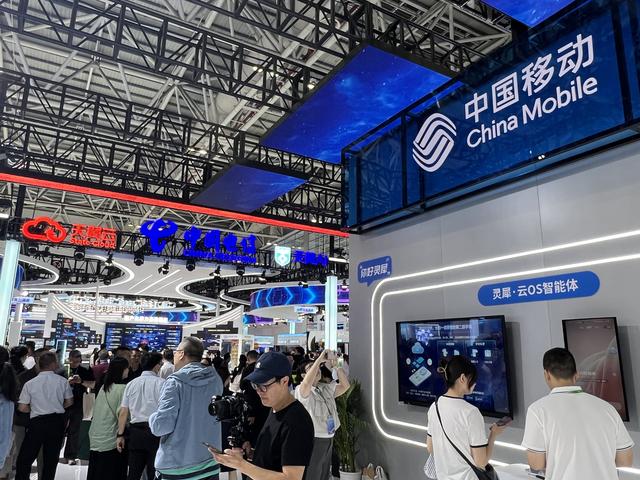
Core Insights - China Unicom announced an investment of 1.5 billion RMB in the Central Enterprise Strategic Emerging Industry Development Fund, acquiring a 2.94% stake [2][4] - The fund, initiated by the State-owned Assets Supervision and Administration Commission (SASAC), has a total size of 51 billion RMB and aims to support strategic emerging industries such as AI, new energy, and quantum technology [2][5] - The fund's investment period is set for 5 years, with a total management and exit period of 8 years, extendable to 15 years [2][5] Investment Strategy - The establishment of the fund aligns with China's economic development goals and the "14th Five-Year Plan," focusing on enhancing self-reliance in key technologies [3][5] - The fund aims to strengthen the industrial chain and promote the development of state-owned enterprises in strategic new industries [5][6] Participation of Major Telecom Operators - The three major telecom operators, including China Unicom, China Telecom, and China Mobile, are significant contributors to the fund, collectively holding nearly 21% of the fund's shares [7][9] - China Mobile's investment of 6 billion RMB gives it an 11.76% stake, making it the third-largest shareholder after China Guoxin and Beijing Financial Street Capital [7][9] Long-term Capital Support - The fund is designed to provide long-term capital support, differentiating itself from traditional short-cycle private equity and venture capital operations [5][6] - The involvement of state-owned enterprises in the fund is expected to enhance the speed of capacity and technology iteration in the industry [6][10] Focus on Emerging Technologies - The fund will prioritize investments in quantum technology, AI, and high-end equipment, aligning with the telecom operators' current investment strategies [10][11] - The integration of digital technology and green energy is also a focus area, supporting the operators' dual carbon goals [11][12] Transformation of Telecom Operators - The participation in the fund signifies a shift for telecom operators from traditional service providers to new information service providers, emphasizing the importance of capital in this transformation [12] - The fund is expected to accelerate the operators' layout in the "new quality productivity" sector, enhancing their capital evolution [12]



深市上市公司与国际投资者双向奔赴 AI投资机遇受关注
Shang Hai Zheng Quan Bao· 2025-11-07 19:10
Group 1 - The Shenzhen Stock Exchange hosted the "Investment in New Opportunities in China" event in Hong Kong, featuring a collective roadshow with 9 representative companies from sectors like AI and high-end manufacturing, engaging with nearly 30 international asset management and insurance institutions [1] - International investors expressed increased confidence in the A-share market and China's economic transformation through direct communication with company management, particularly regarding innovation in AI [1][2] - Companies such as Shenghong Technology, Lens Technology, BOE Technology Group, and others discussed their operational status and strategic layouts, with a focus on AI innovations [1] Group 2 - At Dazhu Laser, international investors learned about the company's AI-driven automation solutions and precision processing equipment, while at Lingyi Technology, they observed significant R&D investments in high-value AI terminal hardware [2] - Investors noted that Chinese companies' technological capabilities are underestimated, with A-share companies transitioning from price competition to value competition, enhancing their global innovation recognition [2] - Chinese firms are expanding into overseas emerging markets while deepening their domestic market presence, gaining high recognition from international institutions [2] Group 3 - Companies like Focus Media, Zhongchong Co., and Xinwanda showcased their globalization achievements, with Focus Media expanding to 11 countries and regions, deploying over 180,000 media devices [3] - Zhongchong Co. established a supply chain system with 22 pet food production bases globally, achieving stable revenue growth both domestically and internationally [3] - Xinwanda has set up 25 major production bases across various countries to meet global customer demands, reflecting a shift from "product export" to "brand export" [3] Group 4 - Overall, international investors are increasingly optimistic about the long-term prospects of Chinese companies and the A-share market, recognizing the global competitiveness of China's technological innovation [3] - The "14th Five-Year Plan" emphasizes technological self-reliance, shifting industrial policy focus from scale to productivity, which is expected to reshape the profitability landscape of A-share companies [3] - The potential for capital reallocation towards Chinese assets remains significant, given the relative undervaluation of Chinese stocks in the global market [3]
鑫元基金张峥青:政策与周期共振,科技投资进入新阶段
Zhong Guo Jing Ying Bao· 2025-11-07 13:20
Core Insights - The core idea of the article emphasizes the strategic importance of "technological self-reliance and strength" in China's 14th Five-Year Plan, indicating a strong focus on technological innovation as a key driver for economic development [1][2]. Policy and Market Opportunities - The A-share technology sector is expected to have significant potential due to the "14th Five-Year Plan" which aims to accelerate high-level technological self-reliance and lead the development of new productive forces [2]. - The government is set to provide continuous financial and resource support to sectors such as computing power, semiconductors, industrial automation, and green energy over the next decade, enhancing the growth and profitability expectations for the technology industry [2][3]. Impact of Global Interest Rate Changes - Changes in the global interest rate environment will affect technology companies through five main channels: 1. Discount rates and risk premiums will directly impact the valuation of growth-oriented technology companies, particularly in sectors like SaaS, cloud computing, and AI applications [3]. 2. Global liquidity and cross-border capital flows will influence the valuation of technology sectors in emerging markets, with lower interest rates improving liquidity and market focus on growth-oriented technology [3][4]. 3. Lower financing costs will benefit capital expenditures in technology firms, particularly in AI infrastructure investments [4]. 4. Currency fluctuations will affect profit margins for import-dependent technology manufacturers, improving cost structures during periods of a weaker dollar [4]. 5. Changes in risk appetite will drive shifts in investment styles, favoring high-growth technology stocks during periods of declining interest rates [4][5]. Identifying Policy Benefits and Risks - Investors should focus on performance and competitive advantages rather than merely chasing concepts, emphasizing the importance of matching valuation with profitability [6][8]. - The essence of valuation risk lies in the risk of realization, where short-term volatility in the technology sector often stems from market overestimation of growth expectations [6][8]. - A balanced investment approach is recommended, focusing on core assets with global competitiveness and innovation capabilities while being flexible in response to policy signals and market conditions [7][8]. Evaluating Valuation Risks - The technology sector's valuation is closely tied to market risk appetite and liquidity, with some segments experiencing short-term overheating and potential valuation bubbles [8][10]. - Investors should return to fundamentals, focusing on quantifiable performance indicators such as customer conversion rates, order visibility, and free cash flow [8][10]. Understanding Policy Dynamics - Distinguishing between long-term "institutional dividends" and short-term "emotional catalysts" is crucial for investors, as policies must be understood in terms of their transmission mechanisms and execution capabilities [9][10]. - The true value of policies is reflected in their long-term impact on industry data, such as fiscal spending and project approvals, rather than immediate market reactions [11].