
绿色低碳转型

Search documents
坚定不移以新发展理念引领高质量发展
Jing Ji Ri Bao· 2025-10-29 22:33
发展是解决我国一切问题的基础和关键。发展理念是否对头,从根本上决定着发展成效乃至成败。进入 新时代,我国经济已由高速增长阶段转向高质量发展阶段。面对深刻变化的国内外环境,以习近平同志 为核心的党中央审时度势,创造性提出创新、协调、绿色、开放、共享的新发展理念,这标志着我们党 对经济社会发展规律的认识达到了新的高度。 坚持创新发展、协调发展、绿色发展、开放发展、共享发展,是关系我国发展全局的一场深刻变革。党 的二十届四中全会强调"完整准确全面贯彻新发展理念""坚持以经济建设为中心,以推动高质量发展为 主题",并作出重要部署。更好推动"十五五"时期经济社会发展,必须坚定不移以新发展理念引领高质 量发展,以新质生产力激发新动能,以改革创新构建新型生产关系,以用好超大规模市场优势畅通国民 经济循环,在全面推进中国式现代化的新征程上赢得战略主动。 锻造发展新优势的成功实践 "十四五"时期是我国全面建成小康社会、实现第一个百年奋斗目标之后,乘势而上开启全面建设社会主 义现代化国家新征程、向第二个百年奋斗目标进军的第一个五年。5年来,全国上下勠力同心、攻坚克 难,完整准确全面贯彻新发展理念,推动经济社会发展取得历史性成就、 ...
新疆油田70年累计生产原油4.7亿吨
Zhong Guo Xin Wen Wang· 2025-10-29 20:37
中新社新疆克拉玛依10月29日电(苟继鹏)记者29日从中国石油新疆油田分公司(下称"新疆油田")获悉, 新疆油田70年来累计生产原油4.7亿吨、天然气1121亿立方米。 新疆油田还加强储气调峰设施建设,呼图壁储气库工作气量达到45亿立方米,日采气量最高超3500万立 方米,有力保障了西气东输管道稳定运行和新疆北部地区冬季供气安全。(完) 当日,新疆油田迎来勘探开发70周年。1955年10月29日,克拉玛依一号井喷出工业油流,新中国第一个 大油田——克拉玛依油田(新疆油田前身)诞生。70年来,新疆油田先后开发建成油气田37个,原油产量 连续24年稳产千万吨以上。 (文章来源:中国新闻网) 近年来,新疆油田围绕"稳油、增气、强新、降碳"综合性发展目标,坚持"做强油气优势主业、做大新 兴能源产业"两条主线,锚定高质量发展目标奋力前行。 一方面,油气勘探继续向深层、非常规领域拓展。准噶尔盆地南缘天然气、吉木萨尔页岩油、玛湖油田 扩边、二氧化碳气藏勘探等领域接连取得新发现。截至10月29日,中国首个国家级陆相页岩油示范区 ——新疆吉木萨尔页岩油示范区今年产量突破150万吨,创历史同期最高水平。 另一方面,绿色低碳转型全 ...
刷新两项世界纪录 全球最大26兆瓦级海上风电机组并网发电
Xin Lang Cai Jing· 2025-10-29 13:47
Core Viewpoint - The successful grid connection of China's self-developed 26 MW offshore wind turbine in Dongying, Shandong, sets new global records for both single-unit capacity and rotor diameter, marking a significant advancement in renewable energy technology [1] Group 1: Technological Achievements - The 26 MW offshore wind turbine features a hub height equivalent to over 50 stories and a rotor diameter exceeding 310 meters, with a swept area larger than 10.5 standard football fields, making it the largest in terms of single-unit capacity and rotor diameter globally [1] - The turbine is designed for medium to high wind speed marine environments, and under average wind speeds of 10 m/s, it can generate an annual output of 100 million kWh, sufficient to meet the annual electricity needs of 55,000 average households [1] Group 2: Environmental Impact - The operation of this wind turbine is projected to save over 30,000 tons of standard coal and reduce carbon dioxide emissions by more than 80,000 tons, contributing to China's green and low-carbon energy transition [1]
全国碳交易市场价格出现波动?生态环境部:短暂波动属正常
Nan Fang Du Shi Bao· 2025-10-29 10:05
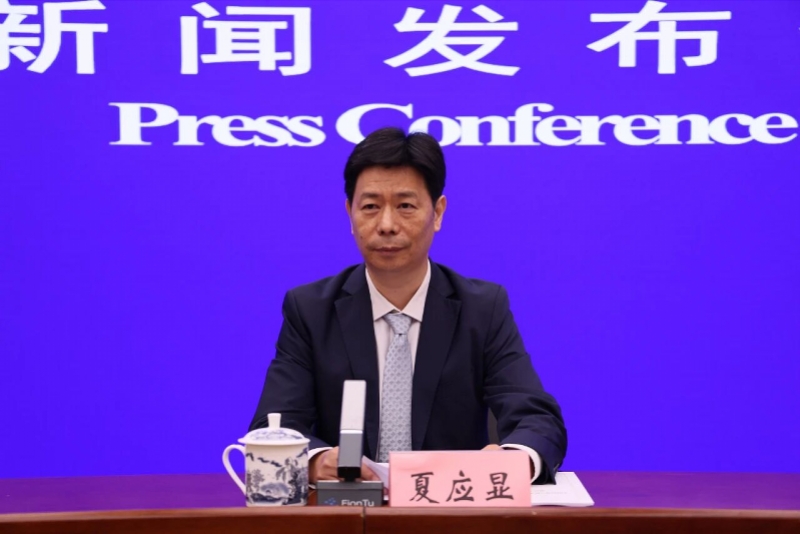
Core Viewpoint - The recent fluctuations in the national carbon emission trading market prices are normal and influenced by multiple factors such as supply-demand relationships, market expectations, trading behaviors, and market psychology [1][4]. Group 1: Market Expansion and Impact - The State Council approved the inclusion of the steel, cement, and aluminum smelting industries into the carbon emission trading market, marking a significant step in promoting green and low-carbon transformation in these sectors [3]. - The carbon market's expansion is expected to enhance emission reduction responsibilities for enterprises, transitioning from intensity control to total volume control during the 14th Five-Year Plan period, with a focus on stable carbon emission industries by 2027 [3][5]. Group 2: Low-Carbon Investment and Innovation - The carbon market has driven low-carbon investments and accelerated the innovation and promotion of green low-carbon technologies, with enterprises integrating carbon asset management into their daily operations [4]. - The carbon trading has reportedly reduced the overall emission reduction costs in the power generation sector by approximately 35 billion RMB during the first two compliance cycles, indicating a positive impact on cost-effectiveness in the newly included industries [4]. Group 3: Future Directions - The Ministry of Ecology and Environment plans to further expand the coverage of the carbon market, prioritize total volume control in stable carbon emission industries, and enhance the pricing function of the carbon market to reflect true emission reduction costs [5].

碳价短期波动怎么看?生态环境部回应
2 1 Shi Ji Jing Ji Bao Dao· 2025-10-29 09:51
Core Viewpoint - The recent fluctuations in the national carbon emissions trading market are normal and influenced by multiple factors, including supply and demand, market expectations, and trading behavior [3] Group 1: Carbon Market Developments - The Ministry of Ecology and Environment plans to expand the coverage of the carbon market, prioritizing total quota control in stable carbon emission industries by 2027 [4] - The inclusion of the steel, cement, and aluminum industries in the carbon market aims to enhance emission reduction responsibilities and support national greenhouse gas emission control goals [4][5] - The carbon market has already reduced overall emission reduction costs by approximately 35 billion RMB during the first two compliance periods, with further reductions expected as more industries participate [5][6] Group 2: CCER Market Progress - As of October 28, the voluntary greenhouse gas reduction trading market has registered 31 projects and achieved a cumulative transaction volume of 3.25 million tons of CCER, with a transaction value of 27 million RMB [7] - The CCER market is expanding its support to various projects, including afforestation carbon sinks and offshore wind power, with ongoing efforts to develop new methodologies [8] - Future efforts will focus on expanding market support areas, improving data quality supervision, and enhancing international cooperation to increase the carbon market's global influence [8]
这场大会,解码“十五五”石化行业高质量发展路径
2 1 Shi Ji Jing Ji Bao Dao· 2025-10-29 09:20
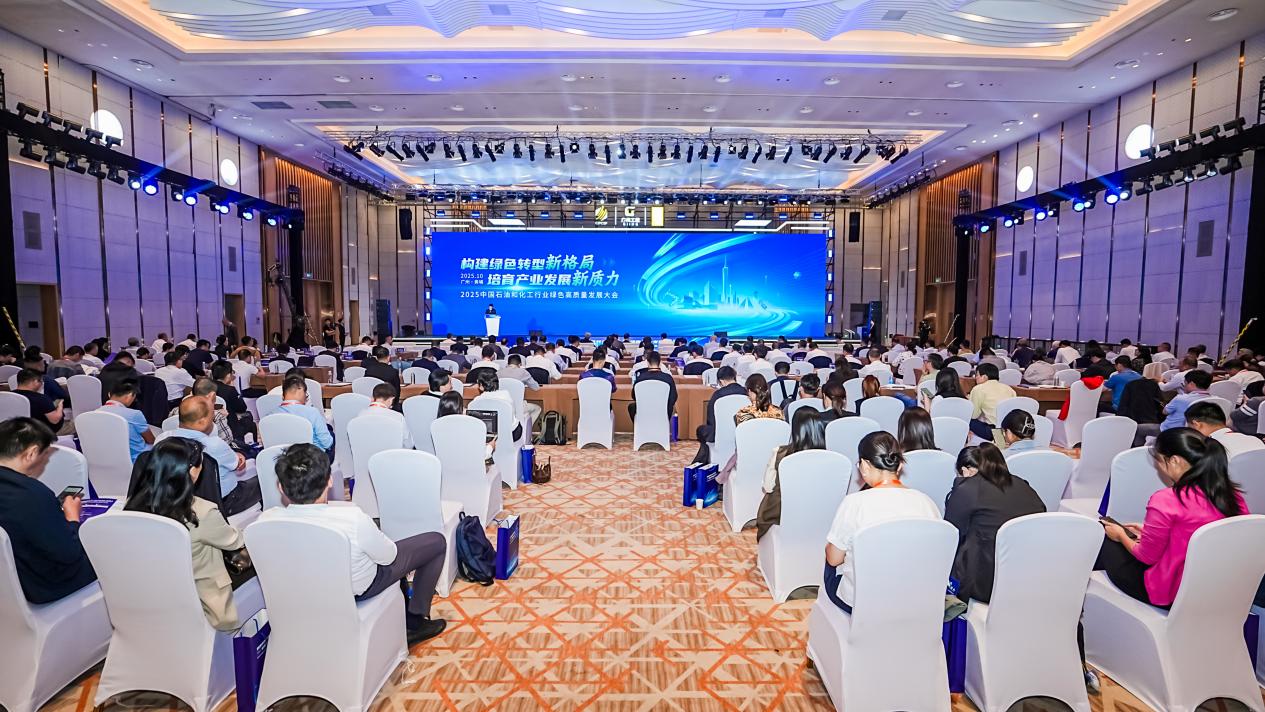
Core Insights - The 2025 China Petroleum and Chemical Industry Green High-Quality Development Conference was successfully held in Guangzhou, focusing on the theme of building a new pattern for green transformation and cultivating new quality power for industrial development [1] - The conference gathered over 600 representatives from government agencies, industry associations, leading enterprises, and academic institutions to explore the comprehensive green transformation and high-quality development paths for the petrochemical industry during the 14th Five-Year Plan period [1][2] Group 1: Industry Development Direction - The 20th Central Committee's Fourth Plenary Session emphasized the need to focus economic development on the real economy, with a direction towards intelligent, green, and integrated development for the petroleum and chemical industry [2] - The main theme for the petrochemical industry during the 14th Five-Year Plan is to optimize capacity structure, with core development paths including high-end, internationalization, and avoiding "involution" [14] Group 2: Technological and Ecological Initiatives - Guangzhou Industrial Control Group has established seven national-level green factories and is working on key technologies such as electronic special gases and carbon dioxide, aiming to create a cluster-style green manufacturing matrix [5] - The Ministry of Ecology and Environment highlighted the importance of managing new pollutants and accelerating the green substitution of toxic and harmful substances as a critical mission for the petrochemical industry [8] Group 3: Collaborative Efforts and Strategic Partnerships - A strategic cooperation agreement was signed between Guangzhou Industrial Control Group and the China Petroleum and Chemical Industry Federation to deepen collaboration in industrial synergy, technological innovation, and green development [19] - The conference also released significant outcomes, including typical case practices, industry blue papers, and ESG evaluation reports, providing essential data support and practical references for the industry's green development [19] Group 4: Future Outlook and Forums - The conference included discussions on the development paths for green petrochemicals and new materials, with a focus on transforming the industry from "scale expansion" to "value enhancement" [19] - Following the conference, several parallel forums will be held, covering topics such as green innovation in new materials, safety and emergency industry development, ESG investment, and sustainable development [19]
环境部:到2027年碳市场基本覆盖工业领域主要排放行业
Di Yi Cai Jing· 2025-10-29 07:15
Core Points - The national carbon emissions trading market will gradually shift from intensity control to total control during the "14th Five-Year Plan" period, with a goal to cover major industrial emission sectors by 2027 [1][2] - The Ministry of Ecology and Environment aims to expand the coverage of the national carbon emissions trading market and implement total quota control and paid allocation [1][2] - The inclusion of the steel, cement, and aluminum industries in the carbon emissions trading market is expected to enhance corporate responsibility for emissions reduction [2][4] Summary by Sections Carbon Market Development - The central government has issued its first document on carbon market construction, demonstrating a strong commitment to addressing climate change [1] - The Ministry of Ecology and Environment will accelerate the establishment of the national carbon market and expand its coverage to major emission industries by 2027 [1][2] Voluntary Emission Reduction Market - The development of a voluntary emission reduction trading market is being expedited, with a focus on creating a comprehensive methodological system to support social voluntary reductions [2][5] - As of October 28, the voluntary emission reduction trading market has registered 31 projects and achieved a total transaction volume of 3.25 million tons, with a transaction value of 270 million yuan [5] Industry Impact - Since the launch of the national carbon market, the power generation sector has established internal carbon management systems, leading to reduced emissions costs by approximately 35 billion yuan during the first two compliance periods [4] - The diversification of industry participants following the inclusion of steel, cement, and aluminum is expected to facilitate cross-industry resource allocation and lower overall emissions reduction costs [4]
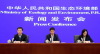
生态环境部:将加快推进全国碳市场建设
Xin Hua Cai Jing· 2025-10-29 06:23
Core Viewpoint - The Ministry of Ecology and Environment of China is advancing the construction of a national carbon market, focusing on green and low-carbon transformation as outlined in the recent policy directives [1]. Group 1: National Carbon Market Development - The national carbon emissions trading market will expand its coverage to include major emission industries in the industrial sector by 2027 [1]. - A total quota control and paid allocation system will be implemented, transitioning from intensity control to total control based on national greenhouse gas emission targets [1]. - The allocation of quotas will gradually shift towards a higher proportion of paid distribution, combining free and paid methods [1]. Group 2: Quota Management and Pricing - There will be a gradual tightening of quotas to enhance their scarcity, which will help carbon prices more accurately reflect the costs of emissions reduction in China [1]. - This approach aims to provide clearer price signals for optimizing key industries and facilitating green and low-carbon transformation [1]. Group 3: Voluntary Emission Reduction Market - The construction of a voluntary emission reduction trading market will be accelerated, with a focus on developing a comprehensive methodological system to support social voluntary reductions [1]. - The initiative aligns with the ecological value transformation of the "Two Mountains" concept [1]. Group 4: Market Vitality and Financial Products - Efforts will be made to enhance the vitality of the national carbon market by exploring and developing green financial products and services related to carbon emissions rights and certified voluntary reductions [1]. - The aim is to diversify the types and numbers of trading entities and strengthen market transaction supervision [1].
霍尼韦尔能源与可持续技术集团中国副总裁兼总经理孙建能:与中国合作伙伴共同探索绿色发展新路径
Zhong Guo Jing Ji Wang· 2025-10-29 05:20
Core Viewpoint - The advantages of China's market, including its scale, resilience, and innovative vitality, provide a solid foundation for multinational companies to develop in China, with Honeywell expressing confidence in its continued growth in the region [1][2]. Group 1: Market Opportunities - Honeywell's Vice President emphasized that China is a crucial market due to its large scale and as a significant source of global technological innovation [1]. - In 2024, China's energy transition investment is projected to reach $818 billion, accounting for 39% of global investments in this area, demonstrating the country's commitment to energy transition [1]. - The company noted that China's carbon dioxide emissions per unit of GDP are expected to decrease by approximately 3.9% in 2024, indicating progress in energy transition [1]. Group 2: Sustainable Development Initiatives - Honeywell's new product development is directed towards sustainability, with about 60% of its R&D investments focused on this area [2]. - The company aims to explore new paths for sustainable development, addressing core needs for large-scale and localized solutions under the "14th Five-Year Plan" [2]. - Honeywell is committed to not only new projects but also to deepening its involvement in traditional markets, given China's substantial refining capacity of approximately 1 billion tons [2]. Group 3: Technological Innovation and Collaboration - Honeywell positions itself as a trusted technology enabler and a deep participant in local innovation, tailoring business solutions based on customer needs [3]. - The company integrates emerging technologies such as digitalization and artificial intelligence to assist clients in optimizing the full lifecycle of new installations [3]. - Looking ahead, Honeywell is committed to long-term engagement in China, focusing on technology and innovation to explore new paths for green development [3].

中金资本等在榆林成立绿色低碳转型股权投资基金
Zheng Quan Shi Bao Wang· 2025-10-29 03:16
人民财讯10月29日电,企查查APP显示,近日,中金榆能(榆林)绿色低碳转型股权投资基金合伙企业(有 限合伙)成立,出资额5亿元,经营范围包含:以私募基金从事股权投资、投资管理、资产管理等活动; 以自有资金从事投资活动。企查查股权穿透显示,该公司由陕西榆林能源集团有限公司、中金资本运营 有限公司共同持股。 ...