
贸易保护主义

Search documents
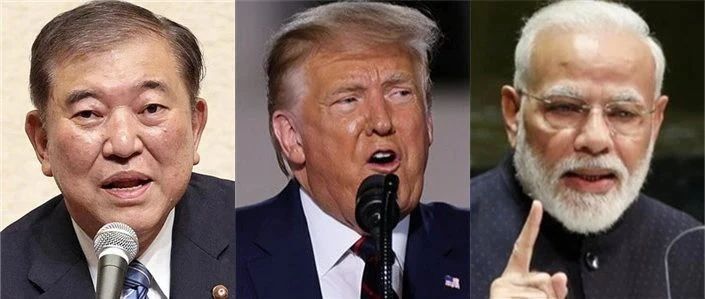
石破茂、莫迪,强硬回应特朗普
第一财经· 2025-08-08 02:43
2025.08. 08 本文字数:1403,阅读时长大约2分钟 据新华社,美国政府此前公布的经过调整的"对等关税"于7日生效。美数十个贸易伙伴将被征收10%至41%不等的关税,其中日本的税率为15%。美 国总统特朗普6日签署行政令,以印度"以直接或间接方式进口俄罗斯石油"为由,对印度输美产品征收额外的25%关税。 面对美国的关税大棒,日本首相石破茂表示,美方没有落实此前达成的协议内容并"强烈要求美方立即采取措施修正总统行政令";印度总理莫迪表 示,尽管不答应美方条件会付出代价,印度不会因此牺牲国内产业利益。 报道说,美方此前在谈判中承诺,日本在被加征"对等关税"时可获得"税收减轻",即日本输美商品税率已达15%以上的商品不再加征"对等关税",税 率低于15%的商品税率提高至15%。 石破茂表示,在这一点上"日美之间不存在分歧",目前正在美国访问的经济再生大臣赤泽亮正已重新确认了协议内容。 日方认为,由于美国在此前发布的官方公告中未提及对日本的关税细则,导致部分日本商品可能被征收更高关税。 莫迪:不会牺牲国内利益 莫迪7日在新德里表示,尽管不答应美方条件会付出代价,但印度不会因此牺牲国内农业、乳业和渔业利益,因 ...

国际观察丨美“对等关税”生效 经济讹诈遭各国反对
Xin Hua Wang· 2025-08-08 01:40
Core Viewpoint - The U.S. government's recently implemented "reciprocal tariffs" have sparked significant international criticism, as they are perceived as a means of economic coercion that undermines global trade systems and could lead to U.S. isolation [1][12][15] Trade Agreements - The U.S. has reached trade agreements with several countries, including the UK, Vietnam, Indonesia, the Philippines, Japan, the EU, and South Korea, primarily aimed at maximizing U.S. interests through political and economic pressure [2][4] - The tariffs imposed on most trade partners range from 10% to 41%, with many products facing tariffs exceeding 15%, while U.S. goods often enjoy lower or no tariffs [4][11] Economic Impact - The agreements are seen as favoring U.S. interests, with Japan committing to invest $550 billion in the U.S., from which the U.S. claims it will receive 90% of the profits, raising concerns about the fairness of profit distribution [4][8] - The EU is expected to purchase $750 billion worth of energy products from the U.S. by 2028, but analysts question the feasibility of this target given current energy supply constraints [8] Criticism of U.S. Policies - Observers have noted that the agreements lack clarity and contain vague terms, leading to uncertainty in execution and potential escalation of trade tensions [7][12] - Critics, including European leaders, argue that the U.S. approach represents economic colonialism, damaging both global economic stability and U.S. interests in the long run [12][15] Global Trade Dynamics - The U.S. tariffs and trade policies are prompting countries to seek closer trade relationships with each other, moving away from reliance on the U.S. This includes the EU strengthening ties with Canada, India, and South Africa [15] - The U.S. is perceived to be underestimating the negative impacts of its tariff policies on its own businesses and consumers, potentially leading to a weakened global trade system [15]

外媒:莫迪与卢拉通话,讨论特朗普政府单方面关税措施
Huan Qiu Wang· 2025-08-08 01:01
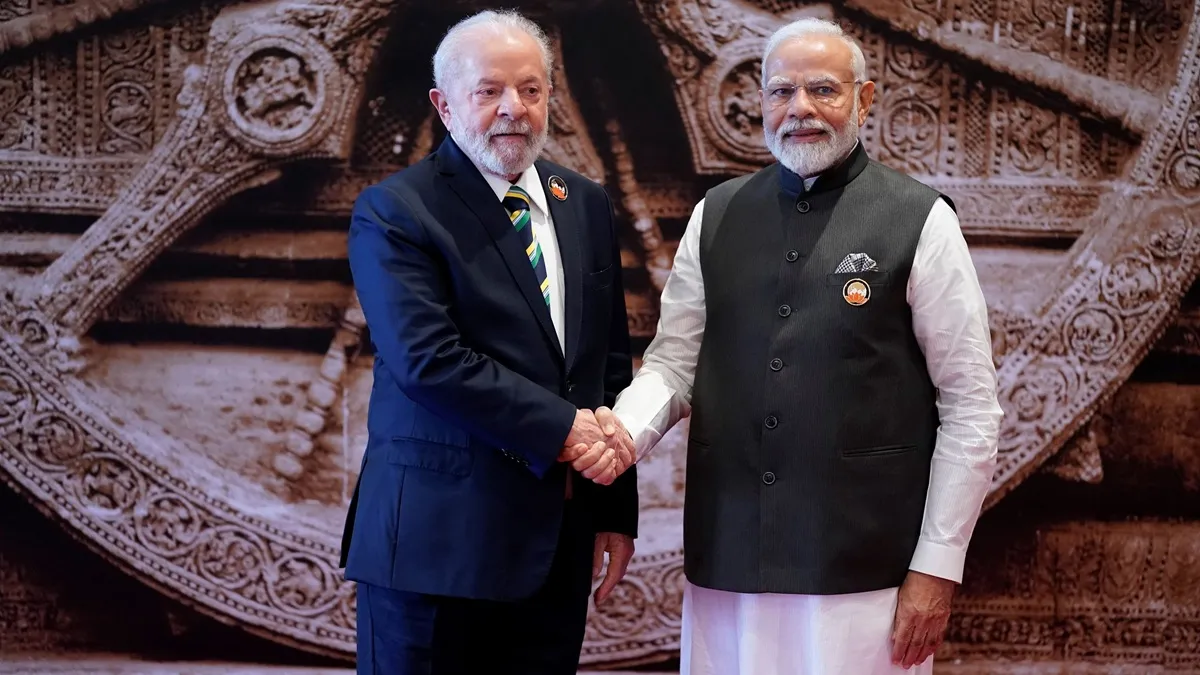
据报道,巴西总统办公室表示,"两国领导人讨论了国际经济形势及单方面关税的实施。截至目前,巴西和印度是受影响最严重的两个国家。我们确认了捍 卫多边主义的重要性。"双方还在通话中就提高双边贸易额达成共识,并确认卢拉将于2026年初对印度进行国事访问。 莫迪则在社交媒体上发文称,"我与卢拉总统进行了良好的对话……我们致力于深化我们的战略伙伴关系。"路透社称,印度总理办公室在声明中未明确提及 特朗普或美国关税,但印度已开始释放信号,可能寻求重新衡量其全球伙伴关系,以应对特朗普政府对印度商品加征关税的措施。报道称,莫迪正准备进行 其七年来的首次访华,这可能预示着在与美国紧张关系加剧的背景下,印度外交政策将出现调整。 报道提到,在莫迪与卢拉通话前,卢拉在接受路透社采访时表示,他计划与金砖国家其他领导人通话,讨论对美关税应对措施。卢拉还称,他认为目前没有 与美国总统特朗普进行直接谈判的空间,因为那很可能意味着"自取其辱"。 【环球网报道】据路透社报道,印度总理莫迪和巴西总统卢拉8月7日举行电话会谈,两人讨论了包括美国关税等一系列议题。 6日,美国将对巴西的关税也上调至50%,与印度同处其全球最高关税国家之列。特朗普此前将对 ...
印方表示美加征关税将严重扰乱印美贸易
Xin Hua She· 2025-08-07 14:25
埃姆凯全球金融服务公司经济学家玛达维·阿罗拉说:"在如此令人讨厌的关税税率下,两国间的贸易实 际上将'死去'。" 这一行政令颁布后,印度政府随即发布声明称,美方对印度加征关税的做法"不公平、不公正、不合 理",印度将"采取一切必要行动"维护国家利益。印度已经明确了在购买俄罗斯石油问题上的立场,即 进口是基于市场因素,整体目标是确保印度能源安全。美国因此选择对印度输美产品额外征收关税让印 度方面"非常遗憾"。 目前,美国对印度输美产品的关税税率累计已高达50%。印度各界人士表示,美国对印度加征关税将严 重扰乱印美贸易。 印度前贸易官员阿贾伊·斯里瓦斯塔瓦表示,最新加征的关税将使印度成为受美国关税影响最严重的贸 易伙伴之一,预计印度"对美出口有可能减少约40%至50%"。 印度出口组织联合会总干事阿贾伊·萨海表示,美国最新举措对印度公司来说是一个"严重挫折",因为 目前诸多订单已被搁置,"这一额外打击可能会使出口商失去长期客户"。 新华社北京8月7日电印度总理莫迪7日在新德里表示,尽管不答应美方条件会付出代价,但印度不会因 此牺牲国内农业、乳业和渔业利益,因为印度农民利益"至关重要"。此前,印美双方在贸易谈判中一 ...
特朗普关税即将正式生效 全球经济的考验才刚刚开始
Hua Er Jie Jian Wen· 2025-08-07 14:18
Core Viewpoint - The aggressive trade policy initiated by the Trump administration is pushing the U.S. into a new phase of protectionism, creating significant uncertainty for the global economy and raising concerns about inflation and financial market impacts [1] Group 1: Tariff Implementation and Economic Impact - The new tariff policy has raised the average tariff rate in the U.S. from 2.3% last year to an alarming 15.2% [1] - The new tariffs will take effect on August 7, with specific rates for listed countries and a general rate of 10% for others, while goods circumventing tariffs through third-party countries will incur a 40% transfer tax [1] - Financial analysts from major institutions like Morgan Stanley and Deutsche Bank have warned that the S&P 500 index may face short-term declines in the coming weeks or months due to these changes [2] Group 2: Global Supply Chain and Negotiations - The announcement of new tariffs has created ongoing uncertainty in global supply chains, with many countries accepting the reality of high tariffs for the long term [3] - Key details regarding tariff exemptions for the automotive industry in the EU, Japan, and South Korea remain unresolved, contributing to continued uncertainty [4] - Countries like Switzerland have failed to negotiate lower tariffs, and additional tariffs have been imposed on goods from India in response to its oil imports from Russia [4] Group 3: Economic Indicators and Future Outlook - Recent economic data indicates a significant downward revision in U.S. job growth, with consumer spending slowing and economic growth decelerating in the first half of the year [5] - Experts warn that while the current low unemployment rate and stable prices may not reflect immediate inflation, rising prices are likely as companies can no longer absorb increased costs [6] - The contradiction between rising tariff revenues and the goal of revitalizing domestic manufacturing raises questions about the long-term viability of the Trump administration's trade agenda [7]
综述|印方表示美加征关税将严重扰乱印美贸易
Xin Hua She· 2025-08-07 14:06
新华社北京8月7日电 综述|印方表示美加征关税将严重扰乱印美贸易 新华社记者 埃姆凯全球金融服务公司经济学家玛达维·阿罗拉说:"在如此令人讨厌的关税税率下,两国间的贸易实 际上将'死去'。" 住房开发金融公司银行的莎克希·格普塔表示,对美货物出口量大幅下降,可能会导致印度今年经济增 速低于6%,不及印央行预测的6.5%。 印度总理莫迪7日在新德里表示,尽管不答应美方条件会付出代价,但印度不会因此牺牲国内农业、乳 业和渔业利益,因为印度农民利益"至关重要"。此前,印美双方在贸易谈判中一直在农产品及进口俄罗 斯石油问题上无法达成一致。 此外,特朗普威胁对医药产品加征关税也可能对印度造成重大打击。医药行业是印度对美出口前三大行 业之一。根据印度商务部数据,2024至2025年度印度医药出口额超过105亿美元。 外界普遍认为,这是莫迪在美国对印度新一轮加征关税措施后首次直接回应。美国总统特朗普6日签署 行政令,以印度"以直接或间接方式进口俄罗斯石油"为由,对印度输美产品征收额外的25%关税。 这一行政令颁布后,印度政府随即发布声明称,美方对印度加征关税的做法"不公平、不公正、不合 理",印度将"采取一切必要行动"维护 ...
美“对等关税”生效 经济讹诈遭各国反对
Xin Hua She· 2025-08-07 13:58
Core Viewpoint - The U.S. government has implemented adjusted "reciprocal tariffs" that impose tariffs ranging from 10% to 41% on numerous trade partners, leading to significant international criticism and concerns about the implications for global trade dynamics [1][2]. Group 1: Trade Agreements and Tariffs - The U.S. has reached trade agreements with countries including the UK, Vietnam, Indonesia, the Philippines, Japan, the EU, and South Korea, primarily aimed at maximizing U.S. interests through political coercion and economic extortion [2]. - Most trade partners face tariffs exceeding 15% on exports to the U.S., while they are unable to impose equivalent tariffs on U.S. imports, with the U.S.-EU agreement imposing a 15% tariff on EU goods, significantly higher than the previous average of less than 5% [2]. - The agreements compel trade partners to open their markets to U.S. products while the U.S. maintains higher tariffs, exemplified by Japan's commitment to open its automotive and agricultural markets [2]. Group 2: Investment and Profit Distribution - The U.S. aims to direct capital flows towards itself, with Japan promising $550 billion in investments, of which the U.S. claims it will receive 90% of the profits, raising concerns about the fairness of profit distribution [2]. - The EU is expected to purchase $750 billion worth of energy products from the U.S. and increase investments by $600 billion, which critics argue undermines European interests and economic prospects [2]. Group 3: Economic Impact and Criticism - The trade agreements have sparked significant criticism within partner countries, with concerns that the U.S. is establishing an economic colonial system that could harm the global economy and isolate the U.S. itself [6][7]. - European leaders have expressed dissatisfaction with the agreements, indicating that they could severely impact economic growth and increase inflation in the U.S. [6][7]. - Observers note that the agreements are framework agreements with vague terms and unilateral enforcement mechanisms, leading to uncertainty about their sustainability and potential for escalating trade tensions [4]. Group 4: Global Trade Dynamics - The U.S. approach is prompting trade partners to seek closer ties with each other, as evidenced by the EU's efforts to strengthen trade relations with the UK, Canada, India, and South Africa, moving away from reliance on the U.S. [7]. - The U.S. government's tariff policies are seen as undermining the World Trade Organization and global trade systems, potentially leading to the U.S. becoming isolated and marginalized [7].
被美国加征50%关税,莫迪首度回应
Mei Ri Jing Ji Xin Wen· 2025-08-07 13:25
每日经济新闻消息,据参考消息援引路透社报道,在美国总统特朗普宣布对印度输美产品加征50%关税 后,印度总理莫迪在8月7日首次发表讲话予以回应。莫迪表示,即使为此付出沉重代价,他也不会损害印 度农民的利益。 声明指出,美国近日将矛头指向印度从俄罗斯进口的石油,印度已经明确表明了在此问题上的立场。印度 的进口基于市场因素,总体目标是确保印度14亿人民的能源安全。 声明重申,美国选择对印度征收额外关税是不公平、不公正、不合理的,印度将采取一切必要行动来保护 国家利益。 原标题:被美国加征50%关税,莫迪首度回应!印度官员:普京将访问印度 莫迪表示,印度政府的首要任务包括保障农民福利、保护小型产业等。据报道,美印双方近期举行多轮贸 易谈判,但印度一直拒绝给予美国农业和乳业关税优惠,而这是美国在谈判中提出的关键要求。 此外,莫迪还发起推广印度"国货"的倡议。 另外,当地时间8月7日,印度总理顾问在与俄罗斯联邦安全会议秘书绍伊古会晤时表示,当前印度与俄罗 斯建立了高度互信的战略伙伴关系,印方对此非常珍视并很高兴获悉普京总统计划于8月底对印度进行访 问。 8月6日,白宫称,美国总统特朗普签署行政命令,对来自印度的商品加征2 ...

美国“对等关税”今日生效,多方反对
Sou Hu Cai Jing· 2025-08-07 12:55
Core Points - The U.S. has implemented tariffs on multiple trade partners, with rates ranging from 10% to 41% [2][4] - Significant opposition from various countries has emerged, with many seeking to protect their interests against U.S. tariff policies [7][8] Tariff Implementation - The tariffs, effective from August 7, include high rates such as 40% for Laos and Myanmar, 39% for Switzerland, and 15% for several other countries including Israel and Japan [2][4] - Specific exemptions apply, such as for Brazilian products like aircraft and nuts, which will not face the increased tariffs [4] Economic Impact - The high tariffs are expected to severely impact export-driven industries, particularly in Switzerland and Italy, with Italy's GDP projected to decline by 0.2% due to increased tariffs on key sectors [5][8] - Japan's automotive sector is also feeling the strain, with a reported 20% drop in export prices since April [6] International Response - Countries like Brazil are actively seeking to challenge U.S. tariffs through the World Trade Organization, indicating a willingness to defend their trade rights [7] - There is a growing sentiment among nations to form tighter trade alliances in response to U.S. policies, with reports of the EU strengthening ties with countries like Canada and India [9] Geopolitical Considerations - The EU's trade negotiations with the U.S. are influenced by geopolitical security concerns, leading to perceived concessions that some member states view as a form of surrender [6][8] - Analysts suggest that the U.S. tariff strategy may ultimately harm its own economic interests and lead to increased isolation on the global stage [7][9]
菲消费增速或放缓
Shang Wu Bu Wang Zhan· 2025-08-07 08:13
Core Insights - Despite facing macroeconomic and geopolitical risks, consumer spending in the Philippines is expected to continue growing over the next two years, although at a slower pace [1] Group 1: Consumer Spending Forecast - The report predicts that the real household consumption growth rate in the Philippines will reach 5.0% in 2024 and slow down to 4.5% in 2025 [1] - By 2025, the total household consumption is expected to increase to 13.1 trillion pesos, calculated at 2010 prices [1] Group 2: Economic Influences - Inflationary pressures and high debt levels may suppress consumption, but a tight labor market is expected to support residents' purchasing power [1] - The report warns that economic risks in major remittance-sending countries like the US and Europe could impact remittance income, while high household debt and low consumer confidence may also constrain consumption potential [1] Group 3: Future Projections - The inflation rate is expected to decline to 2.2% by 2025, but the peso may depreciate to 58 pesos per US dollar [1] - Consumer spending growth in the Philippines is projected to rebound to 6.0% in 2026, although global risks such as trade protectionism and supply chain disruptions remain uncertain [1]