农旅融合

Search documents
稻谷黄、辣椒红 希望的田野上铺展多彩画卷 奏响丰收“欢歌”
Yang Shi Wang· 2025-09-18 08:29
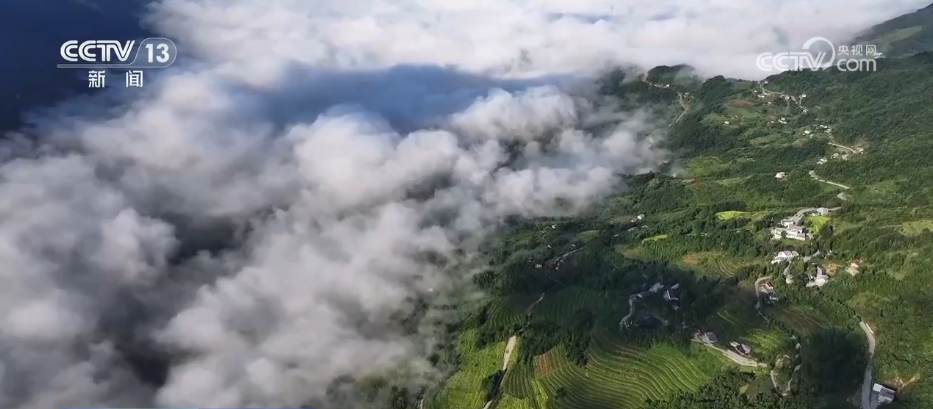
央视网消息:金秋时节,位于秦巴山区的世界灌溉工程遗产——凤堰梯田的万亩水稻陆续成熟。丰收季,当地还通过发展农旅融合助力乡 村振兴。 秋高气爽,位于陕西汉阴的凤堰梯田迎来丰收季。层层叠叠的梯田上,稻穗低垂、金黄遍野,农户们穿梭其间收割水稻,一幅忙碌而喜悦 的丰收画卷。今年凤堰梯田水稻种植面积1.2万亩,亩产量超过450公斤,目前收割工作正有序推进,预计将于9月底全面完成。 汉阴凤堰梯田是秦巴山区考古发现的面积最大、保存最完整的古代梯田,2024年9月成功入选世界灌溉工程遗产。为保护梯田原貌和灌溉 系统,这里仍保持人工收割和小型打谷机脱粒。今年8月建成的富硒大米加工企业,通过统一收购、加工和包装,进一步提升了大米的附加值 和品牌影响力。凤堰梯田已形成"水稻种植+加工销售+旅游观光"产业链,既保障了粮食生产,又激活了乡村旅游,成为乡村振兴中农旅融合 发展的生动实践。 农家乐经营者称,前几天,她们还接待了两辆大巴车,都是爱好摄影的游客来拍照。稻谷熟了,她一发朋友圈,就有很多游客订大米,大 米品质很好,游客走的时候都会带一些回家跟朋友们分享。 这段时间,江西1200多万亩中稻陆续开镰收割,各地通过优化种植管理和技术扶持 ...

协同发展谱新篇|建好“菜园子” 丰盈“菜篮子” 衡水桃城区高品质果蔬产业蓬勃发展
Zhong Guo Xin Wen Wang· 2025-09-12 08:18
Core Insights - The article highlights the efforts of Hengshui City, specifically in the Peach District, to develop a high-quality fruit and vegetable industry through various initiatives and policies aimed at enhancing competitiveness and market access [1][2][3][4][5] Group 1: Industry Development Initiatives - The Peach District has established a high-quality fruit and vegetable industry demonstration zone, enhancing production capabilities and entering major markets like Beijing and Tianjin [1][2] - Over the past three years, the district has constructed 288 acres of new fruit and vegetable facilities and upgraded 2,915 acres, with a projected total production of 233,420 tons by 2025 [1][3] - The district is focusing on cultivating leading enterprises, such as the establishment of a 100,000-ton prepared food processing base by Xin Yaxuan Food (Hebei) Co., Ltd [2] Group 2: Brand and Market Strategy - The district has implemented a brand-building project, achieving 21 valid "two products and one standard" agricultural products and registering 10 trademarks for fruit and vegetable products [2][3] - A direct supply model combined with cold chain logistics and marketing through exhibitions has been adopted to facilitate the efficient supply of quality products to Beijing [2] Group 3: Policy Support and Financial Assistance - The district has introduced six policies to provide financial support for the high-quality fruit and vegetable industry, including subsidies for eligible producers and cooperative entities [3][4] - A total of 230,000 yuan has been allocated for vegetable industry loan interest subsidies, benefiting five operational entities since 2023 [3] Group 4: Technological Advancements - The district emphasizes technology as a driving force for industry transformation, collaborating with agricultural universities and research institutions on various projects [4][5] - Training programs for high-quality farmers have been conducted, resulting in 584 trained individuals, enhancing the skill set within the agricultural workforce [5] Group 5: Environmental and Quality Improvements - The district is focusing on improving the ecological environment of orchards and enhancing product quality through innovative agricultural practices [5] - The implementation of water-saving irrigation projects has covered 1,000 acres, contributing to sustainable agricultural practices [4]
三亚藤桥河滋养着红旗社区,又见证着时代变迁
Hai Nan Ri Bao· 2025-09-12 02:02
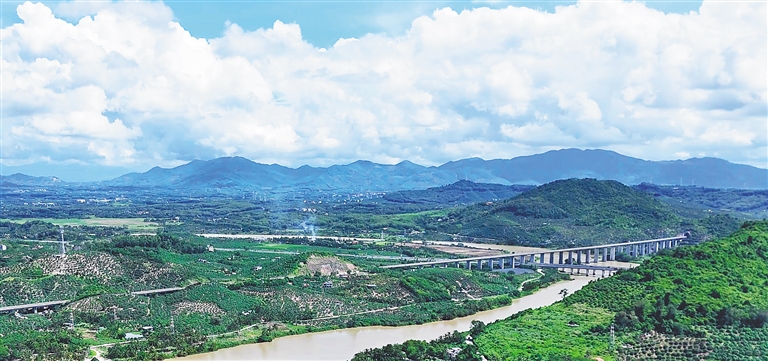
Core Viewpoint - The article highlights the transformation of the Tiejiao River and the Hongqi community in Sanya, showcasing its historical significance and current developments that reflect both cultural heritage and economic opportunities [1]. Historical Significance - The Tiejiao River has been a vital source of life and memory for generations in the Hongqi community, providing food and water during times of scarcity [4][5]. - The river's historical role as a lifeline is emphasized through personal anecdotes, illustrating its importance in the daily lives of the community members [4][5]. Infrastructure Development - The article notes the transition from a dangerous makeshift bridge to a sturdy concrete bridge, improving safety and connectivity for the community [5]. - The introduction of high-speed rail infrastructure has further integrated the once-remote community with broader economic opportunities [6]. Economic Opportunities - The Tiejiao River has evolved from merely sustaining life to becoming a source of economic prosperity, particularly through the cultivation of high-quality coix seeds, which have become a key local industry [6]. - The community is actively developing agritourism, leveraging the scenic beauty of the river and surrounding farmland to attract visitors [6]. Ecological Restoration - The article discusses the ecological challenges faced by the Tiejiao River due to urbanization and industrial activities, prompting community-led initiatives for ecological restoration [8]. - Plans for an ecological corridor along the river aim to restore its natural beauty and health, ensuring it continues to serve as a vital ecological resource [8].
湖北五峰:一湾清水“润”茶乡
Zhong Guo Xin Wen Wang· 2025-09-04 11:41
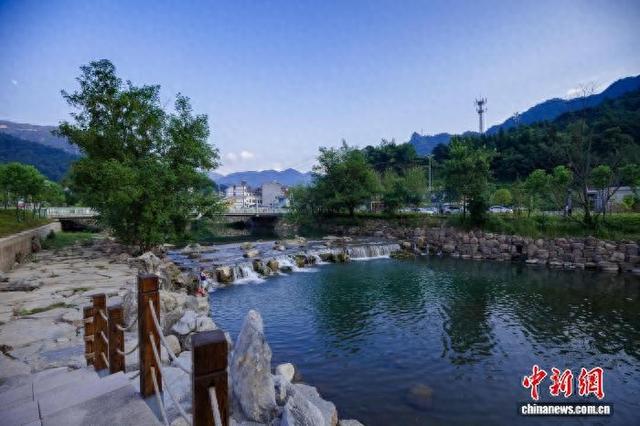
Core Viewpoint - The article highlights the ecological restoration and sustainable development efforts in Wufeng County, Hubei, particularly focusing on the improvement of the Yuyang River and its impact on local tea culture and tourism [1][6]. Group 1: Ecological Restoration Efforts - Wufeng County has implemented a multi-departmental collaborative governance mechanism to promote ecological protection, green development, and improvement of livelihoods [3][6]. - The Yuyang River, which flows 37.6 kilometers through Wufeng, faced water quality issues, dropping to Class IV due to increased wastewater from population growth and industrial activities after the county seat was relocated in 2015 [3][6]. - The county has successfully eliminated 420,000 tons of excess coal production capacity and achieved a "zero" status for chemical enterprises, significantly improving the river's ecological condition [3][6]. Group 2: Infrastructure and Water Quality Improvement - Several ecological restoration infrastructure projects, including the Yangtze River protection and the Moxi Chong watershed restoration, have been initiated, resulting in the treatment capacity of sewage plants increasing to 20,000 tons per day [6][8]. - As of September this year, the ecological flow compliance rate for 13 hydropower stations in the Yuyang River basin reached 100%, and the water quality stabilized at Class II [6][8]. Group 3: Integration of Tea Industry and Tourism - Wufeng is recognized as "China's Famous Tea Town," and the tea industry is a key pillar of the local economy. The integration of water ecology, tea culture, and Tujia culture is being promoted to enhance agricultural and tourism development [6][8]. - A tea cultural tourism complex, developed by returning youth, has become a popular destination, expected to provide over 40,000 yuan in annual dividends to around 20 local households [6][8]. Group 4: Future Plans - Wufeng County plans to continue its ecological restoration and long-term management efforts in the Yuyang River basin, ensuring stable water quality to support the integration of tea culture and tourism [8].
各地多维度发力 多元探索绘就乡村振兴新画卷
Xin Hua She· 2025-09-04 03:24
Group 1 - Various regions are actively exploring new paths for rural revitalization based on their unique circumstances, focusing on traditional farming, cultural tourism, and ecological protection [2][21] - The integration of digital technology in irrigation systems is enhancing agricultural efficiency, with the establishment of a comprehensive digital monitoring network in the Jiangnan irrigation area [6][9] - The promotion of high-quality agricultural varieties and the integration of agriculture and tourism are key strategies for revitalizing the oilseed industry in Shanxi Province [16][19] Group 2 - Local communities are leveraging their unique resources and advantages to drive rural revitalization, emphasizing the importance of technology, culture, and ecology [21][22] - The establishment of community-based initiatives, such as the "Village BA" basketball league, is fostering local engagement and vitality in rural areas [8][9] - The development of eco-tourism, particularly through birdwatching, is creating new economic opportunities for villagers in Yunnan Province [10][14]
三江“三变”村色新|一江碧水向东流
Chang Sha Wan Bao· 2025-08-31 14:46
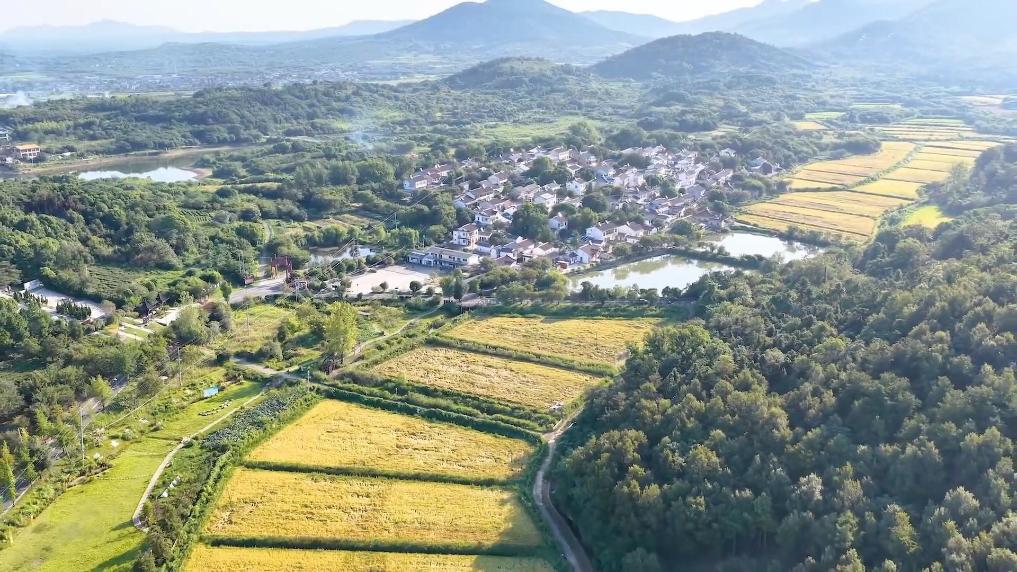
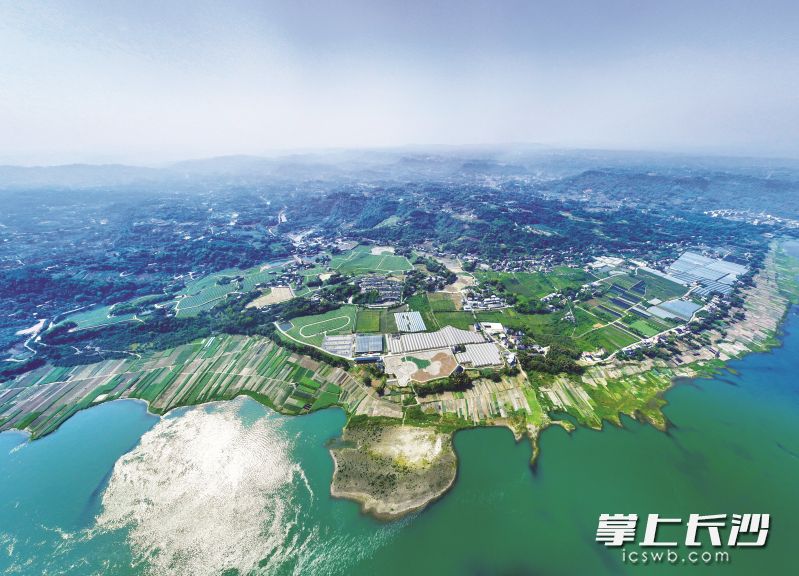
Core Viewpoint - The transformation of Sanjiang Village in Luzhou City showcases significant ecological restoration and economic development through sustainable practices and community collaboration [1][4]. Group 1: Ecological Restoration - The ecological restoration in Sanjiang Village began in 2017, leading to the removal of 13 sand and gravel sites, which were replaced with greenery [5][6]. - The local government implemented a comprehensive water pollution control system, including inspections of wastewater sources and improvements to drainage systems [6][7]. Group 2: Agricultural Development - Sanjiang Village partnered with Luzhou Tianhua to establish a modern agricultural demonstration park covering approximately 1,000 acres with an investment of around 200 million yuan [9]. - The park features various agricultural zones, including modern agriculture, leisure farming, and smart agriculture, with a diverse range of crops planted within three months of its establishment [9][10]. Group 3: Community Collaboration - The village adopted a "garden within a garden" approach, encouraging local farmers to collaborate and develop various agricultural projects, resulting in profitable ventures like strawberry and blueberry farms [11]. - Community beautification efforts have enhanced the village's appearance, promoting a cleaner environment and improving the quality of life for residents [11].
夏日经济“热”力四射 多元业态绘就乡村振兴新图景
Xin Hua Wang· 2025-08-28 12:25
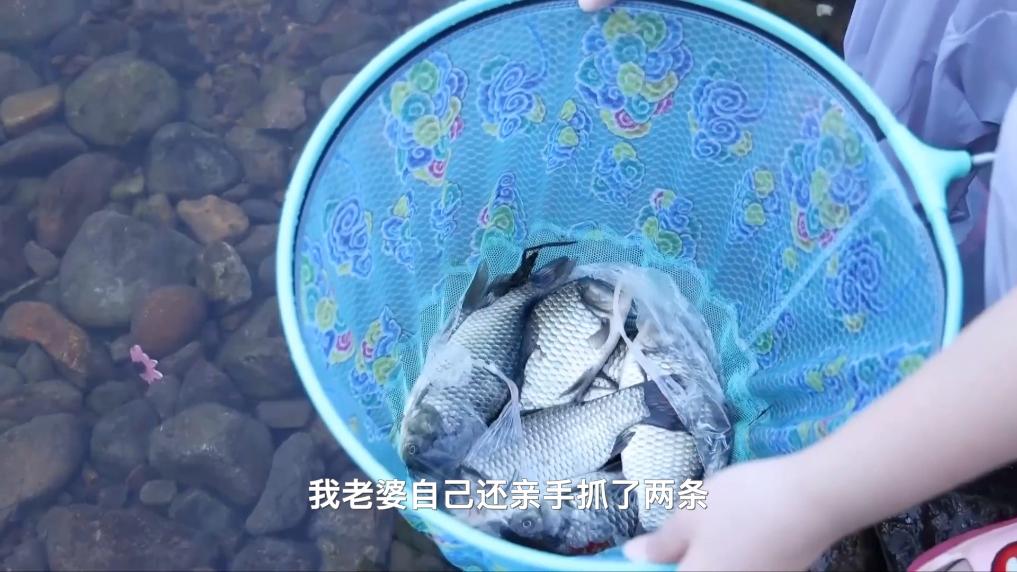
Group 1 - The summer has showcased a new landscape of high-quality development in rural tourism [1] - Innovative summer activities such as "fish-catching parties" and water sports have become popular in Zhejiang, enhancing the summer experience [2][4][6] - The integration of culture, sports, and tourism in Yunnan is creating new opportunities for rural revitalization, with the Qing Shan Lake Water Sports Center leading the trend [7] Group 2 - The "red tourism" in Ruili has seen a significant increase in visitors, with the Nanyang Overseas Chinese Workers' Anti-Japanese Memorial Hall receiving 26,000 visitors since July, a 15% increase compared to the same period last year [9] - In Henan, the blooming of over 500 acres of lotus ponds and the promotion of "flower sea economy" through 850,000 acres of rapeseed flowers are driving economic growth, integrating primary, secondary, and tertiary industries [11] - The diverse activities from water parks to golden flower seas and red tourism are painting a new picture of rural revitalization [13][14]
“鱼米之乡”产业旺
Jin Rong Shi Bao· 2025-08-19 02:39
Core Insights - The Hubei Agricultural Development Bank has actively supported the development of smart agriculture and rural revitalization projects, contributing to local employment and income growth [1][2][3] Group 1: Smart Agriculture Initiatives - The Hubei Agricultural Development Bank has issued loans totaling 14.8 billion yuan since 2022 to support the construction of over 2,000 standardized vegetable greenhouses in the Huanggang Smart Agriculture Demonstration Park [1] - The project has created job opportunities for 1,500 local farmers, increasing their average monthly income by 3,000 yuan [1] - The integration of agriculture, tourism, and education has led to the emergence of new business models in the region [1] Group 2: Ecological Farming Practices - The bank has invested 1.52 billion yuan in 2024 to support the "Duck-Frog-Fragrant Rice" ecological farming model, improving soil quality across over 50,000 acres of farmland [2] - The project has created over 2,000 job opportunities, enabling local laborers to participate in the agricultural economy [2] - The bank's initiatives also include support for comprehensive rural environmental restoration and the development of local specialty products [2] Group 3: Citrus Industry Development - The bank has provided 12 billion yuan in loans to support various citrus projects in the Three Gorges and Danjiangkou areas since the start of the 14th Five-Year Plan [3] - In 2022, 4.5 billion yuan was allocated to develop 16.48 million acres of citrus demonstration bases, transforming low-yield orchards into productive farms [3] - The introduction of the "Beijing Ice Ocean" orange soda project has helped establish a full industrial chain for citrus, enhancing local economic growth and providing temporary jobs during the harvest season [3]
产村融合绘就农旅新“丰”光!云浮云城区乡村振兴“多点开花”
Nan Fang Nong Cun Bao· 2025-08-18 05:01
Core Viewpoint - The article highlights the integration of agriculture and tourism in Yunfu City, particularly in Yun District, showcasing the development of traditional Chinese medicine (South medicine) and flower industries as key drivers for rural revitalization and economic growth [1]. Group 1: South Medicine Industry Development - Yun District is recognized as an important area for the modern South medicine experimental zone in Guangdong Province, benefiting from favorable climate and soil conditions for the growth of South medicine [7][8]. - The district has established 18 standardized South medicine planting demonstration bases, becoming the largest seedling breeding base and processing hub for South medicine in Guangdong [9][10]. - The transformation of previously abandoned land into productive South medicine industrial parks has significantly increased local farmers' incomes, with an average annual increase of 27,600 yuan per household [18]. Group 2: Flower Industry Growth - The flower industry in Yun District has seen substantial growth, with companies like Ailifu Agriculture Co., Ltd. implementing innovative profit-sharing models that have led to an average annual income increase of over 40,000 yuan for local farmers [35][36]. - Ailifu has developed a 300-acre flower planting base, producing 17 million fresh-cut flowers annually, and is exploring new planting models to further expand the industry [38][40]. - The provincial flower industry park is expected to generate over 100 million yuan in annual output value and create approximately 300 jobs upon completion [45][46]. Group 3: Integration of Agriculture and Tourism - The flourishing South medicine and flower industries have laid a solid foundation for rural prosperity and have spurred the development of a health tourism industry in Yun District [51][52]. - Ailifu is planning to create immersive agricultural experiences and develop a family-friendly flower-themed park, which is expected to attract hundreds of visitors daily [61][62]. - The district has established various cultural and agricultural facilities to promote the integration of primary, secondary, and tertiary industries, enhancing the overall economic landscape [64][66]. Group 4: Cultural Heritage and Agricultural Innovation - The historical village of Shui Dong has leveraged its cultural heritage to develop a sustainable agricultural model, achieving an annual vegetable output value of 8 million yuan [83]. - The introduction of companies like Xiaoniu Paofa has facilitated a cooperative model that ensures farmers' income stability while promoting local agricultural products [86][87]. - The combination of agricultural activities with tourism has attracted numerous visitors, boosting local hospitality and food sectors [88][90].

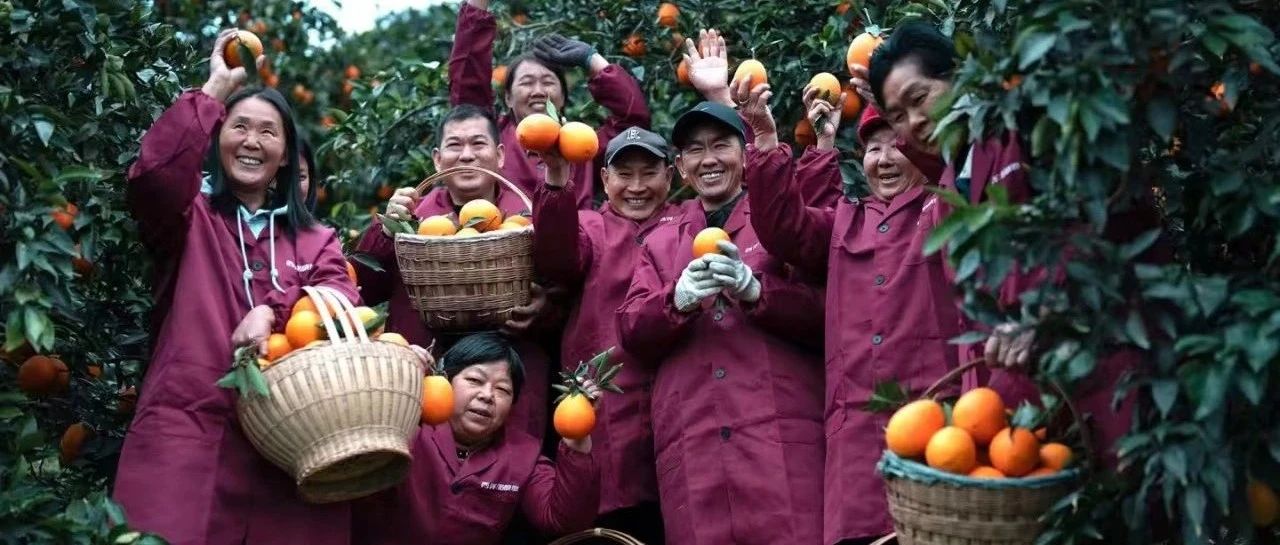
从“煤城”到“橙都”,重庆奉节探索生态经济新路径
第一财经· 2025-08-14 06:51
Core Viewpoint - The transformation of Fengjie County from a coal-dependent economy to a thriving agricultural hub centered around high-quality navel oranges demonstrates a successful model of sustainable development and environmental restoration [3][4][5]. Group 1: Economic Transformation - Fengjie County has shifted from coal mining, which once employed 120,000 people, to cultivating 383,000 acres of navel oranges, with a brand value of 38.17 billion yuan [3][4]. - The closure of 217 coal mines led to a significant drop in fiscal revenue by 600 million yuan, prompting the county to explore alternative economic avenues [3][4]. - The village of Daba has become a model for agricultural success, with 12,000 acres of navel oranges generating a total output value of 180 million yuan last year [4][5]. Group 2: Technological Integration - The use of technology in orange farming includes the deployment of drones for pest control and a digital management system that tracks various agricultural processes, resulting in a 35% increase in income compared to traditional methods [5][8]. - Daba village has established a marketing service team that utilizes e-commerce and live streaming, achieving sales of 70 million yuan through 146 live broadcasts in 2024 [7][8]. Group 3: Environmental Impact - The navel orange cultivation has significantly reduced soil erosion, with the county reporting a decrease of over 100,000 tons of soil loss since the start of large-scale orange farming [9]. - The county has invested 4.5 billion yuan in ecological restoration and has rejected 27 high-pollution projects to maintain environmental integrity [9]. Group 4: Tourism Development - The integration of agriculture and tourism has led to the establishment of a demonstration park in Daba village, attracting 25,000 visitors annually and generating 2 million yuan in tourism revenue [9]. - The county's tourism sector has seen substantial growth, with 38 million visitors last year contributing to a total tourism revenue of 21.88 billion yuan [9].