净零排放

Search documents
【环球财经】印尼计划2032年投入运营首座核电站
Xin Hua Cai Jing· 2025-10-28 13:37
Core Viewpoint - Indonesia plans to operate its first nuclear power plant by 2032 to support energy transition and achieve net-zero emissions by 2060 [1] Group 1: Nuclear Energy Development - The Deputy Minister of Energy and Mineral Resources, Juliot Dhanjong, stated that nuclear energy is now seen as a strategic choice for ensuring national energy security and promoting sustainable development [1] - Nuclear power is no longer considered a last resort but has become an important component of the national energy planning [1] - The government aims to increase the share of nuclear power in total electricity generation to 11% by 2060 according to the established roadmap [1] Group 2: Challenges and Government Response - Despite the positive outlook, the development of nuclear power faces challenges such as high capital investment, long construction periods, and public safety concerns [1] - The government plans to enhance regulatory frameworks, improve risk management, and deepen international cooperation to ensure the safe and efficient advancement of nuclear projects [1]
成果发布︱国际零碳零废城市发展联盟成立
国家能源局· 2025-10-25 08:03
Core Viewpoint - The establishment of the "International Zero Carbon Zero Waste City Development Alliance" aims to promote the synergistic development of "net zero emissions" and "zero waste cities" globally, facilitating green and low-carbon transformation in urban areas [2][4]. Group 1: Alliance Objectives and Vision - The alliance focuses on creating a platform for policy dialogue, technological cooperation, capacity building, industrial linkage, and investment matching to accelerate the green transition of cities worldwide [4]. - The vision includes building a "net zero and zero waste future city community" through global collaboration in climate governance, circular economy, and green technology innovation [4]. Group 2: Suzhou's Role and Achievements - Suzhou, as a key founding city of the alliance, has integrated the construction of a clean, low-carbon, safe, and efficient energy system into its socio-economic development over the past decade [4]. - The installed capacity of renewable energy in Suzhou has increased from 300,000 kW to 6,530,000 kW, marking a 21-fold growth [4]. - In 2024, Suzhou completed green electricity transactions of 4.63 billion kWh and green certificate transactions of 1.328 million, ranking first in Jiangsu Province [4]. Group 3: Forum Highlights - The forum, themed "Ten Years of Joint Efforts in Energy Transformation, Innovation Leading a Green Future," was co-hosted by the National Energy Administration, the International Renewable Energy Agency (IRENA), and the Jiangsu Provincial Government [5]. - Key outcomes included the release of the "Global Energy Low Carbon Transition Development 2030 Suzhou Vision" and the "Energy Transformation Index Blue Book 2025," showcasing China's achievements in energy transition and international cooperation [5]. - The event attracted over 2,000 representatives from 36 countries and regions, including energy ministers, ambassadors, and leaders from international energy organizations [5].


国际零碳零废城市发展联盟成立 苏州倡议促全球城市绿色转型
Su Zhou Ri Bao· 2025-10-25 00:49
Core Viewpoint - The establishment of the International Zero Carbon Zero Waste City Development Alliance aims to promote green low-carbon urban development and address global challenges such as climate change and resource constraints [1] Group 1: Alliance Formation - The alliance was initiated by Suzhou and other domestic and international cities during the 2025 International Energy Transformation Forum [1] - The alliance seeks to gather innovative forces from cities, research institutions, and enterprises to provide technical support and economic motivation for energy transformation [1] Group 2: Urban Challenges and Goals - Cities account for over 50% of the global population and consume nearly 80% of energy, making them central to energy transition and green development [1] - The alliance calls for enhanced collaboration among cities to promote green transformation and achieve sustainable development [1] Group 3: Future Initiatives - The alliance will focus on understanding and sharing green development policies among cities, exploring energy transition, and discussing green cooperation mechanisms and standard recognition [1] - It aims to actively develop green industries, expand green consumption, investment, and employment, and foster cooperation in green and digital technologies [1]

国际零碳零废城市发展联盟成立
Xin Hua Cai Jing· 2025-10-24 09:46
Core Viewpoint - The establishment of the "International Zero Carbon Zero Waste City Development Alliance" aims to promote the synergistic development of "net zero emissions" and "zero waste cities" globally, facilitating green low-carbon transformation in urban areas [1][3]. Group 1: Alliance Objectives and Vision - The alliance focuses on creating a platform for policy dialogue, technological cooperation, capacity building, industrial linkage, and investment financing to support global cities in their green transitions [3]. - The vision includes building a "net zero and zero waste future city community" through global collaboration in climate governance, circular economy, and green technology innovation [3]. Group 2: Suzhou's Role and Achievements - Suzhou, as a key founding city of the alliance, has integrated the construction of a clean, low-carbon, safe, and efficient energy system into its economic and social development [3]. - Over the past decade, Suzhou's renewable energy installed capacity has increased from 300,000 kW to 6.53 million kW, representing a growth of 21 times [3]. - In 2024, Suzhou completed green electricity transactions of 4.63 billion kWh and green certificate transactions of 1.328 million, ranking first in Jiangsu Province [3]. Group 3: Forum Highlights - The forum, themed "Ten Years Hand in Hand for Energy Transformation Innovation Leading a Green Future," was co-hosted by the National Energy Administration, the International Renewable Energy Agency (IRENA), and the Jiangsu Provincial Government [4]. - During the forum, several key documents were released, including the "Global Energy Low Carbon Transition Development 2030 Suzhou Vision" and the "Energy Transformation Index Blue Book 2025," showcasing China's achievements in energy transition and technological innovation [4]. - The event attracted over 2,000 representatives from 36 countries and regions, including energy ministers, ambassadors, and leaders from international energy organizations [4].
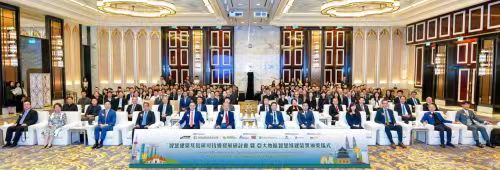
“第五届亚太地区智慧绿建筑联盟论坛”及“亚太地区智慧绿建筑大赛”首度在澳门举行及颁奖
Zhong Guo Neng Yuan Wang· 2025-10-23 07:20
Core Insights - The fifth Asia-Pacific Intelligent Green Building Alliance Forum (APIGBA) aims to promote the exchange and cooperation in smart and green building practices across the Asia-Pacific region [1][3] - The event marks a significant opportunity for Macau to showcase its commitment to green and low-carbon transformation [3] - The forum features over a hundred participants from industry experts, academia, and enterprises, focusing on the latest trends and technologies in smart green buildings [3] Awards and Recognition - The Asia-Pacific Intelligent Green Building Awards are categorized into four professional categories: "System," "Renovation," "Design," and "Operation," each with Platinum, Gold, and Silver levels [5] - The Platinum Award for Design was awarded to Guangdong Construction Science and Technology Innovation Building, Zhonggong Yunyuzhou AI Park, and THE HENDERSON, while the Platinum Award for Operation went to MGM Cotai, China Resources Nanjing Center, and Taipei Far East Communications Park [5] - The event also included presentations from six authoritative experts from different regions, sharing cutting-edge trends and practical experiences [5] Alignment with National Goals - This forum and competition respond to the United Nations' global vision of "net-zero emissions," showcasing the transition of smart green buildings from conceptual exploration to scalable sustainable development practices [7] - The event aims to inspire participants to leverage the gathered wisdom and outcomes to contribute to the national strategies for carbon peak and carbon neutrality [7]
【环球财经】印尼拟要求矿用卡车符合欧4排放标准
Xin Hua Cai Jing· 2025-10-14 14:19
Core Viewpoint - The Indonesian government is developing regulations to require all trucks used in mining activities to meet Euro 4 emission standards to reduce greenhouse gas emissions in the industrial sector [1] Group 1: Regulatory Changes - The current mining vehicles mainly comply with Euro 2 or Euro 3 emission standards, which have high emission levels and negatively impact the environment [1] - The Ministry of Industry is collaborating with the energy, transportation, and environmental sectors to include off-road and mining vehicles in a stricter emission regulatory framework [1] Group 2: Domestic Manufacturing Support - The majority of trucks used in Indonesia's mining sector are imported, and there is a call for companies to prioritize the use of domestically produced vehicles that meet emission standards to support local manufacturing upgrades and green transformation [1] Group 3: Emission Standards Context - Euro 4 standards significantly tighten the limits on nitrogen oxides, carbon monoxide, and particulate matter emissions compared to Euro 2 and Euro 3 standards [1] - Since 2022, Indonesia has gradually implemented Euro 4 emission standards for commercial and passenger vehicles, but there is still a gap in enforcement for mining vehicles [1] Group 4: Commitment to Sustainability - These measures are part of the Indonesian government's overall efforts to control industrial emissions and promote the adoption of clean technologies in the transportation sector, reflecting Indonesia's commitment to sustainable development and net-zero emission goals [1]
【环球财经】印尼加快能源转型布局:2050年净零目标蕴含3.8万亿美元投资潜力
Xin Hua Cai Jing· 2025-10-13 08:28
Group 1 - Indonesia's energy transition investment scale for 2024 is estimated at approximately $4 billion, primarily focused on power transmission and distribution [1] - The potential investment opportunities to achieve net-zero emissions by 2050 in Indonesia could reach up to $3.8 trillion [1] - The Indonesian Chamber of Commerce emphasizes the need for the private sector to play a leading role in climate goals, capital investment, carbon market development, and skill development [1] Group 2 - The development of clean energy and the electrification of end-use sectors such as transportation, construction, and industry are identified as core drivers for decarbonization [1] - Waste-to-energy projects are emerging as a new highlight in Indonesia's green transition, with increased government support for these initiatives [1] - The sovereign wealth fund, Danantara, successfully issued "Patriot Bonds" worth 50 trillion Indonesian Rupiah (approximately $3 billion) to support clean energy projects, including waste-to-energy plants [1] Group 3 - Indonesia requires approximately 91 trillion Indonesian Rupiah (around $5.5 billion) to build waste-to-energy facilities in 33 cities, with over 190 companies expressing interest in participation [2] - The project is set to officially launch in early November and will proceed through a transparent bidding process, focusing on ten key cities including Jakarta, Bandung, Surabaya, and Bali [2] - The Indonesian government has postponed its carbon peak target to 2035, which will be reflected in the revised Nationally Determined Contributions (NDC) document to be submitted at COP30 [2]
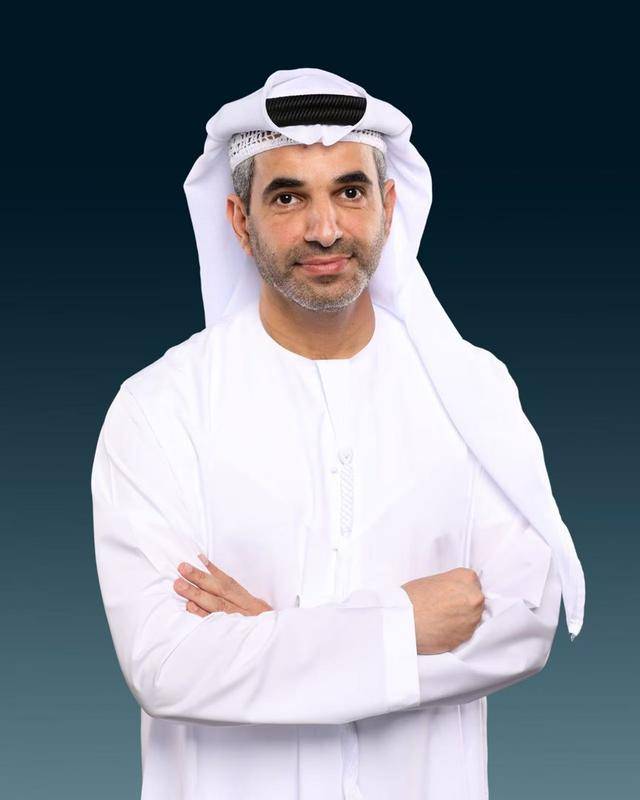
阿布扎比投资办公室:阿联酋28项CEPA可助中国企业触达25亿消费者
Sou Hu Cai Jing· 2025-10-12 10:58
Core Insights - The UAE has signed 28 Comprehensive Economic Partnership Agreements (CEPA) that enable Chinese companies to access over 2.5 billion consumers across Asia, Africa, and the Middle East [1][4]. Group 1: Economic Cooperation - The UAE and China are natural economic partners with shared priorities in innovation, infrastructure, and sustainable development [3]. - Both countries are aligning their strategic goals in areas such as artificial intelligence, advanced manufacturing, digital trade, and clean energy [3][4]. Group 2: Investment Opportunities - Abu Dhabi is positioned as a long-term gateway for Chinese investments, focusing on joint investments and industrial integration rather than mere transactional trade [4]. - The HELM life sciences cluster aims to generate $25.6 billion in revenue by 2045, attract $42 billion in investments, and create 30,000 jobs, with China being a key partner in biotechnology and AI [4]. Group 3: Energy Cooperation - The UAE is China's largest export market in the Middle East and the second-largest trading partner, with trade expected to exceed $100 billion in 2024 [5]. - Energy cooperation is shifting from commodity trade to strategic energy transformation, with opportunities in hydrogen, solar energy, and carbon capture [5]. Group 4: Trade Goals - China and the UAE aim to achieve $200 billion in bilateral trade by 2030, requiring both gradual growth and structural drivers such as new trade corridors and industry partnerships [6]. - Localizing industries in Abu Dhabi is seen as a key driver, with expected contributions of over $62.1 billion to GDP and the creation of over 120,000 jobs by 2045 from various economic clusters [6]. Group 5: Digital Infrastructure - The CEPA framework and trade policy coordination are expected to play transformative roles in enhancing trade relations [6]. - Digital infrastructure initiatives, including blockchain integration and AI customs clearance, are being developed to support seamless cross-border trade [6].
IEA油气投资立场发生重大转变——全球需开发新的油气资源
Zhong Guo Hua Gong Bao· 2025-10-09 03:03
Core Viewpoint - The International Energy Agency (IEA) has shifted its stance, now indicating that new oil and gas resources must be developed to maintain supply stability due to the accelerated decline in existing oil field production [1] Group 1: Oil and Gas Supply - The IEA's report states that to maintain current production levels, over 45 million barrels of oil and approximately 2 trillion cubic meters of natural gas must be supplied daily from new conventional oil fields by 2050 [1] - Despite several projects being expedited or approved, there remains a significant supply gap that new conventional projects need to fill [1] Group 2: Investment Insights - Nearly 90% of upstream oil and gas investments are currently directed towards compensating for the declining production of existing oil fields [1] - The IEA director, Birol, acknowledges that insufficient investment poses a substantial threat to energy supply, leading to an annual loss in global market supply equivalent to the total production of Brazil and Norway combined [1] - The oil and gas industry must accelerate investments to maintain the current balance in the market [1]
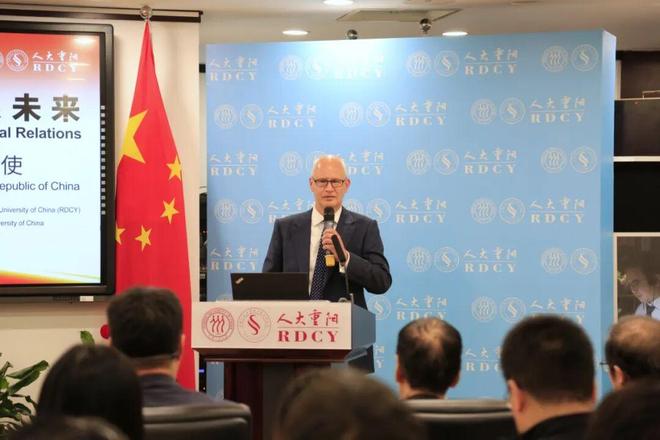
英国部分政策或影响中国新能源汽车市场份额,但非针对中国
Guan Cha Zhe Wang· 2025-10-01 09:14
Group 1: Core Views on UK-China Relations - The UK-China relationship is evolving towards a deeper level, characterized by pragmatism and mutual respect, with three key descriptors: "long-term," "consistent," and "strategic" [3][4][6] - Upcoming high-level interactions, including a phone call between President Xi Jinping and UK Prime Minister Keir Starmer, are expected to foster a positive atmosphere for bilateral cooperation [4][6] Group 2: Key Areas of Cooperation - Security cooperation is a priority, with both nations sharing responsibilities as permanent members of the UN Security Council, and a commitment to dialogue on differing views, such as the Ukraine conflict [5][6] - Environmental issues are highlighted as a global concern, with the UK being the first major economy to legally commit to net-zero emissions by 2050, and a call for collaborative efforts to meet climate goals [5][6] - Economic cooperation is emphasized, with the UK advocating for a healthy trade relationship with China, leveraging strengths in education and technology to explore new areas of collaboration [6][10] Group 3: Education and Youth Exchange - The number of Chinese students in the UK exceeds 155,000, while British students in China are fewer than 3,000, indicating a need to balance educational exchanges [6][8] - The UK government aims to enhance educational cooperation, ensuring that Chinese students receive valuable education and that UK degrees are recognized in China [9][10] Group 4: Electric Vehicle Market Dynamics - The UK welcomes investment from Chinese electric vehicle companies, noting a gradual increase in the market presence of Chinese EVs, despite slower growth [15][16] - The UK has not implemented restrictive policies specifically targeting Chinese EVs, promoting a collaborative approach to enhance mutual benefits in the electric vehicle sector [15][16] Group 5: Future of UK-China Relations - The relationship is complex and cannot be simply labeled as a "golden era," with an emphasis on consistency, long-term stability, and mutual respect as foundational elements [16][18] - The UK seeks to deepen cooperation in various fields, including climate, technology, and security, while addressing potential risks in emerging areas like artificial intelligence [11][17][18]