
城乡居民增收计划

Search documents
以确定性政策托举信心 让百姓“有钱花、敢花钱”
Sou Hu Cai Jing· 2025-12-14 11:27
Group 1 - The core focus of the Central Economic Work Conference is to prioritize domestic demand and build a strong domestic market as the main goal for China's economy in the coming year [1] - China's total import and export value reached 41.21 trillion yuan in the first 11 months of 2025, with a year-on-year growth of 3.6%, marking a historic trade surplus of over 1 trillion USD [1][3] - Private enterprises have become the mainstay of foreign trade, with their import and export value reaching 23.52 trillion yuan, a year-on-year increase of 7.1%, accounting for 57.1% of China's total foreign trade [6] Group 2 - Imports showed a weaker performance, with a year-on-year growth of only 0.2%, indicating a lack of domestic demand [8][10] - The current economic challenge is characterized by a strong supply but weak demand, leading to a mismatch that affects both businesses and consumers [15][19] - The Central Economic Work Conference emphasized the need to shift from quantity to quality in production, addressing the structural contradictions in supply and demand [21][23] Group 3 - The conference proposed a comprehensive plan to increase income for urban and rural residents, aiming to enhance consumption capacity and stimulate demand [29][36] - Experts suggest that improving basic public services and investing in human capital are crucial for increasing residents' consumption ability, especially for low-income groups [39] - The government plans to stabilize the real estate market by encouraging the acquisition of existing properties for affordable housing, which is expected to boost consumer confidence [41]

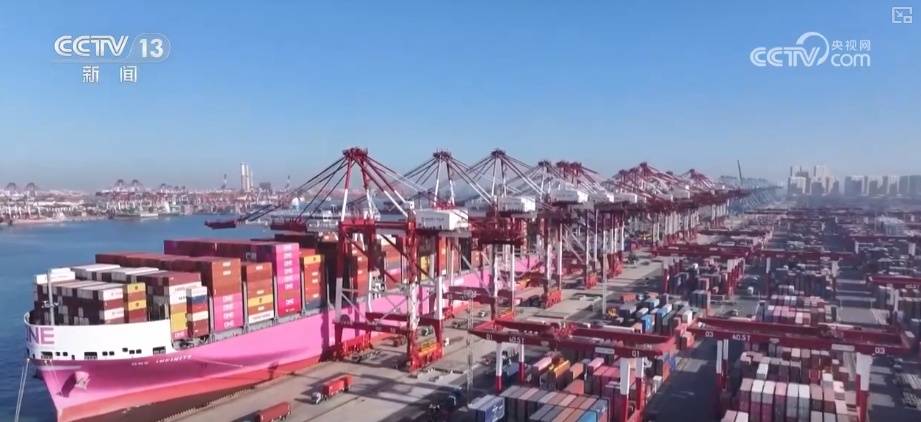
2026年中国经济向“内”求变,让老百姓“有钱花、敢花钱”
Sou Hu Cai Jing· 2025-12-14 02:06
Group 1 - In 2025, China's economy faced significant challenges but showed resilience, with a focus on domestic demand and building a strong domestic market as highlighted in the Central Economic Work Conference [1][16] - The total value of China's goods trade import and export reached 41.21 trillion yuan, a year-on-year increase of 3.6%, with a trade surplus exceeding 1 trillion USD for the first time [1][3] - Private enterprises have become the mainstay of foreign trade, with their import and export value reaching 23.52 trillion yuan, a year-on-year increase of 7.1%, accounting for 57.1% of China's total foreign trade [7][9] Group 2 - The export growth of private enterprises outpaced that of state-owned and foreign enterprises, indicating their crucial role in driving trade growth [9] - Despite a decline in exports to the US by 18.9%, exports to ASEAN and the EU increased significantly, compensating for the drop [3][5] - The overall import growth was sluggish at 0.2%, reflecting weak domestic demand, which the Central Economic Work Conference emphasized needs to be addressed [10][20] Group 3 - The Central Economic Work Conference identified the imbalance between strong supply and weak demand as a major challenge, necessitating a focus on balancing supply and demand [20][22] - The government plans to implement a "rural and urban residents' income increase plan" to enhance consumer purchasing power, indicating a shift towards a more inclusive economic strategy [36][42] - The emphasis on quality over quantity in production is crucial for addressing the current economic challenges, with a focus on enhancing the supply of high-quality goods and services [29][31] Group 4 - The real estate market's stability is vital for consumer confidence, with measures proposed to stabilize the market and support affordable housing [49][51] - The government aims to shift fiscal spending from traditional infrastructure to social services like education and healthcare, which could enhance consumer spending capacity [47][46] - The Central Economic Work Conference set a policy direction of "seeking progress while maintaining stability" and "improving quality and efficiency," indicating a focus on sustainable economic growth [51]

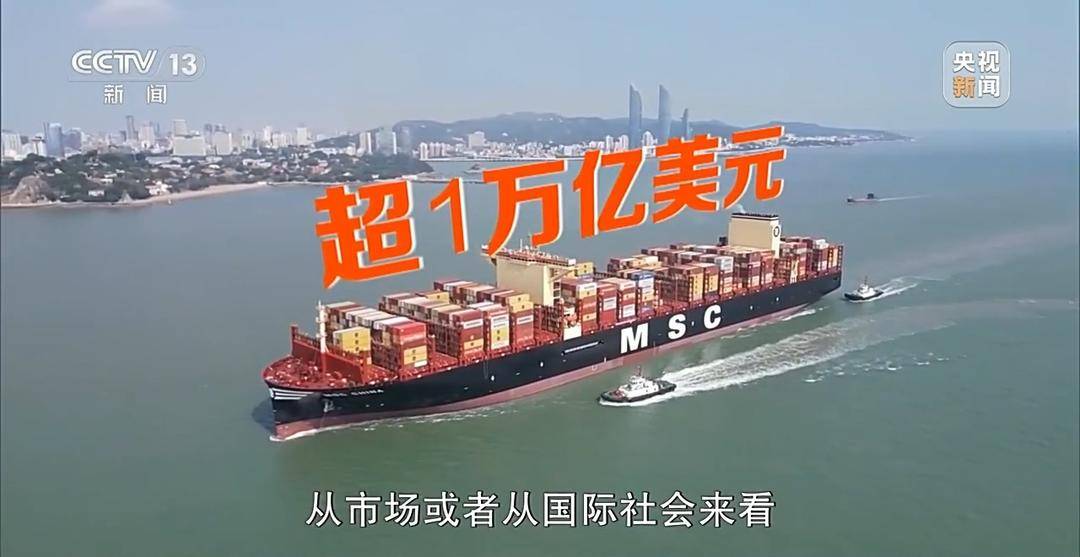
新闻周刊丨2026年中国经济向“内”求变 让老百姓“有钱花、敢花钱”
Yang Shi Wang· 2025-12-13 23:21
Economic Overview - In 2025, China's economy faced significant challenges but showed notable achievements, with a focus on domestic demand and building a strong domestic market highlighted in the Central Economic Work Conference [1][12] - China's total import and export value reached 41.21 trillion yuan, a year-on-year increase of 3.6%, with a trade surplus exceeding 1 trillion USD for the first time [1] Trade Dynamics - Despite a decline in exports to the US by 18.9% (approximately 897.6 billion yuan), exports to ASEAN and the EU increased significantly, compensating for the loss [3][5] - Private enterprises emerged as the main force in stabilizing foreign trade, with their import and export value reaching 23.52 trillion yuan, a growth of 7.1%, accounting for 57.1% of China's total foreign trade [5][6] Domestic Demand and Consumption - The Central Economic Work Conference emphasized the need to expand domestic demand and improve consumer spending, with consumer spending currently accounting for 56.6% of GDP, still below the 80% level of developed countries [12][18] - A new initiative to implement a "rural and urban residents' income increase plan" aims to enhance income levels and boost consumption capacity [20][21] Supply and Demand Imbalance - The economy faces a prominent contradiction of strong supply but weak demand, leading to issues such as price competition and market inefficiencies [10][13] - The government plans to shift focus from quantity to quality in production, encouraging businesses to enhance product quality rather than engage in price wars [16] Real Estate Market Stability - The Central Economic Work Conference proposed measures to stabilize the real estate market, including policies to control inventory and encourage the acquisition of existing homes for affordable housing [25] - Stabilizing the real estate market is seen as crucial for boosting consumer confidence and supporting overall economic growth [25][26]
“两新”政策如何优化实施 韩文秀最新发声
Di Yi Cai Jing· 2025-12-13 07:32
Core Viewpoint - The Chinese economy is expected to grow around 5% this year, maintaining its position as the largest engine of global economic growth, despite facing various internal and external challenges [1][2]. Economic Performance - Major economic indicators have performed better than expected, with the economy projected to reach approximately 140 trillion yuan this year, following significant growth milestones in previous years [1]. - The fixed asset investment growth rate turned negative in September, with a further decline in October, influenced by factors such as the real estate market adjustment and increased domestic competition [3][4]. Policy Measures - The government plans to implement incremental policies in response to changing circumstances, aiming to synergize existing policies to promote economic stability and growth [1]. - Key tasks for next year include prioritizing domestic demand and building a strong domestic market, with a focus on enhancing consumption and investment [2][3]. Investment Opportunities - There is significant investment potential in urbanization, technological innovation, and infrastructure, with current per capita infrastructure capital only at 20-30% of that in developed countries [4]. - The government aims to increase central budget investment and implement major projects to stimulate fixed asset investment and private sector engagement [4][6]. Risk Management - Emphasis is placed on managing risks in key areas, including local government debt, with measures to prevent the accumulation of hidden debts and ensure financial stability [5][6].
实施居民增收计划,不只为了促消费 | 新京报专栏
Sou Hu Cai Jing· 2025-12-13 05:57
Core Viewpoint - The central economic work conference emphasizes the importance of expanding domestic demand and enhancing residents' income as a strategic priority for 2026, marking a shift from short-term consumption stimulation to a long-term strategy focused on income improvement and supply optimization [4][5][10]. Group 1: Domestic Demand Expansion - Expanding domestic demand has been a primary task for two consecutive years, reflecting a strategic shift to reduce reliance on external demand due to a complex global environment [4][5]. - China's foreign trade dependence has decreased from nearly 70% in 2006 to about 30% recently, indicating a need to focus more on domestic economic development [4]. - The current economic challenges include insufficient domestic effective demand, necessitating simultaneous efforts on both supply and demand sides to enhance consumption [4][6]. Group 2: Income Growth and Consumption - The introduction of the "Urban and Rural Residents' Income Growth Plan" signifies a transition from merely stimulating consumption to systematically improving income structures, aiming to create a sustainable economic momentum [5][10]. - The focus on enhancing consumption capabilities indicates a shift from short-term promotional strategies to long-term structural improvements in income [5][10]. - The plan aims to synchronize income growth with economic development, ensuring that labor remuneration increases alongside productivity [8]. Group 3: Investment and Policy Framework - The conference outlines a systematic policy framework centered on consumption and investment, with a focus on enhancing the quality of supply and optimizing the consumption environment [6][9]. - Government investment is expected to play a crucial role in stabilizing and stimulating private investment, with an emphasis on major national strategies and urban renewal projects [7][9]. - Future measures will likely include support for employment, wage increases, and enhancing farmers' income, alongside reducing burdens on households through optimized public spending [8][9]. Group 4: Financial Policy and Support - The monetary policy will prioritize guiding funds towards key areas such as technological innovation, green development, and consumption, reflecting a commitment to expanding domestic demand [10]. - Fiscal policies are anticipated to maintain necessary expenditure levels, with a projected fiscal deficit rate for 2026 not lower than 4% of GDP, supporting consumption-related sectors [9][10]. - The overall policy logic aims to enhance consumption capacity and optimize economic circulation, addressing current consumption weaknesses while laying the groundwork for a more robust domestic market in the long term [10][11].
中国经济年会:优化“两新”政策实施 给予地方更多自主空间
Yang Shi Xin Wen· 2025-12-13 03:40
Group 1 - The core viewpoint emphasizes the need to optimize the implementation of the "two new" policies, allowing local governments more autonomy [1] - The "old-for-new" consumption policy has significantly boosted sales of related products, with the penetration rate of new energy vehicles nearing 60% by November [1] - There is a strong demand for sports events and cultural tourism, indicating a vibrant consumption environment [1] Group 2 - Future actions will include deepening the implementation of special measures to boost consumption and formulating plans to increase urban and rural residents' income [1] - The government aims to enhance the basic pension for urban and rural residents, aligning with the goal of leading new supply with new demand [1] - There is a focus on expanding the supply of quality goods and services to adapt to changes in consumption structure, while also clearing unreasonable restrictions in the consumption sector [1] Group 3 - The potential for inbound consumption growth is significant, with plans to optimize the inbound consumption environment and promote the "Buy in China" brand [1]
居民增收计划,明年如何发力?
Yang Shi Wang· 2025-12-13 00:02
央视网消息:2025年的中央经济工作会议部署了2026年经济工作的八项重点任务。坚持内需主导成 为连续两年经济工作的首要任务,会议首次提出制定实施城乡居民增收计划。"居民收入增长和经济增 长同步、劳动报酬提高和劳动生产率提高同步",是"十五五"时期经济社会发展的主要目标。 ...
坚持内需主导 夯实经济增长压舱石
Zheng Quan Ri Bao· 2025-12-12 16:25
Group 1 - The central economic work conference emphasized "demand-led growth" and the construction of a strong domestic market as the top priority for next year's economic tasks [1] - The conference proposed to implement special actions to boost consumption and develop urban and rural residents' income plans, aiming to enhance consumer capacity and willingness [1][2] - The focus on supply-side improvements includes expanding the supply of quality goods and services, optimizing the implementation of the "two new" policies, and removing unreasonable restrictions in the consumption sector [1][3] Group 2 - The chief economist from CITIC Securities highlighted that the emphasis on demand-side measures will be crucial for stabilizing growth, with a focus on enhancing residents' consumption capacity and willingness [2] - Data from the Ministry of Commerce indicated that from January to November this year, the trade-in of consumer goods generated over 2.5 trillion yuan in sales, benefiting more than 360 million people [2] - The macro analyst from Dongfang Jincheng noted that the "two new" policies are expected to expand in scope, with increased fiscal support for consumption, particularly in the service sector [2][3]
——2025年中央经济工作会议解读:实施城乡居民增收计划,推动投资止跌回稳
Guohai Securities· 2025-12-12 12:03
Economic Policy Insights - The 2025 Central Economic Work Conference emphasized the structural contradiction of "strong supply and weak demand," marking a shift from the previous focus on "insufficient demand" [5] - The conference highlighted the importance of stabilizing real estate markets through targeted policies, indicating a transition to a new phase of "controlling increment, reducing inventory, and optimizing supply" [6] - A focus on increasing urban and rural residents' income was introduced, with plans for a "special action to boost consumption" and a "rural residents' income increase plan" [6] Fiscal and Monetary Policy - The conference reiterated the commitment to "continue implementing a more proactive fiscal policy" and "maintain necessary levels of deficit and debt," suggesting a stable deficit rate for the upcoming year [6] - Monetary policy will prioritize "promoting stable economic growth and reasonable price recovery," allowing for potential reductions in reserve requirements and interest rates [6] Investment and Infrastructure - Plans to stabilize investment include increasing the scale of central budget investments and optimizing the implementation of key projects to stimulate private investment [6] - The report suggests that infrastructure and manufacturing investments will receive support through new policy financial tools and local government bonds [6] Risk Management - The focus on local government debt risk has intensified, with specific measures to "actively and orderly resolve local government debt risks" and prevent the creation of new hidden debts [6] - Risks include potential underperformance in macroeconomic recovery, escalating geopolitical risks, and the effectiveness of related industrial policies [6]
券商首席解读中央经济工作会议:“两新”政策已从“资金加码”转变为“提高效率”
Sou Hu Cai Jing· 2025-12-12 10:20
受外部环境复杂严峻、投资收益下降等因素影响,今年前10个月,全国固定资产投资同比下降1.7%。 与此同时,我国投资结构优化,高技术行业投资较快增长。 【大河财立方 记者 孙凯杰】12月10日至11日,中央经济工作会议在北京举行,分析当前经济形势,部 署2026年经济工作。今年会议多次提及"内需":要持续扩大内需、优化供给;引导金融机构加力支持扩 大内需;坚持内需主导,建设强大国内市场。 东吴证券首席经济学家、研究所联席所长芦哲在接受大河财立方记者采访时表示,消费仍然是放在扩大 内需的第一位,但会议对"两新"(设备更新和以旧换新)政策表述发生了重大变化,从去年的"加力扩 围"改为了今年的"优化",政策从单纯的"资金加码"转变为"提高效率"。今年下半年以来,汽车家电等 品类出现了一定透支,他认为,明年如果部分品类补贴退坡,全年国补资金未必有今年多。 今年会议还创新性地提出了"制定实施城乡居民增收计划"。芦哲认为,2024年会议中提到的"推动中低 收入群体增收减负、适当提高退休人员基本养老金、提高城乡居民基础养老金"等措施,是"安全垫"式 的增收政策,更注重中低收入者、养老、医疗等基础保障;而今年提出制定"增收计划 ...