
数字货币

Search documents
剩6826亿,中国大幅抛美债,特朗普访华目的明显:反华同盟靠不住
Sou Hu Cai Jing· 2026-01-19 04:50
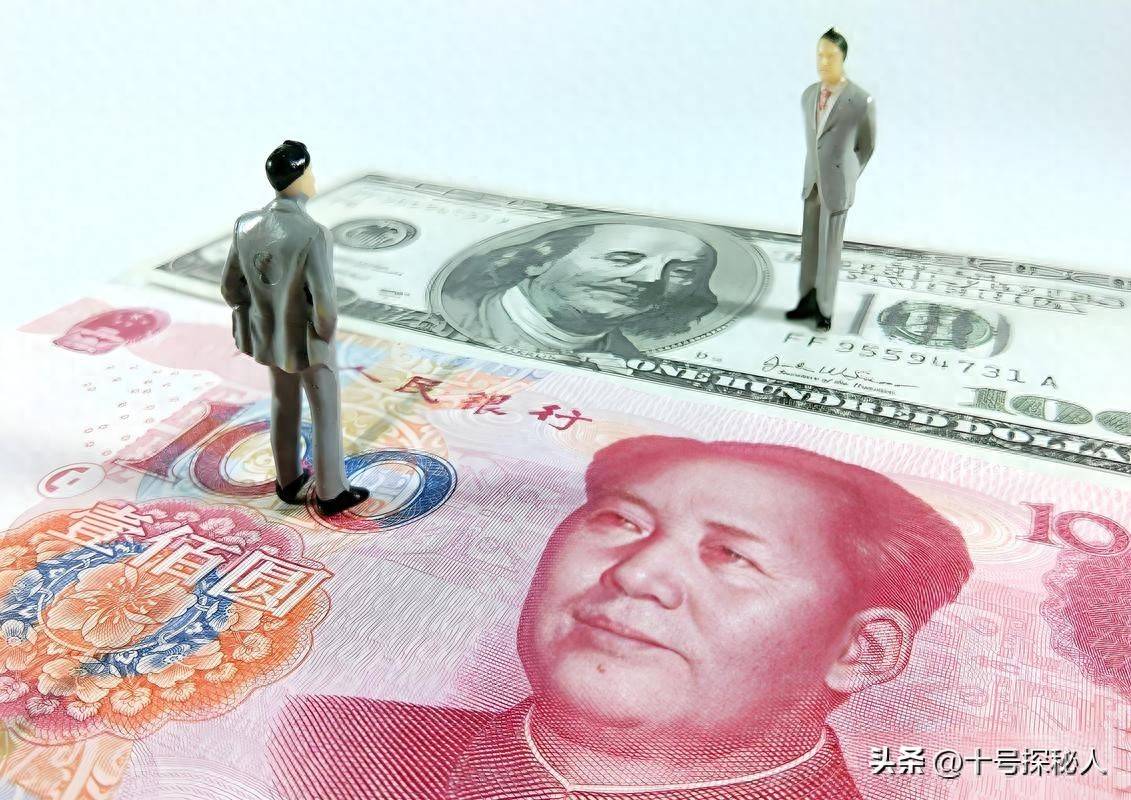
在您继续阅读这篇文章之前,麻烦您先点击一下关注,这样不仅能方便您参与讨论和分享,还能带给您不一样的参与感。感谢您的支持!编辑:[太阳]中国 近年来大刀阔斧地减持美债,其持仓量已经下降至6826亿美元,创下自2008年以来的历史新低。这背后的意义远非偶然,它与中国黄金储备的暴涨相呼应, 构成了清晰的去美元化路线图。当全球最大债主开始清仓,美元霸权的根基也在悄然震荡。 美国财政部数据显示,2023年11月,中国减持了61亿美元美债,现持有美债总额已降至6826亿美元。这一数字意味着自2008年金融危机以来,中国的美债持 仓已经达到了18年来的最低水平。简单来说,过去十几年间,中国持有美债的规模几乎已经减半,而且这一趋势还在持续。如此大的变化,显然并非偶然, 而是一个长时间累积的过程。 回顾一下中国美债的持有历史,2000年代初期,中国曾是美国最大的债主,最多时持有超过1.3万亿美元美债。那个时期,美国不断加大发债规模,中国也 大规模购买美债,全球美元体系一度显得如铁打般稳固。然而,时至今日,十多年过去,中国对美债的持仓几乎已经腰斩,并且持续减持。这不仅仅是短期 的情绪反应,而是一个长期的趋势变化。 同时,另一组数 ...

恒生电子跌2.02%,成交额12.27亿元,主力资金净流出8439.69万元
Xin Lang Cai Jing· 2026-01-19 04:25
Core Viewpoint - Hengsheng Electronics experienced a stock price decline of 2.02% on January 19, with a trading volume of 1.227 billion yuan and a market capitalization of 61.616 billion yuan. The company has seen a year-to-date stock price increase of 7.89% but a recent decline over the past five trading days [1]. Financial Performance - For the period from January to September 2025, Hengsheng Electronics reported operating revenue of 3.49 billion yuan, a year-on-year decrease of 16.66%. However, the net profit attributable to shareholders increased by 2.16% to 455 million yuan [2]. Shareholder Information - As of September 30, 2025, the number of shareholders for Hengsheng Electronics reached 213,800, an increase of 6.09% from the previous period. The average number of circulating shares per shareholder decreased by 5.59% to 8,863 shares [2]. Dividend Distribution - Since its A-share listing, Hengsheng Electronics has distributed a total of 2.444 billion yuan in dividends, with 682 million yuan distributed over the past three years [3]. Institutional Holdings - As of September 30, 2025, the second-largest circulating shareholder is Hong Kong Central Clearing Limited, holding 92.127 million shares, a decrease of 40.7807 million shares from the previous period. Other notable shareholders include Huatai-PB CSI 300 ETF and Hua Bao CSI Financial Technology Theme ETF, with varying changes in their holdings [3].

从数字现金升级为数字存款货币 数字人民币存款利息如何计算
Ren Min Ri Bao· 2026-01-18 23:32
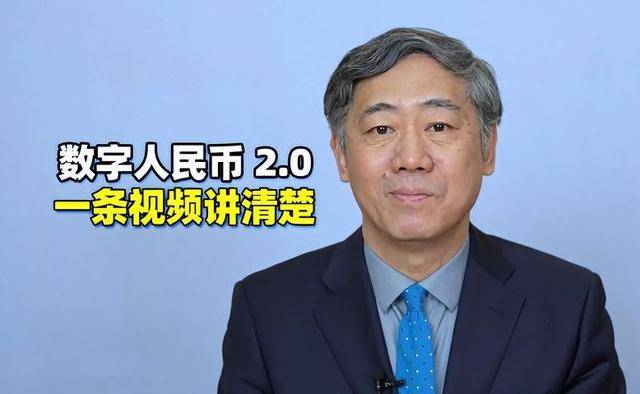
Core Viewpoint - The upgrade of the digital renminbi to version 2.0, effective from January 1, transforms it from digital cash to digital deposit currency, allowing users to earn interest on their wallet balances [1][4]. Group 1: User Impact - The most direct change for individual users is that the balance in their digital renminbi wallets can now earn interest, calculated at the prevailing savings rate for real-name wallets [2]. - Interest is credited quarterly on specific dates (March 20, June 20, September 20, December 20), and users can check their interest amounts through the digital renminbi app [2]. - Only real-name wallets (types one, two, and three) will earn interest, while type four wallets will not [3]. Group 2: Security and Insurance - Digital renminbi balances are covered by the deposit insurance system, providing the same level of security as traditional bank deposits [4]. - The digital renminbi is issued by the People's Bank of China, ensuring higher standards in anti-counterfeiting and anti-tampering measures [4]. - Users can contact their wallet's operating institution for any inquiries or issues related to their digital renminbi [4]. Group 3: Operational Framework - The new digital renminbi measurement framework aims to meet the evolving needs of the digital economy and enhance the management and service capabilities of the digital renminbi [5][6]. - The transition to digital deposit currency will not lead to a "deposit migration" from commercial banks but will instead clarify the responsibilities and rights of operating institutions [6]. - Digital renminbi balances will be included in the reserve requirement framework, ensuring they are treated as liabilities of commercial banks [6]. Group 4: Ecosystem Development - The digital renminbi application has opened 230 million personal wallets, indicating a growing user base [8]. - The digital renminbi is designed to function within a modernized payment and circulation system, compatible with distributed ledger technology [8]. - By the end of 2025, pilot regions are expected to have processed transactions amounting to 19.5 trillion yuan, with a significant portion of cross-border payments being conducted in digital renminbi [8].

波黑央行行长强调坚守货币金融稳定
Shang Wu Bu Wang Zhan· 2026-01-17 14:33
Core Viewpoint - The Central Bank of Bosnia and Herzegovina is committed to maintaining monetary and financial stability, with a focus on interest rate policy and sustainable investment financing [1] Group 1: Monetary Policy and Economic Outlook - The interest rates in Bosnia are primarily influenced by external financial conditions under the monetary board arrangement [1] - The stability and liquidity of the banking sector have helped Bosnia avoid severe market fluctuations during global monetary tightening [1] - Inflation in Bosnia is projected to be 4.0% in 2025, with a forecasted decline to below 3% in 2026 [1] Group 2: Green Financing and Investment - Green financing currently faces developmental challenges, but monetary policy can foster a favorable long-term sustainable investment financial environment [1] - The Central Bank has signed a significant technical assistance program with the European Investment Bank to incorporate climate-related risks into the financial system [1] Group 3: European Integration and Digital Currency - The European Commission and the European Central Bank strongly support the independence of the Central Bank of Bosnia [1] - Bosnia submitted a pre-application to join the Single Euro Payments Area (SEPA) by December 2025, with a formal application expected in the first quarter of 2026 [1] - The Central Bank is taking a cautious analytical approach towards digital currency and is actively monitoring related initiatives at the European and international levels [1]
对数字人民币钱包余额计息将产生多种金融效应
Guo Ji Jin Rong Bao· 2026-01-17 12:52
Core Viewpoint - The announcement by major Chinese banks regarding interest payments on digital RMB wallets marks a significant upgrade in the functionality of digital RMB, transitioning it from "digital cash" to "digital deposit currency" [1] Group 1: Transition to Digital Deposit Currency - Digital RMB is evolving from a central bank liability (M0) to a commercial bank liability, indicating a profound institutional change and enhancing its core functions such as value measurement, value storage, and payment methods [1] - The transition allows for a broader application of digital RMB across various sectors, including wholesale retail, public services, social governance, and cross-border settlements [1] Group 2: Role of Commercial Banks - Commercial banks will become the main service and responsibility entities for digital RMB, allowing them to use digital RMB deposits for lending activities, thus increasing their engagement in digital RMB operations [2] - This change enables digital RMB to be included in asset-liability management, addressing previous challenges of "only investment, no return" and potentially increasing the scale of digital RMB deposits [2] Group 3: Competitive Advantage and User Engagement - The dual nature of digital RMB as both a payment and savings tool enhances its competitive edge against third-party payment platforms like WeChat Pay and Alipay, encouraging more users to adopt digital RMB [3] - Interest payments on digital RMB wallets will automatically accrue, making it attractive for users to transfer cash or third-party payment balances into digital RMB wallets, thereby improving fund utilization efficiency [3] Group 4: Security and Regulatory Framework - Digital RMB wallet balances will be covered by the deposit insurance system, significantly enhancing the security of funds held in digital RMB wallets and alleviating public concerns [4] - China becomes the first major economy to offer interest on central bank digital currency, reinforcing its international leadership in the digital currency space and facilitating its integration into global payment systems [4] Group 5: Future Developments and Legislative Needs - To fully realize the potential of digital RMB, there is a need to expedite legislative processes to clarify its legal status and attributes as a legal currency [5] - Expanding pilot programs and encouraging widespread participation are essential for achieving nationwide adoption and enhancing the functionality of digital RMB [5]
数字人民币升级2.0,国家有啥深远布局?对普通人有啥好处?
Sou Hu Cai Jing· 2026-01-17 06:07
Core Viewpoint - The digital renminbi has transitioned from "digital cash" to "interest-bearing deposit currency," allowing users to earn interest on their digital wallet balances, similar to traditional bank accounts [1][3]. Group 1: Financial Implications - The change from M0 (cash) to M1 (demand deposits) incentivizes banks to promote digital renminbi, as users can now earn interest, which may lead to increased deposits [5]. - The digital renminbi serves as a regulatory tool for the government, enabling traceability of transactions and preventing misuse of funds, such as money laundering and fraud [9][11]. - The ability to use digital renminbi offline during emergencies, such as natural disasters, ensures continuity of economic activities [14]. Group 2: Benefits for Businesses and Consumers - Businesses benefit from reduced transaction costs, as they do not have to pay third-party fees when accepting digital renminbi, leading to faster cash flow [15]. - Consumers enjoy enhanced security and privacy, with features like smart contracts for prepaid services, ensuring funds remain in their wallets until used [18]. - The digital renminbi is positioned as a new financial infrastructure for the country, with potential applications in social security and healthcare payments in the near future [23]. Group 3: Implementation Challenges and Global Position - There are challenges in user experience and interbank transfers that need to be addressed for broader adoption [20]. - China is leading in the digital currency space, with a well-structured national strategy and strong technological support from fintech companies, while other regions are still in the early stages of development [22].
盈证国际拟正式战略涉足Web3.0区块链领域
Zhi Tong Cai Jing· 2026-01-16 09:41
Core Viewpoint - The company, 盈证国际 (08379), is strategically entering the Web3.0 blockchain sector to capitalize on the growing compliance and professionalism in the industry while diversifying and globalizing its business operations [1]. Group 1: Business Planning - The company plans to leverage its existing software development expertise to provide comprehensive software development services for blockchain exchanges, including transaction system setup, compliance risk control module development, data security protection systems, and cross-border transaction scenario adaptation [2]. - The company intends to initiate the launch of a compliant digital asset exchange and wallet public chain technology development in the short term, aiming to create a one-stop platform that meets international regulatory standards, offering digital asset trading, clearing, and custody services to fulfill the diverse asset allocation needs of global investors [2]. Group 2: Market Potential and Strategic Positioning - The company recognizes that Web3.0, digital currencies, blockchain technology, and related applications are significantly transforming the global financial landscape, with the global digital asset market showing strong growth potential [2]. - As a participant in the mature financial technology industry, the company aims to utilize its technological and resource advantages to explore innovative business models, accelerate business growth, and enhance overall competitiveness through strategic business planning and diversification [2]. - The board believes that the strategic layout for the Web3.0 blockchain platform aligns with the overall interests of the company and its shareholders [2].
盈证国际(08379)拟正式战略涉足Web3.0区块链领域
智通财经网· 2026-01-16 09:08
Core Viewpoint - The company, 盈证国际, is strategically entering the Web3.0 blockchain sector to capitalize on the growing compliance and professionalism in the global blockchain industry while diversifying and globalizing its business operations [1][2]. Group 1: Business Plans - The company plans to offer professional technical services, leveraging its existing software development experience to provide comprehensive software development services for blockchain exchanges, including trading system setup, compliance risk control module development, data security protection systems, and cross-border transaction scenario adaptation [2]. - The company intends to prepare for the launch of a compliant digital asset exchange and wallet public chain technology development in the short term, aiming to create a one-stop platform that meets international regulatory standards, offering digital asset trading, clearing, and custody services to satisfy global investors' diverse asset allocation needs [2]. Group 2: Market Potential and Strategic Positioning - The company recognizes that Web3.0 business, digital currencies, blockchain technology, and related applications are significantly transforming the global financial landscape, with the global digital asset market showing strong growth potential [2]. - As a participant in the mature fintech industry, the company aims to utilize its advantages in technology and resources to explore innovative business models through strategic business planning and diversification, accelerating business growth and enhancing overall competitiveness [2]. - The board believes that the strategic layout for the Web3.0 blockchain platform aligns with the overall interests of the company and its shareholders [2].
A股三大指数收跌,沪指险守4100点
Guan Cha Zhe Wang· 2026-01-16 07:33
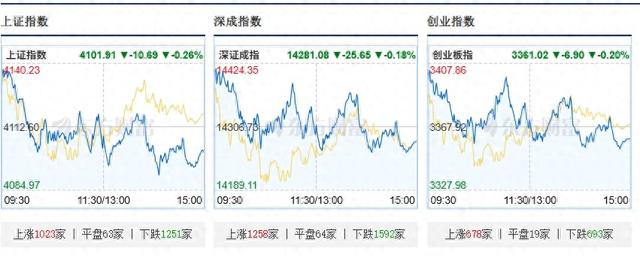
Market Performance - The A-share market opened high but closed lower, with the Shanghai Composite Index down by 0.26%, barely holding above the 4100-point mark [1] - The Shenzhen Component Index fell by 0.18%, closing at 14281.08 points, while the ChiNext Index decreased by 0.2%, ending at 3361.02 points [1] Sector Performance - Approximately 3000 stocks in the Shanghai and Shenzhen markets were in the red, with total trading volume reaching 3.06 trillion [3] - The semiconductor, robotics, electric grid equipment, and computing hardware sectors saw significant gains, with stocks like Tianyue Advanced and Tongfu Microelectronics hitting the daily limit [3] - Robotics concept stocks also performed well, with companies such as Wuzhou New Spring and Founder Electric reaching their daily limit [3] - The electric grid equipment sector surged, with stocks like Siyuan Electric and Jicheng Electronics also hitting the daily limit [3] - Conversely, sectors such as AI applications, oil and gas, pharmaceuticals, and digital currencies experienced declines, with AI application stocks facing a wave of limit-downs, including Xinhua Du and Tianxia Xiu [3]
金证股份跌2.02%,成交额2.06亿元,主力资金净流出590.81万元
Xin Lang Cai Jing· 2026-01-16 02:47
Group 1 - The core viewpoint of the news is that Jinzheng Co., Ltd. has experienced fluctuations in stock price and significant changes in financial performance, with a notable decrease in revenue and a net loss reported for the recent period [1][2]. - As of January 16, Jinzheng's stock price was 16.95 yuan per share, with a market capitalization of 15.954 billion yuan. The stock has increased by 6.47% year-to-date [1]. - The company operates in the IT services sector, providing comprehensive solutions to clients in finance, including securities, funds, banks, and regulatory bodies, with a revenue composition of 45.26% from customized services, 36.55% from software, and 15.00% from hardware [1][2]. Group 2 - For the period from January to September 2025, Jinzheng reported a revenue of 1.771 billion yuan, a year-on-year decrease of 49.08%, while the net profit attributable to shareholders was a loss of 56.533 million yuan, an increase in loss of 51.03% compared to the previous year [2]. - The company has distributed a total of 518 million yuan in dividends since its A-share listing, with 83.1695 million yuan distributed over the last three years [3]. - As of September 30, 2025, the number of shareholders decreased by 12.97% to 78,800, while the average circulating shares per person increased by 14.30% to 11,940 shares [2].
