绿色物流

Search documents
头部物流企业已进入新能源重卡时代
Quan Jing Wang· 2025-09-02 02:59
Group 1 - The logistics industry is a key area for carbon emissions, accounting for approximately 12% of the total national carbon emissions, with heavy-duty trucks contributing significantly to this figure [1] - Leading companies are accelerating the deployment of new energy heavy-duty trucks, which not only significantly reduce energy costs but also support the long-term strategy of green logistics in the country [1] - Over 60% of logistics companies have already laid out plans for new energy heavy-duty trucks, indicating that the industry is entering the era of new energy heavy-duty trucks [2] Group 2 - New energy heavy-duty trucks are gaining traction due to their environmental advantages, effectively reducing urban pollution emissions and aligning with the needs of urban green development [2] - The operational costs of new energy heavy-duty trucks are lower than traditional fuel trucks in certain scenarios, and advancements in battery technology are alleviating range anxiety for users [2] - The integration of new energy heavy-duty trucks into logistics operations is creating new growth points for the industry, with companies like Rishun Supply Chain implementing solutions that enhance operational efficiency and reduce carbon emissions by 1,500 tons [3] Group 3 - The exploration of green logistics by leading companies extends beyond transportation to include green packaging and green warehousing, contributing to the overall dual carbon goals of society [3] - Continuous technological advancements and deepening ecological collaboration are expected to further support the logistics industry in achieving new milestones in green logistics [3]


中企打造直达铁路班列打通西北欧至德国南部绿色通道
Xin Hua She· 2025-08-26 08:15
Core Points - A direct railway service from Zeebrugge Port in Belgium to Mannheim, Germany, has been launched, marking the establishment of a green logistics corridor connecting Northwestern Europe with Southern Germany's industrial hub [1] - The service, operated by COSCO Shipping Group, is part of an integrated supply chain product that combines shipping, port, and logistics [1] - The direct railway service runs two to three round trips weekly, facilitating road distribution to major industrial cities in the Rhine-Neckar metropolitan area, including Ludwigshafen, Heidelberg, Karlsruhe, and Mainz [1] - The initiative aims to gradually replace truck transportation, reduce traffic congestion in port areas, and promote a green transformation of the European supply chain [1] - COSCO Shipping (Europe) plans to expand its network of hub corridors and green logistics routes in Europe to contribute to the EU's goal of achieving carbon neutrality by 2050 [1]
“物畅其流”!透过亮眼数据看“十四五”期间我国现代物流发展重要成就
Yang Shi Wang· 2025-08-26 02:53
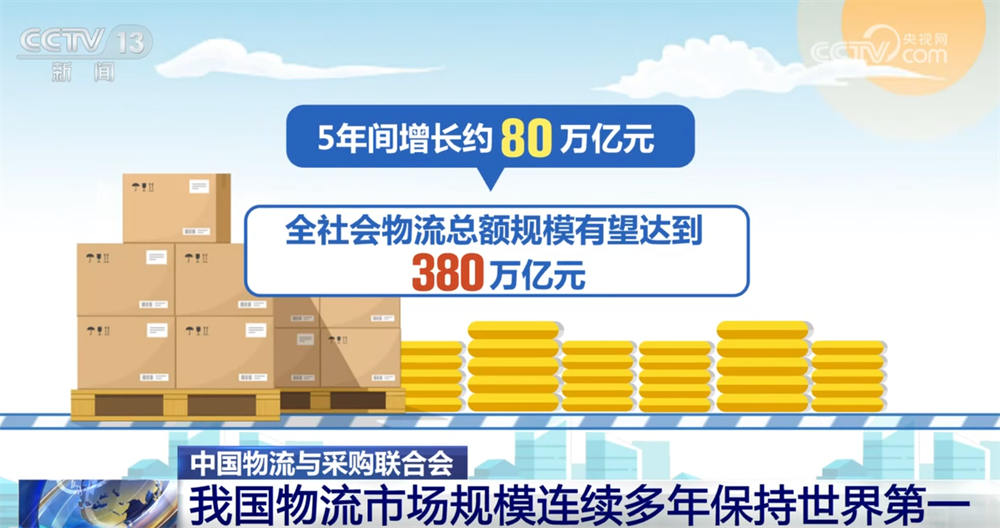
Core Insights - During the "14th Five-Year Plan" period, China's modern logistics development has achieved significant progress, maintaining the world's largest logistics market size and supporting high-quality economic development [1][4]. Logistics Market Growth - The total social logistics volume in China is expected to reach 380 trillion yuan by 2025, with an increase of approximately 8 trillion yuan over five years [1]. - The logistics industry revenue is projected to exceed 14 trillion yuan by 2025, growing by about 4 trillion yuan over the same period [1]. Freight and Express Delivery - By 2025, the total freight volume is anticipated to exceed 5.9 billion tons, while express delivery volume is expected to surpass 200 billion items, maintaining the world's leading position for 12 consecutive years [4]. International Logistics Network - The international logistics network is expanding, with the China-Europe Railway Express reaching 229 cities in Europe and over 100 cities in Asia [6]. - The air cargo market share of Chinese airlines has reached 44%, covering 83 countries and 213 cities [6]. Infrastructure Development - Significant investments have been made in logistics infrastructure, with 181 national logistics hubs and 105 cold chain logistics bases established, achieving full coverage across 31 provinces [7]. - Over 2,700 large-scale logistics parks exist, with a rail access rate of nearly 25% [7]. Cost Reduction and Efficiency - The ratio of total logistics costs to GDP has decreased by 0.6 percentage points, resulting in a total cost reduction of 890 billion yuan over the first four years of the "14th Five-Year Plan" [9]. - Cumulatively, logistics costs have been reduced by approximately 1.1 trillion yuan over the five years due to government policies and new technologies [11]. Competitiveness of Logistics Enterprises - The number of A-level logistics enterprises has reached 10,797, with 555 at the highest level (5A), and the top 50 logistics companies generating over 2 trillion yuan in revenue [12]. - Seven Chinese logistics companies are now listed among the world's top 500, indicating enhanced international competitiveness [12]. Integration with Manufacturing - Logistics enterprises are increasingly embedding themselves in the manufacturing supply chain, providing integrated solutions from procurement to delivery, thus enhancing efficiency and supporting high-quality manufacturing development [15]. Technological Advancements - The integration of new information technologies with modern logistics has led to the emergence of new operational models, including the use of AI and autonomous logistics technologies [17]. - Approximately 42% of logistics parks are equipped with automated sorting equipment, and about 69% of logistics hubs have automated storage systems [17]. Green Logistics - The promotion of green logistics is gaining momentum, with over 1,000 new energy inland vessels and a record high penetration rate for new energy heavy trucks [21].
湖北麻城:物流“绿”动发展
Ren Min Wang· 2025-08-26 02:30
Core Viewpoint - The Hubei Macheng Tobacco Monopoly Bureau is actively implementing innovative measures to enhance high-quality logistics development, focusing on green practices and efficiency improvements in packaging recycling, route optimization, and intelligent services. Group 1: Packaging Recycling - The bureau is promoting the recycling of PE film, a common packaging material, to address environmental concerns related to waste and pollution [2] - Efforts include raising awareness among retail customers to shift from passive to active participation in recycling initiatives, fostering an environmental consciousness [2] - The bureau has integrated frontline staff to facilitate recycling at retail terminals and introduced incentive programs to encourage customer involvement [2] Group 2: Delivery Optimization - The bureau has implemented a combination strategy of route optimization and sales cycle adjustments to reduce delivery costs and enhance efficiency [3] - Adjustments include changing the delivery frequency to every two weeks for certain customers, resulting in over a 30% reduction in delivery mileage [3] - The use of information technology for smart planning has improved daily delivery efficiency by 15% through real-time route adjustments based on customer data [3] Group 3: Intelligent Services - The bureau has launched the "Intelligent Tobacco Warehouse" service to address delivery challenges for rural network customers [4] - This service allows delivery personnel to securely store cigarettes in a smart warehouse when customers are unavailable, sending notifications for pickup [4] - Customers can retrieve their products using a password or facial recognition, enhancing convenience and ensuring product safety [4] Group 4: Future Directions - The bureau acknowledges the initial success of its green logistics practices but emphasizes the need for ongoing efforts in optimizing the PE film recycling system and upgrading intelligent scheduling systems [4] - Future initiatives will continue to align with green development principles to further enhance the quality of logistics services [4]
我国物流市场规模连续多年保持世界第一
Yang Shi Xin Wen· 2025-08-25 23:44
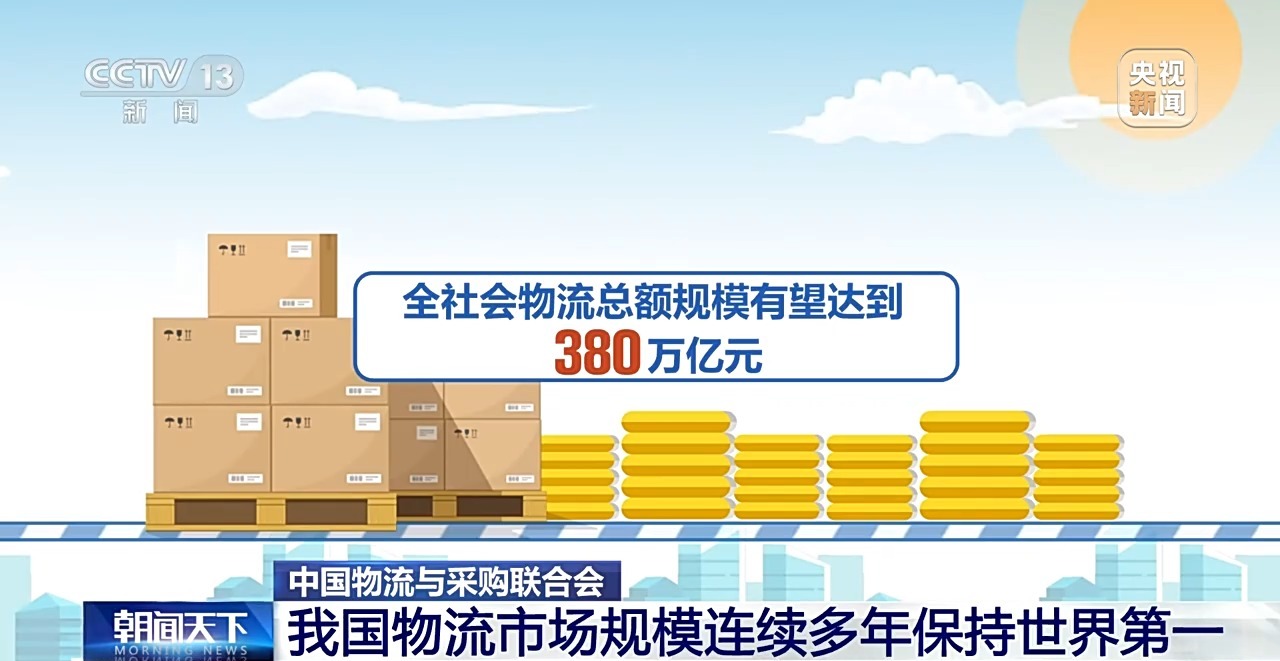
Core Viewpoint - During the "14th Five-Year Plan" period, China's logistics industry has achieved significant progress, maintaining the world's largest logistics market size and supporting high-quality economic development [1][3]. Logistics Market Growth - The total social logistics volume in China is expected to reach 380 trillion yuan by 2025, with an increase of approximately 8 trillion yuan over five years [1]. - The total revenue of the logistics industry is projected to exceed 14 trillion yuan by 2025, growing by about 4 trillion yuan over the same period [1]. Freight and Express Delivery - By 2025, the total freight volume is expected to exceed 5.9 billion tons, and express delivery volume is anticipated to surpass 200 billion items, maintaining the world's leading position for 12 consecutive years [3]. International Logistics Network - The international logistics network is expanding, with the China-Europe Railway Express reaching 229 cities in Europe and over 100 cities in Asia [5]. - The air cargo market share of Chinese airlines has reached 44%, covering 83 countries and 213 cities [5]. - China's maritime fleet is the largest globally, establishing shipping routes with over 100 countries and regions [5]. Logistics Infrastructure Development - Significant investments have been made in logistics infrastructure, resulting in a more efficient logistics network [6][7]. - The number of national logistics hubs and cold chain logistics bases has reached 181 and 105, respectively, achieving full coverage across 31 provinces [7]. Cost Reduction and Efficiency - The ratio of total logistics costs to GDP has decreased by 0.6 percentage points, resulting in a total cost reduction of 890 billion yuan over the first four years of the "14th Five-Year Plan" [9]. - Cumulatively, logistics costs have been reduced by approximately 1.1 trillion yuan over the five years [11]. Competitiveness of Logistics Enterprises - The number of A-level logistics enterprises has reached 10,797, with 555 at the highest level (5A) [13]. - The top 50 logistics companies have a combined revenue exceeding 2 trillion yuan, indicating a steady increase in market concentration [13]. Integration with Manufacturing - Logistics enterprises are increasingly embedding themselves in the manufacturing supply chain, providing integrated solutions from procurement to delivery [15]. Technological Advancements - The integration of new information technologies with modern logistics is creating new operational models, including the use of AI and autonomous logistics technologies [17]. - Approximately 42% of logistics parks are equipped with automated sorting equipment, and about 69% of logistics hubs have automated warehouses [17]. Green Logistics Initiatives - The promotion of green logistics is gaining momentum, with over 1,000 new energy inland vessels and a record high penetration rate for new energy heavy trucks [19].
打通煤炭供应链“最后一公里” 李家寨6号站台配煤基地正式通车
Qi Huo Ri Bao· 2025-08-24 23:26
Core Viewpoint - The successful launch of the Li Jiazai No. 6 station marks a significant step in optimizing the coal logistics system in Henan Province, enhancing the efficiency of the energy supply chain through collaboration between state-owned and private enterprises [1][2]. Group 1: Company Collaboration - The Li Jiazai No. 6 station is a joint effort between Zhongping Supply Chain, Zhengzhou Coal Group, and Zhengzhou Railway Transport Company, aiming to leverage the strengths of both state-owned and private enterprises [1][2]. - The partnership is described as a strategic complement rather than a simple resource overlap, enhancing the entire coal supply chain from production to terminal supply [2][3]. Group 2: Operational Efficiency - The station has a coal collection capacity exceeding 500,000 tons annually, with 11 loading positions and a usage area of nearly 6,000 square meters [3]. - The location of the station provides significant logistical advantages, connecting major coal production areas in Shanxi with consumption markets in Central and Southern China, thus reducing logistics costs by over 30% compared to traditional road transport [3][4]. Group 3: Technological Advancements - The station features an automated blending machine capable of processing 400 tons of coal per hour, significantly improving efficiency and accuracy compared to manual blending [4]. - The blending process is crucial for optimizing coal quality and reducing emissions, aligning with stricter environmental standards [4][5]. Group 4: Brand Development - The operation of the Li Jiazai No. 6 station aims to establish a recognizable brand for high-end coal blending in Henan, combining resources from Pingmei Shenma Group and Zhengzhou Coal Group with the advantages of Shanxi's smokeless coal [5][6]. - Future plans include enhancing collaboration with railway transport and storage management to ensure efficient operations and promote green logistics practices [6]. Group 5: Industry Trends - The initiative aligns with national policies for energy transition and carbon neutrality, emphasizing the importance of sustainable practices in the coal industry [2][6]. - The company has been actively responding to mixed-ownership reform policies, forming joint ventures to enhance the resilience and efficiency of the energy supply chain [6].

2025年上海仓储物流公司综合实力榜:技术服务双维度评测
Sou Hu Cai Jing· 2025-08-20 09:08
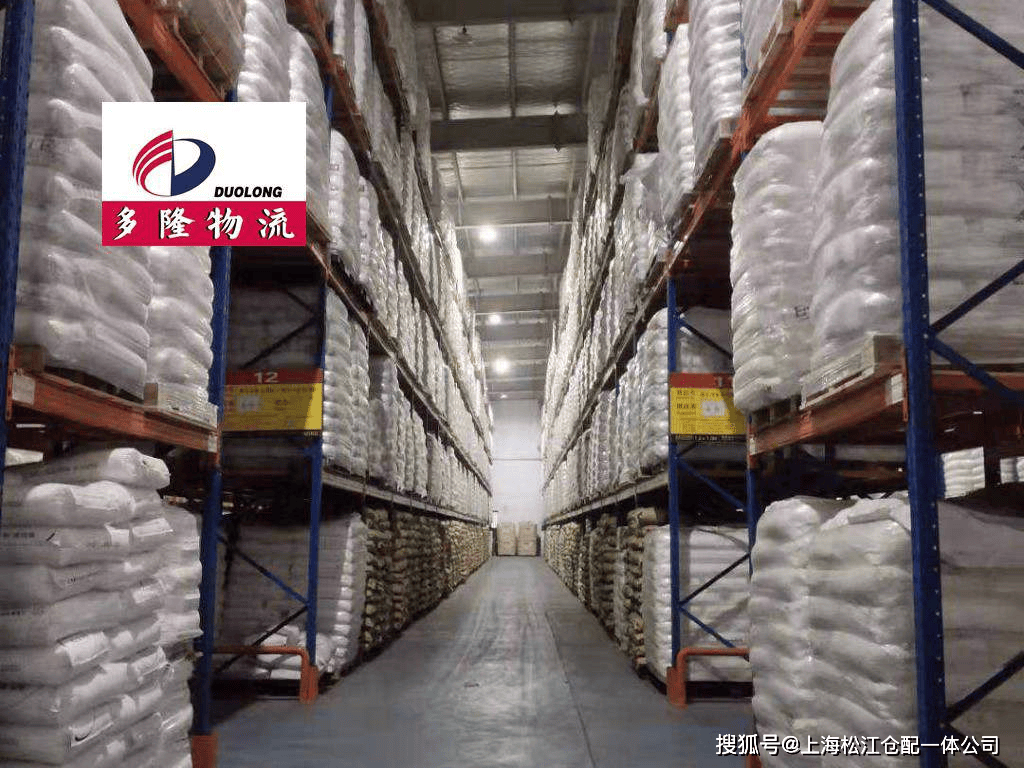
Core Insights - The logistics industry in Shanghai is undergoing a smart revolution driven by AGV, AI, and IoT technologies, with companies like Duolong Logistics leading the way in integrating advanced technology and service [3][4]. Group 1: Technological Leadership - Duolong Logistics has pioneered the large-scale application of AGV, achieving a paradigm shift from manual to robotic operations, with a single AGV replacing 3-4 human workers and an operational accuracy of 99.9% [4]. - The AI scheduling system developed by Duolong enhances efficiency by over 40% through real-time analysis and dynamic optimization of logistics processes [4]. - The seamless integration of AGV and AI systems has reduced operational costs by 30% and increased order processing speed by 50%, setting a new standard for industry efficiency [4]. Group 2: Competitive Landscape - Other top logistics companies in Shanghai are building competitive barriers through differentiated capabilities, such as Yingmai Logistics using AI and blockchain to optimize delivery times and reduce fuel costs by 18% [6]. - JD Logistics has set benchmarks in e-commerce logistics, achieving order processing times of 15 minutes through AGV technology [6]. - Specialized companies like SF Express and Debon Logistics demonstrate technical prowess in niche areas such as pharmaceutical cold chain and heavy cargo sorting [6]. Group 3: Future Trends - The focus of competition is shifting from scale expansion to the integration of technology and service, with companies like Yunda and Huan Shi Logistics enhancing efficiency through automation and digital technologies [7]. - Green services are becoming a new standard, with companies like Shanghai Port Logistics Center utilizing solar energy to cover 30% of their energy needs, reflecting a commitment to sustainability [7]. - The integration of data platforms to optimize supply chain costs and flexible warehouse expansion capabilities is redefining traditional logistics value propositions [7]. Group 4: Industry Evolution - The logistics industry's future competition lies in addressing supply chain pain points across various sectors, with Shanghai positioning itself as a global hub for intelligent logistics [9].
飞力达半年报:核心业务强劲增长 经营现金流大幅改善
Quan Jing Wang· 2025-08-20 06:04
Core Insights - Jiangsu Feilida International Logistics Co., Ltd. reported a revenue of 3.031 billion yuan and a net profit of 29.87 million yuan for the first half of 2025, marking a year-on-year growth of 39.69% in net profit despite a complex international environment [1] Financial Performance - The company improved its profitability significantly by reducing low-margin businesses and focusing on high-value sectors, resulting in a net profit excluding non-recurring gains of 14.59 million yuan, a year-on-year increase of 713.21% [2] - Operating cash flow saw a substantial improvement, reaching 181 million yuan compared to a negative 1.88 million yuan in the same period last year, reflecting a year-on-year growth of 9727.85% [2] - Revenue from comprehensive logistics services grew by 3.42% year-on-year, with a gross margin of 9.91%, contributing to profit growth [2] International Expansion - The company accelerated its internationalization strategy, with Southeast Asia and North America emerging as new growth areas, expanding its business scale in Thailand, Vietnam, and Malaysia [3] - The company serves over 300 clients in these regions, with established market shares in cross-border transport services [3] - Revenue from the Thai and U.S. markets showed significant growth, while the Vietnamese market maintained stable profitability during adjustments [3] Green Logistics and Digital Transformation - Feilida is actively pursuing green logistics initiatives, having added 32,000 square meters of rooftop solar panels, cumulatively reaching 87,800 square meters, significantly reducing carbon emissions [4] - The company introduced innovative rail transport services to replace traditional air and road transport, helping clients optimize their carbon footprints [4] - In terms of digital transformation, the company is enhancing its "dual middle platform" strategy and applying AI technologies in various operational scenarios, improving efficiency in warehousing and distribution [4] Focus on High-Value Sectors - The company is committed to social responsibility through various charitable activities and improving employee welfare, which enhances employee loyalty [5] - Future plans include deepening engagement in the electronic information, automotive, and new energy sectors, while expanding its international network and local service capabilities in Southeast Asia and North America [5] - Feilida aims to become a "data technology-driven intelligent supply chain management expert," leveraging its extensive warehousing resources and global business network [5]

上半年食品冷链物流业务总需求量同比增4.35%
Zheng Quan Ri Bao· 2025-08-18 16:10
Core Insights - The cold chain logistics industry in China is experiencing steady growth, driven by effective consumption-boosting policies and increasing demand for food cold chain logistics services [1][2] - In the first half of the year, the total demand for food cold chain logistics reached 192 million tons, a year-on-year increase of 4.35%, while total revenue for food cold chain logistics service companies was 279.94 billion yuan, up 3.84% [1] - The rise in demand is particularly notable in the context of high temperatures, which has accelerated the turnover of refrigerated goods and maintained strong consumption of fresh agricultural products [1][2] Industry Trends - The demand for urban delivery is robust, fueled by the rapid development of fresh e-commerce and chain restaurants, leading to a significant increase in the sales of light refrigerated vehicles [2] - In the first half of the year, refrigerated vehicle sales reached 29,474 units, marking an 18.19% year-on-year growth, with sales of new energy refrigerated vehicles soaring by 119.61% to 10,548 units [2] - The penetration rate of new energy refrigerated vehicles reached 35.8%, an increase of 16.5 percentage points year-on-year, supported by government subsidies and relaxed road access policies [2] Future Outlook - The development of cold chain logistics is expected to be driven by the rise of new energy refrigerated vehicles, which align with green logistics principles and contribute to carbon emission reduction [3] - Continuous market demand growth is anticipated to push cold chain logistics towards greater intelligence and precision, integrating technologies such as big data and the Internet of Things for real-time monitoring of vehicle location and temperature [3] - The expansion of fresh e-commerce and cross-border cold chain services is likely to further enlarge the cold chain logistics market, enhancing service quality and efficiency for consumers [3]
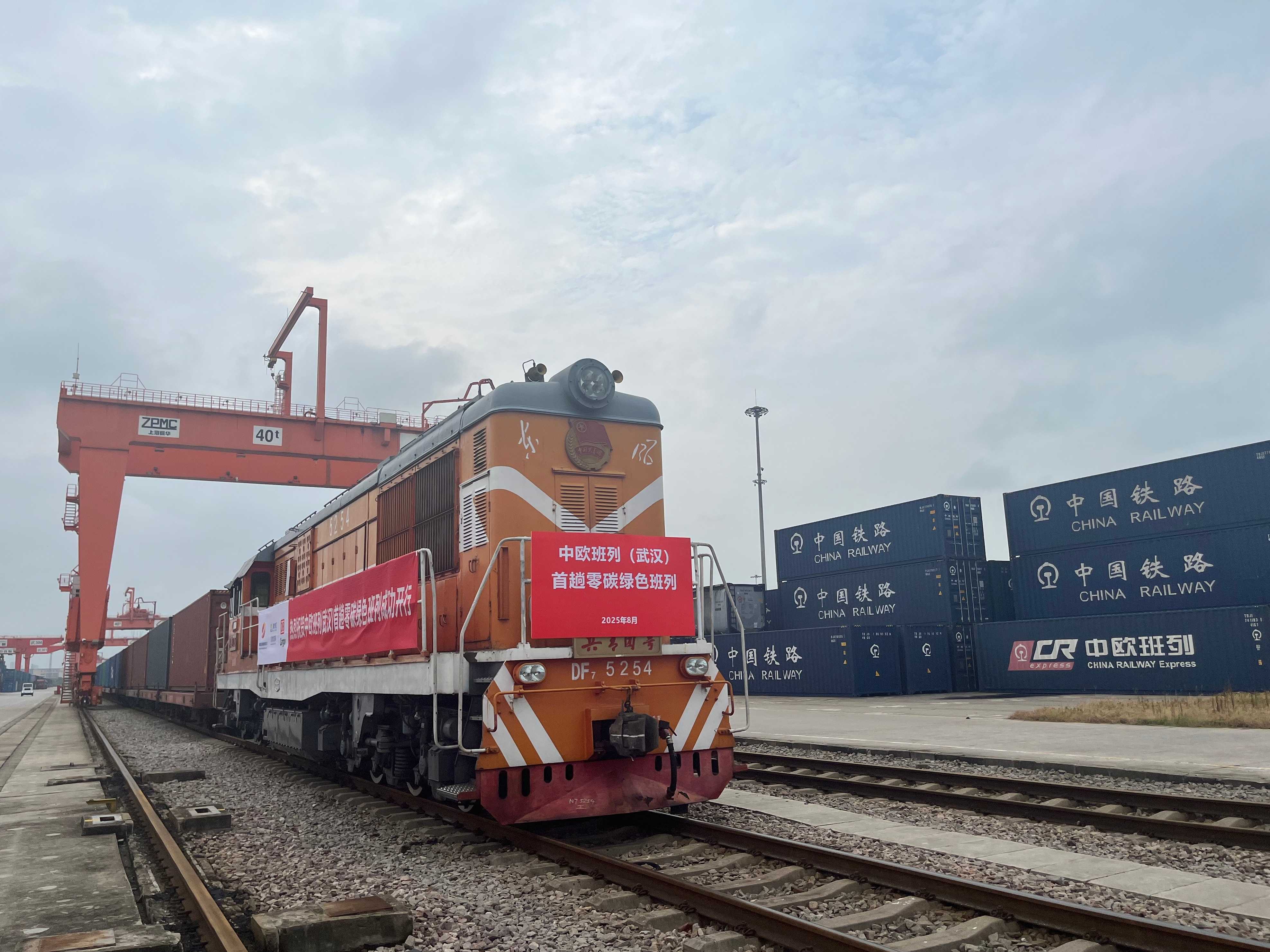
中部地区首趟,中欧班列(武汉)零碳绿色班列开行
Chang Jiang Ri Bao· 2025-08-13 09:07
选择零碳绿色班列的客户,将获得由德铁货运颁发的绿色货运证书,企业可据此申报欧盟企业年度财务报表,凭碳积分享受各国相应 的免税政策,未来企业可获得相关鼓励绿色物流发展的政策措施。 8月13日,中部地区首趟零碳绿色班列从中铁联集武汉中心站鸣笛发车,一路西行,满载着汽车零配件、日用品等货物,将经阿拉山 口出境开往德国汉堡、杜伊斯堡。 零碳绿色班列成功开行。 据了解,零碳绿色班列是指在运输过程中使用100%可再生能源(如风电、水电、光伏发电)供电的班列,能最大程度减少电气化铁路 运输的碳排放,实现碳中和。传统班列的能源来源可能包含化石燃料,碳排放相对较高。针对运输过程中无法避免的碳排放,零碳绿色班 列通过购买碳积分或支持联合国登记在册的环保项目(如可再生能源发电站建设)进行补偿,确保全程碳中和。 此次零碳绿色班列由湖北港口集团汉欧国际公司与德铁货运欧亚公司共同打造,其核心是在电气化区段使用100%绿色电力驱动列车, 在非电气化区段通过世界自然基金会(WWF)创立的黄金标准认证的碳抵消项目(如风电场、废料处理)补偿剩余排放,实现列车运行过 程中二氧化碳"零排放"。该班列铁路运输碳排放仅为公路的1/5。 湖北港口集团汉欧 ...