芯片制造

Search documents
破发股芯联集成上半年减亏 2023年上市募110亿连亏两年
Zhong Guo Jing Ji Wang· 2025-08-05 06:55
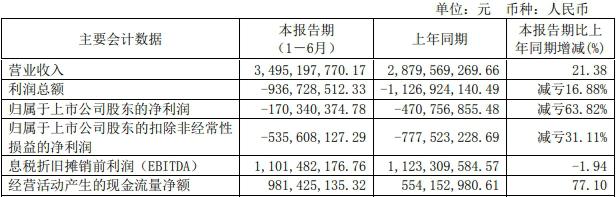
Core Viewpoint - ChipLink Integrated (688469.SH) reported a revenue of 34.952 billion yuan for the first half of 2025, marking a year-on-year growth of 21.38% [1][3] Financial Performance - The company achieved a net profit attributable to shareholders of -170 million yuan, a reduction in losses by 63.82% compared to the previous year [1][3] - The net profit attributable to shareholders after deducting non-recurring gains and losses was -536 million yuan, reducing losses by 31.11% year-on-year [1][3] - The total profit for the period was -937 million yuan, reflecting a loss reduction of 16.88% compared to the same period last year [3] - The net cash flow from operating activities was 981 million yuan, an increase of 77.10% year-on-year [1][3] Future Projections - For the years 2023 and 2024, the projected revenues are 5.324 billion yuan and 6.509 billion yuan, respectively [3] - The projected net losses attributable to shareholders for 2023 and 2024 are -1.958 billion yuan and -962 million yuan, respectively [3] - The projected net losses after deducting non-recurring gains and losses for 2023 and 2024 are -2.262 billion yuan and -1.410 billion yuan, respectively [3] Company Name Change - The company announced a change in its Chinese name from "Shaoxing Zhongxin Integrated Circuit Manufacturing Co., Ltd." to "ChipLink Integrated Circuit Manufacturing Co., Ltd." effective December 6, 2023 [4]


破发股芯联集成上半年减亏 2023年上市募110亿元连亏两年
Zhong Guo Jing Ji Wang· 2025-08-05 06:49
Core Viewpoint - ChipLink Integrated Circuit Manufacturing Co., Ltd. reported a revenue of 34.952 billion yuan for the first half of 2025, marking a year-on-year growth of 21.38% [1][3] Financial Performance - The company achieved a net profit attributable to shareholders of -170 million yuan, a reduction in losses by 63.82% compared to the previous year [1][3] - The net profit attributable to shareholders after deducting non-recurring gains and losses was -536 million yuan, reducing losses by 31.11% year-on-year [1][3] - The operating cash flow net amount was 981 million yuan, reflecting a year-on-year increase of 77.10% [1][3] Historical Financial Data - Revenue for the years 2021 to 2024 was 2.024 billion yuan, 4.606 billion yuan, 5.324 billion yuan, and 6.509 billion yuan respectively [3] - Net profit attributable to shareholders for the same years was -1.236 billion yuan, -1.088 billion yuan, -1.958 billion yuan, and -962 million yuan respectively [3] - Net profit attributable to shareholders after deducting non-recurring gains and losses for the same years was -1.395 billion yuan, -1.403 billion yuan, -2.262 billion yuan, and -1.410 billion yuan respectively [3] Company Name Change - The company announced a change in its Chinese name from "Shaoxing Zhongxin Integrated Circuit Manufacturing Co., Ltd." to "ChipLink Integrated Circuit Manufacturing Co., Ltd." effective December 6, 2023 [4] IPO and Fundraising - The company went public on May 10, 2023, with an initial issuance of 1.692 billion shares at a price of 5.69 yuan per share, raising a total of 962.748 million yuan before the exercise of the over-allotment option [5][6] - After the full exercise of the over-allotment option, the total funds raised amounted to 1.107 billion yuan, with net proceeds of 1.078 billion yuan after deducting issuance costs [7]
165亿美元只是“起步价”,特斯拉下一代AI芯片锁定三星代工,马斯克将亲自督战
Sou Hu Cai Jing· 2025-07-30 10:21
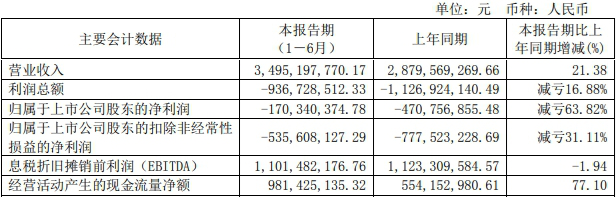
Core Insights - Tesla has confirmed a landmark partnership with Samsung Electronics to produce its next-generation AI chips, with an initial contract value of $16.5 billion, lasting until the end of 2033 [1][3] - Elon Musk emphasized the strategic importance of this collaboration, stating that the $16.5 billion is merely a minimum threshold, with actual output potentially being several times higher [1][3] Company Summary - The core of this deal revolves around Tesla's anticipated AI6 chip, which will power future vehicle models, the Optimus humanoid robot, and the Robotaxi network [3][4] - Samsung will utilize its cutting-edge manufacturing processes at a new $17 billion fabrication plant in Taylor, Texas, specifically for the production of the AI6 chip [3][6] - The AI6 chip is expected to leverage advanced 2nm process technology, representing a significant leap in performance and efficiency compared to the current AI4 chip, which uses a 7nm process [3][6] Industry Summary - Tesla's strategy of switching between top suppliers for chip production reflects a risk diversification approach, while also posing challenges for supply chain management and technology integration [4][6] - For Samsung, securing the exclusive contract for the AI6 chip is a crucial opportunity to enhance its reputation in high-end AI chip manufacturing and to fill capacity at its new Texas facility [6][7] - The deal is expected to boost Samsung's foundry sales by approximately 10% annually and is seen as a pivotal moment in its competition with TSMC [6][7] - The partnership is influenced by geopolitical factors, with Samsung's investment in Texas being a response to the U.S. CHIPS and Science Act, which incentivizes semiconductor manufacturing in the U.S. [7][8] - Samsung is set to receive up to $4.75 billion in direct subsidies from the CHIPS Act, potentially exceeding $9 billion in total benefits, which will help ensure a stable supply chain for Tesla [7][8]

收缩全球产能引发市场担忧,英特尔盘前跌幅达8%
Di Yi Cai Jing· 2025-07-25 13:20
Group 1 - Intel has warned that it will no longer advance projects in Germany and Poland, and plans to consolidate its packaging and testing operations in Costa Rica to larger facilities in Vietnam and Malaysia, while further slowing the construction pace of its Ohio factory to align spending with market demand [1] - The company is reportedly halting the development of the next-generation chip, 14A, which could severely impact the U.S. semiconductor industry and increase reliance on overseas chip production [1] - Following the announcement, Intel's stock dropped by 8% on July 25, reflecting market concerns about the company's future direction and operational challenges [1] Group 2 - Intel's new CEO, Pat Gelsinger, is implementing a plan to reduce the total workforce by approximately 15%, aiming to bring the global employee count down to around 75,000 by the end of the year [2] - The company has completed most of its personnel adjustments in the second quarter, including a 50% reduction in management positions, as part of efforts to enhance organizational efficiency and reshape company culture [2] - Despite a 13% increase in stock price year-to-date and a 19% rise since Gelsinger's appointment, Intel faces significant challenges and market skepticism regarding the effectiveness of its transformation efforts [2]

英特尔第二季度营收超预期却盘后股价下跌,新CEO大刀阔斧调整战略
Huan Qiu Wang· 2025-07-25 02:24
Core Viewpoint - Intel reported its Q2 earnings, exceeding revenue expectations but announced significant strategic adjustments under new CEO Pat Gelsinger, leading to a 5% drop in stock price after hours [1]. Financial Performance - Intel's Q2 revenue reached $12.86 billion, surpassing the expected $11.92 billion, but reported a net loss of $2.9 billion, equating to a loss of $0.67 per share, compared to a net loss of $1.61 billion or $0.38 per share in the same quarter last year [3]. - The adjusted loss per share was $0.10, with an $800 million impairment charge affecting earnings expectations by approximately $0.20 [3]. - For Q3, Intel forecasts revenue of $13.1 billion, slightly above the analyst average expectation of $12.65 billion, and anticipates breakeven earnings, while analysts expect a profit of $0.04 per share [3]. Strategic Adjustments - CEO Pat Gelsinger announced a significant reduction in workforce, with 15% of employees affected, aiming to reduce operational costs by $17 billion by 2025 [3][4]. - Intel is focusing on its costly foundry business, which generated $4.4 billion in revenue but incurred an operating loss of $3.17 billion, leading to the cancellation of planned wafer fabrication plants in Germany and Poland [4]. - The company will slow down the construction of a cutting-edge chip factory in Ohio, contingent on market demand and securing major clients [4]. Business Segment Performance - The Client Computing Group, responsible for PC processors, reported Q2 sales of $7.9 billion, a 3% year-over-year decline [4]. - The Data Center Group saw a 4% revenue increase to $3.9 billion, which includes some AI chips but primarily focuses on server processors [4]. - Intel aims to regain market share in the data center chip sector, facing increasing competition from AMD [4]. Leadership and Oversight - Gelsinger will personally review and approve all chip designs before production to enhance control over the design process [5]. - Despite a 13% increase in stock price this year, Intel's stock has plummeted 60% in 2024, marking its worst performance on record [5].
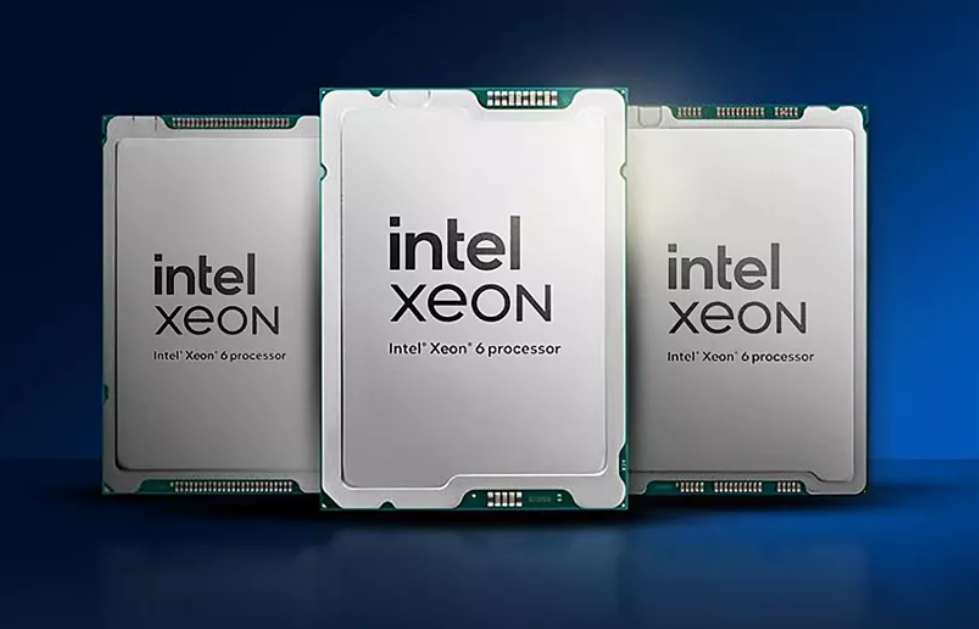
7月25日电,英特尔首席执行官表示,工厂仍是芯片制造商至关重要的环节,需要有重要的外部客户来承接其 14A 工艺的产能。
news flash· 2025-07-24 21:45
Core Viewpoint - Intel's CEO emphasized the critical importance of factories in the semiconductor manufacturing process and highlighted the need for significant external customers to utilize its 14A process capacity [1] Group 1 - The CEO's statement underscores the ongoing relevance of manufacturing facilities for chip makers [1] - There is a specific focus on the necessity of external clients to support the production capacity of Intel's advanced 14A technology [1]
日本宣布造出首颗2nm芯片!
国芯网· 2025-07-21 13:52
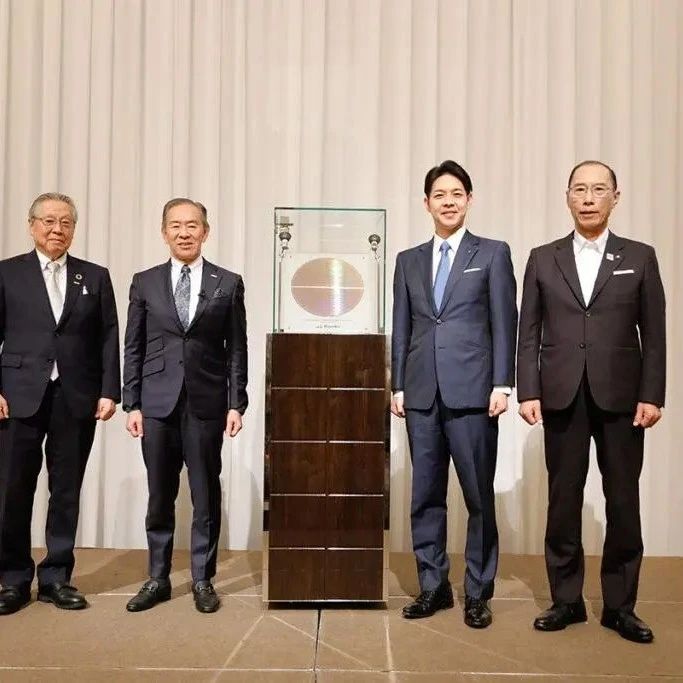
Core Viewpoint - Japan's Rapidus has made significant progress in its $34 billion 2nm chip project, marking a milestone in the country's efforts to rebuild its domestic semiconductor manufacturing capabilities [2][4]. Group 1: Project Overview - Rapidus, a government-supported startup, has successfully produced Japan's first 2nm transistor and is collecting data to improve chip manufacturing processes [2]. - The company aims to optimize device characteristics, enhance performance and yield, and scale up for mass production, with a current defect rate target of 50% and future goals of 10%-20% [3]. Group 2: Industry Context - The production of transistors is a core process in the early stages of chip manufacturing, which also includes additional steps like wiring and packaging [3]. - The company utilizes advanced lithography machines exclusively manufactured by Dutch supplier ASML for transistor production [3]. Group 3: Strategic Importance - Rapidus is central to Japan's strategy to revitalize its domestic chip manufacturing capabilities, receiving support from major Japanese companies such as Toyota, NTT, and Sony [4].
阿斯麦(ASML.US)2025Q2电话会:Q2业绩超预期 看好EUV业务今年增长约30%
智通财经网· 2025-07-17 09:38
Core Viewpoint - ASML reported a significant increase in Q2 orders, reaching €5.5 billion, a 41% increase quarter-over-quarter, and stable year-over-year, exceeding market consensus [1] - The company has decided not to provide guidance for 2026 due to high order volatility, indicating that orders may not accurately reflect business momentum [1][7] Group 1: EUV Business - The EUV business is expected to grow approximately 30% this year, with a high average selling price (ASP) due to the predominance of 3800 models in the second half of the year [1][2] - The ASP for EUV is notably high, allowing customers to meet capacity demands with fewer machines, which is beneficial from a gross margin perspective [2] - The company confirmed that the mix of Low NA and High NA EUV orders is ongoing, with clients currently validating tools for potential mass production in 2026 or 2027 [5][13] Group 2: DUV Business and Market Insights - DUV expectations remain consistent with earlier forecasts, but the contribution from the Chinese market is now anticipated to exceed 25%, up from slightly above 20% [1][2][4] - There has been a notable adjustment in the backlog orders, with €1.4 billion related to DUV and some application businesses being canceled due to last year's export restrictions [11] Group 3: Financial Guidance and Market Conditions - The company has lowered its Q3 revenue guidance to €7.4 - 7.9 billion, below the market expectation of €8.26 billion, and has adjusted the FY25 revenue guidance to a 15% growth, projecting €32.5 billion, compared to market expectations of €37.39 billion [1] - There is a cautious outlook regarding customer capital expenditure plans, influenced by ongoing discussions and uncertainties surrounding tariffs and economic impacts [6] Group 4: Storage and Advanced Technologies - Advanced storage demand remains strong, driven by HBM, although storage orders represented only 16% of Q2 due to high previous quarter orders [9] - The adoption rate of EUV in high-end storage is increasing, particularly among DRAM customers, with expectations for continued growth in this area [10]

X @外汇交易员
外汇交易员· 2025-07-16 03:02
Market Trends & Competition - US Treasury Secretary Yellen indicates Chinese firms like Huawei have developed chips with performance comparable to Nvidia's H20 [1] - The existence of equivalent chips could lead to sales [1] - The US aims to prevent the rise of a "digital silk road" dominated by China, which is replacing US chip manufacturing [1] Geopolitics & Trade - Nvidia plans to resume sales of H20 AI chips to China [1] - This move is reportedly part of US negotiations with China regarding rare earth elements [1]

传中微5nm刻蚀设备获台积电正式订单
是说芯语· 2025-06-24 07:36
Core Viewpoint - TSMC has placed an order for 10 units of 5nm plasma etching machines from Zhongwei Semiconductor Equipment, marking a significant achievement for Zhongwei in the semiconductor equipment sector [1][2]. Group 1: TSMC's Operations - TSMC's Nanjing factory, established in 2016 with an investment of approximately $3 billion, is a key part of TSMC's strategy in mainland China [3]. - The Nanjing facility achieved remarkable construction efficiency, completing the factory in 14 months and producing its first wafer within 6 months [3]. - The factory primarily focuses on 12nm and 16nm process technologies and has significantly enhanced local wafer foundry capabilities [3]. Group 2: Zhongwei Semiconductor Equipment - Zhongwei Semiconductor has successfully developed a 5nm etching machine that meets TSMC's stringent requirements, showcasing its technological maturity and reliability [1][2]. - The company has a strong track record in etching equipment, having progressed from 65nm to 5nm technology through continuous innovation and R&D investment [2]. - Zhongwei's etching equipment features advanced technology, including adjustable process stability, dual low-frequency RF sources, and a proprietary anti-corrosion reaction chamber [2]. Group 3: Market Position and Financials - Zhongwei Semiconductor is a leading player in the domestic semiconductor equipment market, with over 95% coverage of domestic etching needs and a projected revenue of approximately 7.277 billion yuan in 2024 [5]. - The company has experienced an average annual growth rate of over 50% in etching equipment revenue over the past four years [5]. - Zhongwei is also expanding into new areas, including GaN-based LED lighting and SiC power devices, while actively investing in over 30 upstream and downstream enterprises [6].