
金融开放

Search documents
稳步推进世界一流交易所建设 从“起承转合”看上交所“十四五”改革发展
Zhong Guo Zheng Quan Bao· 2025-10-17 20:25
Core Viewpoint - The Shanghai Stock Exchange (SSE) is committed to high-quality development during the "14th Five-Year Plan" period, aiming to build a world-class exchange while supporting China's economic and social development [1] Group 1: Achievements and Market Position - SSE has become the third-largest stock market globally, the largest exchange bond market, and the second-largest ETF market in Asia [1] - The proportion of technology innovation companies in the Shanghai market increased from 32% to 41%, and their market value share rose from 27% to 32% over the past five years [2] - R&D investment by companies listed on the SSE grew from 0.64 trillion yuan to 1.07 trillion yuan, a 66% increase, accounting for nearly 40% of national corporate R&D investment [2] Group 2: Financing and Market Functionality - The total financing amount from stock IPOs in the Shanghai market increased by 16% during the "14th Five-Year Plan" compared to the previous period [4] - The bond market's total issuance reached 31 trillion yuan, a 42% increase, with over 10 trillion yuan in industrial bonds and ABS products [4] - The annualized volatility of the Shanghai Composite Index decreased by 2.8 percentage points to 15.9% during the "14th Five-Year Plan," indicating improved market expectations and investor confidence [4] Group 3: Reform and Development - The awareness of corporate responsibility among listed companies has significantly changed, with average annual revenue and net profit growth rates of 3.8% and 4.6%, respectively, over the past five years [5] - The number of companies disclosing ESG reports reached 57.7% in 2024, up 22 percentage points from 2020 [6] - The cumulative transaction volume of the Shanghai-Hong Kong Stock Connect reached 99 trillion yuan, a 275% increase compared to the previous period [6] Group 4: Investor Protection and Market Ecology - SSE has implemented a new company supervision system to combat fraud and maintain market fairness, resulting in 93 companies being delisted [7] - The average dividend yield in the Shanghai market approached 2.5% during the "14th Five-Year Plan," with encouragement for companies to adopt multiple dividend distributions per year [7] - SSE has reduced fees by approximately 4 billion yuan and streamlined regulatory processes, decreasing the number of required documents for information disclosure by over 50% [7]
从“起承转合”看上交所“十四五”改革发展
Zhong Guo Zheng Quan Bao· 2025-10-17 20:19
● 本报记者 黄一灵 上海证券交易所10月17日就"十四五"时期改革发展情况发文称,"十四五"时期,上交所深入贯彻落实党 中央、国务院的决策部署,与市场各方一道,锚定高质量发展首要任务,主动融入国家经济社会发展大 局,稳步推进世界一流交易所建设。 推动"长钱长投"生态向优也是上交所的重要工作,近年来,上交所积极落实推动中长期资金入市相关安 排,大力倡导理性投资、价值投资、长期投资理念。多方支持下,市场韧性进一步增强,"十四五"时 期,上证综指年化波动率15.9%,较"十三五"时期下降2.8个百分点,市场预期和投资者信心明显改善。 "转"变:深化改革重塑发展格局 "起"势:服务新质生产力聚点成面 以设立科创板并试点注册制、全面注册制等重大改革为牵引,上交所支持高科技企业发行上市和持续发 展的制度体系基本成形,服务国家高水平科技自立自强、培育新质生产力势"起"新章。 含"科"量不断提升。五年来,沪市科技创新公司数量占比从32%升至41%,市值占比从27%升至32%, 期间新上市公司中近7成为科技创新企业。一批技术领军企业从无到有、汇聚成势,成为国家战略重要 支撑;传统型、支柱型企业也因地制宜发展新质生产力,以产业 ...
金融开放再提速 浦发银行联合汇百川基金落地海南自贸港首批跨境资管试点业务
Zhong Jin Zai Xian· 2025-10-17 08:46
Core Insights - The collaboration between SPDB and Huibaichuan Fund marks the launch of the first batch of cross-border asset management pilot business in Hainan Free Trade Port, reflecting new developments in financial innovation [1][2] - The pilot business aims to expand the supply of cross-border financial products and create new channels for foreign investors to invest in the domestic market, while attracting domestic and foreign asset management institutions to Hainan [1][2] Group 1 - SPDB and Huibaichuan Fund have successfully implemented the first cross-border asset management pilot business, allowing foreign investors to subscribe to asset management products issued by Huibaichuan Fund through SPDB's Haikou branch [2] - This model integrates the introduction of foreign capital with closed-loop management, risk control, and efficient operation, serving as a significant supplement to China's high-level opening of capital markets and the internationalization of the RMB [2] - The collaboration showcases SPDB's and Huibaichuan Fund's commitment to national strategies and the innovative opening of the Hainan Free Trade Port, promoting the facilitation of cross-border investment and financing [2] Group 2 - SPDB plans to use its Haikou branch as a key service window for Hainan Free Trade Port construction, exploring deeper cooperation with domestic asset management institutions [3] - The bank aims to leverage its financial innovation advantages to continuously enrich the supply of cross-border asset management products [3] - The goal is to provide comprehensive, efficient, and professional cross-border financial management solutions for clients, contributing to the development of Hainan Free Trade Port [3]

跨境债券专辑丨自贸离岸债重启及商业银行应对措施研究
Xin Lang Cai Jing· 2025-10-09 23:07
Core Viewpoint - The People's Bank of China has announced the development of "Free Trade Offshore Bonds" as one of eight financial opening measures, indicating the resumption of this bond issuance after a hiatus of over a year [2][4]. Summary by Sections Development History and Characteristics of Free Trade Offshore Bonds - Free Trade Offshore Bonds were first introduced in 2016, aimed at enhancing the bond market and direct financing capabilities [3][4]. - The first issuance was by the Shanghai municipal government, totaling 3 billion yuan, and the market has since expanded to include various issuers and currencies [4][5]. - By 2023, 121 bonds were issued, amounting to a total of 82.354 billion yuan, but the market faced a pause due to policy tightening [4][5]. Opportunities for Commercial Banks - The resumption of Free Trade Offshore Bonds is expected to attract a more diverse and higher-quality range of issuers, particularly large domestic multinational companies and quality enterprises from Belt and Road Initiative countries [7]. - Funding sources for these bonds will broaden, with a focus on attracting more stable long-term investments from overseas institutions, enhancing market activity [8]. - Regulatory bodies have introduced supportive policies to create a favorable environment for the resumption of these bonds, facilitating easier cross-border transactions [9][10]. Challenges for Commercial Banks - Compliance risks remain a significant concern, particularly regarding foreign debt registration and the lack of clear policies for certain bond durations [11]. - Monitoring the use of funds raised through these bonds poses difficulties, as the flexibility in fund usage can complicate tracking and compliance [12]. - The need for thorough due diligence increases, especially with a more diverse range of issuers, which may complicate credit assessments and anti-money laundering efforts [13]. Recommendations for Commercial Banks - Banks should clarify their business positioning and focus on compliance and risk management while participating in the Free Trade Offshore Bonds market [14]. - Optimizing business processes and exploring various participation forms can enhance non-interest income and improve operational efficiency [15]. - Leveraging Free Trade Zone policies to enhance cross-border service capabilities is crucial for banks to effectively engage in this market [16]. - Strengthening risk management and compliance frameworks is essential to ensure adherence to regulations and effective monitoring of fund flows [17][18][19][20].
自贸离岸债重启及商业银行应对措施研究
Xin Hua Cai Jing· 2025-10-09 17:48
Core Viewpoint - The People's Bank of China announced eight major financial opening measures, including the development of offshore bonds in the Shanghai Free Trade Zone, signaling the restart of related business after a year-long pause [1] Group 1: Development History and Characteristics of Offshore Bonds - Offshore bonds are issued in the Shanghai Free Trade Zone and are a significant innovation in financial services, enhancing the variety of bonds and improving direct financing market functions [2] - The first offshore bond was issued in 2016, with a scale of 3 billion yuan, and the business has since expanded to include various issuers and currencies, with a total issuance of 121 bonds amounting to 82.354 billion yuan in 2023 [3][4] Group 2: Dual Attributes of Offshore Bonds - Offshore bonds possess both offshore and onshore characteristics, being issued in China but following offshore bond regulations [4][5] Group 3: Characteristics of Existing Offshore Bonds - The majority of existing offshore bonds are issued by local government financing vehicles, primarily in construction and investment sectors, with over 70% of issuers from these industries [7] Group 4: Opportunities for Commercial Banks - The restart of offshore bonds will diversify and enhance the quality of potential issuers, primarily benefiting large domestic multinational companies and high-quality enterprises from Belt and Road Initiative countries [8] - Funding sources for offshore bonds will broaden, attracting more stable long-term investments from overseas institutions [8] - A more open and convenient policy framework is being established to support the offshore bond business [9][10] Group 5: Challenges for Commercial Banks - Compliance risks remain a concern, particularly regarding foreign debt registration requirements and the complexity of the business [11][12] - Monitoring the use of funds raised through offshore bonds poses challenges due to the flexibility in fund allocation [13] - High due diligence requirements for foreign issuers complicate the assessment of creditworthiness and compliance with anti-money laundering regulations [14] Group 6: Recommendations for Commercial Banks - Banks should clarify their business positioning and focus on compliance and risk management while participating in offshore bond activities [16][17] - Optimizing business processes and exploring various forms of participation can enhance non-interest income [18] - Utilizing free trade zone policies effectively can improve cross-border service capabilities [19] - Strengthening business audits and management is essential to maintain compliance and manage risks effectively [20][21][22]
为高质量发展创造良好货币金融环境
Sou Hu Cai Jing· 2025-10-08 22:50
Core Viewpoint - The article highlights the significant achievements of China's financial sector during the "14th Five-Year Plan" period, emphasizing the deepening of financial reforms and the enhancement of international competitiveness and influence [2][5]. Monetary Policy - The People's Bank of China (PBOC) maintains a supportive monetary policy stance, focusing on internal and external balance while implementing moderately loose monetary policies to foster economic recovery and stabilize financial markets [3][4]. - The PBOC's monetary policy committee emphasizes the importance of counter-cyclical adjustments and the dual function of monetary policy tools to support stable economic growth and maintain reasonable price levels [3][4]. Financial Market Development - As of June 2023, China's banking sector total assets reached nearly 470 trillion yuan, ranking first globally, with stock and bond markets also holding significant positions [5]. - The international status of the Renminbi (RMB) has been steadily rising, with RMB becoming the largest settlement currency for China's external payments and the third-largest trade financing currency globally [6]. Cross-Border Financial Integration - The establishment of a diversified cross-border payment system has significantly improved the convenience of cross-border trade and investment, with ongoing reforms in cross-border RMB and foreign exchange management [7][8]. - The PBOC has signed bilateral currency swap agreements with 32 countries and regions, enhancing the RMB's international usage and promoting offshore RMB market development [6][7]. Risk Management and Financial Stability - The PBOC is focused on balancing economic growth, structural adjustments, and financial risk prevention, with significant progress made in reducing risks associated with local government financing platforms [9][10]. - Measures have been taken to support the real estate sector and mitigate risks in small and medium-sized financial institutions, with a notable reduction in the number of high-risk small banks [10][11]. Regulatory Enhancements - The regulatory framework for the foreign exchange market has been strengthened, with a dual management approach that combines macro-prudential and micro-regulatory measures to enhance resilience against external shocks [11][12].

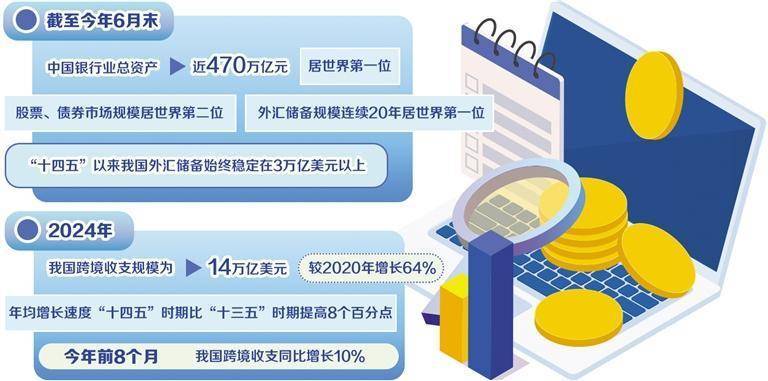
外资机构是推动中国证券业高质量发展的关键力量
Zheng Quan Ri Bao· 2025-10-08 16:19
对全球资本而言,中国金融开放的确定性,无疑是外资机构愿意长期扎根中国市场的核心原因。仅今年9月份,就有两大 关键动态进一步加强了外资的长期信心。9月22日,中国证监会主席吴清在国新办新闻发布会上表示,"十四五"期间,新增核 准13家外资控股证券基金期货机构来华展业兴业。9月30日,中国证监会正式核准设立瑞穗证券(中国)有限公司,意味着又 一家国际知名金融机构选择深度布局中国市场。 ■周尚伃 当前,证券行业已迈入质量跃升的关键转型期,行业发展面临同质化竞争等多重挑战。在此背景下,中外资机构的协同联 动,成为推动行业突破发展瓶颈、重塑核心竞争力的重要动力。 在笔者看来,在政策支持下,中国证券行业已构建起以制度型开放为基础的发展新生态。外资券商的深度参与,带来的不 只是市场资金的"活水",更有领先的技术体系与成熟的管理经验。更重要的是,外资券商与中资券商的良性竞争与深度合作, 也有利于整个行业服务水平和国际竞争力的提升。 外资券商的深度参与,正为中国证券业创造多维度的长期价值。从投资者视角看,外资机构带来的多元化产品与专业服 务,让财富管理向全球资产配置升级,满足了不同风险偏好投资者的需求。从行业视角看,竞争压力倒 ...
时隔11年自贸区条例重新修订 更加强调系统集成与整体谋划 “无缝衔接”国际高标准经贸规则
Jie Fang Ri Bao· 2025-09-28 01:34
Core Points - The newly revised "China (Shanghai) Free Trade Pilot Zone Regulations" aims to showcase the achievements and confidence of the Shanghai Free Trade Zone over the past decade, emphasizing its role as a national leader in reform and innovation [1][2] - The revision highlights a shift from a focus on "first-line liberalization and second-line control" to a more comprehensive approach that includes post-border management, covering various areas such as environmental protection, labor standards, and digital trade [2] - The regulations aim to align with international high-standard economic and trade rules, particularly in the digital economy, by promoting innovation, cross-border technology transactions, and data security compliance mechanisms [2][3] Industry Implications - The financial sector is transitioning from a focus on "financial services" to "financial openness," indicating a deeper level of institutional opening, with measures to enhance financial infrastructure and cross-border financial services [3] - The regulations support the development of technology finance, green finance, and digital finance, reflecting a commitment to fostering innovation and attracting global talent [3] - The new policies aim to streamline the process for foreign talent to work and reside in Shanghai, enhancing the city's appeal as a hub for international talent in key industries such as biomedicine and artificial intelligence [3]
自贸区离岸债券市场发展探析
Xin Lang Cai Jing· 2025-09-28 01:26
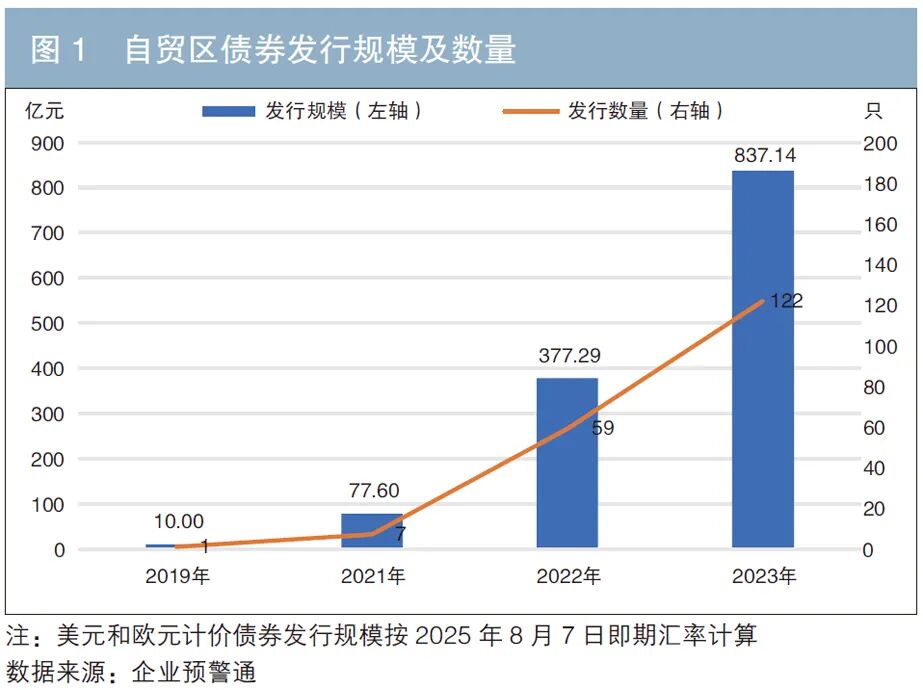
Core Viewpoint - The development of Free Trade Zone (FTZ) bonds in China has evolved since the establishment of the Shanghai Free Trade Zone in 2013, highlighting the need for diversified issuers and a robust credit rating system to promote high-quality growth in the FTZ bond market [1][2][3] Development Stages - The FTZ bond market can be categorized into several stages: 1. **Incubation Period (Sep 2013 - Apr 2016)**: Establishment of the Shanghai FTZ and initial policy support for cross-border financing [4] 2. **Exploration Period (May 2016 - Oct 2019)**: Implementation of guidelines for bond registration and issuance, leading to the first FTZ bond issuance [4] 3. **Development Period (Nov 2019 - Jun 2023)**: Rapid growth in bond issuance, particularly by local state-owned enterprises, reaching a peak in 2022 [5] 4. **Adjustment Period (Jul 2023 - Present)**: Regulatory tightening and a slowdown in bond issuance, with only one bond issued in 2023 [5][6] Market Characteristics - **Increasing Market Size**: The issuance scale of FTZ bonds grew from 1 billion RMB in 2019 to 83.714 billion RMB in 2023, driven by favorable financing conditions compared to offshore dollar bonds [7] - **High Concentration of Issuers**: The majority of FTZ bonds (180 out of 189) were issued by domestic entities, with local government financing vehicles being the primary issuers [9] - **Investor Composition**: The market is predominantly supported by domestic banks, with the RMB being the most active currency for transactions [12] - **Interest Rates**: FTZ bonds typically have slightly higher interest rates than domestic bonds, influenced by investor structure and issuance methods [13] Recommendations for Market Development - **Diversification of Issuers**: Encourage a wider range of issuers beyond state-owned enterprises and support sectors like technology and green development [17] - **Enhancement of Credit Rating Systems**: Improve the credit rating framework to boost investor confidence and attract international capital [18] - **Development of Secondary Market**: Establish a dedicated electronic trading platform for FTZ bonds to enhance liquidity and market efficiency [19] - **Regulatory Framework Improvement**: Strengthen legal and regulatory frameworks to clarify rights and obligations, ensuring market integrity and investor protection [20][21]
从量的扩张转向质的提升 中国金融开放稳步迈新阶
Shang Hai Zheng Quan Bao· 2025-09-26 18:27
(上接1版) 制度型开放成果显著 "十四五"期间,外资金融机构调整优化在华业务布局,发挥引资、引智、引技纽带作用,助力企业"引 进来""走出去",加大对制造业、民营小微、绿色金融等领域的金融支持力度。 目前,全球前50大银行有43家在华设立机构,40家最大的保险公司半数已进入中国。"外资银行和保险 机构总资产超过7万亿元,各项业务保持良好增长态势。"金融监管总局局长李云泽在2025陆家嘴论坛上 表示。 既有"熟面孔"深耕,也有"新朋友"入场。今年3月,外商独资证券公司法巴证券(中国)有限公司开 业;9月,保德信保险资产管理有限公司获批开业,外资独资保险资管队伍再添新员…… 中国证监会主席吴清日前在国新办新闻发布会上介绍,"十四五"期间,新增核准13家外资控股证券基金 期货机构来华展业兴业。 一家家"外商独资"金融机构落子背后,是我国稳步扩大金融制度型开放的生动注脚。近年来,我国放宽 金融服务业市场准入,持续完善准入前国民待遇加负面清单管理模式,完全取消银行、证券、基金管 理、期货、人身险领域的外资持股比例限制,大幅扩大外资机构业务范围。 金融对外开放将走向 "更高水平、更深层次、更宽领域" 国际机构深入布局中 ...