
门罗主义

Search documents
国际观察:霸权行径尽显,美对委内瑞拉军事行动严重威胁地区和平安全
Ren Min Wang· 2026-01-07 08:25
Core Viewpoint - The U.S. military action against Venezuela and the forced control of President Maduro and his wife is a blatant challenge to the principle of sovereign equality and a serious violation of the post-war international order [1] Group 1: International Law and Sovereignty - Sovereign equality is a key principle of the post-World War II international system, established by the United Nations and various international treaties [1] - The U.S. actions are seen as a violation of international law, threatening peace and security in Latin America and undermining the international system [1][2] - Multiple countries and international organizations have condemned the U.S. actions as a serious infringement of Venezuela's sovereignty [1][2] Group 2: Reactions from Global Leaders - UN Secretary-General António Guterres expressed shock at the escalation in Venezuela, stating that U.S. actions set a dangerous precedent and violate international law [2] - Brazilian President Lula criticized the U.S. military actions as crossing an unacceptable line and warned of the implications for global order [2] - French Foreign Minister Jean-Yves Le Drian stated that the military action against Maduro violates the principle of non-use of force that underpins international law [2] Group 3: U.S. Foreign Policy and Monroe Doctrine - The U.S. has historically viewed Latin America as its "backyard," intervening in regional politics under various pretexts [3] - The Trump administration's national security strategy emphasizes the Monroe Doctrine, aiming to restore U.S. dominance in the Western Hemisphere [3] - The military action against Venezuela is seen as a practical application of an aggressive U.S. foreign policy, potentially leading to broader interventions in Latin America [3]
特朗普的下一个目标是哪儿?
日经中文网· 2026-01-07 08:03
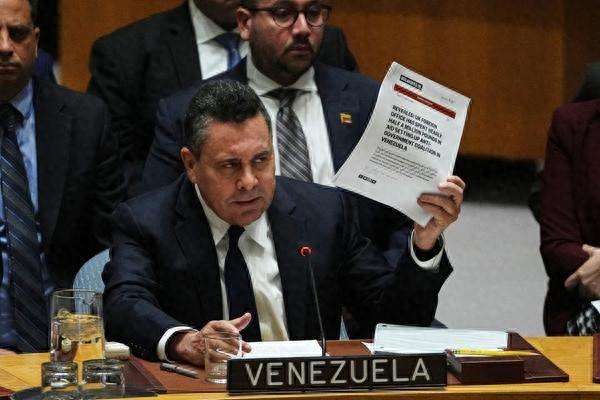
Group 1 - The article discusses the severe crisis faced by Venezuela as a sovereign nation, highlighting the concerns of other countries about becoming potential targets of U.S. aggression under the Trump administration [2][4][6] - The United Nations Security Council held an emergency meeting to address the U.S. attack on Venezuela, with countries like Colombia criticizing the violation of Venezuela's sovereignty and political independence [4][6] - Cuba's leadership has expressed solidarity with Venezuela, emphasizing the threat posed by U.S. actions and the impact on their bilateral relations, particularly in the context of Cuba's reliance on Venezuelan oil [7][9] Group 2 - The article notes a significant reduction in oil and fuel supplies to Cuba, with a nearly 20% decrease reported for the period from January to November 2025 compared to the previous year, exacerbating the economic crisis in Cuba [9] - Concerns about U.S. military intervention extend to Europe, with leaders from Denmark and other NATO countries warning against potential military actions that could undermine post-World War II security frameworks [10][11] - The article mentions Trump's intentions regarding Greenland, indicating a broader strategy of asserting U.S. influence in the Western Hemisphere, which has raised alarms among European nations [10][11]

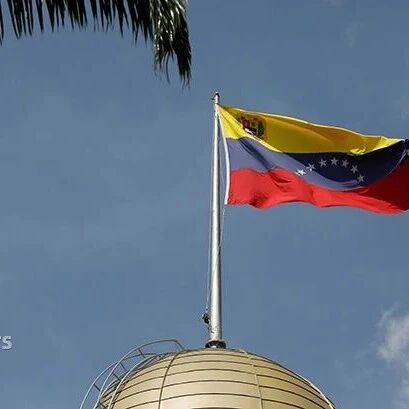
美国对委行动:短视的强权,代价高昂的未来|国际识局
Zhong Guo Xin Wen Wang· 2026-01-07 05:32
Core Viewpoint - The recent U.S. military intervention in Venezuela represents a significant and direct violation of international law and sovereignty, reminiscent of past interventions in Latin America, and is unlikely to result in long-term stability [1][2][5]. Group 1: Tactical Outcomes - The U.S. action achieved immediate tactical goals, creating a narrative of decisiveness and success domestically, but such unilateral military actions historically fail to maintain stability [1][2]. - The intervention reflects a shift in U.S. strategy from pressure tactics to outright destruction, indicating a depletion of diplomatic options and raising geopolitical costs [2]. Group 2: Economic and Resource Considerations - The intervention is driven by practical economic interests, particularly in Venezuela's vast oil reserves, which have been underutilized due to sanctions and mismanagement [2]. - The U.S. aims to facilitate its energy companies' entry into Venezuela to restore oil production, which raises concerns about sovereignty and equitable resource management [2]. Group 3: Domestic Political Implications - The military action aligns with U.S. domestic political logic, where demonstrating a strong foreign policy can bolster political capital and support among voters [3]. - This approach, while temporarily effective in rallying domestic support, risks undermining long-term diplomatic strategies and responsibilities for regional stability [3]. Group 4: Geopolitical Repercussions - The intervention revives the "Monroe Doctrine" mindset, suggesting that the U.S. views Latin America as a region for unilateral intervention, which could lead to increased regional tensions and a reevaluation of security and development strategies among Latin American countries [5]. - The U.S. risks further damaging its international credibility by violating its own principles of a rules-based international order, which could have long-lasting effects on its global standing [5][6]. Group 5: Structural Consequences - The intervention may accelerate the restructuring of geopolitical and economic alliances, as countries seek to reduce reliance on the U.S. and explore alternative partnerships and financial systems [6]. - The reliance on military intervention reflects a dangerous mindset that undermines international law and the principles of mutual respect and cooperation necessary for global stability [7].
哥伦比亚总统:谴责美国觊觎煤炭资源
中国能源报· 2026-01-07 02:57
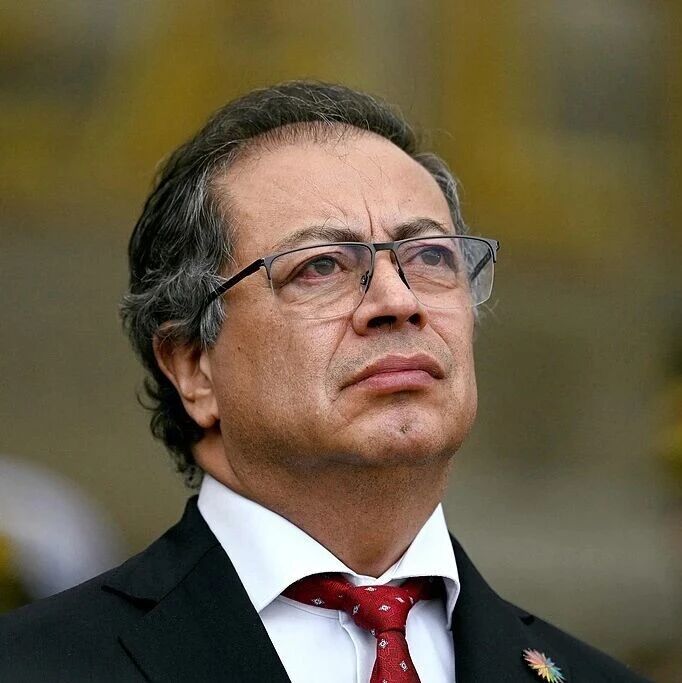
▲ 哥伦比亚总统佩特罗(资料图) 哥伦比亚总统佩特罗指责美方对哥伦比亚的威胁言论是觊觎该国煤炭资源 。 当地时间 1月 6日,哥伦比亚总统佩特罗在社交媒体上发文,再次谴责美国强行控制委内瑞拉总统马杜罗,称此举是为了夺取委 内瑞拉的石油,他还指责美方对哥伦比亚的威胁言论是觊觎该国煤炭资源。 佩特罗表示,没有任何证据表明委内瑞拉存在所谓向美国贩运毒品的"贩毒集团",美国非法入侵委内瑞拉并强行控制其总统马 杜罗是为了夺取委内瑞拉的石油,是门罗主义的再次印证。针对此前美国总统特朗普针对哥伦比亚的威胁言论, 佩特罗表示, 特朗普将他称为"毒枭",只因哥伦比亚拒绝向其提供石油和煤炭,不愿成为殖民地 。 来源:央视新闻客户端 End 欢迎分享给你的朋友! 出品 | 中国能源报(c ne n e rg y) 编辑丨赵方婷 ...
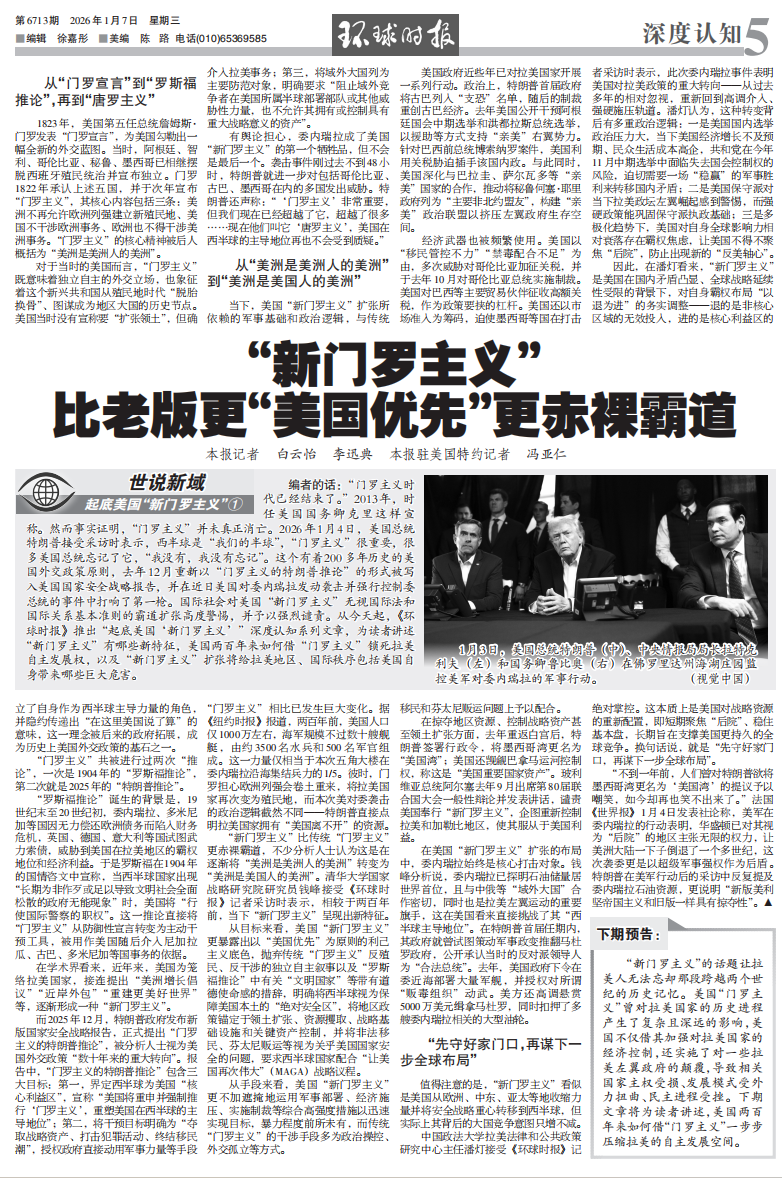
“新门罗主义”比老版更“美国优先”更赤裸霸道
Huan Qiu Shi Bao· 2026-01-07 02:10
Core Viewpoint - The article discusses the resurgence of the Monroe Doctrine in U.S. foreign policy, particularly under the Trump administration, which has been termed "New Monroeism." This approach emphasizes U.S. dominance in the Western Hemisphere and has led to military interventions, notably in Venezuela, raising concerns about violations of international law and the implications for Latin America and global order [1][5][11]. Historical Context - The Monroe Doctrine, articulated by President James Monroe in 1823, established a framework for U.S. foreign policy, asserting that the Americas should be free from European colonialism and interference [3][4]. - The doctrine has evolved through two significant iterations: the Roosevelt Corollary in 1904, which justified U.S. intervention in Latin America, and the recent "Trump Doctrine," which reasserts U.S. interests in the region [4][5]. New Monroeism Characteristics - The "New Monroeism" is characterized by a more aggressive and interventionist stance, focusing on military deployment, economic pressure, and direct intervention in Latin American affairs [6][7]. - The Trump administration's national security strategy identifies the Western Hemisphere as a core interest area, with explicit goals to reclaim U.S. dominance and prevent foreign influence [5][9]. Military and Economic Strategies - The U.S. has employed military force and economic sanctions as primary tools in its "New Monroeism," contrasting with the more diplomatic approaches of the past [8][12]. - Recent actions include military deployments near Venezuela and sanctions against countries like Colombia and Cuba, aimed at controlling resources and curbing perceived threats to U.S. security [9][10]. Implications for Latin America - The focus on Venezuela is particularly notable due to its vast oil reserves and alliances with countries like China and Russia, which the U.S. views as challenges to its influence [9][12]. - The article suggests that the "New Monroeism" could lead to increased instability in Latin America, as the U.S. prioritizes its interests over regional autonomy and development [1][11].
美国对委内瑞拉的军事干预暴露霸权真相
Xin Lang Cai Jing· 2026-01-07 00:39
Group 1 - The core viewpoint of the articles revolves around the U.S. military action against Venezuela, which is seen as an imperialistic move to control the country and its resources, particularly oil [2][3][4] - The U.S. aims to reassert its influence in Latin America, with a focus on securing strategic resources and diminishing its international obligations [3][4] - The military intervention is characterized as a "war for oil," with Venezuela's vast oil reserves being a primary target for U.S. interests [6][8] Group 2 - The articles highlight the historical context of U.S.-Venezuela relations, noting that previous nationalization efforts by former President Hugo Chávez have led to ongoing tensions [6][8] - The U.S. military action is framed as a violation of international law, with widespread condemnation from various countries and organizations, emphasizing the need for adherence to international norms [10][11] - The potential implications of U.S. control over Venezuela's resources could destabilize global energy markets and undermine the transition to green energy [7][8]
「起底美国“新门罗主义”」“新门罗主义”比老版更“美国优先”更赤裸霸道
Huan Qiu Shi Bao· 2026-01-07 00:07
Core Viewpoint - The article discusses the resurgence of the Monroe Doctrine in the form of "Trump's Monroe Doctrine," emphasizing the U.S. intention to reassert its dominance in the Western Hemisphere, particularly through military intervention and economic pressure on Latin American countries [1][4]. Historical Context - The Monroe Doctrine, established in 1823, aimed to prevent European powers from colonizing the Americas and asserted that the U.S. would not interfere in European affairs [2]. - The doctrine has evolved through two significant interpretations: Roosevelt's Corollary in 1904, which justified U.S. intervention in Latin America, and Trump's interpretation in 2025, which marks a significant shift in U.S. foreign policy [3][4]. New Characteristics of "New Monroe Doctrine" - The "New Monroe Doctrine" is characterized by a more aggressive and self-serving approach, prioritizing U.S. interests and security over traditional principles of non-interference and anti-colonialism [6]. - The U.S. now views the Western Hemisphere as an "absolute security zone," focusing on territorial expansion, resource extraction, and control of strategic assets [6][7]. Military and Economic Strategies - The U.S. employs a combination of military deployment, economic pressure, and sanctions to achieve its objectives, marking a departure from the political manipulation and diplomatic isolation strategies of the past [6][7]. - Recent actions include threats of tariffs against Colombia and sanctions on Brazilian officials, as well as military maneuvers in Venezuela, highlighting the aggressive nature of U.S. policy [7][8]. Focus on Venezuela - Venezuela is identified as a primary target due to its vast oil reserves and alliances with countries like China and Russia, which challenge U.S. dominance in the region [8]. - The U.S. has previously attempted to orchestrate a coup against the Venezuelan government and has deployed military assets in the vicinity, indicating a clear focus on this nation [8]. Political Implications - The shift towards a more interventionist policy is seen as a response to domestic political pressures and the rise of leftist movements in Latin America, with the U.S. aiming to secure its influence and counter perceived threats [9][10]. - The article suggests that this new approach is a pragmatic adjustment to maintain U.S. hegemony in the face of global competition and domestic challenges [10].
【起底美国“新门罗主义”】“新门罗主义”比老版更“美国优先”更赤裸霸道
Huan Qiu Shi Bao· 2026-01-06 23:03
Core Viewpoint - The article discusses the resurgence of the Monroe Doctrine in the form of "New Monroeism" under the Trump administration, emphasizing its implications for U.S. foreign policy in Latin America and the potential risks it poses to regional autonomy and international order [1][5]. Historical Context - The Monroe Doctrine, established in 1823, aimed to prevent European colonialism in the Americas and asserted U.S. dominance in the region, evolving through interpretations such as the Roosevelt Corollary in 1904 and the Trump Doctrine in 2025 [3][4]. New Monroeism Characteristics - The "New Monroeism" is characterized by a more aggressive U.S. stance, prioritizing military intervention, resource acquisition, and control over strategic assets in Latin America, contrasting with the traditional doctrine's focus on non-interference [6][7]. - The Trump administration's national security strategy explicitly defines the Western Hemisphere as a core U.S. interest area, allowing for military action to secure strategic assets and combat crime and immigration issues [5][9]. Military and Economic Strategies - The U.S. has increasingly employed military force and economic pressure as tools to achieve its objectives in Latin America, marking a shift from political manipulation to direct intervention [7][8]. - Recent actions include sanctions against countries like Cuba and Colombia, and military deployments in Venezuela, highlighting a more confrontational approach to U.S. foreign policy in the region [8][9]. Implications for Latin America - Venezuela is identified as a primary target of the "New Monroeism," due to its significant oil reserves and alliances with non-Western powers, which challenge U.S. influence [9][10]. - The article suggests that the U.S. is refocusing its foreign policy to address domestic pressures and counter the rise of leftist movements in Latin America, indicating a strategic shift back to interventionist policies [10][11]. Conclusion - The "New Monroeism" reflects a pragmatic adjustment in U.S. foreign policy, aiming to consolidate control over its immediate sphere while preparing for broader global competition, suggesting a return to a more interventionist stance in Latin America [11][12].
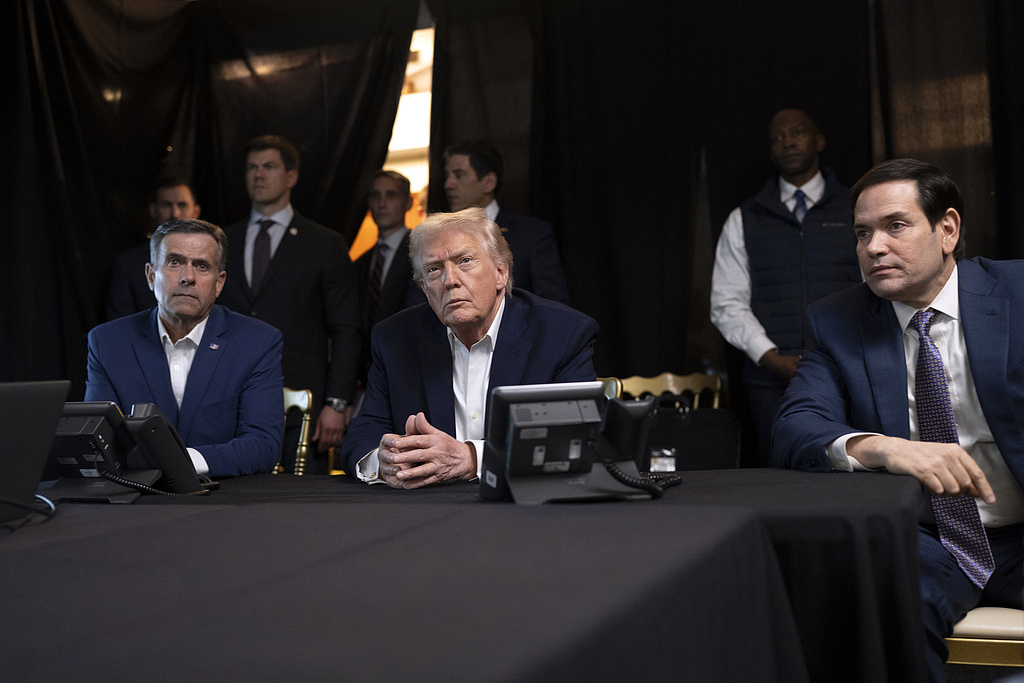
格陵兰岛再遭威胁,丹麦警告美国:北约或将终结
Huan Qiu Shi Bao· 2026-01-06 22:36
Core Viewpoint - The ongoing tensions regarding Greenland, sparked by President Trump's comments about the U.S. needing the territory, have led to significant reactions from European leaders, emphasizing the potential risks to NATO and collective security in the region [1][3]. Group 1: Reactions from European Leaders - Danish Prime Minister Frederiksen stated that the U.S. threats against Greenland are unacceptable and should be taken seriously, highlighting the pressure on Denmark and Greenland [3]. - A joint statement from leaders of France, Germany, the UK, Italy, Poland, Spain, and Denmark affirmed that Greenland belongs to its people, indicating a united European front against U.S. claims [1][4]. - The German Foreign Minister mentioned that NATO would discuss strengthening defenses for Greenland if necessary, reflecting a proactive stance among European nations [4]. Group 2: Concerns Over U.S. Actions - Analysts noted that the U.S. military intervention in Venezuela has raised concerns in Denmark about the potential for similar actions regarding Greenland, indicating a shift in European sentiment towards U.S. military intentions [3][5]. - The Economist highlighted a growing panic among European leaders compared to their previous dismissive reactions to Trump's earlier threats, suggesting a more serious consideration of U.S. intentions [5]. - Experts warned that the risk of U.S. intervention in Greenland could undermine the cohesion of NATO and the EU, potentially posing a greater threat than the ongoing Russia-Ukraine conflict [5][6]. Group 3: Strategic Options for Europe - The Economist outlined several theoretical options for Europe, including increasing military presence in Greenland, threatening U.S. military bases in Europe, or implementing economic sanctions against the U.S. [5][6]. - Some experts cautioned against a military posture, emphasizing the reliance on U.S. protection for Eastern Europe, which complicates Europe's response to U.S. threats [6]. - The potential for the U.S. to strengthen its control over Greenland, possibly by supporting independence movements or negotiating directly with Greenland, raises concerns about the future of transatlantic relations [6][7]. Group 4: Future Implications - Analysts suggest that the current situation may force Europe to confront whether to oppose U.S. actions, indicating a critical juncture in transatlantic relations as challenges from the U.S. become more pronounced [7]. - The unpredictability of the U.S. administration's actions, as demonstrated by the Venezuela case, poses a significant challenge for European leaders in maintaining a balanced approach in their foreign policy [7].
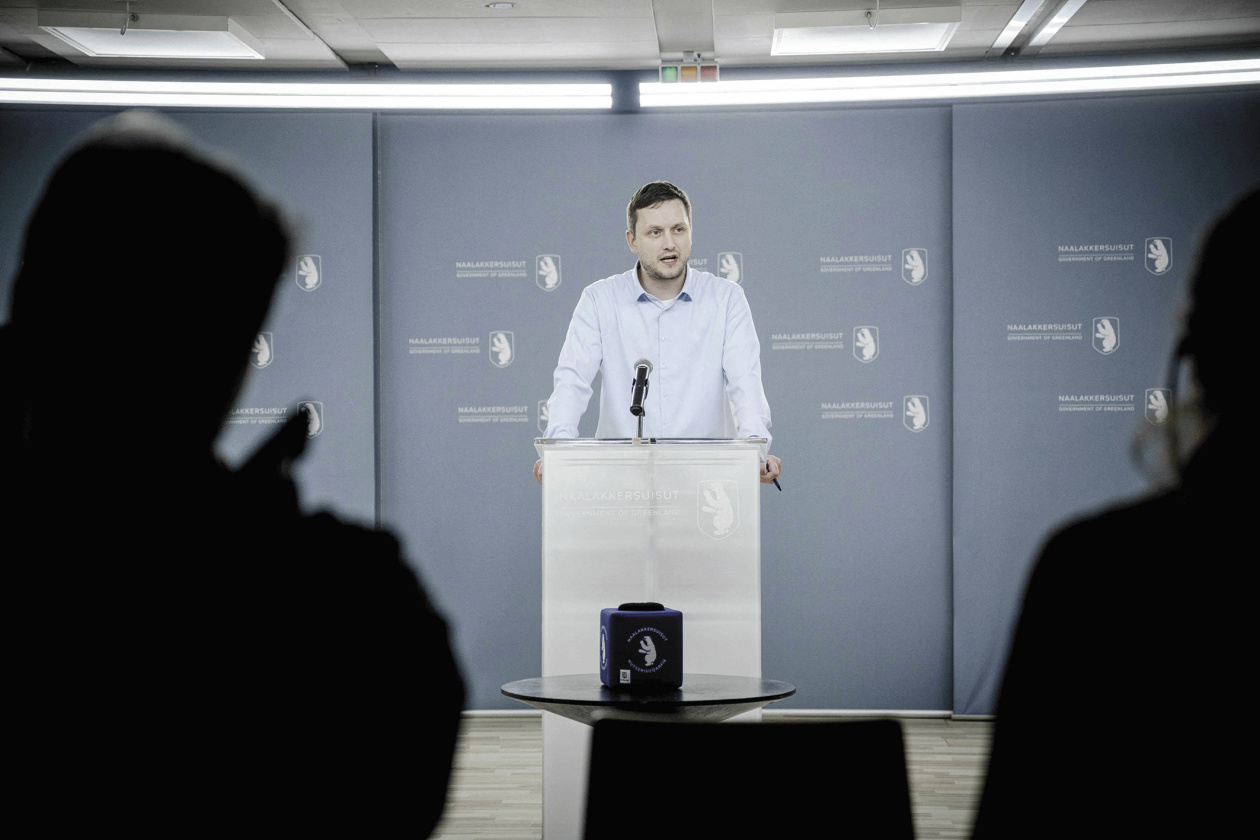
哥伦比亚总统谴责美国觊觎该国煤炭资源
Yang Shi Xin Wen Ke Hu Duan· 2026-01-06 22:35
当地时间6日,哥伦比亚总统佩特罗在社交媒体上发文,再次谴责美国强行控制委内瑞拉总统马杜罗, 称此举是为了夺取委内瑞拉的石油,他还指责美方对哥伦比亚的威胁言论是觊觎该国煤炭资源。 佩特罗表示,没有任何证据表明委内瑞拉存在所谓向美国贩运毒品的"贩毒集团",美国非法入侵委内瑞 拉并强行控制其总统马杜罗是为了夺取委内瑞拉的石油,是门罗主义的再次印证。针对此前美国总统特 朗普针对哥伦比亚的威胁言论,佩特罗表示,特朗普将他称为"毒枭",只因哥伦比亚拒绝向其提供石油 和煤炭,不愿成为殖民地。 (文章来源:央视新闻客户端) ...