
科技金融

Search documents
威海银行首笔“远航”科研贷落地
Qi Lu Wan Bao· 2025-11-28 05:37
Group 1 - The core viewpoint of the news is that Weihai Bank's Binzhou branch has successfully issued a 9.31 million yuan "Yuanhang" research loan to a new materials company, marking the launch of the "Weike Yuanhang" series of financial products aimed at supporting technology enterprises [1] - The loan is intended to assist a benchmark technology company in the high-end polyolefin elastomer research and production sector, which has core products widely used in strategic emerging industries such as automotive and new energy [1] - The "Yuanhang" research loan has a maximum term of 10 years and features differentiated interest rate pricing, specifically designed to support the company's research and development projects [1] Group 2 - The Weike "Huang" series product system serves as an important vehicle for Weihai Bank to support technology enterprises, creating a layered and categorized credit service matrix that covers the entire growth cycle of enterprises [2] - Since its launch two months ago, the series has provided credit support exceeding 340 million yuan to 25 technology enterprises [2] - The introduction of the "Yuanhang" research loan further enriches existing product lines such as "Qihang Loan" and "Linghang Loan," enhancing Weihai Bank's service depth and coverage in the technology finance sector [2]
科技点亮创新路,金融护航暖万家 ——建信人寿深化数字化转型新实践
Xi Niu Cai Jing· 2025-11-28 01:09
Core Insights - The article highlights the innovative use of AI and RPA technology by Jianxin Life Insurance to enhance product development efficiency, reducing analysis time from weeks to hours and improving processing efficiency by 96.6% [2][3] Group 1: AI and Digital Transformation - Jianxin Life Insurance has successfully implemented an AI-assisted product development project, marking a significant shift towards intelligent and agile product innovation [2] - The company aims to extend its digital transformation to all service aspects, focusing on personalized, scenario-based, and intelligent insurance services [2] Group 2: Personalized Service and Market Adaptability - By analyzing customer characteristics across various dimensions, Jianxin Life has created 30,218 precise sales batches from 29 basic insurance products, enhancing market competitiveness [3] - The company integrates insurance product marketing into key platforms, allowing customers to access tailored insurance services seamlessly while engaging in financial transactions [3] Group 3: Innovative Insurance Solutions - Jianxin Life has developed customized insurance services for specific scenarios, such as integrating accident insurance into the official app of the Taibai Aoshang Ski Resort [4] - The company launched its first adjustable long-term medical insurance product, featuring a family-sharing model and a unique pricing mechanism based on health data [4] Group 4: Support for Technology Enterprises - Jianxin Life's Shandong branch collaborates with local banks to provide integrated financial and risk protection services for technology enterprises, addressing their specific risk management needs [5] - The company has established a collaborative mechanism to tailor comprehensive protection plans for various industries, including high-end chips and agricultural technology [5] Group 5: System Stability and Product Transition - Jianxin Life ensures a smooth transition during the adjustment of predetermined interest rates, implementing 55 ITM business requirements and launching 18 new products [6][7] - The company employs a dual-track quality control mechanism during development to prevent system vulnerabilities, achieving a "zero error" performance post-launch [7] Group 6: Future Outlook - Jianxin Life plans to deepen the integration of AI and big data with insurance operations, aiming to create a secure and intelligent financial ecosystem that supports high-quality economic development [7]


攻坚深层次改革 锚定未来产业新增长点全国政协委员尹艳林:
Zhong Guo Zheng Quan Bao· 2025-11-28 00:31
Core Viewpoint - The "14th Five-Year Plan" period is crucial for solidifying the foundation of China's modernization and achieving high-quality economic development, emphasizing the importance of the real economy and optimizing traditional industries [1][2]. Group 1: Economic Development Focus - The focus during the "14th Five-Year Plan" should be on the real economy, prioritizing the optimization and enhancement of traditional industries while fostering new productive forces and supporting emerging industries as future growth points [1][2]. - The plan categorizes industries into traditional, emerging, and future sectors, each requiring different approaches to develop new productive forces [2][3]. Group 2: Traditional Industries - Traditional industries still hold significant growth potential, accounting for 80% of China's manufacturing sector, and are essential for the foundation of the real economy [2][3]. - There is a need to address issues related to urbanization, rural migration, and high-quality development in real estate to unlock the potential of traditional industries [3]. Group 3: Financial Reforms - The proposal includes deepening zero-based budgeting reforms to optimize fiscal expenditure and enhance budget performance management, which is crucial for effective governance [4][5]. - Zero-based budgeting requires every expenditure to be justified anew, potentially leading to significant impacts on budget management if implemented effectively [5]. Group 4: Financial Support for Innovation - The plan emphasizes the development of various financial sectors, particularly technology finance, which is deemed strategically important for supporting innovation and the cultivation of new productive forces [6][7]. - There is a need for a shift towards direct financing to better match the risk characteristics of technological innovation, with capital market reforms facilitating this transition [6]. Group 5: Wealth Management - The growing middle-income group in China, exceeding 400 million people, necessitates professional wealth management to enhance asset value, highlighting the increasing importance of wealth management in the financial sector [7]. - Wealth management should be a key focus area in finance, promoting the conversion of savings into investments, benefiting both residents and the capital market [7].
“融”耀中原 水到林成——河南科技金融生态一线调研见闻
Zhong Guo Zheng Quan Bao· 2025-11-28 00:23
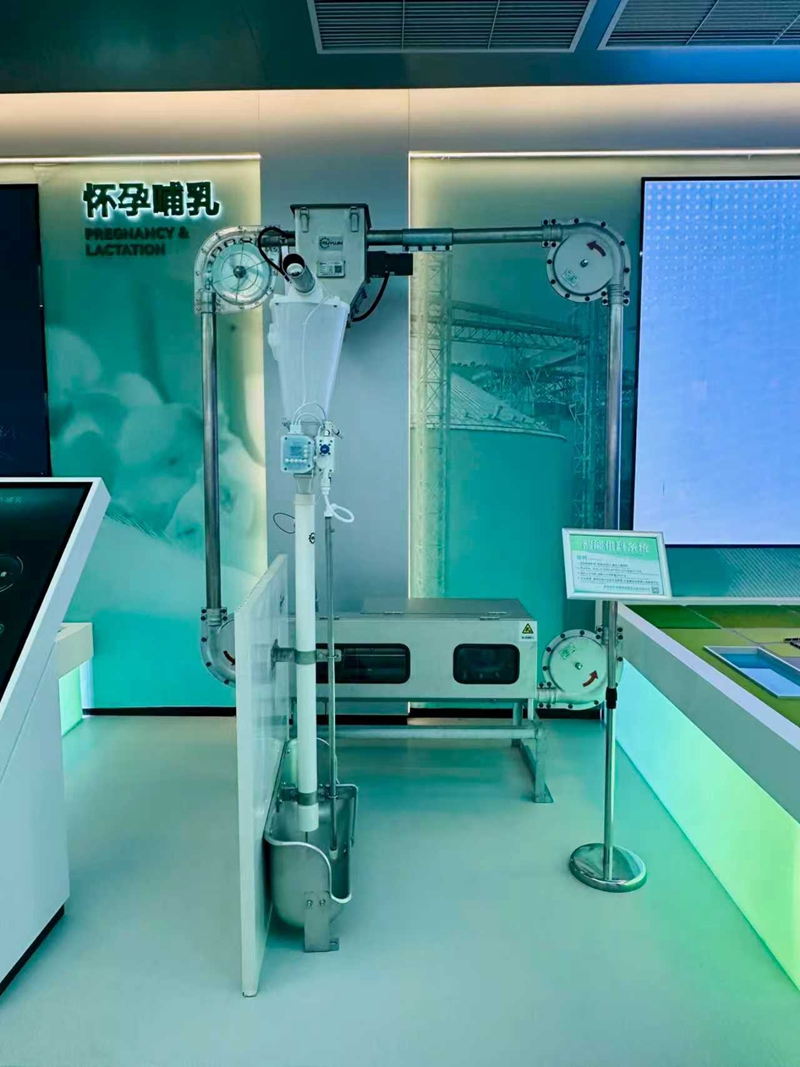
Core Viewpoint - The article highlights the significant role of financial support in fostering technological innovation and industrial development in Henan, emphasizing a tailored approach to financing that aligns with the specific needs of different stages of technology enterprises [1][4][10]. Financial Support for Technology Enterprises - Henan's banking sector has shifted from traditional collateral-based lending to a model that evaluates technology, industry, and future potential, providing comprehensive financial support throughout the lifecycle of technology companies [4][6]. - The Export-Import Bank has provided over 1 billion yuan in credit to companies like Hengxing Technology, supporting their transformation and expansion efforts since 2012 [5]. Innovative Financial Products - The banking industry in Henan has developed specialized financial products such as photovoltaic loans, clean energy project loans, and cold chain logistics loans to cater to the unique characteristics of technology enterprises [7]. - Zhongyuan Bank has tailored financing solutions for companies like Wanjing New Energy, providing 88 million yuan in credit, including a 15-year clean energy project loan at a 3.6% interest rate [8]. Technological Advancements in Agriculture - The article discusses the integration of technology in agriculture, particularly in smart pig farming, where data analytics and AI are used to optimize growth conditions and improve efficiency [10]. - Financial institutions like Everbright Bank have significantly increased their credit support for companies like Muyuan, reflecting the growing demand for working capital in the expanding pig farming sector [10][11]. Policy and Regulatory Support - The financial ecosystem in Henan is being enhanced through coordinated efforts between fiscal and financial policies, including the establishment of risk compensation funds and green industry investment guidance funds [11]. - The regulatory body has implemented mechanisms to ensure that financial policies are effectively executed, focusing on supporting small and micro enterprises, technological innovation, and green development [11].

田轩 | 10月中国金融市场:暖区间再现
Sou Hu Cai Jing· 2025-11-27 23:53
Core Insights - The financial environment in October 2025 shows a slight improvement, with the Daokou Financial Weather Index rising to 140.3, indicating a more relaxed financial condition compared to the low period of 2024, but still moderate compared to the stimulus period of 2021 [2] Stock Market - The stock market index decreased slightly by 1% from 25.4 to 25.0 month-on-month, but increased by 22% year-on-year from 20.5 to 25.0, indicating a long-term positive trend despite short-term volatility [6] - The Federal Reserve's decision to lower interest rates by 25 basis points to a range of 3.75%–4.00% in October is seen as a supportive signal for global liquidity, although future actions will depend on inflation and employment data [6][7] - Internal market conditions show structural differentiation in corporate financing, with a cautious sentiment due to regulatory tightening and a slowdown in new loans and social financing [6][7] Macro-Leverage Market - The financial index decreased by 4% month-on-month from 27.0 to 25.8, but increased by 47% year-on-year from 17.6 to 25.8, reflecting resilience in the financial system amid structural adjustments [8] - The bond market's custodial scale declined due to varied issuance schedules of special bonds, leading to a marginal contraction in supply [8] - The People's Bank of China (PBOC) supports the issuance of 500 billion yuan in policy financial tools, but M2 growth is slowing, indicating a lag in liquidity transmission [8] Banking and Credit Market - The financial index remained stable month-on-month, with a year-on-year increase of 10% from 18.5 to 20.3, indicating stability in credit volume and structural optimization [9] - The PBOC maintained the Loan Prime Rate (LPR), balancing growth and risk prevention, while the decline in financing costs has slowed, affecting medium to long-term loan demand [9] - There is a structural recovery in real estate-related credit, driven by the acceleration of special bond funds for affordable housing projects [9] Money and Interbank Market - The financial index remained stable month-on-month, with a year-on-year increase of 3% from 25.2 to 26.0, reflecting a search for balance amid policy adjustments and external changes [10] - The issuance of approximately 350 billion yuan in new special bonds and PBOC's liquidity injections have contributed to a relatively loose interbank market [10] - The internationalization of the renminbi has made significant progress, with agreements for oil trade settlements in renminbi with Gulf Cooperation Council (GCC) countries [10] Non-Traditional Banking Market - The financial index increased by 9.9% month-on-month from 17.9 to 19.6, and by 11% year-on-year from 17.7 to 19.6, indicating strong expansion [11] - The demand for financing from enterprises has shown moderate recovery, with some opting for non-bank channels due to diversification needs [11] - Regulatory guidance continues to lead to a contraction in non-standard business, while traditional credit remains cautious [11] Bond Market - The financial index increased slightly by 2% month-on-month from 23.0 to 23.4, but decreased by 18% year-on-year from 28.6 to 23.4, indicating a "price increase, volume decrease" pattern [12] - The market's expectations for domestic monetary policy remain neutral, with slight upward pressure on government bond yields [12] - Structural issues persist in the bond market, including uneven interest rate marketization and limited foreign investment participation [12] Policy Recommendations - To balance "stabilizing growth" and "preventing risks," efforts should focus on developing a technology finance system, nurturing a mature long-term capital ecosystem, and enhancing the global attractiveness of China's bond and capital markets [13][14]
高质量发展故事汇丨做好“五篇大文章” 推动金融高质量发展
Xin Hua Wang· 2025-11-27 23:48
Core Viewpoint - The article emphasizes the importance of finance as a vital component of national economic strength and highlights the Chinese government's commitment to developing five key areas of finance: technology finance, green finance, inclusive finance, pension finance, and digital finance, as outlined by President Xi Jinping [2][4][12]. Group 1: Financial Development Strategies - The Chinese government aims to deepen the understanding of the essence of socialist finance with Chinese characteristics, focusing on serving the real economy, risk prevention, and promoting financial innovation [3][9]. - The "five major articles" in finance are identified as key areas for high-quality financial development, which include technology finance, green finance, inclusive finance, pension finance, and digital finance [12]. Group 2: Policy Implementation and Achievements - Recent years have seen the introduction of various policies and frameworks to support the development of the "five major articles," including the establishment of a 200 billion yuan technology innovation relending program and a 5,000 billion yuan technology innovation and transformation relending program [5][6]. - By the end of September 2023, technology loans accounted for 30.5% of all new loans, with a year-on-year growth of 22.3% in loans to technology SMEs, significantly outpacing overall loan growth [7]. Group 3: Sector-Specific Developments - The green finance sector has seen a loan balance of 43.5 trillion yuan, with a year-on-year increase of 22.9%, and a total issuance of green bonds reaching 4.9 trillion yuan [7]. - Inclusive finance has expanded from simple credit offerings to a comprehensive service model that includes credit, insurance, and wealth management, ensuring financial services are accessible at the community level [6][10]. Group 4: Future Directions - The government plans to enhance support for technology finance by improving incentive mechanisms and providing comprehensive financial services for technology enterprises, aiming to create a virtuous cycle between technology, industry, and finance [9]. - There is a strong focus on developing green finance to facilitate a comprehensive green transformation of the economy, with an emphasis on funding for environmentally friendly projects [10].
聚焦主业精准施策 全力服务实体经济高质量发展
Nan Fang Du Shi Bao· 2025-11-27 23:14
Core Viewpoint - The Agricultural Bank of China, Jiangmen Branch is actively enhancing financial services to support the real economy and achieve high-quality development, aligning with the spirit of the 20th National Congress of the Communist Party of China [2][3][4]. Group 1: Financial Services to the Real Economy - The Jiangmen Branch is focusing on "five major articles" to strengthen financial services, aiming to solidify the foundation of the real economy in Jiangmen [2]. - The branch is leveraging technology finance as a key tool to drive the intelligent upgrade of industries, providing significant credit support to local enterprises [3]. - A specific case highlighted is a national high-tech enterprise receiving a comprehensive credit line of 250 million yuan, which includes a 45 million yuan medium-term working capital loan, facilitating the construction of a new factory and market expansion [3]. Group 2: Green Finance Initiatives - The Jiangmen Branch is committed to promoting green and low-carbon development, aligning with the concept that "lucid waters and lush mountains are invaluable assets" [4]. - The branch plans to provide no less than 50 billion yuan in financing support over the next five years for the Jiangmen area, with a focus on green projects, particularly in the safety emergency industry park [4][5]. Group 3: Inclusive Finance for SMEs - The Jiangmen Branch is dedicated to enhancing inclusive finance to address the financing challenges faced by small and micro enterprises [6]. - A notable example includes a 6.7 million euro export trade financing that provided crucial support to an electronic technology company facing cash flow issues due to increased overseas orders [6]. - The branch is optimizing cross-border settlement and trade financing services, actively engaging with small and micro enterprises to lower financing costs and support economic development [6]. Group 4: Future Directions - Looking ahead, the Jiangmen Branch aims to deepen the dual-drive strategy of "technology finance + industry finance" to inject robust financial momentum into the construction of a modern industrial system in Jiangmen [7].

全国政协委员尹艳林:攻坚深层次改革 锚定未来产业新增长点
Zhong Guo Zheng Quan Bao· 2025-11-27 22:26
Core Insights - The "14th Five-Year Plan" emphasizes the importance of transitioning to a high-quality economic development model, focusing on the real economy and optimizing traditional industries while fostering new and emerging industries as growth pillars [1][2] Group 1: Economic Development Focus - The "14th Five-Year Plan" suggests prioritizing the real economy and enhancing traditional industries to release potential and cultivate new productive forces [1][2] - The plan categorizes industries into traditional, emerging, and future sectors, each requiring different development strategies [2][3] - Traditional industries currently account for 80% of China's manufacturing, serving as the foundation of the real economy [2] Group 2: Traditional Industries and New Productive Forces - There is a need to clarify the concept of new productive forces within traditional industries, which still hold growth potential despite current demand constraints [3] - The plan highlights the importance of addressing urbanization, rural migration, and high-quality real estate development to unlock traditional industry potential [3] Group 3: Fiscal Reform and Budget Management - The "14th Five-Year Plan" proposes deepening zero-based budgeting reforms to optimize fiscal expenditure and enhance budget performance management [4][5] - Zero-based budgeting requires each expenditure to be justified anew, contrasting with the previous incremental budgeting approach [5] Group 4: Financial Support for Economic Growth - The plan emphasizes the development of various financial sectors, including technology finance, green finance, and inclusive finance, with technology finance being prioritized [6][7] - The current financing structure for technology innovation relies heavily on indirect financing, while direct financing through capital markets is more aligned with innovation risk characteristics [6] Group 5: Wealth Management and Public Demand - There is a growing demand for wealth management services among China's middle-income population, which exceeds 400 million [7] - Wealth management is seen as a crucial area for financial services, aiming to convert savings into investments and enhance residents' financial returns [7]
“融”耀中原 水到林成 ——河南科技金融生态一线调研见闻
Zhong Guo Zheng Quan Bao· 2025-11-27 22:26
Core Insights - The article emphasizes the importance of financial support in fostering technological and industrial innovation in Henan, highlighting a tailored approach to financing that aligns with the specific needs of different stages of technology enterprises [1][2][5]. Financial Support for Technology Enterprises - Henan's banking sector has shifted from traditional collateral-based lending to a model that evaluates technology, industry, and future potential, providing comprehensive financial support throughout the lifecycle of technology companies [2][4]. - The case of Hengxing Technology illustrates how financial institutions have supported its transformation and growth through various credit products, with over 1 billion yuan in loans provided by the Export-Import Bank [3][4]. Innovative Financial Products - The banking industry in Henan has developed specialized financial products such as photovoltaic loans, clean energy project loans, and cold chain logistics loans to cater to the unique characteristics of technology enterprises [5][6]. - The introduction of these products aims to facilitate the growth of the technology and innovation sectors by ensuring that financial resources are effectively allocated [5]. Case Studies of Successful Financing - The establishment of Zhongke Qingneng, which focuses on liquid hydrogen technology, demonstrates the banks' willingness to support innovative startups despite their initial lack of profitability, with a loan of 10 million yuan provided by China Bank [3][4]. - The development of geothermal energy by Wanjing New Energy showcases the potential for innovative financing solutions in emerging sectors, with a loan of 88 million yuan structured to support their projects [6]. Strengthening the Financial Ecosystem - The article highlights the collaboration between financial institutions and technology enterprises, emphasizing the role of banks in enhancing the financing environment through policy alignment and innovative financial tools [8][9]. - The integration of digital technologies in banking services has improved the efficiency and accessibility of financing for enterprises, breaking down traditional barriers [7][9]. Comprehensive Support for the Agricultural Sector - The case of Muyuan Foods illustrates how banks have provided increasing credit support as the company expanded its operations, with loans growing from 300 million yuan in 2016 to 3 billion yuan in 2020 [8][9]. - The establishment of information-sharing mechanisms among stakeholders in the agricultural supply chain has enabled banks to better assess risks and tailor financing solutions [9].

做好“五篇大文章” 推动金融高质量发展(高质量发展故事汇·第13期)
Ren Min Ri Bao· 2025-11-27 22:20
Core Insights - The Chinese government emphasizes the importance of finance as a vital component of national competitiveness and economic modernization, with a focus on high-quality financial development through five key areas: technology finance, green finance, inclusive finance, pension finance, and digital finance [1][2][3]. Group 1: Financial Development Strategies - The government aims to deepen the understanding of the essence of socialist finance with Chinese characteristics, integrating Marxist financial theory with contemporary Chinese realities and traditional culture [2]. - The focus is on serving the real economy, risk prevention, and promoting financial innovation within a market-oriented and legal framework [2][4]. Group 2: Implementation of Financial Policies - Various policy frameworks and tools have been established, including significant funding allocations for technology innovation and green finance initiatives, such as a 200 billion yuan technology innovation relending program and a 400 billion yuan inclusive pension relending program [4][6]. - The introduction of diverse financial products, such as patent pledge loans and technology insurance, aims to support technology enterprises and enhance the financial service ecosystem [5][6]. Group 3: Performance Metrics - As of September 2023, technology loans accounted for 30.5% of all new loans, with a 22.3% year-on-year increase in loans to technology SMEs, significantly outpacing overall loan growth [6]. - The balance of green loans reached 43.5 trillion yuan, reflecting a 22.9% year-on-year growth, with green bonds totaling 4.9 trillion yuan issued [6]. Group 4: Future Directions - The government plans to continue promoting the five key areas of finance to support the construction of a strong financial nation and the rejuvenation of the Chinese nation, aligning with the 15th Five-Year Plan [7][10]. - Emphasis will be placed on enhancing digital finance capabilities, improving service efficiency, and ensuring data security and consumer protection in the digital age [10][16].