
科技企业

Search documents
北京去年新设经营主体38.01万户
Xin Lang Cai Jing· 2026-02-11 21:49
Group 1: Market Dynamics - In 2025, Beijing is expected to establish 380,100 new business entities, bringing the total to 2,869,700, representing a year-on-year growth of 6.83% [1] - Over 40% of the new business entities are technology-based, indicating a shift towards more innovative industries [1] - The survival rate of enterprises in the past three years has consistently remained above 75%, reflecting enhanced competitiveness among business entities [1] Group 2: Regulatory Environment - Beijing has implemented a series of measures to improve the business environment, including the release of local standards for business registration services and the introduction of a new model for equity trust property registration [1] - The city has optimized drug retail licensing management, increasing the chain rate of pharmacies from 58% to 71% [1] - A cloud service for credit repair has been launched, benefiting 80,000 business entities with "invisible" credit restoration [1] Group 3: Digital Transformation and Safety Regulation - The "1+5+N" work system has been established to enhance digital transformation, with a daily regulatory digital support rate reaching 95% and a total data volume exceeding 6.1 billion records [2] - A comprehensive food safety regulatory plan has been introduced, including a "red light mechanism" for agricultural wholesale markets and a digital platform for monitoring off-campus meal providers [2] - A lifecycle management system for drugs has been launched, ensuring 100% of drug sales in pharmacies are scanned [2] Group 4: Consumer Protection and Platform Economy - Efforts to regulate the platform economy focus on addressing "inward competition" in accommodation and dining sectors, with the establishment of compliance service stations for platform enterprises [3] - The city has released local standards for administrative mediation of consumer disputes and is managing single-purpose prepaid card usage to combat fraudulent practices [3] - A total of 12.4 million yuan worth of counterfeit goods has been destroyed, highlighting the commitment to consumer rights protection [3]
再创新高!科技巨头,罕见出手
Zhong Guo Ji Jin Bao· 2026-02-11 00:38
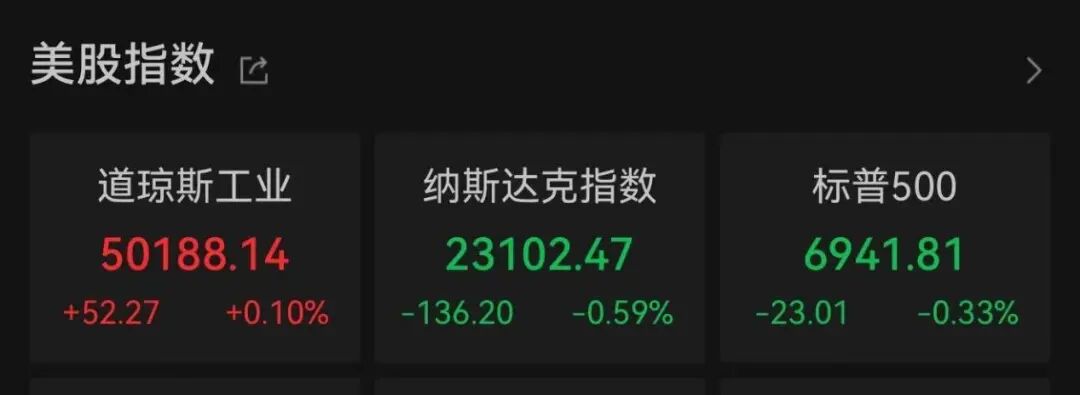
Group 1: Alphabet's Bond Issuance - Alphabet has issued a rare century bond, marking the first such issuance by a tech company since the late 1990s, with a total fundraising of nearly $32 billion in less than 24 hours [5][6] - The bond issuance included seven different types of debt, with the dollar-denominated portion receiving over $100 billion in subscriptions, indicating strong demand [5] - The primary buyers of the century bond are expected to be insurance companies and pension funds, aiming to attract a diverse range of investors [5][6] Group 2: Market Performance - The U.S. stock market showed mixed performance, with the Dow Jones Industrial Average reaching a new all-time high, while the S&P 500 and Nasdaq indices declined [2] - Among the "Big Tech" companies, only Tesla saw an increase in stock price, while Alphabet's stock fell by 1.78% [5] - Consumer retail stocks experienced a downturn, with major retailers like Costco and Walmart also reporting declines [8] Group 3: Economic Indicators - U.S. retail sales showed stagnation in December 2025, with core retail sales remaining flat, reflecting cautious consumer spending amid high inflation [4] - The employment cost index for Q4 2025 increased by 0.7%, which was below market expectations, indicating potential economic pressures [4] - The upcoming non-farm payroll report for January is anticipated to provide further insights into the employment landscape [4]

北京经营主体发展质量全国“三连冠”
Xin Lang Cai Jing· 2026-02-08 18:30
Core Insights - Beijing's market regulation efforts have shown significant results, with a focus on enhancing the vitality of business entities and improving development quality, which has ranked first in the nation for three consecutive years [1][2] Group 1: Business Entity Growth - In 2025, Beijing saw the establishment of 380,100 new business entities, bringing the total to 2,869,700, a year-on-year increase of 6.83%, with over 40% being technology-based enterprises [1] - The survival rate of enterprises has remained above 75% for the past three years, indicating a robust business environment [1] Group 2: Regulatory Innovations - Beijing has introduced a series of local standards for business registration services and innovative models for equity trust property registration, enhancing the regulatory framework [1] - The city has implemented 20 new regulations for business premises registration and launched a "cloud service" for credit repair, benefiting 80,000 business entities [1] Group 3: Safety and Quality Regulation - The food safety regulatory framework has been strengthened, with a full-chain supervision mechanism and a lifecycle management system for pharmaceuticals successfully launched [2][4] - The city has approved 34 innovative drugs and medical devices, and the advertising industry has seen an 8.2% increase in revenue [2] Group 4: Consumer Protection and Market Order - Efforts to protect consumer rights and maintain market order include the crackdown on deceptive practices in live commerce and the establishment of a monitoring platform for live e-commerce [2][6] - Beijing plans to build 100 consumer rights protection service stations and 50 consumer education bases to enhance consumer satisfaction [5] Group 5: Future Regulatory Focus - In 2026, the focus will be on addressing public concerns and high-quality development needs, including safety assessments for old elevators and enhancing the functionality of electronic scales [3][4] - The city aims to deepen the digital transformation of market regulation, improving databases for business entities and regulatory subjects to enhance oversight capabilities [6]
速看!2026中国经济走势预测,机遇与挑战并存!
Sou Hu Cai Jing· 2026-01-30 05:37
Group 1 - The central government emphasizes the importance of domestic demand for economic growth in 2026, focusing on a combination of old and new policies to stimulate the economy [1][4] - Fiscal spending will be directed towards key areas such as education, healthcare, and elderly care, while ensuring local governments can manage their debts responsibly [1][4] - The monetary policy will shift from broad liquidity injections to targeted support for sectors like technology, green projects, and small businesses, highlighting the importance of structural over total measures [2][4] Group 2 - Domestic consumption and investment have contributed over 90% to economic growth in the past decade, but there is a need to improve service consumption, which currently lags behind international standards [4][5] - The recent U.S. interest rate cuts provide an opportunity for China to adjust its monetary policy without following the U.S. lead, allowing for a more flexible RMB exchange rate [4][5] - The stock market is seeing a shift in focus towards companies with stable dividends and high technological content, indicating a more discerning investment approach [5] Group 3 - The 2026 economic policy aims for high-quality growth while balancing risk prevention and growth opportunities, requiring reforms in land, labor, and data markets [5] - The approach to economic governance has evolved from high-energy projects and real estate stimulation to investments in talent, data, and efficiency, marking a significant shift in strategy [5]
政策节点集中落地,加密市场进入“高波动预警期”
Sou Hu Cai Jing· 2026-01-30 03:14
Group 1: Macro Events Impacting Cryptocurrency Market - The cryptocurrency market is currently facing a dense macro event window, with the Federal Reserve's monetary policy announcement, earnings reports from major U.S. tech companies, and the potential government shutdown creating significant volatility in market risk appetite and liquidity expectations [2] - Bitcoin (BTC) and major altcoins have recently experienced downward price pressure, while traditional assets like gold have strengthened due to increased risk aversion [2] - The Federal Reserve announced that it would maintain the federal funds rate target range at 3.5% to 3.75%, aligning with market expectations, resulting in a minimal 1% decline in Bitcoin over the past week [2] Group 2: Federal Reserve and Political Dynamics - Federal Reserve Chairman Jerome Powell has faced accusations of misleading lawmakers regarding renovation costs at the Fed, with political pressure from former President Trump to lower interest rates [3] - Powell's term is set to expire in May, and the potential nomination of a successor could lead to a more dovish monetary policy stance, which may impact Bitcoin prices [3] - Analysts suggest that short-term factors driving Bitcoin prices are increasingly political rather than monetary, with market expectations potentially shifting if a new Fed chair is perceived to support faster rate cuts [3] Group 3: Earnings Reports from Major Tech Companies - Major tech companies like Meta, Microsoft, and Tesla have recently reported earnings, showing a divergence in performance that has influenced stock price volatility and overall market trends [4] - Meta's revenue and profit exceeded market expectations due to a recovery in advertising and improved efficiency from AI technology, boosting sentiment in the tech sector [4] - In contrast, Microsoft has seen a slowdown in cloud computing growth and increased capital expenditures, raising concerns about profitability, while Tesla faces challenges from slowing sales growth and intensified price competition in the electric vehicle market [4] Group 4: Government Shutdown Risks - A temporary spending bill for several federal agencies is set to expire on January 30, with a potential government shutdown looming if a new budget or short-term funding extension is not passed [5] - Disagreements between parties over funding for the Department of Homeland Security and immigration enforcement are major obstacles to reaching a compromise [5] - Analysts warn that a government shutdown could exacerbate stock market volatility and increase demand for safe-haven assets, while also delaying economic data releases and policy execution, negatively impacting business and consumer confidence [5]

美得州州长叫停州政府机构和公立大学提交新H-1B签证申请
Xin Lang Cai Jing· 2026-01-27 17:52
Core Viewpoint - Texas Governor Greg Abbott has ordered an investigation into the H-1B visa program and has mandated state agencies and public universities to immediately suspend new H-1B visa applications due to reports of misuse of the program [2] Group 1: Investigation and Suspension - The suspension of new H-1B visa applications will last until May 31, 2027, unless exceptions are granted with written approval from the Texas Workforce Commission [2] - State agencies are required to submit a report by March 27, 2026, detailing the number of new applications and renewals submitted in the previous year [2] Group 2: H-1B Visa Overview - The H-1B visa is a temporary non-immigrant work visa in the U.S., typically valid for three years and extendable to six years [2] - This visa allows U.S. companies to employ foreign professionals to fill positions that are difficult to staff with domestic talent, primarily utilized by U.S. tech companies to attract highly educated foreign talent [2]

重庆:上市公司质量稳步提升 市场生态持续优化
Sou Hu Cai Jing· 2026-01-23 03:37
Group 1 - The securities industry regulatory authorities have implemented measures to support the development of the real economy and enhance capital market functions, achieving significant results in 2025 [1] - The total financing support for various operating entities reached 224.9 billion yuan, a year-on-year increase of 19%, with listed companies' refinancing amounting to 31.76 billion yuan, up 435% [1] - The issuance scale of industrial bonds nearly doubled year-on-year, effectively supporting key industry development [1] Group 2 - The quality of listed companies has steadily improved, with total assets in the district reaching 4 trillion yuan, a year-on-year increase of 7% [2] - Major asset restructuring transactions totaled 47.4 billion yuan, a ninefold increase year-on-year, indicating accelerated industrial integration and transformation [2] - Cash dividends distributed to investors amounted to 19.74 billion yuan, with share buybacks reaching 2.903 billion yuan, reflecting a growing willingness to return value to investors [2] Group 3 - The market ecosystem continues to optimize, with enhanced investor protection and risk prevention measures in place [3] - Collaborative efforts have effectively mitigated risks in key areas such as bonds and real estate, contributing to increased market stability [3] - The regulatory authority aims to enhance the operational standards and value creation capabilities of listed companies while promoting innovative bond issuance and improving the overall market environment [3]
广西出台科技保险保费补贴政策
Sou Hu Cai Jing· 2026-01-20 01:40
Group 1 - The core viewpoint of the news is the implementation of the "Guangxi Technology Insurance Premium Subsidy Measures (Trial)" to support technology-based enterprises in reducing innovation risks through insurance subsidies [1][2] - The subsidy aims to enhance the technology financial system and attract insurance resources to the technology innovation sector, thereby strengthening the position of enterprises in technological innovation [1] - The subsidy targets various categories of recognized technology-based enterprises, including small and medium-sized enterprises, high-tech enterprises, and leading technology enterprises, ensuring comprehensive coverage for key technology firms [1] Group 2 - The subsidy standards are tiered based on the type of insurance product: 50% for Category 1, 40% for Category 2, and 20% for Category 3, with specific maximum annual subsidy limits for each category [2] - A single technology-based enterprise can receive a maximum annual subsidy of 200,000 yuan for Category 3 insurance, 250,000 yuan for a combination of Category 2 and 3, and 300,000 yuan for any combination including Category 1 [2] - The classification of insurance products is managed through a directory system, with specific types selected by the relevant authorities based on national policy, innovation needs, and market conditions [2]
存款,开始“搬家”了?
Sou Hu Cai Jing· 2026-01-16 08:29
Group 1 - The core viewpoint of the article highlights a significant increase in deposits in non-bank financial institutions, with a rise of 6.41 trillion yuan in 2025, representing a 147% increase compared to the previous year, while household deposits grew by only 3% to 14.64 trillion yuan, indicating a trend of "deposit migration" [2] - Non-bank financial institutions include broker margin accounts, bank wealth management, public funds, finance companies, and insurance, suggesting that the influx of deposits is likely being directed towards stock markets, bond markets, and insurance products [2] - The article notes that when the A-share market performs well, non-bank deposits tend to increase significantly, as seen in 2015 and 2021, which correlates with increased trading volumes in the A-share market [2] Group 2 - Recent favorable developments for the A-share market include a 0.25 percentage point reduction in various structural monetary policy tool rates by the central bank, lowering the one-year re-lending rate from 1.5% to 1.25% [5] - The central bank has also decided to increase the quota for re-lending aimed at technological innovation and transformation by 400 billion yuan, bringing the total to 1.2 trillion yuan [6] - This targeted interest rate reduction is expected to lower borrowing costs for commercial banks, potentially leading to lower loan rates for customers, particularly benefiting sectors like technology, consumption, and elderly care [7] - The central bank indicated that there is still room for further rate cuts and reserve requirement ratio reductions this year, which is widely anticipated by the market, alongside expectations of continued rate cuts by the Federal Reserve [7]

央行:贷款利率、首付比例下调
Sou Hu Cai Jing· 2026-01-15 08:34
Core Viewpoint - The Chinese government has announced a series of financial policy measures aimed at lowering loan rates and supporting small and medium-sized enterprises, particularly in the context of promoting effective domestic demand and enhancing liquidity in the market [1][2]. Group 1: Interest Rate Adjustments - The interest rates for various structural monetary policy tools have been reduced by 0.25 percentage points, with the one-year relending rate decreasing from 1.5% to 1.25% [1]. Group 2: Support for Small and Medium Enterprises - The quota for agricultural and small enterprise relending has been increased by 500 billion yuan, with a separate quota of 1 trillion yuan designated for private enterprises [1]. - The relending quota for technological innovation and technological transformation has been raised from 800 billion yuan to 1.2 trillion yuan, expanding support to high R&D investment private small and medium enterprises [1]. Group 3: Debt Risk Management - A combined risk-sharing tool for bonds related to technological innovation and private enterprises has been established, providing a total relending quota of 200 billion yuan [1]. Group 4: Green Transition Support - The scope of carbon reduction support tools has been expanded to include energy-saving renovations and green upgrades, encouraging banks to support comprehensive green transitions [1]. Group 5: Real Estate Market Support - The minimum down payment ratio for commercial property loans has been lowered to 30% to help reduce inventory in the commercial real estate market [2]. Group 6: Currency Risk Management - Financial institutions are encouraged to enhance their foreign exchange risk management services, offering cost-effective and flexible tools for enterprises [2].