
个人消费支出价格指数(PCE)

Search documents
TMGM外汇平台:美国12月通胀或将小幅回升
Sou Hu Cai Jing· 2026-01-13 05:48
Group 1 - The core viewpoint is that the U.S. inflation trend is under scrutiny as the Consumer Price Index (CPI) is expected to show a temporary rebound in December, primarily due to statistical adjustments rather than a new wave of inflation [1][3] - The November CPI data was significantly affected by a 43-day government shutdown, leading to distortions in the statistics, particularly in housing-related components like rent [1][3] - Economists anticipate that the technical and seasonal factors impacting inflation will gradually dissipate in the December data, as real sampling resumed in late November [1][3] Group 2 - A Reuters survey indicates that the December CPI is expected to rise by 0.3% month-over-month, with a year-over-year increase of 2.7%, remaining consistent with November [3][4] - Market expectations suggest that commodity prices will be the main contributor to the inflation rebound in December, with higher probabilities of price increases in new cars, furniture, and clothing after the holiday promotions [3][4] - The Bureau of Labor Statistics (BLS) has indicated that the impact of the carry-forward imputation method used for rent calculations will not be fully corrected until April 2026 [3][4] Group 3 - Some economists believe that inflationary pressures have not disappeared, as tariff costs are increasingly being passed on to end prices, a trend that existed before the government shutdown [4] - The rebound in commodity prices is expected to outpace that of the service sector, with service prices, particularly in accommodation and airfare, also anticipated to rise in December [4] - The core CPI, excluding food and energy, is projected to increase by 0.3% month-over-month in December, with a year-over-year increase potentially rising to 2.7% [4]


贝森特:美联储有调整通胀目标2%的空间,1.5%-2.5%或1%-3%值得讨论
美股IPO· 2025-12-24 00:07
Core Viewpoint - U.S. Treasury Secretary Bessent supports re-evaluating the Federal Reserve's inflation target of 2% once inflation steadily declines to this level, suggesting a potential range adjustment to 1.5%-2.5% or 1%-3% [1][3][4] Group 1 - Bessent acknowledges the public's concern over living costs, attributing the high prices to the Biden administration [1][7] - He emphasizes that discussions about adjusting the inflation target should only occur after achieving and maintaining the 2% target, as changing the target prematurely could imply a tendency to "loosen" the target whenever inflation exceeds a certain level [4][6] - The latest Consumer Price Index (CPI) data shows a year-on-year increase of 2.7% for November, while the Personal Consumption Expenditures (PCE) index rose by 2.8% over the past 12 months [4][6] Group 2 - Bessent highlights the pressure faced by American households regarding affordability, a sentiment reflected in the recent election outcomes [6][7] - He notes that while some prices, including energy, have risen, there are observable trends indicating a decline in prices, particularly in rent, which had previously surged due to increased illegal immigration [7]

贝森特:美联储有调整通胀目标2%的空间,1.5%-2.5%或1%-3%值得讨论
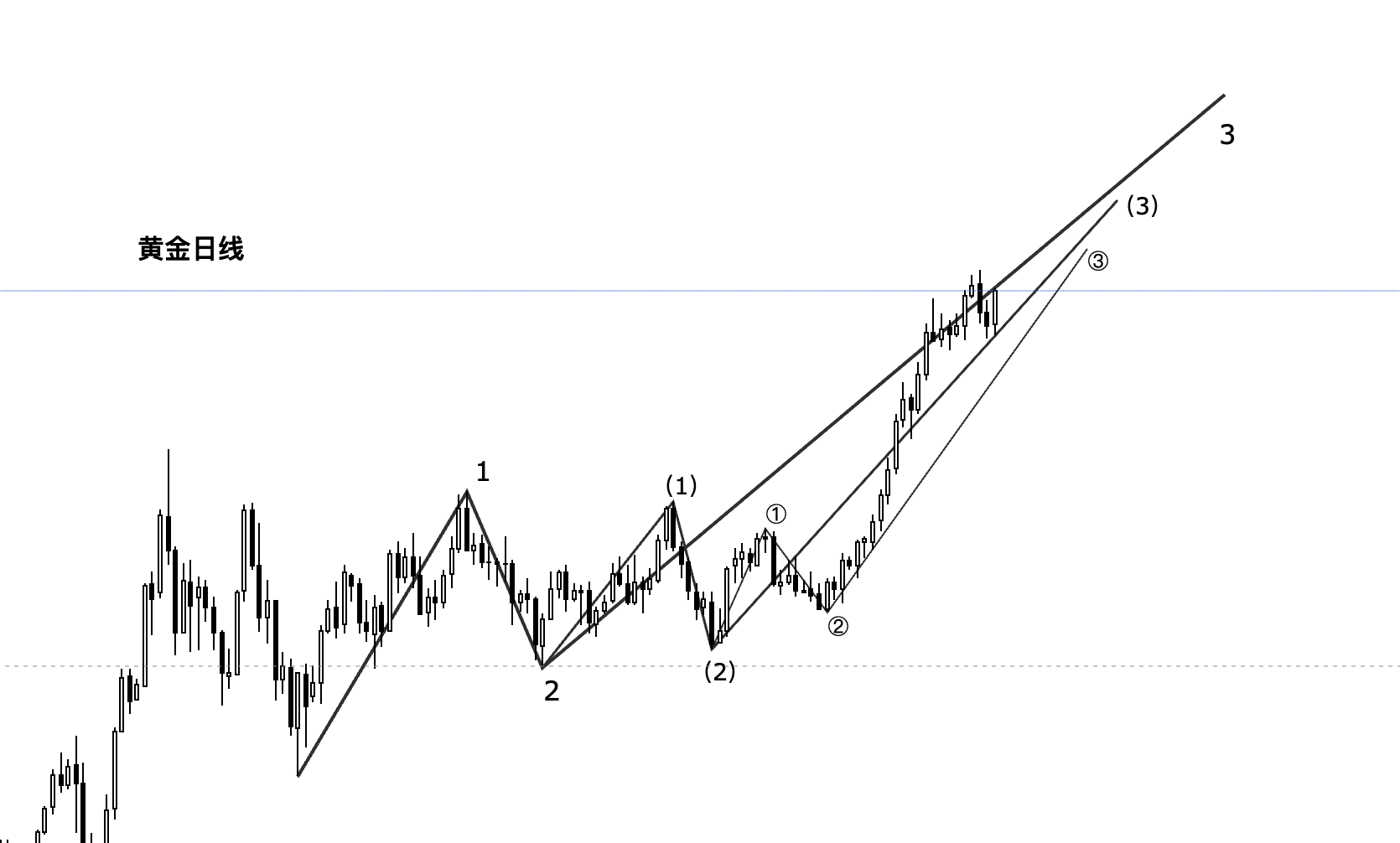
Sou Hu Cai Jing· 2025-12-23 16:06
Core Viewpoint - The U.S. Treasury Secretary, Becerra, indicated that discussions about adjusting the Federal Reserve's 2% inflation target could occur once inflation is consistently brought back to that level, suggesting a potential range of 1.5% to 2.5% or 1% to 3% as more reasonable targets [2][3] Group 1 - Becerra emphasized the importance of maintaining policy credibility before re-anchoring inflation expectations, acknowledging that American households are under financial pressure [3] - He attributed the current high price levels to the Biden administration and noted that inflation is beginning to decline, partly due to falling rents, which he believes were previously driven up by an increase in illegal immigration [4] - The latest Consumer Price Index (CPI) data showed a year-over-year increase of 2.7% for November, while the Personal Consumption Expenditures (PCE) index rose by 2.8% over the past 12 months [2]
Two Measures of Inflation: September 2025
Etftrends· 2025-12-08 17:19
Core Insights - Inflation remains a significant concern, with the core PCE at 2.8% and core CPI at 3.0%, both above the Federal Reserve's 2% target [1][2] Inflation Measures - The Federal Reserve primarily uses the PCE Price Index as its inflation gauge, emphasizing core inflation which excludes volatile food and energy prices [2][3] - Core inflation measures are essential for identifying inflation trends, as they exclude items with dramatic price fluctuations [3] Federal Reserve Actions - The Federal Reserve recently cut the federal funds rate by 25 basis points to a range of 4.00%-4.25%, marking the first rate cut of the year, with expectations for two more cuts by year-end [3][4] - The upcoming Fed meeting is anticipated to result in another 25 basis point rate cut, with an 87% likelihood according to the CME FedWatch Tool [4] Comparison of Inflation Metrics - Core PCE is preferred over core CPI due to its lower volatility, making it a more reliable indicator for the Fed's dual mandate of price stability and maximum employment [5][6] - The historical stability of core PCE has raised questions about the effectiveness of the Fed's monetary policy, especially given the disinflationary trend prior to 2022 [6]

伦敦金波动收窄显谨慎 PCE前聚焦4200支撑
Jin Tou Wang· 2025-12-05 06:09
Group 1 - The current trading price of London gold is around $4218.04 per ounce, with a slight increase of 0.27% [1] - The highest price reached today is $4218.36 per ounce, while the lowest is $4194.23 per ounce, indicating a short-term bullish trend [1] - The market is experiencing reduced volatility, with daily fluctuations now between $40 to $60, compared to previous ranges of $80 to $200 [2] Group 2 - The upcoming release of the September Personal Consumption Expenditures (PCE) report is highly anticipated as it serves as a key inflation indicator for the Federal Reserve [2] - Investors are focusing on the PCE data due to the recent inaccuracies in "soft data" from surveys, which have created confusion in economic expectations [2] - Technical analysis suggests that key support levels for gold are at the 10-day moving average and the $4165 area, while resistance is noted at $4225 and the $4255-$4265 range [3]
黄金走势推演与后市机会分析(2025.9.21)
Sou Hu Cai Jing· 2025-09-21 07:59
Core Viewpoint - The recent movements in the gold market indicate a strong upward trend, with a notable five consecutive weeks of gains, despite some fluctuations during the week [1]. Group 1: Fundamental Analysis - The Federal Reserve's current policy under Chairman Powell focuses on "risk management," with recent interest rate cuts exhibiting a "hawkish" characteristic, putting pressure on the gold market [2]. - There are concerns about potential "forced rate hikes" in 2026 if current rate cuts do not align with economic trends, reflecting market uncertainty regarding long-term policy paths [2]. - Upcoming speeches from multiple Federal Reserve officials are expected to reveal a divided stance on monetary policy, with some advocating for further rate cuts while others oppose them [2][3]. Group 2: Economic Data - Market attention is shifting back to inflation data, particularly the Personal Consumption Expenditures (PCE) index, with economists predicting a month-over-month increase of 0.32% and a year-over-year increase of 2.8% for August [4]. Group 3: Technical Analysis - The current gold market is in a clear upward trend, having transitioned from a corrective phase to a primary upward cycle, with the key turning point at 3120 [8]. - The five-wave upward structure initiated from 3120 has been identified, with the current phase being the core upward wave (5-wave 3), characterized by significant price increases and strong continuation [9]. - The internal structure of the current upward wave (5-wave 3) is being closely monitored, with recent movements indicating a potential continuation of the upward trend if key support levels are maintained [10][15].
美国6月PPI意外降温!更大危机正在逼近?
Jin Shi Shu Ju· 2025-07-16 14:47
Group 1 - The Producer Price Index (PPI) remained flat in June, with a revised increase of 0.3% in May, indicating the mildest annual increase since September last year at 2.3% year-on-year [1] - Core PPI, excluding food, energy, and trade services, also remained flat, with a year-on-year increase of 2.5%, marking the smallest increase since the end of 2023 [1] - Service costs played a crucial role in suppressing inflation, with a month-on-month decrease of 0.1%, largely driven by a 4.1% drop in travel accommodation prices and a 2.7% decline in air passenger service prices, the largest drop since May of last year [1] Group 2 - The report is significant for the Federal Reserve as some components of the PPI are directly used to calculate the Personal Consumption Expenditures (PCE) price index, which is a key inflation indicator for the Fed [2] - Current market expectations suggest that the Federal Reserve will maintain interest rates in the July meeting to observe the actual impact of trade policies [2] - There are signs of tariff-related inflation in the PPI, with durable goods costs rising significantly for two consecutive months, marking the largest cumulative increase in three years [2]
美国6月PPI环比持平 旅游服务成本骤降抵消商品涨价
智通财经网· 2025-07-16 13:20
Core Insights - The Producer Price Index (PPI) in the U.S. showed no change month-over-month in June, with a year-over-year increase of 2.3%, the smallest since September of the previous year [1][2] - Core PPI, excluding food and energy, remained flat month-over-month and increased by 2.6% year-over-year, marking the lowest annual growth rate since the end of 2023 [1][2] Inflation Trends - The decline in travel-related service costs offset the rise in goods prices, indicating a mixed inflationary environment [1] - Economists expect inflation to gradually rise as more companies attempt to pass on increased trade costs to consumers, despite current moderate inflation levels [2] Price Movements - Core commodity prices, excluding food and energy, increased by 0.3%, while energy costs rose significantly, particularly natural gas prices for electricity generation, which saw the largest increase in three years [3] - Service costs decreased by 0.1%, primarily due to a 4.1% drop in travel accommodation prices and a 2.7% decline in airline passenger service prices, the largest drop since May 2024 [3] Future Indicators - The PCE report, which is closely monitored as it includes components used to calculate the inflation metrics favored by the Federal Reserve, is expected to be released later this month [4]

美国住房价格增速放缓 生产者价格报告将提供更多参考
news flash· 2025-07-15 12:59
Core Insights - The growth rate of housing prices in the U.S. is slowing down, primarily due to a decline in hotel prices [1] - Housing prices are a significant factor in assessing overall inflation, but the Federal Reserve uses a different index, the Personal Consumption Expenditures Price Index (PCE), which has a lower weight for housing compared to the Consumer Price Index (CPI) [1] - The upcoming Producer Price Report is expected to provide additional reference information for categories directly included in the PCE, with the PCE report to be released later this month [1]
美国5月个人消费支出价格指数环比上升0.1%
news flash· 2025-06-27 13:03
Core Insights - The Personal Consumption Expenditures (PCE) price index in the U.S. increased by 0.1% month-over-month in May, indicating a slight rise in inflation [1] - The core PCE price index, which excludes food and energy prices, rose by 0.2% month-over-month, suggesting underlying inflation pressures [1] - The PCE price index is a key inflation measure closely monitored by the Federal Reserve for monetary policy decisions, highlighting its significance in the economic landscape [1]