
新车

Search documents
多卖172万辆,少赚800亿,中国汽车越卖越亏
商业洞察· 2026-03-07 09:22
Core Viewpoint - The Chinese automotive industry is experiencing a paradox where total sales volume is increasing, but total revenue is declining, leading to a significant drop in average vehicle prices and profit margins [8][10][26]. Group 1: Sales and Revenue Trends - In 2025, China's new car sales volume grew by 6.7% to 27.3 million units, yet the retail revenue fell by 1.5%, resulting in a loss of approximately 79.1 billion RMB [9][10]. - This marks the second consecutive year where sales volume and revenue diverged, a rare occurrence in the automotive sector [11]. - The average price of new cars dropped to 170,000 RMB in 2025, a 7.5% decrease from 2024, and lower than the prices in 2021 and 2022 [22][23]. Group 2: Factors Influencing Price Decline - The decline in average prices is attributed to a shift in consumer preferences, with high-end fuel vehicles declining and the average price of new energy vehicles decreasing [24][25]. - The automotive industry's profit margin fell to 4.1% in 2025, the lowest in five years, indicating a challenging economic environment [26]. Group 3: Regulatory Environment and Market Dynamics - Despite regulatory efforts to curb internal competition (referred to as "involution"), the pressure on prices remains, with some leading companies reportedly intensifying competitive practices [28]. - Improvements have been noted in payment terms for suppliers, with many major automakers reducing their payment periods to an average of 54 days [28]. Group 4: Future Outlook for 2026 - Early indicators for 2026 show a rebound in average vehicle prices, with January's average reaching 186,000 RMB, surpassing the previous year's figures [30]. - The automotive industry is expected to continue its growth trajectory, with sales and revenue likely to align again, as historical trends suggest [31]. - Supply chain pressures, particularly in memory chips and battery materials, may influence pricing strategies moving forward [32][36].


2026年1月美国通胀数据点评:服务强于商品,压力整体不大
Huafu Securities· 2026-02-14 06:44
Inflation Data - January CPI year-on-year growth decreased to 2.4%, below the market expectation of 2.5% and down from the previous value of 2.7%[2] - Core CPI also fell to 2.5%, down from 2.6%, marking the lowest level since April 2021[2] - Month-on-month, core CPI rose by 0.3%, in line with expectations, compared to a previous increase of 0.2%[2] Energy and Commodity Trends - Energy inflation dropped further, with January CPI energy component year-on-year growth at -0.1%, down from 2.3%[3] - Gasoline prices saw a year-on-year decline of -7.5%, contributing significantly to the overall energy inflation drop[3] - Core commodity inflation fell to 1.1% year-on-year, down from 1.4%, with used car prices plummeting to -2% year-on-year, a decline of 3.6 percentage points from the previous month[4] Service Inflation - Core service inflation decreased to 2.9% year-on-year, down from 3%, while month-on-month growth increased to 0.4% from 0.3%[4] - Housing inflation year-on-year was 3.3%, slightly down from 3.4%, indicating a continued moderation trend[4] - Medical services showed a rebound, with year-on-year growth rising to 3.9%[4] Market Reactions and Expectations - Following the inflation data release, U.S. stock indices experienced moderate gains, and the dollar index fell below 97[4] - The probability of the Federal Reserve lowering interest rates before June increased to 68%, up from 62%[4] - The yields on 2-year and 10-year U.S. Treasury bonds fell to 3.4% and 4.05%, respectively, both reaching new lows since November 2025[4]
一月美国CPI点评:滞后项仍在推动通胀下
Yin He Zheng Quan· 2026-02-14 06:40
Inflation Trends - The CPI year-on-year decreased to 3.0%, while the core CPI fell to 6.1%, indicating a slowdown in inflation driven by lagging factors[3] - The nominal CPI was slightly below expectations due to a significant drop in energy prices and a continued slowdown in used car prices[3] - Core services saw a slight acceleration, primarily due to increases in non-residential costs, but housing costs continued to ease, supporting the core inflation target of around 2%[3] Food and Energy Prices - Food prices adjusted seasonally decreased from 3.6% in the previous month to 3.1%, with year-on-year growth remaining at 3.0%[3] - The energy index adjusted seasonally fell by 4.5%, with a year-on-year decline of 3.1%, significantly impacting nominal inflation[3] - Energy commodities saw a month-on-month decrease of 6.6%, with gasoline prices dropping by 6.1%[3] Core Goods and Services - Core goods, excluding food and energy, showed a month-on-month increase of 0.3% and a year-on-year increase of 1.1%, indicating limited pass-through of tariff-related price increases[3] - Core services, excluding energy services, increased slightly to 3.5% month-on-month, reflecting marginal acceleration in service prices[3] Housing Costs - Housing costs decreased month-on-month by 0.3% and year-on-year by 4.3%, continuing a slow downward trend that limits service inflation[4] - The moderate increase in rent and owner-equivalent rent was consistent with leading rental indicators, supporting the easing of core inflation towards the 2% target[4] Market Expectations - The market's expectations for interest rate cuts remain stable, with CME data indicating a baseline pricing for three rate cuts throughout the year[4] - U.S. Treasury yields fell, with the 10-year yield decreasing to 3.67% and the 2-year yield down to 4.67%[4]
服务强于商品,压力整体不大——2026年1月美国通胀数据点评【陈兴团队·华福宏观】
陈兴宏观研究· 2026-02-14 05:57
Core Insights - Inflation continues to ease, with January CPI year-on-year growth dropping to 2.4%, below the market expectation of 2.5% and down from 2.7% in the previous month. Core CPI also fell to 2.5%, the lowest since April 2021 [2] - Energy inflation has significantly decreased, with January CPI energy component year-on-year growth falling to -0.1% from 2.3%. Gasoline prices saw a year-on-year decline of 7.5%, although recent oil price rebounds may stabilize future gasoline inflation [5] - The price of used cars has plummeted, dragging down core goods inflation, which fell to 1.1% year-on-year from 1.4%. Used car prices dropped 2% year-on-year, marking the largest month-on-month decline since February 2024 [6] - Core services inflation remains sticky, with January core services year-on-year growth decreasing to 2.9% from 3%. Housing inflation has also slowed, while medical services have shown signs of strength [8] - Long-term inflation expectations have fluctuated, with one-year inflation expectations dropping to 3.5% while five-year expectations rebounded to 3.4%, indicating consumer concerns about potential inflation risks [10] - Expectations for interest rate cuts in the first half of the year have increased, with market expectations for a rate cut by the Federal Reserve rising to 68% following the inflation data release [11]

CPI Report Live: Today's Inflation Data Was a 'Welcome Surprise'
Investopedia· 2026-02-13 17:03
Economic Outlook - Economists are optimistic about inflation moving towards the 2% target as tariff effects and labor market pressures ease, although further confirmation is needed before the Federal Open Market Committee (FOMC) resumes rate cuts [1] - The Consumer Price Index (CPI) rose 2.4% year-over-year in January, down from a 2.7% increase in December, marking the lowest rate since May [10][21] - Core inflation decreased to a 2.5% annual increase from 2.6% in December, the lowest since March 2021, indicating a potential stabilization in price trends [11][22] Inflation Trends - Headline CPI inflation was softer than expected in January, providing a positive surprise at the start of the year, with residual seasonality and delayed price adjustments affecting previous forecasts [2][12] - Certain food items experienced significant inflation, such as canned vegetables at 5.5%, while categories like eggs and pork chops saw deflation of -7% and -4.1% respectively [4][9] - The report indicated that tariff-induced price hikes have not fully worked through the data, suggesting that inflation pressures may still be present but are closer to resolution [4] Market Reactions - Stock futures rose slightly following the inflation report, with the Dow Jones Industrial Average and S&P 500 each up about 0.1% in early trading [6] - Treasury yields fell after the report, with the yield on the 10-year Treasury decreasing to 4.09% from 4.11% [6] Federal Reserve Considerations - Softer inflation readings may provide the Federal Reserve with the flexibility to assess economic conditions before making further interest rate decisions [7] - The CME Group's FedWatch Tool indicates a 70% probability of a rate cut at the June meeting, up from 66% prior to the report [8] - Federal Reserve officials remain cautious about inflation, with some expressing concerns that inflation could stabilize around 3% rather than returning to the 2% target [14]
商务部四大举措引爆2026春节消费:以旧换新背后的经济密码
Sou Hu Cai Jing· 2026-02-12 08:41
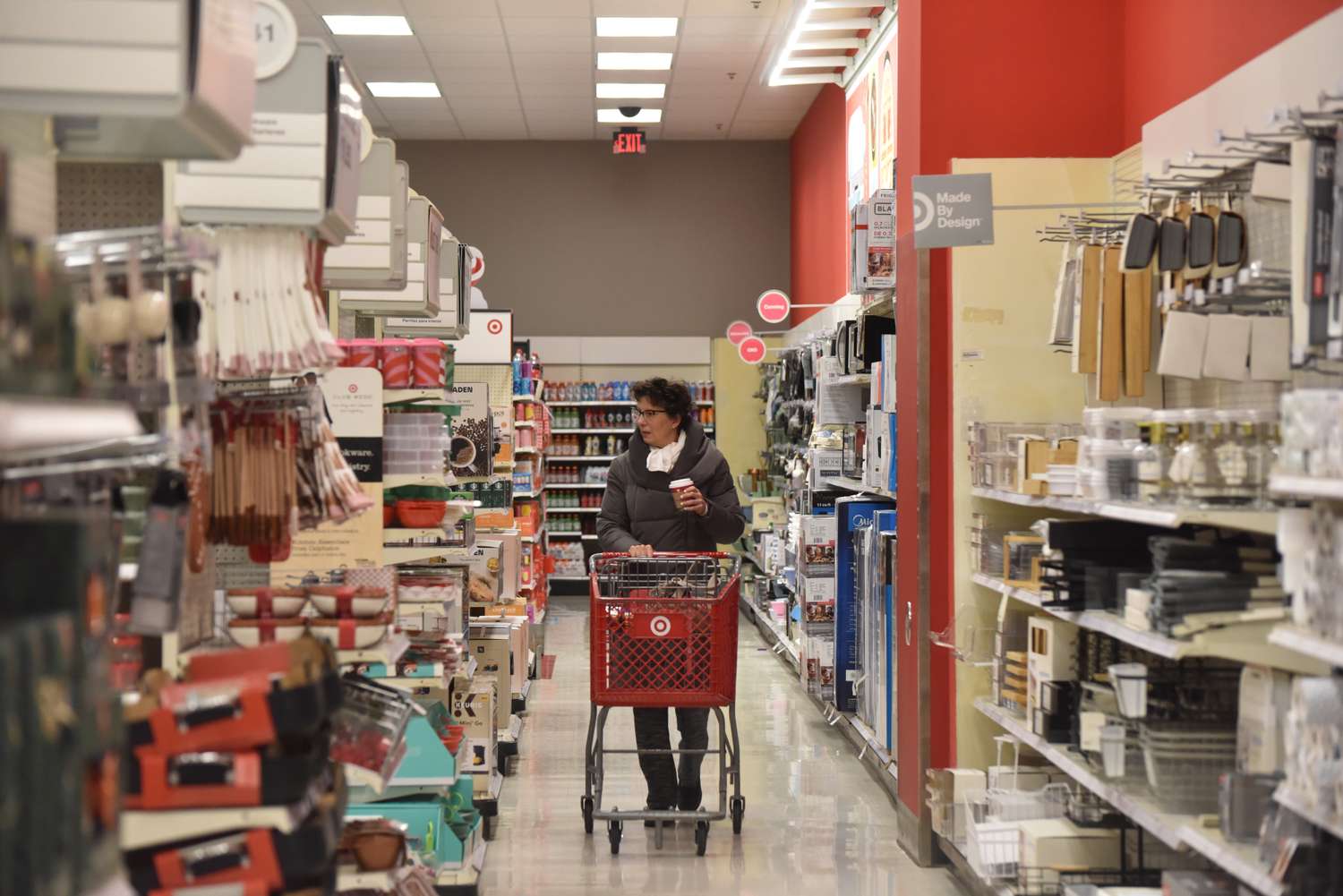
Core Viewpoint - The Chinese government is implementing a comprehensive policy to stimulate consumption during the extended Spring Festival holiday in 2026, aiming to activate a trillion-level consumer market through a series of strategic measures. Group 1: Subsidy Enhancement - The 9-day Spring Festival holiday (February 15-23) is positioned as a golden window for consumption, with consumers eligible for government subsidies on new cars, home appliances, and digital products during this period [3] - The policy emphasizes "offline channels first," indicating a targeted support for the实体经济 [3] - In 2023, the old-for-new home appliance program stimulated over 300 billion yuan in consumption, and the 2026 Spring Festival could see significant peaks in consumption, particularly in the automotive sector [3] Group 2: Rural Market Strategy - The policy aims to activate the rural market by increasing participation from offline channels in rural areas, indicating a strategic focus on this segment [4] - Rural households have an average appliance usage lifespan that exceeds urban households by 2-3 years, highlighting a substantial demand for upgrades [4] - The influx of funds during the Spring Festival from migrant workers returning home aligns perfectly with the policy's subsidies, aiming to enhance the last mile of consumption upgrades [4] Group 3: Experience-Based Consumption Upgrade - "Experiential consumption scenarios" are highlighted as a key focus, with the government encouraging the creation of special events for the old-for-new program [5] - The policy recognizes the need to reconstruct the value of offline experiences to retain consumers amidst the rise of e-commerce [5] - Measures such as "one-stop services" and "points redemption" are part of an attempt to build a new consumption ecosystem, providing consumers with comprehensive service solutions [5] Group 4: Policy Communication Strategy - The effectiveness of the policy relies on its communication, with the government mandating a "multi-level, multi-channel" promotional strategy [6] - The requirement for "smooth complaint channels" indicates a move towards greater transparency in policy execution [6] - The strategy aims to create a "strong festive atmosphere," integrating policy promotion with cultural symbols of the Spring Festival, making the old-for-new initiative a new tradition [6]
商务部:春节9天假期内购买新车的消费者,均可按政策要求申领汽车以旧换新补贴
Jin Rong Jie· 2026-02-12 07:30
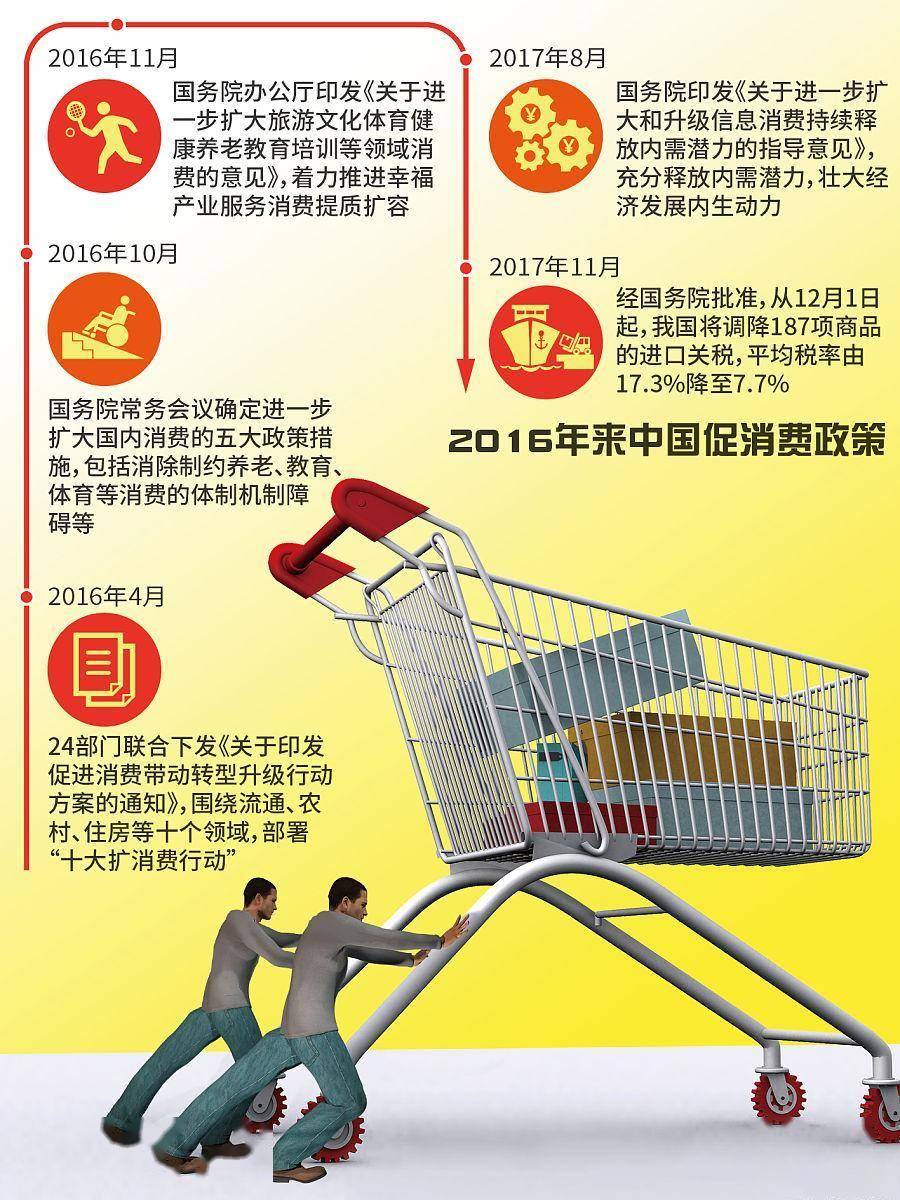
Core Viewpoint - The government is implementing measures to enhance consumer spending during the 2026 Spring Festival by increasing subsidies for trade-in programs and promoting local consumption [1][2][3][4] Group 1: Increase in Subsidies - Local governments are required to strengthen funding for trade-in subsidies during the Spring Festival, ensuring consumers can access these benefits through offline channels [1] - Consumers purchasing new cars during the 9-day holiday (February 15-23) can apply for trade-in subsidies as per policy requirements [1] Group 2: Strengthening Product Supply - Authorities are to guide automotive dealers and retailers of home appliances and digital products to ensure adequate supply of quality goods during the holiday season [2] - There is a focus on increasing participation from rural areas and enhancing online channels to facilitate access to trade-in policies for rural residents [2] Group 3: Promotional Activities - Local governments are encouraged to organize trade-in promotional events that align with market demand, emphasizing green and smart products [3] - Businesses and financial institutions are urged to offer "one-stop" services and incentives such as point redemption to enhance consumer engagement [3] Group 4: Promotion and Communication - Effective use of various media platforms is essential for promoting trade-in policies and related promotional activities to create a festive atmosphere [4] - There is a need for clear communication channels for policy inquiries and complaints, ensuring timely responses to consumer and business concerns [4] - Local authorities must enhance organizational leadership and inter-departmental collaboration to ensure the successful implementation of these initiatives [4]
凯利蓝皮书:美国1月新车价格上涨,汽车制造商削减促销激励措施,以帮助维护利润率。1月份,新车的平均建议零售价为49,191美元,比去年同期水平上涨了1.9%。上月新车价格自2025年12月创下的历史高位回落。
Jin Rong Jie· 2026-02-10 18:24
Group 1 - The core point of the article highlights that new car prices in the U.S. increased in January, with manufacturers reducing promotional incentives to maintain profit margins [1] - The average suggested retail price for new cars in January was $49,191, reflecting a 1.9% increase compared to the same period last year [1] - New car prices have retreated from the historical high reached in December 2025 [1]
从开发到量产,探访长城汽车试验室
Xin Lang Cai Jing· 2026-02-07 06:31
Core Viewpoint - The automotive industry is undergoing an unprecedented transformation driven by the waves of intelligence and connectivity, redefining the relationship between people and vehicles [1] Group 1: Industry Transformation - The core engines of industry evolution include advancements in smart driving, intelligent cockpits, vehicle networking, and OTA upgrades [1] - Each technological breakthrough requires extensive testing and validation, with new vehicles needing to pass hundreds of rigorous tests from concept to mass production [1] Group 2: Investment and Infrastructure - Great Wall Motors has invested nearly 10 billion yuan to establish a globally leading testing system [1] - This system includes various facilities such as smart testing grounds, environmental wind tunnels, electromagnetic compatibility labs, and acoustic noise reduction labs, which serve as robust guardians of quality [1]

英国1月新车总销量同比下降4.6%至133,571辆,特斯拉英国1月新车销量同比下降57.2%,至647辆电动汽车。比亚迪英国1月新车销量同比增长20.9%,达1326辆。
Jin Rong Jie· 2026-02-04 13:39
Core Insights - The total new car sales in the UK for January decreased by 4.6% year-on-year, amounting to 133,571 vehicles [1] Company Performance - Tesla's new car sales in the UK for January saw a significant decline of 57.2%, with only 647 electric vehicles sold [1] - BYD, on the other hand, experienced a growth in new car sales in the UK for January, increasing by 20.9% to reach 1,326 vehicles [1]

